
The Hidden Stories Behind Ancient Indian Festival Symbols

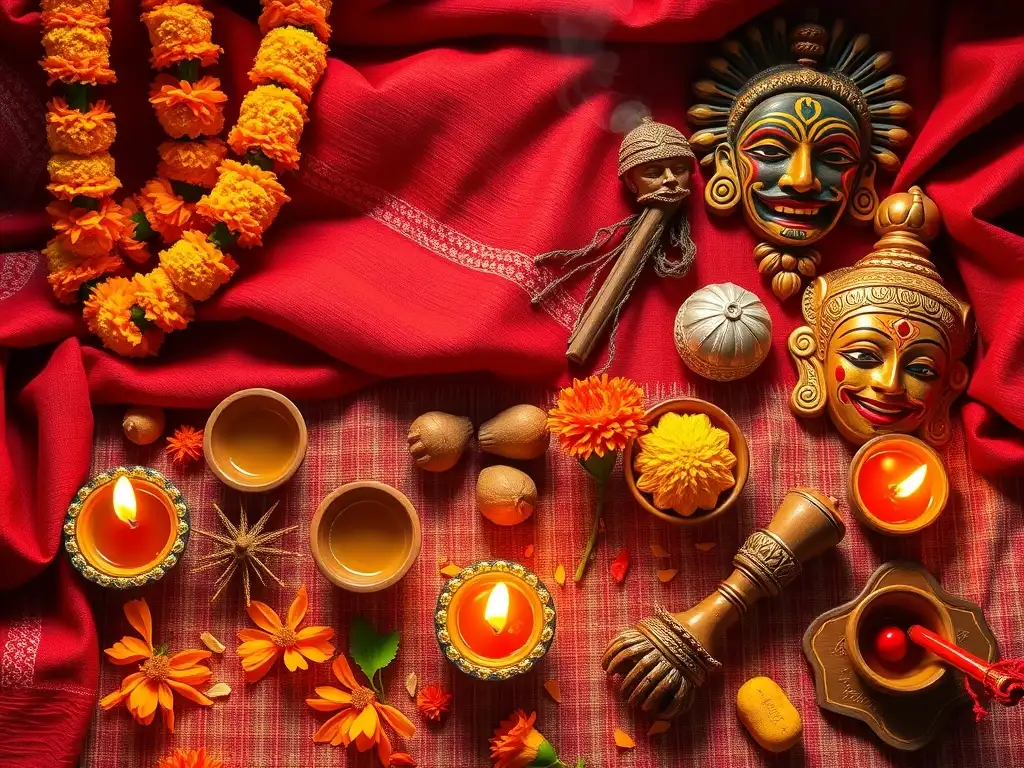
Welcome to Ancient India History, where we embark on an enlightening journey through the rich tapestry of India's past. Today, we delve into the intriguing world of ancient Indian festival symbols, uncovering the hidden stories and meanings that have shaped centuries of vibrant celebrations. What secrets do these symbols hold?
How do they connect us to the values and traditions of our ancestors? Join us as we explore these captivating narratives that not only illuminate the significance of festivals but also reveal the profound cultural heritage of ancient Indian civilizations. Get ready to discover the essence of celebration like never before!
- Introduction to Ancient Indian Festival Symbols
- Understanding the Origins of Ancient Indian Festival Symbols
- Key Ancient Indian Festival Symbols and Their Meanings
- The Evolution of Festival Symbols Through the Ages
- The Cultural Impact of Ancient Indian Festival Symbols
- The Relevance of Ancient Indian Festival Symbols Today
- Conclusion: The Enduring Legacy of Ancient Indian Festival Symbols
-
Frequently Asked Questions
- What are ancient Indian festival symbols?
- How do these symbols vary across different festivals?
- What is the significance of these symbols in ancient Indian culture?
- Can you give examples of popular ancient Indian festival symbols?
- How can understanding these symbols enhance the celebration of festivals?
- Final Reflection: Unveiling the Depths of Ancient Indian Festival Symbols
- Unveil the Rich Tapestry of Ancient Indian Festivals!
Introduction to Ancient Indian Festival Symbols
In the vibrant tapestry of ancient Indian history, festivals stand out as a celebration of life, culture, and spirituality. These festivals are not merely occasions for joy; they are intricately woven narratives that reflect the diverse beliefs and practices of ancient Indian civilizations. Central to these celebrations are the symbols that convey profound meanings, serving as visual representations of the values, stories, and deities that shape the cultural identity of the people. The exploration of ancient Indian festival symbols unveils a fascinating world where each emblem tells a hidden story, connecting us to the rich heritage of our ancestors.
Through the lens of these symbols, we gain insights into the socio-religious fabric of ancient India, shedding light on the rituals and traditions that have transcended time. This article delves into the significance of these symbols, their origins, and the cultural importance of the festivals they represent, offering a comprehensive understanding of how they continue to resonate in contemporary society.
The Significance of Symbols in Ancient Indian Festivals
Symbols in ancient Indian festivals are not just decorative elements; they are imbued with meaning and purpose. Each symbol serves as a conduit for spiritual expression and communal identity, often representing deities, natural elements, or philosophical concepts.
- Spiritual Significance: Many symbols are directly linked to deities worshiped during festivals. For instance, the image of the lotus is often associated with Lakshmi, the goddess of wealth, symbolizing purity and prosperity.
- Cultural Representation: Symbols also reflect the regional diversity of India. For example, the diyas (lamps) used during Diwali signify the triumph of light over darkness and are particularly significant in the northern regions of India.
- Historical Context: Understanding the historical roots of these symbols reveals their evolution over time, often influenced by various dynasties and cultures that have flourished in the Indian subcontinent.
In essence, the symbols serve as a bridge between the past and present, encapsulating the wisdom and traditions of ancient Indian civilization.
Overview of Ancient Indian Festivals and Their Cultural Importance
Ancient Indian festivals are celebrated with great fervor and enthusiasm, each with its unique significance and rituals. They play a crucial role in fostering community bonds and preserving cultural heritage.
- Religious Festivals: Such as Diwali, Holi, and Navratri, these festivals honor deities and commemorate significant mythological events. They often feature elaborate rituals, music, dance, and vibrant decorations.
- Agricultural Festivals: Festivals like Pongal and Makar Sankranti celebrate the harvest season, showcasing gratitude towards nature and the gods for bountiful crops.
- Regional Festivals: Each region of India has its own festivals reflecting local customs and traditions. For instance, Baisakhi in Punjab marks the harvest season and also commemorates the formation of the Khalsa.
The cultural importance of these festivals transcends their immediate celebration; they embody the collective memory of communities, passing down traditions, values, and stories from generation to generation. By exploring the hidden stories behind the symbols associated with these festivals, we not only appreciate their beauty but also recognize their role in shaping the identity and continuity of ancient Indian culture.
Understanding the Origins of Ancient Indian Festival Symbols
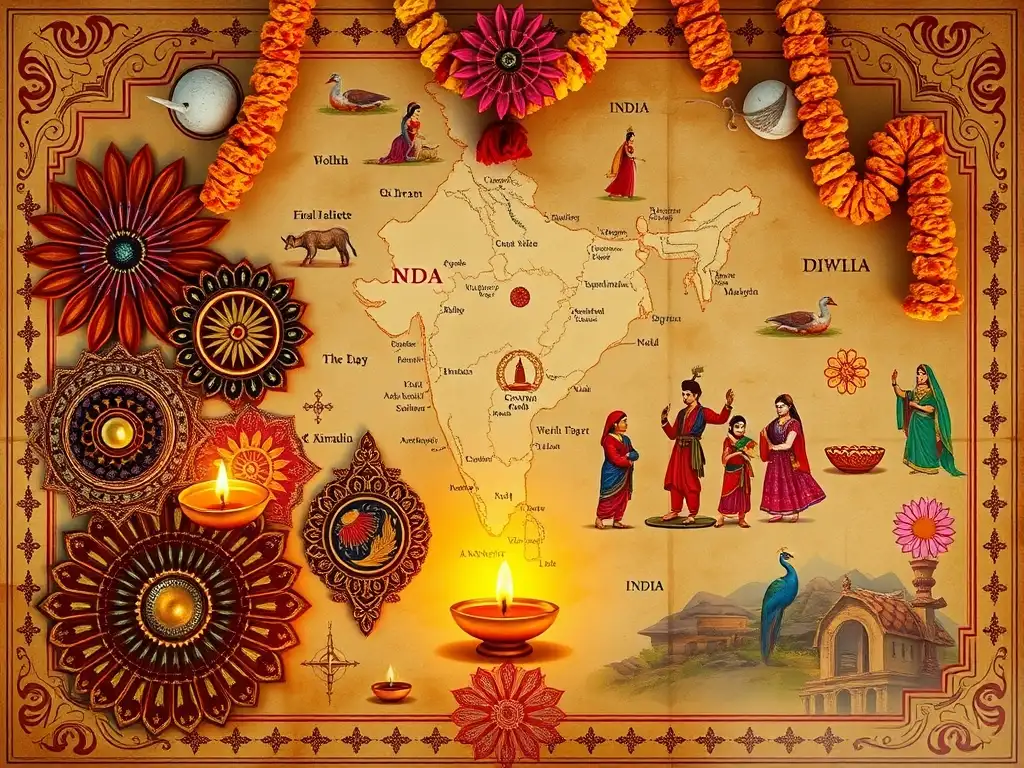
Ancient Indian festival symbols are deeply rooted in the rich tapestry of India’s history and culture. These symbols serve not only as representations of the festivals themselves but also as reflections of the societal norms, religious beliefs, and philosophical ideas prevalent during various epochs. Understanding the origins of these symbols provides insights into the values and practices of ancient Indian civilizations.
Historical Context of Symbolism in Ancient India
The use of symbols in ancient India can be traced back to the Indus Valley Civilization (c. 3300–1300 BCE), where seals featuring various motifs such as animals and geometric patterns were discovered. These seals are believed to have served as identifiers for trade and ownership, but they also hint at a deeper symbolic significance that can be linked to spirituality and social structure.
As time progressed, the arrival of Vedic traditions introduced a new layer of complexity to symbolism. The Vedas, ancient scriptures composed around 1500 BCE, emphasized the importance of rituals, and with them, a range of symbols emerged. For instance, the sacred fire (Agni) became a powerful symbol of purification and divine connection during various rituals.
Moreover, during the Maurya and Gupta periods (c. 322 BCE–550 CE), the proliferation of Buddhism and Jainism introduced additional symbols such as the Lotus and the Dharma Wheel. These symbols represented purity, enlightenment, and the path to spiritual awakening. The presence of such symbols in festivals reflects the fusion of religious and cultural practices that characterized ancient Indian society.
| Symbol | Civilization/Period | Meaning |
|---|---|---|
| Seals with Animals | Indus Valley | Trade, Ownership, Spirituality |
| Sacred Fire (Agni) | Vedic Period | Purification, Divine Connection |
| Lotus | Maurya/Gupta Period | Purity, Spiritual Awakening |
| Dharma Wheel | Buddhism | Path to Enlightenment |
The continuity and evolution of these symbols throughout history demonstrate their significance in uniting communities and conveying shared beliefs. Festivals became occasions to celebrate these symbols, reinforcing their meanings and cultural importance.
The Role of Religion and Mythology in Festival Symbols
Religion and mythology play pivotal roles in shaping ancient Indian festival symbols. Each festival is often accompanied by a mythological narrative that provides context and enriches the symbolism associated with it. For instance, Diwali, the festival of lights, is linked to the legend of Lord Rama's return to Ayodhya after defeating Ravana. The symbol of the lamp (Diya) is illuminated during this festival to signify the victory of light over darkness and good over evil.
Similarly, during Holi, the festival of colors, the story of Prahlada and Hiranyakashipu symbolizes the triumph of devotion over tyranny. The colors used in the celebration represent joy, love, and the arrival of spring, but also the underlying message of the victory of good.
Religious texts, such as the Puranas, further elaborate on these symbols, providing a rich narrative that informs the practices and rituals associated with festivals. The intricate relationship between religion and symbolism creates a layered understanding of ancient Indian festival symbols.
Key symbols in festivals include:
- Swastika: An ancient symbol representing prosperity and good fortune, often used in various rituals.
- Kite: Symbolizing freedom and joy during Makar Sankranti, representing the transition of the sun into the zodiac sign of Capricorn.
- Rangoli: Decorative patterns made on the floor, symbolizing welcoming and prosperity, commonly associated with festivals like Diwali.
The celebration of these symbols through festivals fosters a sense of community and continuity, as they connect individuals to their cultural heritage and shared identity. As such, ancient Indian festival symbols serve as conduits through which history, mythology, and spirituality converge, offering a glimpse into the profound beliefs that have shaped Indian civilization for millennia.
Key Ancient Indian Festival Symbols and Their Meanings
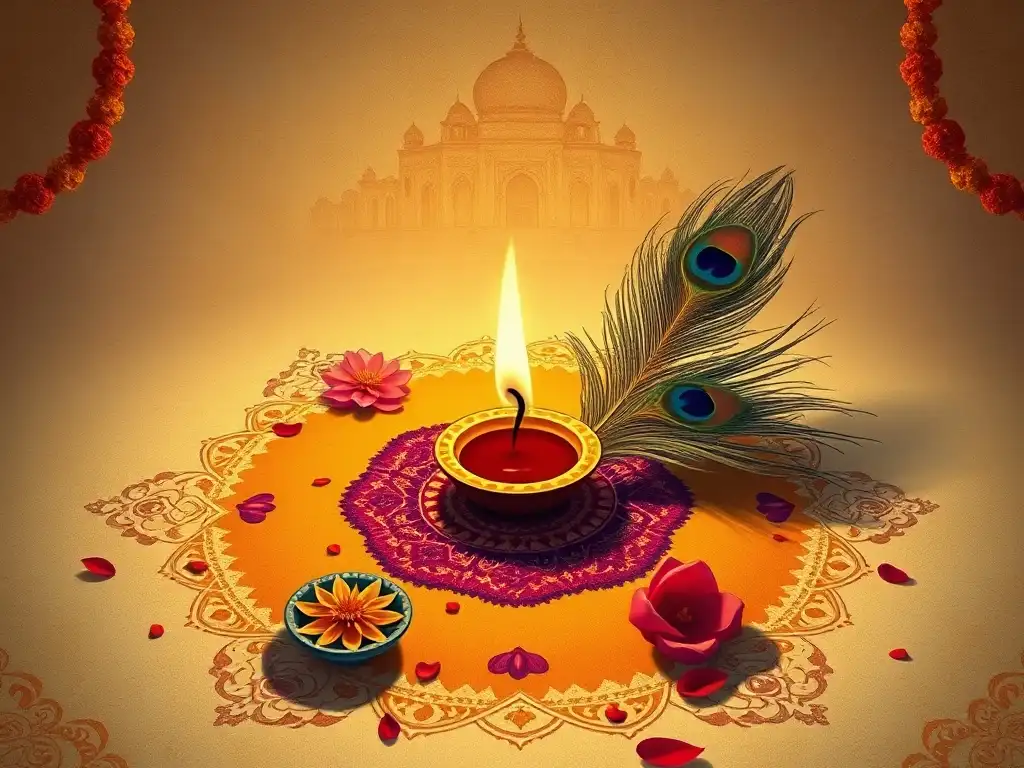
The Lotus: A Symbol of Purity and Enlightenment
The lotus flower holds a prominent place in ancient Indian culture and is widely recognized as a symbol of purity, enlightenment, and spiritual awakening. This revered flower blooms in muddy waters, rising above the surface, which represents the ability to transcend difficulties and attain spiritual enlightenment.
- Cultural Significance: In Hinduism, the lotus is associated with various deities, including Lakshmi, the goddess of wealth and prosperity, and Saraswati, the goddess of knowledge and arts. The lotus is often depicted in religious iconography, symbolizing divine beauty and purity.
- Festivals and Rituals: During festivals such as Diwali and Navaratri, the lotus is commonly used in decorations and offerings. The act of offering lotus flowers in temples is considered auspicious and signifies devotion and purity of heart.
- Philosophical Interpretations: The lotus also embodies the concept of dharma (righteousness) and moksha (liberation), encouraging individuals to rise above material attachments and pursue higher spiritual goals. This makes the lotus a profound symbol in the context of ancient Indian festivals.
The Swastika: Understanding Its Positive Connotations
The swastika is one of the most ancient symbols in Indian culture, often used in various religious and cultural contexts. Its name comes from the Sanskrit word "svastika," which means "well-being" or "good fortune."
- Historical Roots: The swastika has been found in artifacts dating back to the Indus Valley Civilization and is associated with auspiciousness in Hinduism, Buddhism, and Jainism. Its four arms are interpreted as representing the four directions, seasons, or stages of life.
- Usage in Festivals: During festivals such as Pongal and Makar Sankranti, the swastika is drawn on the ground using rice flour or colored powders, serving as a welcoming symbol for prosperity and happiness. It is commonly used in rituals to ward off negative energies and invoke blessings.
- Transformation of Meaning: While the swastika has been misappropriated in modern times, its original connotation in ancient Indian culture remains one of positivity, auspiciousness, and good fortune. Understanding its positive roots is crucial for appreciating its significance in ancient Indian festival symbols.
The Peacock: Symbol of Grace and Beauty in Festivals
The peacock, with its vibrant plumage and graceful demeanor, is another important symbol in Indian festivals, representing beauty, pride, and the arrival of monsoon.
- Cultural Representation: The peacock is the national bird of India and is often associated with the goddess Saraswati, symbolizing wisdom and artistic expression. In various art forms, including dance and music, the peacock is celebrated for its elegance and beauty.
- Festivals and Celebrations: During festivals like Teej and Navaratri, peacocks are often depicted in decorations and motifs, celebrating the joy of nature and the arrival of rain. The dance of the peacock is also a popular theme in traditional Indian dance performances, signifying the connection between nature and spirituality.
- Symbolic Meanings: Beyond beauty, the peacock symbolizes renewal and rebirth, akin to the cyclical nature of life and seasons in Indian philosophy. Its presence in festival symbolism encourages a celebration of life's beauty and the interconnection between the natural world and human experience.
These ancient Indian festival symbols are not just decorative elements; they encompass deep meanings and stories that reflect the rich tapestry of Indian culture and spirituality. Understanding these symbols enhances our appreciation of the festivals themselves and the traditions that sustain them.
The Trident (Trishula): Significance in Hindu Traditions
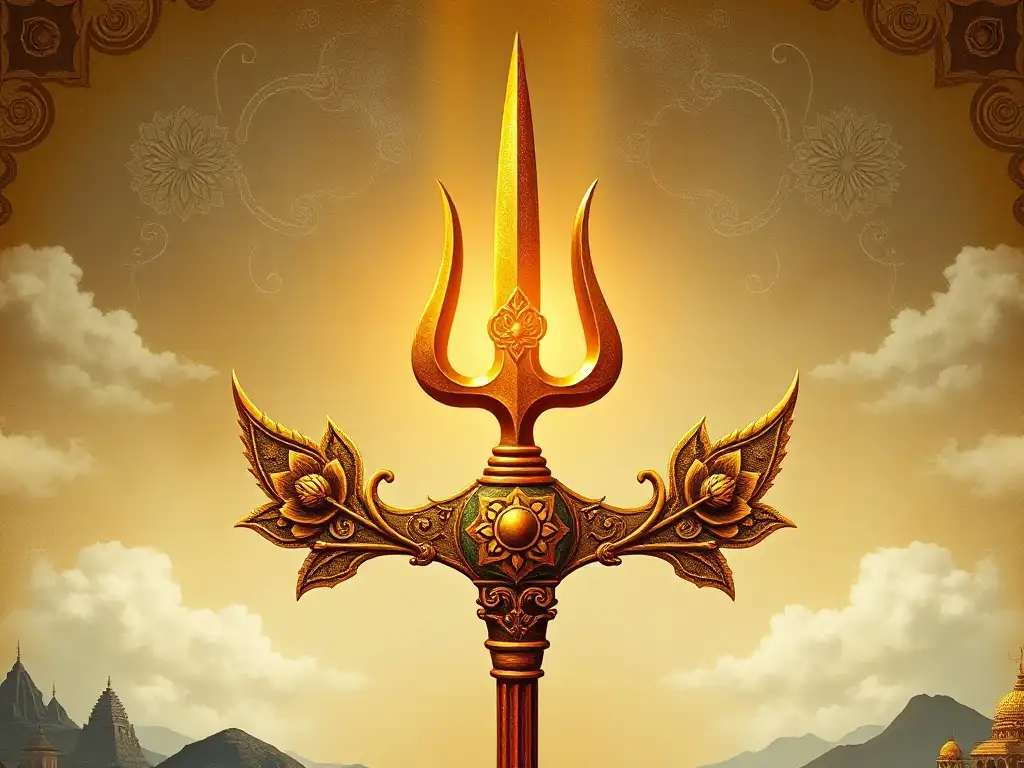
The trident, known as Trishula in Sanskrit, is a powerful and significant symbol in Hindu traditions, representing various spiritual and philosophical principles. This three-pronged weapon is primarily associated with Lord Shiva, one of the principal deities of Hinduism, embodying the destructive and transformative aspects of the universe. Each prong of the Trishula symbolizes different elements:
- Creation: The first prong represents the creation of the universe, signifying new beginnings and the birth of life.
- Preservation: The second prong symbolizes preservation, highlighting the importance of maintaining balance and harmony in the cosmos.
- Destruction: The third prong stands for destruction, essential for transformation and renewal, reminding devotees that destruction is a precursor to rebirth.
The Trishula is often depicted in various festivals, especially during Maha Shivaratri, where devotees celebrate Lord Shiva's cosmic dance, symbolizing the cycle of creation, preservation, and destruction. Furthermore, the Trishula is a reminder of the balance between the physical and spiritual realms, encouraging individuals to seek harmony within themselves and their surroundings.
The Clay Lamp (Diya): Light and Knowledge Representation
The clay lamp, or Diya, holds profound significance in ancient Indian festivals, particularly during Diwali, the festival of lights. Traditionally crafted from clay and filled with oil, the Diya symbolizes light, knowledge, and the victory of good over evil. The illuminating flame represents the dispelling of darkness, both literally and metaphorically, signifying the arrival of wisdom, prosperity, and joy.
In Hindu philosophy, light is associated with knowledge and enlightenment. Lighting a Diya is an act of inviting positivity and divine blessings into one’s home. During festivals, families often place Diyas around their homes, creating a warm and inviting atmosphere that symbolizes hope and renewal.
The ritual of lighting Diyas also serves as a reminder of the inner light within each individual, encouraging people to cultivate their own wisdom and virtues. The widespread use of Diyas during festivities not only enhances the celebratory spirit but also reinforces the cultural values of enlightenment and community unity, making it a cherished symbol in ancient Indian traditions.
The Evolution of Festival Symbols Through the Ages
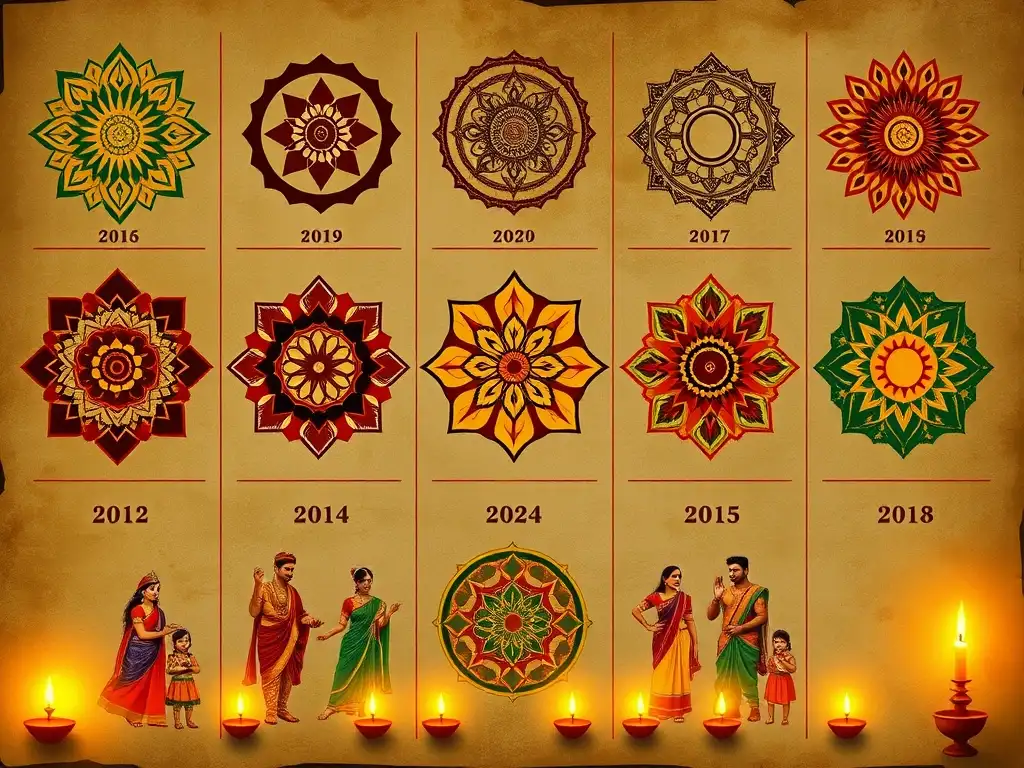
Changes in Symbolism from the Indus Valley Civilization to Gupta Empire
The evolution of ancient Indian festival symbols is a fascinating journey that reflects the cultural, spiritual, and social transitions of the civilization from the Indus Valley period through to the Gupta Empire. Each era contributed unique symbols that were often tied to the prevailing religious and philosophical ideas of the time.
- Indus Valley Civilization (c. 2500–1900 BCE):
- The symbols from this period are characterized by their simplicity and connection to nature. For instance, seals depicting animals such as the unicorn and figures engaging in ritualistic activities suggest a reverence for nature and wildlife.
- Ritual Practices: Artifacts like pottery and terracotta figurines indicate the existence of fertility cults and possibly agrarian festivals celebrating the harvest, which were symbolized by motifs of crops and animals.
- Vedic Period (c. 1500–500 BCE):
- With the emergence of the Vedas, festival symbols began to incorporate elements of fire and water, emphasizing purification and sacrifice.
- Fire Symbolism: The sacred fire (Agni) became a central symbol in various rituals, representing transformation and the divine presence.
- Maurya Period (c. 322–185 BCE):
- The Mauryan Empire saw the rise of symbols associated with political and religious authority. Symbols such as the lion and the chakra began to emerge, embodying power and governance.
- Ashoka's Edicts: The symbols inscribed on Ashoka's pillars, such as the lion capital, conveyed messages of Dharma (moral law) and unity.
- Gupta Empire (c. 240–550 CE):
- The Gupta period is often referred to as the Golden Age of India, where art and culture flourished. Festival symbols became more elaborate, incorporating intricate designs and divine imagery.
- Hindu Deities: Symbols representing deities like Vishnu and Shiva began to dominate festivals, reflecting the growing importance of religious celebrations in public life.
Through these periods, we can see a clear transition from nature-centric symbols to those reflecting political authority and religious devotion, illustrating the dynamic nature of ancient Indian festival symbols.
Regional Variations in Ancient Indian Festival Symbols
Ancient Indian festival symbols were not monolithic; they varied significantly across different regions, influenced by local customs, languages, and traditions. This diversity adds a rich layer to the understanding of ancient Indian culture.
- North India:
- Festivals like Diwali and Holi feature symbols such as diyas (lamps) and colored powders (gulal), respectively. These symbols are deeply rooted in agricultural cycles and mythological narratives.
- Goddess Worship: In northern regions, symbols associated with goddess worship, like the kalash (pot), are prevalent during festivals like Navaratri.
- South India:
- In South India, the festival of Pongal showcases symbols like the sugarcane and the kolam (decorative floor art). These symbols celebrate the harvest and the agrarian lifestyle.
- Temple Festivals: Symbols related to temple deities, such as the sacred conch (shankh) and bell, play a significant role in festivals dedicated to local gods.
- East India:
- The Durga Puja in Bengal features intricate idols of Goddess Durga, symbolizing the triumph of good over evil. The cultural motifs in the decorations reflect the region's artistic heritage.
- Natural Elements: Symbols like the lotus and the conch shell, representing purity and auspiciousness, are commonly used in various rituals.
- West India:
- In Gujarat, the festival of Navratri is symbolized by garba (dance) and dandiya (stick dance), reflecting vibrant community participation and celebration.
- Cultural Diversity: Regional symbols often include local flora and fauna, showcasing the rich biodiversity of the area.
The regional variations in ancient Indian festival symbols not only highlight the diversity of practices but also the underlying unity in celebrating the shared heritage of ancient Indian civilization. By understanding these symbols, we gain insight into the values, beliefs, and social structures that shaped ancient Indian life.
The Cultural Impact of Ancient Indian Festival Symbols
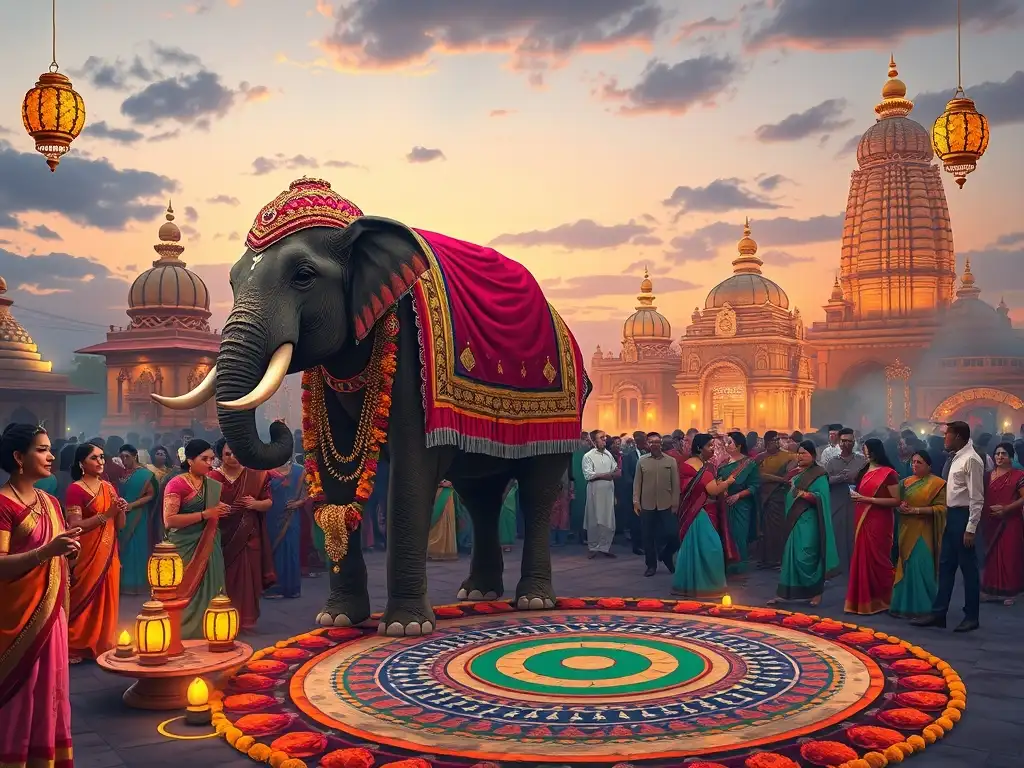
The symbols associated with ancient Indian festivals are not merely decorative; they embody deep cultural meanings and reflect the values, beliefs, and traditions of the civilizations that celebrated them. These symbols have left an indelible mark on various aspects of life in ancient India, influencing art, architecture, and traditional practices that resonate even today.
Influence on Art and Architecture in Ancient India
The impact of ancient Indian festival symbols on art and architecture can be observed in several key areas:
- Motifs in Sculpture and Painting:
- Divine Representations: Many festival symbols, such as the lotus and peacock, were often depicted in sculptures and paintings as representations of divine beings. For instance, the lotus symbolizes purity and spiritual awakening, frequently seen in artworks associated with deities like Lakshmi.
- Narrative Art: Festivals inspired intricate narrative art forms. Temples often feature friezes that tell stories of festivals, illustrating rituals and ceremonies. The Brihadeeswarar Temple in Thanjavur showcases such sculptures that celebrate the festival of Pongal through detailed carvings.
- Architectural Elements:
- Temple Design: The layout of many ancient temples reflects the importance of festivals. For example, the architectural orientation may align with celestial events celebrated during festivals, showcasing a connection to astronomy and agriculture.
- Ritual Spaces: Certain areas within temples were specifically designed for festival celebrations, incorporating symbols like the kalash (a pot) which is a common motif in rituals. This integration emphasizes the importance of these symbols in daily worship and community gatherings.
- Cultural Synthesis:
- Regional Variations: As different regions of India developed their unique festival symbols, this diversity was reflected in local art and architecture. From the vibrant wall paintings of Madhubani during Chhath to the intricate rangoli designs during Diwali, each region's artistic expression tells a story of its cultural heritage.
Ancient Indian festival symbols have significantly influenced the artistic and architectural landscape of the subcontinent. They serve as a bridge between culture, spirituality, and everyday life, enriching the historical tapestry of ancient India.
Connection to Traditional Practices and Rituals
The connection between ancient Indian festival symbols and traditional practices and rituals is profound, as these symbols often serve as the very foundation of cultural identity. Here are several ways in which this connection manifests:
- Symbolic Representation:
- Ritual Significance: Each symbol carries specific meanings that guide traditional practices. For instance, the swastika, a symbol of good fortune, is commonly used during festivals like Diwali and Holi. Its presence in rituals symbolizes auspiciousness and blessings.
- Seasonal Celebrations: Many symbols are closely tied to agricultural cycles and seasonal changes. For example, during Makar Sankranti, the kite symbolizes the harvest season, marking the transition from winter to spring, thus linking agricultural practices with cultural festivities.
- Community and Family Gatherings:
- Shared Rituals: Festival symbols serve as focal points for community gatherings, reinforcing social bonds. The use of symbols like torans (decorative door hangings) during festivals signifies welcome and hospitality, inviting family and friends to partake in celebrations.
- Transference of Knowledge: Through rituals involving festival symbols, knowledge and traditions are passed down generations. For instance, the preparation of traditional sweets during festivals involves family members, teaching younger generations the importance of these culinary practices and their symbolic meanings.
- Spiritual Practices:
- Offerings and Worship: Many symbols are integral to offerings made during rituals. The use of flowers, fruits, and grains as symbolic offerings during festivals like Navaratri emphasizes the connection between nature, spirituality, and gratitude.
- Meditative Practices: Symbols often serve as focal points for meditation and spiritual reflection. For example, during the festival of Ganesh Chaturthi, the idol of Ganesha is adorned with symbolic items that represent wisdom and prosperity, prompting devotees to reflect on these virtues during their prayers.
Ancient Indian festival symbols are deeply woven into the fabric of traditional practices and rituals. They not only enhance the celebratory aspects of festivals but also reinforce cultural identity, community cohesion, and spiritual growth. By understanding these symbols, we gain insight into the values and beliefs that shaped ancient Indian civilization.
The Relevance of Ancient Indian Festival Symbols Today
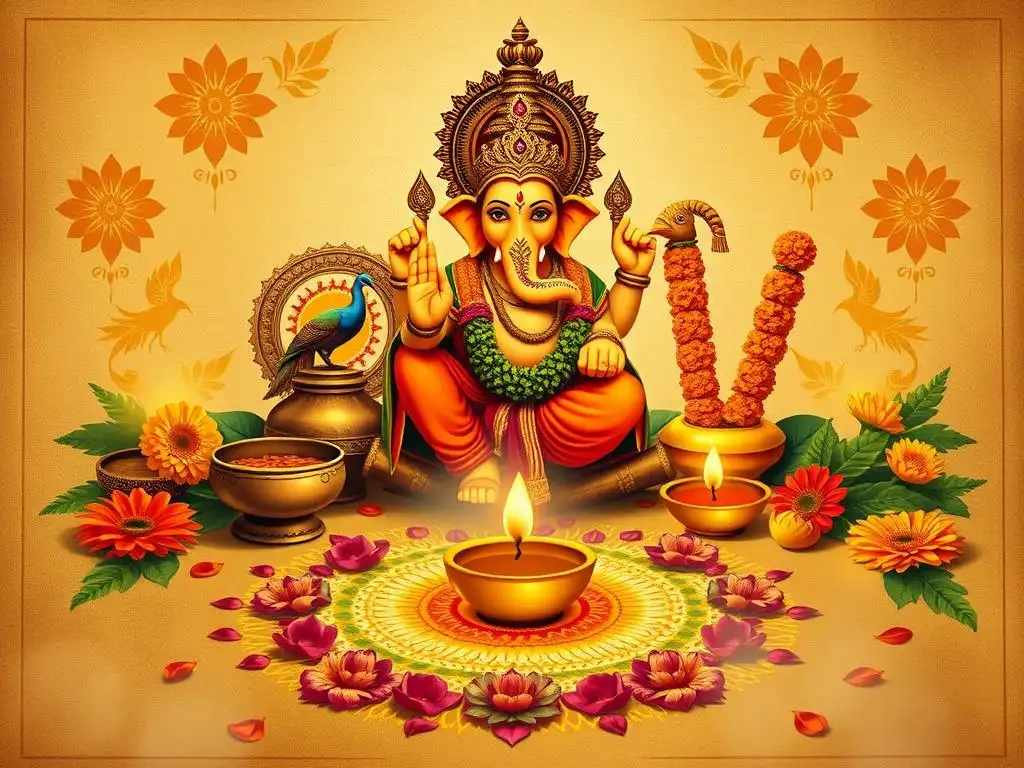
Preservation of Ancient Symbols in Modern Indian Festivals
The preservation of ancient Indian festival symbols is significant in maintaining the continuity of cultural heritage. These symbols, deeply rooted in history, convey meanings that transcend generations. Many contemporary festivals in India retain these symbols, ensuring they remain relevant in the modern context.
For instance, the Swastika, an ancient symbol of prosperity and well-being, is still widely used in various festivals such as Diwali and Navratri. Its presence on homes and during rituals serves as a reminder of its historical significance and positive connotations.
Similarly, Rangoli designs, which often incorporate elements like lotus flowers and peacocks, are derived from ancient motifs that represent purity and beauty. This tradition continues to flourish during festivals, enabling families to express their creativity while honoring their heritage.
Here’s a breakdown of some popular symbols and their modern applications:
| Symbol | Ancient Significance | Modern Usage |
|---|---|---|
| Swastika | Prosperity and good fortune | Used in rituals, home decor |
| Lotus | Purity and spiritual awakening | Common in Rangoli and temple decorations |
| Om | Universal sound, representing the divine | Integral in prayers and mantras |
| Peepal Tree | Sacred tree associated with enlightenment | Often worshipped during festivals |
The integration of these ancient symbols into contemporary celebrations not only preserves cultural identity but also educates younger generations about their heritage. Through various art forms and community practices, these symbols are revitalized, ensuring their survival in modern times.
The Role of Symbols in Contemporary Cultural Identity
In today's globalized world, ancient Indian festival symbols play a crucial role in shaping contemporary cultural identity. They serve as a bridge connecting the past with the present, allowing individuals and communities to express their roots while embracing modernity.
Symbols like the Trishul (trident) and Diyas (lamps) during festivals like Diwali signify the triumph of light over darkness and good over evil. This duality resonates deeply within the cultural psyche, reinforcing values that are significant in both ancient and modern contexts.
Moreover, these symbols foster a sense of belonging and community. Festivals such as Holi and Durga Puja showcase vibrant displays of these symbols, uniting people across various backgrounds in celebration. The shared experience of these traditions strengthens communal ties and reinforces cultural narratives.
Here are some ways ancient symbols contribute to cultural identity today:
- Cultural Education: Festivals provide opportunities for storytelling about the origins and meanings of symbols, ensuring that knowledge is passed down.
- Artistic Expression: Many artists draw inspiration from ancient symbols, incorporating them into contemporary art, fashion, and design, thus keeping the tradition alive.
- Global Recognition: As global interest in Indian culture grows, these symbols serve as recognizable elements that promote cultural pride and heritage on an international stage.
Ancient Indian festival symbols are not just remnants of the past; they are vibrant elements of contemporary cultural identity that foster connection, pride, and continuity in an ever-evolving society. By celebrating these symbols, we honor our ancestors while embracing the rich tapestry of our shared history.
Conclusion: The Enduring Legacy of Ancient Indian Festival Symbols
The exploration of ancient Indian festival symbols reveals a profound connection between cultural practices and societal values. These symbols are not merely decorative; they encapsulate centuries of beliefs, rituals, and narratives that have shaped the identity of Indian civilizations. Their enduring presence in contemporary celebrations highlights the importance of understanding these symbols as they bridge the past with the present, offering insights into the spiritual and philosophical underpinnings of ancient Indian society.
Reflecting on the Importance of Understanding Ancient Symbols
Understanding ancient Indian festival symbols is crucial for several reasons:
- Cultural Identity: These symbols serve as markers of cultural identity, helping to maintain continuity in traditions over generations. For instance, the lotus, often associated with purity and enlightenment, reflects the spiritual aspirations of ancient Indian thought.
- Historical Insights: Analyzing these symbols provides valuable insights into the social, political, and economic contexts of ancient India. For example, the swastika, a symbol of auspiciousness, has been used across various regions and religions, signifying its deep-rooted presence in historical narratives.
- Spiritual Significance: Many festival symbols embody spiritual truths and teachings. The kalash, representing abundance and auspiciousness, plays a pivotal role in rituals, emphasizing the importance of nourishment—both physical and spiritual.
- Artistic Expression: These symbols also reflect the artistic expressions of the time, showcasing the craftsmanship and creativity of ancient artisans. The intricate designs found in festival decorations often tell stories of mythology and cosmology, merging art with spirituality.
By delving into these symbols, we unearth layers of meaning that enrich our understanding of ancient Indian cultures and their festivals.
Encouraging Appreciation for Ancient Indian Culture and Traditions
To truly appreciate the richness of ancient Indian culture and traditions, it is essential to foster an understanding of their symbols. Here are ways to encourage this appreciation:
- Educational Initiatives: Incorporating the study of ancient Indian festival symbols into educational curricula can help younger generations connect with their heritage. This could include workshops, seminars, and interactive sessions focusing on the meanings and histories behind these symbols.
- Cultural Celebrations: Actively participating in festivals that celebrate these symbols fosters a deeper connection to cultural roots. Engaging with local communities during festivals such as Diwali or Makar Sankranti allows one to experience the living traditions firsthand.
- Art and Literature: Promoting literature, artwork, and performances that highlight ancient Indian festival symbols can spark interest and curiosity. Documentaries, books, and art exhibitions can serve as powerful mediums for storytelling and education.
- Digital Platforms: Utilizing digital platforms to share knowledge about ancient Indian festival symbols can reach wider audiences. Online resources, social media campaigns, and virtual events can help disseminate information and ignite discussions about the significance of these symbols.
Ancient Indian festival symbols are not relics of the past but living entities that continue to influence contemporary Indian culture. Embracing and understanding these symbols allows us to honor the legacy of ancient Indian civilizations while enriching our own cultural experiences. By nurturing a collective appreciation for these traditions, we can ensure that their stories endure for future generations.
Frequently Asked Questions
What are ancient Indian festival symbols?
Ancient Indian festival symbols represent the cultural heritage and spiritual beliefs of various communities in India, often reflecting themes of prosperity, joy, and devotion.
How do these symbols vary across different festivals?
Each festival in India, such as Diwali or Holi, has its own unique symbols that convey specific meanings. For instance, the diyas in Diwali symbolize light triumphing over darkness.
What is the significance of these symbols in ancient Indian culture?
The symbols are deeply intertwined with mythology, tradition, and rituals, serving as a way to connect the present with the past and preserve cultural identity.
Can you give examples of popular ancient Indian festival symbols?
Some popular symbols include the lotus representing purity, the Om symbol denoting spirituality, and rangoli designs that welcome prosperity into homes during festivals.
How can understanding these symbols enhance the celebration of festivals?
By understanding the hidden meanings behind these symbols, individuals can appreciate the cultural significance of the festivals, leading to a more meaningful celebration and connection to their heritage.
Final Reflection: Unveiling the Depths of Ancient Indian Festival Symbols
The exploration of ancient Indian festival symbols is not merely an academic pursuit; it is a journey into the heart of cultural identity and continuity. In today’s fast-paced world, where traditions often fade into obscurity, understanding these symbols allows us to reconnect with our roots and appreciate the rich tapestry of history that shapes our present. The intricate stories behind these symbols remind us that every celebration is imbued with meaning and significance, urging us to honor and preserve our heritage.
The influence of ancient Indian festival symbols extends far beyond their visual representation; they serve as a bridge connecting generations and fostering a sense of community. As we navigate the complexities of modern life, these symbols remind us of the values and beliefs that have stood the test of time.
They resonate with the wisdom of our ancestors, echoing the sentiment that “Tradition is not the worship of ashes, but the preservation of fire.” > Gustav Mahler. This ongoing relevance highlights the importance of keeping these stories alive, as they continue to inspire and guide us in our daily lives.
As you reflect on the significance of ancient Indian festival symbols, I invite you to consider how these stories can enrich your own life. Take a moment to explore the traditions that resonate with you, and think about how you can share these narratives with others. By doing so, you not only honor the past but also contribute to a vibrant cultural legacy that will inspire future generations. Embrace the hidden stories behind these symbols, and let them illuminate your path forward.
Unveil the Rich Tapestry of Ancient Indian Festivals!
Thank you for exploring the captivating world of ancient Indian festival symbols with us! We hope you’ve gained a deeper appreciation for the hidden stories and meanings behind these vibrant traditions. Now, it's time to take that curiosity and make it actionable.
Here are some ways to dive deeper into this fascinating topic:
- Explore your local community to find and attend festivals or events that celebrate ancient traditions. Experience firsthand the symbols and stories you’ve been learning about!
- Share your favorite symbol or insight from the article with friends on social media. Start a conversation about the rich cultural heritage we all share.
- Research a lesser-known festival and its symbols. Expand your knowledge and perhaps discover a hidden treasure that you can share with everyone!
How has understanding the stories behind these symbols changed your perspective on the festivals you celebrate? We would love to hear your thoughts!