
The Historical Significance of Chhath Puja in Ancient Indian Traditions

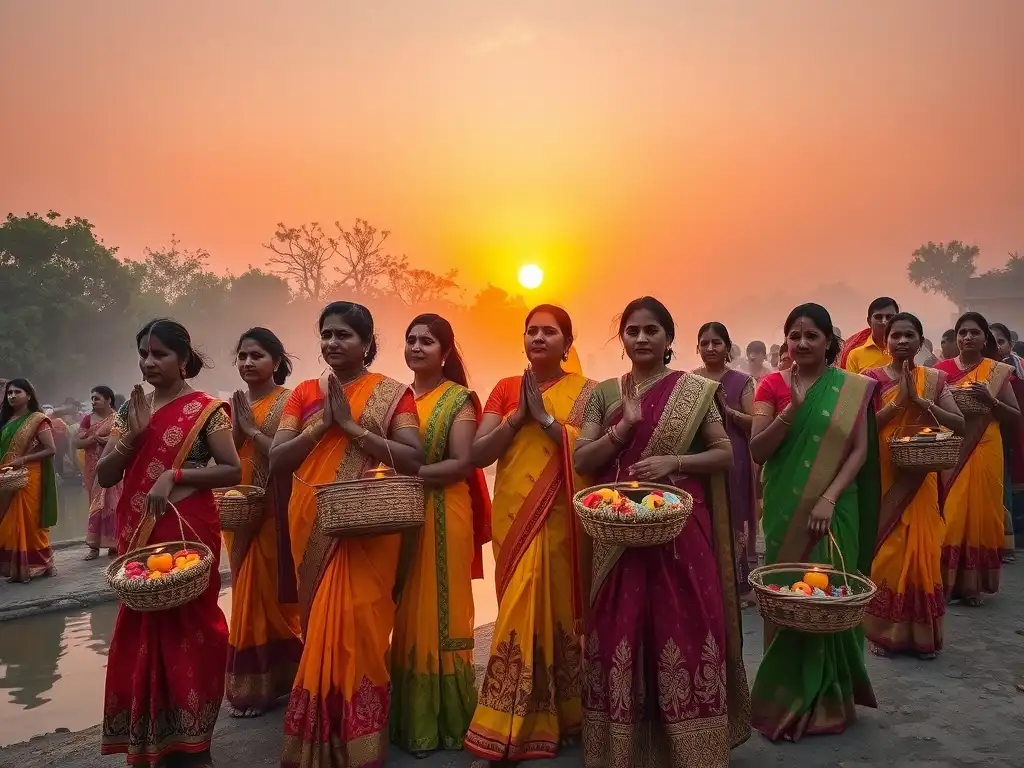
Welcome to Ancient India History, where we embark on a fascinating journey through the rich tapestry of ancient Indian civilizations. Dive deep into the cultural significance and enduring legacy of traditions that have shaped the subcontinent. In our featured article, "The Historical Significance of Chhath Puja in Ancient Indian Traditions," we unveil the captivating rituals and ceremonies that connect us to our past.
What mysteries lie behind the vibrant celebrations of Chhath Puja? Join us as we explore the intricate threads of history woven into this cherished festival, igniting your curiosity to learn more about the wonders of ancient India. Prepare to be inspired!
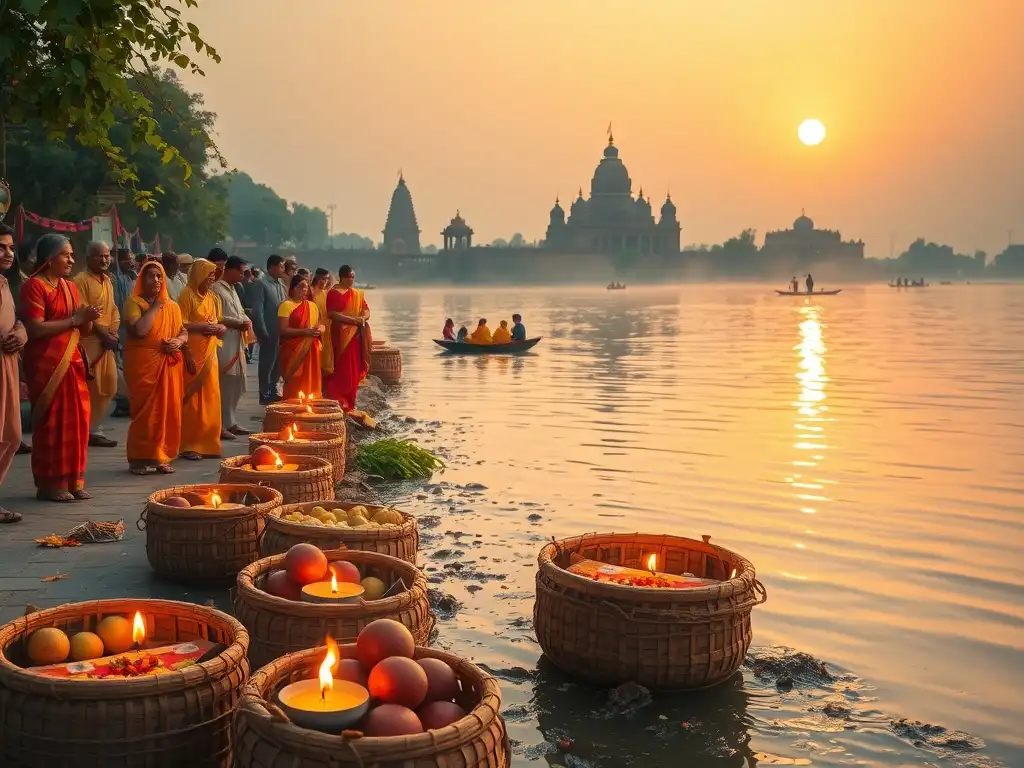
Introduction to Chhath Puja
Chhath Puja is a prominent festival celebrated primarily in the regions of Bihar, Jharkhand, and Uttar Pradesh, as well as among the Indian diaspora worldwide. This ancient celebration is dedicated to the Sun God, Surya, and his consort, Usha, symbolizing the importance of nature and its elements in the lives of individuals and communities. With roots deeply embedded in the cultural fabric of ancient India, Chhath Puja showcases a blend of spirituality, tradition, and community bonding, reflecting the reverence that ancient Indian civilizations held for natural forces.
As we delve into the historical significance of Chhath Puja, it becomes evident that this festival is not merely a ritualistic observance but a profound expression of ancient Indian traditions that emphasizes gratitude towards the sun, which is essential for sustenance and prosperity. The practices associated with Chhath Puja, including fasting, offering prayers, and performing rituals by the riverbanks, carry deep symbolic meanings that resonate with the ethos of ancient Indian society.
Overview of Chhath Puja and its Importance in Ancient Indian Traditions
Chhath Puja is celebrated over four days, culminating in the worship of the Sun God at sunrise and sunset. The rituals involve elaborate preparations, including the creation of special offerings such as "thekua" and fruits, which are presented to the deities. This festival serves multiple purposes:
- Cultural Unity: It fosters a sense of community as families and friends gather to perform the rituals together.
- Spiritual Significance: Participants seek blessings for health, wealth, and prosperity, reflecting the ancient Indian belief in reciprocity between humans and nature.
- Environmental Awareness: The celebration emphasizes the significance of water bodies, promoting a sense of responsibility towards nature.
The adherence to these traditions highlights the festival's role in preserving ancient customs and values, passed down through generations, thus ensuring the continuity of cultural heritage.
Significance of Chhath Puja in the Context of Indian Festivals
Chhath Puja holds a unique place among Indian festivals, where its observance is marked by distinct rituals and customs that differentiate it from other celebrations. Unlike many Hindu festivals that primarily focus on deities and mythological narratives, Chhath Puja is largely centered on the worship of the sun, a celestial body that holds universal importance.
This festival exemplifies the ancient Indian philosophy of 'Dharma,' where the balance of nature and human life is revered. The emphasis on fasting, abstaining from certain foods, and performing rigorous rituals signifies the commitment of devotees to uphold these values. In this way, Chhath Puja not only contributes to the spiritual life of individuals but also reinforces the community's cultural identity.
Historical Roots of Chhath Puja
Understanding the historical roots of Chhath Puja requires an exploration of its ancient origins and its references in historical texts and scriptures. This rich tapestry of history reveals how this festival has evolved over time, yet retained its core significance.
Ancient Origins of Chhath Puja in Indian Culture
The origins of Chhath Puja can be traced back to ancient Indian agrarian practices, where the sun was worshipped as a source of life and sustenance. Historical evidence suggests that this festival has been celebrated since the times of the Vedic period, indicating its long-standing importance in Indian culture. Farmers, recognizing the sun's vital role in agriculture, would conduct rituals to ensure a bountiful harvest, believing that their offerings would invoke the sun's blessings.
The rituals associated with Chhath Puja, such as the 'Kharna' (a day of fasting followed by offerings), illustrate the ancient traditions of acknowledging natural cycles and expressing gratitude. Over centuries, these practices have evolved but remain deeply rooted in the agrarian lifestyle that characterized ancient Indian civilizations.
Chhath Puja in the Vedic Texts and Scriptures
Several Vedic texts and scriptures make indirect references to rituals resembling those observed during Chhath Puja. The 'Rigveda,' for instance, contains hymns that celebrate the sun and its life-giving properties, highlighting the reverence ancient Indians had for solar deities. The 'Atharva Veda' also emphasizes the importance of rituals related to nature worship, underscoring how integral these practices were to ancient Indian spirituality.
These texts provide a glimpse into the belief systems that shaped the early celebrations, illustrating how the worship of the sun has been an enduring element of Indian traditions, transcending time and cultural changes.
Connections to the Sun God and Nature Worship in Ancient India
The connection between Chhath Puja and the worship of the Sun God is profound and reflects the ancient Indian ethos of nature reverence. Surya, as the Sun God, is not only a deity of light and life but also represents the cyclical nature of existence.
Worshipping Surya during Chhath Puja symbolizes the acknowledgment of nature's role in sustaining life. Ancient Indians recognized the interdependence between human beings and the environment, leading to the celebration of rituals that honor natural forces. This holistic approach to spirituality, where nature and divinity coexist, serves as a testament to the wisdom of ancient Indian traditions that continue to resonate in contemporary practices.
Through the lens of history, Chhath Puja emerges as a vibrant festival that encapsulates the essence of ancient Indian traditions, reflecting a deep-seated respect for nature and an enduring spiritual connection that has transcended generations.
Rituals and Practices of Chhath Puja
Chhath Puja is a significant festival celebrated primarily in the Indian states of Bihar, Uttar Pradesh, and Jharkhand, as well as among the Indian diaspora worldwide. The rituals and practices associated with Chhath Puja are deeply rooted in ancient traditions, reflecting the reverence for the sun god, Surya, and the goddess Chhathi Maiya, who symbolizes fertility and prosperity. The festival spans four days, each day marked by specific rituals that involve fasting, bathing in sacred rivers, and making elaborate offerings.
The observance begins with Nahay Khay, where devotees cleanse themselves and prepare a meal, symbolizing the removal of impurities. This is followed by Kharna, a day when the fasting individuals consume a single meal after sunset, often consisting of kheer (rice pudding) and fruits. The main day of the festival, Chhath, involves a day-long fast without water, culminating in the evening offerings to the setting sun. Finally, on the fourth day, the celebration concludes with Usha Arghya, where devotees offer prayers to the rising sun, seeking blessings for health, wealth, and prosperity.
Traditional Rituals Observed During Chhath Puja
Traditional rituals during Chhath Puja are laden with symbolic significance. On the first day, families gather by rivers or water bodies, performing arghya (offerings) to the sun. They prepare thekua, a traditional sweet made from wheat flour and jaggery, which is offered alongside seasonal fruits and vegetables.
During Kharna, the preparation of food is a sacred affair; the meal is prepared in an earthen pot and served on saatvik (pure) plates, usually made from leaves of the Sal or banana tree, emphasizing the importance of purity in offerings. The fasting is strictly observed, and participants often refrain from consuming salt or any form of processed food.
On the main day, devotees gather at riverbanks during sunset and sunrise, dressed in traditional attire, often adorned with mangal sutras and bangles as a mark of marital status. The ritual of standing in water while offering prayers is a demonstration of devotion and humility, connecting the physical act to spiritual beliefs.
Significance of Offerings and Prayers in Ancient Traditions
Offerings and prayers during Chhath Puja hold profound significance in ancient Indian traditions. The act of making offerings to the sun god is rooted in the belief that the sun is a source of life and energy, essential for agriculture and sustenance. The offerings, primarily composed of thekua, fruits, and raw vegetables, represent gratitude for the blessings received and a plea for continued prosperity.
In ancient Indian traditions, the significance of prayers extends beyond mere ritual; they are viewed as a means to establish a connection with the divine. Devotees chant hymns and mantras during the puja, invoking the blessings of Surya and Chhathi Maiya, reinforcing the cultural practice of seeking divine intervention for health and harmony in family life. The communal aspect of the rituals, where families and communities come together, strengthens social bonds and emphasizes collective spirituality.
The Role of Fasting and Cleansing in Chhath Puja
Fasting and cleansing are integral parts of Chhath Puja, reflecting an age-old belief in the purification of body and mind. The rigorous fasting observed during the festival is not merely a test of endurance but serves as a spiritual discipline that fosters self-control and devotion.
Devotees abstain from food and water for extended periods, emphasizing the importance of detachment from material desires. This practice is believed to purify the soul and prepare the devotee for receiving the blessings of the deities. The cleansing rituals, including bathing in sacred rivers, symbolize the washing away of sins and impurities, creating a state of spiritual readiness.
Moreover, the communal observance of fasting enhances social cohesion, as families and communities support each other in their devotion. By adhering to strict fasting and cleansing rituals, devotees express their commitment to spiritual values that have persisted through ancient Indian traditions.
Chhath Puja Across Different Regions of India
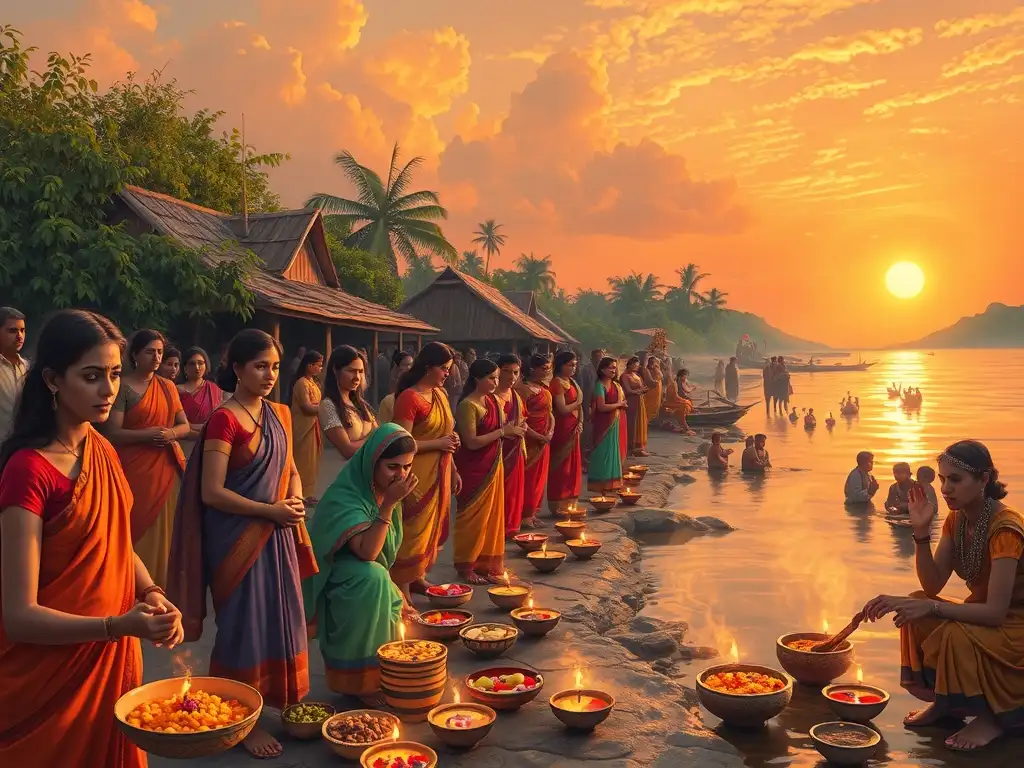
Chhath Puja, while predominantly celebrated in Bihar and Uttar Pradesh, has seen variations and adaptations across various regions of India. Each region adds its unique flavor to the festival, integrating local customs and practices while maintaining the core essence of the celebration.
Variations of Chhath Puja in Bihar and Uttar Pradesh
In Bihar, Chhath Puja is characterized by elaborate rituals and a communal spirit. The celebration often involves large gatherings at riverbanks, where families come together to prepare offerings and perform prayers. The festival is marked by vibrant fairs and cultural performances, showcasing folk songs and dances dedicated to the sun god.
In Uttar Pradesh, while the rituals remain similar, the emphasis may vary based on local customs. The families often engage in community activities, sharing food and resources, thereby reinforcing social ties. The use of traditional songs and folk art also plays a significant role, reflecting the region's rich cultural heritage.
Influence of Chhath Puja on Cultural Practices in Modern India
In modern India, Chhath Puja has transcended its traditional boundaries, gaining recognition beyond the states of Bihar and Uttar Pradesh. The festival is celebrated by the Indian diaspora across the globe, particularly in countries like Mauritius, Trinidad, and Fiji, demonstrating the enduring legacy of ancient Indian traditions.
The influence of Chhath Puja on contemporary cultural practices is evident in various forms, such as increased participation in community events, interfaith dialogues, and the incorporation of traditional arts and crafts into modern celebrations. The festival has also become a platform for environmental awareness, with initiatives to clean rivers and promote sustainable practices during the celebrations.
Regional Festivals and Their Historical Ties to Chhath Puja
Numerous regional festivals in India exhibit historical ties and similarities to Chhath Puja. For instance, festivals like Pongal in Tamil Nadu and Makar Sankranti in various parts of India celebrate the harvest and the sun's significance, echoing themes of gratitude and reverence found in Chhath.
These festivals often share rituals such as offering food to deities, communal gatherings, and the observance of fasting, indicating a rich tapestry of agricultural traditions interwoven with spiritual practices. The historical connections between these festivals highlight the universal themes of gratitude, community, and reverence for nature that have characterized ancient Indian traditions through the ages.
The Cultural Impact of Chhath Puja
Chhath Puja stands as a significant cultural phenomenon within the tapestry of ancient Indian traditions. This festival, primarily celebrated in the Indian states of Bihar, Jharkhand, and Uttar Pradesh, showcases an intricate blend of spirituality, community, and environmental consciousness. The festival's roots trace back to Vedic traditions, where the worship of the Sun God, Surya, symbolizes life and sustenance. As a result, Chhath Puja embodies not only the reverence for deities but also reflects the agrarian lifestyle and the agricultural calendar of ancient India, emphasizing the interdependence of nature and human existence.
The rituals associated with Chhath Puja, such as fasting, offerings, and the gathering of communities at riverbanks, illustrate the festival's role in promoting shared cultural values. These practices foster a sense of identity and continuity among participants, allowing them to connect with their heritage. This cultural impact is profound, as it reinforces the idea of preservation of traditions and the importance of passing them down through generations, thus ensuring the survival of ancient Indian values in modern society.
Chhath Puja as a Reflection of Ancient Indian Values and Beliefs
At its core, Chhath Puja embodies the ancient Indian values of gratitude, respect for nature, and familial bonds. The festival serves as a platform for devotees to express gratitude to the Sun God and Chhathi Maiya (the Goddess of the festival) for blessings received, reflecting the deep-rooted belief in reciprocity with nature. This practice underscores the significance of acknowledging and respecting natural forces that sustain life.
Moreover, the festival emphasizes values such as discipline and devotion, as devotees engage in rigorous fasting and adherence to rituals over several days. The communal aspect of Chhath Puja further highlights the ancient Indian belief in social harmony and unity, as families and communities come together to celebrate. This collective participation reinforces the notion that spirituality and cultural practices are intertwined, fostering a sense of belonging and shared purpose.
The Role of Chhath Puja in Strengthening Community Bonds
Chhath Puja plays a pivotal role in fostering community cohesion and strengthening social ties among participants. The festival serves as a communal gathering point, where individuals from various backgrounds come together to celebrate and perform rituals. This unity in celebration creates a robust sense of belonging and collective identity, which is vital in a diverse society.
The preparation for Chhath Puja often involves collective efforts, from gathering offerings to preparing traditional foods, which enhances interpersonal relationships. Additionally, the act of performing rituals at riverbanks or public spaces encourages interactions among community members, thus reinforcing social networks. This sense of community support during the festival cultivates resilience and mutual assistance, as individuals share knowledge, resources, and experiences, further solidifying the cultural fabric of ancient Indian traditions.
Influence of Chhath Puja on Indian Art and Music Traditions
The influence of Chhath Puja extends beyond rituals and community dynamics; it has significantly impacted Indian art and music traditions as well. Numerous folk songs, dances, and artistic expressions have evolved around the themes of Chhath Puja, reflecting its spiritual and cultural significance. Traditional folk songs sung during the festival often narrate the tales of deities and express the sentiments of devotion, showcasing the rich oral traditions of ancient India.
Art forms such as paintings and handicrafts also draw inspiration from the motifs and rituals associated with Chhath Puja. The vibrant decorations and artistic representations of the Sun God and other deities during the festival highlight the creativity and craftsmanship inherent in Indian culture. This artistic expression not only enhances the celebratory ambiance of the festival but also serves as a means of preserving and transmitting cultural heritage, demonstrating how Chhath Puja has shaped and enriched the artistic landscape of ancient Indian traditions.
Myths and Realities Surrounding Chhath Puja
Chhath Puja, like many ancient traditions, is surrounded by a myriad of myths and misconceptions that often obscure its historical significance. Understanding these myths and the realities behind them is crucial for appreciating the festival's true essence and the values it conveys.
Common Myths About Chhath Puja in Ancient Indian Traditions
One prevalent myth surrounding Chhath Puja is that it is exclusively a women-centric festival. While women play a central role as primary devotees, men also participate significantly in the rituals and preparations. This misconception often overlooks the collaborative nature of the festival, where both genders contribute to its observance.
Another common myth is the belief that Chhath Puja is limited to certain regions of India. While it is predominantly celebrated in Bihar and Jharkhand, the festival has transcended geographical boundaries and is observed by communities across various states and even in diaspora populations. This notion reinforces the idea of Chhath Puja as a festival that embodies broader cultural values, rather than being confined to specific regional practices.
The Reality of Chhath Puja's Historical Context and Practices
The historical context of Chhath Puja reveals its deep-rooted connection to ancient Indian agricultural practices and Vedic traditions. Originating from the Vedic era, the festival is closely linked to the agrarian society's dependence on solar cycles for crop cultivation. The rituals performed during Chhath Puja, such as offering arghya (water offerings) to the Sun God, symbolize the agricultural cycle and the gratitude towards natural elements.
Moreover, the practices associated with Chhath Puja have evolved over centuries, reflecting the socio-cultural dynamics of different eras. The emphasis on environmental consciousness evident in the festival's rituals signifies a profound understanding of nature's importance—a value that is particularly relevant in contemporary discussions on sustainability. Thus, the reality of Chhath Puja encapsulates a rich historical narrative that underscores its significance in ancient Indian traditions while highlighting its relevance in today's world.
Conclusion: The Enduring Legacy of Chhath Puja in Ancient Indian Traditions
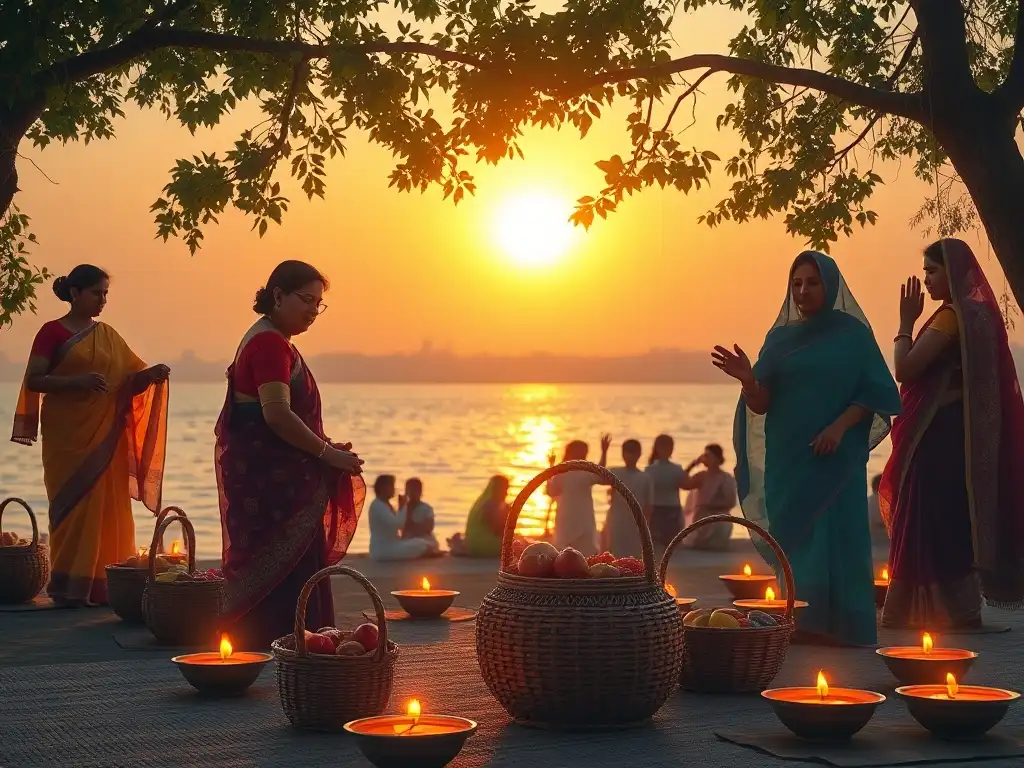
Chhath Puja stands as a testament to the rich tapestry of ancient Indian traditions that celebrate the cyclical nature of life and the reverence for natural elements. Its historical roots can be traced back to the Vedic period, where the worship of the Sun God, Surya, was integral to agrarian societies. The festival encapsulates a deep-seated respect for the environment and connects the community through shared rituals and collective reverence, emphasizing sustainability long before it became a modern concern.
The practices associated with Chhath Puja, such as fasting, bathing in sacred rivers, and offering prayers at sunrise and sunset, reflect a harmonious relationship with nature—a principle that is fundamental to many ancient Indian philosophies. By honoring the Sun, the festival not only celebrates the source of life but also reinforces the importance of gratitude and humility, values that have permeated various aspects of Indian culture throughout history.
Reflection on the Historical Significance of Chhath Puja
The historical significance of Chhath Puja is multifaceted. It serves as a cultural bridge connecting diverse communities across regions, especially in Bihar, Jharkhand, and parts of Uttar Pradesh. The festival's origins are steeped in mythology, where it is said to commemorate the legendary tales of the Pandavas from the Mahabharata, further enriching its narrative.
Moreover, Chhath Puja reflects the socio-economic patterns of ancient Indian civilization. Traditionally, it was a festival that underscored the agricultural calendar, marking the end of harvest and expressing gratitude for the year’s bounty. The emphasis on community participation highlights the collective identity of communities, where families come together to celebrate and support each other in their observances. This aspect of communal harmony can be seen as a microcosm of ancient Indian values that prioritize unity and shared responsibilities.
Future Prospects for Chhath Puja in Contemporary Society
In contemporary society, Chhath Puja continues to thrive, adapting to modern challenges while retaining its core traditions. As urbanization spreads, many individuals from traditional farming backgrounds have migrated to cities, bringing the festival with them. This migration has resulted in the establishment of Chhath Puja celebrations in urban centers, preserving cultural identity in diverse settings.
The festival also presents future opportunities for cultural exchange, as awareness of Chhath Puja grows beyond its traditional boundaries. This can foster greater understanding and appreciation of ancient Indian traditions among different communities, both domestically and globally. Furthermore, the increasing emphasis on environmental sustainability resonates with the festival's core values, potentially leading to greater advocacy for ecological practices within the framework of Chhath Puja.
As society evolves, Chhath Puja may serve as a valuable reminder of the importance of tradition, community, and the natural world. In this way, the festival not only honors its historical legacy but also carves a path forward, ensuring that its significance endures in the hearts and minds of future generations.
- Introduction to Chhath Puja
- Historical Roots of Chhath Puja
- Rituals and Practices of Chhath Puja
- Chhath Puja Across Different Regions of India
- The Cultural Impact of Chhath Puja
- Myths and Realities Surrounding Chhath Puja
- Conclusion: The Enduring Legacy of Chhath Puja in Ancient Indian Traditions
- Reflection on the Historical Significance of Chhath Puja
- Future Prospects for Chhath Puja in Contemporary Society
Frequently Asked Questions
What is Chhath Puja?
Chhath Puja is a significant festival celebrated in parts of India, dedicated to the Sun God and his wife, Chhathi Maiya. It involves rituals like offering prayers and fasting over several days.
How does Chhath Puja relate to ancient Indian traditions?
Chhath Puja is rooted in ancient Indian traditions, reflecting the agricultural practices and spiritual beliefs of past civilizations. It showcases the cultural heritage of communities in India.
What historical evidence supports the significance of Chhath Puja?
Historical texts and archaeological findings suggest that the rituals associated with Chhath have been practiced for centuries, indicating its deep historical roots in ancient Indian society.
How do the rituals of Chhath Puja reflect ancient beliefs?
The rituals of Chhath Puja embody nature worship, particularly the reverence for the Sun God, which is a common theme in ancient Indian traditions that emphasized the connection between humanity and the natural world.
In what ways has Chhath Puja evolved over time?
While the core rituals remain, Chhath Puja has evolved with modern influences, adapting to contemporary practices while still honoring its ancient origins and maintaining its cultural significance.
Final Reflection: Embracing the Legacy of Chhath Puja in Ancient Indian Traditions
The historical significance of Chhath Puja in ancient Indian traditions resonates profoundly in today's society, reminding us of the rich tapestry of cultural practices that shape our identities. As we navigate a rapidly changing world, the essence of this festival serves as a powerful reminder of our roots and the values that have been passed down through generations. In a time where modernity often overshadows tradition, the celebration of Chhath Puja stands as a beacon of hope and continuity.
The influence of Chhath Puja extends far beyond its rituals; it embodies a deep connection to nature, community, and spirituality that is increasingly relevant in our contemporary lives. The festival encourages us to reflect on our relationship with the environment and the importance of gratitude in our daily existence. Tradition is not the worship of ashes, but the preservation of fire.
This quote encapsulates the essence of Chhath Puja, as it inspires us to honor our past while igniting a passion for sustainable living and communal harmony in the present.
As we conclude our exploration of Chhath Puja and its ancient Indian traditions, I invite you to reflect on how these practices can enrich your own life. Consider how you can incorporate the values of gratitude, respect for nature, and community bonding into your daily routine. Let the spirit of Chhath Puja inspire you to engage with your heritage and foster connections that transcend time, reminding us that while we may be rooted in tradition, our actions today shape the future for generations to come.
Embrace the Spirit of Chhath Puja Today!
Thank you for exploring the fascinating world of Chhath Puja and its rich historical significance in Indian traditions. We hope you’ve gained a deeper appreciation for this vibrant festival and its cultural roots. Now, let’s take this inspiration further and make a positive impact together!
Here are a few actions you can take to honor Chhath Puja and engage with your community:
- Experience the Celebration: Attend a local Chhath Puja festival and participate in the rituals, connecting with the cultural heritage firsthand.
- Share Your Knowledge: Discuss the history and significance of Chhath Puja with friends or on social media. Share insights that highlight its importance in cultural practices.
- Explore Further: Read more about other traditional Indian festivals and their historical backgrounds to enrich your understanding of these cultural celebrations.
How do you plan to celebrate and share the spirit of Chhath Puja in your community this year? Let's inspire each other in the comments!