
The Story of Lohri: Celebrating Winter’s End in Ancient Punjab

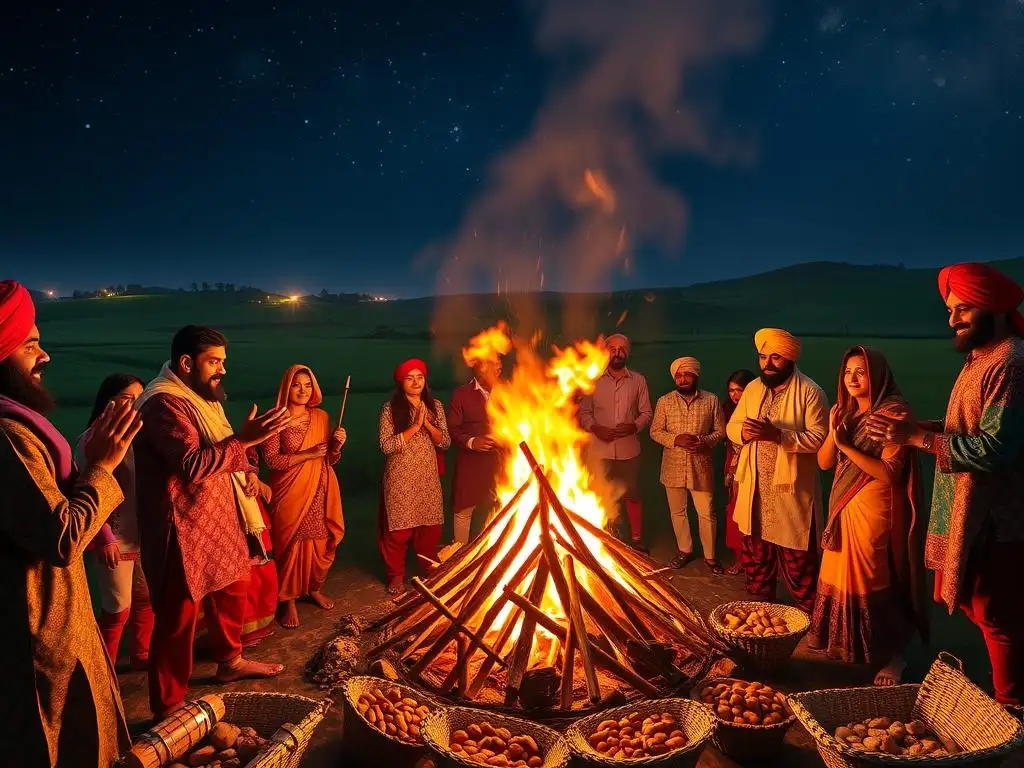
Welcome to Ancient India History, where we invite you on an enlightening journey through the vibrant tapestry of ancient civilizations. In this exploration, we delve into the fascinating Ancient Punjab Lohri celebrations, a festival that marks the joyous end of winter and the arrival of longer days. Have you ever wondered how these age-old traditions shaped community life and fostered cultural unity? Join us as we uncover the story behind Lohri and its significance in the rich history of Punjab, igniting your curiosity about the festivals that continue to resonate through time. Let's embark on this captivating adventure together!
Introduction to Lohri Celebrations in Ancient Punjab
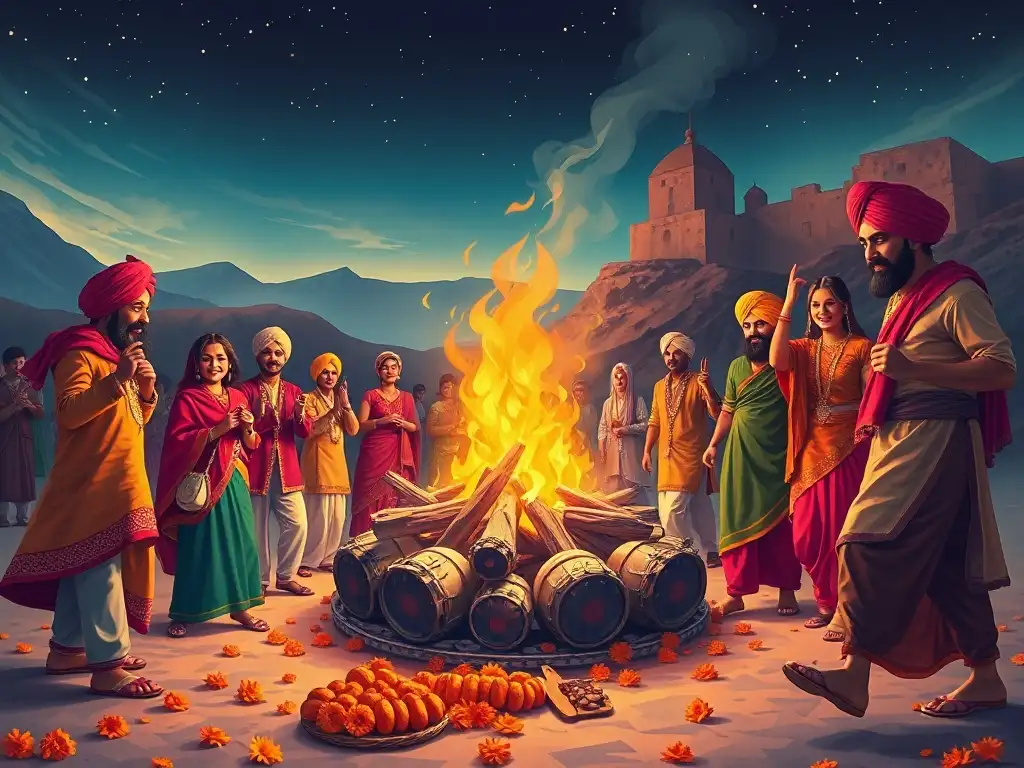
Lohri is a vibrant festival deeply rooted in the cultural tapestry of Ancient Punjab, symbolizing the end of winter and the arrival of longer days. Celebrated with great enthusiasm, this festival marks a time of thanksgiving for the harvest and the onset of the agricultural season. The origins of Lohri can be traced back to the ancient practices of the Punjabi people, where the festival served not only as a celebration of the harvest but also as a means to bring communities together in joy and festivity.
As we delve into the ancient Punjab Lohri celebrations, it is essential to understand how this festival was intertwined with the agricultural calendar and the social fabric of ancient societies. The bonfires lit during this time not only provided warmth against the winter chill but also symbolized the sun's return, fostering a sense of hope and renewal among the people.
Significance of Lohri in Ancient Punjabi Culture
The significance of Lohri in ancient Punjabi culture extends beyond mere celebration; it encapsulates various aspects of life, spirituality, and communal harmony. Traditionally, Lohri was a time for families and communities to gather around a bonfire, sharing stories, singing folk songs, and dancing to the beats of traditional drums. This communal gathering fostered a spirit of togetherness and reinforced social bonds.
Key Aspects of Lohri's Significance:
- Agricultural Importance: Lohri marks the end of the harvest season, particularly for crops like sugarcane. It served as a moment of gratitude towards nature for the bountiful yield.
- Cultural Expression: The festival was an occasion for the expression of Punjabi folk culture, with dances such as Bhangra and Gidda performed around the fire, showcasing the rich heritage of the region.
- Spiritual Renewal: The act of offering prayers and sacrifices to the fire symbolized purification and a plea for blessings for the coming harvests. It was believed that the flames carried the prayers to the heavens, ensuring divine favor.
The ancient celebrations of Lohri not only reflect the agricultural cycle but also highlight the vibrant cultural practices that have persisted through generations, making it a cornerstone of Punjabi identity. As we continue to explore the rich history of Lohri, we will uncover how these ancient traditions have evolved yet remained significant to modern celebrations.
The Historical Roots of Lohri Festival
Lohri, a vibrant festival celebrated predominantly in Punjab, holds significant historical roots that trace back to ancient traditions and agricultural practices. Its origins are intertwined with the agrarian cycle, specifically marking the end of winter and the beginning of the harvest season. The festival is deeply embedded in the cultural fabric of Punjab, reflecting the region's connection to nature, seasonal changes, and community spirit.
Origins of Lohri in Ancient Punjab
The origins of Lohri can be linked to various ancient agricultural rituals celebrated by the people of Punjab. It is believed that the festival may have roots in the ancient harvest festival of Makar Sankranti, which celebrates the transition of the sun into the zodiac sign of Capricorn. Historically, this period was significant for farmers as it marked the end of the winter season and the start of a new agricultural cycle.
Moreover, Lohri is associated with the worship of the Sun God, Surya, and the Earth Goddess, symbolizing gratitude for the harvests received. People would gather around bonfires to offer prayers and celebrate the bounty of their crops, reflecting the agrarian lifestyle of ancient Punjab. This communal celebration also fostered social bonds and reinforced cultural identity among the villagers.
Lohri and the Winter Solstice: A Cultural Perspective
Lohri is celebrated on the night of the winter solstice, symbolizing the longest night of the year. In ancient times, this astronomical event was of great significance, representing a turning point as days gradually began to lengthen. For the agrarian communities of Punjab, the solstice signified the return of longer days, which was essential for crop growth and agricultural activities.
From a cultural perspective, Lohri served as a celebration of light over darkness, warmth over cold, and the cyclical nature of life. The festival encapsulated the hope and joy associated with the coming of spring and the prosperity it would bring. Folklore and stories passed down through generations have further enriched the festival's meaning, making it a cherished celebration that resonates with themes of renewal and community.
Traditional Practices and Rituals During Lohri
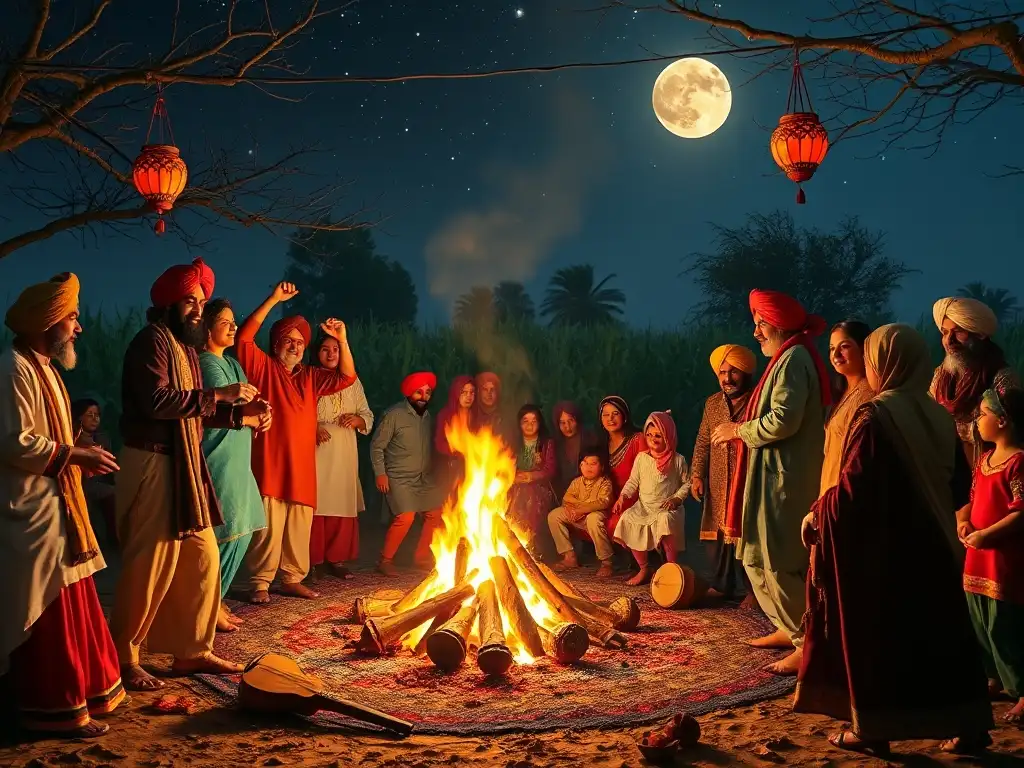
The celebration of Lohri is marked by a variety of traditional practices and rituals that have been preserved over centuries. Each element of the festival contributes to its unique charm and significance, creating a rich tapestry of cultural expressions.
Bonfire: The Central Element of Lohri Celebrations
At the heart of the Lohri festivities is the bonfire, which symbolizes the warmth of the sun and the end of winter. Families and communities gather around the fire, offering prayers and making offerings of sugarcane, sesame seeds, and popcorn. The bonfire serves as a focal point for the celebrations, where people engage in joyful gatherings, sharing stories and laughter.
As the flames dance, participants sing traditional Lohri songs and throw offerings into the fire, signifying the release of negativity and the welcoming of positive energy. This ritual not only enhances communal bonds but also reflects the ancient practice of fire worship, which is deeply rooted in the spiritual beliefs of the region.
Folk Songs and Dances: Cultural Expressions of Joy
Folk songs and dances are integral to the Lohri celebrations, showcasing the rich cultural heritage of Punjab. Traditional music, often accompanied by instruments like the dhol (drum), creates an atmosphere of joy and festivity. Songs sung during Lohri often narrate stories of love, harvest, and the beauty of rural life, celebrating the spirit of the community.
Dances such as Bhangra and Gidda are performed around the bonfire, allowing participants to express their happiness and enthusiasm. These energetic dances not only entertain but also bring people together, fostering a sense of unity and cultural pride. The rhythmic beats and vibrant movements reflect the joyous spirit of the festival, making it a lively and memorable occasion.
Traditional Foods: Culinary Delights of Lohri
Food plays a central role in the Lohri festivities, with traditional dishes that reflect the agricultural bounty of the region. Popular delicacies include sesame seeds (til), jaggery (gud), and roasted corn, which are often enjoyed around the bonfire. These foods symbolize the harvest and are an essential part of the celebration.
In addition to these staples, families prepare special dishes such as sarson da saag (mustard greens) and makki di roti (corn flatbread), celebrating the region's agricultural produce. The sharing of food during Lohri strengthens community ties and highlights the importance of hospitality in Punjabi culture. Through these culinary delights, the festival not only satiates hunger but also embodies the spirit of sharing and togetherness among families and friends.
Lohri in Ancient Punjab: Myths and Legends
Lohri, celebrated primarily in Punjab, marks the end of winter and the arrival of longer days. Its significance is deeply rooted in the myths and legends that have evolved over centuries, intertwining with the cultural fabric of ancient Punjab. This festive occasion not only symbolizes the harvest season but also reflects the rich tapestry of beliefs and traditions that have shaped Punjabi society.
The festival is often celebrated with bonfires, dancing, and singing, creating a festive atmosphere that resonates with the tales of yore. These stories not only serve as entertainment but also encapsulate the values and morals of the community, linking the people to their history and heritage.
Mythological Tales Surrounding Lohri Festival
One of the most prominent legends associated with Lohri is the tale of Dulla Bhatti, a legendary folk hero who is often celebrated during this festival. According to folklore, Dulla Bhatti was known for his bravery and generosity. He is said to have rescued a group of young girls from being sold into slavery, ensuring their safety and dignity. In honor of his heroic deeds, people sing traditional songs that recount his adventures during Lohri celebrations.
Another narrative highlights the connection between Lohri and the sun god, honoring the transition from winter to spring. This is often depicted through rituals that invoke blessings for a good harvest, signifying the agricultural importance of the festival. The bonfire symbolizes the sun, and participants throw offerings into the flames, including sesame seeds and jaggery, as a means of expressing gratitude and seeking prosperity.
The Role of Lohri in Punjabi Folklore
Lohri's significance extends beyond mere celebration; it plays a pivotal role in Punjabi folklore. The festival is encapsulated in various folk songs and dances, such as the Gidda for women and Bhangra for men, which narrate stories of love, labor, and the agrarian lifestyle. These performances are not just artistic expressions but are also a means of preserving the history and traditions of the region.
Through these cultural practices, Lohri acts as a conduit for storytelling, where elders pass down tales to younger generations, ensuring that the rich heritage of Punjabi folklore remains alive and relevant. The festival serves as a reminder of the values of community, resilience, and the celebration of nature’s cycles.
The Evolution of Lohri Celebrations Over Time
As with many ancient festivals, Lohri has undergone significant transformations throughout history. While its core essence remains intact, the ways in which it is celebrated have adapted to changing societal norms and cultural influences.
From a predominantly agrarian celebration focused on thanking the harvest gods, Lohri has evolved into a more community-oriented festival. It now includes elaborate gatherings, feasts, and cultural events that cater to a broader audience, reflecting the shifting dynamics of Punjabi society over the centuries.
Changes in Lohri Practices Through Different Eras
In ancient times, Lohri was primarily a farmer's festival, deeply intertwined with the agricultural calendar. Rituals were centered around the harvest, with offerings made to deities for a bountiful crop. As societies evolved, so did the practices surrounding Lohri. The introduction of new agricultural techniques and crops prompted changes in the way the festival was celebrated, incorporating elements from various cultural influences that emerged as Punjab experienced migrations and invasions.
Today, Lohri celebrations are marked by grand bonfires, singing, dancing, and community feasts that include a variety of regional delicacies. The festival has transcended its rural origins, becoming an urban celebration that draws in people from various backgrounds, thus enriching its cultural significance.
The Influence of Religion on Lohri Celebrations in Ancient Punjab
The role of religion in shaping Lohri celebrations cannot be understated. While the festival has pre-Hindu roots, it has assimilated various religious practices over time. In ancient Punjab, Lohri was celebrated with rituals that honored both Hindu and folk deities, reflecting the syncretic nature of the region’s spirituality.
With the arrival of Sikhism, Lohri took on additional layers of meaning. The festival became a time for Sikhs to gather and celebrate community spirit, emphasizing values such as sharing, equality, and gratitude. Religious hymns and prayers are now integral parts of the celebrations, merging traditional practices with spiritual significance.
Lohri embodies the ancient Punjabi spirit, where mythology, folklore, and religious influences converge to create a vibrant tapestry of cultural heritage. As it continues to evolve, the festival remains a testament to the enduring legacy of ancient Punjab.
Modern Interpretations of Ancient Punjab Lohri Celebrations
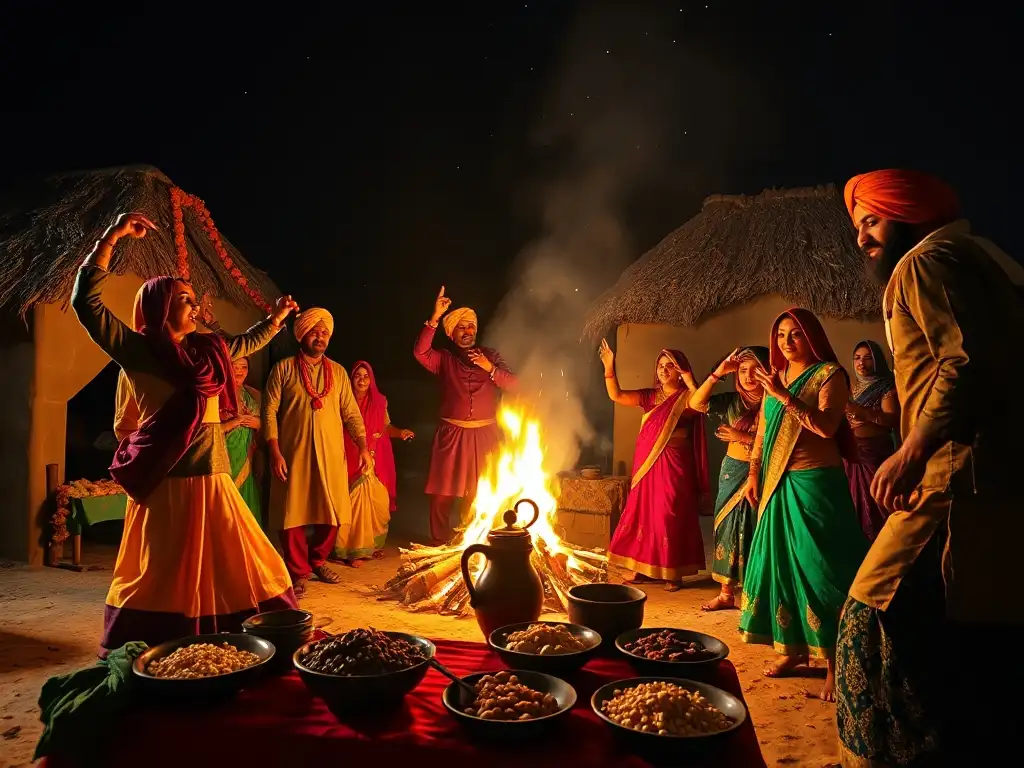
Modern interpretations of Lohri in Punjab reflect a blend of ancient customs and contemporary influences. While the core essence of the festival remains intact, celebrations have evolved to incorporate diverse cultural elements. Today, Lohri is not just a harvest festival; it has transformed into a significant social occasion that unites families and communities.
The traditional bonfire, which symbolizes the warmth of the sun and the end of winter, continues to be a focal point of the festivities. Around this bonfire, people sing folk songs like "Sunder Mundriye" and dance to the beat of the dhol, preserving the spirit of their ancestors. However, modern celebrations often feature elaborate events, including community gatherings, cultural performances, and even music festivals that attract younger generations. These adaptations help keep the festival relevant, ensuring that the rich cultural heritage of Lohri is appreciated by all, especially in urban areas where traditional practices may be waning.
Preserving Ancient Traditions in Contemporary Celebrations
Despite the modern twists, preserving ancient traditions during Lohri celebrations is paramount. Many families ensure that they adhere to age-old rituals, such as offering prayers to the fire and sharing traditional foods like sesame seeds (til), jaggery (gur), and rice. These foods not only symbolize abundance but are also deeply rooted in the agricultural practices of ancient Punjab.
In contemporary settings, cultural organizations and community groups play a significant role in safeguarding these traditions. They organize workshops and events that educate younger generations about the historical significance of Lohri, encouraging them to participate in time-honored practices. Moreover, local schools often incorporate Lohri-themed activities and programs, fostering a sense of pride and connection to their heritage among students. This cultural continuity ensures that the essence of Lohri, as celebrated by ancient Punjabis, remains alive in today's society.
The Global Impact of Lohri Celebrations Today
Lohri has transcended its regional boundaries and gained global recognition, particularly among the Punjabi diaspora. In countries like Canada, the United Kingdom, and the United States, large-scale Lohri celebrations are organized, showcasing traditional music, dance, and cuisine. These events not only serve as a means for Punjabis to connect with their roots but also introduce the beauty of Lohri to diverse audiences.
The global impact of these celebrations is evident in the way they promote cross-cultural understanding and appreciation. Non-Punjabi communities are increasingly participating in Lohri festivities, drawn by the vibrant atmosphere and rich cultural expressions. This participation helps to foster inclusivity and solidarity, demonstrating how ancient traditions can bring people together, regardless of their backgrounds. Furthermore, social media plays a significant role in amplifying these celebrations, allowing individuals worldwide to share their experiences and connect over the festival.
Conclusion: The Enduring Legacy of Lohri in Ancient Punjab
The legacy of Lohri in ancient Punjab is profound, representing not just a seasonal celebration but also a rich tapestry of cultural heritage that has stood the test of time. From its roots as a festival marking the end of winter and the beginning of the harvest season to its modern adaptations, Lohri encapsulates the spirit of community, joy, and gratitude.
As we reflect on the enduring legacy of Lohri, it becomes clear that this festival serves as a vital link between the past and the present. It continues to inspire generations, reminding them of their cultural identity and the ancient traditions that shaped their ancestors’ lives. The celebrations today are a testament to the resilience of Punjabi culture and its ability to adapt while retaining the core values that have defined Lohri for centuries. Thus, Lohri remains a cherished celebration, honoring the rich history of ancient Punjab and its agricultural roots while embracing the future.
Final Thoughts on the Importance of Lohri in Indian Festivals
Lohri, celebrated primarily in Punjab, holds a significant place in the tapestry of Indian festivals. Its roots are deeply entrenched in the agrarian lifestyle of the region, symbolizing the end of winter and the arrival of longer days, which are crucial for agricultural activities. The festival not only marks a seasonal transition but also embodies the spirit of community, joy, and gratitude among the people.
This vibrant celebration is woven with cultural practices, folk songs, and traditional dances such as Bhangra and Gidda, which enhance its festive atmosphere. These performances are not merely entertainment; they are a means of passing down stories and traditions from one generation to the next, preserving the rich heritage of Punjab. The bonfire, a central element of Lohri, serves as a communal gathering point, fostering social bonds among families and neighbors. People throw offerings into the fire, symbolizing the cleansing of past misfortunes and welcoming prosperity.
Moreover, Lohri reflects the agricultural calendar, highlighting the importance of the harvest season. The festival is a time for farmers to express their gratitude for the bountiful crop, particularly sugarcane, which is celebrated as a central element of the festivities. By honoring the land and its produce, Lohri reinforces the connection between community and agriculture, emphasizing sustainable practices that have been integral to Indian civilization for centuries.
In contemporary times, while the celebration of Lohri has become more widespread beyond Punjab, its essence remains unchanged. It serves as a reminder of the cultural diversity and unity that festivals bring to the Indian landscape. The significance of Lohri extends beyond its agricultural roots, representing resilience, hope, and the enduring strength of community ties. As such, it occupies a vital role in the broader spectrum of Indian festivals, encapsulating the richness of ancient traditions and their relevance in modern society.
The importance of Lohri in Indian festivals cannot be overstated. It is a festival that encapsulates the spirit of togetherness, gratitude, and cultural pride, making it a cherished celebration in the hearts of many. As we continue to celebrate Lohri, we not only honor our agricultural heritage but also embrace the values of unity and joy that are essential to the Indian way of life.
- Introduction to Lohri Celebrations in Ancient Punjab
- Significance of Lohri in Ancient Punjabi Culture
- The Historical Roots of Lohri Festival
- Traditional Practices and Rituals During Lohri
- Lohri in Ancient Punjab: Myths and Legends
- The Evolution of Lohri Celebrations Over Time
- Modern Interpretations of Ancient Punjab Lohri Celebrations
- Conclusion: The Enduring Legacy of Lohri in Ancient Punjab
- Final Thoughts on the Importance of Lohri in Indian Festivals
- What is Lohri and why is it celebrated in Ancient Punjab?
- How did the Lohri celebrations evolve over time in Ancient Punjab?
- What were the key elements of Lohri festivities in Ancient Punjab?
- How did ancient texts or inscriptions describe Lohri celebrations?
- What contributions did Lohri make to the cultural identity of Ancient Punjab?
Frequently Asked Questions
What is Lohri and why is it celebrated in Ancient Punjab?
Lohri is a traditional festival that marks the end of winter and the beginning of the harvest season. In Ancient Punjab, it was celebrated with bonfires, singing, and dancing to honor the sun god and promote agricultural prosperity.
How did the Lohri celebrations evolve over time in Ancient Punjab?
The Lohri celebrations in Ancient Punjab evolved from agrarian rituals to a more communal festival, emphasizing community bonding and shared joy. This transformation integrated various cultural practices over the centuries.
What were the key elements of Lohri festivities in Ancient Punjab?
Key elements included bonfires, folk songs, and traditional dances like Bhangra and Gidda. Families would gather around the fire, offering prayers and sharing sweets and popcorn to symbolize gratitude.
How did ancient texts or inscriptions describe Lohri celebrations?
Ancient texts and inscriptions often highlighted Lohri as a time of thankfulness for the harvest and a period of renewal. These descriptions provide insight into the cultural significance of the festival in the lives of ancient Punjabis.
What contributions did Lohri make to the cultural identity of Ancient Punjab?
Lohri played a significant role in shaping the cultural identity of Ancient Punjab by fostering a sense of community and continuity. Its celebrations helped maintain traditions that connected people to their agricultural roots and seasonal cycles.
Final Reflection: Embracing the Spirit of Lohri in Ancient Punjab
The story of Lohri, rooted in the rich traditions of Ancient Punjab, serves as a vibrant reminder of the enduring connection between culture and nature. As we celebrate the end of winter and the arrival of longer days, the essence of Lohri resonates deeply in today's world, where the need for community and connection is more vital than ever. This festival not only marks a seasonal transition but also embodies the spirit of hope and renewal that transcends time.
Celebrations like Lohri have shaped the cultural landscape of Punjab and beyond, fostering a sense of unity and belonging among people. The rituals and festivities associated with this ancient celebration continue to inspire generations, reminding us of the importance of honoring our roots. Tradition is not the worship of ashes, but the preservation of fire.
This quote encapsulates the essence of Lohri, urging us to keep the flames of our heritage alive while embracing the future.
As you reflect on the significance of Lohri and its celebration of winter's end, consider how you can incorporate its lessons into your own life. Take a moment to appreciate the cycles of nature and the bonds you share with your community. Whether through gathering with loved ones, sharing stories, or participating in local traditions, let the spirit of Lohri inspire you to celebrate the warmth of togetherness and the promise of new beginnings.
Celebrate and Illuminate Your Spirit This Lohri!
Thank you for journeying with us through the vibrant history of Lohri! We hope you’ve gained a deeper appreciation for this captivating celebration and the rich traditions that come with it. Now, it’s time to harness that inspiration!
Here are a few engaging actions you can take to embrace the Lohri spirit:
- Join a Local Lohri Celebration: Seek out community events or festivals to fully experience the beauty of this age-old tradition!
- Share Your Stories: Connect with friends and family by sharing your own Lohri experiences or cultural traditions surrounding winter celebrations.
- Try Your Hand at Traditional Recipes: Cook a dish associated with Lohri and savor the flavors while honoring ancient culinary practices.
What aspect of the Lohri celebration inspires you the most to keep traditions alive? We would love to hear your thoughts in the comments!