
Ancient Indian Food Pairings: The Science Behind Flavor Combinations

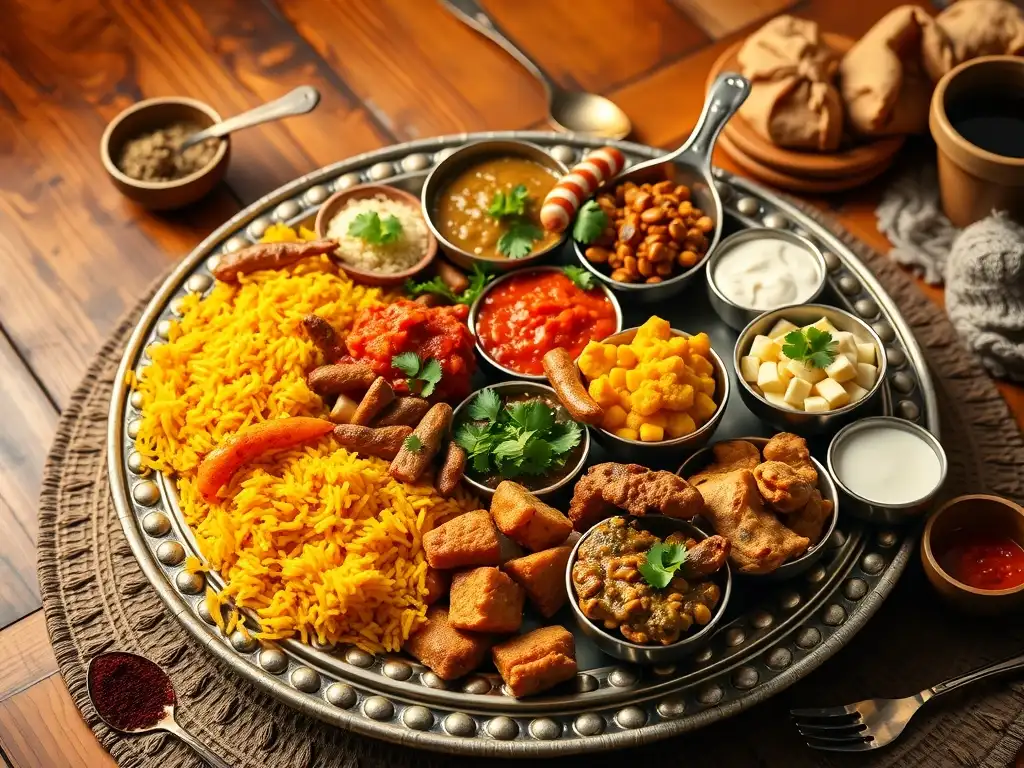
Welcome to Ancient India History, where we invite you to embark on a fascinating journey through the rich tapestry of ancient Indian civilizations. As we delve into the realm of Ancient Indian food combinations, prepare to uncover the intriguing science behind flavor pairings that not only tantalized the taste buds but also reflected the culture and traditions of the time.
Discover how the culinary practices of the Indus Valley to the Gupta Empire shaped a legacy of gastronomic innovation. Join us as we unravel the secrets of these age-old recipes and their significance, sparking your curiosity to explore more about the vibrant world of Indian cuisine!
- Introduction to Ancient Indian Food Combinations
- Historical Context of Ancient Indian Food Pairings
- Key Elements of Ancient Indian Food Combinations
- Examples of Popular Ancient Indian Food Pairings
- The Role of Ayurveda in Ancient Indian Food Combinations
- Modern Interpretations of Ancient Indian Food Combinations
- Conclusion: The Lasting Impact of Ancient Indian Food Pairings
- Call to Action: Explore Ancient Indian Food Traditions
-
Frequently Asked Questions
- What are some common ancient Indian food combinations?
- How did ancient Indian civilizations influence food pairings?
- What role do spices play in ancient Indian food pairings?
- How is the science of flavor combinations applied in ancient Indian cooking?
- Can modern diets benefit from ancient Indian food pairings?
- Final Reflection: The Timeless Harmony of Ancient Indian Food Combinations
- Unleash the Power of Ancient Flavors!
Introduction to Ancient Indian Food Combinations
Ancient Indian food combinations are not just a delightful exploration of flavors; they are a testament to the rich history and cultural heritage of India. From the meticulously crafted meals of the Indus Valley Civilization to the sophisticated culinary practices of the Gupta Empire, food in ancient India was deeply intertwined with social customs, health beliefs, and spiritual traditions. Understanding these combinations offers valuable insights into how ancient Indians perceived taste, nutrition, and the art of cooking, which continues to influence modern Indian cuisine.
The exploration of ancient Indian food combinations reveals a fascinating interplay of ingredients that were carefully selected not only for their taste but also for their nutritional and medicinal properties. This article aims to delve into the science behind these pairings, shedding light on how the ancient culinary traditions have shaped contemporary practices. By examining the significance of flavor pairings and providing an overview of ancient culinary traditions, we can appreciate the depth and complexity of India's gastronomic legacy.
The Importance of Flavor Pairings in Ancient Indian Cuisine
Flavor pairings in ancient Indian cuisine were guided by both culinary intuition and scientific principles. The ancient texts, such as the Ayurveda and various treatises on cooking, emphasized the balance of flavors—sweet, sour, salty, bitter, and umami—as essential for achieving harmony in meals. This balance was believed to be vital not only for taste but also for maintaining health and wellness.
- Nutritional Balance: Each ingredient brought unique health benefits. For example:
- Turmeric: Known for its anti-inflammatory properties.
- Ginger: Aids digestion and enhances flavor.
- Cultural Significance: Certain combinations were reserved for festivals and rituals, reflecting the spiritual beliefs surrounding food.
By understanding the scientific rationale behind these pairings, we can appreciate how ancient Indians crafted meals that were not only delicious but also nourishing.
Overview of Ancient Indian Culinary Traditions
Ancient Indian culinary traditions were incredibly diverse, influenced by geography, climate, and cultural exchanges. The following points highlight key aspects of these traditions:
- Regional Variations: From the coastal regions that favored seafood to the arid deserts where grains dominated, each area had its distinct food practices.
- Historical Influences: The arrival of various conquerors and traders brought new ingredients and cooking methods. For instance, the Mughal Empire introduced rich spices and techniques that enriched local cuisines.
- Sustainable Practices: Ancient texts advocated for seasonal and local ingredients, promoting sustainability long before it became a modern concern.
Overall, the tapestry of ancient Indian cuisine is woven with rich flavors and traditions that continue to influence today's culinary landscape. By exploring these food combinations, we unlock a deeper understanding of India's cultural heritage and its enduring impact on global gastronomy.
Historical Context of Ancient Indian Food Pairings
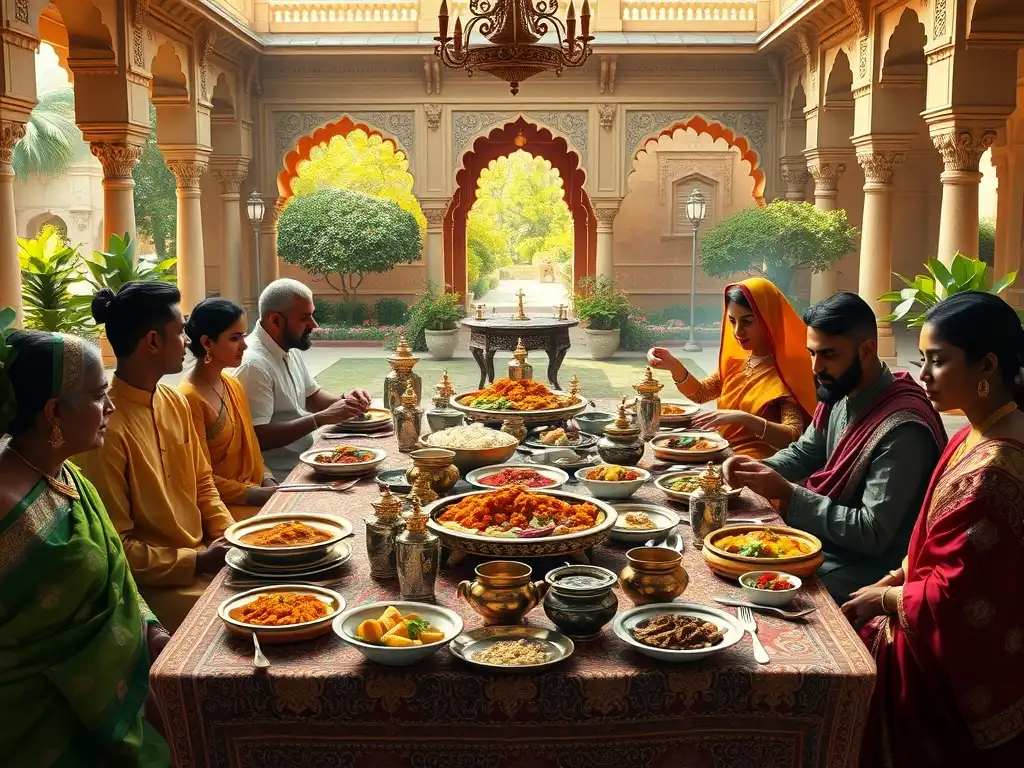
Ancient Indian Civilizations and Their Culinary Practices
Ancient Indian civilizations, from the Indus Valley to the Gupta Empire, laid the foundation for a diverse culinary tradition characterized by unique food pairings. Archaeological discoveries at sites like Mohenjo-Daro and Harappa reveal that these early societies cultivated a variety of crops, including wheat, barley, pulses, and rice. This agricultural diversity significantly influenced their dietary habits and food combinations.
The Vedic period (circa 1500-500 BCE) marked a transformative era in ancient Indian food practices. Texts like the Rigveda and Atharvaveda mention various food items and their preparation methods, reflecting a society that valued not just sustenance but also the sensory experiences associated with food. Rituals, sacrifices, and offerings were intricately tied to food, leading to specific pairings believed to please the deities. For instance, rice was often paired with ghee (clarified butter) and various spices to enhance both flavor and spiritual significance.
As the Maurya and Gupta empires emerged, culinary practices evolved further. The Arthashastra, an ancient treatise on statecraft, also offered insights into food storage, preparation, and trade. Royal kitchens featured elaborate meals, where the combination of dishes played a crucial role in showcasing the wealth and sophistication of the empire. Ingredients such as lentils, vegetables, and meats were frequently paired with grains, creating a balanced and nutritious diet.
Influence of Geography on Food Combinations in Ancient India
Geography played a pivotal role in shaping ancient Indian food combinations. The subcontinent's diverse climates, ranging from the Himalayan mountains to the coastal regions, contributed to regional variations in agriculture and cuisine. For example, the fertile plains of the Ganges were conducive to rice cultivation, leading to its pairing with local fish and vegetables, while the arid regions of Rajasthan favored lentils and millet, combined with spices to enhance their flavors.
In the South, the abundance of coconut and tamarind influenced local food pairings. Rice, a staple, was commonly served with coconut chutney and sambar, a lentil-based stew infused with spices. The coastal areas also showcased the combination of seafood with rice and spices, creating a unique flavor profile that reflected the natural resources available.
Moreover, trade routes established during ancient times facilitated the exchange of ingredients and culinary ideas. Spices like black pepper and cardamom traveled from the Western Ghats to other regions, leading to their incorporation into various dishes. This not only enriched local cuisines but also encouraged the development of distinctive food pairings that celebrated the region's identity.
The Role of Spices in Enhancing Flavor Pairings
Spices have always been at the heart of ancient Indian cuisine, functioning not merely as flavor enhancers but also as preservatives and health boosters. The combination of spices with staple ingredients was fundamental in creating the complex flavor profiles characteristic of ancient Indian food.
For instance, turmeric, known for its anti-inflammatory properties, was frequently paired with lentils and rice. Its vibrant yellow color not only enhanced the visual appeal of dishes but also contributed to their nutritional value. Similarly, cumin and coriander were staples used in various combinations, providing earthiness and depth to curries and stews.
The ancient practice of Ayurveda also influenced food pairings, emphasizing balance and harmony in meals. Dishes were often crafted with a combination of flavors – sweet, sour, salty, and bitter – to achieve a holistic dining experience. For example, combining sweet fruits with spicy pickles created a delightful contrast that was both palatable and healthful.
The art of blending spices extended to regional specialties; for example, the use of garam masala – a mixture of ground spices – became a hallmark of North Indian cuisine. It was often paired with meats and vegetables, enhancing their flavors while bringing warmth to the dish.
Ancient Indian food combinations reflect a rich tapestry woven from cultural, geographical, and historical threads. The understanding of these pairings continues to influence contemporary Indian cuisine, celebrating the legacy of centuries-old culinary traditions.
Key Elements of Ancient Indian Food Combinations
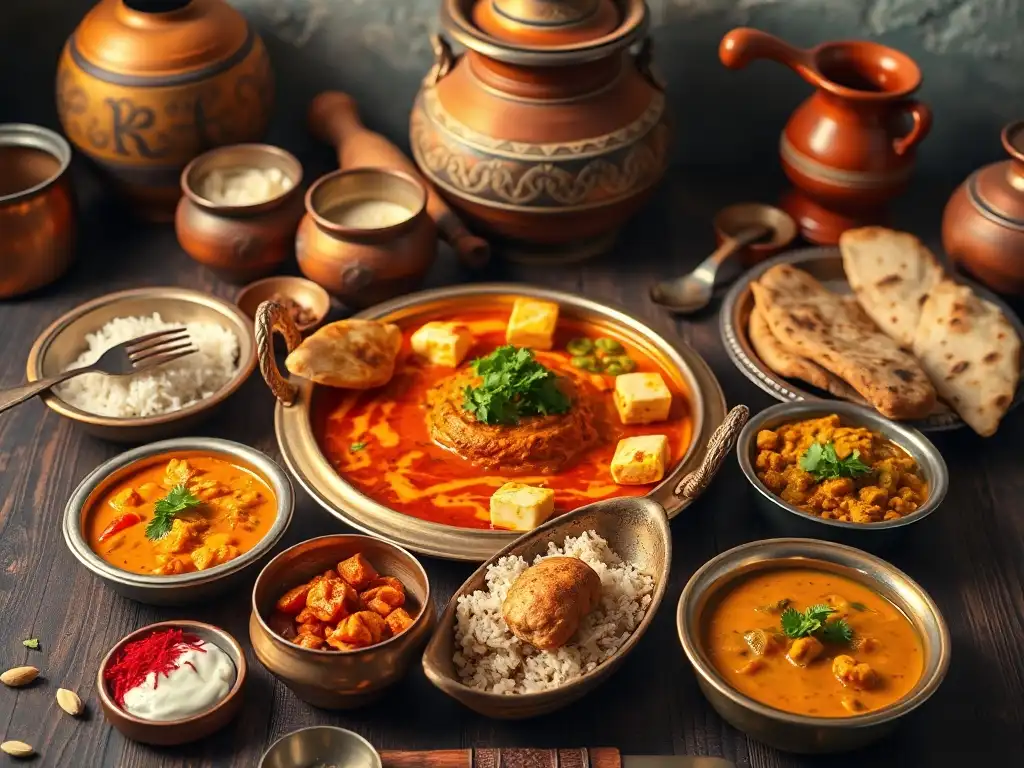
Understanding Taste Profiles: Sweet, Sour, Bitter, and Spicy
In ancient Indian cuisine, taste profiles play a crucial role in the art of food combinations. The traditional understanding of flavors is based on the concept of Rasa, which includes sweet (Madhura), sour (Amla), bitter (Tikta), and spicy (Katu). Each of these tastes contributes to the overall sensory experience of a meal.
- Sweet (Madhura): This flavor is not only a favorite but also considered essential for balancing the heat of spicy dishes. Common sources include jaggery, honey, and various fruits. For example, sweet dishes like kheer (rice pudding) often accompany spicy meals to create harmony.
- Sour (Amla): Sour flavors, derived from ingredients like tamarind, curd, and citrus, are used to enhance digestion and provide a refreshing contrast to richer flavors. A well-known combination is the use of yogurt (curd) with rice, which aids in digestion and adds a cooling effect.
- Bitter (Tikta): While often overlooked, bitterness (from ingredients like bitter gourd or fenugreek) adds depth and complexity to meals. These flavors are typically balanced with sweet or spicy elements to create a more rounded dish.
- Spicy (Katu): The use of spices, particularly chili peppers and black pepper, defines many ancient Indian dishes. Spices are not only flavorful but are also believed to have medicinal properties, enhancing overall health.
Understanding these taste profiles is essential for creating balanced and harmonious dishes that reflect the rich culinary heritage of ancient India.
The Science of Flavor Pairing: Aroma, Texture, and Temperature
The interplay of aroma, texture, and temperature is fundamental when exploring ancient Indian food combinations. Each of these elements contributes to the sensory experience and the perceived enjoyment of food.
- Aroma: The fragrance of food is a significant indicator of flavor. Ingredients such as cumin, coriander, and cardamom are often used in combination to create aromatic blends, known as masalas. These spices not only enhance flavor but also stimulate appetite.
- Texture: Ancient Indian meals often include a variety of textures, from the crunch of papadums to the creaminess of paneer. This diversity keeps the palate engaged and enhances the overall dining experience. For instance, pairing a creamy dal with crispy fried vegetables creates a delightful contrast.
- Temperature: Serving food at the right temperature is crucial in ancient Indian traditions. Hot dishes, such as curries, are often paired with cool accompaniments like raita (yogurt dip) to balance heat and enhance flavor. This contrast not only elevates taste but also provides a refreshing experience.
In ancient Indian culinary practices, the harmony of aroma, texture, and temperature is meticulously crafted to ensure that each meal is not just nourishing but also a feast for the senses.
Nutritional Benefits of Traditional Food Combinations
Ancient Indian food combinations are not only designed for taste and aroma but also for maximizing nutritional benefits. These combinations reflect a deep understanding of food science, aiming to enhance health and wellness.
- Synergistic Nutrients: Many traditional pairings are created to ensure that nutrients are better absorbed. For example, pairing iron-rich foods like lentils with vitamin C-rich ingredients like lemon or tomatoes enhances iron absorption in the body, promoting better health.
- Digestive Health: Ingredients such as spices (ginger, cumin) and fermented foods (yogurt) are commonly used in ancient Indian cuisine to support digestion. The combination of spices in dishes stimulates digestive enzymes, while fermented foods introduce beneficial probiotics.
- Balanced Meals: Traditional meals are often composed of a balance of carbohydrates, proteins, and fats. For instance, a typical meal might include whole grains (like brown rice), legumes (dal), and vegetables, providing a complete amino acid profile and essential vitamins.
- Preventative Health: The holistic approach in ancient Indian food combinations emphasizes the use of natural ingredients known for their health benefits. For instance, turmeric is often paired with black pepper to enhance its anti-inflammatory properties, showcasing the ancient wisdom of food as medicine.
By embracing these traditional food combinations, individuals can not only enjoy the rich flavors of ancient Indian cuisine but also reap significant health benefits, making these culinary practices timeless and relevant even today.
Examples of Popular Ancient Indian Food Pairings
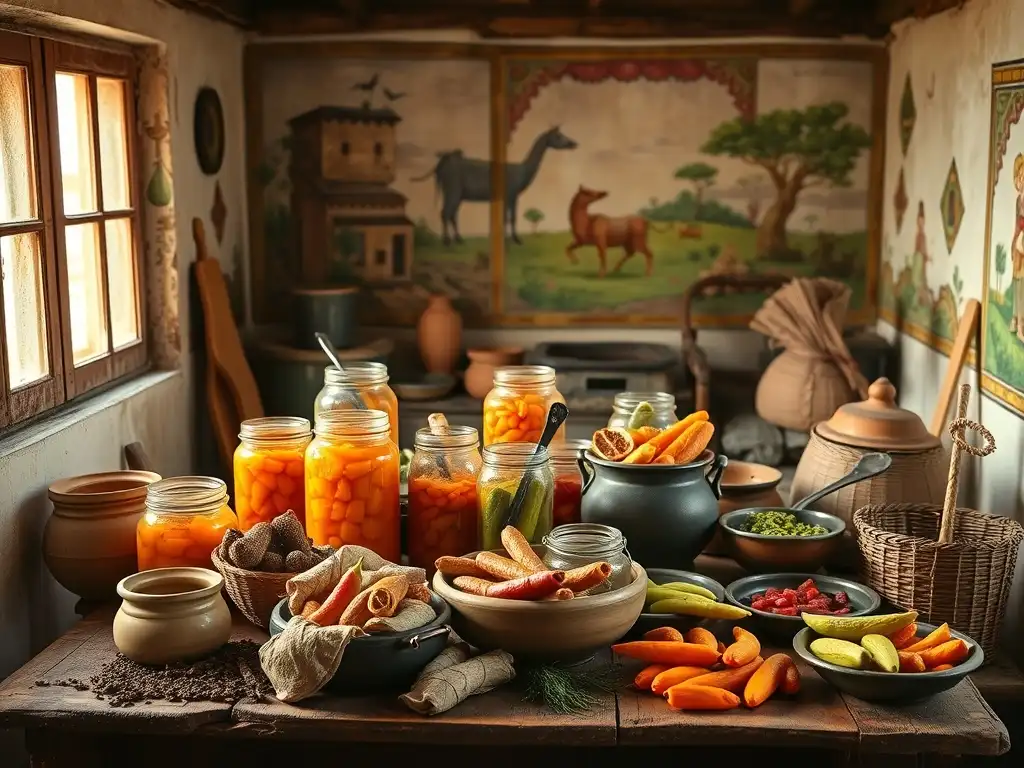
Dal and Rice: The Perfect Protein-Carbohydrate Duo
Dal and rice is one of the most iconic ancient Indian food combinations, revered for its nutritional balance and cultural significance. This pairing, found in various forms across the Indian subcontinent, embodies the essence of comfort food while providing essential nutrients.
Nutritional Benefits of Dal and Rice
The combination of dal (lentils) and rice offers a complete protein source, making it an essential part of the ancient Indian diet. When consumed together, they provide all nine essential amino acids necessary for human health. Additionally, this pairing is rich in:
- Fiber: Essential for digestive health.
- Vitamins: Such as B vitamins found in lentils, which help in energy metabolism.
- Minerals: Including iron, potassium, and magnesium, which are vital for various bodily functions.
A typical serving not only satisfies hunger but also supports overall health, making it a practical choice for ancient Indians who relied on accessible sources of nutrition.
Historical Significance in Ancient Indian Diets
Dal and rice have been staples in Indian cuisine for thousands of years, with references in ancient texts such as the Vedas and the Mahabharata. Archaeological findings suggest that lentils were cultivated in the Indus Valley civilization as early as 7000 BCE.
This pairing was not just about sustenance; it also played a role in social and cultural practices. Shared meals of dal and rice symbolized hospitality and community, often served during religious ceremonies and festivals. The ability to prepare and consume this combination reflects the agricultural advancements and culinary knowledge of ancient civilizations.
Roti and Sabzi: A Classic Vegetable and Bread Combination
Roti, a type of unleavened bread, paired with sabzi (vegetable curry) represents another fundamental aspect of ancient Indian food combinations. This duo showcases the versatility of Indian cuisine, as it can vary widely based on region and available ingredients.
Exploring Regional Variations of Roti and Sabzi
Across India, roti can be made from different grains such as wheat, millet, or rice, each lending a unique flavor and texture to the meal. The accompanying sabzi varies by region, utilizing locally available vegetables and spices. For instance:
- North India: Roti is often paired with sabzi made from potatoes, peas, or paneer (cottage cheese).
- South India: The pairing might include sambhar, a spiced lentil soup with a mix of vegetables.
- West India: Roti could accompany a bhaji (stir-fried vegetable) rich in spices like cumin and coriander.
This diversity reflects the agricultural practices and climatic conditions of different regions, emphasizing the adaptability of ancient Indian food traditions.
How Ancient Texts Describe This Pairing
Ancient scriptures, such as the Arthashastra and various Ayurvedic texts, highlight the importance of balanced meals, emphasizing the need for incorporating grains, vegetables, and spices. These texts often discuss the health benefits of consuming roti and sabzi together, promoting a diet rich in vitamins and minerals.
Furthermore, the cultural significance of this pairing is evident in rituals and daily practices, where sharing roti and sabzi symbolizes unity and nourishment. Even today, this pairing remains a staple in Indian households, showcasing its enduring legacy in the culinary landscape of ancient India.
Curd (Yogurt) with Various Dishes: A Cooling Companion
Curd, or yogurt, has been a staple in ancient Indian cuisine, celebrated not just for its creamy texture and tangy flavor, but also for its myriad health benefits. This dairy product serves as a cooling agent, particularly in the hot climate of India, and it forms a crucial part of many traditional meals. The versatility of curd allows it to be paired with a variety of dishes, enhancing flavors and balancing spices.
In ancient times, curd was often used to temper the heat of spicy dishes, providing a refreshing contrast to the robust flavors of curries and pickles. Its probiotic properties also contributed to digestive health, making it a favored addition to meals. The cultural significance of curd is evident in various rituals and practices, where it is utilized in offerings and as a symbol of purity.
The Health Benefits of Yogurt in Ancient Diets
Yogurt has long been recognized for its numerous health benefits, which were particularly valued in ancient Indian diets. Here are some of the prominent advantages:
- Probiotic Power: Yogurt is rich in probiotics, beneficial bacteria that promote gut health. This was crucial in ancient times when food preservation methods were limited, helping to prevent digestive issues.
- Nutrient-Rich: Curd is an excellent source of protein, calcium, and essential vitamins, contributing to overall health. Ancient Indians understood the importance of balanced nutrition, and yogurt provided a readily available source of these nutrients.
- Cooling Effect: In the warm climate of India, yogurt's cooling properties helped to balance the body's internal heat. This was especially beneficial during the summer months when spicy foods could lead to discomfort.
- Anti-Inflammatory Properties: The presence of certain compounds in yogurt is known to have anti-inflammatory effects, which would have been beneficial for people managing various ailments in ancient times.
- Digestive Aid: Curd aids in digestion, helping to break down food more effectively. This was particularly important given the diverse and often spicy nature of ancient Indian cuisine.
Traditional Pairings with Curd in Ancient Indian Meals
Ancient Indian culinary practices often featured curd paired with a variety of dishes, enhancing both flavor and nutrition. Here are some traditional pairings that highlight the versatility of curd:
- Raita: A popular accompaniment made by mixing curd with diced vegetables such as cucumber, onion, or tomato. Raita not only cools the palate but also adds a refreshing crunch to spicy meals.
- Curd Rice: This dish, made by mixing cooked rice with yogurt, is a traditional comfort food. It is often served at the end of a meal to aid digestion and provide a soothing finish.
- Dahi Vada: A popular snack made from lentil dumplings soaked in yogurt and topped with spices, this dish showcases the delightful combination of soft vadas with tangy curd, often garnished with tamarind chutney.
- Lassi: A traditional yogurt-based drink that can be enjoyed sweet or salted. It is a fantastic way to refresh oneself, especially during hot weather, and is often consumed alongside meals.
- Marinated Dishes: Yogurt is frequently used as a marinade for meats and vegetables, tenderizing them while infusing rich flavors. Dishes like tandoori chicken highlight this ancient practice, where yogurt serves as a key ingredient in flavor development.
These pairings demonstrate the integral role of curd in ancient Indian cuisine, not only as a delicious companion but also as a vital component for health and well-being.
The Role of Ayurveda in Ancient Indian Food Combinations
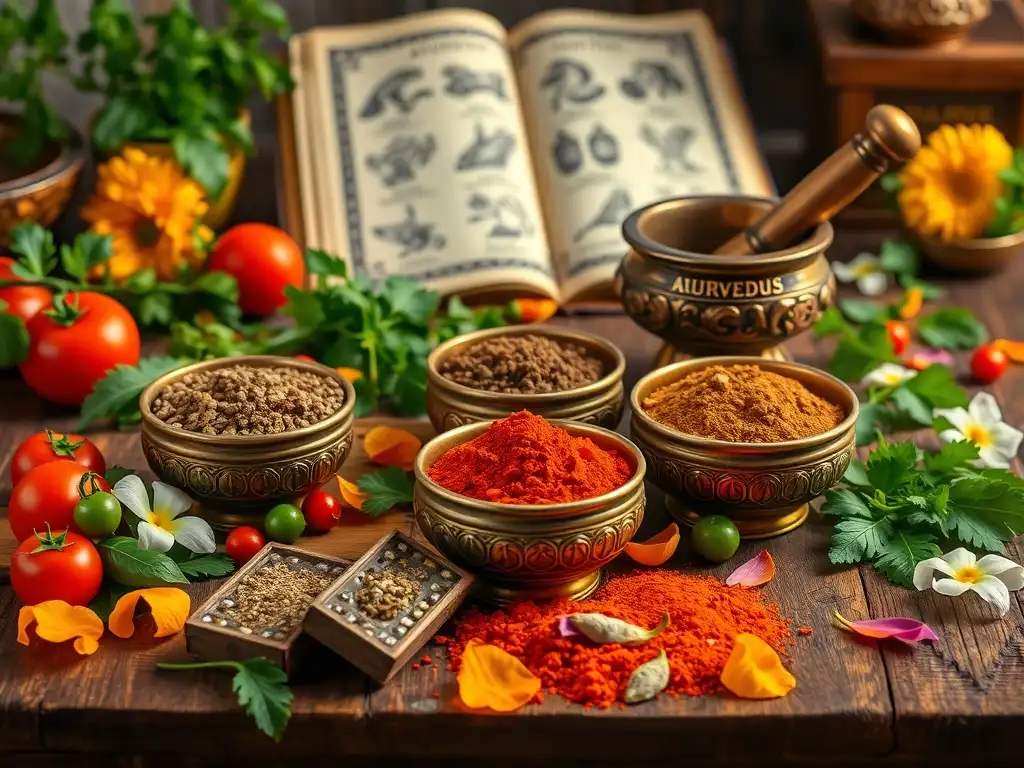
Ayurveda, the ancient Indian system of medicine, plays a pivotal role in the understanding of food combinations and their effects on health and wellness. Ayurvedic principles emphasize balance and harmony, not just within the body but also in the foods we consume. This holistic approach to nutrition is foundational to the traditional culinary practices of ancient India, guiding how ingredients are paired to enhance flavor, nutrition, and overall well-being.
Ayurvedic Principles of Food Pairing
Ayurveda categorizes food into six tastes: sweet, sour, salty, bitter, pungent, and astringent. Each of these tastes corresponds to different elements and qualities in nature, influencing how food interacts with our body. Understanding these tastes helps in creating balanced meals that cater to individual needs.
- Sweet (Madhura): Represents nourishment and energy, often derived from grains, dairy, and some fruits.
- Sour (Amla): Stimulates digestion and is found in citrus fruits, yogurt, and fermented foods.
- Salty (Lavana): Essential for maintaining electrolyte balance, typically sourced from salt and certain vegetables.
- Bitter (Tikta): Known for its detoxifying properties, it includes leafy greens and herbs.
- Pungent (Katu): Enhances digestion, found in spices like ginger and black pepper.
- Astringent (Kashaya): Helps to dry excess moisture in the body, found in legumes and some fruits.
By combining these tastes thoughtfully, Ayurvedic cuisine aims to create meals that are not only delightful to the palate but also beneficial for health.
Balancing Doshas through Food Combinations
In Ayurveda, the concept of doshas—Vata, Pitta, and Kapha—represents the three fundamental energies within the body. Each dosha has its own unique qualities and imbalances can lead to health issues. Thus, food combinations are often tailored to balance these doshas.
- Vata: Characterized by qualities such as dryness and coldness, Vata individuals benefit from warm, moist, and grounding foods. Pairing sweet and salty flavors, like rice with ghee and a pinch of salt, can help stabilize Vata.
- Pitta: Known for its heat and intensity, Pitta requires cooling and soothing foods. Combining bitter and sweet flavors, such as leafy greens with fruits like mango, can help pacify Pitta imbalances.
- Kapha: Marked by heaviness and stability, Kapha individuals thrive on light and stimulating foods. Pungent and bitter combinations, like lentils with spices, can uplift and reduce excess Kapha.
Through the careful selection of ingredients that correspond to these doshas, ancient Indian food combinations not only cater to individual health needs but also enhance the overall dining experience.
Practical Applications: Recipes Based on Ayurvedic Combinations
Integrating Ayurvedic principles into everyday cooking can be both simple and rewarding. Here are a few recipe ideas that exemplify ancient Indian food combinations rooted in Ayurveda:
- Kitchari: A traditional dish made from rice and lentils, seasoned with spices like cumin and ginger. This balanced meal is easy to digest and is often recommended for detoxification.
- Vegetable Curry: Combining a variety of seasonal vegetables with coconut milk and spices like turmeric and coriander creates a dish that is nourishing and rich in flavors, catering to all dosha types.
- Spiced Yogurt Salad: Mixing yogurt with diced cucumber, mint, and a pinch of salt offers a refreshing side dish that balances Pitta while providing probiotics for digestive health.
- Sweet Potato Halwa: A dessert made from grated sweet potatoes, ghee, and cardamom. This dish embodies the sweet and nourishing qualities that can help balance Vata.
By embracing these ancient Indian food combinations, we not only honor the culinary traditions of the past but also promote a holistic approach to health and well-being. The integration of Ayurveda into food pairing enriches our understanding of flavor and nurtures our bodies in profound ways.
Modern Interpretations of Ancient Indian Food Combinations
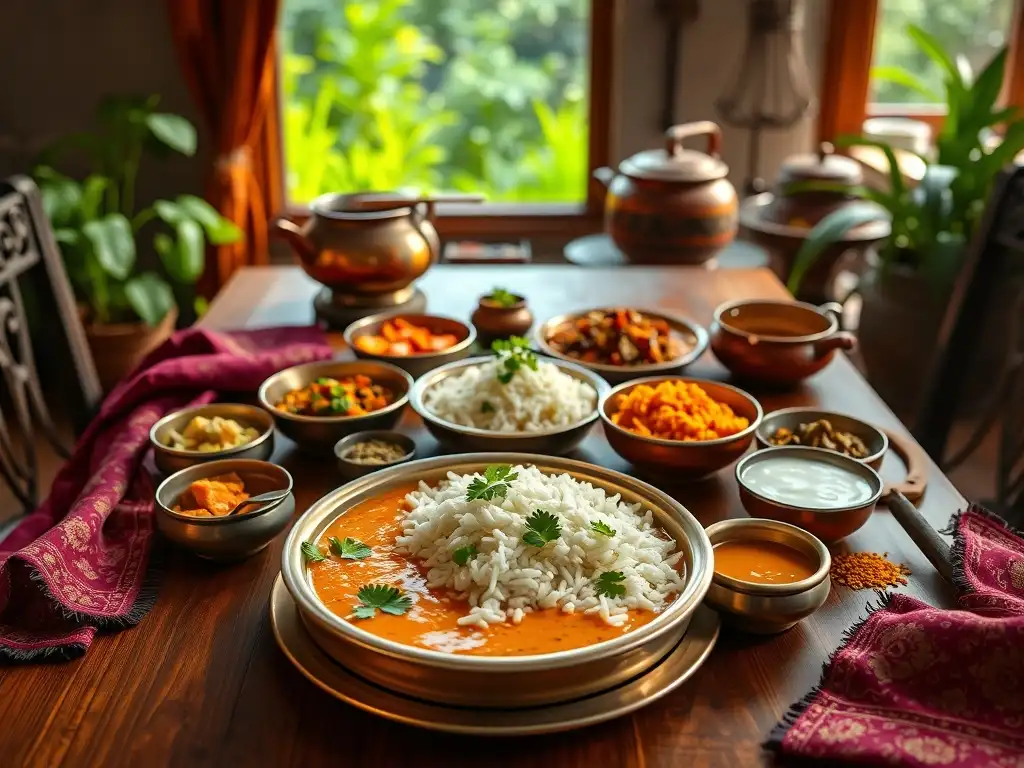
In recent years, there has been a remarkable resurgence in the appreciation for Ancient Indian food combinations. Chefs and culinary enthusiasts are increasingly looking to the past to find inspiration in the rich tapestry of flavors and ingredients that defined ancient Indian cuisine. This modern interpretation takes into account not only the historical significance of these pairings but also their nutritional values, enhancing both health and taste.
Reviving Ancient Food Pairings in Contemporary Indian Cuisine
Revivalists of ancient culinary traditions are experimenting with food combinations that date back centuries. Some notable examples include:
- Rice and Lentils (Khichdi): This age-old dish is celebrated for its nutritional balance, combining protein-rich lentils with carbohydrates from rice. Modern chefs are adding spices like turmeric and ginger for enhanced flavor and health benefits.
- Millets and Vegetables: Ancient Indians often paired millets with seasonal vegetables, promoting not only flavor but also sustainability. Contemporary chefs are now focusing on local, organic produce to create dishes that connect diners to the land.
- Fermented Foods: The use of fermented foods, such as dosa and idli, highlights ancient techniques that enhance digestibility and flavor. Today's chefs are incorporating innovative toppings and accompaniments, such as unique chutneys and modern dips, to appeal to contemporary palates.
These ancient pairings are often presented in a modern context, utilizing novel plating techniques and fusion elements that cater to current culinary trends.
Popular Restaurants Offering Ancient Indian Combinations
Across India and in various global cities, several restaurants are championing the revival of ancient Indian food combinations. Here are a few noteworthy establishments:
- Karavalli (Bangalore)
- Specialty: Traditional coastal dishes featuring unique seafood and rice combinations.
- Highlight: Their use of ancient methods of cooking with local spices and ingredients.
- The Spice Route (New Delhi)
- Specialty: Dishes inspired by the ancient trade routes, showcasing combinations of spices and ingredients from across India.
- Highlight: The restaurant often features pairings of curries with ancient grains like barley and sorghum.
- Café Madras (Mumbai)
- Specialty: Authentic South Indian fare with a modern twist, focusing on traditional pairings like sambar with idli.
- Highlight: Emphasis on quality and traditional cooking methods, maintaining the essence of ancient recipes.
These restaurants not only pay homage to ancient flavors but also introduce a contemporary audience to the depth and richness of Indian culinary heritage.
Cookbooks and Resources for Exploring Ancient Indian Recipes
For those wishing to delve deeper into the world of ancient Indian food combinations, several cookbooks and resources serve as excellent guides:
-
"Ancient Indian Cooking: A Culinary Journey" by Chef Sanjeev Kapoor
This book provides a comprehensive exploration of ancient recipes, detailing the science behind traditional food pairings.
-
"The Flavors of Indian Food: A Historical Perspective" by Chef Neha Dhingra
This resource combines history with culinary instruction, offering insight into how ancient ingredients were utilized and paired.
-
Online Platforms: Websites like Indian Food Forever and Tasty India feature sections dedicated to ancient recipes, providing both traditional and contemporary interpretations of classic dishes.
By leveraging these resources, enthusiasts can further explore the profound connections between ancient traditions and modern culinary practices, enriching their understanding of ancient Indian food combinations and their relevance today.
Conclusion: The Lasting Impact of Ancient Indian Food Pairings
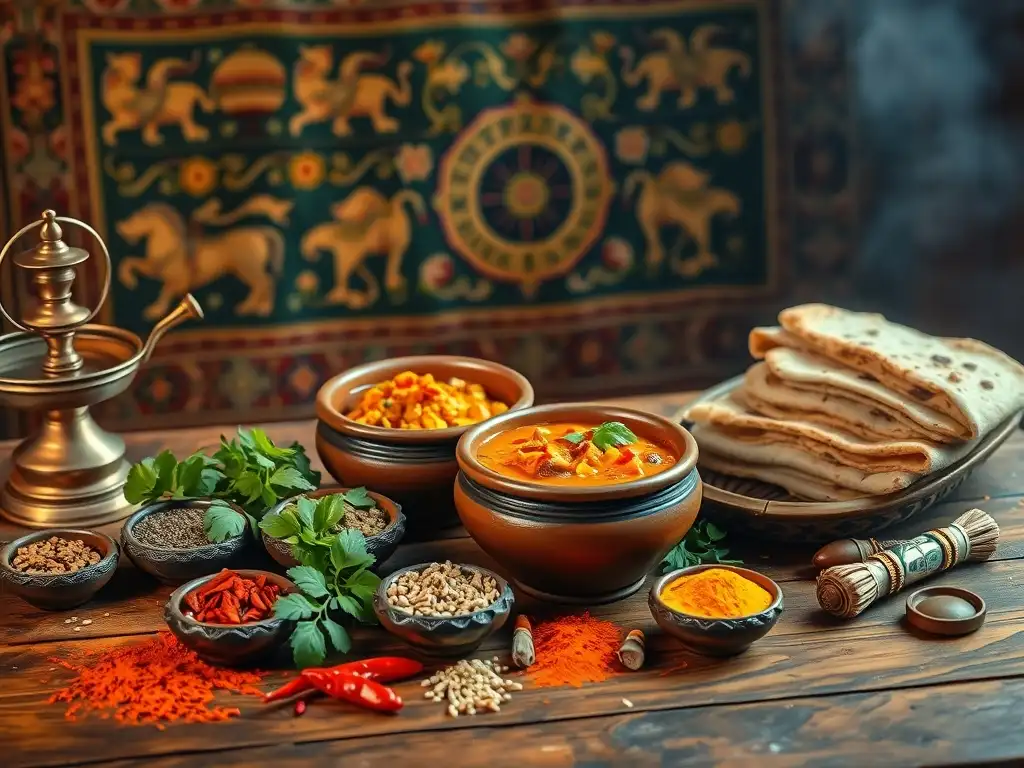
The culinary traditions of ancient India have left an indelible mark on contemporary food practices, particularly through the art of ancient Indian food combinations. These pairings were not merely about taste; they were deeply rooted in the understanding of nutrition, health, and the sensory experience of eating. The meticulous selection of ingredients, often based on their properties and flavors, showcases a sophisticated approach to gastronomy that has been passed down through generations.
Ancient texts such as the Charaka Samhita and Sushruta Samhita highlighted the significance of food combinations in promoting health and wellness. For instance, the combination of ghee (clarified butter) with turmeric is revered not only for its flavor but also for its anti-inflammatory properties. This holistic understanding of food continues to resonate in today’s cooking practices, where traditional pairings enhance both the flavor profile and health benefits of dishes.
Preserving Culinary Heritage through Food Combinations
The preservation of ancient Indian food combinations is critical in maintaining the culinary heritage of the region. These combinations often reflect the local ingredients, climate, and cultural practices of various regions.
- Regional Variations: Each region in India has its unique food pairings, influenced by local agriculture and traditions. For example:
- North India: The pairing of paneer (cottage cheese) with spinach (palak) creates the beloved dish Palak Paneer, showcasing a balance of flavors and nutritional benefits.
- South India: The combination of rice with sambar (a lentil-based vegetable stew) exemplifies the importance of carbohydrates and proteins in a meal.
- Cultural Significance: Many ancient food combinations are steeped in ritual and tradition. For example, during festivals, the pairing of sweet and savory dishes, such as Puran Poli (sweet flatbread) served with spicy curry, symbolizes the duality of life and the balance between different flavors.
- Sustainable Practices: By adhering to ancient food combinations, communities can promote sustainable agricultural practices. The cultivation of certain crops alongside others, known as intercropping, can enhance soil health and yield.
Encouraging Culinary Tourism through Ancient Indian Cuisine
Culinary tourism is increasingly becoming a vital part of India's tourism industry, and ancient Indian food combinations play a central role in attracting food enthusiasts.
- Culinary Experiences: Tourists are drawn to authentic culinary experiences that allow them to engage with ancient cooking techniques and traditional food pairings. Cooking classes and food tours focused on ancient recipes provide tourists with a deeper understanding of India’s rich culinary history.
- Showcasing Diversity: The diversity of ancient Indian food combinations offers a unique selling point for culinary tourism. Regions can promote their signature dishes and pairings, such as:
- Rajasthani Dal Baati Churma: A combination of lentils, baked wheat rolls, and a sweet topping, showcasing the region’s flavors.
- Bengali Fish Curry with Rice: Emphasizing the coastal heritage and the use of mustard oil, this pairing is a staple in Bengali cuisine.
- Culinary Festivals: Food festivals celebrating ancient Indian cuisine can encourage both domestic and international tourism. Events featuring local chefs who specialize in ancient food combinations can enhance awareness and appreciation of this culinary heritage.
The exploration and preservation of ancient Indian food combinations not only enrich our understanding of culinary practices but also promote cultural heritage and tourism. By embracing these time-honored traditions, we can ensure that the flavors and wisdom of ancient India continue to thrive in modern cuisine.
Call to Action: Explore Ancient Indian Food Traditions
Ancient Indian food combinations are a fascinating aspect of culinary history that reflect the rich tapestry of flavors, ingredients, and cultural practices from diverse regions of India. The intricate pairings of ingredients not only enhance the taste but also contribute to health benefits, making ancient Indian cuisine a subject worthy of exploration.
To truly appreciate these combinations, delve into various culinary traditions, regional recipes, and the underlying science that dictates what works well together on the plate. This exploration can enhance your cooking skills and broaden your understanding of how flavors evolve over time, influenced by geography, climate, and cultural exchanges.
Join us in uncovering the depth of ancient Indian food traditions and discover how you can incorporate these timeless practices into your own culinary repertoire. Whether through cooking, tasting, or simply learning about the history behind these pairings, there's an entire world waiting to be explored.
Suggested Resources for Further Reading
- Books:
- The Food of India: A Journey for Food Lovers by P. S. Raghavan
- Culinary Cultures of India by Tej K. Bhatia
- Articles and Journals:
- "The Role of Spices in Ancient Indian Cuisine" – An insightful piece on how spices were used for flavor and health.
- "Historical Influences on Indian Food Pairing" – A comprehensive overview of how trade and migration shaped food combinations.
- Documentaries:
- The Spice Trail – Explore the journey of spices and their impact on culinary practices.
- Flavors of India – A visual feast that showcases regional cuisines and their unique pairings.
Recommended Cookbooks and Online Courses
- Cookbooks:
- Indian-ish: Recipes and Antics from a Modern American Family by Priya Krishna – A blend of traditional and contemporary Indian recipes.
- Indian Cooking Unfolded: A Master Class in Indian Cooking, with 100 Easy Recipes Using 10 Ingredients by Raghavan Iyer – Simplifies ancient Indian recipes with a focus on food combinations.
- Online Courses:
- Coursera: The Science of Gastronomy – A course that explores the science behind food pairings, including Indian cuisine.
- Udemy: Indian Cooking: Learn Authentic Indian Recipes – Offers a deep dive into traditional recipes and flavor combinations.
By engaging with these resources, you can further your understanding of ancient Indian food combinations and elevate your culinary practices. Enjoy your journey through the flavors of ancient India!
Frequently Asked Questions
What are some common ancient Indian food combinations?
Ancient Indian cuisine features pairings like dal and rice, roti with sabzi, and curd with khichdi, which reflect a balance of nutrients and flavors.
How did ancient Indian civilizations influence food pairings?
Ancient Indian civilizations utilized local ingredients and spices, leading to diverse combinations that enhanced both taste and health benefits.
What role do spices play in ancient Indian food pairings?
Spices not only enhance flavor but also play a crucial role in preservation and digestion, making them essential in ancient Indian cuisine.
How is the science of flavor combinations applied in ancient Indian cooking?
The science of flavor combinations involves understanding how ingredients interact, leading to balanced meals that are pleasing to the palate and nutritionally sound.
Can modern diets benefit from ancient Indian food pairings?
Yes, incorporating ancient Indian food pairings can enrich modern diets by providing a variety of flavors and nutritional diversity, promoting overall well-being.
Final Reflection: The Timeless Harmony of Ancient Indian Food Combinations
Ancient Indian food combinations are not just culinary traditions; they are a testament to a profound understanding of flavor, health, and culture that resonates deeply in today's world. As we navigate a modern landscape filled with fast food and fleeting trends, the wisdom embedded in these age-old pairings offers a refreshing perspective on how we can nourish our bodies and souls. The intricate science behind these combinations reveals that food is more than sustenance; it is a celebration of life itself.
The influence of ancient Indian food pairings extends far beyond the kitchen, shaping our cultural and social interactions around food. These combinations foster a sense of community and connection, reminding us of the importance of mindful eating and the joy of sharing meals with loved ones. As celebrated chef and food activist Alice Waters once said, Food is a precious gift, and it is our responsibility to honor it.
This sentiment echoes the essence of ancient Indian culinary practices, where each ingredient is chosen not only for its flavor but also for its health benefits and spiritual significance.
As we reflect on the lessons of ancient Indian food combinations, let us embrace the opportunity to integrate these principles into our daily lives. I invite you to explore the flavors of your heritage, experiment with traditional pairings, and share the experience with those around you. By doing so, we not only honor the past but also cultivate a deeper appreciation for the food we consume and the connections we forge through it. Together, let us celebrate the timeless harmony of flavors that unite us all.
Unleash the Power of Ancient Flavors!
Thank you for diving into the fascinating world of ancient Indian food pairings! You've unlocked the secrets behind flavor combinations that not only tantalize your taste buds but also connect you to a rich culinary heritage. Now, it’s time to take the next step and incorporate these insights into your own kitchen!
Here’s how you can get started:
- Experiment with your own pairings: Try combining the spices and ingredients recommended in this article in your next meal. Experience how flavors can come alive when blended harmoniously!
- Share your culinary creations with friends and family: Host a dinner gathering where you serve traditional dishes with a twist inspired by ancient pairings.
- Join our community: Connect with fellow food enthusiasts on our website or social media to share tips, recipes, and experiences as you explore the depths of ancient Indian cuisine.
Which ancient flavor combination will you try out first, and how do you think it will enhance your meal? We invite you to share your thoughts below!