
The Fusion of Cultures: How Invaders Influenced Ancient Indian Food Traditions

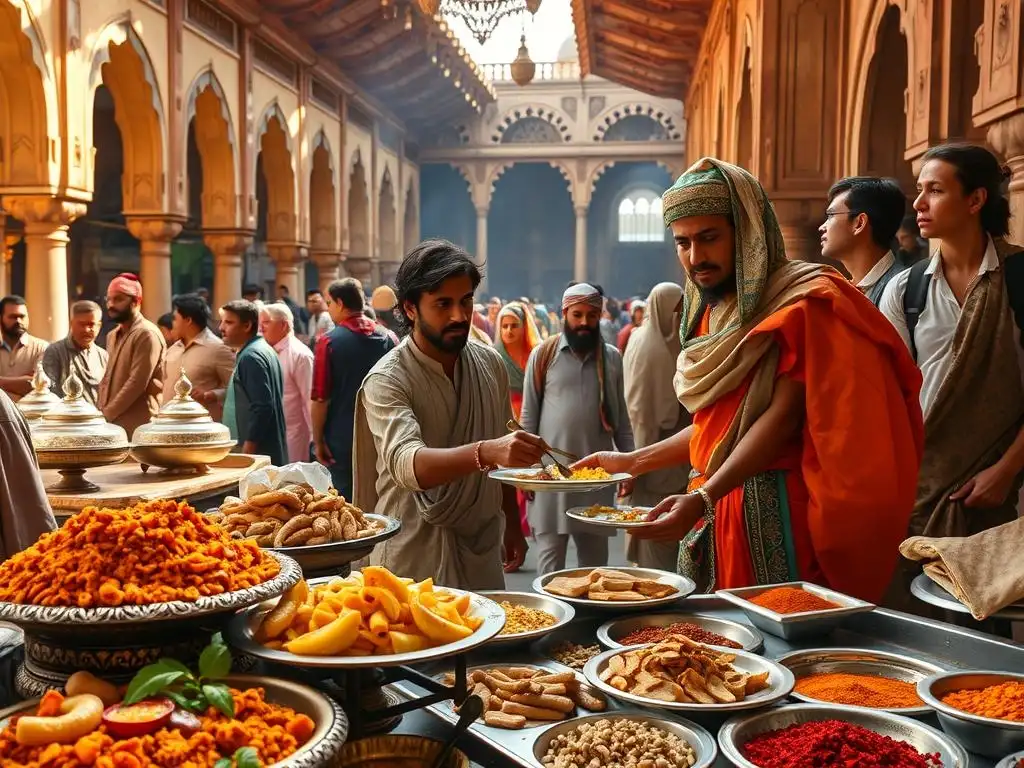
Welcome to Ancient India History, where we invite you to embark on a fascinating journey through time, uncovering the rich tapestry of civilizations that shaped the Indian subcontinent. Dive into our featured article, “The Fusion of Cultures: How Invaders Influenced Ancient Indian Food Traditions,” and discover how historical encounters transformed culinary practices, creating a vibrant food culture that still resonates today. Prepare to satiate your curiosity and explore the delectable intersections of history and cuisine that define ancient Indian food traditions. Your adventure into the past begins now!
Introduction to Ancient Indian Food Traditions
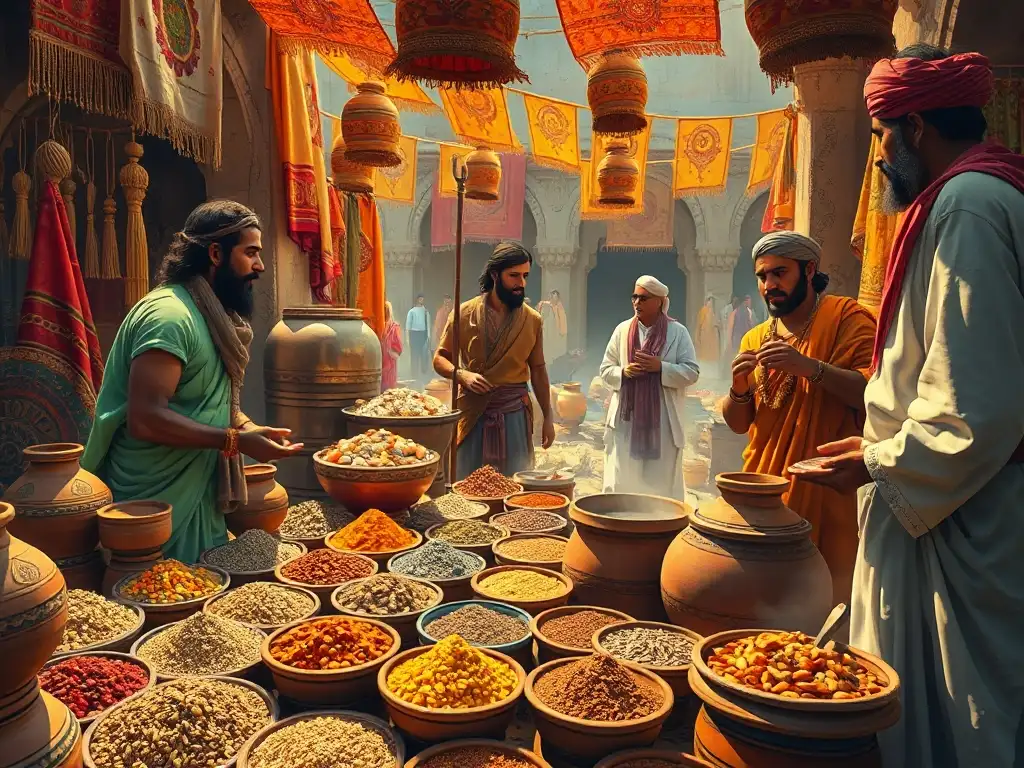
Ancient Indian food traditions are a fascinating tapestry woven from the threads of history, culture, and geography. The culinary landscape of India has been shaped by a multitude of influences, ranging from indigenous practices to the rich contributions of various invaders and settlers. This evolution reflects not only the availability of local ingredients but also the intricate interactions between diverse cultures over millennia. From the sophisticated meals of the Indus Valley Civilization to the aromatic spices popularized during the Gupta Empire, ancient Indian food traditions offer a glimpse into a complex society that revered both nourishment and flavor.
The significance of food in ancient India transcended mere sustenance; it was deeply intertwined with social, religious, and cultural practices. Meals were often communal and served as a means to strengthen relationships and express hospitality. As different cultures encountered the Indian subcontinent, they brought their unique culinary practices, which were then assimilated into existing traditions. This fusion has led to a rich gastronomic heritage that continues to thrive today.
Historical Context of Invaders in Ancient India
Throughout history, India has been a melting pot of cultures due to its geographical location and rich resources. The subcontinent witnessed waves of invasions, migrations, and trade, each leaving an indelible mark on its cultural and culinary practices. Understanding this historical context is crucial to appreciating how ancient Indian food traditions evolved.
The Arrival of Various Cultures
Various groups, including the Aryans, Persians, Greeks, and Central Asian nomads, entered the Indian subcontinent at different points in history. Each of these cultures introduced new ingredients, cooking techniques, and culinary philosophies. For example, the arrival of the Persians in the 6th century BCE brought with it a love for sophisticated dining and the use of rich spices, which were later integrated into Indian cuisine.
- Aryan Influence: The Vedic texts, which date back to around 1500 BCE, highlight early food practices and the significance of rituals associated with food.
- Greek Contributions: Alexander the Great's invasion in 326 BCE opened channels for trade and cultural exchange, introducing new fruits and vegetables.
- Mughal Empire: The Mughal period (16th to 18th centuries) was particularly transformative, as it blended Persian and Indian culinary arts, leading to the creation of iconic dishes like biryani and kebabs.
Cultural Exchange and Culinary Evolution
The interactions between these diverse cultures facilitated a unique exchange of culinary knowledge. Techniques such as slow-cooking, marinating, and the use of aromatic spices became commonplace as a result of this blending.
- Spices: The use of spices like saffron, cumin, and coriander became prominent, with each group adding their unique touch to traditional recipes.
- Ingredients: The introduction of ingredients such as potatoes and tomatoes, brought by the Portuguese, transformed many traditional recipes, giving rise to new favorites.
- Cooking Techniques: The adoption of techniques like tandoor cooking and the preparation of rich gravies and sauces can be traced back to these cultural interactions.
The influences of various invaders significantly shaped ancient Indian food traditions, creating a diverse and flavorful culinary heritage that continues to evolve. This intricate history serves as a testament to the adaptability and resilience of Indian cuisine, making it one of the most vibrant and dynamic food cultures in the world.
Key Ingredients Introduced by Invaders
The ancient Indian food traditions were significantly shaped by the various invaders who traversed the subcontinent. These invaders brought with them a multitude of new ingredients, cooking techniques, and culinary practices that greatly enriched the local cuisine. Notable ingredients introduced include:
- Wheat and Barley: Introduced by the Aryans, these grains became staples in the Indian diet, leading to the popularization of breads such as chapati and naan.
- Citrus Fruits: Persian invaders introduced citrus varieties like oranges and lemons, which not only enhanced flavors but also contributed to the preservation of foods.
- Spices: Although India was already known for its spices, the Mughal Empire's expansion introduced new spices such as saffron and cardamom, which became integral to many dishes.
- Dairy Products: With the arrival of various invaders, the use of dairy expanded, leading to the creation of rich desserts and savory dishes utilizing ghee, paneer, and yogurt.
- Potatoes and Tomatoes: The British colonial period saw the introduction of these vegetables, which transformed the Indian culinary landscape, paving the way for new dishes such as aloo gobi and various curries.
These ingredients not only diversified the flavors but also established a fusion of culinary traditions that defines modern Indian cuisine.
Influence of Aryan Agriculture
The arrival of the Aryans around 1500 BCE marked a turning point in ancient Indian food traditions. They brought with them advanced agricultural practices and new crops, which influenced the local farming systems.
- Shift to Agriculture: The Aryans transitioned from a nomadic lifestyle to settled agriculture, cultivating crops such as wheat, barley, and millet. This shift allowed for sustained food production and supported the growth of larger communities.
- Cattle Domestication: The Aryans placed a strong emphasis on cattle, which not only provided milk and dairy products but also played a significant role in their agricultural practices through plowing and transportation.
- Food Preservation Techniques: They also introduced methods of food preservation, such as drying and fermenting, which extended the shelf life of various food items, ensuring food security during lean seasons.
The agricultural advancements introduced by the Aryans laid the foundation for the food culture that would flourish in ancient India, emphasizing staple grains and dairy as primary food sources.
Mughal Contributions to Indian Culinary Arts
The Mughal Empire (1526-1857) significantly transformed ancient Indian food traditions through its opulent culinary practices and the introduction of Persian flavors.
- Rich and Elaborate Dishes: Mughals introduced a style of cooking characterized by richness, with the use of aromatic spices, dried fruits, and nuts. Dishes like biryani and korma became staples in Indian cuisine.
- Tandoor Cooking: The Mughal influence popularized tandoor cooking, where meats and breads are cooked in a clay oven. This method led to the development of iconic dishes such as tandoori chicken and naan.
- Sweets and Desserts: The Mughals also introduced a variety of desserts that combined milk, sugar, and spices, such as gulab jamun and jalebi, enriching the sweet palate of Indian cuisine.
The Mughal legacy is evident in the diverse and complex flavors that define many modern Indian dishes, blending local ingredients with foreign techniques.
British Influence on Indian Food Traditions
The British colonial period brought about significant changes in ancient Indian food traditions, introducing new ingredients and culinary practices while also altering existing ones.
- New Ingredients: The British introduced ingredients such as tea, coffee, and various vegetables, which became integral to daily life in India. The popularity of chai (tea) as a beverage can be traced back to this period.
- Fusion Dishes: The interaction between British and Indian culinary practices led to the creation of fusion dishes, such as curry-infused pies and the famous Anglo-Indian dish, chicken tikka masala.
- Culinary Classifications: British colonialists also categorized Indian cuisine, leading to the documentation of recipes that helped preserve the rich culinary history of the subcontinent.
The British period not only modified existing food traditions but also played a crucial role in the global recognition of Indian cuisine, showcasing its diversity and richness.
The Impact of Cultural Syncretism on Ancient Indian Food
Cultural syncretism, or the blending of different cultural influences, has profoundly shaped ancient Indian food traditions. This amalgamation of culinary practices has created a vibrant and diverse food culture that reflects the subcontinent's rich history.
Regional Variations in Food Traditions
The influence of various invaders has led to distinct regional variations in Indian food traditions, each characterized by local ingredients, climate, and cultural practices.
- North India: Known for its rich gravies, breads, and dairy products, dishes like paneer butter masala and dal makhani exemplify the culinary traditions of this region, heavily influenced by Mughal cuisine.
- South India: Characterized by rice-based dishes, coconut, and spices, South Indian cuisine includes iconic foods like dosa and sambar, showcasing indigenous agricultural practices and local flavors.
- East India: Renowned for its sweets and fish dishes, East Indian cuisine is marked by the use of mustard oil and panch phoron (a five-spice blend), reflecting the region’s unique culinary identity.
- West India: Known for its vibrant spices and diverse vegetarian options, West Indian cuisine includes dishes such as dhokla and vindaloo, showcasing influences from both Maratha and Portuguese culinary traditions.
These regional variations not only highlight the adaptation of food practices but also reflect the cultural identities and histories of the people living in these areas.
The Role of Religion and Food
Religion has played a pivotal role in shaping ancient Indian food traditions, influencing dietary restrictions and culinary practices across different communities.
- Vegetarianism: Hinduism and Jainism promote vegetarianism, which has led to the development of a rich variety of plant-based dishes, emphasizing legumes, vegetables, and grains.
- Islamic Dietary Laws: Islamic practices introduced halal methods of food preparation, influencing meat consumption and leading to the popularity of dishes like kebabs and biryanis within Muslim communities.
- Festivals and Feasting: Religious festivals often involve specific foods that hold cultural significance. For example, during Diwali, sweets and snacks play a crucial role, while Ramadan emphasizes communal feasting after fasting.
Religious beliefs not only dictate what is consumed but also foster a sense of community through shared culinary traditions, further enriching the tapestry of ancient Indian food culture.
Modern Legacy of Ancient Indian Food Traditions
The legacy of ancient Indian food traditions is a vibrant tapestry woven from centuries of cultural exchanges, invasions, and local adaptations. Today, these culinary practices continue to thrive, reflecting the influences of various civilizations that have touched Indian soil. The fusion of flavors, techniques, and ingredients from ancient times has created a diverse culinary landscape that showcases the ingenuity and resilience of Indian cuisine.
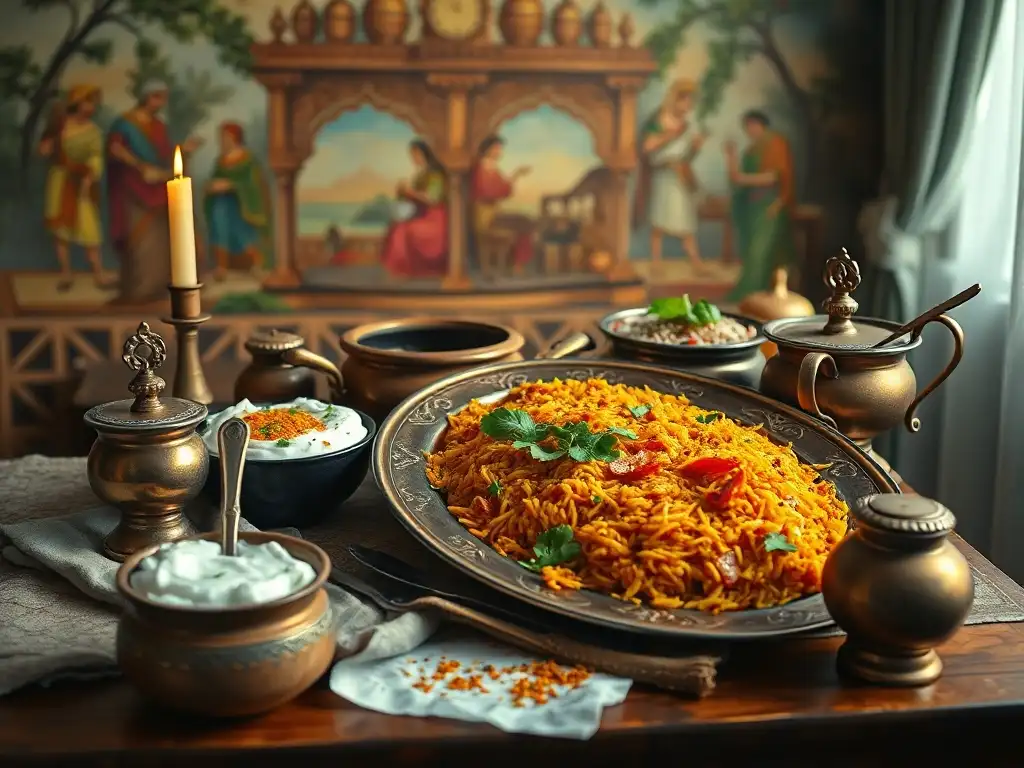
In modern India, traditional dishes often incorporate elements from Persian, Mughal, and even European cuisines, demonstrating the seamless integration of diverse influences. For example, the popular dish Biryani, which has its roots in Persian cuisine, has evolved significantly in India, giving rise to numerous regional variations like Hyderabadi and Lucknowi Biryani. This blending of traditions exemplifies how the past continues to shape contemporary culinary practices, offering a unique taste that tells the story of India’s rich history.
Additionally, ancient food traditions have not only survived but also adapted to modern dietary preferences and global culinary trends. Vegetarianism, which has deep roots in Indian culture, remains a dominant aspect of Indian food practices today, reflecting the ancient philosophies of ahimsa (non-violence) and sustainability. As a result, many traditional recipes have been reimagined to cater to health-conscious consumers, while still honoring their historical significance.
Continuation of Culinary Practices
The continuation of culinary practices in India is a testament to the resilience of ancient food traditions. Many families still prepare age-old recipes that have been passed down through generations, preserving the flavors and techniques of their ancestors. This oral tradition ensures that the culinary heritage remains alive, with regional variations adding to the complexity and richness of Indian cuisine.
Festivals and rituals often play a significant role in maintaining these practices. For instance, during Diwali, families prepare traditional sweets like Gulab Jamun and Barfi, which have their origins in ancient Indian culinary practices. These rituals not only reinforce cultural identity but also provide an opportunity for communities to come together and celebrate their heritage through food.
Moreover, the revival of interest in traditional cooking methods, such as clay pot cooking and the use of local spices, reflects a growing awareness of sustainable practices that align with ancient traditions. Chefs and home cooks alike are increasingly turning to organic and locally sourced ingredients, much like their ancestors did, thus continuing the legacy of ancient food practices in modern contexts.
Culinary Tourism: Exploring the Heritage
Culinary tourism has emerged as a vital avenue for exploring and experiencing the rich heritage of ancient Indian food traditions. Travelers are increasingly seeking authentic culinary experiences that connect them to the history and culture of the regions they visit. This growing trend has led to the establishment of food tours, cooking classes, and culinary festivals that highlight traditional Indian cuisine.
Regions such as Rajasthan, Kerala, and Punjab are popular destinations for culinary tourism, offering tourists an opportunity to engage with local cooks and learn about the historical influences on their cuisines. For instance, in Rajasthan, the fusion of Rajput and Mughal cooking styles can be experienced through dishes like Dal Baati Churma, showcasing the rich tapestry of flavors that result from centuries of cultural exchange.
Culinary tourism also emphasizes the importance of traditional cooking techniques and the use of indigenous ingredients. Visitors can witness firsthand the preparation of ancient recipes while gaining insights into the cultural significance behind each dish. This immersive experience not only enhances appreciation for Indian food traditions but also helps to sustain them by ensuring that they remain relevant in today’s culinary landscape.
Conclusion: The Enduring Influence of Invaders on Ancient Indian Food Traditions
The enduring influence of invaders on ancient Indian food traditions is a compelling narrative that underscores the dynamic nature of Indian cuisine. Each wave of invasion brought new ingredients, techniques, and culinary philosophies that have been absorbed and transformed into the fabric of Indian cooking. This adaptability highlights the ability of Indian food traditions to evolve while maintaining their core essence.
From the introduction of spices and rice by ancient traders to the Mughal influence on rich, aromatic dishes, the impact of various cultures is evident in the diverse culinary landscape of India. As a result, ancient Indian food traditions are not merely relics of the past; they are living practices that continue to shape modern culinary identities and experiences.
The fusion of cultures has enriched the culinary heritage of India, making it a vibrant and dynamic reflection of its history. As contemporary society embraces these traditions, the legacy of ancient Indian food practices is not only preserved but also celebrated, ensuring that the influence of invaders remains a fundamental aspect of India's culinary narrative for generations to come.
Further Reading and Resources
To delve deeper into the fascinating interplay of cultures and their influence on ancient Indian food traditions, several resources can enhance your understanding and provide comprehensive insights. Here are some recommended books, articles, and online resources:
Books
- "Food and Foodways in India: A Historical Perspective" by K. T. Achaya
- This book offers a thorough examination of the evolution of Indian culinary practices, exploring how historical events and cultural exchanges shaped food traditions across different regions.
- "The Cambridge World History of Food" edited by Kenneth F. Kiple and Kriemhild Coneè Ornelas
- This extensive volume covers global food history, including significant sections dedicated to the Indian subcontinent, highlighting the impact of invasions and cultural interactions on food.
- "Culinary Cultures of India: A Historical Overview" by Jaya S. Mehta
- This book provides a narrative on the historical significance of various cuisines in India, detailing how foreign influences have integrated into local food practices.
Academic Journals
- Journal of South Asian Studies
- Look for articles that explore the interaction between ancient Indian civilizations and invading cultures, particularly focusing on culinary aspects.
- Food and Foodways
- This journal often publishes research on global food traditions, including studies on ancient Indian cuisine and its evolution due to external influences.
Online Resources
- The Indian National Trust for Art and Cultural Heritage (INTACH)
- INTACH's website offers a wealth of information on India's culinary heritage, including studies on how invasions impacted food traditions.
- Culinary Historians of India
- This online community provides resources, discussions, and articles related to the historical evolution of Indian cuisine, including the impact of various invaders.
Documentaries and Lectures
- "The Spice Trail" (BBC Documentary)
- This documentary explores the historical significance of spices in Indian cuisine, highlighting trade routes and cultural exchanges that shaped food traditions.
- Lectures from Renowned Historians
- Platforms like YouTube host lectures from historians who specialize in the culinary history of India, offering engaging insights into the fusion of food cultures.
By exploring these resources, readers can gain a more nuanced understanding of how ancient Indian food traditions were influenced by various invaders and cultures, enriching the diverse tapestry of Indian culinary practices.
- Introduction to Ancient Indian Food Traditions
- Historical Context of Invaders in Ancient India
- Key Ingredients Introduced by Invaders
- The Impact of Cultural Syncretism on Ancient Indian Food
- Modern Legacy of Ancient Indian Food Traditions
- Conclusion: The Enduring Influence of Invaders on Ancient Indian Food Traditions
- Further Reading and Resources
- What are ancient Indian food traditions?
- How did invasions influence ancient Indian food traditions?
- What role did the Indus Valley Civilization play in food traditions?
- How did the Gupta Empire contribute to food culture in ancient India?
- What are some examples of food influenced by ancient invaders?
Frequently Asked Questions
What are ancient Indian food traditions?
Ancient Indian food traditions encompass a variety of cooking methods, ingredients, and cultural practices that have evolved over centuries, reflecting the diverse regional influences and historical interactions.
How did invasions influence ancient Indian food traditions?
Invasions brought new ingredients, cooking techniques, and flavors that merged with local customs, leading to a unique culinary landscape that shaped the diversity of Indian cuisine.
What role did the Indus Valley Civilization play in food traditions?
The Indus Valley Civilization laid the foundation for ancient Indian food traditions with its advanced agricultural techniques, contributing to the cultivation of crops like wheat and barley.
How did the Gupta Empire contribute to food culture in ancient India?
The Gupta Empire is known for its cultural renaissance, which included advancements in cuisine through the synthesis of different food practices, promoting a rich culinary heritage.
What are some examples of food influenced by ancient invaders?
Examples include Persian biryani, Mughlai curries, and Turkish kebabs, all of which highlight the fusion of flavors and techniques introduced by various invaders into ancient Indian food traditions.
Final Reflection: The Enduring Legacy of Ancient Indian Food Traditions
The fusion of cultures has always been a driving force behind the evolution of ancient Indian food traditions, showcasing how diverse influences can create something uniquely beautiful. In today's globalized world, where culinary boundaries are increasingly blurred, understanding the historical context of these traditions becomes essential. The way invaders and settlers have shaped Indian cuisine not only reflects the resilience of its people but also highlights the importance of embracing change and diversity in our own lives.
Cultural exchange is a powerful catalyst for growth and innovation, and the rich tapestry of ancient Indian food traditions serves as a testament to this truth. The blending of flavors, techniques, and ingredients from various invaders has not only enriched Indian cuisine but has also fostered a sense of unity amidst diversity.
As the renowned chef and food writer, Madhur Jaffrey, once said, "> Food is a way of bringing people together, and it transcends boundaries." This ongoing influence reminds us that food is not merely sustenance; it is a bridge that connects us to our history and to one another.
As we reflect on the lessons embedded in these ancient food traditions, let us take a moment to appreciate the richness that diversity brings to our lives. I invite you to explore your own culinary heritage, to celebrate the flavors that have shaped your identity, and to embrace the stories that come with each dish. In doing so, we not only honor the past but also pave the way for a future where cultural fusion continues to inspire and unite us.
Savor the Fusion: Experience Ancient Indian Flavors Today!
Thank you for diving into the rich tapestry of ancient Indian food traditions shaped by cultural fusion. You’ve uncovered not just recipes, but a journey through time that celebrates diversity and creativity in cuisine.
Now it’s your turn to connect with this vibrant history! Here are a few actions you can take right away:
- Try your hand at preparing a traditional dish that exemplifies this cultural blend. Look for recipes that feature a variety of spices and ingredients, and create a meal that tells a story!
- Share your culinary creations on social media using the hashtag #AncientFusionFoods—let's build a community celebrating these unique flavors!
- Visit local markets or cultural festivals to discover ingredients that have been cherished through generations, and learn from the stories behind them.
What’s your favorite ingredient or dish that symbolizes the fusion of cultures in Indian cuisine? Share your thoughts below!