
Culinary Treasures: Discover India’s Historic Recipes on Tours

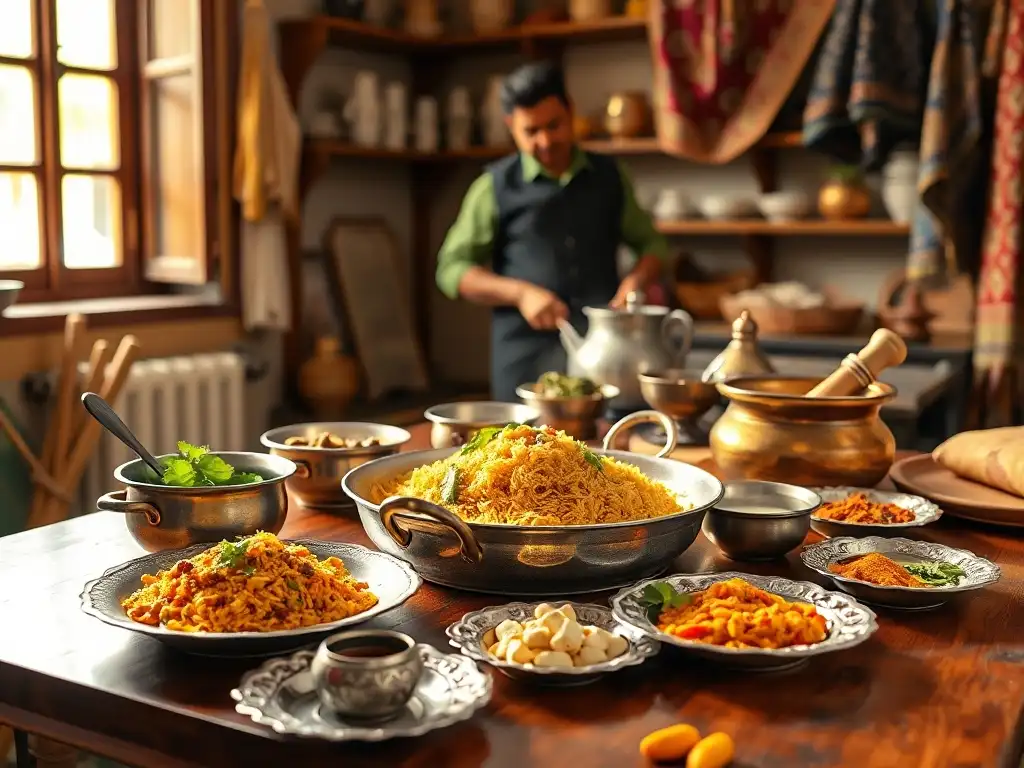
Welcome to Ancient India History, where we embark on a journey through the vibrant tapestry of India's past. Our focus today is on the intriguing world of ancient Indian culinary traditions, a flavorful exploration that reveals how food was not just sustenance but a vital aspect of culture and heritage. As we dive into our main article, "Culinary Treasures: Discover India’s Historic Recipes on Tours," you'll uncover the rich recipes and culinary practices that have shaped India’s gastronomic landscape through the ages. Prepare to whet your appetite for knowledge and discover the delectable stories behind India's historic cuisines!
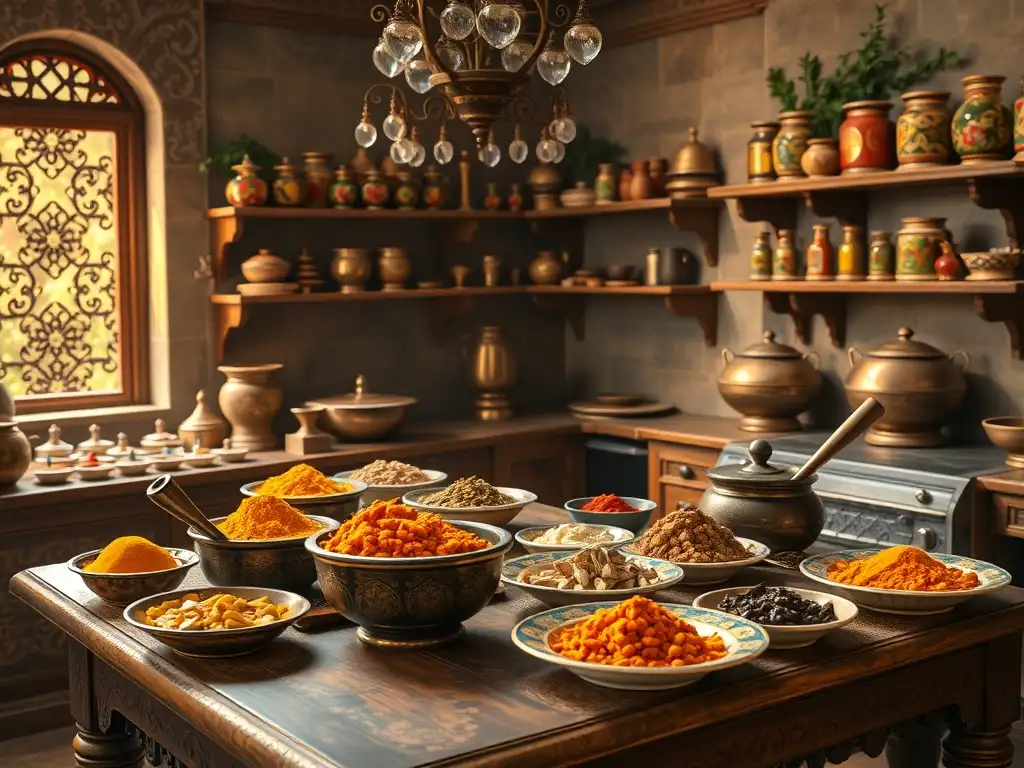
India's culinary legacy is a tapestry woven with the threads of history, culture, and regional diversity. From the sophisticated kitchens of the Indus Valley Civilization to the royal feasts of the Gupta Empire, ancient Indian culinary traditions have left an indelible mark on the country's gastronomic landscape.
This article delves into the rich historical context of these culinary practices, exploring how they have shaped modern Indian cuisine and inviting culinary enthusiasts to embark on unique tours that celebrate these age-old recipes. As we navigate through the flavors, techniques, and ingredients that have defined Indian cooking for centuries, we will uncover the stories behind some of the most cherished dishes that continue to captivate palates today.
Introduction to Ancient Indian Culinary Traditions
The culinary traditions of ancient India offer a fascinating glimpse into the ways food has been intertwined with culture, religion, and social practices. As one of the oldest civilizations in the world, India has a rich agricultural history that has influenced its cooking styles and food preferences. The use of spices, grains, and cooking methods has evolved through centuries, reflecting the diverse geographical and cultural landscapes of the subcontinent. Understanding these culinary traditions not only enriches our appreciation of Indian food but also highlights the historical significance and innovations that have emerged from this vibrant culture.
Exploring the Roots of Ancient Indian Culinary Traditions
Ancient Indian culinary traditions can be traced back to the Indus Valley Civilization (c. 3300–1300 BCE), where evidence of sophisticated food preparation and storage techniques has been found. This early civilization laid the groundwork for a food culture that would flourish over the millennia.
Historical Influences on Indian Cuisine
The evolution of Indian cuisine has been shaped by various historical influences, including:
- Indo-Aryan Migration: The arrival of Indo-Aryans brought new culinary practices and ingredients.
- Persian and Mughal Influence: The Mughal Empire introduced rich flavors and elaborate cooking techniques, leading to dishes like biryani and kebabs.
- Trade and Spice Routes: The spice trade facilitated the incorporation of exotic ingredients, such as black pepper and cardamom, into Indian cooking.
- Colonial Era: British colonization also influenced food habits, introducing new cooking styles and ingredients that blended with traditional practices.
Key Ingredients of Ancient Indian Cooking
The essence of ancient Indian culinary traditions lies in its diverse ingredients, which include:
- Grains: Rice, wheat, and millet were staples that formed the backbone of many meals.
- Legumes: Lentils and chickpeas were essential sources of protein, often cooked in various forms such as dals and curries.
- Spices: A vast array of spices, including turmeric, cumin, and coriander, were used not only for flavor but also for their medicinal properties.
- Herbs and Vegetables: Fresh herbs like cilantro and a variety of seasonal vegetables played a crucial role in enhancing the taste and nutrition of dishes.
By understanding these foundational elements, culinary enthusiasts can appreciate the depth and complexity of ancient Indian culinary traditions, paving the way for a delightful exploration of India's historic recipes on tours.
Top Culinary Tours in India: A Journey Through Time
Embarking on culinary tours in India offers a unique opportunity to explore the country’s rich history through its diverse food traditions. These tours not only highlight the delicious dishes that have been passed down through generations but also delve into the cultural significance behind each recipe. By tracing the origins of various culinary practices, travelers can gain insights into the lifestyles, beliefs, and historical events that shaped ancient Indian society.
Culinary tours focusing on ancient Indian recipes often include visits to historical sites, local markets, and traditional kitchens. Participants get hands-on experiences, learning to prepare age-old recipes with local chefs who are custodians of these culinary traditions. Each region of India has its own distinct flavors, ingredients, and cooking techniques, making these tours a feast for both the palate and the mind. From the royal kitchens of the Mughal Empire to the rustic homes of coastal fishermen, the journey through India's culinary heritage is as varied as the country itself.
Overview of Culinary Tours Focused on Ancient Recipes
Culinary tours centered around ancient Indian recipes are designed to provide a comprehensive exploration of the country's gastronomic history. These tours often feature workshops where participants can learn about the historical significance of various dishes, as well as the ingredients used, many of which have been staples for centuries.
Tour guides typically share stories that connect food with the cultural and historical landscape of India. For example, visitors might learn about the influence of ancient trade routes on local cuisine or how the arrival of different communities introduced new flavors and cooking methods. Such insights enrich the travel experience, allowing participants to appreciate the depth of India’s culinary traditions beyond mere taste.
Additionally, these tours may include tastings of ancient recipes that have been preserved through time, such as dishes made with heirloom grains and traditional spices. This focus on authenticity not only makes for a memorable culinary experience but also fosters a deeper appreciation for the heritage of Indian cuisine.
Region-Specific Culinary Tours Highlighting Ancient Indian Traditions
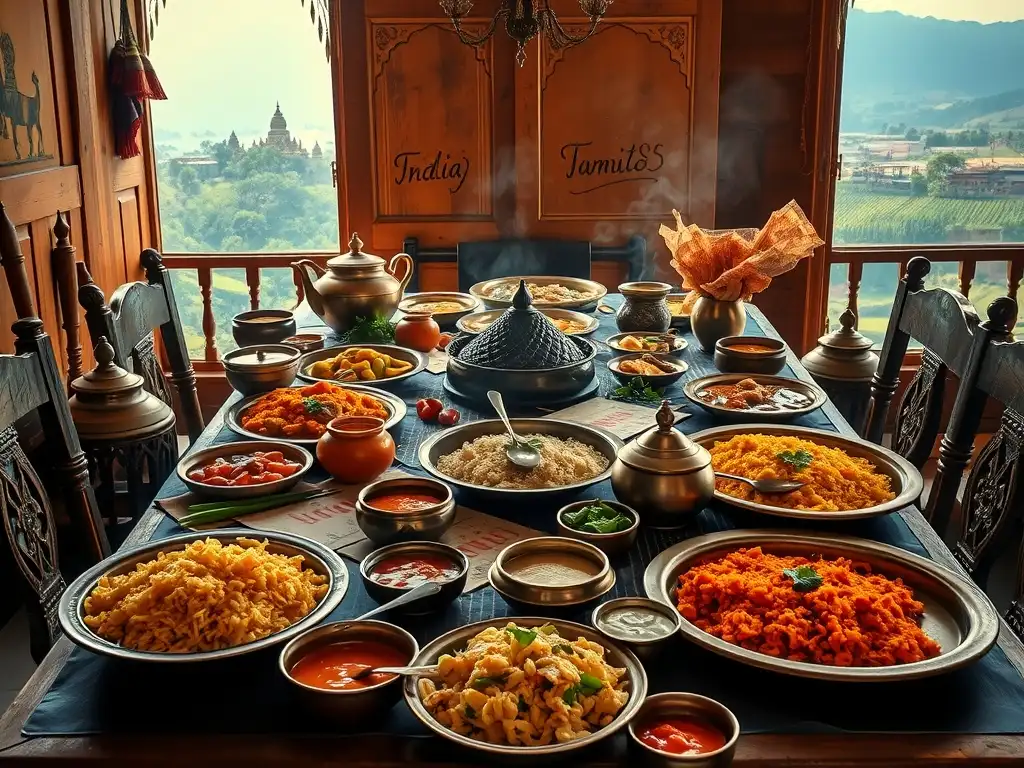
India's culinary landscape is incredibly diverse, and region-specific culinary tours allow travelers to experience the unique flavors and historical influences of different parts of the country. Each region boasts its own ancient recipes and culinary techniques, shaped by local ingredients and cultural exchanges.
Northern India: Taste the Legacy of Mughal Cuisine
Northern India is famed for its Mughal cuisine, which reflects the opulence of the Mughal Empire. Culinary tours in this region often focus on dishes like biryanis, kebabs, and rich curries that showcase the use of aromatic spices, nuts, and dried fruits. Participants may visit historical places like Delhi and Agra, where they can explore the culinary heritage linked to the royal kitchens.
Cooking classes might involve learning how to prepare a traditional Mughlai dish such as Nihari or Dal Makhani, while local chefs share stories about their family recipes that have been handed down through generations. This connection to history enhances the culinary experience, making it a journey into the past as much as a feast for the senses.
Southern India: Exploring Spice Routes and Coastal Flavors
Southern India offers a vibrant tapestry of flavors, heavily influenced by ancient spice trade routes. Culinary tours here often highlight the use of coconut, rice, and a variety of spices that create dishes like Sambar, Rasam, and Fish Curry.
Travelers can participate in fishing trips along the Malabar Coast, learning about traditional methods of catching and preparing seafood. Workshops may focus on crafting masalas from scratch, revealing the intricate balancing of flavors that characterize Southern Indian cuisine. The rich cultural heritage of the region, including its temples and festivals, adds layers of context to the culinary journey.
Western India: The Fusion of Flavors in Gujarat and Rajasthan
The culinary traditions of Western India are renowned for their unique fusion of flavors and techniques. In Gujarat, travelers may explore vegetarian dishes rich in spices and sweetness, such as Dhokla and Khandvi. Tours often include visits to local farms and markets, where participants can learn about the ingredients that define Gujarti cuisine.
In Rajasthan, the focus shifts to hearty, meat-based dishes that reflect the region's royal history. Delicacies like Dal Baati Churma and Laal Maas tell stories of the region's rugged landscape and the valor of its people. Culinary tours in this area provide insights into traditional cooking methods, such as using clay ovens and the significance of communal feasting.
Eastern India: The Sweet and Savory Traditions of Bengal
Eastern India, particularly West Bengal, is celebrated for its culinary richness, with a strong emphasis on rice and fish. Culinary tours in this region often explore the balance between sweet and savory in dishes such as Bengali Fish Curry and Macher Jhol.
Participants may have the chance to engage in a traditional fish market experience, selecting fresh catch and learning the importance of seasonal ingredients in Bengali cooking. Additionally, the region is known for its desserts, such as Rasgulla and Sandesh, which are made with chhena (fresh cheese) and flavored with various ingredients. This blend of savory and sweet highlights the culinary sophistication of East India and its historical connections to trade and agriculture.
These region-specific culinary tours offer a profound understanding of ancient Indian culinary traditions, making them an essential part of any gastronomic journey through India.
Engaging with Ancient Indian Culinary Traditions on Tours
Exploring ancient Indian culinary traditions on tours provides a unique lens through which travelers can appreciate the rich tapestry of India's gastronomic history. Culinary tourism in India offers an immersive experience, allowing visitors to not only taste but also understand the cultural significance behind traditional dishes. By participating in guided culinary tours, individuals can discover the deep-rooted practices that have shaped Indian cuisine over centuries, from the use of spices and herbs to the significance of certain meals during festivals and rituals.
Travelers can engage their senses by participating in various activities that highlight ancient recipes and cooking methods. These tours often include visits to heritage kitchens, where time-honored techniques are preserved, ensuring an authentic experience. Participants gain insights into how geographical diversity and historical trade routes influenced regional cuisines, making each dish a reflection of local culture and history.
Moreover, these culinary journeys foster a deeper appreciation for the land, its people, and their traditions, transforming a simple meal into a story steeped in history. Embracing ancient Indian culinary traditions during tours not only enhances the travel experience but also promotes a sustainable form of tourism that cherishes and honors India's rich culinary legacy.
Hands-On Cooking Classes: Learning from Local Chefs
One of the most enriching aspects of culinary tours in India is the opportunity to participate in hands-on cooking classes led by local chefs. These classes often take place in traditional homes or community kitchens and provide visitors with a unique chance to learn ancient recipes that have been passed down through generations.
Participants typically start by visiting local markets to gather fresh ingredients, where they can experience the vibrant atmosphere and learn about the local produce that forms the backbone of Indian cuisine. The market tour serves as an introduction to the spices, herbs, and vegetables essential for traditional recipes, offering a sensory experience that enhances the cooking classes.
During the cooking sessions, chefs share their personal anecdotes and cultural insights, making the learning experience both informative and engaging. Attendees will often prepare dishes such as biryani, dosa, or various regional curries while learning about the historical significance of each ingredient and cooking method. The interactive nature of these classes fosters a connection between the participants and the local culinary traditions, leaving them with not just new skills but also lasting memories.
Visiting Historic Sites and Local Markets
Culinary tours that focus on ancient Indian culinary traditions often include visits to historic sites and bustling local markets. These excursions provide a context for understanding the evolution of Indian cuisine and its connections to historical events and cultural practices.
At historic sites, travelers can explore ancient kitchens and dining areas that date back to significant periods in Indian history. These visits reveal how meals were prepared and consumed in royal courts and temples, shedding light on the dietary customs of past civilizations. Guides often share tales of emperors and their feasts, illustrating how food played a central role in social and political life.
Local markets, on the other hand, are vibrant hubs of activity where travelers can witness the daily life of local communities. These markets offer a plethora of spices, grains, and fresh produce, all integral to ancient recipes. Engaging with vendors allows visitors to learn about traditional food preservation methods and regional specialties while fostering a sense of community. By blending visits to historic sites with local market experiences, culinary tours provide a holistic understanding of ancient Indian culinary traditions and their relevance today.
Benefits of Culinary Tourism Focused on Ancient Indian Culinary Traditions
Culinary tourism that centers around ancient Indian culinary traditions offers numerous benefits, not only to travelers but also to local communities and the preservation of cultural heritage. By engaging with these traditions, tourists contribute to sustainable practices that help maintain the integrity of local cuisines and promote economic growth within communities.
Preserving Culinary Heritage through Tourism
One of the most significant advantages of culinary tourism focused on ancient Indian culinary traditions is the preservation of culinary heritage. As travelers seek authentic experiences, local chefs and communities are encouraged to keep traditional cooking methods alive. This support helps safeguard ancient recipes that may otherwise fade into obscurity, ensuring that future generations can continue to enjoy and learn from these culinary treasures.
Moreover, culinary tourism often leads to the documentation of recipes and cooking techniques, which can be shared through cookbooks, online platforms, or culinary workshops. This documentation serves as a valuable resource for researchers, chefs, and food enthusiasts alike, fostering a greater appreciation for the rich history behind each dish.
Connecting with Local Cultures and Communities
Culinary tourism provides a platform for meaningful interactions between travelers and local communities. By participating in traditional cooking classes, visiting markets, and sharing meals with local families, tourists gain insight into the customs, values, and daily lives of the people they encounter.
These connections not only enrich the travel experience but also promote mutual understanding and respect between cultures. Engaging with ancient Indian culinary traditions allows travelers to become ambassadors for these communities, sharing their stories and experiences with others upon returning home. This exchange of culture and knowledge fosters a more profound appreciation for diversity and encourages responsible tourism practices that prioritize the well-being of local communities.
Culinary tourism centered on ancient Indian culinary traditions is not just about food; it is a holistic experience that celebrates history, culture, and community, making it an enriching endeavor for both travelers and locals alike.
Conclusion: Embrace the Flavors of Ancient India
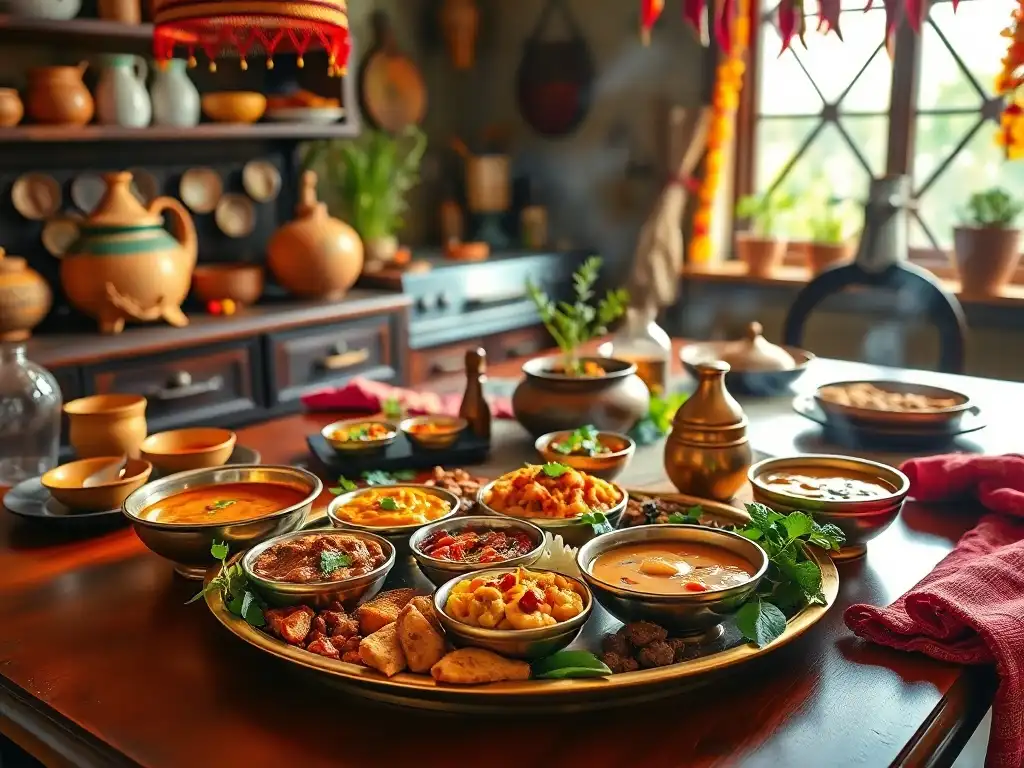
Exploring ancient Indian culinary traditions offers a unique insight into the rich tapestry of India's history and culture. From the aromatic spices of the Indus Valley to the sophisticated cooking techniques of the Gupta Empire, each recipe reveals stories of trade, migration, and cultural exchange.
By participating in culinary tours, travelers not only indulge their taste buds but also engage in a deeper understanding of the heritage that shaped these timeless dishes. Whether it's savoring a traditional thali or learning the art of tandoori cooking, each experience is a journey through time that celebrates the flavors that have defined Indian cuisine for centuries.
The revival of these historic recipes is a testament to the enduring nature of ancient culinary practices. As you embrace the flavors of ancient India, you contribute to the preservation of these traditions, ensuring they are passed down through generations. Let the spices of the past stir your imagination and inspire your own cooking adventures.
Call to Action: Book Your Culinary Adventure Now!
Are you ready to embark on a culinary journey that transcends time? Discover the ancient Indian culinary traditions that have shaped the nation’s palate and culture. Book your culinary adventure today and experience the flavors of history firsthand! Whether you prefer a guided tour through bustling markets or an immersive cooking class in a traditional kitchen, the opportunities are endless.
Here’s how you can get started:
- Choose Your Destination: Explore various regions known for their unique culinary heritage, such as Rajasthan, Kerala, or Punjab.
- Select Your Tour: From street food tours to gourmet dining experiences, find the tour that excites your taste buds.
- Join a Class: Participate in hands-on cooking workshops where you can learn ancient techniques and recipes from skilled chefs.
- Taste and Experience: Delight in the rich flavors and aromas while understanding the history behind each dish.
Don't miss out on the chance to connect with India's ancient culinary traditions. Book now and let your taste buds embark on a flavorful adventure!
Additional Resources
To further explore the fascinating world of ancient Indian culinary traditions, consider the following resources:
- Books:
- "The Art of Indian Cuisine" by Sanjeev Kapoor – A comprehensive guide to traditional Indian cooking methods and recipes.
- "Culinary Heritage of India" by K.K. Sharma – Offers insights into the historical evolution of Indian dishes.
- Websites:
- Online cooking classes focusing on ancient recipes and techniques.
- Historical blogs that delve into the cultural significance of various Indian dishes.
- Documentaries:
- Look for documentaries that explore the origins of Indian spices and their impact on global cuisine.
By utilizing these resources, you can deepen your appreciation of ancient Indian culinary traditions and enrich your culinary journey!
- Introduction to Ancient Indian Culinary Traditions
- Exploring the Roots of Ancient Indian Culinary Traditions
- Top Culinary Tours in India: A Journey Through Time
- Region-Specific Culinary Tours Highlighting Ancient Indian Traditions
- Engaging with Ancient Indian Culinary Traditions on Tours
- Benefits of Culinary Tourism Focused on Ancient Indian Culinary Traditions
- Conclusion: Embrace the Flavors of Ancient India
- Call to Action: Book Your Culinary Adventure Now!
- Additional Resources
Frequently Asked Questions
What are ancient Indian culinary traditions?
Ancient Indian culinary traditions encompass varied recipes and cooking techniques that reflect regional diversity and the influence of historical interactions over centuries.
How did the Indus Valley civilization influence Indian cuisine?
The Indus Valley civilization is known for its advanced agricultural practices and trade, which laid the foundation for sustainable food systems and the use of ingredients in ancient Indian cooking.
What role did spices play in ancient Indian cooking?
Spices were fundamental in ancient Indian cooking, not only for their flavor but also for their preservative qualities and medicinal benefits, contributing to the health and longevity of the cuisine.
Can you name a few historic recipes from ancient India?
Some historic recipes include Khichdi, a mix of rice and lentils, and Puran Poli, a sweet flatbread, both of which showcase the richness of ancient Indian culinary traditions.
How can one experience ancient Indian culinary traditions today?
Travelers can explore ancient Indian culinary traditions through food tours, cooking classes, and visiting historical sites, where they can taste and learn about traditional recipes and cooking techniques.
Final Reflection: Embracing Ancient Indian Culinary Traditions
The exploration of ancient Indian culinary traditions is not just a journey through time; it is a celebration of culture, history, and identity that resonates deeply in today's globalized world. As we navigate through the complexities of modern life, the flavors and techniques of our ancestors serve as a reminder of the rich heritage that shapes our culinary landscape. In a world increasingly driven by fast food and convenience, the revival of these historic recipes is a powerful statement about the importance of preserving our cultural roots.
The influence of ancient Indian culinary traditions extends far beyond the kitchen; it permeates our social interactions and cultural expressions. These recipes tell stories of regions, communities, and families, connecting us to our past and to one another. The act of cooking and sharing these dishes fosters a sense of belonging and continuity. As noted by culinary historian Vikram Doctor, Food is not just sustenance; it is a narrative of our history, a bridge between generations.
This ongoing dialogue with our culinary heritage encourages us to appreciate the diverse flavors and techniques that have evolved over centuries, enriching our modern dining experiences.
As we reflect on the significance of these culinary treasures, I invite you to take action: seek out these ancient recipes, experiment with them in your own kitchen, and share them with your loved ones. Let the flavors of history inspire your culinary adventures and foster a deeper connection with your heritage. By embracing these traditions, we not only honor the past but also pave the way for future generations to appreciate the richness of our shared culinary legacy.
Savor the Experience: Embark on Your Culinary Journey!
Thank you for diving into the rich tapestry of India’s culinary heritage with us! By exploring these historic recipes, you've unlocked a treasure trove of flavors and cultural significance that tells the story of our ancestors. Now, it's time to take the next step in your culinary adventure!
Here are some easy actions you can take to deepen your exploration and share the joy of Indian cuisine:
- Recreate a historic recipe: Select one of your favorite recipes and try making it in your kitchen. Document your experience and any flavor adjustments you make!
- Join a local cooking class: Look for workshops or classes that specialize in Indian cooking. Immerse yourself in authentic techniques and ingredients.
- Share the love: Tell friends about your culinary discoveries or host a tasting night. Recipes are meant to be enjoyed together!
What does the essence of Indian cuisine mean to you, and how do you plan to incorporate it into your life? We invite you to share your thoughts below!