
Cooking Utensils of Ancient India: Tools That Shaped Culinary Artistry

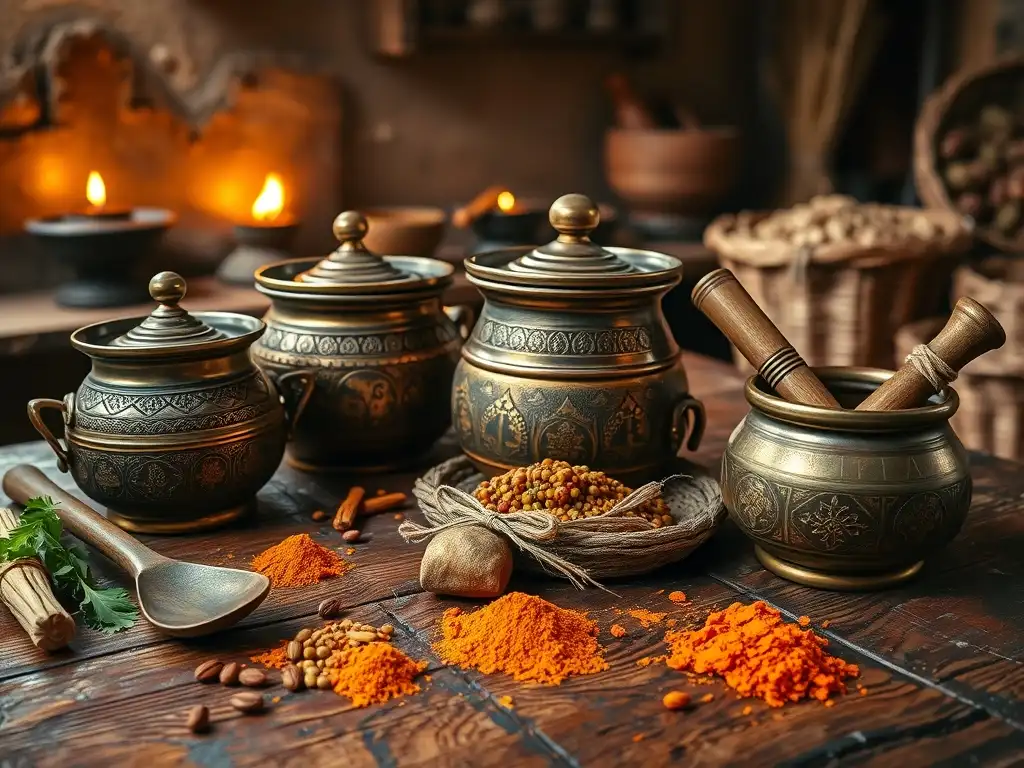
Welcome to Ancient India History, where we delve into the vibrant tapestry of India's past! In this exploration, we uncover the intriguing world of ancient Indian cooking utensils, tools that not only shaped culinary artistry but also tell tales of innovation and culture. What culinary secrets lay hidden in these artifacts? How did they influence the flavors that defined a civilization? Join us as we embark on a journey through time, revealing the remarkable contributions of ancient Indian civilizations to the art of cooking. Dive in and discover the rich history that awaits!
- Introduction to Ancient Indian Cooking Utensils
- The Evolution of Ancient Indian Cooking Utensils
- Key Types of Ancient Indian Cooking Utensils
- Cooking Techniques and Their Associated Utensils
- Regional Variations of Cooking Utensils in Ancient India
- The Cultural Significance of Ancient Indian Cooking Utensils
- Conclusion: The Legacy of Ancient Indian Cooking Utensils
- Recommended Resources for Exploring Ancient Indian Cooking Utensils
-
Frequently Asked Questions
- What were the primary cooking utensils used in ancient India?
- How did ancient Indian cooking utensils influence culinary practices?
- Were there any unique features of ancient Indian cooking utensils?
- Did ancient Indian civilizations use any specialized utensils for specific dishes?
- How has the legacy of ancient Indian cooking utensils influenced modern cookware?
- Final Reflection: The Timeless Legacy of Ancient Indian Cooking Utensils
- Unveil the Culinary Secrets of Ancient India!
Introduction to Ancient Indian Cooking Utensils
The culinary landscape of ancient India is a captivating tapestry woven from the threads of history, culture, and innovation. As we delve into the realm of ancient Indian cooking utensils, we uncover not just tools but artifacts that reflect the sophisticated cooking practices and food traditions of various civilizations.
From the meticulous craftsmanship of the Indus Valley to the elaborate kitchens of the Gupta Empire, these utensils played a pivotal role in shaping the culinary artistry that has influenced Indian cuisine for centuries. This article aims to explore the diverse array of cooking utensils used in ancient India, offering insights into their significance, evolution, and the rich traditions that surrounded their use.
Understanding the Importance of Culinary Tools in Ancient India
Culinary tools have always been more than mere implements; they are intrinsic to the methods of preparation, cooking, and serving food. In ancient India, utensils were crafted with great care, often from locally sourced materials such as clay, bronze, and copper. Each type of utensil served a specific purpose, reflecting the cultural and regional variations in cooking practices.
- Material Significance:
- Clay Utensils: Used for slow cooking and imparting unique flavors to dishes.
- Metal Utensils: Employed for their durability and heat conductivity, essential for various cooking techniques.
- Stone Tools: Often utilized for grinding spices and grains, showcasing the importance of texture in ancient recipes.
These tools not only facilitated the preparation of food but also played a role in ceremonial practices and communal gatherings, reinforcing social bonds.
Overview of Ancient Indian Cooking Traditions
The culinary traditions of ancient India are as diverse as its geography, influenced by regional ingredients, climate, and cultural exchanges. Cooking techniques varied widely, encompassing methods like boiling, roasting, and frying.
- Key Elements of Ancient Indian Cuisine:
- Spices: Integral to flavoring, with a rich palette of herbs and spices being cultivated and traded.
- Preparation Methods: Techniques such as tandoor cooking and dum cooking highlight the ingenuity of ancient chefs.
- Cultural Influences: The interactions with neighboring civilizations introduced new ingredients and cooking methods, further enriching Indian cuisine.
These traditions not only reflect the culinary practices of the time but also offer a glimpse into the societal values and cultural norms that shaped everyday life in ancient India. The exploration of ancient Indian cooking utensils thus reveals a deeper understanding of how these tools contributed to the gastronomic heritage that continues to thrive today.
The Evolution of Ancient Indian Cooking Utensils
Historical Context: Culinary Practices from the Indus Valley Civilization
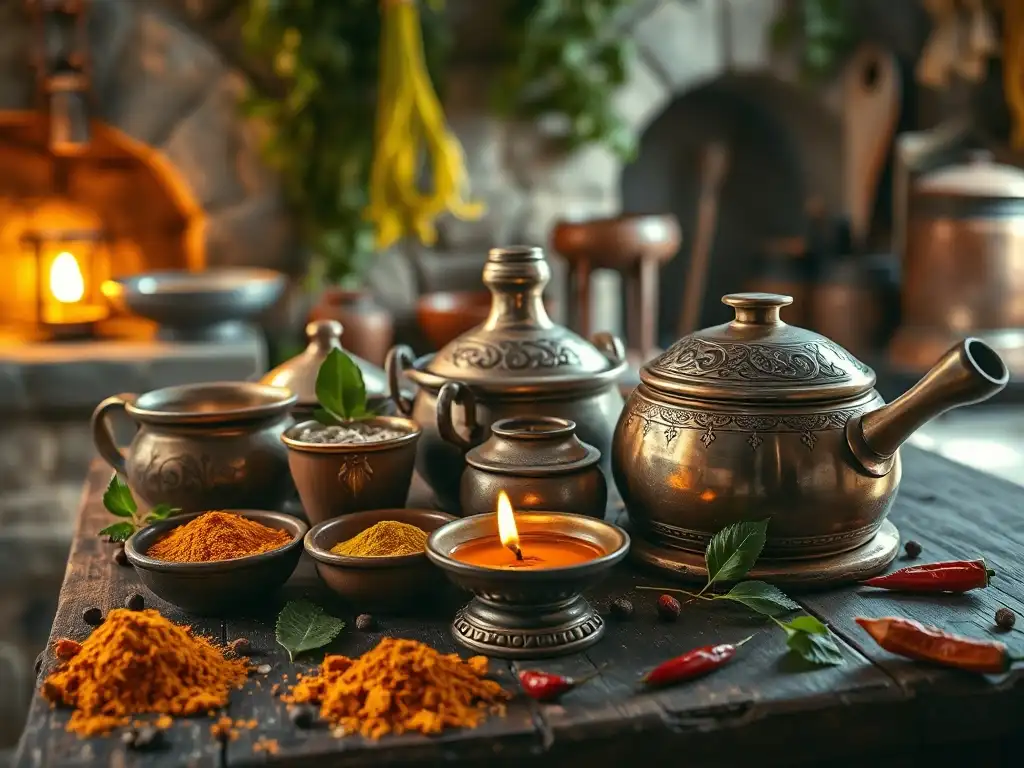
The Indus Valley Civilization (IVC), flourishing around 2500 BCE, provides a fascinating glimpse into the culinary practices of ancient India. Archaeological excavations at sites like Harappa and Mohenjo-Daro have unearthed a variety of ancient Indian cooking utensils that reveal the sophistication of their food preparation methods.
Key Cooking Utensils from the IVC:
- Clay Pottery: The most prevalent cooking utensils found are clay pots, used for boiling, baking, and storing food. These pots were often decorated with intricate designs, showcasing the artistic capabilities of the civilization.
- Grinders and Mortars: Stone grinders and mortars were essential for processing grains and spices, which were staples in the Indus diet. The presence of these tools indicates a developed understanding of food preparation.
- Tandoor Ovens: Evidence suggests that early versions of tandoor ovens were used for baking bread, demonstrating an advanced cooking technique that would influence Indian cuisine for millennia.
The culinary practices of the IVC were marked by a diverse diet that included grains like wheat and barley, lentils, and various fruits and vegetables. The use of utensils not only highlights their cooking methods but also their social and economic structures, as the ability to cook and store food was crucial for community sustenance.
The Influence of Trade and Culture on Cooking Tools in Ancient India
As ancient India engaged in trade with neighboring civilizations, the exchange of cultures significantly impacted the evolution of ancient Indian cooking utensils. The interactions with Mesopotamia, Persia, and later, the Greeks and Romans, introduced new materials and cooking techniques into the Indian culinary repertoire.
Culinary Influences:
- Material Innovation: The introduction of metals like bronze and iron led to the development of more durable cooking utensils. Bronze pots and pans became common, allowing for better heat retention and cooking efficiency.
- New Cooking Techniques: With the arrival of diverse cultures, new cooking methods were adopted, such as frying and roasting. These techniques necessitated the invention of specialized utensils like frying pans and skewers.
- Regional Variations: Different regions in India began to develop their distinct styles of cooking, influenced by local ingredients and cultural practices. For example, south India embraced the use of the appa pan for making dosa, while north India popularized the kadhai for deep frying.
The trade routes not only facilitated the exchange of goods but also ideas related to food and cooking. As a result, the cooking utensils evolved, reflecting a blend of indigenous techniques and foreign influences. This rich tapestry of culinary evolution laid the groundwork for the diverse and vibrant food traditions that characterize India today.
In conclusion, ancient Indian cooking utensils not only served practical purposes but also embodied the cultural heritage and social practices of their times. The evolution of these tools tells a compelling story of ingenuity, adaptation, and the rich culinary legacy of ancient India.
Key Types of Ancient Indian Cooking Utensils
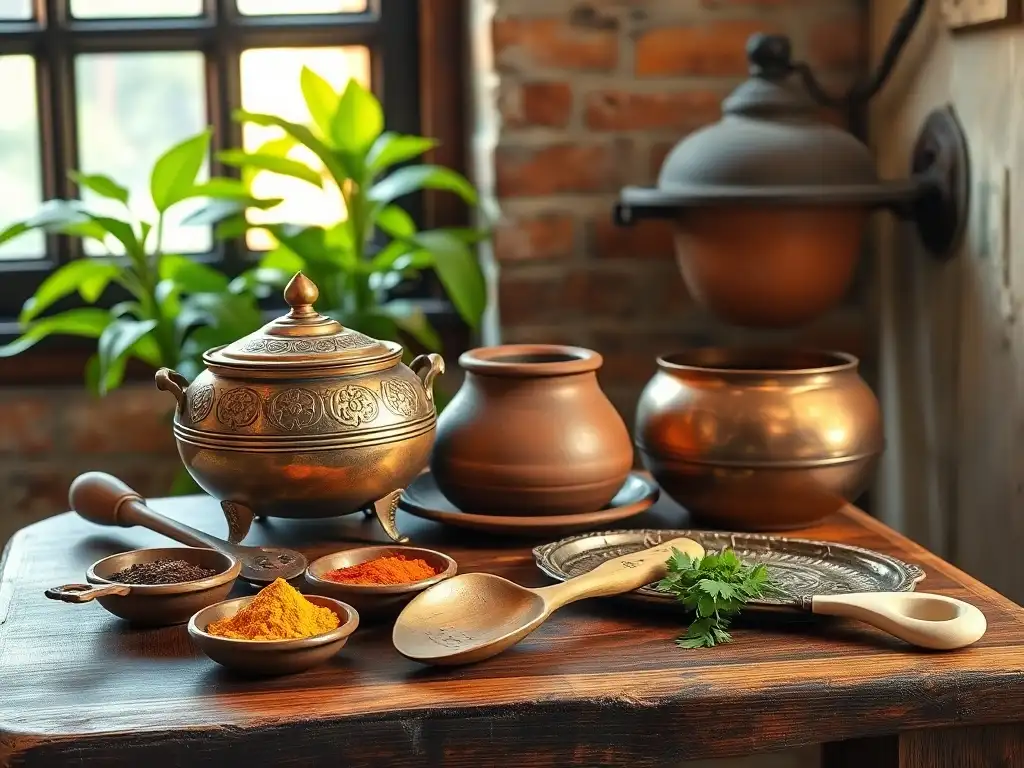
Ancient Indian cooking utensils were not just tools; they were integral to the culinary traditions that shaped the rich flavors and diverse dishes of the subcontinent. The two primary categories of utensils that emerged in ancient India were earthenware and metal utensils. Each type had its unique characteristics and applications that contributed to the evolution of Indian culinary practices.
Earthenware and Clay Pots: The Heart of Ancient Indian Cooking
Earthenware and clay pots hold a significant place in the culinary history of ancient India. These utensils were widely used due to their excellent heat retention and even cooking properties. They were essential in preparing various dishes, including stews, curries, and rice preparations, which required slow cooking to enhance flavor.
Benefits of Using Clay for Cooking
Using clay pots for cooking offered numerous advantages:
- Natural Flavor Enhancement: Clay pots impart a unique earthy flavor to food, enriching the overall taste.
- Health Benefits: Cooking in clay is known to retain essential nutrients and minerals, promoting better health.
- Temperature Regulation: Clay has the ability to maintain a steady temperature, making it ideal for slow-cooked dishes.
- Eco-Friendly: Made from natural materials, clay pots are biodegradable and have minimal environmental impact.
Notable Examples: Harappan Pottery and Terracotta Vessels
The Indus Valley Civilization (Harappan culture) is renowned for its advanced pottery techniques.
- Harappan Pottery: Crafted from clay, these pots were often decorated with intricate designs and used for storage, cooking, and serving.
- Terracotta Vessels: These vessels were versatile, serving various functions from cooking to ritualistic uses. The craftsmanship of terracotta artisans is evident in the beautifully shaped and designed vessels found at archaeological sites.
Metal Utensils: Copper, Bronze, and Iron Tools
As ancient Indian civilizations evolved, so did their cooking utensils. The introduction of metals like copper, bronze, and iron revolutionized culinary practices. Metal utensils provided durability and versatility, becoming essential in both domestic and ceremonial cooking.
The Role of Metals in Culinary Techniques
Metal utensils played a crucial role in enhancing cooking techniques:
- Heat Conduction: Metals like copper and bronze conduct heat efficiently, allowing for precise temperature control during cooking.
- Durability: Unlike clay, metal utensils are more resilient, making them suitable for various cooking methods, including frying and boiling.
- Cultural Significance: Many metal utensils were intricately designed and held cultural importance, often used in religious ceremonies and feasts.
Famous Metal Utensils: Chola Bronze Cooking Vessels
The Chola dynasty is famous for its exquisite bronze craftsmanship.
- Chola Bronze Cooking Vessels: These vessels were not only functional but also artistic masterpieces. They were often used in rituals and for cooking elaborate meals, reflecting the sophistication of the culinary arts during the period. The durability and aesthetic appeal of these utensils made them highly valued in ancient Indian households.
The variety of ancient Indian cooking utensils, from earthenware pots to metal vessels, showcases the ingenuity and resourcefulness of ancient Indian civilizations. These tools were instrumental in shaping the culinary landscape that continues to influence Indian cuisine today.
Wooden Utensils: Tradition and Craftsmanship
Wooden utensils have played a pivotal role in the culinary practices of ancient India, reflecting not only the functionality required in cooking but also the artistry and cultural significance embedded in their craftsmanship. The use of wood as a primary material for cooking utensils is deeply rooted in the traditions of various Indian cultures, showcasing a harmonious blend of practicality and aesthetics.
Crafted from locally sourced woods, these utensils were often designed with care, emphasizing ergonomic shapes and finishes that catered to the needs of home cooks. The artisans who created these tools were skilled craftsmen who honed their techniques over generations, ensuring that each piece was not only utilitarian but also a work of art. The natural properties of wood, such as heat resistance and a non-reactive surface, made it an ideal choice for preparing a variety of dishes, from curries to sweets.
Moreover, wooden utensils carry cultural significance, often being passed down as heirlooms through families. Their use in traditional cooking methods has been an integral part of festivals, rituals, and communal gatherings, emphasizing their role beyond mere kitchen tools to symbols of heritage and continuity.
The Significance of Wooden Cooking Tools in Ancient Kitchens
In ancient Indian kitchens, wooden cooking tools were indispensable. They served multiple purposes, from stirring and serving to measuring and mixing ingredients. The significance of these tools goes beyond their functional roles; they embody the essence of ancient culinary practices that have shaped Indian cuisine over the centuries.
- Cultural Symbolism: Wooden utensils are often associated with simplicity and sustainability, reflecting the values of ancient Indian society which prioritized natural materials. Their presence in cooking not only facilitated meal preparation but also fostered a sense of connection to the earth and local resources.
- Health and Safety: Wood is naturally antimicrobial, making wooden utensils a safer choice for food preparation. This property was particularly valued in ancient kitchens, where hygiene was essential for preventing foodborne illnesses.
- Versatility: These utensils were designed for versatility, suitable for a range of cooking methods, including sautéing, steaming, and serving. Their ability to withstand high temperatures without warping or degrading made them ideal for various culinary tasks.
The enduring legacy of wooden utensils in Indian cooking reflects a deep respect for tradition and a recognition of the role that these tools have played in shaping the culinary landscape.
Examples of Traditional Wooden Utensils: Wooden Spoons and Ladles from Kerala
Kerala, known for its rich culinary heritage, boasts a variety of traditional wooden utensils that exemplify the craftsmanship and cultural significance of wooden cooking tools. Two notable examples are wooden spoons and ladles, which have become staples in Keralite kitchens.
- Wooden Spoons: Often crafted from durable hardwoods like teak and jackfruit, these spoons are designed with a deep bowl that makes them perfect for stirring thick curries and gravies. Their sturdy construction ensures longevity, while their smooth finish allows for easy handling and cleaning.
- Ladles: Keralite wooden ladles are larger, featuring a wide, flat base, ideal for serving rice dishes and sambar. These ladles are not just practical; many are intricately carved, showcasing the skill of local artisans. Some designs even incorporate traditional motifs, adding an aesthetic element to their functionality.
The use of these utensils in everyday cooking and festive occasions highlights their importance in Keralite culture. They symbolize a connection to the land, the community, and the culinary traditions that have been passed down through generations. The craftsmanship involved in creating these wooden utensils not only meets the practical needs of cooking but also serves as a testament to the rich heritage of ancient Indian culinary practices.
Cooking Techniques and Their Associated Utensils
The Art of Grinding: Mortars and Pestles
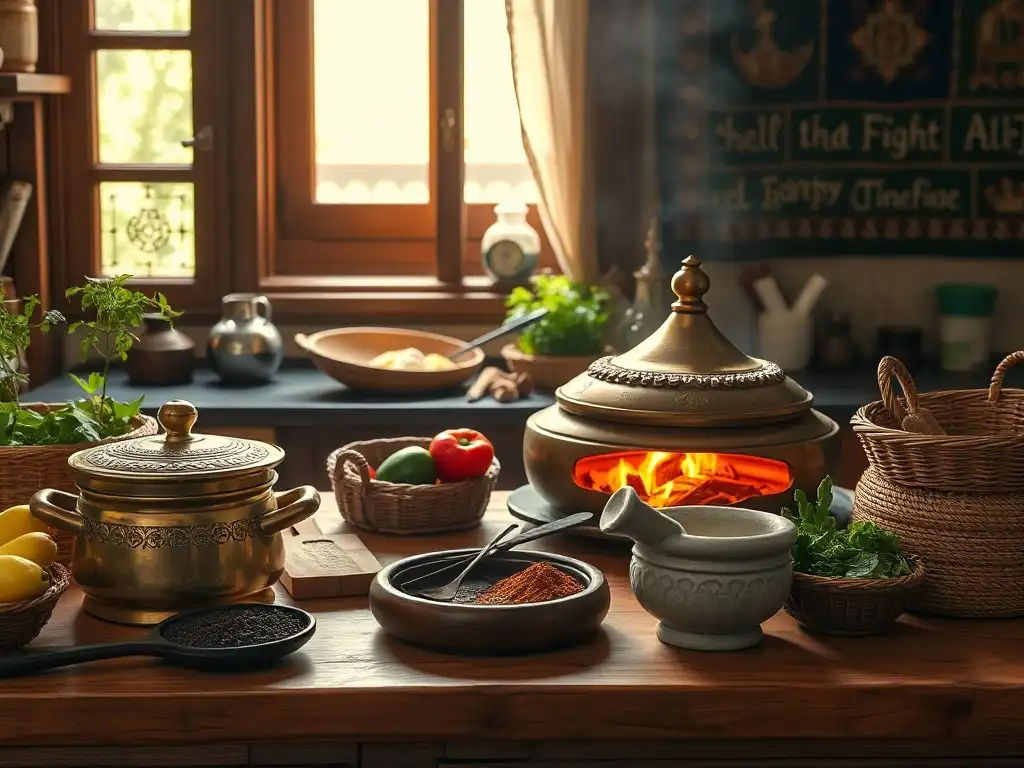
The mortar and pestle have been integral to ancient Indian cooking for centuries, serving as essential tools for grinding and mixing various ingredients. These utensils not only facilitate the preparation of spices and pastes but also embody the essence of culinary traditions that have shaped the Indian palate.
Different Materials Used: Stone vs. Wood
Mortars and pestles in ancient India were primarily crafted from two materials: stone and wood.
- Stone Mortars and Pestles:
- Typically made from granite or basalt, stone versions are durable and have a rough surface that effectively grinds spices, herbs, and grains.
- The weight of stone utensils allows for efficient grinding with minimal effort.
- The flavor enhancement from stone grinding is often cited, as it releases essential oils from spices.
- Wooden Mortars and Pestles:
- Often carved from hardwoods, wooden versions are lighter and easier to handle.
- They are preferred for softer ingredients, such as herbs and certain grains, as they do not impart additional flavors.
- However, wooden utensils may not be as durable as their stone counterparts and can absorb moisture and flavors over time.
How to Use Mortars and Pestles Effectively
Using a mortar and pestle effectively involves several techniques:
- Choose the Right Size: Ensure the size of the mortar accommodates the quantity of ingredients without overcrowding.
- Add Ingredients Gradually: Start with a small amount to prevent spillage and allow for thorough grinding.
- Use a Circular Motion: A circular grinding motion is effective, as it helps to crush and blend the ingredients uniformly.
- Control Pressure: Apply consistent pressure without excessive force to avoid damaging the utensils.
- Clean Thoroughly: After use, clean the mortar and pestle to prevent cross-contamination of flavors. Stone versions may require scrubbing, while wooden ones should be washed with minimal water.
Cooking Methods: Tandoors and Clay Ovens
Tandoors and clay ovens have a rich history in ancient Indian cooking, providing unique methods for preparing a variety of dishes, particularly breads and meats. These traditional cooking methods have influenced not only regional cuisines but also culinary practices worldwide.
The Unique Flavor Profile from Ancient Cooking Techniques
Cooking in a tandoor involves high heat and smoke, which impart distinctive flavors to the food. The key features include:
- High Temperature: Tandoors can reach temperatures of up to 900°F (480°C), allowing for quick cooking while sealing in moisture.
- Smoke Infusion: The burning of wood or charcoal in tandoors produces smoke that enhances the flavor of meats and breads, offering a depth not achievable with modern cooking methods.
- Versatility: Tandoors are used to make a variety of dishes, including naan, kebabs, and roasted vegetables, showcasing the versatility of this ancient cooking technique.
Modern Alternatives: Clay Tandoors and Electric Tandoors
While traditional tandoors remain popular, modern alternatives have emerged:
- Clay Tandoors:
- These maintain the ancient method but are often designed for easier use and portability. They can be found in various sizes, catering to both home cooks and professional chefs.
- They still provide the authentic flavor profile but are easier to manage in contemporary kitchens.
- Electric Tandoors:
- These modern appliances offer the convenience of electricity, making them more accessible for everyday cooking.
- While they may lack the traditional smoky flavor, many electric tandoors are designed to mimic the high-heat environment of clay ovens, allowing for versatile cooking options.
The evolution of ancient Indian cooking utensils and techniques, such as mortars, pestles, tandoors, and clay ovens, highlights the rich culinary heritage that has shaped not only Indian cuisine but also influenced global culinary practices. Understanding these tools and methods offers a deeper appreciation for the artistry involved in ancient Indian cooking.
Regional Variations of Cooking Utensils in Ancient India
Northern India: Utensils and Culinary Practices
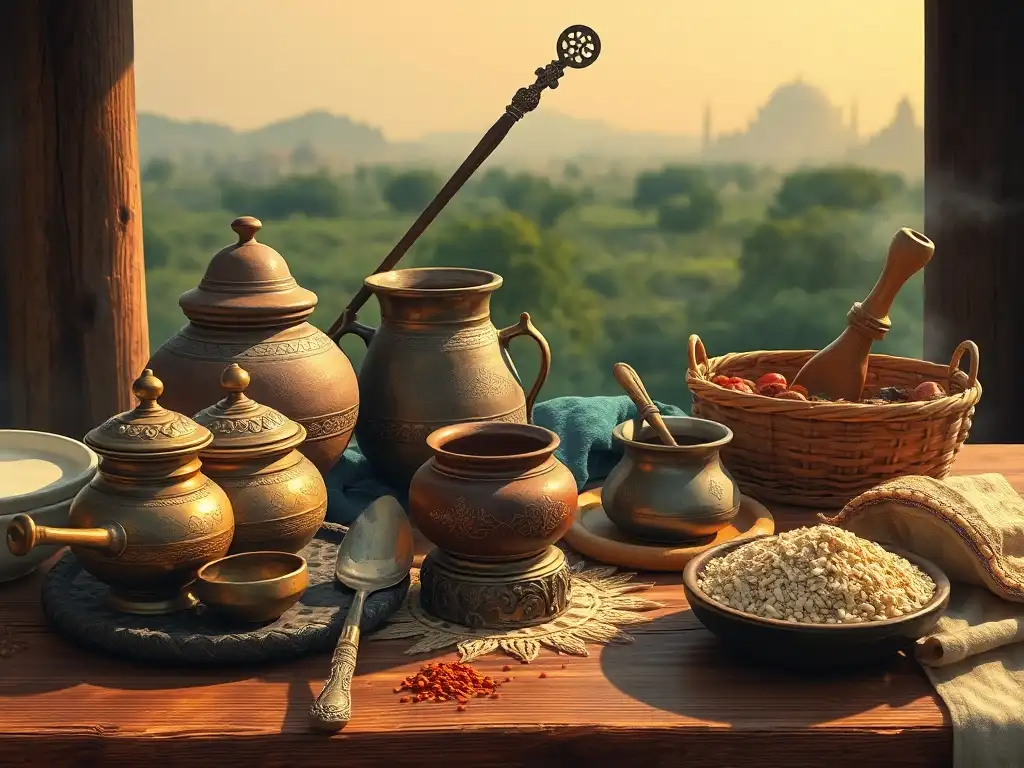
In Northern India, the culinary landscape was shaped by a mix of cultural influences, resulting in a variety of cooking utensils that were both functional and representative of local traditions. Clay pots, known as matkas, were commonly used for cooking and storing water. These pots were designed to keep water cool, thanks to the porous nature of clay.
Key Utensils:
- Tandoor: A cylindrical clay oven used for baking bread and cooking meats, the tandoor has ancient roots and remains popular today. It provided a unique smoky flavor to dishes.
- Kadhai: A deep, circular pan often made of iron or brass, used for frying and sautéing. The kadhai was essential for preparing rich gravies and curries, showcasing the region's love for spicy food.
- Chakla and Belan: A rolling board and pin, respectively, were vital for making various types of Indian bread, such as roti and paratha.
The incorporation of metal utensils, especially during the medieval period, introduced brass and copper vessels, which were believed to enhance the flavor of food. This transition indicates the evolving culinary practices influenced by trade and cultural exchanges with Central Asia and Persia.
Southern India: The Distinctive Tools of the South
Southern India's rich culinary heritage is reflected in its unique cooking utensils, which facilitate the preparation of diverse and flavorful dishes. The use of banana leaves for serving meals is a hallmark of South Indian cuisine, emphasizing the connection between food and nature.
Key Utensils:
- Vessel (Urli): A wide, shallow cooking pot, often made of clay or metal, used for preparing rice and stews. The urli is ideal for slow cooking, allowing flavors to meld beautifully.
- Adai Tawa: A flat iron griddle used for making adai, a popular lentil-based pancake. The tawa's ability to retain heat makes it perfect for achieving a crispy texture.
- Mortal and Pestle (Kalvam): Used for grinding spices and herbs, this traditional tool remains crucial in Southern kitchens. The kalvam is often made of stone or wood, ensuring a fine grind that enhances the flavors of dishes.
The emphasis on rice as a staple food is evident in the variety of cooking methods employed, including steaming in idli molds, which are often crafted from metal or clay. This variety of utensils mirrors the region's diverse agricultural practices, with rice, coconut, and lentils as fundamental ingredients.
Eastern and Western India: Unique Culinary Tools and Their Uses
The culinary practices of Eastern and Western India showcase a fascinating array of utensils that reflect local ingredients and cooking styles. Both regions have their respective specialties, which are evident in the tools used.
Key Utensils in Eastern India:
- Kacha: A traditional earthen pot used for making sweets and desserts, particularly Bengali delicacies like rossogolla and sandesh. The clay absorbs moisture, giving these sweets a distinct texture.
- Bati: A small bowl used for serving bhaji or dal, typically made from clay or metal, which is commonly seen in traditional Bengali meals.
Key Utensils in Western India:
- Dhokla Steamer: A tiered steaming apparatus used for preparing dhokla, a savory snack made from fermented chickpea batter. This utensil allows for even steaming, crucial for achieving the right texture.
- Paatla: A flat, wide pan used for making various types of bread, such as thepla and bhakri. Its large surface area makes it ideal for cooking multiple items simultaneously.
In both regions, the diversity of cooking utensils not only enhances culinary practices but also highlights the cultural significance of food as a means of expression and tradition. By examining these unique tools, we gain insights into the rich tapestry of ancient Indian cooking and its evolution over time.
The Cultural Significance of Ancient Indian Cooking Utensils
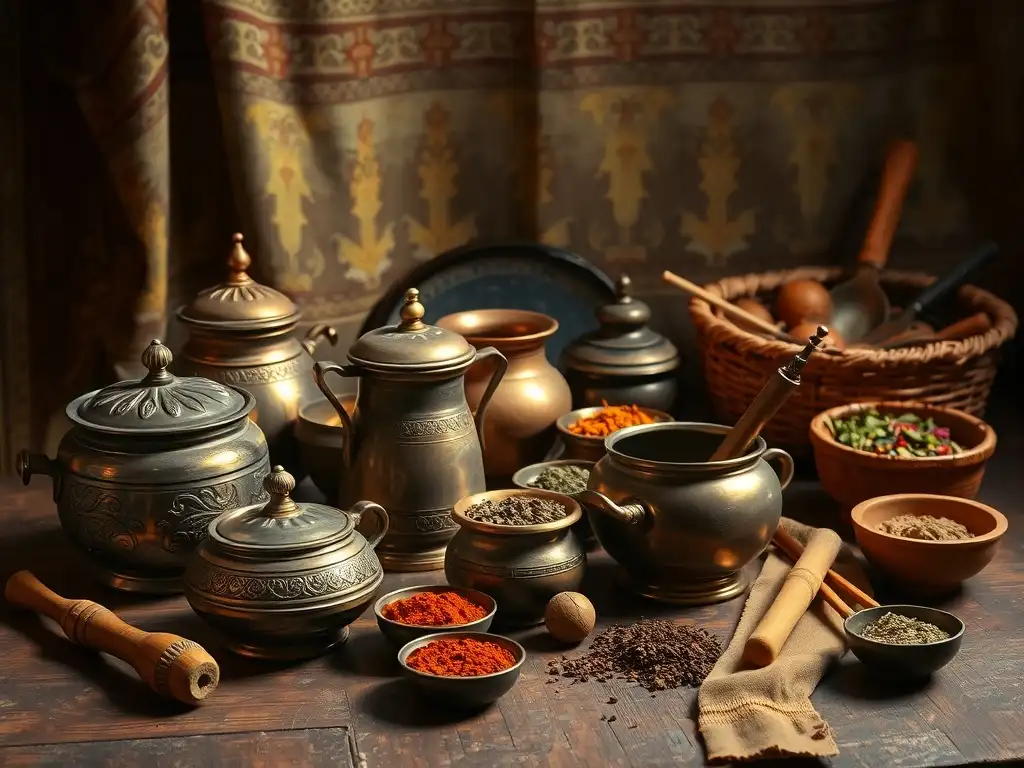
Cooking utensils in ancient India were not mere tools but integral components of the cultural fabric that defined daily life and societal values. These utensils, crafted from various materials such as clay, metal, and wood, held profound significance, reflecting the social status, regional diversity, and spiritual beliefs of the communities that used them.
Rituals and Traditions Associated with Cooking Tools
In ancient Indian society, cooking was often intertwined with religious and cultural rituals. Certain utensils were specifically designated for use in religious ceremonies and were believed to possess sacred qualities. For instance, copper and brass pots were commonly used in rituals due to their purifying properties. The cooking of offerings (naivedya) made for deities was often done in these specialized vessels, symbolizing the connection between the divine and the mundane.
The preparation of food was also surrounded by specific customs. For example:
- Auspicious Utensils: Some families would only use certain utensils on auspicious days, believing that using them would bring good fortune and blessings.
- Ceremonial Pots: During weddings and other significant life events, special pots were adorned and used to symbolize prosperity and abundance.
- Ritual Cleansing: Utensils were often ritually cleansed before use, signifying respect for the food being prepared and the traditions being upheld.
These practices not only highlight the importance of cooking utensils in daily life but also showcase the deep-rooted respect for culinary traditions that have been passed down through generations.
The Role of Utensils in Festivals and Celebrations
Festivals in ancient India were vibrant occasions filled with elaborate feasts, and the cooking utensils played a pivotal role in these celebrations. The preparation of festive foods often required specific utensils that were believed to enhance the flavors and presentation of the dishes.
- Specialized Cooking Vessels: Certain festivals would see the use of unique cooking utensils, such as large earthen pots for making traditional sweets like peda or ladoo, which were central to the celebrations.
- Sharing and Community: During communal feasts, large serving utensils made from bronze or silver were used to serve food, emphasizing the importance of sharing and togetherness during celebrations. This practice fostered a sense of community and belonging among participants.
- Symbolic Utensils: In many regions, specific utensils have symbolic meanings associated with festivals. For example, the use of banana leaves as serving plates during South Indian festivals symbolizes prosperity and hospitality.
The role of ancient Indian cooking utensils during festivals underscores their significance not just as functional items, but as symbols of culture, tradition, and communal harmony. They encapsulate the essence of ancient culinary artistry, reflecting the diverse regional practices and cultural narratives that have shaped the culinary landscape of India throughout history.
Conclusion: The Legacy of Ancient Indian Cooking Utensils
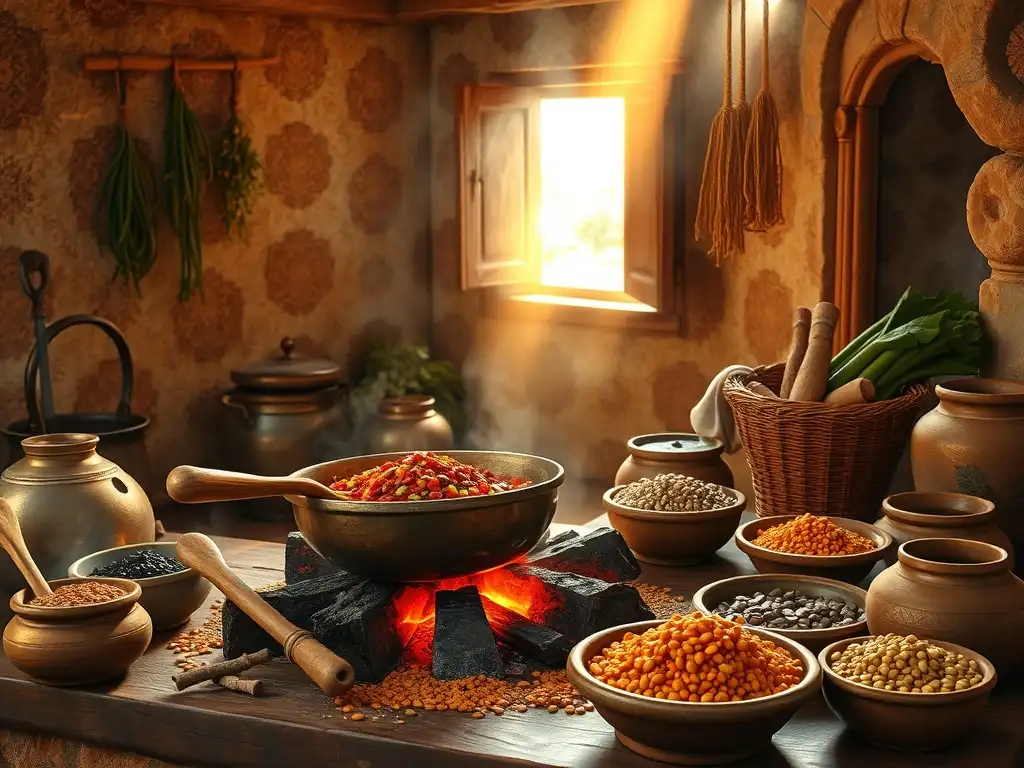
The exploration of ancient Indian cooking utensils reveals a profound legacy that has influenced not only the culinary practices of India but also the global appreciation of diverse food traditions. These utensils, crafted from materials such as clay, bronze, and wood, were designed with a specific purpose, reflecting the environmental conditions, available resources, and cultural preferences of the time. The ingenuity behind these tools laid the foundation for the intricate cooking techniques and flavorful dishes that characterize Indian cuisine today.
The transition from ancient to modern culinary practices showcases the adaptations and innovations that have occurred over centuries. While many modern cooking utensils may appear streamlined and industrial, the essence of ancient tools persists, as they were designed for efficiency and enhancing flavors. The legacy of ancient Indian cooking utensils lives on in the kitchens of contemporary Indian households, where traditional methods continue to be celebrated and preserved.
How Ancient Tools Influence Modern Indian Cuisine
The impact of ancient Indian cooking utensils on contemporary cuisine can be seen in various ways. For instance:
- Material Usage: Many traditional utensils, such as tandoors (clay ovens) and karahis (woks), are still in use today, emphasizing the importance of materials that enhance flavor and cooking methods. The slow-cooking techniques enabled by these utensils allow for the development of rich, complex flavors that are a hallmark of Indian cuisine.
- Cooking Techniques: The methods employed in ancient cooking, such as dum (slow cooking) and bhunao (sautéing), remain integral to modern recipes. The use of heavy-bottomed pots or deghs helps in even heat distribution, ensuring that dishes maintain their authentic taste and texture.
- Cultural Significance: Many of these utensils carry cultural significance and are often used in traditional ceremonies or festivals, thus preserving the culinary heritage. The communal aspect of cooking and sharing food, rooted in ancient practices, is still prevalent in modern Indian culture.
The resilience of these ancient tools in today’s culinary landscape underscores their enduring relevance and the connection between the past and present culinary artistry in India.
Preserving Culinary Heritage through Traditional Utensils
Preserving the culinary heritage of ancient India involves not only the continued use of traditional utensils but also the conscious effort to pass down knowledge related to their use. This preservation can be approached in various ways:
- Education and Workshops: Culinary schools and cultural organizations can host workshops that teach the use of traditional utensils and methods, ensuring that younger generations understand their significance. Participants can learn to cook with handmade clay pots or use stone grinders (sil-batta), which are integral to creating authentic Indian flavors.
- Cultural Festivals: Celebrating culinary festivals that focus on ancient cooking techniques allows communities to come together and experience the rich history of Indian cuisine. These events often feature traditional cooking demonstrations, emphasizing the importance of ancient utensils.
- Documentation and Research: Scholars and culinary historians are increasingly documenting traditional cooking practices and utensils, creating resources that highlight their importance in India's cultural narrative. This research not only preserves knowledge but also raises awareness of the culinary diversity inherent in ancient Indian food traditions.
Through these efforts, the legacy of ancient Indian cooking utensils can be honored, ensuring that they remain a vital part of India’s culinary identity. By embracing these tools and techniques, modern cooks can connect with the rich tapestry of history that shapes their cuisine, celebrating the artistry and heritage of ancient Indian cooking.
Recommended Resources for Exploring Ancient Indian Cooking Utensils
Books and Documentaries on Ancient Indian Culinary Techniques
To deepen your understanding of ancient Indian cooking utensils and their significance in culinary artistry, several books and documentaries offer rich insights. Here are some notable recommendations:
-
Books:
-
"The Food of India: A Journey for Food Lovers" by Priya Wickramasinghe and Carol Selva Rajah
This book delves into the diverse culinary traditions of India, highlighting the tools and utensils integral to traditional cooking practices.
-
"Ancient Indian Food: The History and Recipes of India’s Culinary Heritage" by Kamala K. Jha
This comprehensive guide explores the historical context of food in India, including the utensils used across different civilizations.
-
"Culinary Cultures of India: A Historical Perspective" by K. T. Achaya
This work provides an in-depth analysis of the evolution of Indian cuisine and the various utensils that have shaped its preparation.
-
-
Documentaries:
-
"Taste of India"
This documentary series showcases the regional cuisines of India, emphasizing the traditional cooking methods and utensils used by various communities.
-
"The Spice Trail"
This program explores the historical significance of spices in Indian cooking, touching upon the tools and utensils used for their preparation.
-
These resources not only highlight the ancient Indian cooking utensils but also provide context about the cultural practices surrounding food preparation and consumption.
Online Courses and Workshops on Traditional Cooking Methods
For those interested in hands-on learning, numerous online courses and workshops focus on traditional cooking methods that utilize ancient Indian cooking utensils. Here are some noteworthy options:
-
Culinary Heritage Workshops:
-
"Traditional Indian Cooking Techniques"
Offered by various culinary schools, this workshop covers the use of traditional utensils like clay pots, tandoors, and more, teaching participants how to recreate ancient recipes.
-
-
Online Course Platforms:
-
Coursera and Udemy
These platforms host courses such as "Cooking with Clay: Ancient Techniques for Modern Kitchens" that explore ancient utensils and their role in cooking methods.
-
-
Webinars and Live Demonstrations:
-
Local Cultural Organizations
Many organizations host live cooking demonstrations focusing on the use of traditional utensils, often featuring guest chefs who specialize in ancient Indian culinary methods.
-
Engaging in these courses and workshops not only enhances culinary skills but also deepens appreciation for the ancient Indian cooking utensils that have influenced gastronomic traditions in India.
Frequently Asked Questions
What were the primary cooking utensils used in ancient India?
Ancient Indian cooking utilized various utensils such as clay pots, bronze vessels, and wooden spatulas, each serving specific culinary purposes.
How did ancient Indian cooking utensils influence culinary practices?
The design and material of cooking utensils not only enhanced cooking methods but also reflected the cultural practices and regional diversity of ancient Indian cuisine.
Were there any unique features of ancient Indian cooking utensils?
Yes, many utensils were crafted with intricate designs and were often used for both cooking and serving, showcasing the artistry and craftsmanship of the time.
Did ancient Indian civilizations use any specialized utensils for specific dishes?
Absolutely! Different cooking utensils were developed for specific dishes, such as tandoors for bread and karahis for frying, highlighting the diversity of Indian cooking methods.
How has the legacy of ancient Indian cooking utensils influenced modern cookware?
The techniques and materials from ancient cooking utensils can still be seen today in modern cookware, as many cultures continue to use traditional methods alongside contemporary innovations.
Final Reflection: The Timeless Legacy of Ancient Indian Cooking Utensils
The culinary artistry of ancient India is not merely a relic of the past; it is a vibrant tapestry that continues to influence modern cooking practices. As we explore the intricate designs and functionalities of ancient Indian cooking utensils, we uncover a profound connection to our cultural heritage and the evolution of gastronomy. The tools that once graced the kitchens of our ancestors are not just artifacts; they are symbols of creativity, innovation, and the rich flavors that define Indian cuisine today.
The impact of these ancient cooking utensils extends far beyond their physical presence; they embody the spirit of a culture that values tradition and craftsmanship. From the clay pots that impart unique flavors to the intricate metalwork that showcases artistry, these utensils have shaped not only the food we eat but also the way we connect with our history. As we reflect on this legacy, we are reminded of the words of culinary historian J. M. S. Bhatia: Every utensil tells a story, a narrative of the land, the people, and their culinary journeys.
This ongoing influence serves as a reminder of the importance of preserving our culinary heritage while embracing modern innovations.
As you ponder the significance of ancient Indian cooking utensils, consider how you can incorporate these timeless tools into your own culinary practices. Embrace the lessons of the past, and let them inspire your cooking today. Whether it’s using a traditional tawa for making rotis or experimenting with spices in a brass vessel, each choice you make can honor the artistry of those who came before us. Take a moment to reflect on your culinary journey and explore how the rich history of ancient Indian cooking utensils can enrich your own kitchen experience.
Unveil the Culinary Secrets of Ancient India!
Thank you for diving into the rich world of ancient culinary tools! You've just uncovered the fascinating impact these utensils had on the culinary artistry of India. Now, it’s time to take that inspiration and transform your own cooking experience!
Here are a few actions you can take to deepen your connection with this culinary journey:
- Explore traditional Indian recipes that showcase unique cooking methods - you might just discover a new favorite dish!
- Share this article with friends and family who appreciate cooking or history - spark a lively discussion about the evolution of culinary tools!
- Create your own version of a historical dish using modern techniques, and document your culinary adventure on social media.
Which ancient utensil would you be excited to try in your kitchen today?