
Spices of the Past: How Ancient Indian Flavors Shaped Modern Cuisine

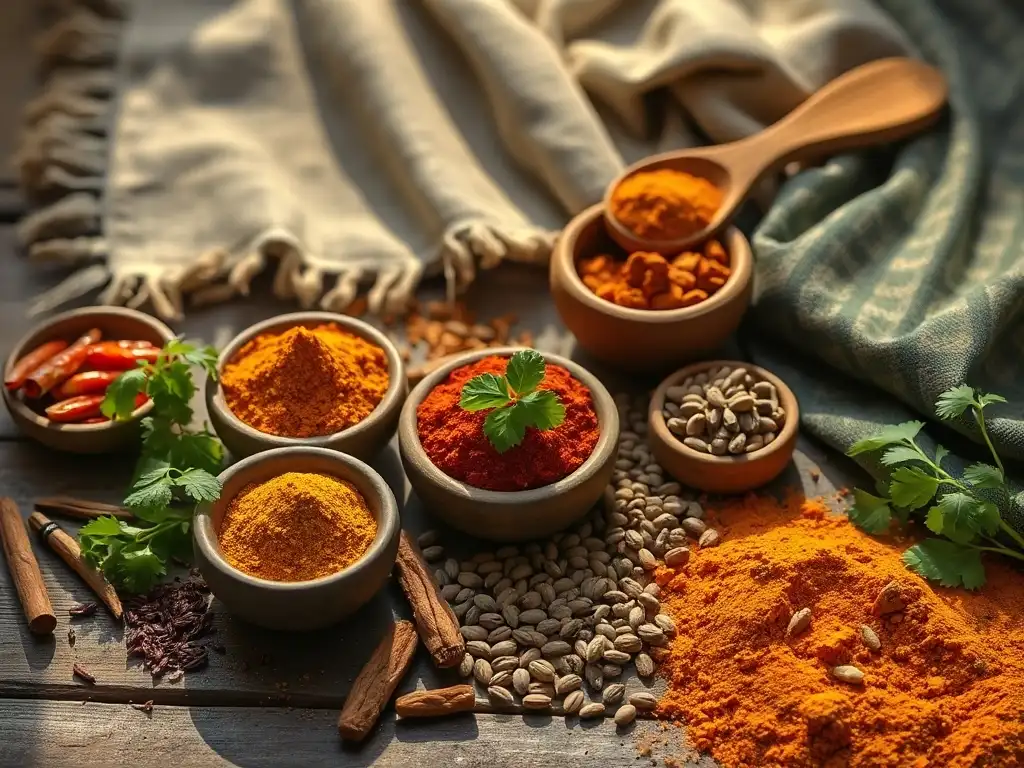
Welcome to Ancient India History, where we invite you to embark on a captivating journey through time! Discover the intriguing legacy of ancient Indian spices and how these aromatic treasures not only flavored the palates of our ancestors but also played a pivotal role in shaping the culinary landscape we know today.
In our featured article, "Spices of the Past: How Ancient Indian Flavors Shaped Modern Cuisine," we delve into the rich tapestry of spices that have been cherished through the ages. Get ready to explore the diverse and vibrant history of ancient Indian civilizations—your adventure into the world of culinary tourism and heritage begins now!
- Introduction to Ancient Indian Spices History
- The Origins of Spices in Ancient India
- Key Ancient Indian Spices and Their Historical Uses
- The Impact of Ancient Indian Spices on Modern Cuisine
- The Legacy of Ancient Indian Spices in Culinary Tourism
- Conclusion: Preserving the History of Ancient Indian Spices
- Frequently Asked Questions
- Final Reflection: The Timeless Influence of Ancient Indian Spices
- Savor the Richness of Flavors Today!
Introduction to Ancient Indian Spices History
The history of ancient Indian spices is a fascinating journey that intertwines with the rich tapestry of India's diverse cultures, traditions, and trade networks. Spices were not merely ingredients; they were powerful symbols of life, commerce, and identity, shaping the culinary landscape of the region and beyond.
From the fragrant cardamom of the Western Ghats to the fiery chili peppers that transformed Indian cuisine, these potent flavors have played a pivotal role in both daily life and ceremonial practices throughout the ages. Understanding the ancient Indian spices history provides insight into how these ingredients influenced not only local food traditions but also global culinary practices, making them essential to the study of ancient Indian history.
Understanding the Importance of Spices in Ancient Indian Culture
Spices in ancient India were highly valued for their culinary, medicinal, and preservative properties. They served as a bridge between the mundane and the sacred, often featuring prominently in religious rituals and traditional medicine. Some key points regarding their significance include:
- Culinary Heritage: Spices such as turmeric, cumin, and mustard played a crucial role in the development of regional cuisines, each bringing unique flavors and health benefits.
- Economic Influence: The spice trade was a significant driver of the ancient Indian economy, with routes extending to the Middle East, Europe, and beyond. This trade not only enriched the local economy but also facilitated cultural exchanges.
- Symbol of Identity: Different regions of India developed distinct spice blends that became synonymous with their culinary identity, contributing to the rich diversity of Indian gastronomy.
The cultural reverence for spices can be seen in ancient texts like the Ayurveda, which emphasized their medicinal properties, and the Manasollasa, a comprehensive work on food and cooking.
Overview of Ancient Indian Culinary Traditions
The culinary traditions of ancient India are a mosaic of flavors, techniques, and ingredients that reflect the myriad cultures and influences that have shaped the subcontinent over millennia. Here’s an overview of some key aspects:
- Regional Diversity: Each region of India boasts its own unique culinary practices, influenced by local geography, climate, and cultural exchanges. For instance:
- Northern India: Known for its rich, creamy dishes flavored with spices like garam masala and saffron.
- Southern India: Renowned for its use of coconut, curry leaves, and tamarind, often resulting in tangy and spicy dishes.
- Historical Influences: Ancient Indian cuisine was influenced by various dynasties and invasions, such as the Maurya and Gupta Empires, which contributed to the fusion of flavors and cooking techniques.
- Cooking Techniques: Traditional methods such as slow cooking, roasting, and the use of clay pots have been instrumental in developing the complex flavors characteristic of Indian dishes.
The interplay of spices with these culinary practices has created a legacy that continues to endure in modern Indian cuisine, showcasing the profound impact of ancient traditions on contemporary flavors.
The Origins of Spices in Ancient India
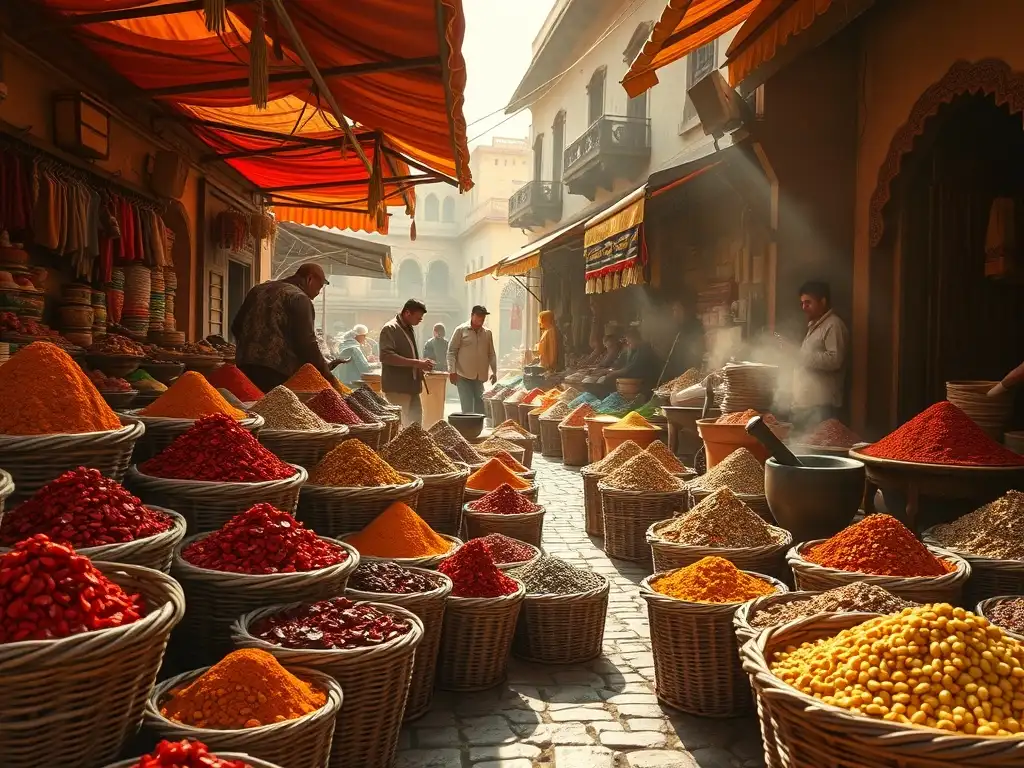
Spices have played a pivotal role in the culinary landscape of ancient India, serving not only as flavor enhancers but also as integral components of trade, medicine, and ritual practices. The history of ancient Indian spices is deeply intertwined with the socio-cultural fabric of the region, reflecting the agricultural advancements and the diverse climatic conditions that fostered their growth.
The Indus Valley Civilization and Its Culinary Practices
The Indus Valley Civilization, which thrived from approximately 3300 to 1300 BCE, is one of the earliest urban cultures in the world. Archaeological evidence suggests that the people of this civilization cultivated a variety of crops, including spices that would become staples in Indian cuisine.
- Culinary Evidence: Excavations at sites like Harappa and Mohenjo-Daro have revealed remnants of food storage facilities and kitchen implements, indicating a sophisticated approach to food preparation. Spices such as coriander and mustard seeds have been discovered, hinting at their early use in flavoring food.
- Trade Networks: The Indus Valley Civilization had extensive trade networks, which facilitated the exchange of spices with neighboring regions. This not only enriched their culinary practices but also laid the groundwork for future spice trade routes that connected India to the Mediterranean and beyond.
- Cultural Significance: Spices were likely used in various rituals and ceremonies, highlighting their importance beyond mere culinary applications. The integration of spices into daily life reflects a deep understanding of their properties, both for preservation and flavor enhancement.
Spices in Vedic Literature and Their Significance
The Vedic period (circa 1500 to 500 BCE) marks a significant evolution in the understanding and use of spices within Indian society. The ancient texts from this era provide insights into the cultural and medicinal significance of various spices.
- References in Texts: The Rigveda, one of the oldest known texts, mentions several spices, including ginger, pepper, and cumin. These references highlight their valued status and the complexity of their use in both everyday cooking and religious offerings.
- Medicinal Uses: Spices were regarded not only for their flavor but also for their health benefits. For instance, turmeric was celebrated for its anti-inflammatory properties, while black pepper was noted for its digestive benefits. This dual role of spices in cuisine and medicine reflects the holistic approach of ancient Indian society towards health and nutrition.
- Ritualistic Practices: Spices were integral to Vedic rituals, where they were used as offerings to deities. The act of using spices in religious ceremonies illustrates their perceived sacredness and the belief in their ability to purify and enhance spiritual experiences.
Regional Variations of Spices in Ancient Indian States
As ancient Indian civilization evolved, so did the cultivation and use of spices across different regions. Each area developed its unique spice profile, influenced by local geography, climate, and cultural practices.
- Southern India: Known for its rich spice trade, regions like Kerala and Tamil Nadu became famous for spices such as cardamom, cloves, and cinnamon. These spices not only flavored local dishes but also played a crucial role in trade with foreign nations, particularly during the Spice Route era.
- Western India: In Gujarat and Maharashtra, spices like fennel and asafoetida became prominent. Their use in traditional dishes showcases the diversity of flavors that characterize western Indian cuisine.
- Northern India: The plains of northern India favored spices such as coriander and garlic, which became staples in the rich and varied culinary traditions of states like Punjab and Uttar Pradesh.
The regional variations in spice cultivation and usage not only enhanced the culinary diversity of ancient India but also contributed to the rich tapestry of food traditions that continue to influence modern Indian cuisine. Each spice tells a story of its origin, trade, and cultural significance, highlighting the importance of understanding ancient Indian spices history in the context of both past and present.
Key Ancient Indian Spices and Their Historical Uses
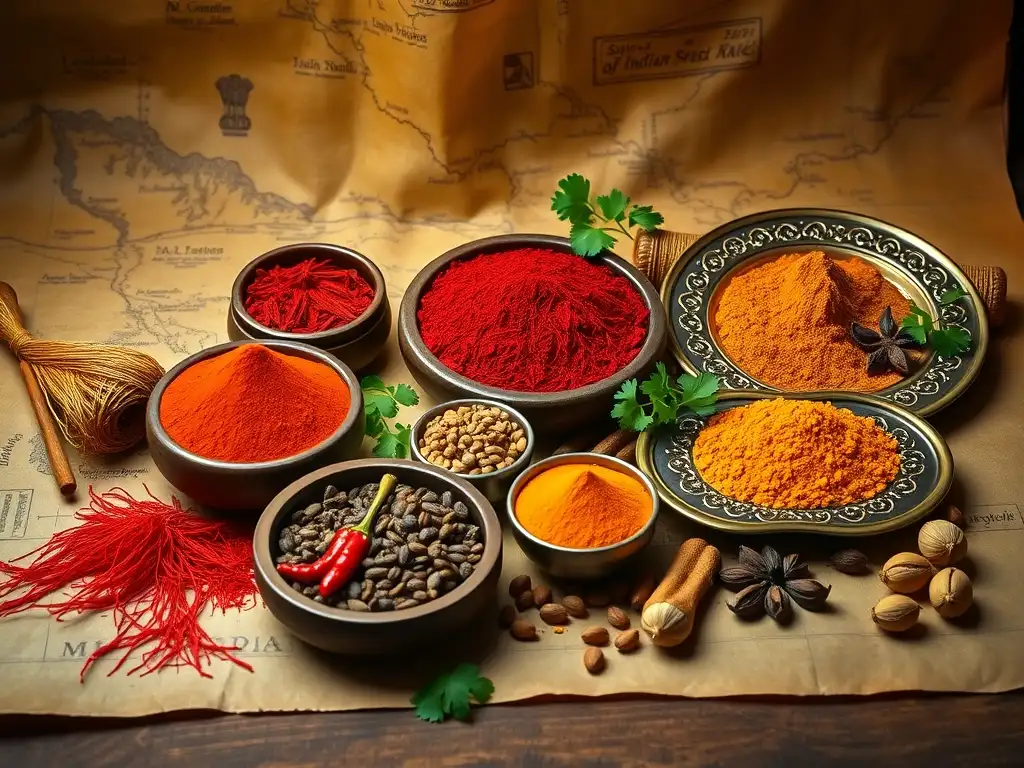
Turmeric: The Golden Spice of Healing and Flavor
Turmeric, known scientifically as Curcuma longa, has been a cornerstone of ancient Indian cuisine and medicine for thousands of years. This bright yellow spice is not just valued for its flavor but also for its extensive medicinal properties. In Ayurvedic practices, turmeric has been used to treat a variety of ailments, from digestive issues to skin conditions. Its active compound, curcumin, is renowned for its anti-inflammatory and antioxidant effects.
In ancient texts, turmeric was often referred to as "haridra," and its significance in rituals and ceremonies highlights its cultural importance. For instance, turmeric paste is commonly applied to brides and grooms before weddings, symbolizing purity and prosperity. Furthermore, turmeric was integral in various culinary traditions, enhancing dishes such as curries and rice preparations with its earthy flavor and vibrant color.
- Culinary Uses:
- Added to curries to provide a distinct flavor.
- Used in pickles for preservation and flavor enhancement.
- Incorporated in rice dishes like biryani for its color and taste.
Black Pepper: The "King of Spices" and Its Trade Routes
Often referred to as the "King of Spices," black pepper ( Piper nigrum) has played a monumental role in shaping trade routes and culinary practices throughout history. Native to the Malabar Coast of India, it was so highly sought after that it became a driving force behind the spice trade, influencing global commerce.
In ancient times, black pepper was used not only as a seasoning but also as a preservative. It was a valuable commodity, often traded for gold and silver, and was even used as currency in some regions. The demand for black pepper led to the establishment of the Spice Route, connecting India with Europe and beyond.
- Historical Significance:
- Used in ancient Indian texts, such as the Ayurveda and Charaka Samhita, for its health benefits.
- Mentioned in Roman writings, indicating its importance in ancient trade.
- Black pepper was often a symbol of wealth and status.
Cumin: A Flavor Enhancer in Ancient Indian Recipes
Cumin ( Cuminum cyminum) has been a staple in Indian cuisine for millennia, known for its distinctive nutty and peppery flavor. This spice has deep roots in ancient Indian culinary traditions and is frequently mentioned in texts like the Mahabharata and Ayurveda.
Cumin seeds were not only used to enhance the flavor of various dishes but also held a significant place in traditional medicine. It was believed to aid digestion and improve overall health. The spice is often toasted to release its essential oils, intensifying its flavor before being added to curries, dals, and spice blends.
- Culinary Applications:
- Essential in masalas, providing depth to dishes.
- Used in tempering, where seeds are fried in oil to release their flavor.
- Commonly found in rice dishes and flatbreads, contributing to their aromatic qualities.
The rich history of these ancient Indian spices underscores their integral role in both culinary practices and medicinal applications. Each spice not only enhances the flavor of dishes but also carries with it a legacy that has influenced cultures around the world. Understanding the historical context of these spices allows us to appreciate their significance in modern cuisine and their enduring impact on global culinary traditions.
Cardamom: The Aromatic Spice in Rituals and Cooking
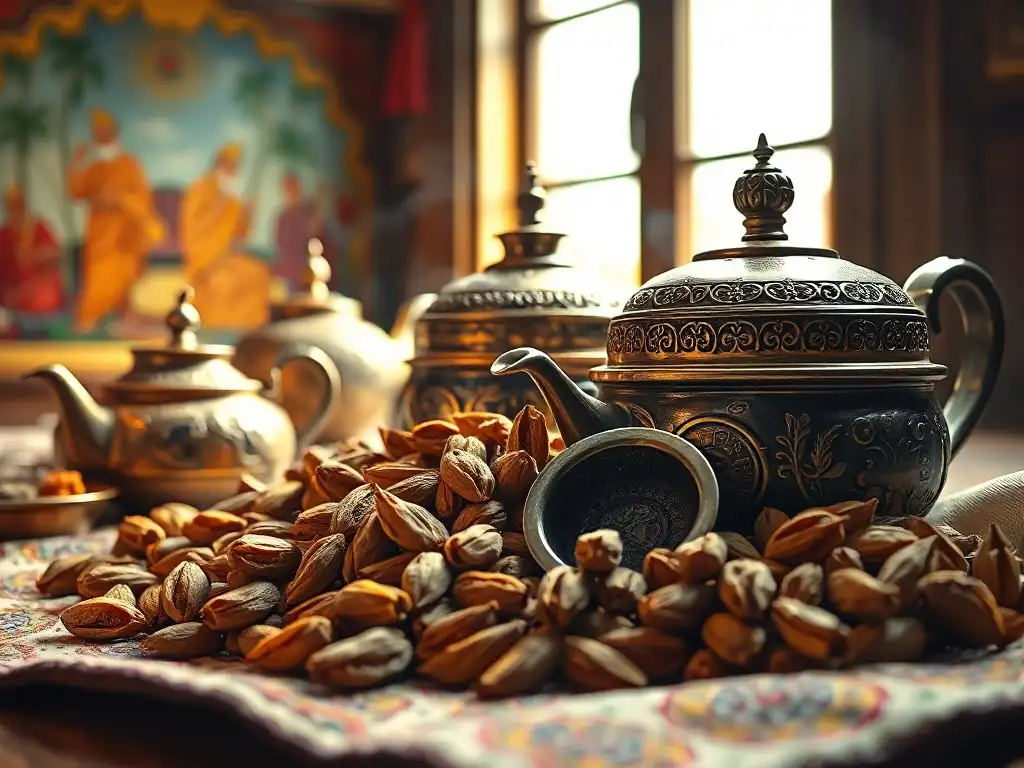
Cardamom, often referred to as the "Queen of Spices," has played a pivotal role in ancient Indian cuisine and culture. Known for its unique aroma and flavor, cardamom has been cherished since antiquity for both culinary and medicinal purposes. The spice is derived from the seeds of several plants in the ginger family and comes in two main varieties: green and black cardamom.
In ancient India, cardamom was not only used in cooking but also in religious rituals and Ayurvedic medicine. It is believed that the spice was offered to deities in temples, symbolizing purity and auspiciousness. The use of cardamom in traditional Indian sweets, such as kheers and halwas, reflects its importance in celebratory feasts and special occasions.
Historically, cardamom was traded along ancient spice routes, extending its influence beyond India to regions such as the Middle East and Europe. The spice's ability to enhance the flavor of both savory and sweet dishes made it a valuable commodity. Cardamom is still a staple in masalas and chai, connecting modern Indian cuisine to its ancient roots.
Other Notable Spices: Mustard Seeds, Fenugreek, and Cloves
In addition to cardamom, several other spices have shaped the culinary landscape of ancient India. Mustard seeds, fenugreek, and cloves each have unique histories and uses that have contributed to their enduring popularity.
- Mustard Seeds: Mustard seeds have been used in Indian cooking for thousands of years. They are often tempered in hot oil to release their nutty flavor, forming the base for many dishes. Beyond culinary uses, mustard seeds were also valued for their medicinal properties. Ancient texts reference their ability to aid digestion and alleviate respiratory ailments.
- Fenugreek: Known as "methi" in Hindi, fenugreek leaves and seeds have a rich history in Indian cuisine. The seeds are often ground into a powder and used in spice blends, while the fresh leaves are incorporated into various dishes. Fenugreek has been praised not only for its flavor but also for its health benefits, including its potential to regulate blood sugar levels.
- Cloves: Cloves, the aromatic flower buds of the clove tree, were highly prized in ancient India for their medicinal properties and flavor. They were commonly used in both cooking and traditional medicine. Cloves were often added to rice dishes, curries, and festive sweets, and they were also utilized in Ayurvedic practices for their antiseptic and analgesic qualities.
These spices, along with cardamom, represent just a glimpse of the rich tapestry of flavors that constitute ancient Indian culinary traditions. Their historical significance and continued use underline the profound impact of ancient Indian spices on modern cuisine, making them essential ingredients in both traditional and contemporary dishes.
The Impact of Ancient Indian Spices on Modern Cuisine
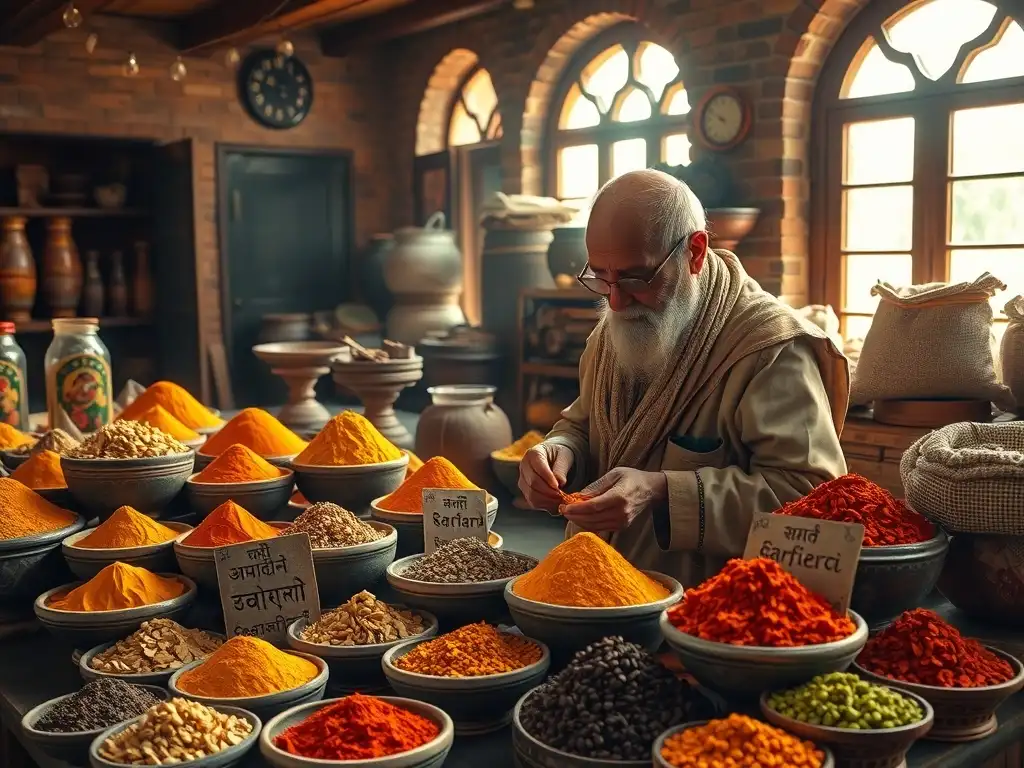
How Ancient Spices Influenced Global Culinary Practices
Ancient Indian spices have not only enriched local cuisines but also played a pivotal role in shaping global culinary practices. The trade routes established as early as 2000 BCE facilitated the exchange of spices, allowing flavors and cooking techniques to traverse continents. Indian spices such as black pepper, cardamom, and cinnamon became highly sought after in regions far beyond the Indian subcontinent.
- Culinary Diffusion:
- The Silk Road was instrumental in introducing Indian spices to the Middle East, Europe, and beyond. For instance, black pepper, often referred to as “black gold,” became a staple in Roman cooking, influencing dishes of that era.
- The maritime trade routes further expanded this reach, with spices making their way to Southeast Asia and Africa, where they were incorporated into local cuisines.
- Cultural Integration:
- As Indian spices found their way into foreign kitchens, they were blended with local ingredients and traditions. For example, the introduction of turmeric and cumin into Middle Eastern dishes led to unique adaptations such as biryani and shawarma.
- This integration is evident in the Caribbean, where Indian spices are now a key component of many local dishes, reflecting the historical migration of Indian laborers to the region.
- Health and Preservation:
- Ancient Indian spices were not only valued for their flavor but also for their preservative and medicinal properties. Turmeric, with its anti-inflammatory benefits, and garlic, known for its antibacterial qualities, became foundational in many global cuisines, promoting health-conscious cooking.
The Role of Indian Spices in the Development of Modern Indian Dishes
The evolution of modern Indian cuisine is deeply intertwined with the legacy of ancient Indian spices. Each spice carries with it a history of culinary innovation and cultural significance that has shaped contemporary Indian dishes.
- Spice Blends:
- The creation of spice blends, such as garam masala and panch phoron, draws on ancient practices where spices were mixed to enhance flavor profiles. These blends are now essential in modern Indian cooking, providing depth and complexity to dishes like dal and paneer tikka.
- Regional Variations:
- Different regions of India have adopted and adapted ancient spices to create unique culinary identities. For instance, the use of mustard seeds in Bengali cuisine contrasts with the prominence of chili powder in South Indian dishes, showcasing how ancient spices have informed regional tastes.
- Contemporary Adaptations:
- Modern chefs are increasingly reinterpreting traditional recipes, often incorporating ancient spices in innovative ways. Dishes such as quinoa upma or avocado chutney highlight a fusion of ancient flavors with contemporary ingredients, allowing for a fresh take on traditional meals.
Case Study: The Evolution of Curry from Ancient to Modern Times
Curry exemplifies the remarkable transformation of ancient Indian spices into a globally recognized dish. Its journey from the kitchens of ancient India to tables worldwide illustrates the profound impact of these spices.
- Historical Roots:
- The term “curry” is derived from the Tamil word kari, which refers to a sauce or gravy. Ancient texts, such as the Ayurvedic texts, indicate the use of complex spice combinations that would eventually evolve into what we know today as curry.
- Culinary Adaptations:
- As curry spread to different regions, it adapted to local tastes and ingredients. The British colonial period saw English curry powder emerge, which simplified the spice blends for Western palates, leading to dishes like chicken tikka masala.
- Global Popularity:
- Today, curry is celebrated worldwide, with various interpretations from Thai green curry to Japanese curry rice, each reflecting the local culture while retaining the essence of ancient Indian spices. The versatility of curry showcases how ancient Indian spices can transcend cultural boundaries and continue to evolve.
The history of ancient Indian spices is not just a tale of flavor but also a chronicle of cultural exchange and culinary evolution that continues to influence modern cuisine across the globe.
The Legacy of Ancient Indian Spices in Culinary Tourism
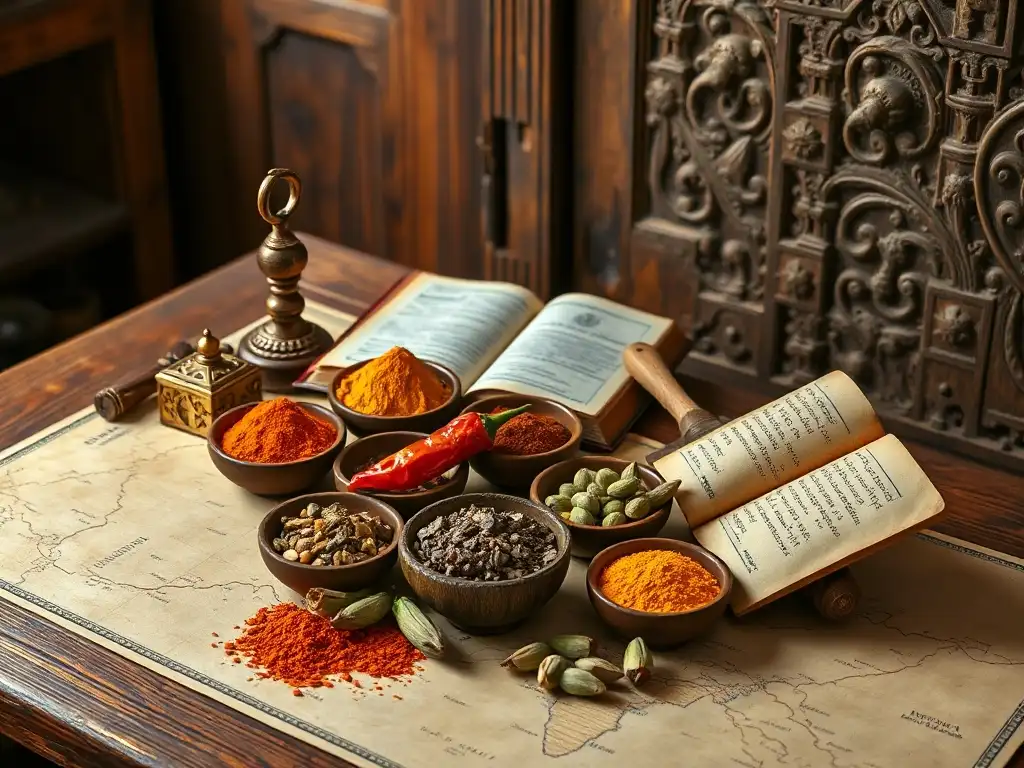
Ancient Indian spices have not only shaped the culinary landscape of India but have also become an integral part of global cuisine. The intricate history of these spices traces back thousands of years, influencing trade routes, cultural exchanges, and even the dietary habits of various civilizations. Today, the legacy of ancient Indian spices is profoundly reflected in culinary tourism, where travelers seek to explore the rich tapestry of flavors and aromas that originated from the Indian subcontinent.
The significance of spices such as black pepper, cardamom, cumin, and turmeric transcends mere flavor. Historically, these spices were highly valued commodities, often referred to as "black gold" due to their enormous economic impact. The spice trade connected India to distant lands, including the Roman Empire and later, the Middle East and Europe. This exchange not only enriched the cuisines of these regions but also fostered cultural interactions that have persisted through the ages.
Exploring Spice Markets: A Journey Through Time
One of the most vibrant experiences of culinary tourism in India is visiting traditional spice markets. These bustling hubs are alive with color, scent, and a rich history that narrates the journey of spices from farm to table.
Key Highlights of Spice Markets:
- Historical Significance: Markets like the Khari Baoli in Delhi and the Spice Market in Kochi are steeped in history, often dating back to ancient trade routes where spices were exchanged.
- Cultural Interactions: These markets are melting pots of various cultures, where local traditions blend with influences from traders who passed through.
- Unique Offerings: Tourists can find an array of spices, many of which are rare and unique to India. From saffron sourced from Kashmir to nutmeg from the Malabar Coast, each spice has a story to tell.
Exploring these markets offers travelers an immersive experience, allowing them to engage with local vendors, taste samples, and learn about the historical significance of the spices they encounter.
Culinary Tours and Experiences: Tasting Ancient Flavors Today
Culinary tourism in India has evolved to include immersive experiences that delve into the history of ancient spices. These tours often focus on traditional cooking methods and regional specialties that highlight the use of spices.
Popular Culinary Experiences:
- Cooking Classes: Many culinary tours offer hands-on cooking classes where participants learn to create dishes using ancient recipes. These classes often emphasize the importance of spices, teaching participants how to balance flavors and use spices effectively.
- Food Walks: Guided food walks in cities like Mumbai and Jaipur allow tourists to sample street food while learning about the spices that define these dishes.
- Local Festivals: Attending local food festivals provides insights into how ancient spices are celebrated in contemporary cuisine. Events often feature traditional dishes that have been passed down through generations.
These experiences not only educate participants about the culinary history of ancient Indian spices but also foster a deeper appreciation for the cultural heritage that informs Indian cuisine.
Recommended Spice Blends and Products for Home Cooking
To bring the flavors of ancient Indian spices into your kitchen, there are several recommended spice blends and products that can enhance your culinary endeavors.
Authentic Indian Spice Kits
- Panch Phoron: A Bengali five-spice blend consisting of mustard seeds, cumin seeds, fennel seeds, fenugreek seeds, and kalonji. Perfect for tempering vegetables and lentils.
- Garam Masala: A classic North Indian blend of ground spices, including cardamom, cloves, and cinnamon. Ideal for curries and braises.
- Sambar Powder: A South Indian spice mix used in the famous lentil-based dish, Sambar. It includes roasted lentils, coriander seeds, and dried red chilies.
These spice kits are often available through specialty stores or online retailers, making it easy to experiment with authentic flavors.
Cookbooks Featuring Ancient Indian Recipes
Books that explore the culinary history of India often include ancient recipes that highlight the use of spices. Some recommended titles include:
- "The Spice Route: A History" by John Keay: This book delves into the historical significance of spices and their impact on trade and culture.
- "Indian-ish: Recipes and Antics from a Modern American Family" by Priya Krishna: Offers a contemporary take on traditional recipes, emphasizing the use of ancient spices in modern cooking.
These cookbooks not only provide recipes but also contextualize the historical importance of the spices used, allowing home cooks to appreciate the rich heritage behind each dish.
By understanding the ancient Indian spices history, culinary enthusiasts can explore a realm of flavors that has been cherished for centuries, enriching their own cooking and deepening their appreciation for one of the world's oldest culinary traditions.
Conclusion: Preserving the History of Ancient Indian Spices
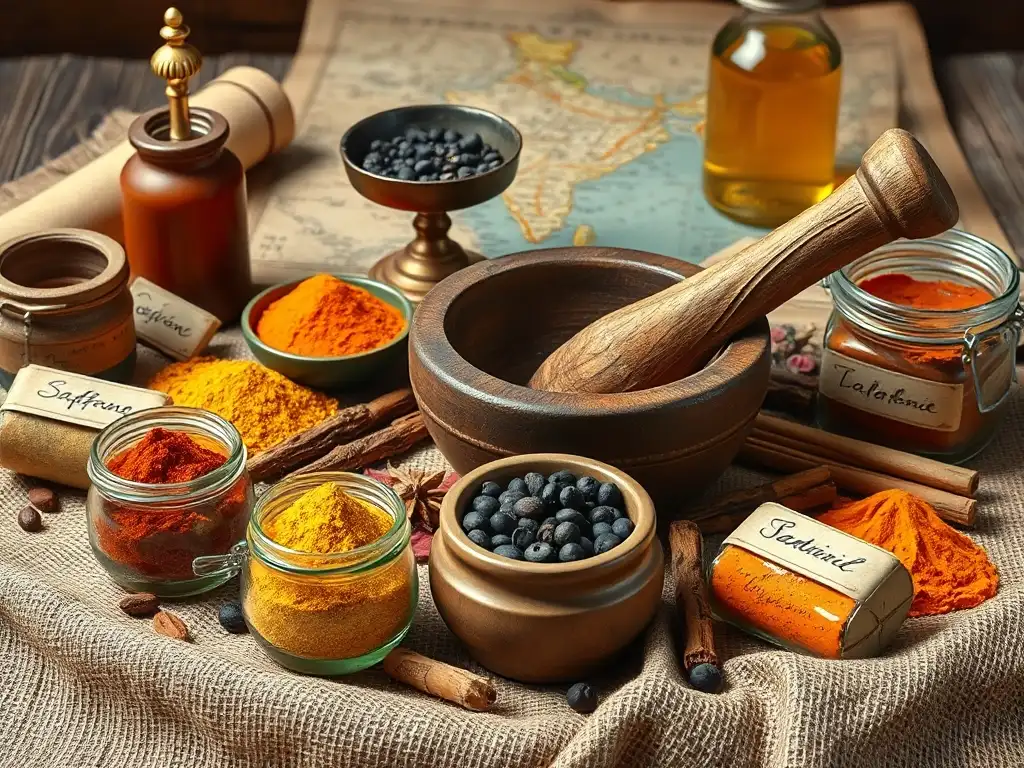
The history of ancient Indian spices is not merely a tale of flavors; it is a testament to the cultural exchanges, trade routes, and culinary innovations that have shaped not only Indian cuisine but also global culinary practices. Understanding this history is essential for preserving the rich tapestry of traditions that have been passed down through generations. As we delve into the intricate narratives of spices like black pepper, cardamom, and turmeric, we uncover stories of trade, migration, and adaptation that have contributed to the modern palate.
The knowledge of ancient Indian spices is at risk of fading in an era dominated by fast food and instant meals. It is crucial to document and promote the historical significance of these spices. By doing so, we ensure that future generations appreciate the depth of flavor and the stories behind them. This preservation effort can take many forms, from educational programs that teach the history of spices to community cooking classes that emphasize traditional methods and recipes.
The Importance of Understanding Ancient Flavors for Future Generations
Understanding the history and use of ancient Indian spices is vital for several reasons:
- Cultural Heritage: Ancient spices are integral to Indian culture and identity. They represent centuries of culinary practices and traditions unique to various regions. By studying these flavors, we can foster a deeper appreciation for India's diverse heritage.
- Health Benefits: Many ancient spices have medicinal properties that have been recognized for centuries. For instance, turmeric is celebrated for its anti-inflammatory benefits, while ginger aids digestion. Acknowledging these health advantages encourages a return to more natural and holistic cooking practices.
- Sustainable Practices: Ancient culinary traditions often emphasize local and seasonal ingredients. By revisiting these practices, we can promote sustainability within modern cooking, encouraging the use of organic and locally sourced spices.
- Culinary Innovation: Modern cuisine can greatly benefit from the wisdom of ancient culinary techniques. Chefs and home cooks alike can experiment with ancient spices to create new flavor profiles, blending tradition with innovation.
Encouraging Culinary Exploration Through Ancient Spices
To foster culinary exploration rooted in the history of ancient Indian spices, several initiatives can be implemented:
- Workshops and Cooking Classes: Organizing events that focus on ancient recipes and spice blending can spark interest in traditional cooking methods. Participants can learn the significance of each spice and how to incorporate them into modern dishes.
- Recipe Sharing Platforms: Creating online platforms where enthusiasts can share recipes that highlight ancient spices fosters a community of culinary explorers. This encourages individuals to experiment and document their experiences with these flavors.
- Culinary Tours: Developing culinary tourism that focuses on regions known for their spice production can provide immersive experiences. Tourists can learn about the growing, harvesting, and processing of spices, gaining firsthand knowledge of their historical significance.
- Collaborations with Chefs: Engaging prominent chefs to highlight ancient spices in their menus can elevate their status in contemporary cuisine. This not only educates diners about the historical context of these spices but also promotes their use in modern gastronomy.
The history of ancient Indian spices is a treasure trove of knowledge waiting to be explored and preserved. By understanding and celebrating these flavors, we can ensure that the rich culinary traditions of ancient India continue to thrive and inspire future generations. Through education, exploration, and innovation, we can keep the legacy of ancient Indian spices alive, allowing it to enrich our modern culinary landscape.
Frequently Asked Questions
What role did spices play in ancient Indian civilization?
Spices were integral to trade and culture in ancient India, enhancing culinary practices and serving as a means of economic exchange with other civilizations.
Which ancient Indian spices are considered significant?
Some significant spices include black pepper, cardamom, and turmeric, which were highly valued for their flavor, medicinal properties, and as trade goods.
How did ancient Indian spices influence global cuisine?
Ancient Indian spices contributed to the global culinary landscape by promoting flavor diversity and inspiring the use of spices in various international dishes due to trade routes.
What was the impact of the spice trade on ancient Indian society?
The spice trade led to economic prosperity and cultural exchange, positioning India as a key player in the global market and attracting foreign traders and invaders.
How are ancient Indian spices relevant today?
Today, ancient Indian spices still play a crucial role in modern cuisine, celebrated for their health benefits and used in various culinary traditions worldwide, maintaining their historical significance.
Final Reflection: The Timeless Influence of Ancient Indian Spices
In exploring the rich tapestry of ancient Indian spices and their historical significance, we uncover a culinary legacy that continues to shape modern cuisine in profound ways. The flavors, techniques, and traditions that originated in ancient India have transcended time and geography, influencing not only regional dishes but also global culinary practices. This enduring relevance reminds us that food is not just sustenance; it is a vessel of culture and history that connects us to our past.
The impact of ancient Indian spices on contemporary cuisine is evident in the vibrant fusion of flavors we experience today. As we savor dishes that incorporate these spices, we are reminded of the intricate web of trade, migration, and cultural exchange that has enriched our palates. The journey of these spices from ancient kitchens to modern tables illustrates the power of food to bridge divides and foster understanding. Food is our common ground, a universal experience.
– James Beard. This quote encapsulates the essence of how ancient Indian spices have not only flavored our meals but also our shared human experience.
As we reflect on the lessons from the history of ancient Indian spices, I invite you to consider how you can incorporate these flavors into your own culinary practices. Embrace the opportunity to explore the stories behind the spices you use, and let them inspire you to create dishes that honor their rich heritage. In doing so, you not only enrich your own cooking but also participate in a timeless tradition that celebrates the interconnectedness of cultures through the universal language of food.
Savor the Richness of Flavors Today!
Thank you for diving into the fascinating world of Indian spices and their historical significance in shaping modern cuisine! Your interest helps keep these vibrant traditions alive. Now, let's take that inspiration and transform it into action!
- Experiment with Flavors: This week, try incorporating a new spice into your cooking. Whether it’s saffron, cardamom, or turmeric, enhance your meals with bold flavors!
- Share the Journey: Document your culinary adventure and share it on social media. Use the hashtag #AncientFlavors to inspire others to explore the beauty of these spices.
- Join the Conversation: Engage in discussions about ancient culinary practices on our dedicated forum and connect with fellow food enthusiasts!
Which spice are you most excited to try in your cooking? Share your thoughts and let’s start a flavorful discussion!