
The Challenges of Translating and Interpreting Ancient Indian Inscriptions

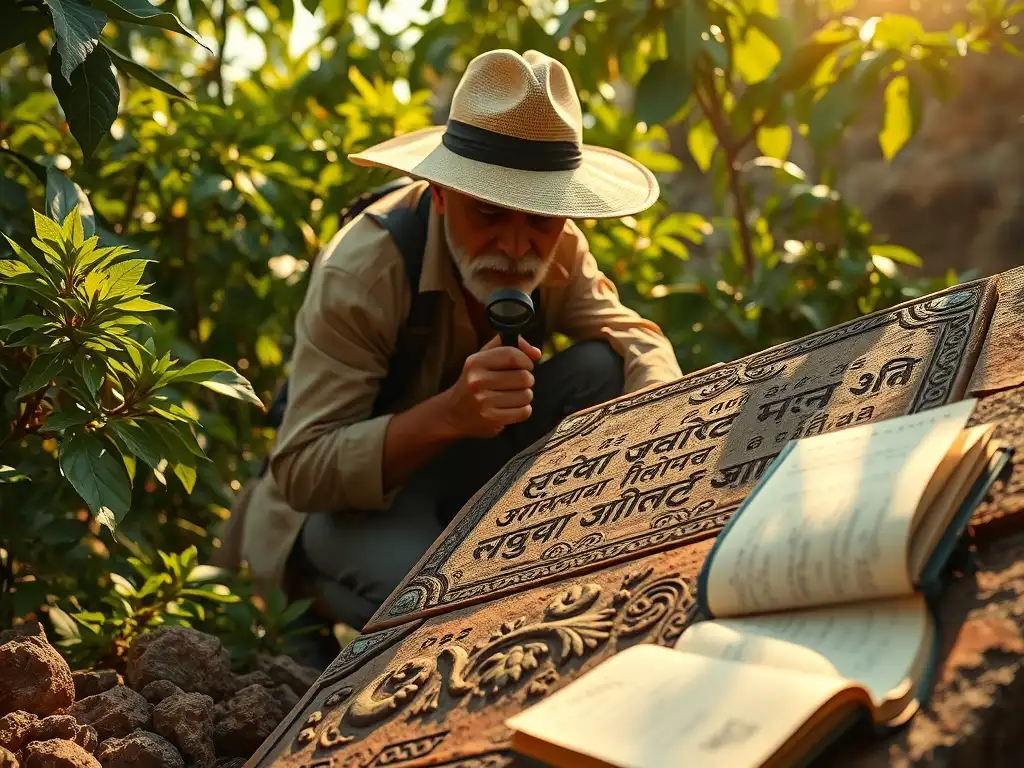
Welcome to Ancient India History, where we embark on a fascinating journey through time to uncover the rich tapestry of ancient Indian civilizations. From the enigmatic Indus Valley to the illustrious Gupta Empire, our exploration delves into the culture and contributions that have shaped history. In our featured article, "The Challenges of Translating and Interpreting Ancient Indian Inscriptions," we invite you to discover the complexities and triumphs of deciphering texts that have stood the test of time. What secrets lie within these inscriptions? Join us as we unravel their stories and ignite your curiosity about this captivating era!
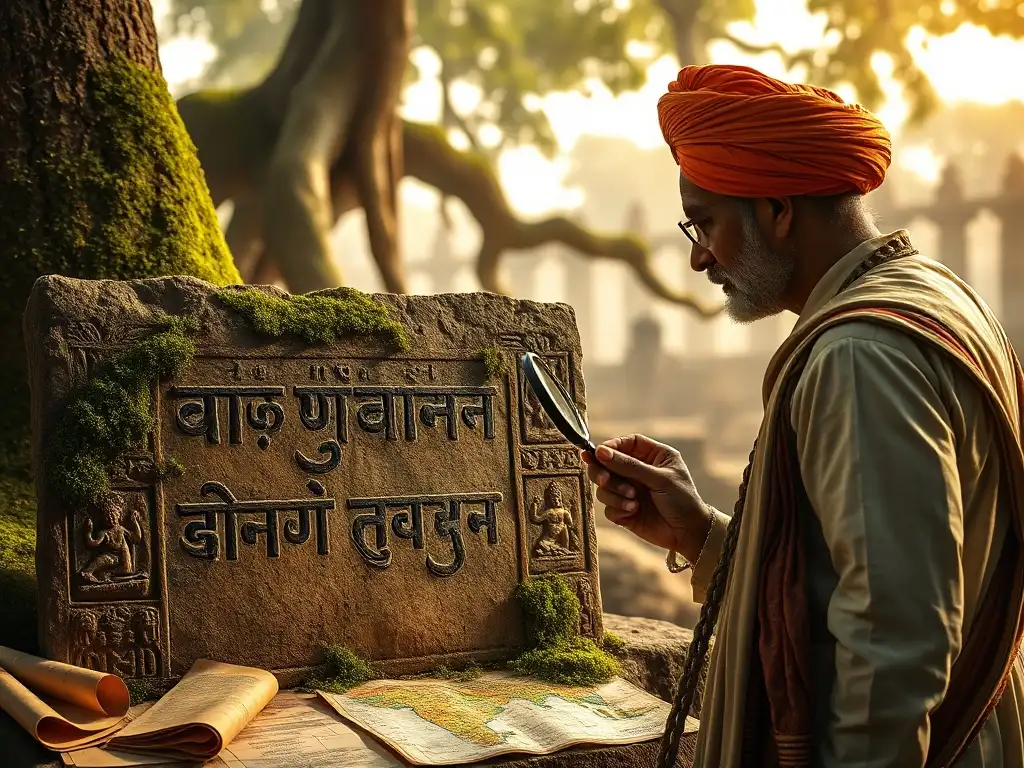
Ancient Indian inscriptions serve as a vital link to understanding the rich tapestry of India's historical and cultural legacy. These inscriptions, etched into stone, metal, and other materials, provide invaluable insights into the socio-political, religious, and economic aspects of ancient civilizations, from the sophisticated urban centers of the Indus Valley to the flourishing Gupta Empire. However, the process of translating ancient Indian inscriptions is fraught with challenges.
Linguistic complexities, variations in dialects, and the contextual nuances of ancient societies pose significant hurdles for historians and epigraphists. This article delves into these challenges, highlighting the critical role of inscriptions in our understanding of ancient India and the importance of their accurate translation.
Introduction to Ancient Indian Inscriptions
Inscriptions in ancient India date back to at least the 3rd century BCE, with the Ashoka Edicts being among the most notable examples. These inscriptions often convey royal decrees, religious texts, and commemorative messages, reflecting the values and priorities of the time. The study of these inscriptions not only enriches our understanding of ancient Indian history but also helps to reconstruct narratives that may have otherwise been lost to time.
The Role of Inscriptions in Ancient Indian History
Inscriptions acted as a form of communication that transcended the limitations of oral traditions. They served several crucial purposes:
- Political Records: Many inscriptions documented the reigns of kings, territorial conquests, and administrative policies.
- Religious Significance: Inscriptions often contained hymns, prayers, and edicts related to various religious practices, providing insight into the spiritual life of ancient Indians.
- Social Commentary: They sometimes reflected societal norms, values, and the everyday lives of individuals, offering a glimpse into the cultural fabric of ancient India.
Importance of Translating Ancient Indian Inscriptions
Translating ancient Indian inscriptions is essential for several reasons:
- Cultural Preservation: Accurate translations help preserve the cultural heritage and ensure that the knowledge embedded in these texts is accessible to future generations.
- Historical Accuracy: Translations facilitate a clearer understanding of historical events, allowing scholars to construct more accurate narratives of the past.
- Interdisciplinary Insights: Understanding these inscriptions can enhance studies in archaeology, anthropology, and religious studies, promoting interdisciplinary collaboration.
Overview of Ancient Indian Languages
The languages used in ancient Indian inscriptions are diverse, reflecting the linguistic richness of the subcontinent. The primary languages include Sanskrit, Prakrit, and Tamil, among others. Each language carries its own nuances and historical significance, making the task of translation both challenging and rewarding.
Major Languages Used in Inscriptions
- Sanskrit: Often regarded as the classical language of India, Sanskrit was widely used in royal edicts and religious texts. Its complexity and extensive vocabulary can make translations intricate.
- Prakrit: A group of Middle Indo-Aryan languages, Prakrit was commonly used in inscriptions, particularly in regions like Magadha. Its simpler grammar offers some advantages for translation.
- Tamil: As one of the oldest living languages, inscriptions in Tamil provide insights into the Dravidian culture and its historical contributions.
Dialects and Variations in Ancient Indian Texts
Ancient Indian inscriptions were not uniform; they exhibited various dialectical differences that can complicate translation efforts:
- Regional Dialects: Different regions had distinct dialects, which can lead to variations in meaning and interpretation.
- Temporal Changes: The evolution of language over time means that words and phrases may have changed in meaning, necessitating careful contextual analysis.
- Cultural Context: Understanding the cultural background behind certain phrases or idioms is crucial for accurate translations, as many inscriptions carry layered meanings that may not be immediately apparent.
The challenges of translating and interpreting ancient Indian inscriptions are multifaceted, yet they hold the key to unlocking the profound history and contributions of ancient Indian civilizations. By addressing these challenges, scholars can pave the way for a deeper understanding of India's past.
Challenges in Translating Ancient Indian Inscriptions
Translating ancient Indian inscriptions presents a myriad of challenges that stem from the complexity of languages, cultural contexts, and the physical state of the inscriptions themselves. Each inscription is a snapshot of a specific time period, often rich in nuances that can be lost in translation. These challenges require a multi-faceted approach to ensure that the original meaning and significance are preserved.
Linguistic Challenges in Translation
The linguistic diversity of ancient India is one of the foremost challenges in translating inscriptions. Ancient Indian languages such as Sanskrit, Prakrit, and Tamil possess unique grammatical structures, vocabulary, and idiomatic expressions that do not have direct equivalents in contemporary languages. For instance, a single word in Sanskrit may encapsulate an entire concept that requires several sentences to explain in English. Additionally, the presence of regional dialects and variations complicates the translation process, as the same term might carry different meanings based on the context in which it is used.
Moreover, the script used in inscriptions varies widely, from Brahmi and Kharosthi to Tamil and Devanagari, each with its own set of phonetic and stylistic rules. This diversity necessitates specialized knowledge of various scripts, making it essential for translators to be well-versed in epigraphy and paleography. Misinterpretations can lead to significant inaccuracies, affecting our understanding of historical events, cultural practices, and societal norms.
Cultural Context and Historical Significance
Understanding the cultural context in which an inscription was created is crucial for accurate translation. Ancient Indian inscriptions often reflect the social, political, and religious dynamics of their time. For example, royal edicts may contain references to specific rituals, local customs, or historical figures that are not widely known today. Without a deep comprehension of the cultural backdrop, translators may overlook these references, resulting in a loss of meaning.
Additionally, the historical significance of an inscription can vary depending on its origin. Inscriptions commemorating victories, treaties, or religious events may serve different purposes for different communities. Translators must consider the intended audience and the implications of the text, as this can dramatically alter the interpretation. Thus, a translator's role extends beyond mere linguistic conversion; it encompasses a holistic understanding of the inscription's place within the broader historical narrative.
Preservation and Condition of Inscriptions
The physical condition of ancient inscriptions poses another significant challenge for translators. Many inscriptions have suffered damage due to weathering, erosion, or human intervention, leading to missing or illegible characters. For example, inscriptions carved into stone may be worn down over centuries, making it difficult to decipher certain portions accurately. This deterioration can result in gaps in the text, which can hinder a translator's ability to convey the original message fully.
Moreover, the materials used for inscriptions, such as stone, metal, and clay, also affect their durability. Inscriptions on perishable materials may not have survived the test of time, limiting the corpus available for study. Translators must often work with incomplete texts, relying on comparative analysis with other inscriptions or literary sources to reconstruct missing elements. This process requires a blend of creativity and scholarly rigor, as translators must make educated guesses while remaining faithful to the original intent.
Techniques Used in Translating Ancient Inscriptions
Translating ancient inscriptions involves a variety of techniques that combine traditional methodologies with modern advancements. These techniques aim to address the challenges previously outlined and ensure that translations are as accurate and meaningful as possible.
Methodologies for Accurate Translation
Several methodologies have been developed to enhance the accuracy of translating ancient inscriptions. One effective approach is the comparative method, where translators analyze similar inscriptions from the same period or region. This allows them to identify recurring themes, terminologies, and styles that can guide their translations. Additionally, interdisciplinary collaboration with historians, archaeologists, and linguists enriches the translation process, providing deeper insights into the cultural and historical contexts.
Another important methodology is the use of glossaries and lexicons specific to ancient languages. These resources compile translations of common terms, phrases, and idiomatic expressions, serving as invaluable tools for translators. Furthermore, fieldwork and on-site analysis of inscriptions can yield critical information regarding the context in which they were created, aiding in more informed translations.
Technological Advancements in Translation
The advent of technology has significantly transformed the field of translating ancient inscriptions. Digital imaging techniques, such as high-resolution photography and 3D scanning, help capture the intricacies of inscriptions in their physical form. These technologies allow researchers to analyze inscriptions with greater precision, revealing details that may be invisible to the naked eye.
Moreover, advancements in software and databases have streamlined the process of cataloging and comparing inscriptions. Tools like Optical Character Recognition (OCR) can assist in digitizing texts, enabling easier access and analysis. Machine learning and artificial intelligence are also beginning to play a role in translating ancient languages, offering new possibilities for deciphering previously challenging texts. By integrating these technological advancements with traditional methodologies, scholars can enhance the accuracy and efficiency of translating ancient Indian inscriptions, ensuring that the rich history they represent remains accessible and understood.
Case Studies of Successful Translations
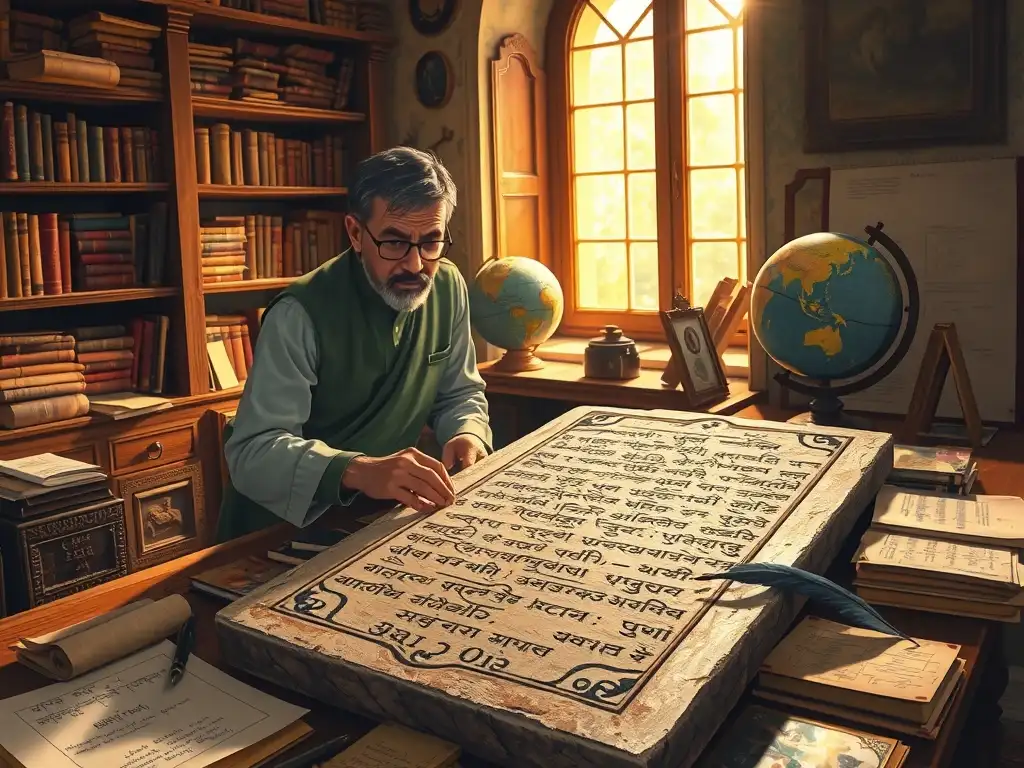
The process of translating ancient Indian inscriptions has seen its fair share of challenges, yet there have been notable successes that have contributed significantly to our understanding of India's rich history. These case studies illustrate the intricate work involved in deciphering texts that were inscribed thousands of years ago, showcasing the collaboration between linguists, archaeologists, and historians.
One prominent example is the translation of the Ashoka Edicts, inscribed by Emperor Ashoka during the 3rd century BCE. These edicts, carved on rocks and pillars, convey messages of moral conduct and governance. The successful translation of these inscriptions not only provided insights into Ashoka's reign but also emphasized the spread of Buddhism. The work of scholars like Georg Bühler in the late 19th century was crucial, as he deciphered the Brahmi script, unlocking significant historical narratives about the Mauryan Empire.
Another case worth noting is the Brahmi inscriptions found at the site of the ancient city of Taxila. Translated by various epigraphists, these inscriptions shed light on the socio-economic conditions of the time and the interactions between different cultures. The translations revealed details about trade practices and local governance, enhancing our understanding of this important historical site.
Notable Translations and Their Historical Impact
The impact of translating ancient Indian inscriptions is profound, influencing not only historical scholarship but also cultural identity. One of the most significant translations was that of the Gandhara Art inscriptions, which provided insights into the fusion of Indian and Greco-Roman cultures during the early centuries CE. Scholars like John Marshall played a pivotal role in interpreting these texts, which documented the patronage of Buddhist art and architecture, illustrating the cross-cultural exchanges that occurred in ancient India.
The translations of Tamil-Brahmi inscriptions from the early centuries CE have also had a lasting historical impact. These inscriptions, primarily found in Tamil Nadu and parts of Sri Lanka, have been key in understanding the early Tamil language and literature. The work of researchers like Iravatham Mahadevan has been instrumental in decoding these inscriptions, leading to a deeper appreciation of Dravidian heritage and its contributions to Indian civilization.
Lessons Learned from Translating Ancient Inscriptions
Translating ancient inscriptions is not merely a linguistic exercise but a complex task that involves understanding the historical, cultural, and social contexts of the time. Several lessons have emerged from past translation efforts:
- Contextual Understanding: Successful translations require a thorough understanding of the historical and cultural context in which the inscriptions were created. This involves interdisciplinary collaboration among historians, archaeologists, and linguists.
- Language Evolution: The evolution of language over time poses challenges. Scholars must be aware of the changes in script and semantics, which can alter the meaning of terms and phrases.
- Preservation of Original Meaning: It is crucial to strive for fidelity to the original text while ensuring that translations remain accessible to contemporary audiences. This balance is vital in maintaining the integrity of historical messages.
- Technological Advancements: The use of modern technology, such as digital imaging and computational linguistics, has revolutionized the field of epigraphy, allowing for more precise analysis and interpretation of inscriptions.
Conclusion
Summary of Key Challenges in Translating Ancient Indian Inscriptions
Translating ancient Indian inscriptions presents numerous challenges. The primary difficulties include:
- Deciphering Obscure Scripts: Many inscriptions are written in scripts that have not been fully understood or that have evolved over time, complicating translation efforts.
- Incomplete or Damaged Inscriptions: Often, inscriptions are found in a fragmented state, making it hard to ascertain the original content and context.
- Ambiguities in Language: The nuances of ancient languages can lead to multiple interpretations, which can affect the overall understanding of the text.
- Cultural Disconnect: Modern scholars may find it challenging to relate to the cultural paradigms of ancient societies, which can hinder interpretation.
The Future of Epigraphy and Translation Efforts in Ancient India
The future of epigraphy and translation efforts in ancient India looks promising, thanks to advancements in technology and a growing interest in the field. The integration of machine learning and artificial intelligence is beginning to revolutionize how inscriptions are analyzed and interpreted. These technologies can assist in identifying patterns and translating texts with greater accuracy.
Moreover, collaborative projects involving institutions from around the world are fostering a more comprehensive understanding of ancient Indian inscriptions. As scholars continue to share knowledge and techniques, the field is poised to uncover even more insights into ancient civilizations.
The ongoing efforts to digitize inscriptions will also make them more accessible to researchers and enthusiasts alike, ensuring that the rich heritage of ancient India is preserved and appreciated for generations to come. As we move forward, the continuous dialogue between various disciplines will be essential in overcoming existing challenges and enhancing our understanding of India’s historical narrative.
- Introduction to Ancient Indian Inscriptions
- Overview of Ancient Indian Languages
- Challenges in Translating Ancient Indian Inscriptions
- Techniques Used in Translating Ancient Inscriptions
- Case Studies of Successful Translations
- Notable Translations and Their Historical Impact
- Lessons Learned from Translating Ancient Inscriptions
- Conclusion
Frequently Asked Questions
What are ancient Indian inscriptions?
Ancient Indian inscriptions are written records found on various materials like stone, metal, and pottery, documenting historical events, religious practices, and daily life from ancient civilizations.
Why is translating ancient Indian inscriptions challenging?
The challenges arise from language evolution, regional dialects, and the contextual meanings of words that differ significantly across time and geography, making accurate translations difficult.
What techniques are used for translating ancient inscriptions?
Researchers utilize techniques such as paleography (the study of ancient writing styles), contextual analysis, and comparative linguistics to better understand and accurately translate the inscriptions.
What role do inscriptions play in understanding ancient Indian culture?
Inscriptions serve as primary sources that provide insights into the social structure, religious beliefs, and economic activities of ancient Indian civilizations, enriching our understanding of their culture.
How can one access translations of ancient Indian inscriptions?
Many translations can be found in academic journals, books, and online databases dedicated to historical research. Some institutions also provide workshops and resources for enthusiasts interested in the subject.
Final Reflection: Embracing the Complexity of Translating Ancient Indian Inscriptions
The challenges of translating ancient Indian inscriptions are not merely academic hurdles; they resonate deeply with our understanding of cultural heritage and identity. In an era where globalization often oversimplifies diverse narratives, the intricate task of translating these inscriptions serves as a reminder of the rich tapestry of history that shapes our present. The nuances embedded in these ancient texts reflect the wisdom, beliefs, and societal structures of their time, urging us to appreciate the depth of human expression across centuries.
The ongoing dialogue surrounding these inscriptions continues to influence our cultural and social landscape, highlighting the importance of preserving and interpreting our shared history. As we engage with these ancient voices, we find ourselves at a crossroads of tradition and modernity, where every translation can either bridge or widen the gap between past and present. Translation is not a matter of words only; it is a matter of meaning.
This quote encapsulates the essence of our endeavor, reminding us that each inscription carries layers of significance that demand careful consideration and respect.
As we reflect on the importance of translating ancient Indian inscriptions, I invite you to engage with this theme in your own life. Consider how the stories of the past shape your understanding of the present and how you can contribute to preserving these narratives for future generations. Whether through supporting scholarly work, participating in cultural discussions, or simply fostering a curiosity about history, each of us has a role to play in honoring the voices of those who came before us. Let us embrace the complexity of translation as a pathway to deeper understanding and connection across time.
Unveil the Mysteries of Ancient Indian Inscriptions!
Thank you for diving into the fascinating world of ancient Indian inscriptions with us! Your interest in the complexities of translation and interpretation not only enriches your understanding but also contributes to preserving this invaluable heritage. Now it's time to take your newfound knowledge and make a difference.
Here are a few steps you can take to further engage with this captivating subject:
- Start a Translation Project: Gather a small group of friends or fellow history enthusiasts and choose an inscription or text to translate together. It's a rewarding way to deepen your understanding and share insights!
- Join Online Forums: Connect with communities dedicated to ancient languages and archaeology. Share your experiences, ask questions, and learn from others on platforms like social media groups or specialized history forums.
- Visit a Museum or Exhibit: Explore artifacts related to ancient Indian inscriptions in your local museums or virtual exhibitions. Inspire others by sharing your discoveries online!
What inscription or text has sparked your curiosity the most, and how do you think it reflects the culture of its time? Let’s start a discussion!