
The Indus Valley Inscriptions: What They Tell Us About Early Indian Life

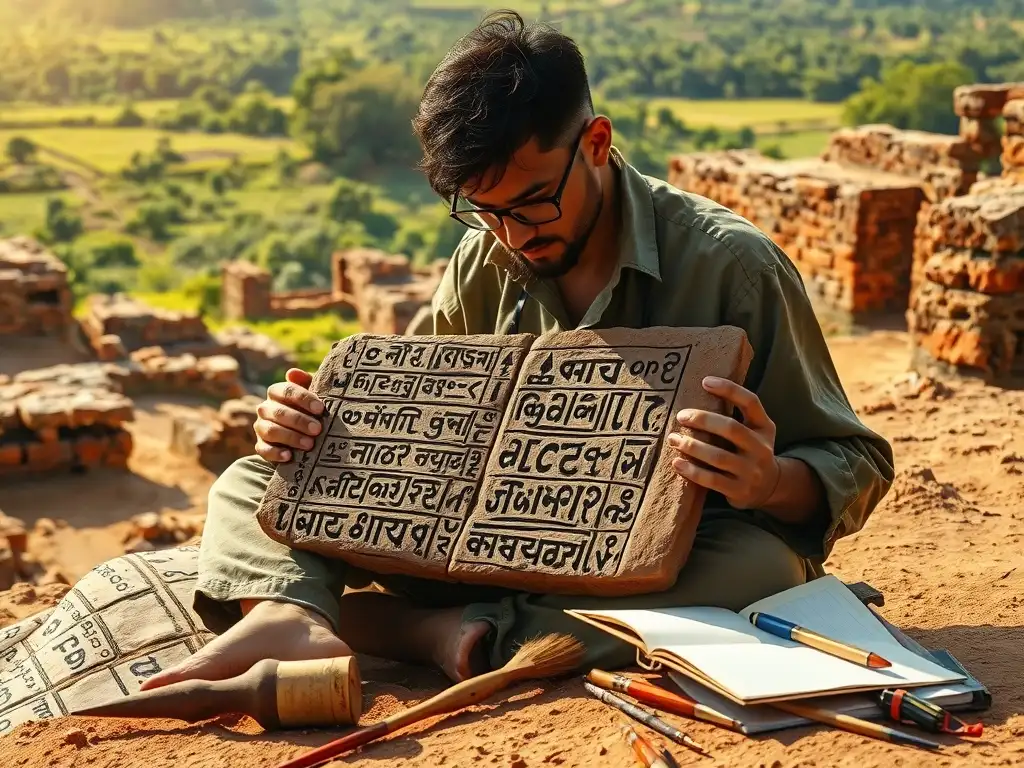
Welcome to Ancient India History, where we embark on a fascinating journey through time to uncover the treasures of one of the world's oldest civilizations. In this article, we delve into the significance of Indus Valley inscriptions, revealing how these enigmatic symbols hold the key to understanding early Indian life and culture. What secrets do they unveil about the people who thrived along the banks of the Indus River? Join us as we explore the profound impact of these ancient writings and their role in shaping the rich tapestry of India's heritage. Your adventure into the past begins here!
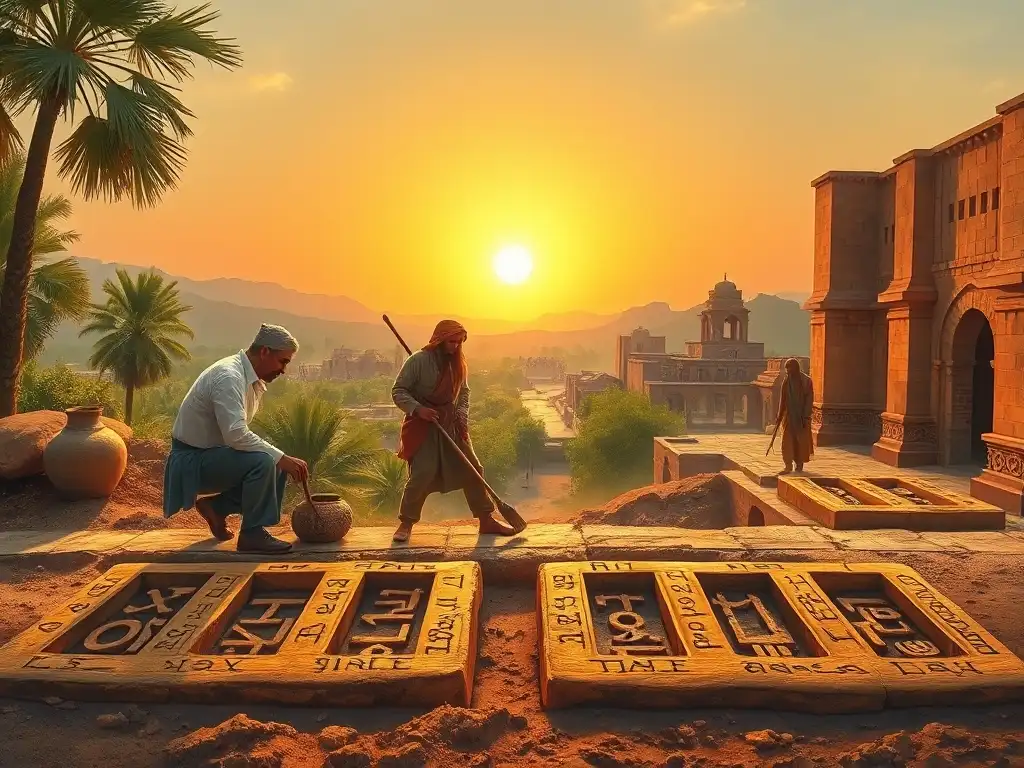
Introduction to Indus Valley Inscriptions
The Indus Valley inscriptions represent a fascinating aspect of ancient Indian civilization, offering a glimpse into the lives, beliefs, and practices of one of the earliest urban societies in the world. These inscriptions, primarily composed of short symbols, provide critical insights into the social structure, trade, and cultural practices of the Indus Valley Civilization (IVC), which thrived around 2500 BCE in what is now Pakistan and northwest India.
As we delve into the significance of the Indus Valley inscriptions, we uncover their role as not just historical artifacts, but as vital pieces of evidence that help us understand the complexities of early Indian life, including language development, economic interactions, and social hierarchies.
Overview of the Indus Valley Civilization
The Indus Valley Civilization is renowned for its advanced urban planning, sophisticated drainage systems, and impressive architecture. Flourishing in the fertile plains along the Indus River, this civilization encompassed major urban centers such as Harappa and Mohenjo-Daro. The people of the IVC engaged in various crafts, agriculture, and trade, showcasing a level of economic and social organization that was unprecedented for its time.
Key features of the Indus Valley Civilization include:
- Urban Planning: Cities were constructed with grid-like layouts, featuring well-planned roads and standardized brick sizes.
- Trade Networks: The civilization established extensive trade links with neighboring regions, evidenced by the discovery of seals and weights.
- Cultural Practices: Artefacts reveal a rich cultural tapestry, including pottery, jewelry, and evidence of ritualistic practices.
Importance of Inscriptions in Ancient Indian History
Inscriptions serve as crucial historical documents that provide insights into the languages, governance, and culture of ancient civilizations. In the context of the Indus Valley, these inscriptions are particularly significant for several reasons:
- Language Development: The symbols found in Indus Valley inscriptions may represent one of the earliest forms of written communication in South Asia, offering clues about the linguistic evolution in the region.
- Cultural Insights: Inscriptions often reflect the beliefs and values of the society, shedding light on religious practices and societal norms.
- Economic Evidence: They provide evidence of trade practices, including the types of goods exchanged and the economic relationships between different regions.
Understanding the Indus Valley Inscriptions Significance
What Are Indus Valley Inscriptions?
Indus Valley inscriptions consist of a series of short symbols that have been discovered on various artefacts, including seals, pottery, and weights. These symbols are yet to be fully deciphered, leading to ongoing debates among scholars regarding their meaning and purpose. Despite their undeciphered status, these inscriptions are crucial for understanding the administrative and social structures of the civilization.
Key characteristics include:
- Short Length: Most inscriptions consist of a few symbols, suggesting they were likely used for specific purposes, such as trade or identification.
- Repetitive Patterns: Some symbols appear frequently across different artefacts, indicating their potential significance in communication.
- Lack of Bilingual Texts: Unlike later inscriptions, there are no known bilingual texts to aid in decipherment, making interpretation challenging.
Historical Context of Indus Valley Inscriptions
The historical context surrounding the Indus Valley inscriptions is essential to grasp their significance. The civilization existed during a time of significant cultural and technological development, which included innovations in metallurgy, urban planning, and trade.
Understanding the context includes:
- Interregional Interactions: The Indus Valley Civilization thrived during an era of increasing interaction with neighboring cultures, including Mesopotamia and ancient Persia, which influenced trade practices and cultural exchanges.
- Decline of the Civilization: The eventual decline of the Indus Valley Civilization around 1900 BCE raises questions about the role of these inscriptions in governance and administration and whether they contributed to the societal changes that led to the civilization's downfall.
The Indus Valley inscriptions hold tremendous significance as they offer a window into the complexities of early Indian life, illustrating not only the achievements of the Indus Valley Civilization but also the challenges faced by scholars in unlocking their mysteries. Through continued research and exploration, we may yet uncover the stories that lie within these ancient symbols.
The Role of Inscriptions in Early Indian Life
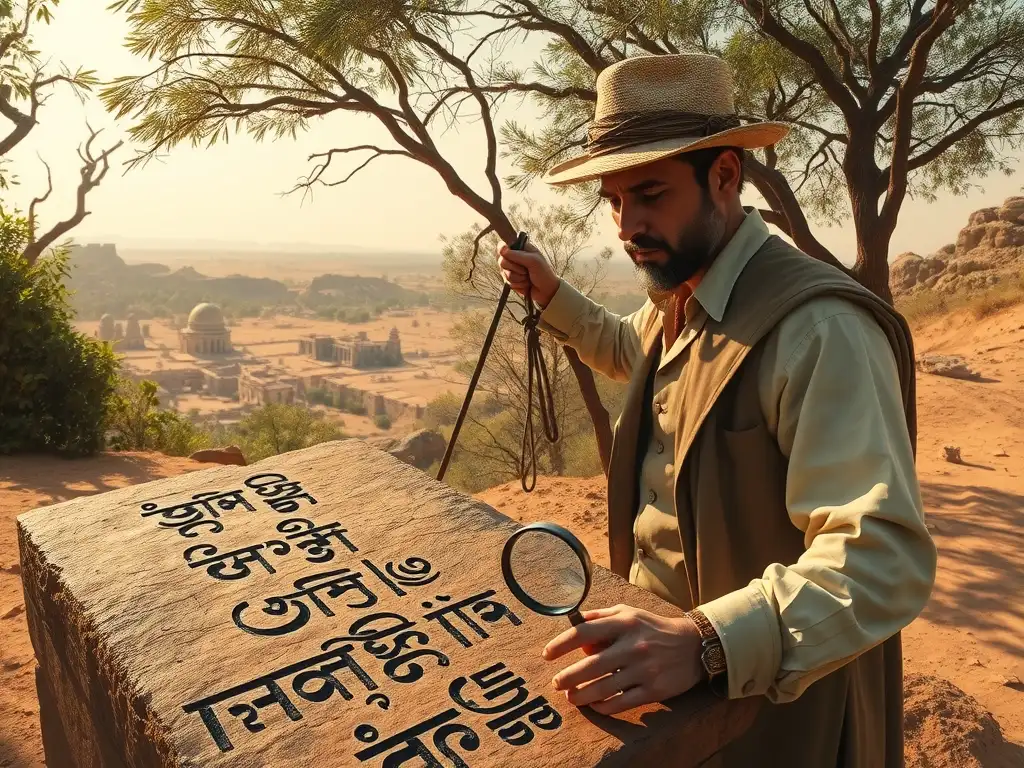
Inscriptions from the Indus Valley Civilization serve as a vital link to understanding the societal framework, economic activities, and cultural practices of early Indian life. These inscriptions, often engraved on seals, pottery, and other artifacts, reflect the complexity and sophistication of this ancient civilization. They provide scholars with insights into the daily lives of the people, their trade practices, social hierarchy, and even their belief systems. The presence of these inscriptions indicates that literacy and record-keeping were integral parts of society, suggesting a well-organized community capable of managing various aspects of life, from commerce to governance.
Inscriptions also played a crucial role in facilitating communication. They were likely used for administrative purposes, marking ownership of goods, or delineating trade agreements. The variations in style and content across different artifacts suggest regional differences in practices and priorities, indicating that the Indus Valley was not a monolithic society but rather a tapestry of interconnected communities each with its own nuances. This diversity in inscriptions is critical for understanding the dynamics of early Indian civilization.
Insights into Social Structure from Inscriptions
The Indus Valley inscriptions provide significant insights into the social structure of this ancient civilization. Evidence suggests that the society was organized, possibly hierarchical, with roles assigned based on occupation or status. For instance, the presence of seals featuring animals and symbols might indicate positions of authority or trade specialization within the community. The use of specific seals by merchants or craftsmen may imply that these individuals held a recognized status in society, facilitating trade and commerce.
Additionally, inscriptions related to trade transactions hint at a division of labor, indicating that certain groups were likely engaged in specialized crafts, such as pottery or metallurgy. The existence of inscriptions that commemorate public works or societal achievements could point to the presence of leaders or governing bodies responsible for communal projects. This suggests a structured society capable of collective decision-making and resource management, vital for sustaining urban centers.
Economic Activities Reflected in Indus Valley Inscriptions
Economic activities in the Indus Valley are vividly reflected in the inscriptions found on various artifacts. Many seals feature images of animals, which are believed to represent trade commodities or signify the owners’ professions, connecting commerce with the social identity of individuals. The inscriptions often include representations of weights and measures, indicating a systematized approach to trade that suggests economic sophistication. This is reinforced by findings of standardized weights and scales used in trade practices, highlighting the importance of regulation in commercial exchanges.
Moreover, trade networks established by the Indus Valley people extended beyond their immediate geography, as evidenced by seals found in Mesopotamia and other distant locations. These inscriptions suggest not only a thriving economy but also cultural exchanges that enriched both the Indus Valley and its trading partners. The economic significance of these inscriptions lies in their ability to reveal the complexities of trade relations and the importance of agricultural products, crafts, and goods in sustaining the population and fostering interactions with neighboring civilizations.
Religious and Cultural Aspects Revealed by Inscriptions
The inscriptions of the Indus Valley Civilization also illuminate various religious and cultural practices that were prevalent among its people. Symbols and motifs inscribed on seals may hint at the existence of a belief system or pantheon of deities, although interpretations remain speculative due to the undeciphered nature of the script. The recurring imagery of animals, such as the unicorn and various mythical creatures, suggests that they held symbolic significance, possibly related to spiritual beliefs or cultural narratives.
Cultural practices, such as rituals or festivals, are inferred from the contexts in which these inscriptions were found. The presence of certain symbols may indicate their role in ceremonies or as objects of veneration. Furthermore, the artistry in the inscriptions reflects a sophisticated aesthetic sensibility that was likely an essential aspect of cultural identity. This artistic expression, combined with the content of the inscriptions, provides valuable insights into the values, beliefs, and traditions that were integral to the daily lives of the Indus Valley inhabitants.
Language and Script of Indus Valley Inscriptions
The language and script of the Indus Valley inscriptions remain one of the most intriguing aspects of ancient Indian history. The script, often referred to as the Indus script, consists of a series of symbols and characters that have yet to be fully deciphered. This enigmatic nature continues to challenge linguists and historians in their quest to unlock the messages contained within these inscriptions.
Analysis of the Indus Script
The Indus script is characterized by its brevity, often comprising a small number of signs arranged in a linear fashion. Scholars have identified over 400 distinct symbols, but their exact meanings and linguistic relationships are still debated. Some researchers propose that the script may represent an early form of writing related to the Dravidian languages, while others suggest it could be a logographic system akin to Chinese characters.
The analysis of the script involves examining the frequency and distribution of symbols across different artifacts. Patterns in the inscriptions, such as repetitive sequences or specific combinations of symbols, might indicate common phrases or administrative terms. This analysis is crucial for developing hypotheses about the function of the script, whether it was primarily used for record-keeping, religious texts, or trade documentation.
Challenges in Deciphering Indus Valley Inscriptions
Deciphering the Indus Valley inscriptions presents numerous challenges. The primary obstacle is the lack of bilingual texts, such as the Rosetta Stone for Egyptian hieroglyphs, which could provide a key to understanding the script. Without a comparative framework, the meanings behind the symbols remain elusive. Additionally, the short length of many inscriptions limits the amount of contextual information available for interpretation.
Another challenge arises from the diversity of the symbols and the possibility of regional variations in usage. Scholars must consider the context in which each inscription was found, as the meanings may differ based on location and purpose. The ongoing debate regarding the nature of the script—whether it is alphabetic, syllabic, or logographic—adds further complexity to the decipherment process.
Comparisons with Other Ancient Scripts
Comparing the Indus script with other ancient scripts can provide valuable insights into its characteristics and potential meanings. For instance, similarities have been drawn between the Indus script and the scripts of contemporary civilizations, such as Mesopotamian cuneiform or Egyptian hieroglyphs. These comparisons can illuminate possible influences or parallel developments in writing systems.
Moreover, examining scripts that have been successfully deciphered, such as Linear B from the Mycenaean civilization, may offer methodologies and approaches that could be applied to the Indus script. Identifying patterns, phonetic elements, or structural similarities could help advance the understanding of this ancient language. Ultimately, the study of the Indus script not only enriches our knowledge of the Indus Valley Civilization but also contributes to the broader field of epigraphy and ancient communication.
The Indus Valley, one of the world's earliest urban centers, has yielded a wealth of archaeological discoveries that illuminate the significance of its inscriptions. These inscriptions, primarily found on seals, pottery, and other artifacts, are integral to understanding the culture and societal structures of early Indian civilization. They are often characterized by a script that remains undeciphered, yet the sheer volume of inscriptions suggests a complex system of communication and record-keeping.
Recent excavations at sites such as Harappa and Mohenjo-Daro have unearthed numerous artifacts adorned with these inscriptions. These findings not only highlight the sophisticated craftsmanship of the Indus people but also indicate their trade practices and interactions with neighboring cultures. For instance, the discovery of seals with inscriptions suggests that they were used in trade transactions, possibly as a means of identifying goods and establishing ownership. Additionally, inscriptions on pottery provide insights into the daily lives of the inhabitants, revealing information about their agricultural practices, religious beliefs, and social organization.
Key Archaeological Sites Featuring Inscriptions
Several key archaeological sites play a pivotal role in our understanding of Indus Valley inscriptions. The most notable among these include:
- Harappa: Located in present-day Pakistan, Harappa is one of the major urban centers of the Indus Valley Civilization. The site has yielded a significant number of inscribed seals, which depict various symbols and motifs, reflecting the administrative and commercial practices of the time.
- Mohenjo-Daro: Another critical site, Mohenjo-Daro, features numerous inscriptions on seals and terracotta objects. The famous "Dancing Girl" statue, found here, underscores the artistic capabilities of the civilization, while the inscriptions hint at possible religious or social functions.
- Dholavira: Situated in Gujarat, Dholavira is distinguished by its large-scale water conservation systems and well-preserved archaeological remains. The site includes an extensive collection of inscriptions carved on stone, providing insights into the governance and societal norms of the Indus Valley people.
- Lothal: Known for its dockyard, Lothal also showcases various inscribed artifacts that indicate the thriving trade networks established by the Indus Valley Civilization. The inscriptions found here suggest a society that engaged in extensive maritime trade, linking them to distant cultures.
Significance of Inscriptions in Archaeological Findings
The inscriptions of the Indus Valley hold immense significance in archaeological findings, serving as a bridge between material culture and historical interpretation. These inscriptions provide critical evidence for understanding the social, economic, and political structures of the time.
- Cultural Identity: The symbols and motifs present in the inscriptions offer clues about the cultural identity of the Indus Valley people. They reflect their beliefs, practices, and interactions with neighboring civilizations, showcasing a rich tapestry of cultural exchange.
- Trade and Commerce: Inscriptions on seals and pottery are vital in reconstructing the trade networks of the Indus Valley Civilization. They suggest not only local trade but also interactions with distant regions, indicating a level of sophistication in economic practices that was previously underappreciated.
- Social Hierarchies: The presence of inscriptions on various items suggests a stratified society with specialized roles. The differentiation in the types of seals and their uses implies a complex social hierarchy, where certain individuals or groups held power or influence.
The Impact of Indus Valley Inscriptions on Understanding Ancient India
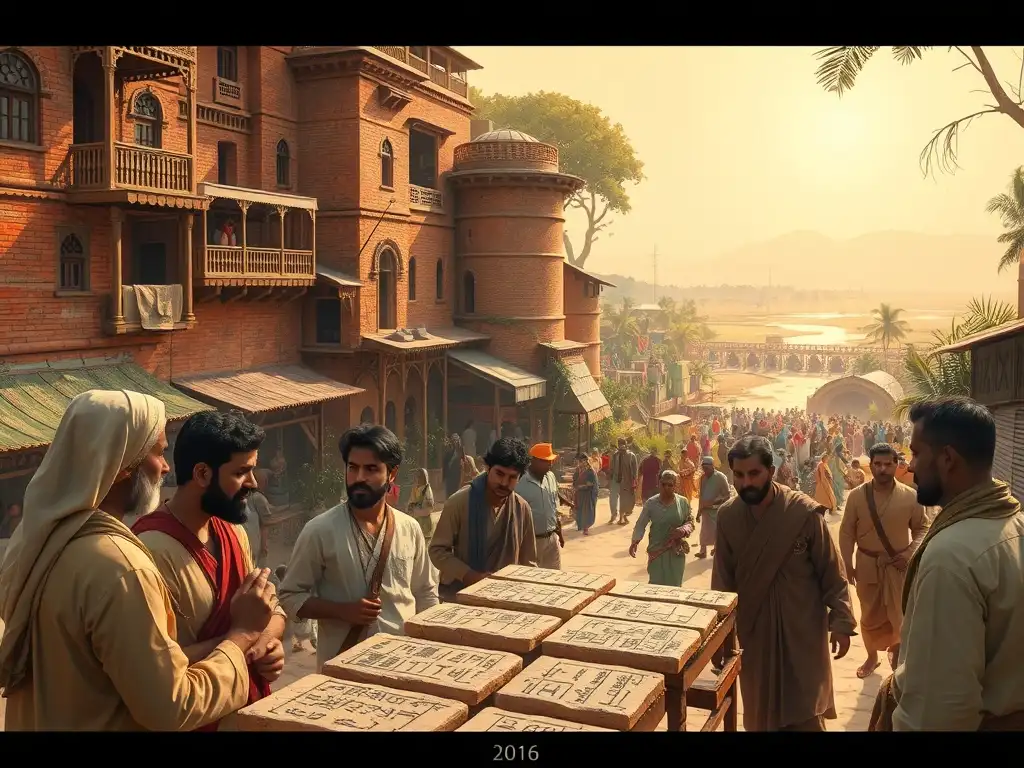
The impact of Indus Valley inscriptions extends far beyond mere historical documentation; they fundamentally shape our understanding of ancient Indian civilization. By analyzing these inscriptions, historians and archaeologists can piece together the intricate mosaic of life during this period.
Contributions to Knowledge of Early Indian Civilization
Indus Valley inscriptions significantly contribute to our knowledge of early Indian civilization in various ways:
- Language and Communication: Although the script remains undeciphered, the sheer volume of inscriptions indicates that the Indus people had developed a sophisticated language system. This opens up avenues for understanding the evolution of language in India and its connection to later scripts.
- Technological Advancements: The inscriptions provide evidence of technological innovations in various fields, including metallurgy, handicrafts, and urban planning. This highlights the advanced nature of the Indus Valley Civilization and its contributions to technological progress in ancient India.
- Religious and Philosophical Insights: Some inscriptions may hold religious significance, offering glimpses into the spiritual beliefs and practices of the Indus Valley people. Understanding these aspects helps contextualize the development of later religious traditions in India.
The Role of Inscriptions in Shaping Historical Narratives
The role of inscriptions in shaping historical narratives cannot be overstated. They serve as primary sources that inform historians about the social, political, and economic conditions of the time.
- Challenging Previous Assumptions: Inscriptions have the power to challenge established narratives about ancient Indian history. As new discoveries emerge, they can reshape our understanding of societal structures, trade practices, and cultural exchanges, prompting a re-evaluation of previous interpretations.
- Connecting the Dots: By linking archaeological findings with inscriptions, historians can create a more coherent narrative of ancient Indian civilization. This integrative approach helps fill in gaps in our knowledge and provides a richer understanding of the past.
- Influencing Modern Perspectives: The study of Indus Valley inscriptions not only informs historical scholarship but also influences contemporary cultural and national identities. They remind us of the deep historical roots of Indian civilization and its remarkable contributions to human history.
Conclusion: The Legacy of Indus Valley Inscriptions
The Indus Valley inscriptions represent a significant aspect of ancient Indian history, providing invaluable insights into the civilization that thrived around the fertile plains of the Indus River. These inscriptions, primarily found on seals, pottery, and various artifacts, reveal a sophisticated society with a complex writing system, advanced trade practices, and a rich cultural heritage. The legacy of these inscriptions continues to be a focal point for scholars and historians, as they unlock the mysteries of early Indian life and contribute to our understanding of social organization, economic activities, and cultural expressions.
The significance of the Indus Valley inscriptions lies not only in their historical context but also in their ability to bridge gaps between ancient and modern civilizations. They challenge the notion of a linear progression of culture, illustrating that ancient societies were interlinked and influenced by one another. As we decipher more of these inscriptions, the depth of their legacy will undoubtedly enrich our knowledge of early Indian civilizations and their contributions to the broader tapestry of human history.
Lasting Influence on Modern Understanding of Ancient Cultures
The Indus Valley inscriptions have had a profound and lasting influence on how modern scholars interpret ancient cultures. By providing evidence of trade networks, social hierarchies, and religious practices, these inscriptions help to paint a fuller picture of life in the Indus Valley civilization. The symbols and signs used in these inscriptions have sparked extensive research into the nature of early writing systems and their development over time.
Moreover, the inscriptions have opened avenues for comparative studies with other ancient civilizations, such as Mesopotamia and Egypt, allowing researchers to analyze similarities and differences in cultural practices and communication methods. This comparative approach fosters a greater appreciation for the interconnectedness of ancient societies, highlighting the importance of the Indus Valley in shaping the early historical narrative of human civilization.
Future Research Directions on Indus Valley Inscriptions
As scholars continue to explore the significance of the Indus Valley inscriptions, several future research directions emerge. One promising area is the ongoing decipherment of the script. Despite decades of study, the precise meaning of many symbols remains elusive, and advancements in technology, such as machine learning and AI, could play a crucial role in unlocking these ancient texts.
Additionally, interdisciplinary studies that combine archaeology, linguistics, and anthropology could yield new insights into the socio-political structures of the Indus Valley civilization. Investigating the geographical spread of inscriptions can also enhance our understanding of trade relations and cultural exchanges with neighboring regions. As new excavation sites are discovered, the potential for finding more inscriptions presents an exciting opportunity for scholars to expand the corpus of known texts and further illuminate the significance of the Indus Valley civilization.
References for Further Reading on Indus Valley Inscriptions Significance
Suggested Books and Articles
-
"The Indus Valley Civilization: An Interdisciplinary Perspective" by Jane McIntosh
This book offers a comprehensive overview of the Indus Valley civilization, including analysis of its inscriptions and their cultural significance.
-
"Indus Script: A Historical and Comparative Study" by Bhanu A. Chaturvedi
This work delves into the intricacies of the Indus script, exploring its origins and potential meanings.
-
"Ancient India: A History" by Upinder Singh
This text provides a broader context for the Indus Valley civilization within the larger narrative of Indian history, emphasizing the role of inscriptions.
-
"Deciphering the Indus Script" by Iravatham Mahadevan
This article discusses the challenges and methodologies involved in understanding the Indus script.
Online Resources for Inscriptions and Epigraphy
-
The Epigraphical Society of India
A valuable resource for scholars seeking information on inscriptions and epigraphy in India, featuring articles, research papers, and updates on ongoing projects.
-
The Indus Script Corpus
An online database dedicated to the collection and study of Indus Valley inscriptions, providing access to images, transcriptions, and interpretations.
-
Ancient History Encyclopedia
This site offers articles and resources related to the Indus Valley civilization, including sections on inscriptions, trade, and cultural practices.
-
Digital Epigraphy Project
A collaborative platform aimed at digitizing and analyzing inscriptions from various cultures, including those of the ancient Indian subcontinent.
- Introduction to Indus Valley Inscriptions
- Overview of the Indus Valley Civilization
- Importance of Inscriptions in Ancient Indian History
- Understanding the Indus Valley Inscriptions Significance
- The Role of Inscriptions in Early Indian Life
- Language and Script of Indus Valley Inscriptions
- Archaeological Discoveries Related to Indus Valley Inscriptions
- The Impact of Indus Valley Inscriptions on Understanding Ancient India
- Conclusion: The Legacy of Indus Valley Inscriptions
- References for Further Reading on Indus Valley Inscriptions Significance
Frequently Asked Questions
What are the Indus Valley inscriptions?
The Indus Valley inscriptions are ancient symbols and signs found on seals, pottery, and other artifacts that represent the early writing system of the Indus Valley Civilization, showcasing their communication methods.
Why are the Indus Valley inscriptions significant?
The significance lies in their potential to provide insights into the social structure, trade practices, and cultural beliefs of one of the world's earliest urban civilizations, bridging gaps in our understanding of ancient Indian life.
How do researchers interpret the Indus Valley inscriptions?
Researchers use various methods including comparative linguistics and iconographic analysis to decipher these inscriptions, although many symbols remain undeciphered, contributing to ongoing debates about their meaning.
What challenges do scholars face regarding Indus Valley inscriptions?
Scholars face challenges such as the lack of a Rosetta Stone for these inscriptions, limited archaeological context, and fragmentary evidence, making it difficult to establish a comprehensive understanding of their significance.
Can the Indus Valley inscriptions influence modern Indian identity?
Yes, the Indus Valley inscriptions are part of India's cultural heritage, and their study can foster a deeper appreciation of ancient Indian civilizations, contributing to the national identity and cultural pride of modern India.
Final Reflection: Unveiling the Significance of Indus Valley Inscriptions
The exploration of the Indus Valley inscriptions reveals a profound connection to our understanding of early Indian life that resonates powerfully in today's world. As we delve into the intricacies of these ancient symbols, we uncover not just a glimpse of a long-lost civilization, but also a mirror reflecting the complexities of human communication and societal organization. The significance of these inscriptions extends beyond archaeology; they challenge us to appreciate the rich tapestry of our shared history and the lessons it imparts.
The impact of the Indus Valley inscriptions on our cultural and social landscape is undeniable. These inscriptions serve as a testament to the ingenuity and sophistication of early urban societies, influencing how we perceive the evolution of communication and governance. The legacy of the Indus Valley civilization continues to inspire scholars and enthusiasts alike, reminding us that the roots of our contemporary society are deeply intertwined with those who came before us. History is not just about the past; it is a bridge to understanding our present and shaping our future.
As we reflect on the significance of the Indus Valley inscriptions, I invite you to consider how the lessons from this ancient civilization can inform your own life. Embrace the curiosity that drives us to explore our origins, and let it inspire you to seek knowledge and understanding in your daily interactions. In a world that often feels disconnected, let us draw from the wisdom of the past to foster connections that transcend time and culture.
Unlock the Secrets of the Indus Valley!
Thank you for diving into the fascinating world of the Indus Valley inscriptions with us! By exploring these ancient artifacts, you've uncovered insights into early Indian life that were once shrouded in mystery. Now, it's time to take that knowledge a step further and truly engage with this remarkable history.
Here’s how you can continue your journey of discovery:
- Visit a local museum showcasing artifacts from the Indus Valley civilization to experience these inscriptions firsthand and deepen your understanding!
- Share this article with friends and family who have a passion for history to spark intriguing conversations.
- Join our online community focused on Ancient Indian History to connect with fellow enthusiasts, exchange insights, and delve deeper into the mysteries of ancient cultures!
What aspect of the Indus Valley inscriptions surprised you the most, and how do you think they influenced the culture of early India?