
Inscriptions as Historical Evidence: Case Studies from Ancient India

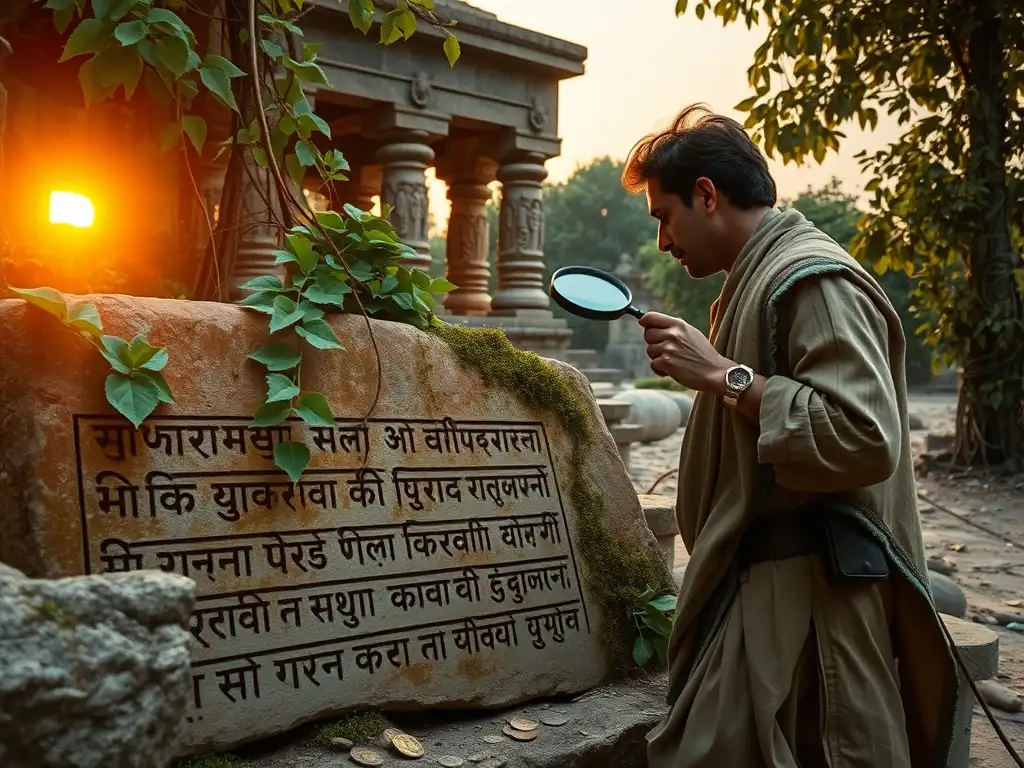
Welcome to Ancient India History, where we invite you to embark on a fascinating journey through the epochs of one of the world's oldest civilizations. In this exploration, we delve into the intriguing realm of ancient Indian inscriptions history, uncovering how these remarkable artifacts serve as windows into the past, revealing the culture, beliefs, and innovations of ancient societies.
Our feature article, "Inscriptions as Historical Evidence: Case Studies from Ancient India," offers a captivating examination of specific inscriptions that illuminate our understanding of this rich heritage. Prepare to be drawn into a world where every inscription tells a story, igniting your curiosity and encouraging you to uncover more about the profound contributions of ancient Indian civilizations.
Introduction to Ancient Indian Inscriptions History
In the vast tapestry of ancient Indian history, inscriptions serve as invaluable artifacts that offer profound insights into the civilizations that flourished across the subcontinent. These inscriptions, etched on materials ranging from stone to metal, provide a direct link to the thoughts, practices, and events of the past, allowing modern historians to piece together the intricate narratives of ancient Indian societies.
From the early Indus Valley Civilization to the illustrious Gupta Empire, the study of ancient Indian inscriptions history not only enriches our understanding of the chronological timeline but also unveils the socio-political, religious, and cultural dynamics that shaped these civilizations. This article delves into various case studies of inscriptions, illustrating their significance as historical evidence and how they contribute to our comprehension of ancient India.
Definition of Ancient Inscriptions
Ancient inscriptions refer to writings that have been inscribed on durable materials such as stone, metal, clay, and wood. These engravings often include messages, proclamations, religious texts, or commemorative notes. The significance of these inscriptions lies not only in their content but also in their context and the methods used for their creation. They serve as primary sources of information, providing a glimpse into the language, script, and socio-political environment of the time.
Importance of Inscriptions in Historical Research
Inscriptions play a crucial role in historical research for several reasons:
- Primary Evidence: They serve as direct evidence of historical events, rulers, and cultural practices.
- Dating Techniques: Inscriptions often contain dates or references to known historical figures, aiding in the chronological placement of events.
- Language and Script Evolution: They provide insights into the development of languages and scripts over time, reflecting linguistic diversity.
- Cultural Insights: Inscriptions reveal religious beliefs, societal norms, and economic practices, enriching our understanding of ancient cultures.
Overview of Inscriptions in Ancient Indian Civilizations
The landscape of ancient Indian inscriptions is rich and varied, with examples found across different regions and time periods. Key inscriptions include the Edicts of Ashoka, which propagate the principles of Buddhism, and the various copper plate inscriptions that document land grants and administrative details during the Gupta period. Each inscription carries the weight of its time, revealing not only the political landscape but also the cultural and religious ethos prevalent in ancient India.
Types of Ancient Indian Inscriptions
Rock Edicts and Their Significance
Rock edicts, primarily associated with Emperor Ashoka, are among the most significant inscriptions in ancient Indian history. These edicts, carved into rock surfaces, communicate moral and ethical guidelines, reflecting Ashoka's commitment to Buddhism and the well-being of his subjects. The Edicts of Ashoka are notable for their clarity and directness, addressing issues such as non-violence, tolerance, and social welfare. Their widespread distribution across the Indian subcontinent underscores their importance in promoting a unified moral framework.
Copper Plate Inscriptions: A Wealth of Information
Copper plate inscriptions represent another vital category of ancient Indian inscriptions. These inscriptions typically document land grants, administrative orders, and royal proclamations. They often include details such as the names of donors, beneficiaries, and the geographical extent of the grants. The copper plates from the Gupta Empire, for instance, provide rich information about land ownership, societal structure, and the economic conditions of the time.
Stone Inscriptions: Architectural and Cultural Insights
Stone inscriptions, often found in temples and monuments, serve dual purposes: they commemorate significant individuals or events and provide architectural details. These inscriptions can reveal information about the patronage of temples, the artistic styles of the period, and the religious practices of the community. For example, the inscriptions on the Kailasa Temple in Ellora not only celebrate the temple's construction but also reflect the cultural and religious fervor of the time.
Through these various types of inscriptions, we gain a comprehensive understanding of ancient Indian civilizations, highlighting their contributions and the intricate tapestry of their history.
Key Case Studies of Ancient Indian Inscriptions
Ancient Indian inscriptions are invaluable for understanding the historical landscape of the subcontinent. They serve as primary sources that provide insights into various aspects of life, governance, and culture during ancient times. Below are key case studies of significant inscriptions that highlight their importance.
Case Study 1: The Ashoka Edicts
The Ashoka Edicts, inscribed on rocks and pillars during the reign of Emperor Ashoka (circa 268-232 BCE), represent one of the earliest and most significant examples of royal inscriptions in ancient India. These edicts, written in Brahmi and Kharosthi scripts, convey Ashoka's commitment to the principles of Dharma (moral law) and his efforts to promote non-violence and compassion following the Kalinga War.
Key features of the Ashoka Edicts include:
- Moral and Ethical Guidelines: The edicts outline ethical conduct for individuals and state governance, emphasizing values such as truthfulness, respect for life, and the welfare of subjects.
- Promotion of Buddhism: Although not overtly religious, many edicts reflect Ashoka's support for Buddhism, encouraging the spread of Buddhist teachings to foster harmony among diverse communities.
- Administrative Reforms: The inscriptions mention the establishment of a system of officials, known as "Dharma Mahamatras," responsible for ensuring the implementation of moral policies.
These inscriptions are crucial for understanding the transition from a militaristic to a more compassionate rule in ancient India.
Case Study 2: The Allahabad Pillar Inscription
The Allahabad Pillar Inscription, erected during the reign of Samudragupta (circa 330-375 CE) of the Gupta Empire, is a monumental achievement in ancient Indian epigraphy. This inscription is particularly notable for its poetic form and detailed account of Samudragupta's conquests and political achievements.
Key aspects of the Allahabad Pillar Inscription include:
- Military Campaigns: The inscription provides a chronological account of Samudragupta's military expeditions, highlighting his prowess as a warrior and the extensive territories he conquered.
- Cultural Renaissance: The inscription reflects the cultural and intellectual revival during the Gupta period, often considered the Golden Age of India, showcasing advancements in art, science, and literature.
- Political Legitimacy: By emphasizing his victories and divine backing, Samudragupta solidified his legitimacy and authority over a vast empire.
This inscription not only serves as a testament to the military and political landscape of the time but also as evidence of the flourishing cultural environment under Gupta rule.
Case Study 3: The Nasik Caves Inscriptions
The Nasik Caves, located in Maharashtra, feature a series of inscriptions dating back to the 1st century BCE to the 1st century CE. These inscriptions are primarily associated with the early Buddhist community and provide insights into the socio-religious dynamics of the period.
Noteworthy elements of the Nasik Caves Inscriptions include:
- Buddhist Patronage: The inscriptions reference individuals who contributed to the construction of the caves, revealing the role of wealthy patrons in supporting monastic life and Buddhist practices.
- Community Life: The texts shed light on the daily lives of the monks, their interactions with laypersons, and the societal values of the time, emphasizing community and spiritual devotion.
- Cultural Interactions: The inscriptions highlight interactions between different communities, illustrating the syncretism that characterized ancient Indian society.
These inscriptions are instrumental in understanding the spread of Buddhism and the influence of monastic communities in shaping cultural and religious landscapes in ancient India.
The Role of Inscriptions in Unraveling Ancient Indian History
Inscriptions serve as critical historical evidence that helps historians, archaeologists, and linguists piece together the complex tapestry of ancient Indian civilization. They provide direct insights into political, religious, and cultural practices.
Contributions to Understanding Political Structures
Inscriptions document the political landscape of ancient India, detailing the hierarchy of authorities, administrative practices, and territorial boundaries. By analyzing inscriptions, researchers can trace the evolution of governance, from the decentralized rule of the Indus Valley Civilization to the more structured empires of the Maurya and Gupta periods. They reveal information about:
- Royal Decrees: Inscriptions often contain edicts and proclamations issued by rulers, offering insights into state policies and governance.
- Diplomatic Relations: They illuminate relationships between different kingdoms and empires, showcasing alliances, conquests, and treaties.
- Local Administration: Inscriptions describing local governance provide a glimpse into how various regions were managed and the role of local leaders.
Insights into Religious Practices and Beliefs
The inscriptions from various periods reflect the religious diversity and practices in ancient India. They are valuable for understanding the evolution of religious beliefs, rituals, and institutions, including:
- Hindu and Buddhist Practices: Inscriptions document the patronage of temples and monasteries, revealing the significance of religious structures in society.
- Sectarian Conflicts: Some inscriptions reflect tensions between different religious groups, providing context to the socio-religious dynamics of the time.
- Philosophical Texts: Certain inscriptions contain philosophical reflections and ethical teachings, shedding light on the intellectual traditions that flourished alongside religious practices.
Cultural Exchanges and Societal Norms Reflected in Inscriptions
Inscriptions are also a mirror of the cultural exchanges that occurred throughout ancient India. They encapsulate the norms, values, and traditions of various communities, highlighting:
- Language and Script Evolution: The study of inscriptions reveals the development of scripts and languages, reflecting cultural and linguistic diversity.
- Artistic Expression: Many inscriptions are accompanied by carvings and artistic motifs, which provide insights into the aesthetics and artistic endeavors of ancient societies.
- Social Stratification: The content of inscriptions often indicates social hierarchies, roles, and occupations, offering a glimpse into daily life and societal organization.
Ancient Indian inscriptions are a rich source of historical evidence that enhance our understanding of the multifaceted nature of ancient Indian civilization. Their study not only sheds light on specific events and figures but also offers a broader perspective on the cultural, religious, and political fabric of the time.
Methodologies for Studying Ancient Indian Inscriptions
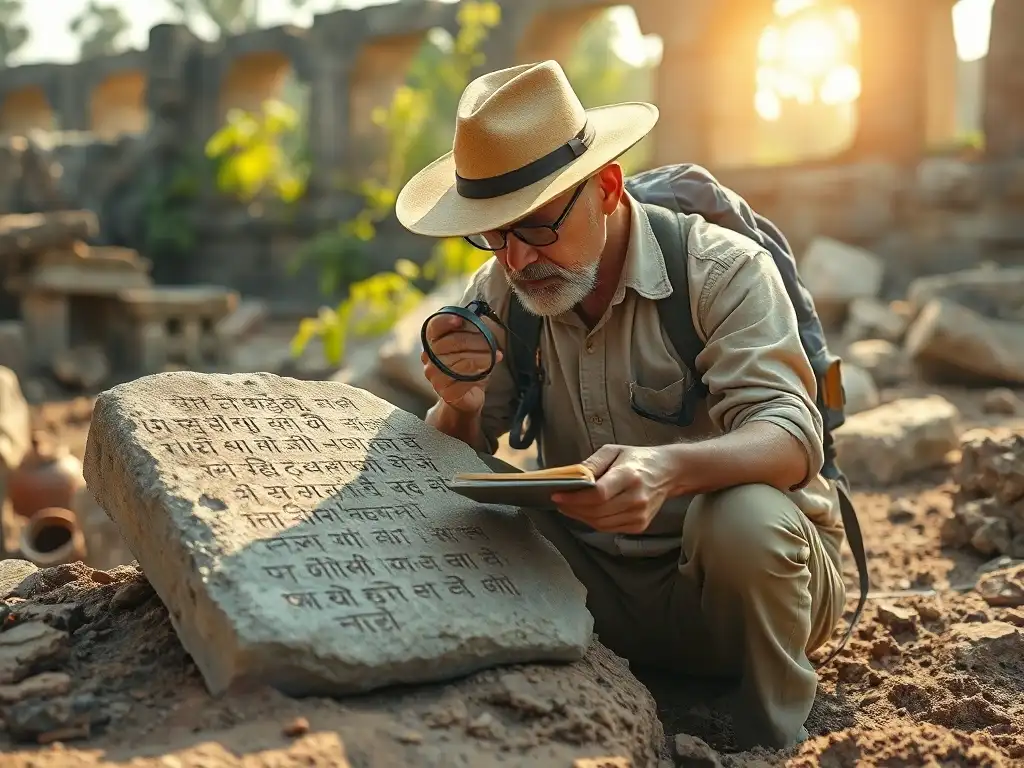
The study of ancient Indian inscriptions encompasses a range of methodologies that enable researchers to decipher, analyze, and contextualize these invaluable historical artifacts. The combination of epigraphical techniques, archaeological contexts, and comparative analyses provides a comprehensive framework for understanding the significance of inscriptions in ancient Indian history. Each methodology contributes uniquely to piecing together the cultural and historical narratives that inscriptions represent.
Epigraphical Techniques: Decoding the Scripts
Epigraphy, the study of inscriptions, involves various techniques aimed at deciphering ancient scripts. Scholars utilize tools such as rubbings, photographs, and digital imaging to capture and analyze inscriptions. These methods allow for a detailed examination of the characters, style, and composition of the scripts used, which can vary significantly across different regions and time periods.
Key aspects of epigraphical techniques include:
- Rubbings: This method involves placing a sheet of paper over the inscription and using a medium like charcoal or graphite to transfer the character outlines. This technique preserves the details of the inscription without damaging the original artifact.
- Digital Imaging: Advances in technology have introduced methods like 3D scanning and high-resolution photography, which enhance visibility and clarity of inscriptions. This allows researchers to analyze inscriptions that are worn or difficult to read.
- Script Identification: Understanding the various scripts used in ancient India, such as Brahmi, Kharosthi, and Tamil-Brahmi, is crucial. Each script has unique characteristics and historical significance, which can provide insights into regional affiliations and periods of use.
Archaeological Context: Location and Preservation
The archaeological context of ancient inscriptions is vital for understanding their historical significance. The location where inscriptions are found can offer clues about the socio-political and cultural dynamics of the time. For instance, inscriptions discovered in temples, palaces, or trade routes may indicate the importance of religion, governance, or commerce in that region.
Preservation also plays a crucial role; inscriptions that are well-preserved provide more reliable data for analysis. Factors affecting preservation include:
- Environmental Conditions: Inscriptions located in harsh climates, such as extreme heat or humidity, may deteriorate faster than those in more stable environments.
- Material Composition: The medium on which inscriptions are carved, such as stone or metal, influences durability. Stone inscriptions, for example, tend to survive longer than those on wood or paper.
- Human Activity: Inscriptions may be altered or damaged due to human intervention, such as construction or vandalism, impacting their historical integrity.
Comparative Analysis: Cross-Referencing with Other Historical Sources
Comparative analysis is a crucial methodology in the study of ancient Indian inscriptions, enabling researchers to cross-reference inscriptions with other historical sources like texts, coins, and artifacts. This approach enriches the understanding of the inscriptions by situating them within a broader historical and cultural framework.
Key components of comparative analysis include:
- Contextual Correlation: By comparing inscriptions with historical texts, scholars can verify dates, events, and figures mentioned in inscriptions, adding depth to the historical narrative.
- Cultural Exchange: Inscriptions that reference foreign entities or cultures can shed light on trade, diplomacy, and cultural interactions, providing a more holistic view of ancient Indian society.
- Chronological Framework: Establishing timelines through comparative analysis helps to place inscriptions within the correct historical context, which is essential for understanding their significance.
Challenges in the Study of Ancient Indian Inscriptions
While the methodologies for studying ancient Indian inscriptions are robust, researchers face several challenges that can complicate their analysis and interpretation. These challenges range from preservation issues to linguistic barriers and contextual misunderstandings.
Issues of Preservation and Accessibility
One of the foremost challenges in studying ancient Indian inscriptions is the issue of preservation. Many inscriptions have suffered wear and tear over centuries, leading to partial or complete loss of information. Specific challenges include:
- Environmental Degradation: Factors such as weathering, pollution, and natural disasters can significantly impact the survival of inscriptions, making them difficult to access or interpret.
- Limited Access to Sites: Some inscriptions are located in remote or protected areas, limiting scholarly access. Political instability or tourism can also restrict access to significant archaeological sites.
- Documentation Gaps: In many cases, inscriptions that were once documented have either been lost to time or inadequately recorded, leading to challenges in reconstructing historical narratives.
Linguistic Barriers: Understanding Ancient Scripts
The linguistic diversity of ancient Indian inscriptions presents another layer of complexity. Scholars must navigate various scripts, dialects, and linguistic evolutions over time. Challenges include:
- Variations in Scripts: Different regions employed distinct scripts, which can lead to misinterpretations if not analyzed within their specific historical context.
- Evolving Language: The languages used in inscriptions, such as Sanskrit, Prakrit, or regional languages, have evolved, creating hurdles in understanding their full meanings and implications.
- Lack of Standardization: Inscriptions often display idiosyncratic usage of language and script, making it challenging to apply consistent rules of interpretation.
Interpretation Challenges: Contextual Misunderstandings
Interpreting inscriptions requires careful consideration of their historical and cultural contexts. Misunderstandings can arise from:
- Cultural Nuances: The significance of certain phrases or symbols may vary across cultures or regions, leading to potential misinterpretations.
- Historical Bias: Scholars' contemporary perspectives may influence their interpretations, potentially skewing the understanding of an inscription's original intent or meaning.
- Ambiguity in Language: Polysemy, or the existence of multiple meanings for a single term, can complicate interpretation. Without sufficient contextual information, researchers may draw incorrect conclusions about an inscription's content or significance.
Through addressing these challenges and employing diverse methodologies, scholars continue to deepen our understanding of ancient Indian inscriptions, shedding light on the rich tapestry of India's historical narrative.
Conclusion: The Significance of Inscriptions as Historical Evidence
Inscriptions serve as vital artifacts that provide a tangible connection to ancient civilizations. Their significance in the study of ancient Indian history cannot be overstated, as they offer insights into the socio-political, religious, and cultural dynamics of the time. Unlike other historical sources, inscriptions are often contemporaneous, meaning they were created during the time they describe, allowing historians to glean accurate data about various aspects of life in ancient India. Furthermore, the various scripts and languages used in these inscriptions reflect the linguistic diversity and evolution of communication throughout Indian history.
The case studies explored illustrate the multifaceted roles inscriptions played, from documenting royal decrees to commemorating religious events. This multifarious nature underscores their importance as primary sources. They not only help reconstruct historical narratives but also aid in understanding the ideologies and values of ancient societies, thus enriching our comprehension of India's vast and layered past.
Summary of Key Findings from Case Studies
The examination of specific inscriptions has unveiled several key findings:
- Political Context: Inscriptions such as those from the Mauryan period, including the Edicts of Ashoka, reveal the administrative structure and the emphasis on moral governance. Ashoka's edicts, for instance, highlight the principles of Dharma and the promotion of welfare.
- Cultural Insights: Inscriptions from the Gupta Empire illustrate the flourishing of arts and literature. The inscriptions found in temples often celebrate the patronage of the arts, showcasing the cultural vibrancy of the era.
- Religious Significance: Many inscriptions document religious practices and the establishment of places of worship, reflecting the pluralistic nature of ancient Indian spirituality. The use of Sanskrit, Prakrit, and regional languages in these inscriptions indicates the interplay between different religious communities.
- Economic Details: Inscriptions also contain references to trade, land grants, and economic transactions, providing a glimpse into the economic frameworks that supported these ancient societies.
The Ongoing Importance of Inscriptions in Historical Research
The relevance of inscriptions continues to grow in contemporary historical research. As scholars increasingly turn to epigraphy, inscriptions are being re-evaluated with advanced methodologies, such as digital imaging and linguistic analysis. These techniques help decipher damaged or obscure inscriptions, revealing new information that can reshape our understanding of ancient Indian civilizations.
Moreover, inscriptions are often pivotal in corroborating literary sources, providing a multi-dimensional perspective on historical events. They serve as a foundation for interdisciplinary studies, merging archaeology, anthropology, and history, thus enriching our comprehension of ancient societies.
The ongoing cataloging and preservation efforts undertaken by various institutions further enhance the accessibility of these inscriptions to researchers and the public. This accessibility is crucial for fostering a deeper appreciation of ancient Indian heritage.
Future Directions for Studying Ancient Indian Inscriptions History
The future of studying ancient Indian inscriptions holds exciting prospects. Scholars are increasingly looking at:
- Interdisciplinary Approaches: Combining insights from archaeology, anthropology, and linguistics will provide a more holistic understanding of inscriptions and their contexts. This can lead to innovative interpretations that challenge traditional narratives.
- Technological Advancements: The application of new technologies such as 3D scanning and machine learning for analyzing inscriptions can significantly improve decipherment efforts and preserve these invaluable artifacts for future generations.
- Inclusive Research: Expanding research to include lesser-known inscriptions from marginalized regions and communities will provide a more comprehensive view of ancient Indian history, highlighting diverse voices and experiences.
- Public Engagement: Increasing public awareness and interest in ancient inscriptions through exhibitions, educational programs, and digital platforms can foster a greater appreciation of India's historical richness among younger generations.
By prioritizing these directions, researchers can unveil the layers of history inscribed upon stones, metal, and clay, ensuring the legacy of ancient Indian inscriptions continues to inform and inspire future generations.
- Introduction to Ancient Indian Inscriptions History
- Types of Ancient Indian Inscriptions
- Key Case Studies of Ancient Indian Inscriptions
- The Role of Inscriptions in Unraveling Ancient Indian History
- Methodologies for Studying Ancient Indian Inscriptions
- Challenges in the Study of Ancient Indian Inscriptions
- Conclusion: The Significance of Inscriptions as Historical Evidence
- What are ancient Indian inscriptions?
- How do inscriptions contribute to our understanding of ancient Indian history?
- What are some notable examples of ancient Indian inscriptions?
- How have historians utilized inscriptions in their research?
- What challenges are faced when studying ancient inscriptions?
Frequently Asked Questions
What are ancient Indian inscriptions?
Ancient Indian inscriptions are written records carved on materials like stone, metal, or pottery. They provide valuable insights into the cultural, social, and political aspects of ancient Indian civilizations.
How do inscriptions contribute to our understanding of ancient Indian history?
Inscriptions serve as primary sources that document historical events, royal edicts, and cultural practices, helping historians reconstruct the narrative of ancient Indian civilizations and their contributions.
What are some notable examples of ancient Indian inscriptions?
Prominent examples include the Ashoka Edicts, which outline the principles of Buddhism and administration, and the Prakrit inscriptions from the Maurya and Gupta periods that reflect the social and political landscape of the time.
How have historians utilized inscriptions in their research?
Historians analyze inscriptions to date artifacts, understand the linguistic evolution, and track the interactions between different cultures and empires, thereby enriching the study of ancient Indian inscriptions history.
What challenges are faced when studying ancient inscriptions?
The study of ancient inscriptions can be challenging due to factors like weathering, damage, and interpretation difficulties, which can obscure important historical information and make it harder to draw conclusions.
Final Reflection: The Enduring Legacy of Ancient Indian Inscriptions
The exploration of ancient Indian inscriptions history reveals a profound connection between the past and the present, illustrating how these artifacts serve as vital links to our cultural heritage. Today, as we navigate an increasingly digital world, the significance of these inscriptions becomes even clearer; they remind us of the importance of preserving our history and understanding the narratives that shape our identities. The stories etched in stone are not merely relics; they are the voices of our ancestors, echoing through time and urging us to listen.
The impact of ancient inscriptions extends beyond mere historical documentation; they have woven themselves into the very fabric of our cultural and social landscape. These inscriptions offer insights into the values, beliefs, and practices of ancient civilizations, influencing contemporary thought and identity. As historian Romila Thapar aptly stated, History is not just about the past; it is about how we understand ourselves in the present.
This ongoing dialogue with our history encourages us to reflect on our roots and recognize the continuity of human experience across generations.
As we conclude this exploration, I invite you to take a moment to reflect on the lessons embedded within these ancient texts. Consider how the stories of our ancestors can inspire us to engage more deeply with our own histories and cultural narratives. Let the inscriptions of ancient India serve as a reminder that we are all part of a larger story, one that is still being written. Embrace the opportunity to learn from the past and apply its wisdom in your own life, fostering a sense of connection and responsibility to both history and future generations.
Unleash the Power of History: Dive Deeper into Ancient India's Inscriptions!
Thank you for exploring the fascinating world of inscriptions and their historical significance in ancient India! Your curiosity not only fuels your own knowledge but also contributes to a broader understanding of our rich heritage. Now, it’s time to take the next step and put this knowledge into action!
- Join a local archaeology club to engage with others who share your passion for history. Together, you can uncover more about ancient artifacts and inscriptions.
- Share this article with friends and family to spark discussions about the importance of preserving historical evidence in our culture.
- Explore the interactive map of ancient inscriptions available on our website for a deeper visual understanding of their locations and significance.
Which inscription or artifact from ancient India fascinates you the most, and why do you believe it holds relevance today? We invite you to share your thoughts in the comments below!