
How Ancient Inscriptions Reflect the Diversity of Indian Religions

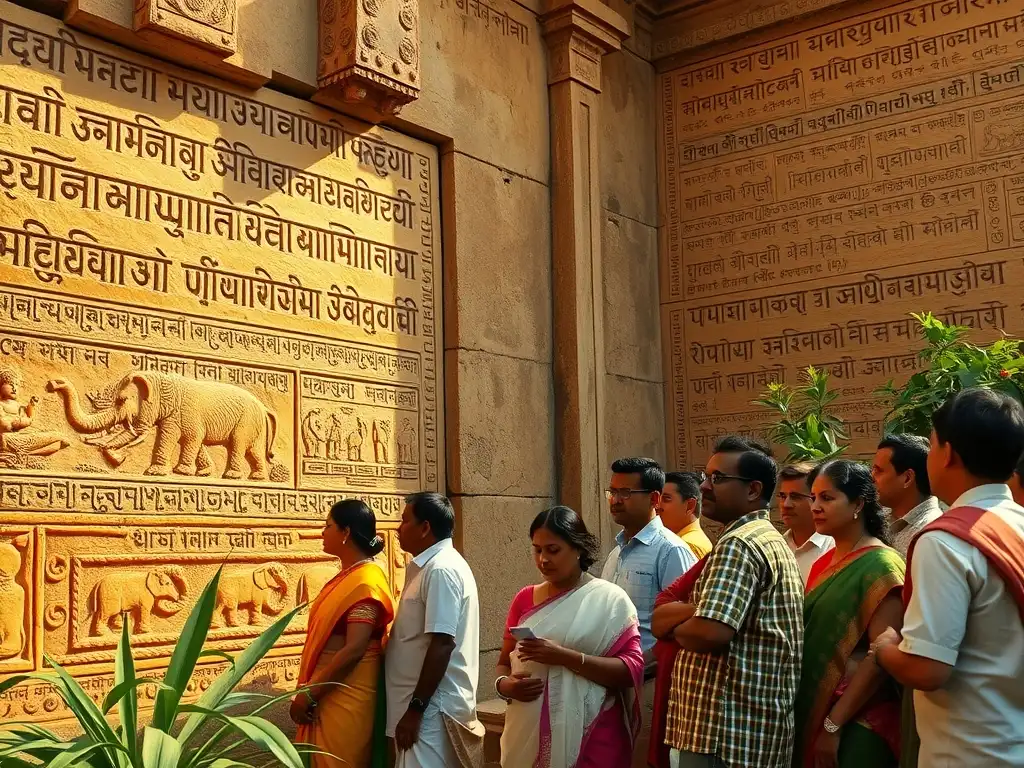
Welcome to Ancient India History, where we embark on a fascinating journey through the rich tapestry of India's past! Delve into the diverse world of ancient Indian inscriptions and discover how these remarkable artifacts not only echo the voices of bygone civilizations but also illuminate the vibrant mosaic of religious beliefs that flourished across the subcontinent. As we unravel the stories behind these inscriptions, you'll uncover the profound connections they reveal about the cultures, languages, and spiritual practices of ancient India.
Join us as we explore the depths of history and ignite your curiosity about how these inscriptions continue to shape our understanding of the past. Ready to dive in?
- Introduction to Ancient Indian Inscriptions and Diversity
- The Historical Context of Indian Religions
- Types of Ancient Indian Inscriptions
- Key Examples of Inscriptions Reflecting Religious Diversity
- Language and Script in Ancient Indian Inscriptions
- The Role of Inscriptions in Understanding Cultural Exchanges
- Challenges in Studying Ancient Indian Inscriptions
- Conclusion: The Impact of Ancient Inscriptions on Understanding Religious Diversity
- Further Reading and Resources
-
Frequently Asked Questions
- What are ancient Indian inscriptions?
- How do inscriptions reflect the diversity of religions in ancient India?
- What is the significance of the Indus Valley inscriptions?
- Can inscriptions provide information about ancient Indian art and architecture?
- What role did the Gupta Empire play in the evolution of inscriptions?
- Final Reflection: Embracing the Diversity of Ancient Indian Inscriptions
- Unveil the Rich Tapestry of Indian Religions!
Introduction to Ancient Indian Inscriptions and Diversity
Ancient Indian inscriptions serve as invaluable windows into the rich tapestry of cultures, languages, and religions that flourished on the Indian subcontinent. From the intricate carvings on temple walls to the engraved edicts of powerful rulers, these inscriptions provide profound insights into the socio-political and religious dynamics of their time.
As we delve into the study of ancient Indian inscriptions, we uncover not only the historical events that shaped the region but also the diverse religious beliefs that coexisted and influenced one another. This exploration highlights the significance of inscriptions in reflecting the multifaceted nature of ancient Indian religions, making them a crucial component in understanding the overarching narrative of India's historical development.
Overview of Ancient Indian Inscriptions
Ancient Indian inscriptions date back to as early as the 3rd century BCE, with significant contributions from various empires, including the Maurya, Gupta, and Chola dynasties. These inscriptions were primarily written in languages such as Sanskrit, Prakrit, and Tamil, and they were inscribed on a variety of mediums, including stone, metal, and pottery.
Some notable examples include:
- Ashoka's Edicts: These rock edicts, inscribed by Emperor Ashoka, convey messages of moral and ethical governance while promoting Buddhist principles.
- Copper Plates: Used for royal charters, these inscriptions often detail land grants and the duties of local officials, showcasing the administrative practices of different kingdoms.
- Temple Inscriptions: Found on the walls of temples, these inscriptions often narrate mythological stories, dedications to deities, or the patronage of rulers and wealthy devotees.
The diversity in the inscriptions, both in language and script, reflects the regional variations and the interactions among different cultural groups throughout history.
Importance of Inscriptions in Understanding Religious Diversity
The study of ancient inscriptions is pivotal in unraveling the complexities of religious diversity in India. These inscriptions not only document religious practices and traditions but also illustrate the coexistence and syncretism of various faiths.
Key aspects include:
- Documentation of Beliefs: Inscriptions often record the beliefs, rituals, and practices of different religious communities, providing a glimpse into their societal roles.
- Inter-religious Dialogues: Many inscriptions highlight instances of dialogue and interaction between Hinduism, Buddhism, Jainism, and later, Islam, showcasing the fluidity of religious boundaries.
- Cultural Syncretism: The fusion of beliefs is evident in inscriptions that combine elements from multiple religions, reflecting a shared cultural heritage.
- Historical Context: These inscriptions serve as historical documents that help us understand the political and social motivations behind religious patronage and conflicts.
By analyzing ancient Indian inscriptions, researchers can gain a deeper appreciation for the diverse religious landscape of the time, contributing to our understanding of how these traditions have shaped modern Indian society.
The Historical Context of Indian Religions
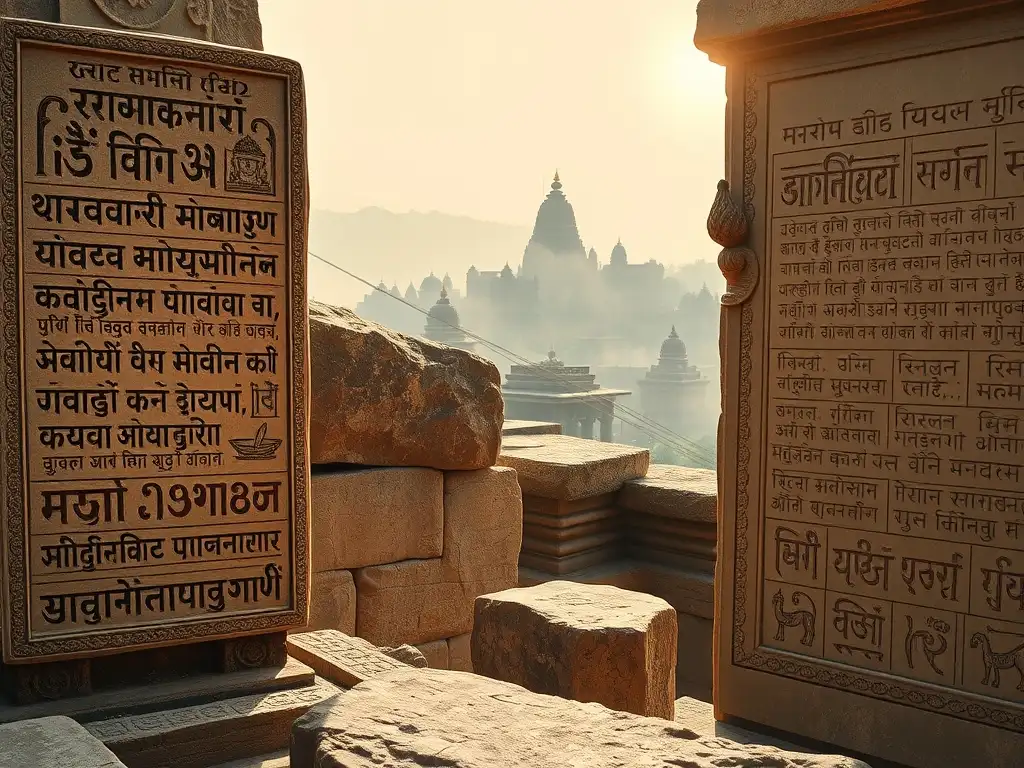
Understanding the diversity of Indian religions requires a deep dive into their historical context. Ancient India was a melting pot of cultures, languages, and beliefs, where various religions coexisted and influenced one another. This rich tapestry is vividly reflected in ancient inscriptions, which provide insights into the practices, philosophies, and interactions of different religious traditions.
The period of ancient Indian history, roughly spanning from the Indus Valley Civilization (c. 3300–1300 BCE) to the Gupta Empire (c. 320–550 CE), saw the emergence and evolution of several significant religious movements. Each of these religions contributed to the spiritual landscape of India, often overlapping in beliefs and rituals, which is evident in the inscriptions that have survived through the ages.
Major Religions in Ancient India
In ancient India, several major religions laid the foundation for the spiritual and philosophical frameworks that continue to influence the region today. The primary faiths include Hinduism, Buddhism, Jainism, and various other local beliefs.
Hinduism: Roots and Development
Hinduism, one of the oldest religions in the world, traces its roots back to the Vedic texts composed around 1500 BCE. The early inscriptions related to Hinduism often reference deities, rituals, and societal norms, providing insight into the religion's evolution.
- Vedic Period: The Rigveda, one of the oldest sacred texts, emphasizes rituals and hymns dedicated to various gods. Inscriptions from this period often include prayers and offerings.
- Post-Vedic Developments: The Upanishads and later texts like the Mahabharata and Ramayana further developed philosophical ideas. Inscriptions from temples dedicated to Vishnu and Shiva illustrate the growing complexity of worship and the importance of iconography.
The diversity within Hinduism is reflected in inscriptions that honor multiple deities and showcase regional variations in worship practices, such as the differences between Shaivism and Vaishnavism.
Buddhism: Origins and Influence
Buddhism emerged in the 6th century BCE with the teachings of Siddhartha Gautama, known as the Buddha. Ancient inscriptions serve as crucial evidence of Buddhism's spread and adaptation across different regions.
- Ashoka's Edicts: One of the most significant sources of ancient inscriptions is the edicts of Emperor Ashoka (c. 268–232 BCE). These inscriptions promote Buddhist principles such as non-violence, compassion, and moral conduct, showcasing Buddhism's societal impact.
- Stupas and Monasteries: Inscriptions found at stupas and monastic sites reveal information about the patronage and community support for Buddhist practices, as well as the interaction between Buddhism and local cultures.
Buddhism's influence on art, philosophy, and societal norms is evident in the inscriptions that document its growth from a regional faith to a major world religion.
Jainism: Principles and Practices
Jainism, which emphasizes non-violence (ahimsa) and truth (satya), also has a significant historical presence in ancient India, reflected in various inscriptions.
- Tirthankaras: Inscriptions dedicated to Tirthankaras, the spiritual teachers of Jainism, often highlight key principles such as non-attachment and self-discipline. These inscriptions are found in temples and caves, illustrating Jainism's architectural and artistic contributions.
- Community and Patronage: Jain inscriptions reveal the community's efforts in preserving their teachings through literature and art, as well as the support from wealthy patrons who built temples to honor their faith.
The diversity within Jainism, including variations in sects and practices, is captured in the inscriptions that document local customs and rituals.
Other Faiths and Beliefs
In addition to the major religions, ancient India was home to a variety of local beliefs and faiths that contributed to the country's religious diversity.
- Local Deities and Folk Traditions: Inscriptions often reference local deities and practices, showcasing the syncretism of various faiths. These inscriptions provide valuable insight into how local beliefs coexisted with the major religions.
- Zoroastrianism and Other Influences: The arrival of traders and migrants from Persia and other regions brought new ideas and beliefs. Inscriptions from trade routes indicate interactions between different religious communities, further enriching the diversity of ancient Indian religions.
The study of ancient Indian inscriptions is crucial for understanding the intricate tapestry of religious beliefs that characterized ancient India, highlighting the dynamic interplay between various faiths and their contributions to the broader cultural landscape.
Types of Ancient Indian Inscriptions

Ancient Indian inscriptions serve as vital records that provide insights into the diverse religious beliefs, practices, and societal structures of the time. These inscriptions can be categorized into several types, each reflecting unique aspects of ancient Indian culture and religion. The three primary types include rock edicts, copper plate inscriptions, and temple inscriptions. Each type offers a distinct window into the historical and religious narratives that shaped ancient Indian civilizations.
Rock Edicts and Their Significance
Rock edicts are among the most significant forms of ancient Indian inscriptions, primarily associated with Emperor Ashoka of the Maurya Dynasty (circa 268–232 BCE). These inscriptions were carved into rock surfaces and often located in public spaces to ensure wide visibility. Ashoka's edicts serve multiple purposes, including the promotion of Dhamma (moral law) and the propagation of Buddhist teachings.
Key Features of Rock Edicts:
- Content: The edicts often contain ethical guidelines, principles of governance, and messages advocating non-violence and religious tolerance.
- Language: They are primarily written in Prakrit, using the Brahmi script, although some are found in Greek and Aramaic, indicating cultural exchanges.
- Locations: Significant sites include the Lions Pillar at Sarnath and the Rock Edicts of Girnar, showcasing regional diversity in inscription placement.
The impact of these inscriptions extends beyond their immediate context, influencing subsequent generations' understanding of governance and moral philosophy in India. They highlight the diversity of Indian religions, as Ashoka emphasized respect for all faiths, thereby fostering an environment of pluralism.
Copper Plate Inscriptions and Religious Context
Copper plate inscriptions represent another important category of ancient Indian inscriptions, often issued by kings to document land grants, donations, and religious endowments. These inscriptions are typically more detailed and formal than rock edicts, providing valuable information about the socio-economic and religious landscape of the time.
Characteristics of Copper Plate Inscriptions:
- Material: Crafted from copper, these plates were durable and often found in archaeological sites across India.
- Content: They usually include details of benefactions, religious affiliations, and the names of individuals involved in the transactions, reflecting the interplay between politics and religion.
- Religious Context: Many inscriptions are dedicated to various deities and include instructions for rituals and temple maintenance, illustrating how religion was intertwined with governance.
Notably, inscriptions from the Gupta Empire period, such as those found in Bihar and Uttar Pradesh, reveal the prominence of Hinduism and Buddhism in state affairs, showcasing the diversity of Indian religious practices during that era.
Temple Inscriptions: A Reflection of Devotion
Temple inscriptions provide crucial evidence of the religious devotion of ancient Indian civilizations. These inscriptions, often found within temple complexes, serve as a testament to the architectural and artistic achievements of the time while also conveying the spiritual sentiments of the community.
Aspects of Temple Inscriptions:
- Content: Typically, these inscriptions commemorate the construction of temples, the deities worshiped, and the donors who contributed to the establishment of the shrine.
- Artistic Elements: Many inscriptions are adorned with intricate carvings and embellishments, reflecting the artistic skills and religious fervor of the period.
- Cultural Insights: By studying temple inscriptions, historians can gain insights into the ritual practices, festivals, and local traditions that flourished in ancient India, revealing the diversity of religious expression.
For instance, inscriptions found at the Brihadeeswarar Temple in Thanjavur not only highlight the dedication to Shiva but also reflect the socio-political significance of the temple as a center of culture and community life.
The study of ancient Indian inscriptions reveals a rich tapestry of beliefs, practices, and social dynamics, underscoring the diversity of Indian religions throughout history. These inscriptions serve as invaluable resources for understanding the complexities of ancient Indian civilization and the interplay of faith and governance.
Key Examples of Inscriptions Reflecting Religious Diversity
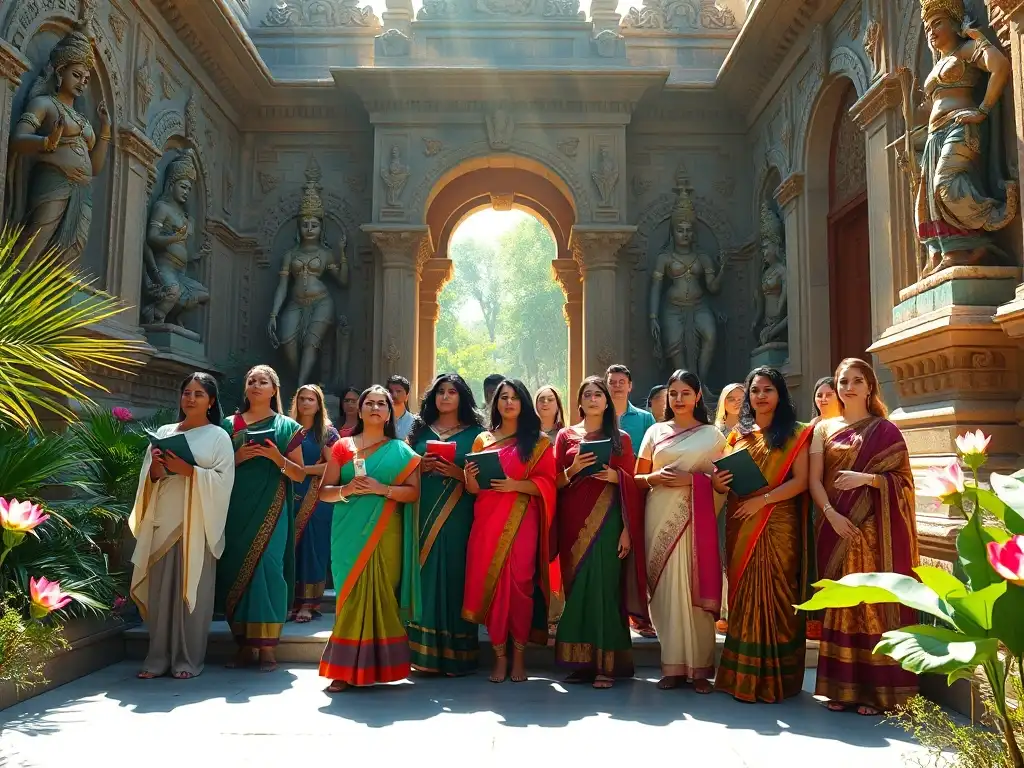
The Edicts of Ashoka: Promoting Buddhism and Tolerance
The Edicts of Ashoka, inscribed during the reign of Emperor Ashoka (circa 268–232 BCE), are among the most significant ancient Indian inscriptions that illustrate the religious diversity prevalent during this period. These edicts, carved on rocks and pillars across the Indian subcontinent, primarily promote the principles of Buddhism, but they also reflect a profound understanding of and respect for various faiths.
-
Buddhist Principles: Ashoka's edicts advocate Dhamma, which emphasizes moral and ethical behavior, compassion, and non-violence. They encourage the practice of tolerance towards all religions, as seen in the following excerpt from the edicts:
“All religions should reside everywhere, and all should be respected.”
-
Promotion of Non-Violence: The Edicts also highlight the importance of Ahimsa (non-violence), which is a core tenet of Buddhism but resonates with the teachings of other religions present at the time. This promotion of non-violence not only reflects Buddhist ideals but also aligns with the values of Jainism and Hinduism.
-
Cultural Syncretism: Ashoka’s inscriptions illustrate a blend of cultural influences, demonstrating how Buddhism, while being a major faith, coexisted with local traditions and religious practices. The inscriptions were crafted in multiple languages and scripts, including Brahmi and Kharosthi, enhancing accessibility and fostering dialogue among various communities.
Inscriptions from Gupta Era Temples: Hinduism and Iconography
The Gupta period (circa 320–550 CE) is often regarded as the Golden Age of India, marked by significant advancements in art, science, and religion. The inscriptions from this era, particularly those found in Hindu temples, are rich in iconography and reflect the complexity of Hindu beliefs and practices.
-
Dedication Inscriptions: Many temple inscriptions are dedicated to various deities, illustrating the polytheistic nature of Hinduism. For example, inscriptions found in Kandariya Mahadeva Temple in Khajuraho celebrate Lord Shiva with detailed descriptions of rituals and festivals.
Deity Significance Inscriptions Example Shiva God of destruction and regeneration "Here, worship Lord Shiva" Vishnu Preserver of the universe "In honor of Lord Vishnu" Devi Divine mother "To the Great Goddess" -
Artistic Representations: The inscriptions often accompany intricate carvings and sculptures that depict mythological stories and spiritual concepts. These artistic representations serve to educate and inspire devotees, showcasing the integration of religious beliefs into everyday life.
-
Legacy of the Gupta Empire: The inscriptions from this period not only reflect the devotion to Hinduism but also the inclusivity of other beliefs, such as Buddhism and Jainism, which found patronage during this era. This coexistence is evident in the shared architectural styles and religious practices observed in temple complexes.
Jain Inscriptions: Celebrating Non-Violence and Spirituality
Jain inscriptions provide a unique perspective on the religious diversity of ancient India, emphasizing the principles of Ahimsa and spiritual purity. These inscriptions, often found in caves, temples, and manuscripts, celebrate the teachings of Tirthankaras and reinforce the significance of non-violence in Jain philosophy.
-
Historical Records: Jain inscriptions frequently detail the lives and contributions of notable figures within the Jain community. For instance, inscriptions in the Uparkot Caves in Gujarat commemorate the achievements of Acharya Hemachandra, a prominent Jain scholar and poet.
“The teachings of the Tirthankaras guide us towards liberation through love and non-violence.”
-
Architectural Inscriptions: Many Jain temples, such as the Shikharji Temple, feature inscriptions that describe the temple's construction and the virtues of the Jain faith. These inscriptions often highlight themes of compassion and self-discipline.
-
Cultural Influence: Jain inscriptions also reflect the interactions between Jainism and other religions, showcasing how Jain values influenced broader Indian culture. The emphasis on non-violence resonates not only within Jainism but also with the moral teachings of Buddhism and certain aspects of Hinduism.
The diversity reflected in ancient Indian inscriptions provides invaluable insights into the complex tapestry of religious beliefs and practices that characterized ancient India. From the Edicts of Ashoka's promotion of tolerance to the rich iconography of Gupta temple inscriptions and the profound principles in Jain writings, these inscriptions collectively illustrate a society deeply engaged in spiritual exploration and cultural exchange.
Language and Script in Ancient Indian Inscriptions
The Evolution of Scripts Used in Inscriptions
The study of ancient Indian inscriptions reveals a fascinating evolution of scripts that reflect the linguistic and cultural diversity of the subcontinent. The early inscriptions, dating back to the 3rd century BCE, provide insights into the various languages and writing systems used during different eras.
- Brahmi Script
- Considered one of the oldest writing systems in India, the Brahmi script forms the foundation of many subsequent scripts, including Devanagari, Tamil, and others.
- Evidence suggests that Brahmi was used extensively from the Maurya period (c. 322-185 BCE), particularly in inscriptions such as the Edicts of Ashoka, which were inscribed across the Indian subcontinent.
- The script is characterized by its syllabic nature, where each character represents a consonant with an inherent vowel sound that can be modified with diacritics.
- Kharosthi Script
- Emerging slightly later than Brahmi, the Kharosthi script offers a unique perspective on the linguistic landscape of ancient India, particularly in the regions of Gandhara and Central Asia.
- This script was written from right to left and was primarily used for writing the Gandhari language, which was a form of Middle Indo-Aryan.
- Kharosthi inscriptions, such as those found in the Ruins of Taxila, provide a glimpse into the interactions between Indian and Greco-Bactrian cultures, reflecting the Hellenistic influence on local languages.
Multilingual Inscriptions and Their Significance
Multilingual inscriptions serve as a testament to the rich tapestry of languages and cultures coexisting in ancient India. These inscriptions often feature multiple languages within a single text, highlighting the interactions among diverse communities.
- Cultural Exchange
- The presence of different languages in inscriptions indicates the cultural exchanges that occurred due to trade, migration, and conquest.
- For instance, inscriptions in Sanskrit, Prakrit, and Greek can be found in regions like Taxila, showcasing the blending of Indian and Hellenistic cultures.
- Political and Religious Implications
- Multilingual inscriptions were also used to convey political messages to a broader audience, ensuring that diverse populations understood royal edicts and religious proclamations.
- The Edicts of Ashoka, for example, were inscribed in both Brahmi and Greek, reflecting Ashoka's aim to promote Buddhism and dharma across different regions.
- Linguistic Diversity
- The variety of scripts and languages in inscriptions underscores the linguistic diversity of ancient India, where multiple vernaculars coexisted alongside classical languages like Sanskrit.
- This diversity is crucial for understanding the historical context of religious practices, social norms, and the dynamics of power during various periods.
The evolution of scripts and the occurrence of multilingual inscriptions in ancient India highlight not only the diversity of languages but also the rich cultural interactions that shaped the subcontinent's history. Through these inscriptions, we gain invaluable insights into the multifaceted identities of ancient Indian civilizations.
The Role of Inscriptions in Understanding Cultural Exchanges
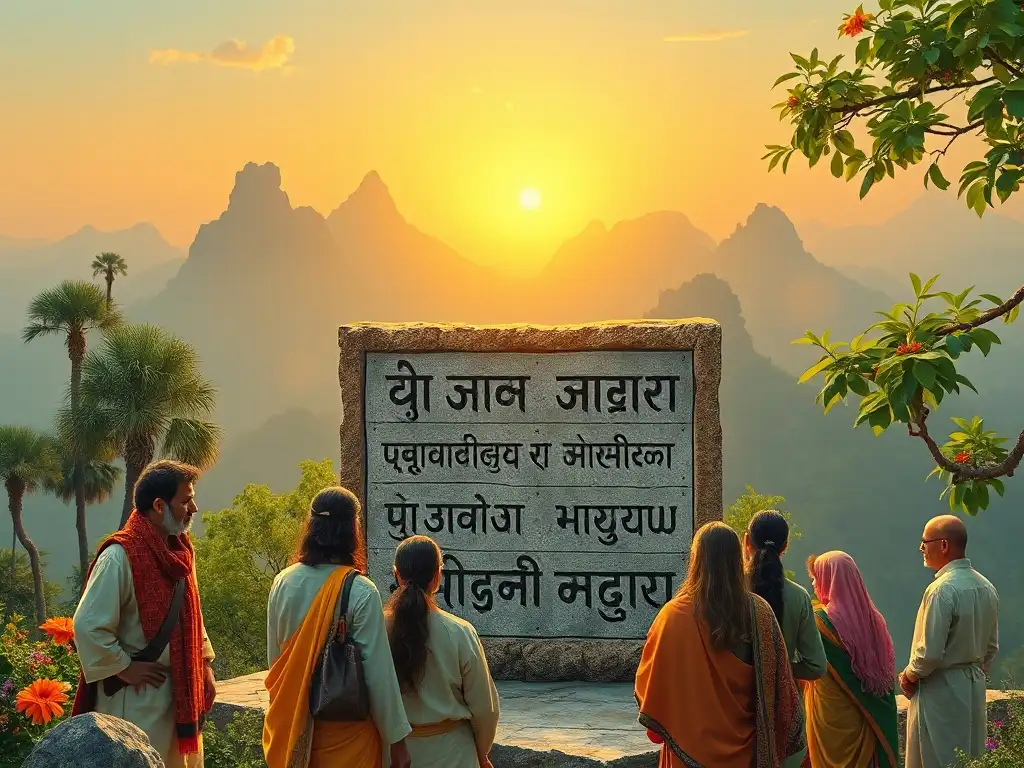
Ancient Indian inscriptions serve as invaluable primary sources that illuminate the complex tapestry of cultural interactions across various religious communities. These inscriptions, ranging from edicts of emperors to temple carvings, provide insights into the ways different faiths coexisted, influenced one another, and contributed to the rich cultural heritage of ancient India. By analyzing these texts, researchers can glean information about religious practices, societal norms, and the interplay of power dynamics among diverse communities.
Inscriptions reveal not only the religious affiliations of those who commissioned them but also the broader socio-political contexts in which they were created. For instance, the Ashoka Edicts reflect an era of Buddhist patronage while also acknowledging the presence of other religious practices. This duality demonstrates how rulers employed inscriptions as tools for promoting social harmony and consolidating their own power through the endorsement of multiple faiths.
Interactions Between Different Religious Communities
The study of ancient Indian inscriptions highlights remarkable interactions between diverse religious communities, including Hinduism, Buddhism, and Jainism. One of the most striking examples is the Sarnath Pillar, which bears inscriptions in both Brahmi script and Pali language, indicating the confluence of Buddhist teachings with local traditions. This melding of influences reveals how religious communities were not isolated but engaged in continuous dialogue, adapting and borrowing from one another.
Another notable inscription is the Kalinga Edicts, where Emperor Ashoka reflects on his conversion to Buddhism after witnessing the horrors of war. His decrees emphasize moral values that resonate across various faiths, promoting ideals of non-violence and compassion. The inscriptions not only serve as a testament to Ashoka's personal transformation but also illustrate how political leaders utilized their platforms to foster inter-religious understanding.
| Inscription | Religion | Key Themes | Cultural Impact |
|---|---|---|---|
| Ashoka Edicts | Buddhism | Non-violence, Dharma | Promoted moral governance across India |
| Sarnath Pillar | Buddhism | Enlightenment, Community | Fostered dialogue with local traditions |
| Kalinga Edicts | Buddhism | Compassion, Tolerance | Encouraged coexistence among religions |
| Jain Inscriptions | Jainism | Ahimsa, Truth | Influenced social reform and ethics |
Inscriptions as a Medium for Dialogue and Synthesis
Inscriptions often served as mediums of dialogue that facilitated the synthesis of beliefs and practices among different religions. The Gandhara Art inscriptions, for instance, showcase the artistic blend of Greco-Buddhist styles, illustrating how cultural exchanges led to new forms of expression that transcended religious boundaries. This art form reflects the intermingling of Hellenistic and Indian influences, demonstrating how interactions between diverse cultures can lead to innovative developments in art and spirituality.
Moreover, inscriptions found in temple complexes frequently depict scenes that incorporate elements from multiple faiths. For example, the Brihadeeswarar Temple inscriptions highlight the worship of deities from both Hindu and local folk traditions. Such representations emphasize the syncretic nature of religious practices, where common spaces were shared and revered by followers of different faiths.
Additionally, inscriptions acted as historical records that documented significant events, such as royal patronage of various religious institutions. This practice not only legitimized the rulers' authority but also fostered an environment of religious pluralism. The Vikrama Samvat inscriptions, which commemorate various Hindu festivals and Jain events, exemplify this dynamic, showcasing the celebrations that brought various communities together in shared observance.
The examination of ancient Indian inscriptions reveals a rich tapestry of interactions and exchanges among diverse religious communities. These inscriptions illustrate the dialogues and syntheses that characterized ancient Indian society, underlining the fundamental theme of diversity that has long defined the subcontinent's cultural landscape. Through this lens, the study of ancient Indian inscriptions diversity becomes a crucial element in understanding the historical and cultural evolution of India.
Challenges in Studying Ancient Indian Inscriptions
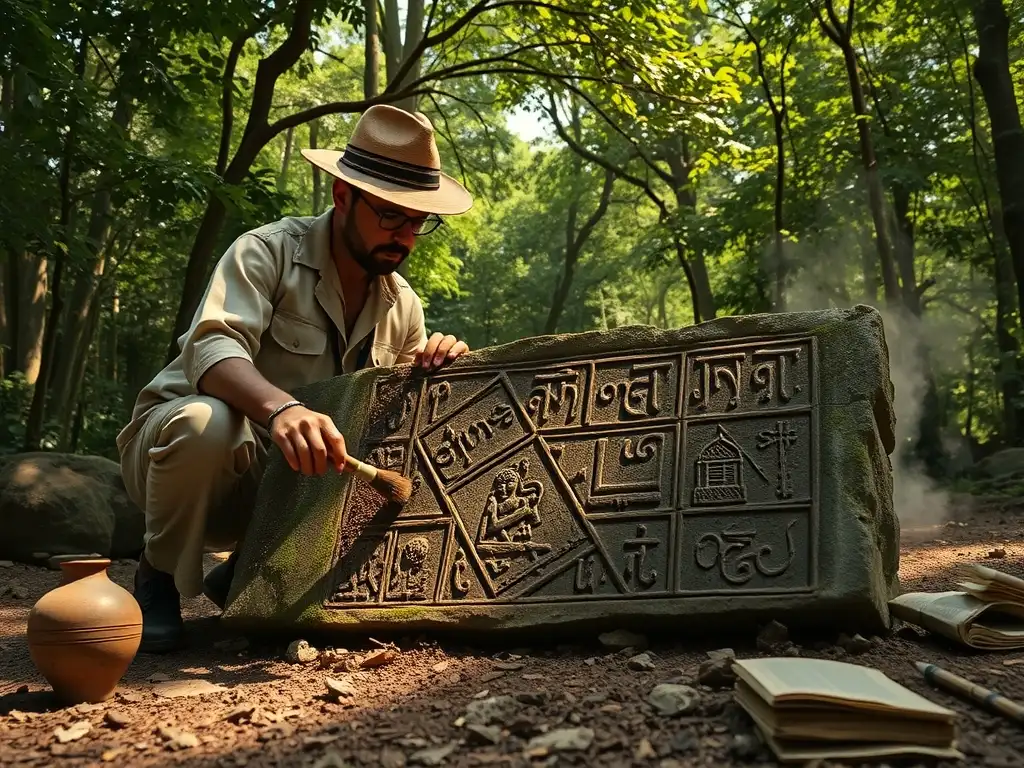
The study of ancient Indian inscriptions is a fascinating endeavor that opens a window into the rich tapestry of Indian history, culture, and religious diversity. However, scholars face numerous challenges that complicate the interpretation and understanding of these inscriptions.
Preservation Issues and Damage
One of the most significant challenges in studying ancient Indian inscriptions is their preservation. Many inscriptions, carved into stone, metal, or clay, have deteriorated over time due to various factors:
- Environmental Factors: Exposure to weather elements such as rain, humidity, and sunlight can lead to erosion and fading of inscriptions. For instance, inscriptions on stone monuments in humid regions like coastal areas are particularly vulnerable to damage.
- Human Activity: Vandalism, neglect, and urban development can also contribute to the deterioration of ancient inscriptions. In some cases, inscriptions have been defaced or removed intentionally for construction purposes.
- Biological Factors: The growth of moss, lichen, and other biological organisms can further damage the surface of inscriptions, making them difficult to read.
To combat these issues, preservation efforts, such as controlled restoration and the use of protective coatings, are essential. However, these methods can be expensive and require specialized knowledge.
Interpretative Challenges: Context and Translation
Interpreting ancient Indian inscriptions involves navigating a complex landscape of language, context, and cultural significance. Several factors complicate this interpretative process:
- Language Diversity: Ancient India was home to a multitude of languages and dialects. Inscriptions may be written in Sanskrit, Prakrit, Tamil, or other regional languages, each with its own script. Understanding these languages is crucial for accurate translation.
- Cultural Context: The meaning of inscriptions often relies heavily on the cultural and historical context in which they were created. For example, an inscription commemorating a king's victory may also reflect the religious sentiments of the time, making it essential to consider both political and spiritual dimensions.
- Evolving Meanings: Words and phrases may have changed in meaning over centuries. A term that was once common might be obscure today, leading to potential misinterpretations. Scholars must be vigilant in cross-referencing contemporary sources to grasp the intended meaning.
The complexity of these challenges emphasizes the need for interdisciplinary approaches, drawing from archaeology, history, linguistics, and religious studies, to effectively analyze the ancient Indian inscriptions diversity and its implications for understanding the myriad of beliefs that flourished in ancient India.
Overcoming the challenges of preservation and interpretation is crucial for unlocking the wealth of knowledge embedded in ancient Indian inscriptions, providing valuable insights into the diverse religious landscape of the subcontinent.
Conclusion: The Impact of Ancient Inscriptions on Understanding Religious Diversity
Summary of Key Insights
Ancient Indian inscriptions serve as a vital source for understanding the diversity of religions that flourished throughout India's history. These inscriptions, often carved in stone or metal, provide insights into the beliefs, practices, and interactions of various religious communities. Key insights include:
- Multilingualism: Inscriptions from different regions and periods reveal the coexistence of multiple languages and scripts. For instance, the Edicts of Ashoka are notable for their use of Prakrit, Sanskrit, and even Greek, indicating cultural exchanges.
- Religious Syncretism: Many inscriptions suggest a blending of beliefs. The Gandhara region, for example, is rich in inscriptions that reflect a fusion of Buddhism and Hellenistic influences, showcasing how religions adapted and evolved through interaction.
- Patronage and Power: Inscriptions often document the support provided by kings and patrons to particular religions. The Gupta period inscriptions, for instance, highlight the royal patronage of Hinduism, while also acknowledging the presence of Buddhism and Jainism.
- Cultural Practices: Inscriptions reveal the rituals and festivals celebrated by different communities, enhancing our understanding of how religious practices shaped social life. For example, the Vakataka inscriptions detail the religious observances of both Hindu and Buddhist festivals.
These insights underscore how ancient Indian inscriptions not only document religious beliefs but also reflect the dynamic interplay between diverse faiths.
The Legacy of Ancient Indian Inscriptions in Modern Context
The legacy of ancient Indian inscriptions continues to influence contemporary society, especially in the realms of religion, culture, and national identity. Their significance can be observed in several ways:
- Cultural Heritage: Ancient inscriptions are regarded as crucial elements of India’s cultural heritage. They are preserved in museums and archaeological sites, serving as educational resources that promote awareness of India's religious diversity.
- Interfaith Dialogue: By showcasing the coexistence of various religions, inscriptions foster interfaith dialogue. They serve as a reminder of the historical acceptance and pluralism that characterized ancient Indian society, promoting harmony in a multi-religious nation today.
- Academic Research: Scholars continue to study ancient inscriptions to uncover the socio-political dynamics of historical periods. This research not only enriches our understanding of ancient Indian religions but also contributes to broader discussions about identity and diversity in modern India.
- Inspiration for Art and Literature: The themes and narratives found in ancient inscriptions have inspired contemporary literature and art, reflecting ongoing reverence for the past. Artists and writers draw from these rich histories to explore modern themes of identity and spirituality.
Ancient Indian inscriptions are not merely historical artifacts; they are living documents that elucidate the diversity of Indian religions and continue to shape cultural and religious discourse in contemporary society. Their study offers valuable perspectives on the intricate tapestry of beliefs that have defined India throughout its history.
Further Reading and Resources
Recommended Books on Ancient Indian Inscriptions
Exploring ancient Indian inscriptions provides profound insights into the diverse religious and cultural landscape of India. Here are some recommended books that delve into this fascinating subject:
-
The Inscriptions of Ashoka by Richard McKeon
This book offers a comprehensive study of the inscriptions attributed to Emperor Ashoka, highlighting their significance in understanding Buddhism's spread in ancient India.
-
Ancient Indian Epigraphy by D.C. Sircar
A foundational text that examines various inscriptions across India, analyzing their historical context and linguistic features.
-
Inscriptions of the Early Gupta Period by B.P. Sinha
This work focuses on inscriptions from the Gupta era, illustrating how they reflect the socio-religious dynamics of the time.
-
The Archaeology of Ancient India by Dilip K. Chakrabarti
While broader in scope, this book includes valuable sections on inscriptions and their role in understanding ancient Indian civilizations.
-
Reading Ancient Indian Inscriptions by R. K. Sharma
An accessible guide for students and enthusiasts, this text provides a practical approach to deciphering ancient inscriptions and understanding their implications.
Online Archives and Databases for Ancient Inscriptions
In the digital age, accessing ancient Indian inscriptions has become easier through various online resources. Here are some valuable archives and databases:
-
The Indian Epigraphy Database
This comprehensive online resource offers a vast collection of inscriptions from different regions of India, categorized by language, period, and location. Users can search for specific inscriptions and access translations and interpretations.
-
Digital South Asia Library (DSAL)
A project providing a wealth of historical texts and inscriptions, the DSAL includes digitized versions of ancient writings and related scholarly resources.
-
The Archaeological Survey of India (ASI) Website
The ASI maintains an online database that features numerous inscriptions, along with details about their archaeological contexts and historical significance.
-
The International Council on Monuments and Sites (ICOMOS) Archive
This archive contains records of inscriptions and monuments from a global perspective, with sections dedicated to Indian heritage.
-
Google Arts & Culture
This platform offers virtual tours and exhibits related to Indian history, including some focused on ancient inscriptions, allowing users to explore the richness of India's epigraphic heritage.
With these resources, researchers, students, and history enthusiasts can deepen their understanding of the ancient Indian inscriptions diversity, revealing the intricate tapestry of beliefs and practices that shaped ancient Indian civilizations.
Frequently Asked Questions
What are ancient Indian inscriptions?
Ancient Indian inscriptions are engraved texts found on rocks, pillars, and other materials, which provide insights into the languages, cultures, and religions of the time.
How do inscriptions reflect the diversity of religions in ancient India?
Inscriptions often contain religious texts, decrees, or donations that highlight the variety of faiths practiced, such as Hinduism, Buddhism, and Jainism, showcasing the pluralistic nature of ancient Indian society.
What is the significance of the Indus Valley inscriptions?
The Indus Valley inscriptions remain largely undeciphered but are crucial for understanding the early forms of writing and the social structure of one of the earliest civilizations in India.
Can inscriptions provide information about ancient Indian art and architecture?
Yes, many inscriptions are found in temples and monuments, detailing their construction, patrons, and aesthetic values, thus reflecting the artistic achievements of ancient Indian civilizations.
What role did the Gupta Empire play in the evolution of inscriptions?
During the Gupta Empire, inscriptions became more widespread, often used to document royal patronage and religious endowments, highlighting the cultural renaissance and the diversity of Indian religions during this period.
Final Reflection: Embracing the Diversity of Ancient Indian Inscriptions
The exploration of ancient Indian inscriptions reveals a profound tapestry of cultural and religious diversity that resonates powerfully in today's society. As we navigate an increasingly interconnected world, understanding the historical roots of our beliefs and practices becomes essential. The inscriptions serve as a testament to the coexistence of various faiths and philosophies, reminding us that diversity is not merely a historical fact but a living, breathing aspect of our contemporary identity.
The influence of these ancient inscriptions extends far beyond their physical presence; they shape our cultural narratives and social interactions today. By examining the inscriptions, we gain insight into the values and traditions that have molded Indian society over centuries. They encourage us to appreciate the rich mosaic of beliefs that coexist within our communities. As Mahatma Gandhi once said, "> Our ability to reach unity in diversity will be the beauty and the test of our civilization." This sentiment underscores the importance of recognizing and celebrating the myriad voices that contribute to our collective heritage.
As you reflect on the lessons drawn from ancient Indian inscriptions, consider how you can foster an appreciation for diversity in your own life. Take a moment to engage with different cultures, learn from various traditions, and embrace the richness that diversity brings. In doing so, you not only honor the legacy of our ancestors but also contribute to a more inclusive and harmonious future for all. Let the stories etched in stone inspire you to create connections that transcend boundaries and celebrate the beauty of our shared humanity.
Unveil the Rich Tapestry of Indian Religions!
Thank you for taking the time to explore the fascinating connections between ancient inscriptions and the vibrant diversity of Indian religions. We hope you gained valuable insights into how these historical artifacts shape our understanding of cultural heritage. Now, it’s time to take action!
- Dive deeper into the world of inscriptions by visiting local museums or historical sites to experience this rich history firsthand.
- Join our community by sharing your thoughts and findings on ancient Indian inscriptions in the comments below or on social media. Your voice contributes to a broader conversation!
- Consider exploring unique inscriptions and sharing your discoveries with others. Your curiosity can inspire and enlighten!
Which ancient inscription sparked your interest in the diversity of Indian religions, and how do you plan to explore it further?