
Inscriptions and Identity: How They Shaped the SelfPerception of Ancient Indian Societies

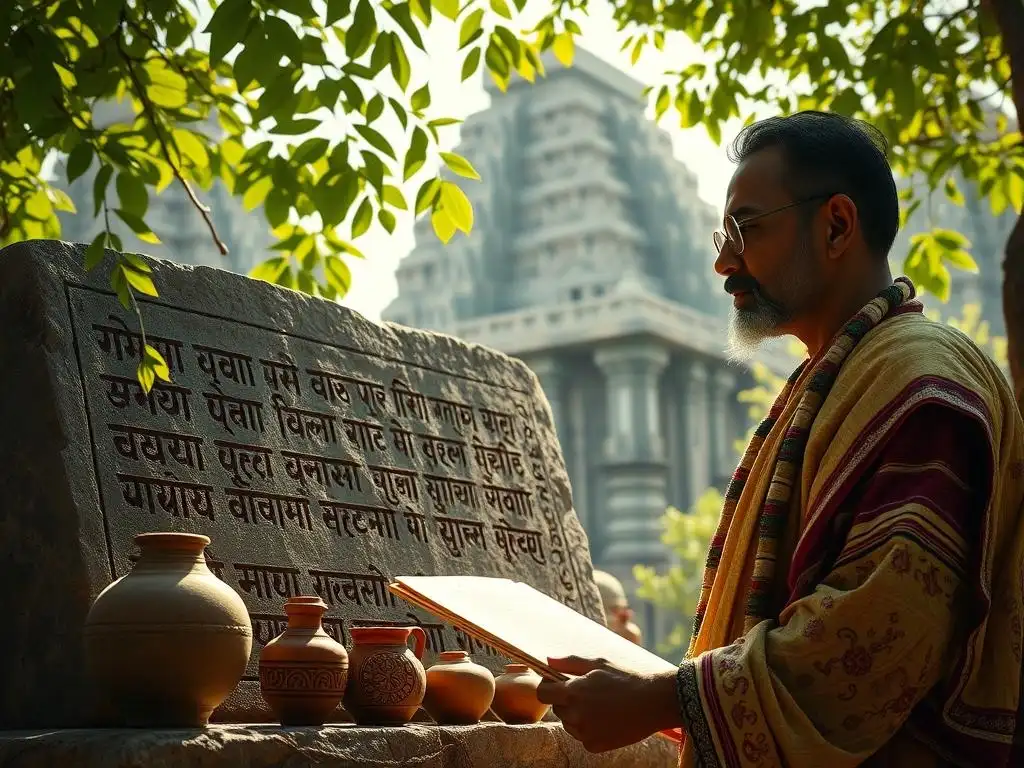
Welcome to Ancient India History, where we unravel the rich tapestry of historical narratives, cultural legacies, and groundbreaking contributions of ancient Indian civilizations. Dive deep into our featured article, “Inscriptions and Identity: How They Shaped the Self-Perception of Ancient Indian Societies,” where we explore the significance of ancient Indian inscriptions and their profound impact on societal identity. What secrets do these inscriptions hold, and how did they influence the way ancient peoples viewed themselves? Join us on this captivating journey and discover the answers that lie within the echoes of time.
Inscriptions in ancient India serve as vital artifacts that illuminate the intricate tapestry of social identity, cultural values, and historical continuity within various civilizations, from the Indus Valley to the Gupta Empire. These inscriptions, often engraved on stone, metal, or other durable materials, functioned as more than mere records; they were powerful tools that shaped the self-perception of societies, reflecting their beliefs, achievements, and aspirations.
The significance of ancient Indian inscriptions lies not only in their historical content but also in how they influenced the identity of communities, both in their contemporary context and for future generations. This article delves into the multifaceted role of inscriptions in ancient India, examining their impact on identity formation, societal norms, and the continuity of cultural heritage.
The Role of Inscriptions in Shaping Identity
Inscriptions in ancient India were instrumental in defining and reinforcing the identity of various groups and communities. They served several key functions:
- Cultural Affirmation: Inscriptions often celebrated local deities, historical events, or societal values, providing a sense of belonging and cultural pride among communities.
- Political Legitimacy: Many rulers used inscriptions to assert their authority and divine right to rule, thus shaping the political identity of the state and its subjects.
- Historical Legacy: By documenting significant achievements and milestones, inscriptions created a narrative that connected past generations with contemporary society, fostering a sense of continuity.
Types of Inscriptions and Their Significance
The diversity of inscriptions found in ancient India reflects the complexity of its societies. Key types include:
- Royal Inscriptions: Often commissioned by kings, these inscriptions documented conquests, donations, and achievements, serving both as propaganda and as a means of legitimizing power.
- Religious Inscriptions: Found in temples and sacred sites, these inscriptions conveyed religious beliefs and practices, influencing the spiritual identity of communities.
- Commercial Inscriptions: These were used in trade and commerce to record transactions and agreements, highlighting the economic identity and practices of ancient societies.
Case Studies: Notable Inscriptions and Their Impact
Several significant inscriptions illustrate the profound impact they had on the self-perception of ancient Indian societies. For instance:
- Ashoka's Edicts: The edicts of Emperor Ashoka, inscribed on pillars and rocks across his empire, emphasized moral governance and Buddhist principles, profoundly shaping the cultural and ethical identity of his subjects.
- The Junagadh Rock Inscription: This inscription provides insight into the social structure and governance of ancient Gujarat, helping to establish a sense of historical identity for the region.
Conclusion: The Enduring Legacy of Inscriptions
The study of ancient Indian inscriptions extends beyond mere historical documentation; it reveals the dynamic interplay between identity, culture, and power in ancient societies. By exploring their significance, we gain a deeper understanding of how these inscriptions not only recorded history but actively participated in the shaping of social identities and cultural narratives that resonate even today.
In the following sections, we will delve deeper into specific examples and analyses of inscriptions, exploring their broader implications on the self-perception of ancient Indian civilizations.
- The Role of Inscriptions in Shaping Identity
- Types of Inscriptions and Their Significance
- Case Studies: Notable Inscriptions and Their Impact
- Conclusion: The Enduring Legacy of Inscriptions
Introduction to Ancient Indian Inscriptions Significance

Ancient Indian inscriptions serve as a crucial bridge connecting contemporary societies with the rich tapestry of their historical past. These inscriptions, etched in stone, metal, and clay, reveal not only the administrative and economic aspects of ancient civilizations but also their cultural, religious, and social identities. Understanding the significance of ancient Indian inscriptions is vital for comprehending how these artifacts shaped the self-perception of various societies throughout Indian history.
Overview of Inscriptions in Ancient India
Inscriptions in ancient India date back to the Indus Valley Civilization (c. 2500-1900 BCE), with the earliest examples being undeciphered seals. However, more recognizable forms of inscriptions emerged during the Maurya Empire (c. 322-185 BCE) and flourished in subsequent dynasties, such as the Gupta Empire (c. 320-550 CE). These inscriptions were predominantly written in languages like Sanskrit, Prakrit, and later, regional languages, utilizing various scripts, including Brahmi and Kharosthi.
- Types of Inscriptions:
- Royal Edicts: Proclamations issued by rulers, often detailing laws or moral teachings.
- Religious Texts: Inscriptions found in temples or sacred sites, emphasizing spiritual beliefs.
- Funerary Inscriptions: Commemorative texts honoring individuals, reflecting societal values regarding death and remembrance.
- Materials Used:
- Stone: Most durable, commonly used for public monuments.
- Copper and Bronze: Utilized for smaller inscriptions and often for commemorative purposes.
- Clay Tablets: Found in archaeological sites, though less common than stone.
Importance of Inscriptions in Historical Context
Ancient Indian inscriptions are invaluable for reconstructing historical narratives, as they provide firsthand accounts of events, governance, and cultural exchanges. The significance of these inscriptions lies in their ability to:
- Document Historical Events: Inscriptions like the Ashoka Edicts narrate the spread of Buddhism and the establishment of moral governance, highlighting the socio-political landscape of the time.
- Preserve Linguistic Heritage: They serve as primary sources for the study of ancient languages and scripts, essential for linguists and historians alike.
- Reveal Trade and Economy: Inscriptions often reference trade routes, economic transactions, and the role of merchants, painting a picture of the vibrant economic life in ancient India.
| Type of Inscription | Key Features | Historical Relevance |
|---|---|---|
| Royal Edicts | Laws, moral teachings | Insight into governance and ethics |
| Religious Texts | Prayers, rituals | Reflection of spiritual practices |
| Funerary Inscriptions | Commemorations | Understanding of societal values on death |
How Inscriptions Reflect Societal Identity
Inscriptions are not merely historical artifacts; they are reflections of the identity of the societies that created them. They provide insight into how ancient Indians perceived themselves and their place in the world.
- Cultural Identity:
- Inscriptions often celebrate local deities and rituals, reinforcing cultural heritage and community bonds. For instance, inscriptions found in temples frequently mention local festivals, highlighting regional identities.
- Political Identity:
- The manner in which rulers portrayed themselves in inscriptions, often emphasizing divine right or moral duty, shaped the identity of their regimes. For example, the Sarnath Lion Capital of Ashoka symbolizes the unification of diverse peoples under a moral governance model.
- Social Identity:
- The content and language of inscriptions can indicate social hierarchies and the roles of different groups within society, such as the inclusion or exclusion of certain castes in religious practices or public life.
Inscriptions are the echoes of ancient voices, offering a glimpse into the identity and aspirations of bygone societies.
Through examining these inscriptions, historians can better understand the complexities of ancient Indian identities, which were often fluid and multifaceted. The significance of ancient Indian inscriptions thus transcends mere documentation; they are vital in shaping our understanding of the civilizations that once thrived in this diverse subcontinent.
Types of Ancient Indian Inscriptions
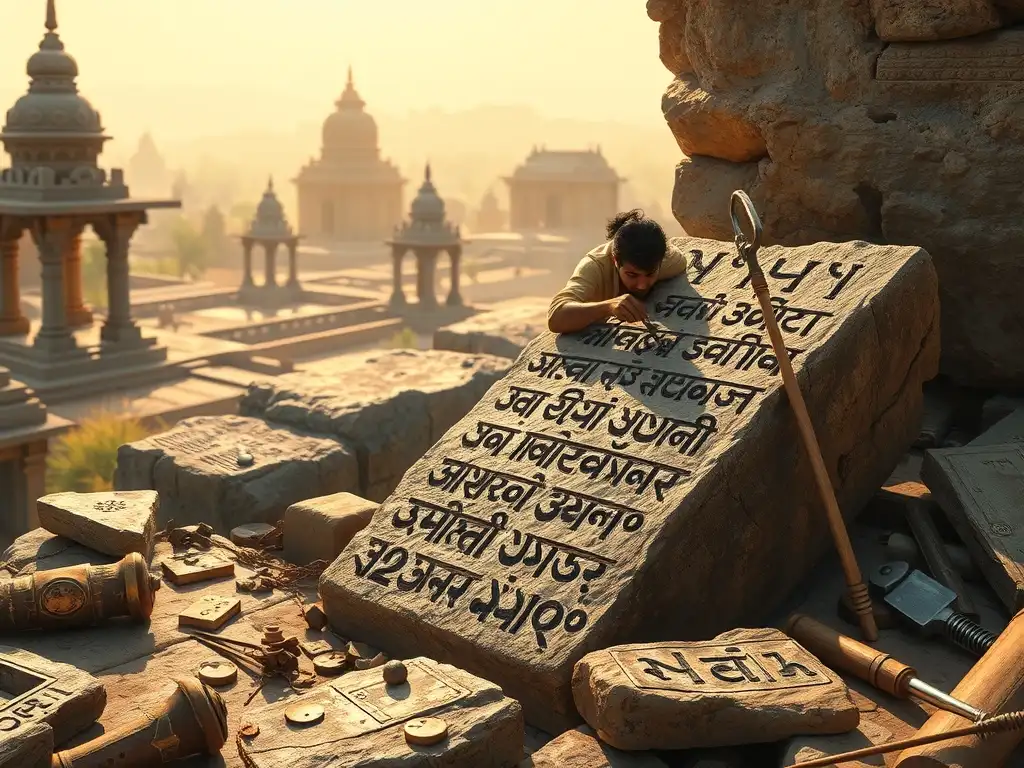
Ancient Indian inscriptions serve as critical primary sources that illuminate various aspects of the societies of their time. These inscriptions can be categorized based on their content and purpose, significantly affecting the self-perception and identity of ancient Indian societies. The main types include religious, administrative, and commemorative inscriptions, each contributing uniquely to the understanding of identity and governance.
Religious Inscriptions and Their Role in Identity
Religious inscriptions are among the most profound reflections of ancient Indian belief systems and cultural identity. Often found in temples, stupas, and sacred sites, these inscriptions serve not only as devotional texts but also as powerful declarations of faith.
- Content and Purpose: Many religious inscriptions include hymns, prayers, and mantras dedicated to deities or philosophical teachings. For instance, the Edicts of Ashoka exhibit a strong moral foundation rooted in Buddhism, promoting compassion and non-violence. This not only reinforced the identity of a Buddhist follower but also established a cohesive cultural framework for the Mauryan Empire.
- Cultural Impact: These inscriptions played a pivotal role in shaping communal identities. For example, the presence of inscriptions in various languages and scripts, such as Brahmi and Kharosthi, indicates the diverse linguistic landscape of ancient India. By addressing different communities, these inscriptions fostered a sense of belonging and unity among followers of the same faith.
- Example of Prominent Inscriptions: The Sarnath Lion Capital, with its inscriptions, signifies the spread of Buddhism and represents a crucial symbol of Indian heritage. This not only marks the site’s religious significance but also serves as a point of pride for those identifying with the Buddhist tradition.
Administrative Inscriptions: Governance and Society
Administrative inscriptions provide a vital lens through which the governance and social structures of ancient Indian civilizations can be analyzed. These inscriptions were often inscribed on pillars, stones, and copper plates, detailing laws, regulations, and royal decrees.
- Function in Governance: Administrative inscriptions were essential for maintaining order and communicating directives from rulers to subjects. They served as a means to codify laws and ensure the uniform implementation of governance policies. For instance, the Nagarjunakonda inscriptions outline land grants and tax regulations, reflecting the administrative sophistication of the time.
- Impact on Social Hierarchies: Such inscriptions often delineated social roles and responsibilities, reinforcing existing hierarchies. By documenting caste-related information, these inscriptions contributed to the construction of identity within the stratified social system of ancient India. For example, inscriptions detailing village governance provide insights into the roles of various castes and classes in local administration.
- Case Study: The Kalinga Edicts of Ashoka illustrate the transformation of governance following his conversion to Buddhism. These inscriptions emphasized moral governance, reflecting a shift in identity from a warrior king to a benevolent ruler concerned with the welfare of his subjects.
Commemorative Inscriptions: Honoring Individuals and Events
Commemorative inscriptions serve to honor significant individuals, events, or achievements that shaped the course of history. These inscriptions are often found in the form of memorials, victory pillars, and honors conferred upon notable figures.
- Celebrating Achievements: Many inscriptions commemorate military triumphs, royal lineage, or cultural accomplishments. The Rani Durgavati Inscription, for instance, celebrates the valor of a queen and signifies female agency in a predominantly patriarchal society. This not only elevates individual identity but also challenges prevailing gender norms.
- Cultural Legacy: Commemorative inscriptions contribute to the collective memory of a society. They serve as historical narratives that reinforce a shared identity among community members. Inscriptions celebrating festivals or significant events, such as the Mahabharata inscriptions, bind people through cultural heritage and shared experiences.
- Example of Influence: The Vijayanagara Empire inscriptions honor the contributions of its rulers and their patrons in promoting art and architecture. Such inscriptions not only document the achievements of individuals but also shape the identity of the entire region by linking it to a glorious past.
The significance of ancient Indian inscriptions is multifaceted, profoundly influencing the self-perception of societies. By examining these types of inscriptions—religious, administrative, and commemorative—we gain invaluable insights into the identity, governance, and cultural practices of ancient India. Each inscription offers a unique narrative that continues to resonate with the heritage of modern India, highlighting the enduring legacy of these ancient civilizations.
The Role of Inscriptions in Shaping Self-Perception

Inscriptions have played a pivotal role in shaping the self-perception of ancient Indian societies. They serve not only as historical documents but also as reflections of the cultural, political, and social identities of the civilizations that produced them. Through various forms of inscriptions—whether etched on stone, metal, or clay—communities articulated their values, beliefs, and societal structures, thus influencing their collective identity.
Inscriptions as Tools of Cultural Identity
Inscriptions were often used to convey the cultural ethos of ancient Indian societies. They documented religious beliefs, historical narratives, and significant events that were critical for the community’s sense of belonging. For example, inscriptions found in temples frequently extolled the virtues of the deities worshipped and the moral codes followers were expected to uphold. This not only reinforced religious identity but also fostered a sense of unity among community members.
- Religious Significance: Many inscriptions served to commemorate rituals, festivals, and the construction of temples or stupas, thereby highlighting the importance of religious practices in daily life.
- Historical Narratives: Kings and rulers often commissioned inscriptions to record their achievements and lineage, establishing a historical narrative that would shape public perception and legacy.
- Cultural Heritage: The preservation of languages and scripts through inscriptions helped to maintain cultural continuity over generations, allowing societies to connect with their past.
Influence of Language and Script on Self-Perception
The language and script used in inscriptions were crucial in defining the identity of ancient Indian civilizations. Different regions utilized various scripts—such as Brahmi, Kharosthi, and Devanagari—each carrying its own cultural significance.
- Linguistic Identity: The choice of language in inscriptions often reflected the socio-political dynamics of the time. For example, Sanskrit inscriptions were frequently associated with the elite, while local languages fostered a sense of community among the common populace.
- Cultural Exchange: Inscriptions in multiple languages indicate the interactions between diverse cultures. For instance, the edicts of Ashoka, inscribed in both Brahmi and Greek, illustrate the emperor's intent to reach a wider audience and promote his messages of dhamma (moral law).
- Script Evolution: The evolution of scripts over time showcases the intellectual advancements of ancient societies, further contributing to their self-identity. The transition from Brahmi to more modern scripts illustrates a cultural adaptation and growth.
Inscriptions also played a significant role in defining and reinforcing social hierarchies within ancient Indian societies. They often highlighted the status of individuals or groups, contributing to the societal structure.
- Caste and Class Distinctions: Inscriptions frequently mentioned the roles and responsibilities of different castes, outlining their place within the social order. This contributed to the often rigid social hierarchy prevalent in ancient India.
- Patronage and Power: Rulers and elites used inscriptions to assert their authority and legitimacy. By commissioning grand inscriptions, they established their status and influence, which in turn shaped public perception of power dynamics within society.
- Public Commemoration: Inscriptions dedicated to individuals who contributed to the community—such as warriors, scholars, and philanthropists—served to elevate their status, influencing how society viewed contributions to communal identity.
The significance of ancient Indian inscriptions extends beyond mere documentation; they are vital in understanding how these societies perceived themselves and their place within the wider historical and cultural context. The interplay of language, script, and social structures within inscriptions provides profound insights into the identity of ancient Indian civilizations.
Case Studies of Significant Inscriptions
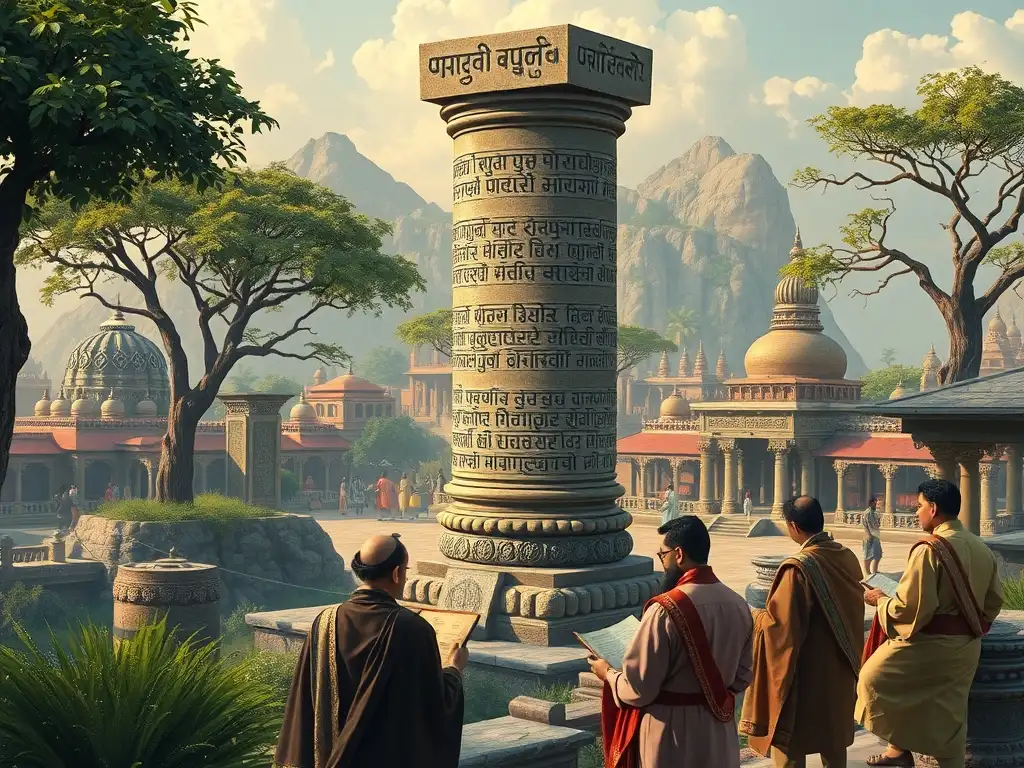
The Edicts of Ashoka: A Model of Moral Identity
The Edicts of Ashoka, inscribed around 250 BCE during the reign of Emperor Ashoka, serve as a crucial testament to the moral and ethical framework that defined ancient Indian society. These inscriptions, carved on rocks and pillars across the Indian subcontinent, convey Ashoka's commitment to Dhamma (moral law) and his desire to promote ethical conduct among his subjects.
The significance of these edicts lies not only in their content but also in their impact on the identity of ancient Indian societies. Through the promotion of non-violence, compassion, and tolerance, Ashoka projected an image of a ruler deeply invested in the welfare of his people. This is exemplified in Edict VIII, where he emphasizes the importance of animal rights and the humane treatment of all living beings.
Key Features of the Edicts:
- Moral Governance: Ashoka's edicts articulate a vision of governance rooted in moral values, influencing the self-perception of his subjects as part of a compassionate society.
- Universal Message: The inscriptions were written in multiple languages, including Prakrit and Greek, reflecting an inclusive approach that aimed to address diverse populations across his empire.
- Cultural Legacy: The principles outlined in the edicts contributed to a lasting cultural legacy that shaped Indian ethics and identity, underscoring the enduring significance of moral leadership.
The Inscriptions of the Gupta Empire: Cultural Flourishing
The Gupta Empire, often referred to as the "Golden Age" of India, witnessed a remarkable flourishing of art, science, and culture, all of which are vividly captured in its inscriptions. These inscriptions not only celebrate the achievements of the Gupta rulers but also reflect the broader cultural identity of the period.
Among the most notable inscriptions are those found in temples and on coins, which highlight the patronage of the arts and the emphasis on learning. The Bhitargaon Brick Temple Inscription is a prime example, illustrating the architectural advancements and the integration of religious themes with socio-political identity.
Highlights of Gupta Inscriptions:
- Cultural Patronage: Inscriptions often detail the support given to scholars and artists, reinforcing a collective identity of intellectual pursuit and creativity.
- Religious Integration: Many inscriptions are dedicated to Hindu deities, showcasing how religion played a central role in shaping societal values and identity during this era.
- Historical Documentation: These inscriptions serve as vital historical records, providing insights into the socio-political dynamics of the Gupta period and the self-conception of its people.
The Role of Indus Valley Seals in Early Identity Formation
The Indus Valley Civilization (circa 3300-1300 BCE) is one of the earliest urban cultures, and its seals are critical artifacts that provide insight into the identity formation of its society. These seals, often made of steatite, feature intricate carvings, including symbols, animals, and script, suggesting a complex system of communication and identity.
Importance of Indus Valley Seals:
- Symbolic Representation: The motifs on the seals may denote clan symbols, trade affiliations, or religious beliefs, reflecting the diverse aspects of identity among the Indus people.
- Trade and Economy: Many seals were used in trade, indicating that they played a role in economic identity and relationships with neighboring cultures.
- Cultural Continuity: The use of seals demonstrates a continuity of cultural practices and identity markers that persisted even after the decline of the Indus Valley Civilization, influencing subsequent societies in the region.
These case studies of significant inscriptions illustrate how ancient Indian inscriptions not only served administrative purposes but also played a crucial role in shaping the self-perception and collective identity of their societies. The ancient Indian inscriptions significance lies in their ability to convey values, promote cultural flourishing, and reflect the complexities of identity formation across various civilizations.
The Evolution of Identity Through Inscriptions

Inscriptions have played a pivotal role in shaping the self-perception of ancient Indian societies. They serve not only as historical records but also as mirrors reflecting the evolving identities of these civilizations. From the early Brahmi script to the later use of Sanskrit and other regional languages, inscriptions document societal changes, religious beliefs, administrative practices, and cultural dynamics. This section explores how these inscriptions contributed to the evolution of identity in ancient India.
Changes in Language and Script Over Time
The history of ancient Indian inscriptions is closely tied to the evolution of language and script. Initially, the Brahmi script was predominant during the Mauryan period, forming the basis of many subsequent scripts. As time progressed, inscriptions began to appear in various languages, including Prakrit and later Sanskrit, reflecting the cultural diversity of the region.
- Brahmi Script: The earliest inscriptions, such as those of Ashoka, utilized the Brahmi script, which was instrumental in disseminating Buddhist teachings across regions.
- Prakrit and Regional Languages: As local identities began to emerge, inscriptions in Prakrit became common, catering to regional dialects and promoting local culture.
- Sanskrit's Ascendancy: By the Gupta period, Sanskrit inscriptions became prevalent, symbolizing a shift towards a pan-Indian identity. This transition marked a unifying factor in a culturally diverse landscape.
The evolution of language and script in inscriptions not only facilitated communication but also fostered a sense of belonging and identity among different social groups.
The Transition from Local to Pan-Indian Identity
As ancient Indian societies evolved, so did their sense of identity. Initially, local identities were predominant, often tied to geographic regions, clans, or kingdoms. However, the proliferation of inscriptions marked a significant transition towards a broader pan-Indian identity.
- Regional Identity: Early inscriptions often emphasized local rulers and deities, reinforcing the connection between communities and their geography. For instance, inscriptions from the Mauryan period focused on local governance and local gods.
- Cultural Syncretism: With the rise of powerful empires like the Guptas, inscriptions began to reflect a more unified cultural narrative. They highlighted shared values, religious practices, and administrative systems across vast territories.
- Imperial Propaganda: Inscriptions from rulers like Samudragupta and Chandragupta II often emphasized their role as protectors of dharma, portraying a collective identity that transcended local affiliations.
This transition laid the groundwork for a cohesive cultural identity that would influence future generations, setting the stage for a unified Indian civilization.
The Influence of Trade and Interaction on Inscriptions
Trade and cultural interaction significantly influenced the content and distribution of inscriptions in ancient India. As trade routes expanded, so did the exchange of ideas, languages, and cultural practices, leading to a rich tapestry of identities.
- Trade Networks: Inscriptions found along trade routes, such as the Silk Road, often include multilingual elements, revealing interactions between diverse cultures. These inscriptions served as records of transactions, treaties, and cultural exchanges, highlighting the interconnectedness of ancient societies.
- Cultural Exchange: The influence of foreign traders and travelers, including the Greeks and later the Arabs, introduced new themes in inscriptions, such as the adoption of foreign deities and practices. This cultural exchange enriched local traditions while also fostering a broader sense of identity.
- Religious Influence: The spread of religions such as Buddhism and Jainism, often documented in inscriptions, played a crucial role in shaping societal values and collective identities across different regions.
The intricate relationship between trade, cultural interactions, and inscriptions underscores how these elements shaped the self-perception of ancient Indian societies, contributing to a dynamic and evolving identity.
By examining these facets, we gain a deeper understanding of the ancient Indian inscriptions significance as vital tools for expressing and shaping identity across time and space. The inscriptions not only acted as historical documents but also as powerful narratives that defined how societies viewed themselves and their place in the broader continuum of Indian civilization.
Challenges in Interpreting Ancient Indian Inscriptions
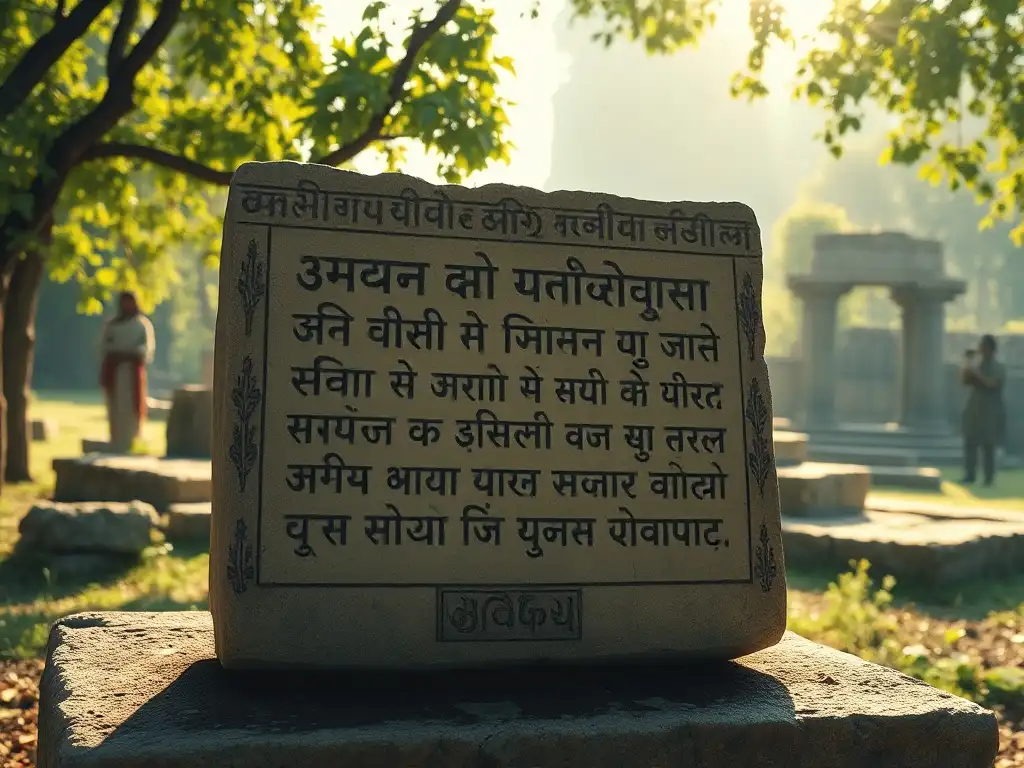
Linguistic Barriers and Decipherment Issues
Interpreting ancient Indian inscriptions presents significant linguistic challenges. The inscriptions, often carved in various scripts such as Brahmi, Kharosthi, and later regional scripts, can be difficult to decipher due to:
- Diverse Languages: Ancient India was home to multiple languages, including Sanskrit, Prakrit, Tamil, and others. Each inscription may reflect the linguistic nuances of its time and region, complicating the translation process.
- Evolving Scripts: The evolution of scripts over time means that the same sound may be represented differently across inscriptions. For example, Brahmi script underwent changes that can obscure meaning to modern readers. Researchers must be adept in reading these varied forms to accurately interpret the texts.
- Limited Lexicons: Many ancient languages lack comprehensive dictionaries, making it challenging to find equivalents for words or phrases. This limitation often necessitates reliance on context, which can lead to varied interpretations.
- Fragmentary Evidence: Many inscriptions are incomplete or damaged, leading to gaps in understanding. The context surrounding these fragments is vital for reconstruction, yet often, the surrounding historical narrative is lacking or poorly documented.
This combination of linguistic diversity and evolving scripts creates a complex landscape for scholars attempting to unlock the meanings behind ancient Indian inscriptions, underscoring the need for continuous research and collaboration among linguists and historians.
Contextual Challenges: Historical and Cultural Nuances
Beyond linguistic barriers, the interpretation of ancient Indian inscriptions is deeply influenced by historical and cultural contexts. Understanding these nuances is essential for accurate readings and includes:
- Cultural References: Inscriptions often contain references to mythological, religious, or cultural narratives that may not be universally understood today. For example, an inscription referencing a local deity or event may require specific cultural knowledge that is not readily accessible.
- Regional Variations: The significance of certain terms or phrases can vary dramatically from one region to another. An inscription from the Indus Valley may carry different connotations than one from the Gupta Empire, necessitating a contextual understanding of regional histories and customs.
- Temporal Context: The period in which an inscription was created can significantly affect its content and purpose. For example, inscriptions from the Mauryan period may reflect different political ideologies than those from the later Mughal era. This temporal understanding is vital for interpreting the intent behind the inscriptions.
- Political and Social Structures: Ancient Indian societies were complex and hierarchical. Inscriptions often served political purposes, such as legitimizing authority or commemorating victories. Understanding the political landscape of the time can provide insight into the motivations behind the inscriptions.
By recognizing these contextual challenges, scholars can better appreciate the multifaceted meanings of ancient inscriptions and their role in shaping the identity of ancient Indian societies.
Preservation and Accessibility of Inscriptions
The preservation and accessibility of ancient Indian inscriptions play a crucial role in their interpretation. Several factors impact this aspect:
- Material Durability: Many inscriptions were carved into stone, metal, or clay, which have varying degrees of durability. While stone inscriptions may survive for millennia, those on perishable materials like wood or cloth are often lost to time. Thus, the surviving corpus of inscriptions may not represent the full historical record.
- Environmental Factors: Natural elements such as weathering, erosion, and pollution can deteriorate inscriptions over time. Regions with extreme climates or urban development face higher risks of damage to these historical artifacts.
- Institutional Support: The preservation of inscriptions often depends on governmental or institutional support for archaeological and epigraphical research. In countries with limited resources, there may be insufficient funding or interest in preserving these ancient texts, leading to neglect.
- Access to Research: While many inscriptions are cataloged, access to this information can be limited. Digitalization efforts are underway, but many inscriptions remain unavailable to scholars and the public due to geographical or bureaucratic barriers.
The preservation and accessibility of ancient Indian inscriptions are vital for ongoing research, and addressing these challenges is essential for unlocking the significance of these artifacts in understanding ancient Indian identities.
Conclusion: The Lasting Significance of Ancient Indian Inscriptions
The exploration of ancient Indian inscriptions reveals a profound connection between the written word and the identity of societies throughout history. These inscriptions serve not only as historical records but also as reflections of cultural values, social hierarchies, and political power dynamics. By understanding the significance of these inscriptions, we can appreciate how they shaped self-perception among ancient Indian civilizations.
Summary of Key Points on Identity and Self-Perception
Ancient Indian inscriptions are crucial for unraveling the complexities of identity and self-perception in various civilizations, including the Indus Valley, Maurya, and Gupta Empires. Key points include:
- Cultural Representation: Inscriptions often encapsulated the beliefs, traditions, and practices of the societies that created them. For instance, the edicts of Ashoka communicated moral and ethical principles, reinforcing the identity of a unified Mauryan empire.
- Political Statements: Many inscriptions served as proclamations of power and authority, such as the rock edicts that delineated the territorial claims and achievements of rulers. This not only asserted dominance but also fostered a collective identity among subjects.
- Social Structure: Inscriptions frequently documented social hierarchies, roles, and relationships. The mention of various castes or guilds in inscriptions reflects the societal structure and influences self-perception among different groups.
- Religious Significance: The prevalence of religious inscriptions illustrates the role of spirituality in shaping identity. Temples and stupas often bore inscriptions that conveyed devotional sentiments, thereby reinforcing a sense of belonging to a broader religious community.
These aspects underscore that ancient Indian inscriptions were not mere records but instruments that actively contributed to the shaping of identities.
The Relevance of Ancient Inscriptions in Modern Studies
In the contemporary academic landscape, the significance of ancient Indian inscriptions cannot be overstated. They serve as primary sources for historians, archaeologists, and linguists who seek to understand the socio-political and cultural fabric of ancient societies. The relevance encompasses:
- Interdisciplinary Research: Scholars from various disciplines, including anthropology, linguistics, and religious studies, utilize inscriptions to gain insights into ancient Indian life. This collaborative approach enriches the understanding of how inscriptions influenced identity.
- Cultural Heritage Preservation: The study of inscriptions aids in preserving cultural heritage, providing a link between past and present. Efforts to digitize and catalog inscriptions ensure that this knowledge is accessible for future generations.
- Identity Reconstruction: Modern studies often focus on how these inscriptions contribute to the reconstruction of identities, both at individual and collective levels. They offer a means to explore historical narratives that inform contemporary identity politics.
Future Research Directions on Inscriptions and Identity in Ancient India
The study of ancient Indian inscriptions is an evolving field, with numerous avenues for future research. Potential directions include:
- Technological Integration: The use of advanced technologies such as 3D imaging and machine learning could revolutionize the analysis of inscriptions. These tools may uncover patterns and insights that traditional methods might overlook.
- Comparative Studies: Future research could benefit from comparative studies between ancient Indian inscriptions and those from other civilizations, allowing for a broader understanding of identity formation across cultures.
- Community Engagement: Involving local communities in the research process can enrich the study of inscriptions. Engaging with cultural narratives and local histories fosters a more nuanced understanding of how these inscriptions resonate with contemporary identities.
- Expanded Chronological Scope: Investigating inscriptions from lesser-studied periods, such as the post-Gupta era, could reveal shifts in identity and self-perception in response to changing socio-political landscapes.
The significance of ancient Indian inscriptions extends beyond mere documentation; they are pivotal in understanding the complex interplay between identity and self-perception in ancient societies. Their study remains crucial for both historical inquiry and cultural preservation, promising exciting developments for future research.
Frequently Asked Questions
What are ancient Indian inscriptions?
Ancient Indian inscriptions are writings found on various materials such as stone, metal, and pottery, which provide insights into the history, culture, and administration of ancient Indian societies.
Why are ancient Indian inscriptions significant?
These inscriptions are significant because they serve as primary sources of information, revealing the socio-political dynamics, religious beliefs, and cultural practices of ancient Indian civilizations.
How did inscriptions shape the identity of ancient Indian societies?
Inscriptions helped to establish and reinforce social hierarchies, cultural values, and regional identities, contributing to a sense of belonging and self-perception among different groups within ancient India.
What role did inscriptions play in governance?
Inscriptions often documented royal decrees, land grants, and administrative policies, thereby functioning as a tool for governance and enhancing the legitimacy of rulers in the eyes of their subjects.
Are there any famous ancient Indian inscriptions?
Yes, notable inscriptions include the Ashoka Edicts, which promoted Buddhist values and moral governance, and the Gupta inscriptions, which highlight the achievements of the Gupta Empire and its rulers.
Final Reflection: The Enduring Significance of Ancient Indian Inscriptions
The exploration of ancient Indian inscriptions reveals their profound impact on self-perception and identity, a theme that resonates powerfully in today's world. As we navigate an era marked by rapid globalization and cultural exchange, understanding how these inscriptions shaped individual and collective identities in ancient societies becomes increasingly relevant. The legacy of these inscriptions serves as a reminder that our identities are often constructed from the narratives we choose to embrace, making it essential to reflect on the stories we tell ourselves and others.
The significance of ancient Indian inscriptions extends beyond their historical context; they continue to influence our cultural landscape and personal identities today. These inscriptions not only documented the achievements and beliefs of their time but also fostered a sense of belonging and continuity among communities. As we witness the resurgence of interest in heritage and identity, we can draw inspiration from the past. The past is never dead. It's not even past.
– William Faulkner. This quote encapsulates the idea that the echoes of history shape our present and future, urging us to recognize the importance of our roots.
As you reflect on the lessons drawn from the inscriptions of ancient Indian societies, consider how you can apply these insights to your own life. Embrace the narratives that define you, and seek to understand the stories of those around you. By doing so, you not only honor the significance of your own identity but also contribute to a richer, more inclusive tapestry of human experience. Let the wisdom of the past guide you in shaping a future where every voice is valued and every story is heard.
Unveil Your Connection to Ancient India Today!
Thank you for journeying through this fascinating exploration of how inscriptions shaped the self-perception of ancient Indian societies. We hope you’ve gained deeper insights into the intricate relationship between identity and history. Now, let’s take that knowledge forward!
Here are some actionable steps you can take:
- Dive deeper into history: Explore your own lineage or community’s history. Look for local artifacts, inscriptions, or cultural elements that inspire you and write about them.
- Engage with others: Share your newfound insights on social media or within your community. Discuss how historical identities influence our modern sense of self.
- Join a discussion group: Find or start a local or online group focused on ancient history or cultural identity. Collaborating with others can spark enlightening conversations and discoveries!
What aspect of ancient inscriptions do you find most fascinating, and how do you think they continue to shape our identities today?