
The Role of Inscriptions in Preserving Ancient Indian Languages

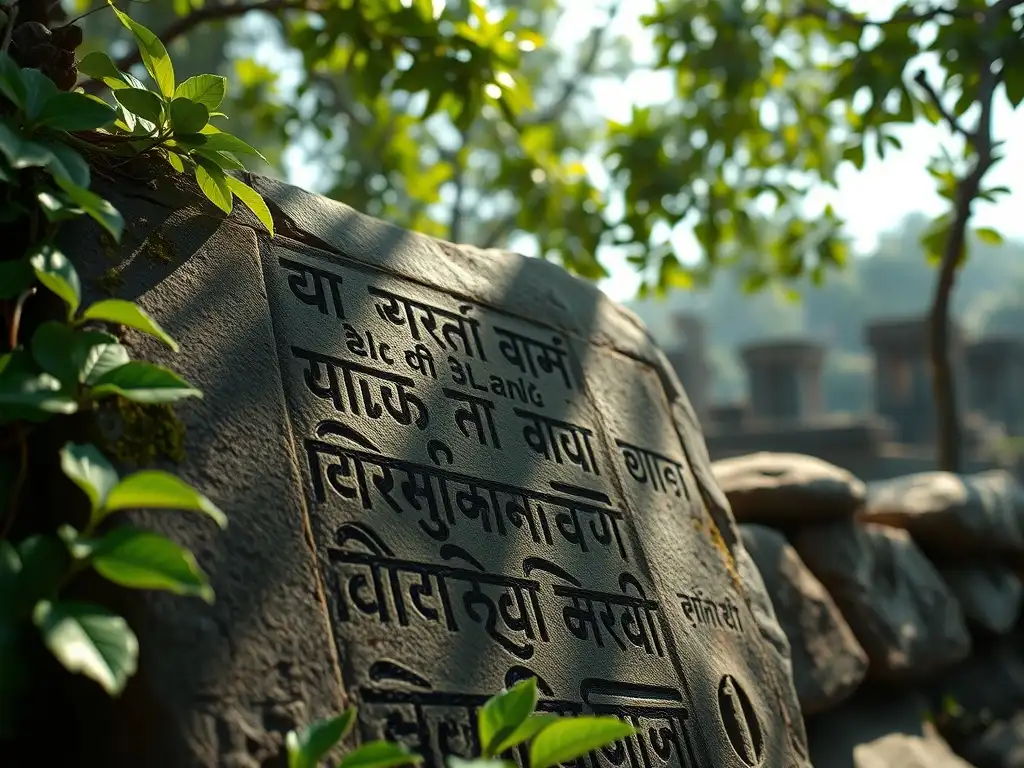
Welcome to Ancient India History, where we embark on a captivating journey through the rich tapestry of ancient Indian civilizations. From the awe-inspiring Indus Valley to the illustrious Gupta Empire, our exploration delves deep into the cultural and historical nuances that shaped this remarkable land.
In our featured article, "The Role of Inscriptions in Preserving Ancient Indian Languages," we uncover the significance of ancient Indian inscriptions and their pivotal role in safeguarding the wisdom and languages of a bygone era. Prepare to be intrigued as we reveal how these inscriptions illuminate our understanding of history, inviting you to explore further into the wonders of ancient India.
Introduction to Ancient Indian Inscriptions
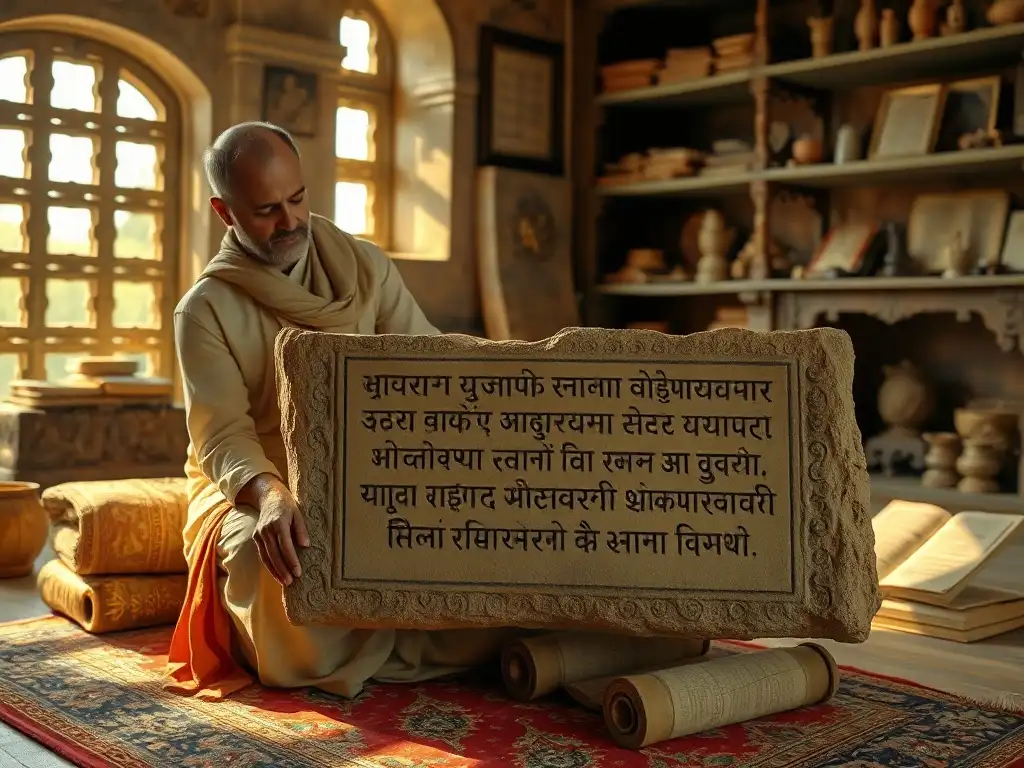
Inscriptions serve as crucial artifacts that provide deep insights into the languages, cultures, and histories of ancient civilizations. In the context of ancient India, these inscriptions hold immense significance, not only in terms of historical documentation but also in preserving the linguistic heritage of the subcontinent.
From the intricately carved edicts of the Mauryan Empire to the inscriptions found in temples and stupas, ancient Indian inscriptions reflect a diverse tapestry of languages and scripts that have evolved over millennia. By examining these inscriptions, we can gain a profound understanding of the social, political, and cultural dynamics of ancient Indian societies, as well as their contributions to the development of languages that continue to influence contemporary Indian languages.
Overview of Ancient Indian Inscriptions Significance
The significance of ancient Indian inscriptions extends beyond mere historical records; they are invaluable for various reasons:
- Cultural Heritage: Inscriptions encapsulate the beliefs, practices, and values of ancient societies, providing a window into their daily lives and rituals.
- Linguistic Insights: They offer critical information about the evolution of languages and scripts, enabling scholars to trace linguistic changes over time.
- Chronological Framework: Inscriptions often carry dates or references to historical events, helping historians establish timelines and understand the sequence of historical developments.
- Political Documentation: Many inscriptions are royal edicts or proclamations, revealing the governance structures and political ideologies of the time.
In essence, ancient Indian inscriptions are key to unlocking the linguistic and cultural richness of India’s past.
Importance of Inscriptions in Language Preservation
Inscriptions play a vital role in the preservation of ancient languages, acting as both records and repositories of linguistic knowledge. Here are some key aspects of their importance:
- Standardization of Language: Inscriptions often reflect a standardized form of language, which helps linguists identify normative structures and vocabulary of that era.
- Preservation of Dialects: They document various dialects and regional languages, contributing to our understanding of linguistic diversity in ancient India.
- Cross-Cultural Exchanges: Inscriptions demonstrate the influence of trade, migration, and conquest on language, showcasing interactions between different linguistic communities.
- Educational Resources: They serve as primary sources for linguistic studies, allowing scholars to analyze phonetics, grammar, and vocabulary in historical contexts.
The preservation of these languages through inscriptions is not only significant for historical linguistics but also enriches cultural identity, connecting contemporary Indian languages to their ancient roots.
Historical Context of Ancient Indian Languages
The historical context of ancient Indian languages is pivotal in understanding how they developed and transformed over time. Ancient India was home to a multitude of languages, each with its unique characteristics and influences.
Evolution of Languages in Ancient India
The evolution of languages in ancient India can be traced through several key phases:
- Pre-Vedic Period: This era laid the groundwork for the development of early languages, with oral traditions and proto-languages emerging.
- Vedic Period: The composition of the Vedas in Sanskrit marked a significant milestone, establishing Sanskrit as a classical language that influenced many subsequent languages.
- Classical Period: The rise of regional languages and scripts, such as Prakrit and Pali, showcased the linguistic diversification occurring across the subcontinent.
- Medieval Period: During this time, languages like Tamil, Kannada, and others flourished, influenced by both local dialects and the Sanskrit heritage.
Each phase contributed to the rich linguistic landscape of ancient India, shaping the languages spoken today.
Major Ancient Indian Languages and Scripts
Ancient India was characterized by a variety of languages and scripts, each serving unique purposes and cultural contexts. Some of the major ancient Indian languages and their corresponding scripts include:
| Language | Script | Significance |
|---|---|---|
| Sanskrit | Brahmi, Devanagari | Language of sacred texts and classical literature. |
| Prakrit | Brahmi | Used in Jain texts and plays, representing vernacular speech. |
| Pali | Brahmi | Language of Theravada Buddhism texts. |
| Tamil | Tamil script | Ancient Dravidian language with a rich literary tradition. |
| Kannada | Kannada script | Developed as a major literary language in the south. |
The interplay between these languages and their scripts underscores the complexity and richness of ancient Indian linguistic heritage, a legacy that continues to resonate in modern languages and cultures across the Indian subcontinent.
Types of Ancient Indian Inscriptions
Ancient Indian inscriptions can be categorized into various forms based on their material, method of inscription, and the context in which they were created. Understanding these types not only aids in the study of ancient languages but also provides insights into the socio-political and cultural landscapes of the time. The main types of inscriptions include stone inscriptions, copper plate inscriptions, and other forms such as pottery and metal inscriptions.
Stone Inscriptions and Their Importance
Stone inscriptions are among the most significant remnants of ancient Indian languages and cultures. These inscriptions are typically carved into stone tablets, pillars, or rocks, making them durable and capable of withstanding the test of time. Notable examples include the edicts of Emperor Ashoka, which were inscribed across the Indian subcontinent.
The importance of stone inscriptions lies in several key aspects:
- Durability: Stone inscriptions have survived millennia, providing historians and linguists with direct access to ancient texts.
- Historical Value: They often document significant events, policies, and proclamations, thereby serving as primary sources for historical research.
- Language Preservation: These inscriptions capture the evolution of languages like Sanskrit, Prakrit, and Tamil, showcasing their development over time.
Copper Plate Inscriptions: A Unique Perspective
Copper plate inscriptions represent a unique perspective in the study of ancient Indian languages. These inscriptions were typically etched into thin sheets of copper and often used for issuing royal grants, land donations, or important decrees.
The significance of copper plate inscriptions includes:
- Administrative Records: They provide insights into the administrative practices and governance of ancient Indian kingdoms.
- Cultural Context: Many copper plates contain hymns, prayers, or references to deities, reflecting the religious beliefs and practices of the time.
- Linguistic Value: The language used in these inscriptions often showcases formalized scripts and the influence of regional dialects, offering a glimpse into the linguistic diversity of ancient India.
Other Forms of Inscriptions in Ancient India
In addition to stone and copper plate inscriptions, other forms of inscriptions also played a role in preserving ancient Indian languages. These include:
- Pottery Inscriptions: Often found on earthenware, these inscriptions provide information about daily life, trade, and social practices.
- Metal Inscriptions: Similar to copper plates, inscriptions on bronze and other metals offer insights into commerce and metallurgy in ancient India.
- Terracotta Tablets: These are often inscribed with seals or symbols, contributing to the understanding of early writing systems and communication methods.
The Significance of Ancient Indian Inscriptions
Ancient Indian inscriptions hold immense significance beyond their linguistic value, acting as vital links to the past. They are instrumental in understanding the socio-political, cultural, and religious dynamics of ancient Indian civilizations.
Inscriptions as Historical Documents
Inscriptions serve as essential historical documents that provide verified accounts of events and practices. They often record:
- Royal Decrees: These inscriptions document the decisions made by rulers, offering insights into governance and law.
- Cultural Practices: They reflect customs, traditions, and societal norms prevalent during different periods.
- Historical Events: Many inscriptions commemorate battles, treaties, and important milestones in the history of ancient India.
Linguistic Insights from Ancient Indian Inscriptions
The study of ancient Indian inscriptions is crucial for understanding the evolution of languages in the region. They reveal:
- Script Development: Inscriptions display various scripts, such as Brahmi and Kharosthi, showcasing the transition of writing systems.
- Language Evolution: By analyzing inscriptions, linguists can trace the changes in phonetics, vocabulary, and grammar over centuries.
- Dialects: Inscriptions often reflect regional dialects, highlighting the linguistic diversity and cultural richness of ancient India.
Cultural and Religious Significance of Inscriptions
Inscriptions also serve as windows into the cultural and religious life of ancient Indian societies. They often include:
- Religious Texts: Many inscriptions feature hymns, prayers, and invocations that illuminate the spiritual beliefs of the time.
- Cultural Narratives: They provide narratives about myths, legends, and historical figures that were significant to ancient cultures.
- Artistic Expressions: The craftsmanship of inscriptions, whether in stone or metal, showcases the artistic techniques and styles of various periods, reflecting the aesthetic values of the time.
Case Studies of Notable Ancient Indian Inscriptions
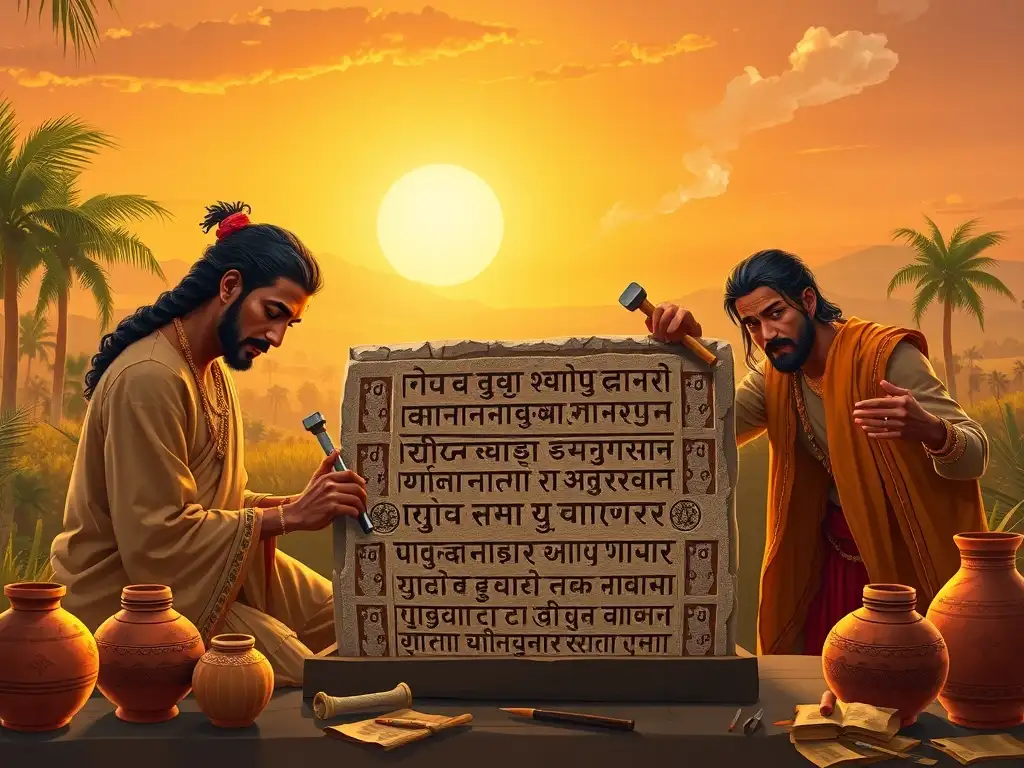
Ancient Indian inscriptions serve as invaluable resources for understanding the languages, cultures, and histories of early civilizations. Through a careful study of notable inscriptions, scholars can piece together linguistic evolution and cultural shifts. Here, we examine several key examples that highlight the significance of inscriptions in preserving ancient Indian languages.
The Edicts of Ashoka: A Model of Language Preservation
The Edicts of Ashoka, inscribed during the reign of Emperor Ashoka (circa 268–232 BCE), are perhaps the most significant examples of ancient Indian inscriptions. These edicts were carved on rocks and pillars across the Indian subcontinent, communicating messages of moral and ethical governance as well as promoting Buddhism.
- Linguistic Diversity: The edicts were inscribed in multiple languages, including Brahmi and Kharosthi, reflecting the linguistic diversity of the time.
- Content Preservation: The messages not only preserved the Prakrit language but also provided insights into the socio-political landscape of ancient India. They convey Ashoka’s commitment to dharma (moral law) and his efforts to promote welfare among his subjects.
- Cultural Impact: The use of a common script for these edicts helped standardize languages and fostered a sense of unity, while also preserving local dialects and cultural nuances.
The Edicts of Ashoka thus serve as a model for language preservation, illustrating how inscriptions can embody both linguistic and cultural heritage.
The Inscriptions of the Gupta Period: Linguistic Richness
The Gupta period (circa 320–550 CE) is often referred to as the Golden Age of India, marked by significant advancements in arts, science, and literature. The inscriptions from this era are notable for their linguistic richness and variety.
- Sanskrit Flourishment: Many inscriptions from the Gupta period were inscribed in Sanskrit, showcasing the language's prominence during this time. These texts often highlight achievements in literature, science, and philosophy, reflecting the intellectual vigor of the age.
- Cultural Documentation: Inscriptions from temples and royal edicts provide insights into the religious and cultural practices of the time. For instance, the famous Allahabad Pillar inscription by Samudragupta enumerates his military conquests and patronage of arts, demonstrating the role of language in documenting history.
- Regional Variations: The Gupta inscriptions also reveal regional linguistic variations, helping linguists trace the development of various dialects and the evolution of the Sanskrit language.
Overall, the inscriptions of the Gupta period highlight the significance of ancient Indian languages in preserving a rich cultural and intellectual legacy.
Other Significant Inscriptions and Their Contributions
Beyond the Edicts of Ashoka and Gupta inscriptions, numerous other significant inscriptions have contributed to the preservation of ancient Indian languages:
- The Hathigumpha Inscription: Dating back to the 1st century BCE, this inscription by the Kalinga king Kharavela is inscribed in Brahmi script and provides insights into the political and cultural history of the region.
- The Junagarh Rock Inscription: This 2nd-century CE inscription of Rudradaman I in Sanskrit demonstrates early forms of classical Sanskrit and the administrative practices of the Western Kshatrapas.
- The Nasik Caves Inscriptions: Carved in the 1st century CE, these inscriptions shed light on the early Buddhist community and the use of Prakrit, highlighting the linguistic diversity and cultural interactions of the time.
These examples illustrate the extensive range of ancient Indian inscriptions and their essential role in maintaining linguistic heritage and cultural identity.
Challenges in Preserving Ancient Indian Inscriptions
While ancient Indian inscriptions are crucial for understanding historical languages and cultures, several challenges hinder their preservation and study.
Physical Deterioration of Inscriptions
Many ancient inscriptions have suffered physical deterioration due to environmental factors, human interference, and the passage of time.
- Weathering: Natural elements such as rain, wind, and temperature fluctuations can erode inscriptions, making them difficult to read.
- Human Impact: Vandalism and neglect have led to significant loss of important inscriptions, as some sites are not adequately protected.
- Material Degradation: The materials used for inscriptions, such as stone and metal, can corrode or crack over time, further complicating preservation efforts.
Addressing these issues requires concerted conservation efforts to protect and restore these invaluable historical artifacts.
Linguistic Challenges in Deciphering Ancient Texts
The study of ancient inscriptions is fraught with linguistic challenges that can impede understanding:
- Obsolete Scripts: Many inscriptions are written in scripts that are no longer in common use, making them challenging to decipher without specialized knowledge.
- Fragmentation: Often, inscriptions are found in fragments, leading to incomplete texts that can be difficult to interpret accurately.
- Language Evolution: The evolution of languages over centuries means that words or phrases may have shifted in meaning, complicating translation efforts.
Scholars must continually develop their skills in linguistics and epigraphy to effectively tackle these challenges.
Cultural and Political Factors Affecting Preservation
Cultural and political factors have also influenced the preservation of ancient inscriptions:
- Cultural Priorities: In some cases, inscriptions may be overlooked in favor of more prominent historical artifacts, leading to neglect.
- Political Instability: Regions with political turmoil often see a lack of resources allocated for the preservation of historical sites, resulting in further deterioration.
- Religious Sensitivities: Some inscriptions may pertain to religious beliefs that are no longer practiced, leading to a lack of interest or funding for their preservation.
Understanding these factors is critical for developing effective strategies to preserve ancient Indian inscriptions and their linguistic significance.
Strategies for Preserving Ancient Indian Languages through Inscriptions
The preservation of ancient Indian languages through inscriptions involves a multifaceted approach that combines traditional methods with modern innovations. One prominent strategy is the meticulous documentation of existing inscriptions, ensuring that they are recorded accurately in various formats, including digital archives. This process not only safeguards the original texts but also makes them accessible for future research and analysis.
Additionally, the translation of ancient scripts into contemporary languages plays a crucial role in preserving linguistic heritage. By making these texts comprehensible to modern audiences, scholars can bridge the gap between ancient and contemporary cultures. Furthermore, the establishment of dedicated research centers and institutes focusing on epigraphy provides a platform for scholars to collaborate and share insights on ancient languages. These centers often organize workshops and seminars that foster knowledge exchange and encourage the study of lesser-known inscriptions.
Modern Technologies in Inscriptions Preservation
The advent of modern technologies has significantly enhanced the preservation and study of ancient Indian inscriptions. Techniques such as 3D scanning and digital imaging allow for high-resolution documentation of inscriptions, capturing details that may be lost over time. These technologies facilitate virtual reconstructions, enabling researchers to analyze inscriptions in ways that were previously impossible.
Moreover, the application of artificial intelligence in deciphering ancient scripts has opened new avenues for understanding linguistic nuances. Machine learning algorithms can assist scholars in identifying patterns and similarities among various inscriptions, promoting a deeper comprehension of ancient languages. Additionally, the use of geographical information systems (GIS) in mapping the locations of inscriptions contributes to the study of ancient trade routes and cultural exchanges.
Collaborative Efforts in Epigraphy and Language Studies
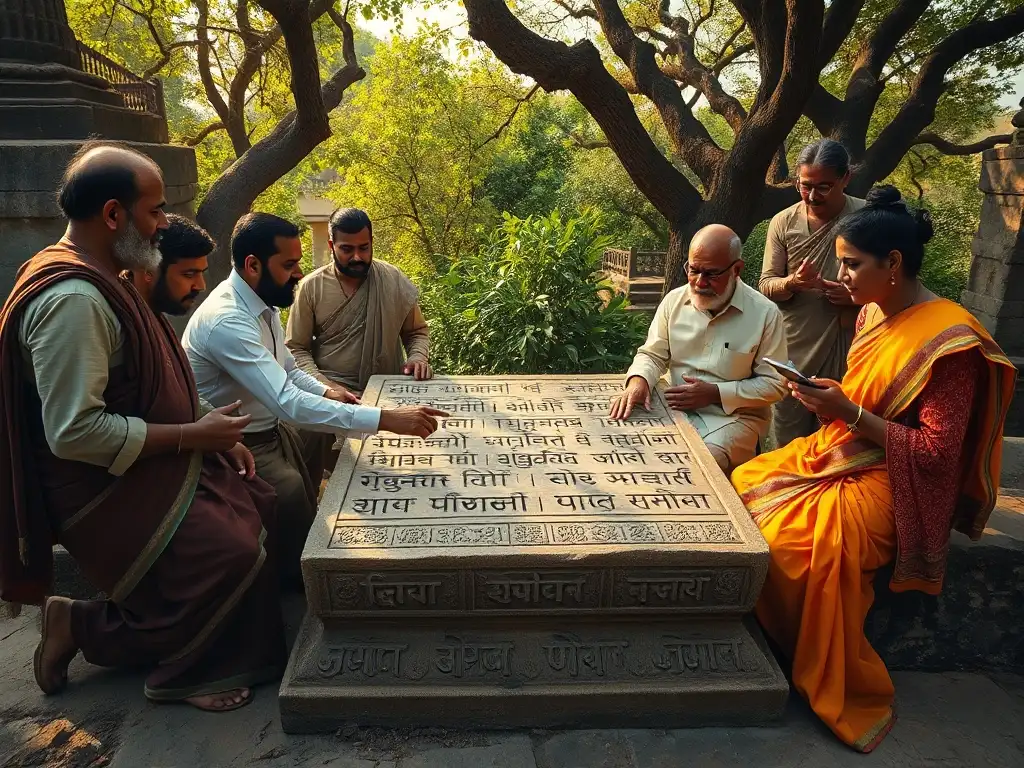
Collaboration among scholars, linguists, and historians is essential for the comprehensive study of ancient Indian inscriptions. Interdisciplinary projects that bring together experts from various fields foster a holistic understanding of the cultural and historical contexts in which these inscriptions were created. Collaborative research initiatives often lead to joint publications, enriching the academic discourse surrounding ancient languages.
Furthermore, partnerships between universities and cultural institutions can facilitate fieldwork and training programs for young epigraphists. Such initiatives not only promote the preservation of ancient inscriptions but also ensure that the next generation of scholars is equipped with the necessary skills and knowledge to continue this vital work.
Educational Initiatives to Promote Awareness
Raising awareness about the significance of ancient Indian inscriptions is critical for their preservation. Educational initiatives targeting schools and universities can cultivate a sense of appreciation for linguistic heritage among students. Programs that include workshops, lectures, and interactive sessions on epigraphy can inspire interest in ancient languages and their inscriptions.
Additionally, public exhibitions showcasing ancient inscriptions can engage broader communities, highlighting their cultural importance. By integrating these themes into educational curriculums, institutions can encourage students to explore the rich history of ancient India and its languages, fostering a sense of identity and continuity.
Conclusion
Summary of the Role of Inscriptions in Language Preservation
Ancient Indian inscriptions serve as invaluable repositories of linguistic and cultural information. They not only document the evolution of languages but also reflect the socio-political and economic contexts of their times. Through various strategies, including modern technologies, collaborative efforts, and educational initiatives, the significance of these inscriptions in preserving ancient Indian languages can be effectively highlighted and promoted.
Future Directions in the Study of Ancient Indian Inscriptions
Looking ahead, the study of ancient Indian inscriptions is poised to benefit from ongoing advancements in technology and collaborative research. The integration of digital tools will continue to enhance the preservation and accessibility of inscriptions, while interdisciplinary approaches will deepen our understanding of the languages and cultures they represent. As interest in ancient India’s linguistic heritage grows, it is essential to develop sustainable practices that ensure these inscriptions are preserved for future generations to explore and appreciate.
- Introduction to Ancient Indian Inscriptions
- Historical Context of Ancient Indian Languages
- Types of Ancient Indian Inscriptions
- The Significance of Ancient Indian Inscriptions
- Case Studies of Notable Ancient Indian Inscriptions
- Challenges in Preserving Ancient Indian Inscriptions
- Strategies for Preserving Ancient Indian Languages through Inscriptions
- Modern Technologies in Inscriptions Preservation
- Collaborative Efforts in Epigraphy and Language Studies
- Educational Initiatives to Promote Awareness
- Conclusion
- What is the significance of ancient Indian inscriptions?
- How have inscriptions contributed to our understanding of ancient Indian languages?
- What types of materials were commonly used for inscriptions in ancient India?
- Can you name some notable ancient Indian inscriptions?
- How do inscriptions impact our understanding of ancient Indian civilizations?
Frequently Asked Questions
What is the significance of ancient Indian inscriptions?
Ancient Indian inscriptions are crucial for understanding the linguistic diversity, cultural practices, and historical events of ancient civilizations in India. They serve as primary sources for historians and linguists alike.
How have inscriptions contributed to our understanding of ancient Indian languages?
Inscriptions provide valuable insights into the evolution of languages, their scripts, and the regional dialects used across ancient India, helping scholars trace their development over time.
What types of materials were commonly used for inscriptions in ancient India?
Ancient Indians utilized a variety of materials, including stone, metal, and clay, to create inscriptions. These materials were chosen for their durability, ensuring that the messages would endure through time.
Can you name some notable ancient Indian inscriptions?
Prominent examples include the Ashoka Edicts, which reflect the philosophy of Buddhism, and the inscriptions of the Gupta period, showcasing the administrative and cultural achievements of the time.
How do inscriptions impact our understanding of ancient Indian civilizations?
Inscriptions are instrumental in reconstructing the social, political, and economic life of ancient Indian civilizations, revealing intricate details about governance, religion, and daily life.
Final Reflection: The Enduring Significance of Ancient Indian Inscriptions
The exploration of ancient Indian inscriptions reveals their profound role in preserving languages and cultures that have shaped our history. Today, as we navigate a rapidly globalizing world, the significance of these inscriptions becomes even more pronounced. They serve not only as historical artifacts but also as vital links to our linguistic heritage, reminding us of the intricate tapestry of human expression and communication that has evolved over millennia.
The impact of ancient Indian inscriptions extends beyond mere documentation; they are a testament to the rich cultural and social landscapes of their time. These inscriptions have influenced modern linguistics, literature, and even identity formation within communities. As we reflect on their ongoing relevance, we are reminded of the words of the renowned linguist Noam Chomsky: Language is a process of free creation.
This notion underscores the idea that our understanding of language is continuously evolving, shaped by the legacies of those who came before us.
As we conclude this exploration, I invite you to reflect on the lessons that ancient Indian inscriptions impart. Consider how you can engage with and celebrate the linguistic diversity around you. Whether through learning a new language, exploring historical texts, or supporting efforts to preserve endangered languages, each action contributes to the ongoing narrative of human expression. Let us honor the past by actively participating in the preservation of our linguistic heritage for future generations.
Unveil the Secrets of Ancient Languages Today!
Thank you for diving into the fascinating world of ancient Indian inscriptions with us! Your curiosity about these remarkable artifacts not only enriches your knowledge but also helps to keep these languages alive. Now, let's take some actionable steps to deepen your connection and understanding.
- Explore local museums or online exhibits dedicated to ancient Indian cultures and inscriptions to see these treasures firsthand.
- Join a community group focused on language preservation or ancient history to share insights and learn from others who are passionate about this topic.
- Consider starting a blog or social media page dedicated to ancient languages where you can share your discoveries and engage with others who share your interests.
Which inscription do you believe holds the most untold story, and how would you convey that story to others?