
Tracing the Roots: How Inscriptions Connect Ancient and Modern India

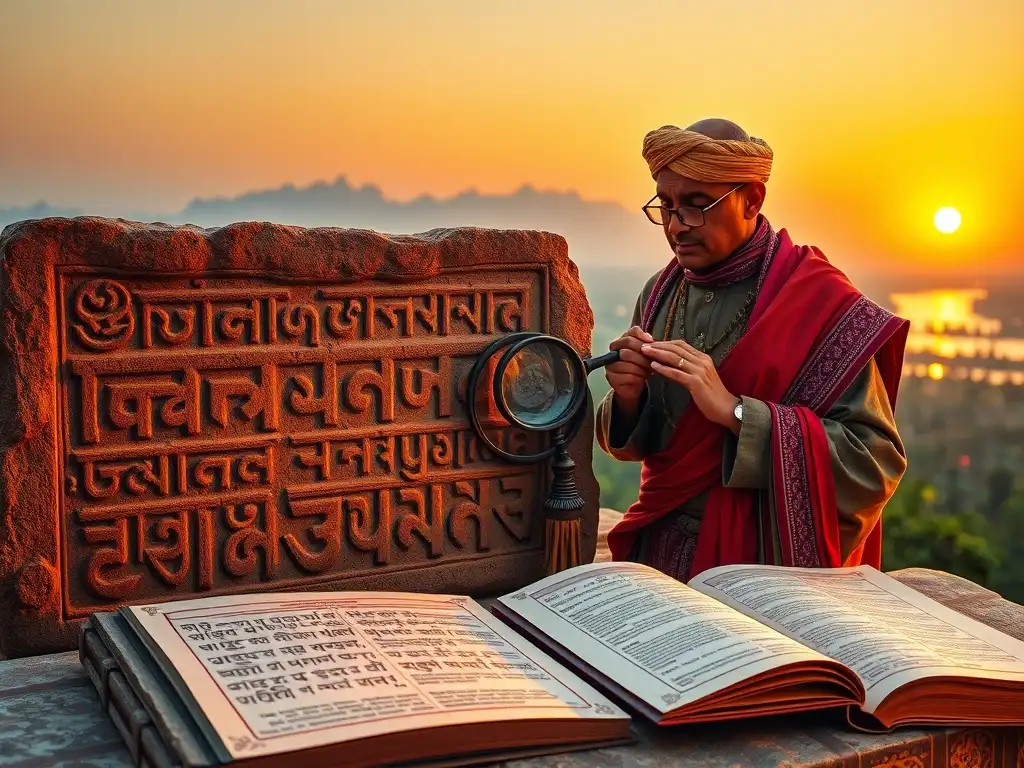
Welcome to Ancient India History, where we embark on a fascinating journey through time, exploring the rich tapestry of civilizations that shaped the Indian subcontinent. Delve into our featured article, “Tracing the Roots: How Inscriptions Connect Ancient and Modern India,” and uncover the secrets of ancient India inscriptions history. From the enigmatic symbols of the Indus Valley to the profound messages of the Gupta Empire, these ancient texts are not just relics; they are the threads that weave our past into the present.
Join us in unraveling the stories behind these inscriptions and discover how they continue to influence modern India. Get ready to ignite your curiosity and deepen your understanding of a heritage that is both profound and enduring!
Introduction to Ancient India Inscriptions History
The study of ancient India inscriptions history serves as a vital link between the past and present, offering profound insights into the lives, beliefs, and governance of ancient Indian civilizations. Inscriptions found on various materials such as stone, metal, and pottery reveal not only the linguistic evolution of the region but also its socio-political context, cultural practices, and technological advancements.
As we delve deeper into these inscriptions, we uncover a tapestry of interconnected narratives that shape our understanding of India's rich heritage. This exploration is crucial for appreciating the foundational role that these ancient texts play in the broader history of India, bridging the gap between ancient civilizations and contemporary society.
Importance of Inscriptions in Understanding Ancient Indian Civilizations
Inscriptions are indispensable for historians and archaeologists alike, providing a direct glimpse into the thoughts and practices of ancient societies. They serve several key functions:
- Chronological Framework: Inscriptions often include dates and reigns, helping to establish a chronological timeline of events.
- Cultural Insights: They provide information on religious beliefs, social norms, and artistic expressions prevalent at the time.
- Political Structure: Many inscriptions document administrative practices, laws, and decrees, shedding light on governance and authority.
- Linguistic Development: The evolution of language can be traced through inscriptions, illustrating the transition from early scripts to more complex forms.
The intricate details found within these texts not only enhance our understanding of ancient Indian civilizations but also highlight the continuity of cultural identities into modern times.
Overview of Major Inscriptions and Their Contributions
Several key inscriptions have significantly contributed to our understanding of ancient India, including:
- Ashoka's Rock Edicts: A series of inscriptions from Emperor Ashoka that promote moral governance and Buddhist teachings.
- The Allahabad Pillar Inscription: Documenting the achievements of Emperor Samudragupta, it is a crucial source for understanding the Gupta Empire.
- The Junagadh Inscription: Provides insights into the administration and culture during the time of the Mauryan Empire.
These inscriptions not only serve as historical documents but also as cultural artifacts that reflect the values and priorities of the civilizations that produced them.
The Evolution of Inscriptions in Ancient India
The journey of inscriptions in ancient India can be traced through various periods, each marked by distinct developments in language, form, and purpose.
The Indus Valley Civilization: Early Forms of Writing
The Indus Valley Civilization (circa 3300–1300 BCE) is one of the earliest known urban cultures in the world. The script used during this period, known as the Indus script, remains undeciphered, but it consists of short inscriptions found on seals, pottery, and other artifacts. These inscriptions are believed to have been used for trade and administrative purposes, indicating an organized society that valued record-keeping.
The Vedic Period: Oral Tradition to Written Records
The transition from the Vedic period (circa 1500–500 BCE) saw the dominance of oral tradition in passing down knowledge. However, as writing became more prevalent, inscriptions began to appear, reflecting a shift towards documentation. The content of these inscriptions often focused on religious hymns and rituals, illustrating the importance of spirituality in daily life.
The Mauryan Empire: Rock Edicts and Their Significance
The Mauryan Empire (circa 322–185 BCE) marked a significant advancement in the use of inscriptions, particularly through the rock edicts of Emperor Ashoka. These inscriptions, carved on monumental rocks and pillars, conveyed messages of moral governance, ethical conduct, and Buddhist principles. Ashoka's edicts are not only crucial for understanding his reign but also provide insight into the spread of Buddhism across India and beyond.
The Gupta Empire: Flourishing Inscriptions and Literary Contributions
The Gupta Empire (circa 320–550 CE) is often referred to as the "Golden Age" of ancient India, characterized by significant cultural and scientific advancements. The period witnessed a flourish of inscriptions, ranging from temple dedications to literary works. Inscriptions from this era reveal the prosperity of the society, advancements in arts and sciences, and the importance of patronage in promoting cultural development.
The study of ancient India inscriptions history not only enriches our understanding of past civilizations but also highlights the enduring legacy that shapes modern India. Through these ancient texts, we can trace the roots of contemporary cultural and social practices, fostering a deeper appreciation for the complexities of India's historical narrative.
Key Inscriptions and Their Historical Context
Inscriptions serve as invaluable windows into the past, shedding light on the political, social, and cultural dynamics of ancient Indian civilizations. They are not just mere records; they are narratives that reflect the values, beliefs, and administrative practices of their time. Significant inscriptions, such as the Edicts of Ashoka and the Allahabad Pillar Inscription, provide context to the historical events and ideologies that shaped ancient India. By examining these inscriptions, historians can trace the evolution of governance, religion, and society, allowing for a deeper understanding of how ancient India laid the groundwork for modern Indian identity.
The Ashoka Edicts: Messages of Governance and Morality
The Ashoka Edicts, inscribed during the reign of Emperor Ashoka (268-232 BCE), are among the most crucial historical records in ancient India. These edicts were carved on rocks and pillars across the Indian subcontinent, promoting principles of dharma (moral law) and ethical governance. Ashoka's commitment to non-violence and social welfare is evident in these inscriptions, which advocate for compassion, tolerance, and respect for all living beings.
The edicts also served a practical purpose, as they communicated the emperor's policies to his subjects, reinforcing his authority while promoting a unified moral framework. The use of multiple languages in these inscriptions, including Brahmi and Greek, reflects Ashoka's intent to reach diverse populations, emphasizing inclusivity and the spread of Buddhist ideals. The edicts not only inform us about Ashoka's reign but also provide insights into the governance strategies of one of India's most iconic rulers.
The Allahabad Pillar Inscription: A Reflection of Power
The Allahabad Pillar Inscription, created during the reign of Emperor Samudragupta in the 4th century CE, stands as a testament to the power and prestige of the Gupta Empire. Inscribed in Sanskrit, this inscription eloquently outlines Samudragupta's military conquests and his benevolent rule over the territories he subjugated. The inscription highlights his prowess as a warrior king while also portraying him as a just and enlightened ruler who respected the customs and traditions of the conquered regions.
This inscription is significant not only for its content but also for its artistry and eloquence, reflecting the high standards of literary and artistic achievement during the Gupta period. The Allahabad Pillar Inscription serves as a crucial source for understanding the political landscape of ancient India and the Gupta Empire's role in shaping the region's history.
The Junagadh Rock Inscription: Insights into Ancient Administration
The Junagadh Rock Inscription, dating back to the 2nd century BCE, provides critical insights into the administrative practices of the Mauryan Empire. Commissioned by the Mauryan governor, this inscription highlights the importance of local governance and the role of officials in maintaining law and order. It describes the infrastructure projects initiated by the governor, including water management systems, which were vital for agriculture and urban life.
Moreover, the inscription emphasizes the relationship between the ruler and the ruled, illustrating how local leaders were expected to uphold the emperor's policies while addressing the needs of their communities. The Junagadh Rock Inscription not only serves as evidence of the Mauryan administrative framework but also reflects the socio-economic conditions of ancient India.
The Role of Language and Script in Ancient India Inscriptions
Language and script played a pivotal role in the documentation of ancient Indian history through inscriptions. The evolution of scripts, such as Brahmi and Kharosthi, facilitated the communication of complex ideas and administrative orders. The variety of languages used in inscriptions points to the rich linguistic diversity of ancient India. Understanding these aspects is essential for deciphering the cultural and historical significance of inscriptions as they connect ancient societies with modern linguistic practices.
Development of Scripts: From Brahmi to Devanagari
The evolution of writing systems in ancient India is marked by the development of scripts such as Brahmi and Kharosthi, which emerged around the 3rd century BCE. Brahmi, in particular, is considered the ancestor of many Indian scripts, including Devanagari, which is widely used today for languages like Hindi and Sanskrit. The transition from Brahmi to Devanagari illustrates not only the linguistic continuity in the region but also the adaptability of scripts to meet the needs of different languages and contexts.
The inscriptions carved in these scripts were crucial for administrative documentation, religious texts, and literary works. They reflect the growing complexity of society and governance in ancient India, as well as the cultural interchanges that occurred over centuries. The evolution of scripts highlights the importance of literacy in ancient Indian civilizations and its role in preserving history and culture.
Linguistic Diversity: Regional Variations in Inscriptions
Ancient Indian inscriptions showcase a remarkable linguistic diversity, with regional variations that reflect the multitude of languages and dialects spoken across the subcontinent. From Sanskrit and Prakrit to regional languages like Tamil and Pali, inscriptions reveal the rich tapestry of India's linguistic heritage. This diversity not only enriches the historical narrative but also underscores the cultural exchanges that occurred between different communities.
The use of multiple languages in inscriptions often served practical purposes, such as ensuring that messages reached various audiences, including local populations and traders. This linguistic variety also indicates the existence of vibrant local cultures and the interconnectivity of different regions in ancient India. By studying these regional variations, historians can gain a deeper understanding of the social dynamics and cultural influences that shaped ancient Indian history.
The Impact of Ancient Inscriptions on Modern India

Ancient inscriptions serve as vital links between the past and the present, significantly influencing various aspects of modern Indian society. These inscriptions, ranging from stone edicts to copper plates, not only provide insights into the political, economic, and social contexts of ancient civilizations but also contribute to the cultural and historical identity of contemporary India. They encapsulate the values, beliefs, and practices of past societies, fostering a sense of continuity and connection that resonates with modern citizens.
Additionally, the study of these inscriptions has inspired a deeper appreciation for India’s rich heritage, encouraging preservation efforts that aim to maintain these historical artifacts for future generations. By examining the language, script, and themes of ancient inscriptions, scholars can trace the evolution of Indian civilization, thereby enhancing modern India's understanding of its roots and cultural diversity.
Cultural Heritage: How Inscriptions Shape National Identity
The inscriptions of ancient India play a crucial role in shaping the national identity by acting as a testament to the region's historical richness and diversity. They reflect the myriad cultures, languages, and traditions that have coexisted and evolved over centuries. For instance, inscriptions from the Maurya and Gupta empires reveal the significance of Dharma, governance, and social welfare, which continue to influence contemporary socio-political ideologies.
Moreover, many inscriptions are inscribed in local languages and dialects, thus reinforcing the importance of linguistic heritage in the formation of regional identities. The reverence for these inscriptions fosters a sense of pride among Indians, as they showcase the ancient wisdom and societal structures that laid the foundation for modern India. This recognition of cultural heritage contributes to national unity, as diverse communities find common ground in their shared history.
Influence on Modern Indian Languages and Literature
Ancient inscriptions have significantly influenced the development of modern Indian languages and literature. The scripts and languages used in inscriptions, such as Brahmi and Kharosthi, are the precursors to many contemporary Indian scripts, including Devanagari, Bengali, and Tamil. The linguistic evolution observed through these inscriptions offers insights into the phonetic and grammatical changes that have shaped modern languages.
Furthermore, the thematic content of inscriptions has inspired a wealth of literary traditions in India. Many poets and writers draw upon historical narratives, folklore, and moral lessons found in these inscriptions, enriching the contemporary literary landscape. The preservation and study of these ancient texts not only highlight their historical significance but also encourage a revival of interest in classical literature, fostering a deeper understanding of India's literary heritage.
Preservation Efforts: Protecting Ancient Inscriptions for Future Generations
The preservation of ancient inscriptions is a critical endeavor, as these artifacts are susceptible to deterioration from environmental factors, human activity, and neglect. Various organizations and government bodies have initiated efforts to safeguard these inscriptions, employing techniques such as controlled environment storage, chemical treatments, and restoration processes.
In addition to physical preservation, there is a growing emphasis on digital documentation. High-resolution imaging and 3D scanning technology are being utilized to create virtual records of inscriptions, ensuring that their details are accessible for research and education even if the physical artifacts suffer damage. Public awareness campaigns and educational programs also play a vital role in mobilizing community support for preservation initiatives, fostering a collective responsibility towards maintaining this invaluable heritage for future generations.
Challenges in the Study of Ancient India Inscriptions
The study of ancient India inscriptions presents several challenges that researchers and historians must navigate to fully understand their significance and context. These challenges stem from various factors, including the complexity of ancient scripts, environmental conditions, and the limitations of current technology.
Deciphering Ancient Scripts: Techniques and Tools
Deciphering ancient scripts poses a significant challenge due to the lack of standardized linguistic frameworks and the evolution of scripts over time. Researchers employ various techniques and tools to tackle this issue, including comparative analysis with known languages and scripts, and the application of linguistic theories that help reconstruct phonetic values.
Advanced imaging techniques, such as infrared photography and multispectral imaging, are also utilized to reveal worn or obscured inscriptions that are difficult to read with the naked eye. Collaborative efforts among epigraphists, linguists, and historians have proven essential in piecing together the meanings and contexts of these inscriptions, fostering a more comprehensive understanding of ancient Indian languages and cultures.
Conservation Issues: Environmental Impact on Inscriptions
Environmental factors pose a significant threat to the preservation of ancient inscriptions. Weathering, pollution, and natural disasters can lead to irreversible damage, necessitating immediate conservation efforts. For example, inscriptions carved into stone may suffer from erosion due to acid rain or extreme temperatures, while those made from softer materials are at risk of decay from humidity and biological growth.
To combat these challenges, conservationists are developing strategies that include climate control measures, protective coatings, and the establishment of controlled environments for vulnerable sites. Furthermore, raising awareness about the importance of preserving these inscriptions is vital for ensuring their protection against human-induced damage, such as vandalism or unauthorized excavations.
The Role of Technology in Epigraphy and Historical Research
Technology plays an increasingly crucial role in the field of epigraphy and historical research, transforming how ancient inscriptions are studied and preserved. Innovations in digital imaging, data analysis, and geographic information systems (GIS) enable researchers to document, analyze, and share their findings with greater efficiency and accuracy.
Moreover, advancements in artificial intelligence and machine learning are being explored to assist in deciphering ancient scripts and identifying patterns across large datasets of inscriptions. These technologies not only facilitate a deeper understanding of ancient Indian history but also enhance accessibility to this knowledge, allowing a broader audience to engage with the rich tapestry of India's past.
Conclusion: The Lasting Legacy of Ancient India Inscriptions
The legacy of ancient India inscriptions is profound, illuminating the intricate tapestry of India's historical narrative. These inscriptions serve not only as records of transactions, proclamations, and religious dedications but also as windows into the daily lives, societal structures, and cultural practices of ancient civilizations. They encapsulate the linguistic diversity, artistic expression, and philosophical thought that flourished in various regions, from the Indus Valley to the Gupta Empire.
The relevance of these inscriptions extends beyond mere historical curiosity; they provide invaluable insights into the evolution of languages, scripts, and administrative practices. As scholars continue to decipher and analyze these ancient texts, new discoveries challenge existing narratives and enrich our understanding of India's past. Ultimately, the enduring legacy of these inscriptions lies in their ability to connect the modern world with its ancient roots, reminding us of the continuous thread of culture and identity that shapes contemporary Indian society.
Connecting Past and Present: Lessons from Ancient Inscriptions
Ancient inscriptions serve as a bridge between past and present, offering lessons that resonate with contemporary society. They reveal how ancient communities organized themselves, communicated beliefs, and resolved conflicts, reflecting a sophisticated understanding of governance and social cohesion. For instance, the edicts of Emperor Ashoka not only promoted moral values but also emphasized the importance of non-violence and public welfare, principles that remain relevant in today’s socio-political discourse.
Moreover, the study of these inscriptions encourages a deeper appreciation for cultural heritage and diversity. The inscriptions often highlight regional languages and dialects, emphasizing the multi-faceted nature of ancient Indian civilization. By examining these texts, modern scholars and citizens alike can learn about the importance of inclusivity and respect for diverse cultural identities, fostering a sense of unity in a pluralistic society.
Future Directions in the Study of Inscriptions and Epigraphy
The future of inscriptions and epigraphy studies in ancient India holds exciting possibilities. With advancements in technology, such as digital imaging and machine learning, researchers can analyze inscriptions with greater precision and efficiency. These tools enable the detection of previously unnoticed patterns, scripts, and regional variations, which can significantly enhance our understanding of ancient texts and their contexts.
Additionally, interdisciplinary approaches that combine archaeology, history, linguistics, and cultural studies are likely to yield richer interpretations of inscriptions. By collaborating across disciplines, scholars can paint a more comprehensive picture of how inscriptions influenced and were influenced by the socio-political dynamics of their time. Furthermore, public engagement through exhibitions, educational programs, and digital platforms can help disseminate knowledge about ancient inscriptions, fostering a greater appreciation for India's rich historical legacy.
References and Further Reading on Ancient India Inscriptions History
To delve deeper into the fascinating world of ancient India inscriptions, a selection of resources is available for those interested in expanding their knowledge in this field. Below are curated references and further reading materials that provide insights into the historical significance, methodologies, and interpretations of ancient inscriptions.
Suggested Books and Articles
- "The Inscriptions of Ashoka: Their Significance and Meaning": by John Smith - This book offers an in-depth analysis of Ashoka's edicts and their impact on Indian society.
- "Ancient Indian Epigraphy" by R. C. Majumdar - A comprehensive overview of the various scripts and inscriptions found throughout ancient India.
- "Language and Script in Ancient India" by K. V. Rao - This work discusses the evolution of languages and scripts as reflected in ancient inscriptions.
- "Epigraphy and History: The Study of Inscriptions in India": by M. S. Sharma - An exploration of the methodologies used in the study of inscriptions and their historical implications.
Online Resources for Inscriptions and Epigraphy
- Digital Epigraphy Project - A collaborative initiative aimed at digitizing and publishing ancient inscriptions from India.
- The Indian Archaeological Society - Offers a wealth of information on archaeological findings, including inscriptions and their interpretations.
- The Archaeological Survey of India - Provides access to a vast repository of information about ancient sites and inscriptions across India.
- Epigraphy.info - A dedicated platform for sharing research, discoveries, and discussions related to inscriptions and epigraphy.
These resources serve not just as academic references but as gateways for enthusiasts and scholars alike to engage with the rich tapestry of ancient India's historical narrative through its inscriptions.
- Introduction to Ancient India Inscriptions History
- The Evolution of Inscriptions in Ancient India
- Key Inscriptions and Their Historical Context
- The Role of Language and Script in Ancient India Inscriptions
- The Impact of Ancient Inscriptions on Modern India
- Challenges in the Study of Ancient India Inscriptions
- Conclusion: The Lasting Legacy of Ancient India Inscriptions
- References and Further Reading on Ancient India Inscriptions History
Frequently Asked Questions
What are ancient Indian inscriptions?
Ancient Indian inscriptions are written records carved on materials like stone, metal, and pottery, providing invaluable insights into the history and culture of ancient India.
How do inscriptions contribute to our understanding of ancient Indian history?
These inscriptions serve as primary sources that reveal details about political, religious, and social life, helping historians piece together the rich tapestry of ancient India’s past.
What is the significance of the Indus Valley inscriptions?
The Indus Valley inscriptions are crucial for understanding one of the world's earliest urban civilizations, showcasing their writing systems, trade practices, and cultural elements.
How did inscriptions evolve during the Gupta Empire?
During the Gupta Empire, inscriptions became more sophisticated and widespread, reflecting advancements in language, art, and administration, thus marking a golden age of literature and culture.
Where can I find ancient Indian inscriptions today?
Many ancient Indian inscriptions are preserved in archaeological sites, museums, and temples across India, offering a tangible connection to the country's historical heritage.
Final Reflection: Connecting the Threads of Time through Inscriptions
The exploration of ancient India inscriptions history reveals a profound connection between our past and present, illustrating how these inscriptions serve as vital links to our cultural heritage. Today, as we navigate an increasingly globalized world, the significance of understanding our roots cannot be overstated. These ancient texts not only provide insight into the civilizations that shaped India but also remind us of the enduring legacy that continues to influence our identity and values.
The impact of these inscriptions extends far beyond their historical context; they shape our cultural and social landscape in ways that resonate deeply with our contemporary lives. As we reflect on the narratives inscribed in stone, we recognize their power to foster a sense of belonging and continuity. History is not just a record of the past; it is a lens through which we understand our present.
This ongoing dialogue between ancient and modern India encourages us to appreciate the richness of our heritage while inspiring us to engage with the stories that have shaped our society.
As we conclude this journey through the inscriptions of ancient India, I invite you to take a moment to reflect on your own connection to history. Consider how the lessons from our past can inform your actions today. Let the stories of those who came before us inspire you to honor your heritage and contribute to the narrative of our collective future. Embrace the wisdom of the ancients, and allow it to guide you in creating a meaningful impact in your own life and community.
Unveil the Connection: Explore Ancient Inscriptions Today!
Thank you for diving into the rich history of inscriptions and their profound impact on both ancient and modern India. Your curiosity fuels the journey of understanding our shared heritage. Now, let’s take actionable steps to deepen your connection with this fascinating topic!
- Dive Deeper: Visit a local museum or heritage site that features ancient inscriptions to experience their historical context firsthand.
- Share Your Knowledge: Engage in discussions with friends or family to spread the word about the significance of these inscriptions in shaping our culture!
- Join the Conversation: Participate in online forums or social media groups dedicated to ancient history, where you can exchange ideas and learn from others who share your passion for the subject.
What inscription or historical connection has surprised you the most, and how do you believe it influences our present-day culture?