
The Persian Language: Its Adoption and Adaptation in Ancient India

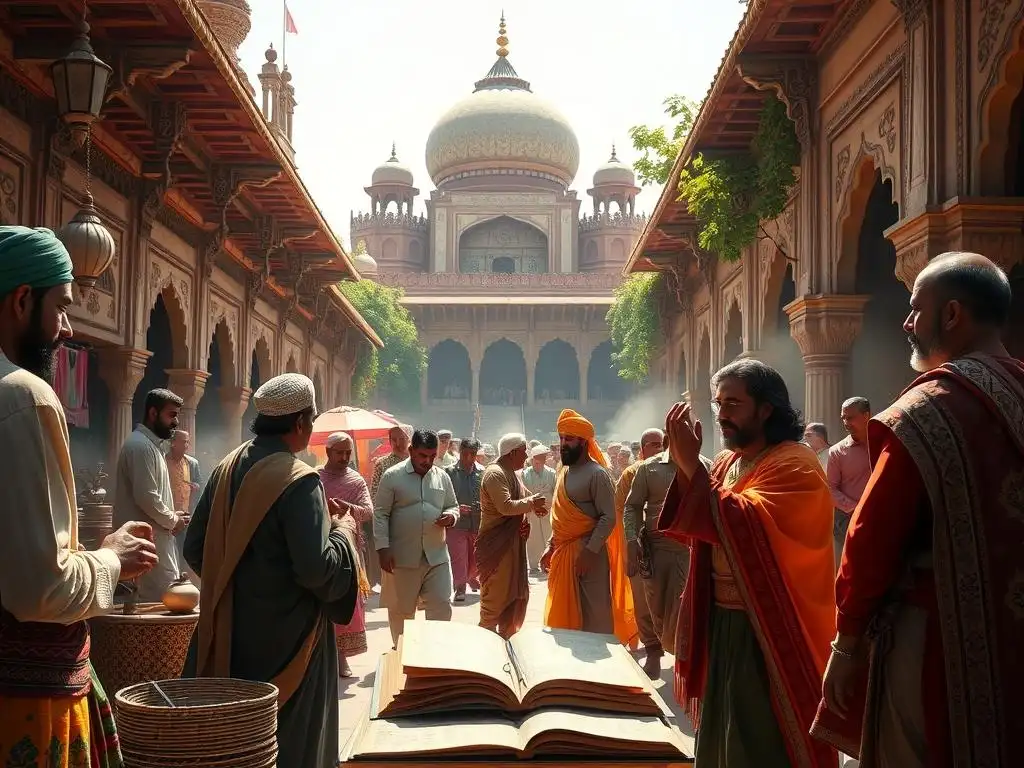
Welcome to Ancient India History, where we embark on a captivating journey through the rich tapestry of ancient Indian civilizations. In this exploration, we delve into the intriguing Persian influence on ancient India, shedding light on how this powerful interaction shaped language, culture, and identity. Our featured article, "The Persian Language: Its Adoption and Adaptation in Ancient India," invites you to uncover the fascinating ways in which the Persian language intertwined with the vibrant heritage of India.
Join us as we unravel the threads of history that connect these two great cultures, sparking your curiosity and deepening your understanding of a pivotal era in our past. Dive in and discover the unexpected connections that continue to resonate today!
Introduction to Persian Influence on Ancient India
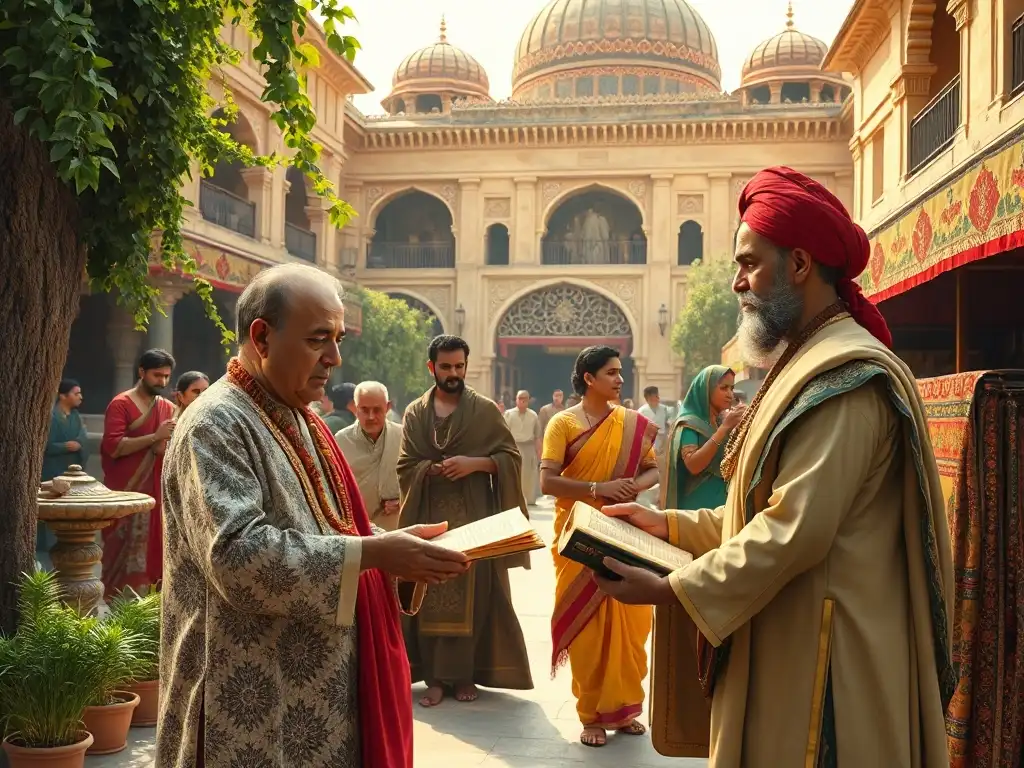
The Persian influence on ancient India is a fascinating subject that highlights the intricate tapestry of cultural, linguistic, and historical interactions between two great civilizations. As one of the major languages of the ancient world, Persian not only served as a mode of communication but also shaped the cultural, administrative, and literary landscapes of India, especially during significant periods such as the Achaemenid Empire and later the Gupta Empire. This article delves into the multifaceted dimensions of Persian's adoption and adaptation in ancient India, exploring its roots, significance, and lasting impact on Indian society and culture.
Overview of Persian Language and Culture
The Persian language, originating from the Indo-Iranian branch of the Indo-European language family, boasts a rich literary and cultural heritage. With its roots tracing back to the Achaemenid Empire (c. 550–330 BCE), Persian evolved through various phases, including Middle Persian and Modern Persian, garnering a substantial influence across regions it touched. Persian literature, philosophy, and art are renowned for their depth and beauty, reflecting the sophisticated cultural ethos of ancient Persia.
In ancient India, the introduction of Persian was facilitated through various channels, including invasions, trade, and diplomacy. As a result, Persian became a language of administration and high culture, especially in regions under Persian influence, leading to a unique syncretism where Indian traditions and Persian elements coalesced.
Importance of Persian Influence in Ancient Indian History
The importance of Persian influence in ancient Indian history cannot be overstated. It played a pivotal role in various spheres, such as:
- Administrative Systems: Persian served as a language of governance in various courts, facilitating communication and administrative efficiency.
- Cultural Exchange: Persian art, music, and literature influenced Indian traditions, leading to the enrichment of Indian cultural practices.
- Literary Contributions: The adoption of Persian literary forms and styles contributed to the evolution of Indian literature, as seen in the works of poets and scholars who blended Persian and Indian aesthetics.
This cultural intermingling enriched both Persian and Indian civilizations, creating a legacy of shared knowledge and artistic expression.
Historical Context of Persian Influence on Ancient India
Understanding the historical context of Persian influence on ancient India is essential to grasp the depth of this intercultural relationship.
The Achaemenid Empire and Its Reach into India
The Achaemenid Empire, founded by Cyrus the Great, marked a significant phase of Persian expansion, reaching into the northwestern regions of India. The empire's administrative prowess and cultural policies allowed for the establishment of connections that would have lasting effects on Indian society.
Key aspects include:
- Satrapies: The establishment of satrapies (provinces) in regions such as Gandhara facilitated governance and cultural exchange.
- Cultural Syncretism: The interaction between Persian and local Indian traditions led to a unique blend of art, religion, and philosophy.
- Historical Records: Accounts from travelers and historians, such as Herodotus, provide insight into the interactions between the Achaemenids and the Indian subcontinent.
Trade Routes and Cultural Exchanges: The Silk Road and Beyond
Trade routes, particularly the Silk Road, played a crucial role in enhancing the Persian influence on ancient India. These routes not only facilitated the exchange of goods but also ideas, languages, and cultures.
Highlights include:
- Economic Interactions: Persian merchants actively engaged in trade with Indian states, exchanging silk, spices, and precious stones.
- Cultural Transmission: The movement of people along these routes led to the sharing of artistic and literary traditions, further enriching both cultures.
- Diplomatic Relations: Diplomatic missions and marriages between Persian and Indian royals fostered deeper ties and mutual influence.
The Persian influence on ancient India is a testament to the complex interplay of cultures that shaped the subcontinent's history. This interaction laid the foundation for future exchanges and transformations, marking an era of profound cultural richness and legacy.
Adoption of the Persian Language in India
The Persian language made a significant impact on ancient India, particularly from the 6th century CE onward, when it became a prominent medium of communication, administration, and culture. This adoption can be traced back to the influence of the Persian Empire, especially during the Achaemenid period when regions of northwest India were integrated into the empire. The arrival of Muslim rulers in India, particularly during the Delhi Sultanate and later the Mughal Empire, further entrenched Persian as an essential language of governance and culture.
As Persian-speaking rulers established their courts in India, the language permeated various facets of society. It was not merely a tool of administration but also emerged as a language of high culture, allowing for a rich exchange of ideas, literature, and art. The fusion of Persian language and Indian vernaculars led to a unique cultural synthesis that impacted poetry, prose, and the arts, marking an essential chapter in the history of Indian civilization.
Persian as a Language of Administration and Governance
During the Delhi Sultanate (1206–1526 CE), Persian became the official language of administration. The rulers, primarily of Turkic and Afghan descent, employed Persian for governance, legal documentation, and communication with the aristocracy. This practice solidified Persian's status as a language of power and prestige within the Indian subcontinent.
The Mughal Empire (1526–1857 CE), which succeeded the Delhi Sultanate, continued this tradition. Persian was not only used in official documents but also in the courts, where it served as the language of diplomacy and cultural exchange. The Mughal emperors, especially Akbar, promoted Persian as a means of fostering unity among the diverse populations of their empire. This led to the establishment of Persian as a literary language, resulting in a flourishing of Persian poetry and prose within India.
Persian in Literature and Poetry of Ancient India
Persian literature found fertile ground in India, leading to a unique literary tradition that synthesized Persian and Indian themes. Poets like Amir Khusrau, who is often hailed as the "father of Urdu literature," utilized Persian extensively in his works while also incorporating elements of Indian culture and languages. His poetry not only celebrated the beauty of nature and love but also reflected the cultural amalgamation of the time.
The Persian ghazal, a poetic form focusing on love and beauty, became particularly popular among Indian poets. This new trend led to the emergence of a hybrid literary culture, where Persian and regional languages influenced each other. The adoption of Persian literary forms enriched Indian literature and helped in the development of languages such as Urdu, which emerged as a result of this linguistic interaction.
Adaptation of Persian Language and Culture in Indian Society
The influence of Persian in India was not limited to administration and literature; it also permeated various aspects of daily life, leading to a significant adaptation of Persian culture. This cross-cultural interaction fostered a diverse societal fabric where Persian customs, language, and art integrated into local traditions, reflecting a rich cultural exchange.
The Integration of Persian Vocabulary in Indian Languages
One of the most enduring legacies of Persian in India is the incorporation of its vocabulary into various Indian languages. The influence is particularly notable in Urdu, Hindi, and Punjabi, where a significant portion of the lexicon derives from Persian. Words related to administration, art, and everyday life were borrowed and adapted, enriching the linguistic landscape of northern India.
This integration was not merely superficial; it facilitated communication and cultural exchange among different communities. Persian words became commonplace in Indian languages, often carrying cultural connotations that reflected the shared history of the peoples of the subcontinent.
Influence of Persian Art and Architecture in India
The impact of Persian culture also extended to art and architecture, profoundly shaping the aesthetic landscape of India. The Mughal architecture, characterized by its grandeur and intricate designs, is a testament to this influence. Structures such as the Taj Mahal and the Red Fort exhibit elements of Persian architectural styles, including the use of domes, intricate tile work, and elaborate gardens.
Furthermore, Persian miniatures influenced Indian painting styles, leading to the development of a unique artistic tradition that combined Indian themes with Persian techniques. This artistic fusion helped to establish a distinctive cultural identity that celebrated the shared heritage of Persian and Indian civilizations, leaving an indelible mark on the history of art in India.
Comparisons of Persian and Indigenous Indian Languages
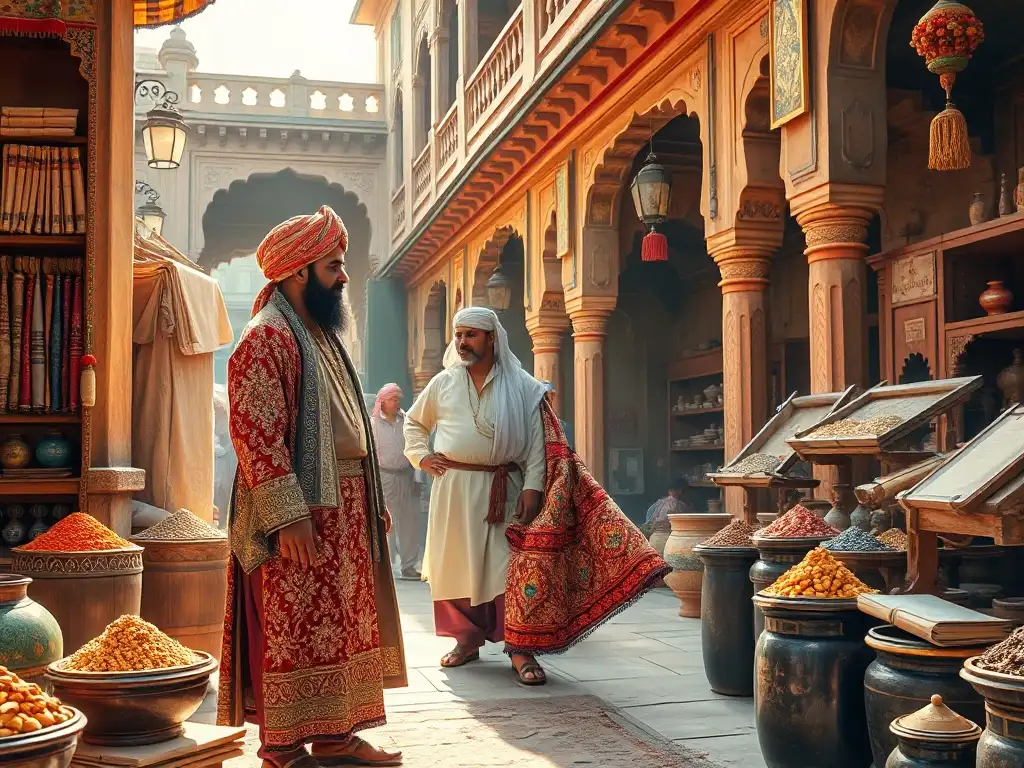
The Persian language, with its rich literary heritage and significant historical context, interacted in fascinating ways with indigenous Indian languages. This interaction not only shaped the linguistic landscape of the Indian subcontinent but also influenced cultural and intellectual exchanges. By examining the similarities and differences between Persian and Indian languages, we can better understand the nuances of this interaction.
Linguistic Similarities and Differences
Persian, an Indo-Iranian language, shares some linguistic features with indigenous Indian languages, particularly those in the Indo-Aryan group. Both language families stem from the larger Indo-European family, which explains certain similarities in vocabulary and grammatical structures.
- Vocabulary: Persian has contributed a significant number of loanwords to various Indian languages, especially in Urdu, Hindi, and Punjabi. Words related to administration, culture, and everyday life, such as "darbar" (court) and "maktab" (school), reflect this influence.
- Script: The adoption of the Perso-Arabic script in several Indian languages, particularly Urdu, illustrates the impact of Persian on regional writing systems. This script facilitated the blending of Persian literary forms with Indian languages.
Despite these similarities, there are notable differences:
- Grammar: Persian grammar is notably less inflected than that of many Indian languages. For instance, while Sanskrit and other Indian languages employ extensive inflection to convey grammatical relationships, Persian relies more on prepositions and word order.
- Phonetics: The phonetic systems also differ significantly. Persian includes sounds that are less common in Indian languages, and this can lead to challenges in pronunciation and transliteration when Persian terms are adopted into Indian languages.
The Role of Sanskrit and Prakrit in the Context of Persian
Sanskrit and Prakrit, the two prominent linguistic traditions of ancient India, had a unique relationship with Persian. As languages of scholarship and culture, they coexisted alongside Persian, influencing and being influenced by it.
- Literary Exchange: Persian poets and scholars often engaged with Sanskrit literature, translating works and adapting themes. This cross-pollination enriched both traditions, allowing for a fusion of ideas and aesthetics.
- Cultural Integration: The presence of Persian in Indian courts, especially during the rule of the Delhi Sultanate and the Mughal Empire, saw Sanskrit and Prakrit terms being incorporated into Persian poetry and prose. This cultural integration was evident in the works of poets like Amir Khusro, who blended Persian and Indian poetic forms to create a unique literary style.
Overall, the interaction of Persian with Sanskrit and Prakrit exemplifies a dynamic linguistic environment where languages not only coexisted but also evolved through mutual influence.
Persian Influence on Indian Religion and Philosophy
The Persian influence on Indian religion and philosophy is a profound aspect of the intercultural dialogue that characterized ancient India. This influence primarily stemmed from the interactions during the Achaemenid Empire's expansion, the subsequent invasions, and the long-lasting ties formed through trade and diplomacy.
Zoroastrianism and Its Impact on Indian Thought
Zoroastrianism, the ancient religion of Persia, introduced several philosophical concepts that resonated with Indian thought. The dualistic worldview of Zoroastrianism, which emphasizes the struggle between good (Ahura Mazda) and evil (Angra Mainyu), found some parallels in Indian philosophies.
- Moral Dualism: This moral dualism influenced Indian philosophical discussions, particularly in the context of concepts like Dharma (righteousness) and Adharma (unrighteousness). These ideas contributed to the development of ethical frameworks within Indian religions.
- Cosmology and Afterlife: Zoroastrian beliefs about the afterlife and the cosmic struggle between light and darkness influenced Indian spiritual thought. The shared emphasis on the importance of morality in determining one's fate after death can be observed in various Indian religious texts.
Interactions Between Persian and Indian Philosophical Traditions
The encounter between Persian and Indian philosophical traditions was characterized by a rich exchange of ideas and concepts.
- Philosophical Texts: The translation of Persian philosophical texts into Sanskrit and vice versa facilitated a cross-cultural dialogue. Indian philosophers were exposed to Persian metaphysical ideas, which enriched their own systems of thought, particularly in areas like ethics and metaphysics.
- Syncretism: This interaction led to a form of syncretism where elements of Persian philosophy were assimilated into Indian practices. The synthesis of ideas from both traditions is evident in various sects of Indian philosophy that emerged during and after the medieval period.
The Persian influence on Indian religion and philosophy was multifaceted, contributing to the evolution of thought in ancient India and fostering a deeper understanding of the human condition across cultures.
The Legacy of Persian Influence in Modern India
The Persian influence on ancient India has left a profound legacy that continues to resonate in various aspects of modern Indian culture, language, and art. Following the establishment of the Persian Empire and its interactions with Indian kingdoms, Persian became a significant language of administration, culture, and literature during several dynasties, including the Mughals. This historical interaction did not vanish with the decline of Persian as a dominant language; rather, it evolved into a rich tapestry of influences that can be observed today.
Many architectural marvels, such as the Taj Mahal and various forts, showcase Persian-inspired designs, highlighting the aesthetic exchange that occurred between the two cultures. Additionally, the integration of Persian motifs in Indian painting and textile arts illustrates how Persian aesthetics blended seamlessly into Indian traditions, creating unique art forms that symbolize the cross-cultural dialogue.
Enduring Elements of Persian in Contemporary Indian Languages
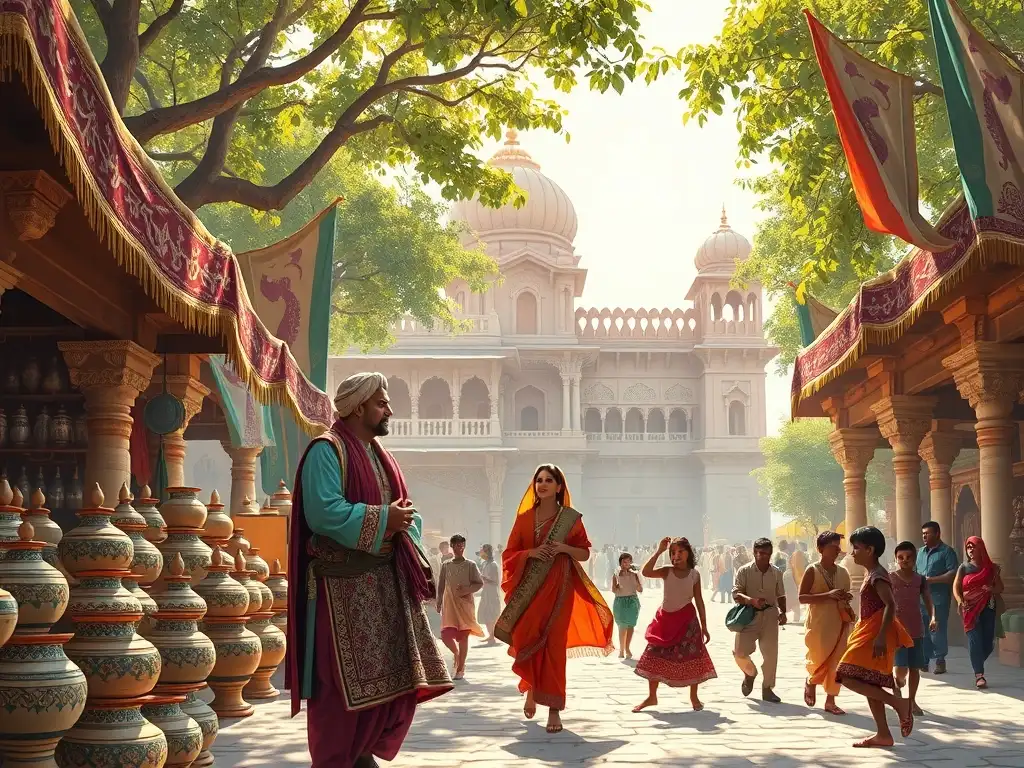
The impact of Persian on contemporary Indian languages is significant, particularly in Urdu and Hindi. Urdu, which emerged in the Indian subcontinent, is heavily infused with Persian vocabulary, syntax, and stylistic elements. It has adopted a substantial number of Persian words, making it a language that reflects the historical interactions between the two cultures. Estimates suggest that around 40% of Urdu vocabulary is derived from Persian, particularly in poetry, literature, and everyday speech.
In Hindi, Persian influence is also notable, albeit to a lesser extent. Many words used in modern Hindi, especially in formal and literary contexts, have Persian origins. Terms related to administration, governance, art, and culture showcase this influence. The integration of Persian phrases and idioms into the lexicon of these languages demonstrates the enduring legacy of Persian in shaping communication and expression in modern India.
The Role of Persian Studies in Indian Academia
Persian studies have gained prominence in Indian academia, reflecting the recognition of Persian's historical significance and its cultural contributions. Universities across India offer courses and programs dedicated to Persian literature, language, and history, fostering a deeper understanding of the intricate relationships between India and Persia. Scholars and students engage in research that explores Persian texts, historical documents, and literary works, providing insights into the shared heritage of the two civilizations.
Moreover, Persian studies serve as a vital platform for cultural exchange and dialogue. Academic conferences, workshops, and publications in this field facilitate discussions about the historical narratives, literary contributions, and socio-political contexts that shaped the interactions between ancient India and Persia. This academic engagement not only preserves the legacy of Persian influence but also contributes to the broader understanding of South Asian history.
Conclusion: The Lasting Impact of Persian Influence on Ancient India
Summary of Key Points on Persian Adoption and Adaptation
The Persian influence on ancient India has been multifaceted and profound. It has shaped language, literature, art, and administration, creating a unique cultural synthesis that characterizes the historical narrative of the subcontinent. The adoption of Persian as a language of governance and culture, the incorporation of Persian artistic elements, and the profound impact on local languages are key points that highlight this influence. The legacy persists today, as seen in the continued relevance of Persian in modern Indian languages and the academic study of its historical significance.
Reflection on the Cultural Synthesis of Ancient India and Persia
The cultural synthesis that occurred between ancient India and Persia is a testament to the richness of human interaction across civilizations. This blending of cultures fostered a spirit of collaboration and creativity, resulting in innovative forms of expression that have shaped both societies.
The shared literary traditions, artistic styles, and linguistic elements serve as reminders of this historical connection, illustrating how the interplay of different cultures can lead to the flourishing of new ideas and practices. This legacy continues to inform and enrich the cultural landscape of modern India, highlighting the importance of understanding and appreciating the historical ties that bind civilizations together.
- Introduction to Persian Influence on Ancient India
- Historical Context of Persian Influence on Ancient India
- Adoption of the Persian Language in India
- Adaptation of Persian Language and Culture in Indian Society
- Comparisons of Persian and Indigenous Indian Languages
- Persian Influence on Indian Religion and Philosophy
- The Legacy of Persian Influence in Modern India
- Enduring Elements of Persian in Contemporary Indian Languages
- The Role of Persian Studies in Indian Academia
- Conclusion: The Lasting Impact of Persian Influence on Ancient India
- What is the significance of the Persian language in ancient India?
- How did Persian influence affect Indian culture?
- What are some examples of Persian adaptations in India?
- How did the Indus Valley Civilization interact with Persian influences?
- What role did the Gupta Empire play in fostering Persian ties?
Frequently Asked Questions
What is the significance of the Persian language in ancient India?
The Persian language served as a bridge between different cultures and was widely used in administration, literature, and art during significant periods, notably during the Mughal Empire.
How did Persian influence affect Indian culture?
The Persian influence brought about notable changes in art, architecture, and literature, leading to the emergence of new forms such as Persian poetry and the incorporation of Persian styles in Indian architecture.
What are some examples of Persian adaptations in India?
Many Persian words were integrated into local languages, and Persian customs were adopted in courtly life, cuisine, and even clothing, showcasing a blend of cultural practices.
How did the Indus Valley Civilization interact with Persian influences?
While the Indus Valley Civilization predates Persian influence, later interactions through trade and conquest facilitated the exchange of goods and ideas that enriched both cultures.
What role did the Gupta Empire play in fostering Persian ties?
The Gupta Empire notably enhanced trade relations with Persian territories, leading to increased cultural exchanges and the adoption of certain Persian administrative practices that influenced governance in India.
Final Reflection: The Enduring Legacy of Persian Influence on Ancient India
The intricate tapestry of cultural exchange between Persia and India is a testament to the power of language as a vehicle for influence and adaptation. Today, as we navigate an increasingly interconnected world, the historical interplay between these two great civilizations serves as a reminder of how languages can shape identities and foster understanding across diverse cultures. The Persian influence on ancient India is not just a relic of the past; it continues to resonate in contemporary society, enriching our linguistic and cultural heritage.
The Persian language's impact on ancient Indian society is a profound example of how cultural exchanges can transform social landscapes. From literature to administration, the adoption of Persian in India facilitated a unique blend of ideas and traditions that still echoes in our modern lives. As the poet Rumi once said, “The wound is the place where the Light enters you.” This quote encapsulates the essence of how the Persian influence, while sometimes seen as an imposition, ultimately illuminated the rich cultural fabric of India, allowing for a deeper understanding of identity and heritage.
As we reflect on the lessons from the Persian influence on ancient India, let us embrace the spirit of cultural exchange in our own lives. I invite you to explore the languages and traditions that shape your identity, fostering a sense of connection with the diverse world around you. By appreciating the complexities of our shared history, we can cultivate a more inclusive future, where the legacies of the past inspire us to build bridges rather than walls.
Uncover the Rich Legacy of Persian in Ancient India!
Thank you for diving into the fascinating realm of the Persian language and its integral role in the cultural tapestry of ancient India. By exploring its adoption and adaptation, you've gained valuable insights into how languages intertwine and shape history. Now, let's take the next steps to deepen your engagement with this remarkable journey.
- Join a local discussion group or online forum that focuses on Persian literature and its influence in India to expand your understanding and share your thoughts with others.
- Explore curated resources and texts that delve deeper into the impact of Persian culture—visit your library or online archives to uncover hidden treasures.
- Share your newfound knowledge with friends or on social media—ignite curiosity about Persian history and its relevance in today’s world!
How has the Persian language influenced your understanding of cultural exchanges throughout history? Let's discuss in the comments below!