
The Exchange of Medicinal Practices between Indian and Persian Healers

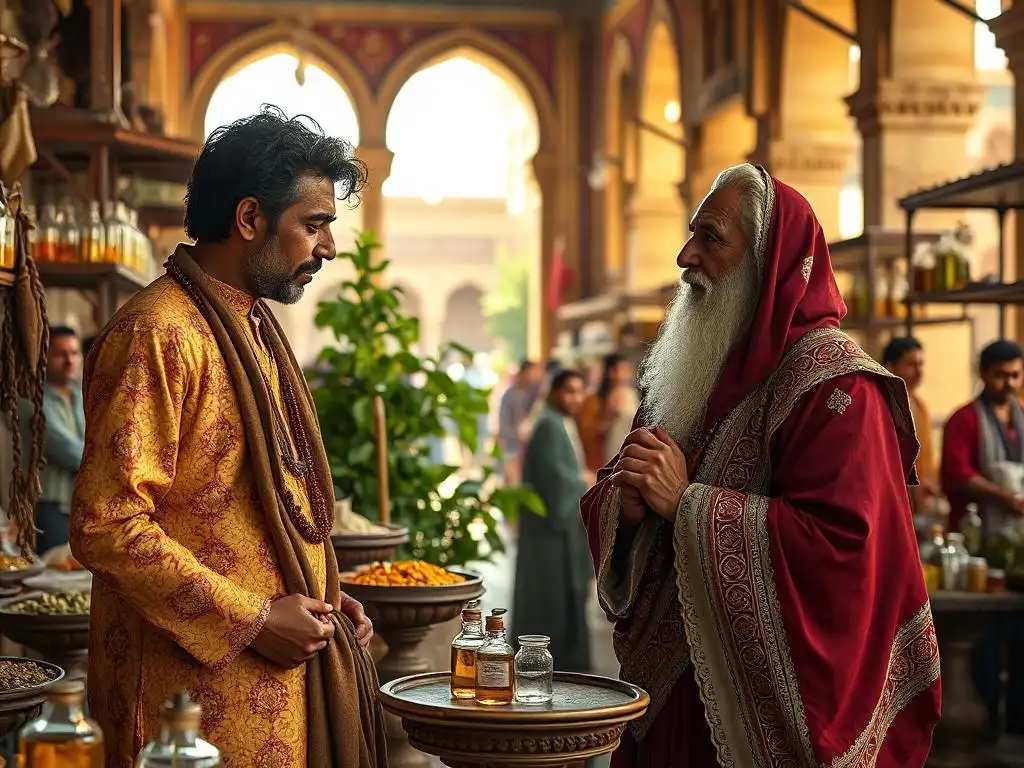
Welcome to Ancient India History, where we embark on a journey through the vibrant tapestry of ancient cultures that shaped one of the world's oldest civilizations. In this exploration, we delve into the fascinating world of Indian Persian medicinal practices exchange, uncovering the intricate connections and shared knowledge between Indian and Persian healers. What secrets did these ancient practitioners hold, and how did their collaboration influence the realm of medicine?
Join us as we unravel this captivating narrative and discover the profound impact of these interactions on health and healing across civilizations. Ready to dive deeper? Your adventure into the past begins now!
- Introduction to Indian Persian Medicinal Practices Exchange
- Historical Context of Indian Persian Interactions
- Core Elements of Medicinal Practices in India
- Core Elements of Medicinal Practices in Persia
- The Exchange of Knowledge and Techniques
- Case Studies of Notable Healers and Their Contributions
- Comparative Analysis of Healing Techniques
- The Role of Trade and Cultural Exchange
- Modern Implications of Ancient Practices
- Conclusion: The Legacy of Indian Persian Medicinal Practices Exchange
- References and Further Reading
-
Frequently Asked Questions
- What were the main medicinal practices exchanged between Indian and Persian healers?
- How did the cultural exchange influence medicinal practices?
- Were there any significant texts documenting this exchange?
- What role did trade routes play in the exchange?
- How did this exchange impact modern medicine?
- Final Reflection: The Enduring Legacy of Indian-Persian Medicinal Practices Exchange
- Embrace the Healing Heritage of the East!
Introduction to Indian Persian Medicinal Practices Exchange
The exchange of medicinal practices between Indian and Persian healers is a fascinating aspect of ancient cultural interactions that significantly shaped the medical landscapes of both civilizations. As trade routes flourished and empires expanded, the sharing of knowledge became not only a means of survival but also a catalyst for innovation in healing practices.
This article delves into the intricate web of medicinal exchanges, highlighting the methods, philosophies, and remedies that emerged from the collaboration between Indian and Persian healers. Understanding this exchange offers valuable insights into how these ancient societies contributed to the broader tapestry of global medicine, emphasizing the importance of cultural interaction in historical development.
Overview of Medicinal Practices in Ancient Civilizations
In ancient times, medicinal practices varied widely across civilizations, influenced by local flora, cultural beliefs, and spiritual frameworks. Both Indian and Persian societies developed sophisticated systems of medicine, which were deeply intertwined with their cultural identities.
- Indian Medicine:
- Rooted in texts like the Ayurveda, Indian medicinal practices emphasized balance among the body’s energies (Vata, Pitta, and Kapha).
- Herbal remedies, dietary regulations, and holistic approaches to health were prevalent.
- Surgical techniques, such as those described in the Sushruta Samhita, showcased advanced medical knowledge.
- Persian Medicine:
- Persian healers, guided by texts like the Canon of Medicine by Avicenna, integrated Greek, Indian, and their indigenous medical knowledge.
- They emphasized the importance of humoral theory and the balance of bodily fluids.
- Persian practices included the use of herbal medicine, surgical techniques, and a system of diagnosis that relied on observation and patient history.
The convergence of these medicinal practices facilitated a rich exchange of ideas, therapeutics, and holistic philosophies that would influence generations of healers.
Importance of Indian and Persian Healing Traditions
The medicinal traditions of India and Persia not only enriched their respective cultures but also laid the groundwork for future advancements in medicine. Understanding their significance involves recognizing the following aspects:
- Cultural Exchange:
- The interaction between Indian and Persian healers led to the sharing of remedies and techniques, fostering innovation.
- This exchange was often facilitated through trade, conquests, and the movement of scholars, who carried knowledge across borders.
- Influence on Global Medicine:
- The synthesis of Indian herbal practices and Persian theories of humors contributed to the development of a more comprehensive medical understanding.
- Many concepts from this exchange influenced later Islamic Golden Age scholars, who preserved and expanded upon these ideas.
- Legacy:
- The collaborative spirit of Indian and Persian healers served as a model for intercultural dialogue in medicine, emphasizing the importance of mutual respect and shared knowledge.
- Today, the legacies of these ancient practices continue to resonate in modern medicinal approaches, showcasing the enduring impact of their exchanges.
The exchange of medicinal practices between Indian and Persian healers represents a vital chapter in the history of medicine, highlighting the importance of cultural interactions in shaping health and healing across civilizations. By exploring this rich tapestry of knowledge, we gain a deeper appreciation for the collaborative spirit that has always existed in the quest for health and well-being.
Historical Context of Indian Persian Interactions
The Emergence of Indian and Persian Cultures
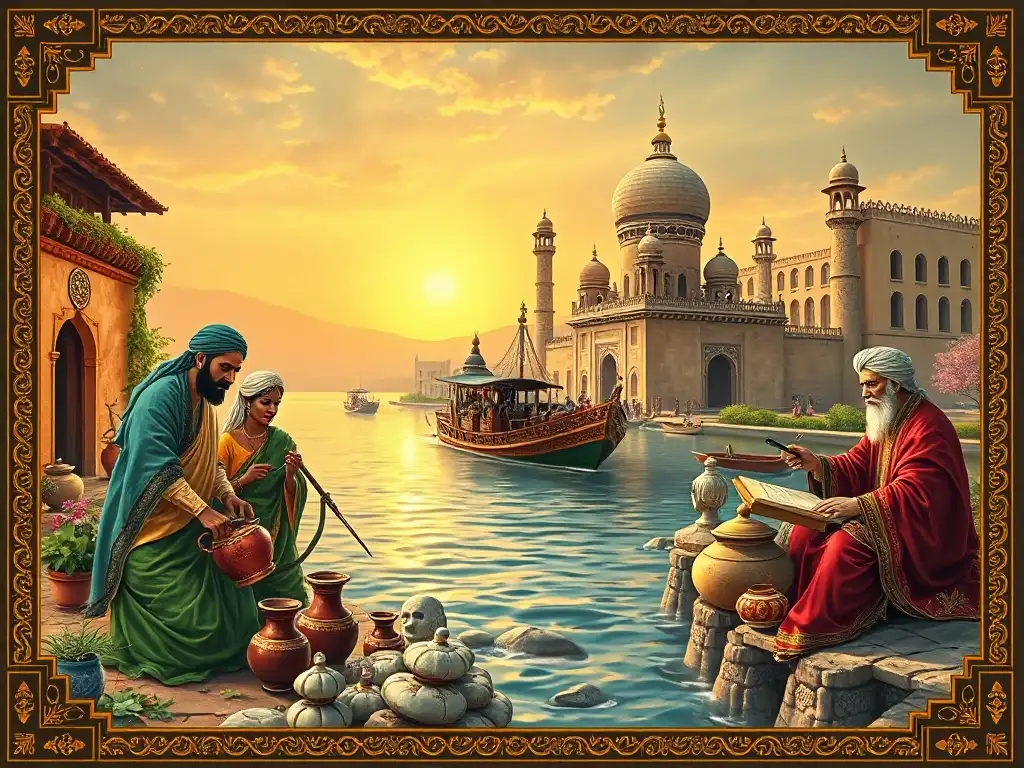
The intermingling of Indian and Persian cultures can be traced back to the earliest historical interactions, which were largely driven by trade and conquest. The Indus Valley Civilization (c. 3300–1300 BCE) laid the foundation for early Indian culture, characterized by advanced urban planning, a script that remains undeciphered, and a robust trade network. Concurrently, the Persian Empire, particularly under the Achaemenid dynasty (c. 550–330 BCE), began to flourish. The Achaemenids extended their influence into parts of the Indian subcontinent, notably through campaigns led by Cyrus the Great and Darius I.
This period witnessed the exchange of ideas, customs, and practices, including medicinal knowledge. Persian healers, known for their herbal remedies and surgical skills, encountered Indian practices that relied heavily on Ayurvedic principles, which emphasized holistic approaches to health and wellness. The cultural synthesis that emerged was not merely a result of dominance; it represented a complex interaction between two sophisticated civilizations, leading to a rich tapestry of shared knowledge.
- Key Contributions:
- The Persian Empire’s administrative systems facilitated the documentation and dissemination of medicinal practices.
- Indian contributions included the introduction of Ayurveda, which emphasized balance in bodily systems and was integral to healing practices.
Key Periods of Exchange between Indian and Persian Healers
The exchange of medicinal practices between Indian and Persian healers occurred across several key periods, each marked by significant historical events that fostered cultural and intellectual interactions.
1. The Achaemenid Period (c. 550–330 BCE)
During this time, Persian rulers extended their empire into the northwestern regions of India. This expansion led to the movement of people and ideas, including medicinal practices. Persian physicians began to incorporate Ayurvedic knowledge into their treatments, resulting in a blend of herbal remedies that utilized ingredients from both cultures.
2. The Maurya Empire (c. 322–185 BCE)
The Mauryan Empire, particularly under Emperor Ashoka, further facilitated interactions with the Persian world. Diplomatic relations and trade routes flourished, enabling the exchange of texts and medicinal practices. The Sushruta Samhita, an ancient Indian text on surgery, began to circulate, influencing Persian surgical techniques.
3. The Islamic Golden Age (8th to 14th century)
The arrival of Islam in Persia marked a significant turning point in the interaction between Indian and Persian medicinal practices. Scholars such as Avicenna (Ibn Sina) synthesized knowledge from various cultures, including Indian Ayurvedic practices, into their works. The Kitab al-Shifa (Book of Healing) reflects this integration, showcasing the rich exchange of medical knowledge.
4. Mughal Era (16th to 18th century)
The Mughal Empire was characterized by cultural syncretism. Emperors like Akbar the Great actively sought to blend Persian and Indian cultures, leading to a flourishing of the arts and sciences, including medicine. The Unani system, which was influenced by Greek and Persian medicinal practices, began to incorporate Ayurvedic principles, creating a unique medical system that is still practiced today.
5. Colonial Period (19th century)
The British colonial period saw a new wave of interest in the medicinal practices of both Indian and Persian traditions. As Western medicine began to dominate, there was an effort to document and preserve traditional practices. The exchange of knowledge continued, albeit under different socio-political circumstances, leading to a renewed appreciation of the historical contributions of both Indian and Persian healers.
Conclusion
The exchange of medicinal practices between Indian and Persian healers is a testament to the rich historical interactions between these two great civilizations. Each period of exchange not only contributed to advancements in healthcare and healing techniques but also fostered a deeper understanding and appreciation of diverse cultural practices. The legacy of this exchange continues to influence modern medicinal practices, underscoring the importance of historical interactions in shaping contemporary healthcare.
Core Elements of Medicinal Practices in India
The medicinal practices in ancient India are deeply rooted in a rich tapestry of cultural, philosophical, and spiritual beliefs. The exchange of knowledge between Indian and Persian healers significantly influenced the evolution of these practices, leading to a unique blend of methodologies that highlight the strengths of both traditions. This section delves into the core elements of Indian medicinal practices, focusing on the foundational aspects of traditional Indian medicine and the role of herbal remedies within this framework.
Traditional Indian Medicine: Ayurveda and Its Principles
Ayurveda, often regarded as the "science of life," is one of the oldest systems of medicine in the world, with origins tracing back over 3,000 years in the Indian subcontinent. Central to Ayurveda are its principles, which emphasize the balance of body, mind, and spirit. Here are the fundamental concepts that define Ayurveda:
- Doshas: Ayurveda identifies three primary doshas—Vata, Pitta, and Kapha—that represent different combinations of the five elements (earth, water, fire, air, and ether). Each person has a unique dosha profile that determines their physical and mental characteristics, as well as their susceptibility to certain diseases.
- Prakriti: This is an individual's constitution, shaped by their doshas and environmental factors. Understanding one's prakriti is crucial for personalized treatment plans.
- Sattva, Rajas, and Tamas: These three gunas (qualities) influence mental states and overall well-being. A balanced state among these gunas is essential for health.
- Panchakarma: This is a detoxification process consisting of five therapeutic actions aimed at cleansing the body of toxins and restoring balance. It is a cornerstone of Ayurvedic healing.
Ayurveda's holistic approach not only addresses physical ailments but also emphasizes preventive care and the promotion of mental and emotional health. The exchange of medicinal knowledge with Persian healers often involved the integration of herbal practices and advanced surgical techniques, enriching Ayurvedic methodologies.
Herbal Remedies and Their Role in Indian Healing
Herbal remedies form an integral part of Indian medicinal practices, particularly within the Ayurvedic framework. The utilization of plants and herbs dates back to ancient texts, such as the Charaka Samhita and Sushruta Samhita, which catalog thousands of medicinal plants and their properties. Here are some key aspects of herbal remedies in Indian healing:
- Commonly Used Herbs: Certain herbs are staples in Ayurvedic medicine due to their therapeutic properties. For example:
- Tulsi (Holy Basil): Known for its anti-inflammatory and anti-stress effects, Tulsi is revered for promoting overall health.
- Ashwagandha: This adaptogenic herb is used to boost vitality and reduce stress.
- Turmeric: Renowned for its anti-inflammatory and antioxidant properties, it plays a crucial role in many Ayurvedic formulations.
- Preparation Methods: Herbal remedies are often prepared in various forms, including:
- Decoctions: Boiling herbs in water to extract beneficial compounds.
- Infusions: Soaking herbs in hot water to create teas.
- Powders and Pastes: Grinding herbs into powders or mixing them with other ingredients to form pastes for topical applications.
- Role in Disease Management: Herbal remedies are utilized for a variety of conditions, including digestive issues, respiratory ailments, and skin disorders. The combination of herbs is tailored to an individual's dosha and specific health needs, showcasing the personalized nature of Ayurvedic practices.
The exchange of knowledge between Indian and Persian medical traditions facilitated the sharing of herbal practices, leading to a broader understanding of the therapeutic potentials of various plants. This collaboration enriched both traditions, paving the way for a more comprehensive approach to health and healing.
The core elements of medicinal practices in India, particularly through Ayurveda and herbal remedies, underscore the complexity and depth of ancient Indian healing systems. The integration of Persian influences further enhanced these practices, creating a dynamic interplay that continues to inform contemporary approaches to medicine.
Core Elements of Medicinal Practices in Persia
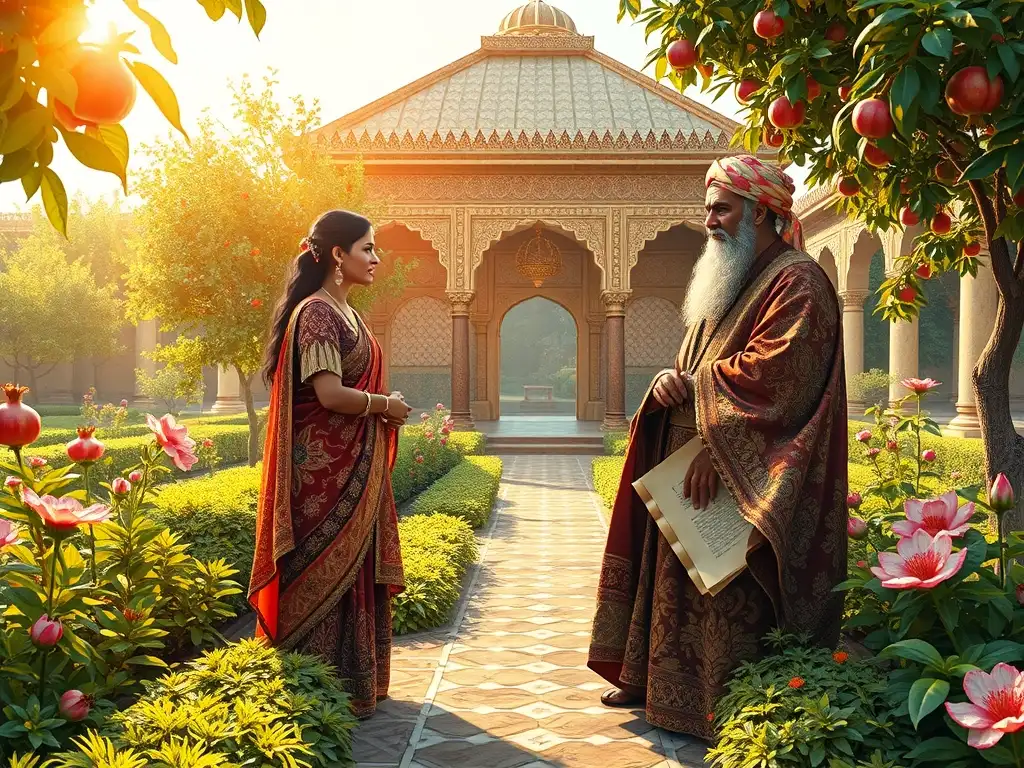
The medicinal practices of ancient Persia were rich and varied, influenced by a multitude of factors including religion, philosophy, and the exchange of knowledge with neighboring civilizations, particularly India. Understanding these core elements provides insight into the ways Persian and Indian medicinal practices intermingled, leading to a profound exchange that shaped both cultures.
Ancient Persian Medicine: The Influence of Zoroastrianism
Ancient Persian medicine was deeply intertwined with Zoroastrianism, the predominant religion of Persia founded by the prophet Zoroaster. This belief system emphasized the importance of health and well-being, which was seen as a reflection of divine order.
Key aspects influenced by Zoroastrianism include:
- Holistic Approaches: Persian healers viewed the body and spirit as interconnected. Treatments often included not just physical remedies but also spiritual and ethical considerations.
- Purity and Hygiene: The Zoroastrian emphasis on purity led to practices that promoted cleanliness and hygiene. This included bathing rituals and the use of clean, pure ingredients in medicinal concoctions.
- Herbal Remedies: Many Persian medicinal practices were rooted in the use of local herbs and plants, guided by the belief that nature held healing properties. Zoroastrian texts often provided guidelines on the use of these natural remedies.
The influence of Zoroastrianism on medicinal practices not only shaped the methods employed by Persian healers but also facilitated the exchange of knowledge with Indian practitioners, who held similar beliefs regarding the balance of body and spirit.
Significant Persian Medical Texts and Their Contributions
The contributions of Persian medicine to the broader field of medical knowledge were largely encapsulated in several key texts. These texts provided a foundation for the exchange of medicinal practices between Indian and Persian healers.
- The Canon of Medicine (Al-Qanun fi al-Tibb): Written by the Persian physician Avicenna (Ibn Sina) in the 11th century, this work synthesized the medical knowledge of Greece, Rome, and Persia. It was influential in both the Islamic world and Europe. Key contributions include:
- A systematic approach to diagnosing diseases.
- Detailed descriptions of herbal medicines and their uses, many of which were later adopted by Indian practitioners.
- The Kitab al-Adviyah al-Bulghariyyah: This text focused on the properties and uses of various plants and herbs. Its importance lies in the detailed categorization of medicinal plants, which facilitated cross-cultural exchange.
- Example: Many herbs described in this text were also found in Indian Ayurvedic texts, showcasing a shared understanding of herbal medicine.
- The Medical Compendium (Al-Maliki): Compiled during the Safavid period, this compendium included both Persian and Indian medicinal practices. Its significance lies in:
- The blending of various medical traditions and the documentation of treatments that combined both Indian and Persian methodologies.
The significant Persian medical texts not only served as a bridge for knowledge exchange but also emphasized the collaborative nature of medicinal practices between Indian and Persian healers. This collaboration ultimately enriched the medical landscapes of both civilizations, paving the way for advancements in health and healing practices that continue to be appreciated today.
The Exchange of Knowledge and Techniques
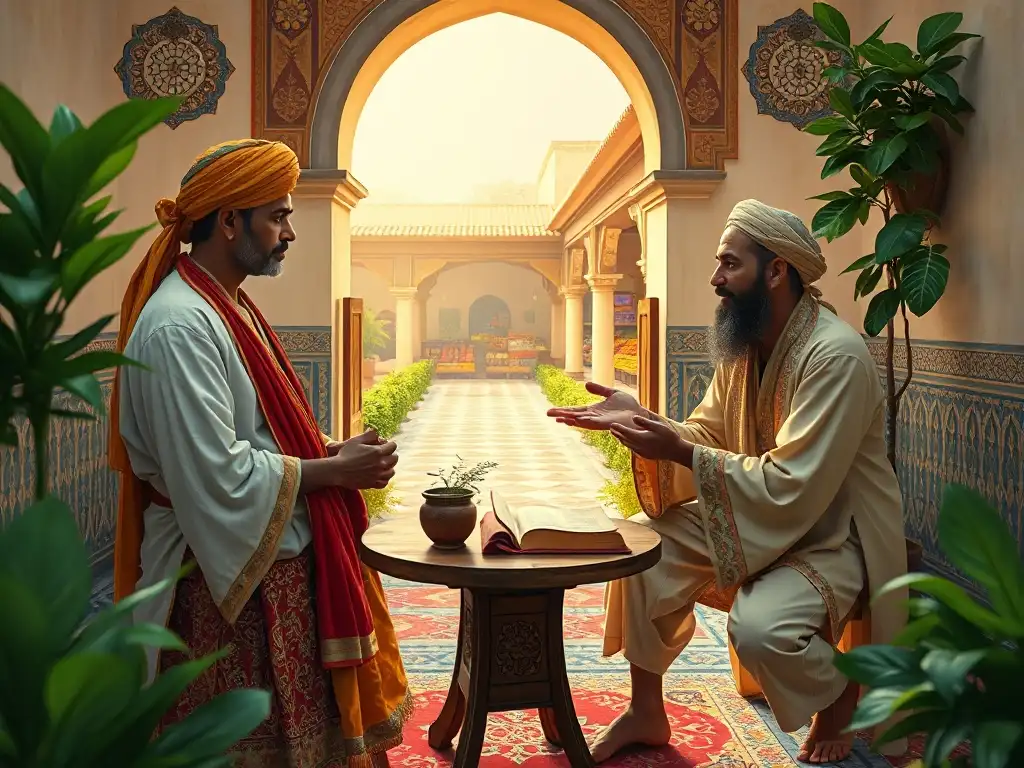
The exchange of medicinal practices between Indian and Persian healers represents a fascinating intersection of knowledge and cultural exchange that has significantly influenced both traditions. This interaction not only fostered the sharing of remedies and herbal treatments but also facilitated the integration of philosophical approaches to health and healing. The melding of these ancient medical systems has created a rich tapestry of techniques that continue to resonate in contemporary practices.
Areas of Influence: How Indian Practices Shaped Persian Medicine
The influence of Indian medicinal practices on Persian medicine can be traced back to various historical interactions, particularly during the Achaemenid Empire and later during the Islamic Golden Age. Indian texts such as the Sushruta Samhita and Charaka Samhita, which laid foundational principles for Ayurveda, introduced several key concepts and techniques that were adopted and adapted by Persian practitioners.
- Herbal Remedies: Many plants and herbs utilized in Indian medicine found their way into Persian apothecaries. For instance, the use of turmeric ( Curcuma longa) and ginger ( Zingiber officinale) became prominent in Persian treatments, recognized for their anti-inflammatory and digestive properties.
- Surgical Techniques: Indian surgical practices were esteemed, particularly those involving suturing techniques and surgical instruments. Persian physicians, notably Al-Razi (Rhazes), documented these practices and integrated them into their own methodologies, influencing the field of surgery in the Islamic world.
- Philosophical Approaches: The holistic view of health in Ayurveda emphasized the balance of bodily energies (doshas), which significantly impacted Persian medical philosophy. This integration led to a more comprehensive understanding of health, disease, and wellness in Persian practices.
- Medical Texts: The translation of Indian texts into Persian facilitated the dissemination of knowledge. Persian scholars not only translated these texts but also expanded upon them, thus preserving and enhancing Indian medical wisdom.
The Impact of Persian Medicine on Indian Healing Traditions
Conversely, Persian medicine also left a profound mark on Indian healing traditions. The arrival of Persian influence, particularly during the Mughal period, brought with it advanced medical knowledge that enriched the existing Indian practices.
- Pharmacology: Persian physicians introduced various new ingredients and formulations into the Indian pharmacopoeia. The use of distillation and extraction techniques for preparing medicinal substances became more refined, leading to the development of potent remedies.
- Diagnostic Techniques: The Persian emphasis on pulse diagnosis and observation enhanced Indian diagnostic practices. Techniques such as these encouraged a more systematic approach to understanding ailments, allowing Indian practitioners to refine their diagnostic skills.
- Integration of Astrology: Persian medicine often incorporated astrological elements into healing practices. This belief in the influence of celestial bodies on health was adopted by some Indian practitioners, leading to a unique synthesis of astrology and medicine that persists in certain traditional practices today.
- Cultural Exchange: The socio-cultural context of the Mughal Empire allowed for a blending of artistic and scientific pursuits, where poetry, philosophy, and medicine coalesced. This fusion not only elevated the status of medicine but also promoted an environment where practitioners from both traditions could collaborate and innovate.
The Indian-Persian medicinal practices exchange not only enriched the medical knowledge of both civilizations but also fostered a deep cultural appreciation that transcended geographical boundaries. The legacy of this exchange continues to influence contemporary healing practices, underscoring the importance of collaboration and shared knowledge in the evolution of medicine.
Case Studies of Notable Healers and Their Contributions
Prominent Indian Healers and Their Persian Influences
The exchange of medicinal practices between Indian and Persian healers can be traced back to ancient times, with notable figures exemplifying this collaboration. One prominent Indian healer who significantly integrated Persian techniques into his practice was Charaka, often revered as one of the founders of Ayurveda. His seminal work, the Charaka Samhita, not only laid the foundation for Ayurvedic medicine but also showcased influences from Persian medicinal philosophies, particularly in the areas of herbal remedies and surgical techniques.
- Charaka's Contributions:
- Herbal Formulations: Charaka incorporated various herbs that were prevalent in Persian medicine, broadening the scope of Ayurvedic formulations.
- Surgical Practices: Influences from Persian surgery, including methods of incision and wound treatment, were adopted and adapted by Charaka.
Another notable figure is Sushruta, known for his groundbreaking work in surgical practices through the Sushruta Samhita. He was influenced by the Persian approach to surgery, particularly in the techniques for performing complex procedures.
- Sushruta's Innovations:
- Surgical Instruments: He is credited with the development of numerous surgical instruments, some of which reflect design principles found in Persian medical tools.
- Anesthesia Techniques: The introduction of herbal anesthetics in his practice shows a blend of Indian and Persian medicinal knowledge.
Renowned Persian Healers and Their Indian Connections
On the Persian side, several healers made significant contributions that were informed by Indian medicinal practices. One of the most notable figures was Avicenna (Ibn Sina), whose works in medicine and philosophy were greatly influenced by Indian texts, especially those pertaining to herbal medicine and holistic healing.
- Avicenna's Influences:
- Integration of Ayurvedic Concepts: Avicenna's Kitab al-Shifa (Book of Healing) reflects an understanding of Indian medicinal concepts, particularly in the classification of diseases and treatments.
- Herbal Remedies: He adopted and adapted various Indian herbs in his formulations, demonstrating the interplay of knowledge between these two great civilizations.
Another significant figure is Rhazes (Al-Razi), who is often celebrated for his clinical observations and systematic approaches to diagnosis. His medical writings included references to Indian medicinal practices, particularly in the treatment of infectious diseases and the use of specific herbs.
- Rhazes' Contributions:
- Clinical Practices: His emphasis on patient observation and diagnosis was enriched by principles found in Indian Ayurvedic practices.
- Use of Indian Herbs: Rhazes documented the effectiveness of various Indian herbs in treating ailments, showcasing the blend of Persian and Indian medicinal knowledge.
The interactions between Indian and Persian healers not only enriched their respective practices but also laid the groundwork for a more comprehensive understanding of medicine that transcended cultural boundaries. This exchange of knowledge fostered innovations that would influence future generations of healers and medical scholars across the region.
Comparative Analysis of Healing Techniques
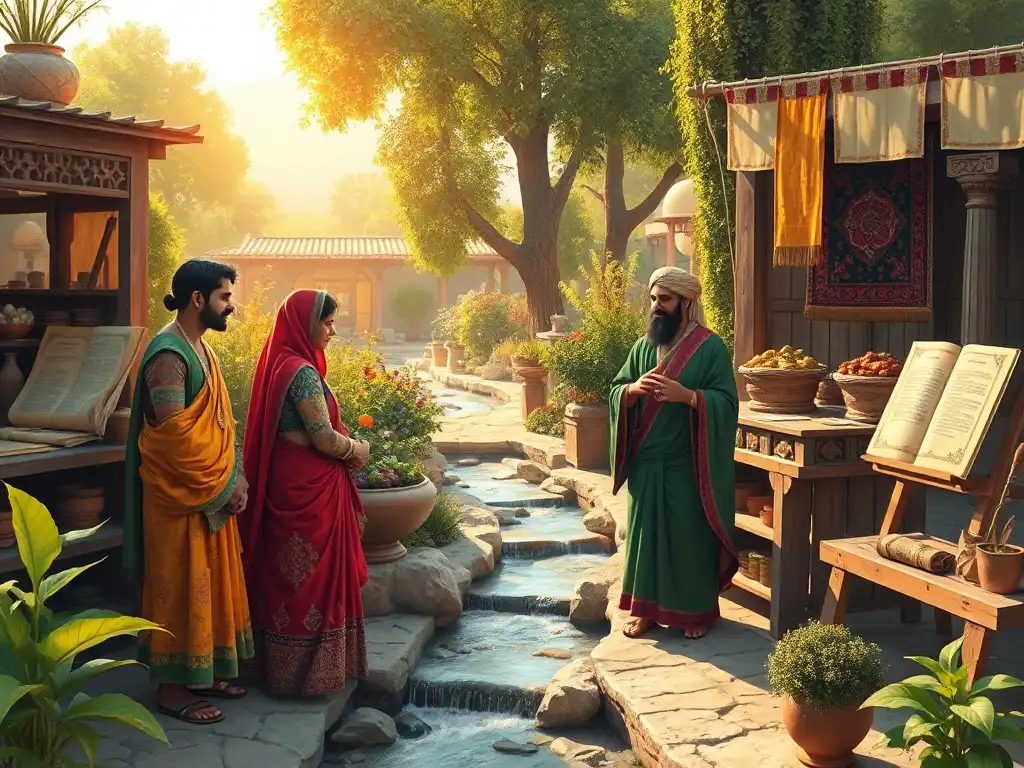
The exchange of medicinal practices between Indian and Persian healers is a fascinating aspect of ancient medical history. This cross-cultural interaction was not merely a transfer of knowledge but an amalgamation of distinct philosophies, techniques, and herbal applications. By examining the similarities and differences in their healing approaches, we can gain a deeper understanding of how these civilizations influenced each other.
Similarities between Indian and Persian Medicinal Approaches
Both Indian and Persian medicinal systems share a foundational belief in the balance of bodily humors and the importance of natural remedies. Here are some key similarities:
- Holistic Healing: Both traditions emphasize a holistic approach to health, considering the physical, mental, and spiritual aspects of well-being. This comprehensive view is evident in practices such as Ayurveda from India and Unani medicine from Persia, where the treatment is tailored to the individual rather than the disease alone.
- Use of Herbal Remedies: A significant overlap exists in the use of medicinal plants. Both Indian and Persian healers employed a variety of herbs for treatment. For instance:
- Turmeric: Known for its anti-inflammatory properties, it is utilized in both traditions.
- Saffron: This spice is revered in Persian medicine for its mood-enhancing effects, while Ayurveda recognizes its benefits for digestion and skin health.
- Diagnostic Techniques: Both systems incorporated careful observation and diagnosis. Healers would assess the patient's pulse, complexion, and overall demeanor to determine the underlying imbalances in the body.
- Spiritual Elements: The spiritual dimension of health is acknowledged in both cultures. Practices such as prayer, meditation, and the use of mantras in Ayurveda have parallels in Persian healing rituals, which often invoke divine guidance for healing.
Differences in Philosophies and Practices
Despite these similarities, there are notable differences in the underlying philosophies and specific practices employed by Indian and Persian healers:
- Philosophical Underpinnings:
- Indian medicine, particularly Ayurveda, is based on the concept of Doshas—three bodily energies (Vata, Pitta, and Kapha) that must be balanced for optimal health.
- In contrast, Persian medicine operates on the theory of Four Humors (blood, phlegm, yellow bile, and black bile), which influences how ailments are diagnosed and treated.
- Treatment Modalities:
- Ayurveda extensively uses techniques such as Panchakarma (detoxification methods) and Pranayama (breathing exercises) to restore balance.
- On the other hand, Persian medicine often emphasizes bloodletting and the use of cauterization as part of its therapeutic arsenal, reflecting a distinct approach to managing health issues.
- Cultural Context: The cultural context also shapes the healing practices. While Indian healers frequently include rituals and mantras in their treatments, Persian medicine integrates poetry and philosophical texts, reflecting the rich literary tradition of Persian culture.
The Indian-Persian medicinal practices exchange highlights a rich tapestry of shared knowledge and distinct approaches that evolved through interaction. Understanding these similarities and differences not only enhances our appreciation of ancient medical systems but also illustrates the broader narrative of cultural exchange that shaped the civilizations of their time.
The Role of Trade and Cultural Exchange
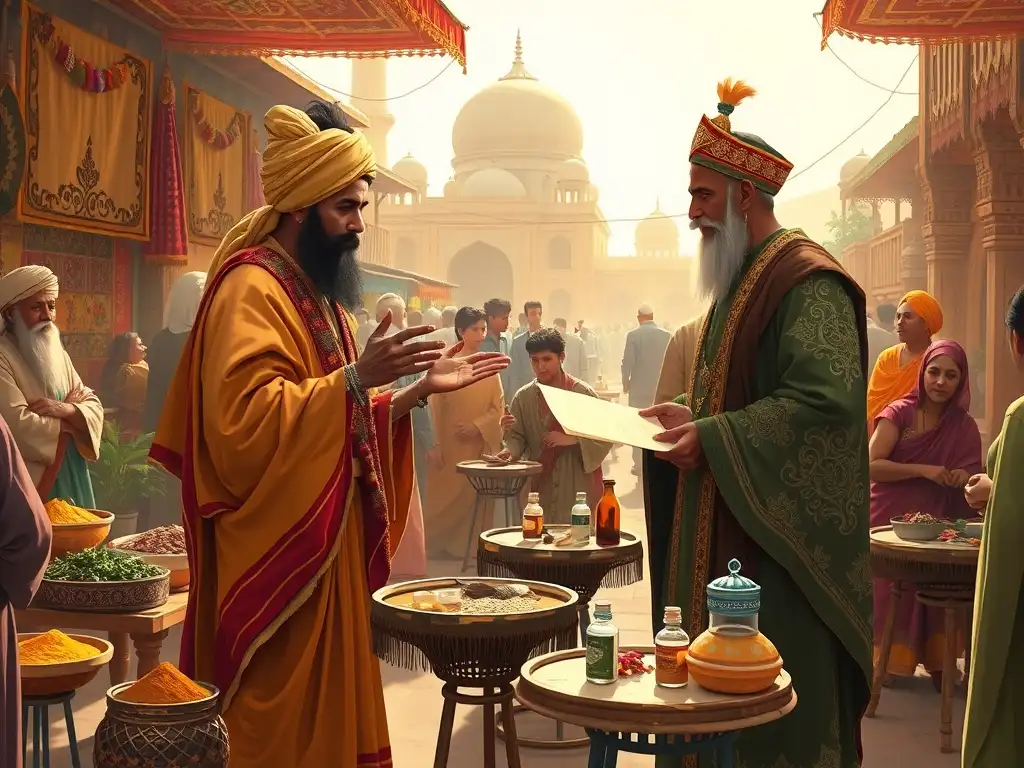
The exchange of medicinal practices between Indian and Persian healers was significantly influenced by the interconnectedness of trade routes and cultural exchange during ancient times. This interplay not only allowed for the transfer of goods but also fostered the sharing of knowledge, particularly in the field of medicine. As traders moved across regions, they carried with them not only spices and textiles but also invaluable medical wisdom, herbal remedies, and philosophical insights into health and healing.
Trade Routes that Facilitated Medicinal Knowledge Transfer
The Silk Road and the Incense Route were pivotal in establishing connections between Indian and Persian civilizations. These routes served as conduits for not only trade but also the exchange of ideas and practices.
- Silk Road: This extensive network connected the East and West, allowing for the movement of goods such as silk, spices, and medicinal herbs. Indian traders introduced Persian healers to various Ayurvedic practices, including the use of herbal concoctions and treatments derived from indigenous plants.
- Incense Route: This route facilitated the trade of aromatic substances, which were integral to both Indian and Persian medicinal practices. The exchange of incense not only influenced religious rituals but also enhanced the understanding of the therapeutic properties of various substances.
| Route | Key Medicinal Exchanges |
|---|---|
| Silk Road | Introduction of Ayurvedic herbs to Persian medicine |
| Incense Route | Sharing of aromatic substances used in treatments and rituals |
The interactions along these routes led to a hybridization of medicinal practices, where Indian herbalism and Persian pharmacology merged. For instance, the Persian use of certain herbs for pain relief was complemented by Indian knowledge of their preparation and dosage, enriching both traditions.
The Influence of Religion and Philosophy on Medical Practices
Religion and philosophy played a crucial role in shaping the medicinal practices of both Indian and Persian civilizations. The intertwined nature of these aspects influenced how health and illness were understood and treated.
- Ayurveda and Zoroastrianism: Indian Ayurvedic medicine, rooted in Vedic texts, emphasized balance and harmony within the body. This philosophy resonated with the Zoroastrian principle of maintaining purity and health, leading to a shared understanding of wellness.
- Cultural Exchanges in Medical Texts: The translation and adaptation of texts such as the Sushruta Samhita and the Avesta facilitated the exchange of surgical techniques and herbal remedies. Persian physicians often cited Indian texts in their own works, which helped to formalize the integration of these practices.
The coexistence of different belief systems fostered an environment conducive to learning and adaptation. Persian healers, for instance, adopted Indian surgical techniques while also incorporating their own practices based on the duality of good and evil as explained in Zoroastrian texts.
The synthesis of Indian and Persian medical traditions exemplifies the profound impact of cultural exchanges on healing practices, showcasing a unique blend of ideas and methodologies.
Overall, the exchange of medicinal practices between Indian and Persian healers exemplified a rich tapestry woven through trade, philosophy, and mutual respect for each other's medical traditions, creating a legacy that would influence future generations of practitioners in both spheres.
Modern Implications of Ancient Practices
Relevance of Indian Persian Medicinal Practices in Contemporary Medicine
The exchange of medicinal practices between Indian and Persian healers has had a profound impact on contemporary medicine, particularly in the fields of herbal remedies, surgical techniques, and holistic healing approaches. This historical interaction laid the groundwork for various medicinal systems, such as Ayurveda and Unani, which continue to thrive today.
- Holistic Approaches: Both Indian and Persian medicinal practices emphasize the importance of a holistic approach to health, integrating body, mind, and spirit. This perspective has increasingly gained traction in modern medicine, particularly in complementary therapies such as yoga and meditation, which are rooted in ancient Indian traditions.
- Herbal Remedies: Many herbal preparations used today can trace their origins back to the texts and practices of ancient Indian and Persian healers. For instance, the use of turmeric (Curcuma longa) and saffron (Crocus sativus) not only highlights the rich flora of these regions but also their shared understanding of the healing properties of plants. Modern pharmacology increasingly relies on these traditional herbs, leading to significant advancements in treatments for various ailments.
- Surgical Techniques: The surgical methodologies developed during the interactions between Indian and Persian healers, particularly those documented in ancient texts, laid the foundation for surgical practices that are still relevant today. For example, the principles of surgery outlined in Sushruta Samhita have influenced modern surgical procedures, showcasing the enduring legacy of these ancient practices.
- Cultural Integration: The blending of Indian and Persian medicinal practices also facilitated a broader cultural exchange, enriching the medical knowledge in both civilizations. This integration has led to a diverse array of treatment modalities that resonate with modern patients seeking alternatives to conventional medicine.
Reviving Ancient Techniques in Modern Healing Practices
In recent years, there has been a notable resurgence of interest in ancient Indian Persian medicinal practices, spurred by a growing recognition of their potential benefits in modern healthcare. This revival is characterized by several key trends:
- Research and Documentation: Modern scholars and practitioners are increasingly documenting and researching ancient texts, such as the Avicenna's Canon of Medicine and Ayurvedic scriptures, to rediscover lost techniques and remedies. This academic interest not only preserves historical knowledge but also validates the efficacy of these ancient practices through scientific inquiry.
- Integrative Medicine: The concept of integrative medicine, which combines conventional treatments with alternative therapies, has gained popularity. Practitioners are now incorporating ancient techniques like panchakarma (a detoxification process) and cauterization methods from Persian traditions into their practices, promoting a more comprehensive approach to patient care.
- Holistic Health Workshops: Various wellness centers and holistic health practitioners are offering workshops that focus on ancient healing techniques, including herbal medicine preparation, traditional massage therapies, and dietary practices derived from both Indian and Persian traditions. These workshops not only revive ancient knowledge but also empower individuals to take charge of their health.
- Cultural Exchange Programs: Initiatives aimed at fostering cultural exchange between India and Iran have emerged, promoting collaborative research and sharing of medicinal practices. These programs encourage the blending of knowledge and expertise, paving the way for innovative healthcare solutions that honor historical practices.
The revival of Indian Persian medicinal practices underscores a collective movement towards embracing ancient wisdom while adapting it to the contemporary healthcare landscape. As modern medicine continues to evolve, the lessons learned from these rich interactions will undoubtedly play a crucial role in shaping future healing practices.
Conclusion: The Legacy of Indian Persian Medicinal Practices Exchange
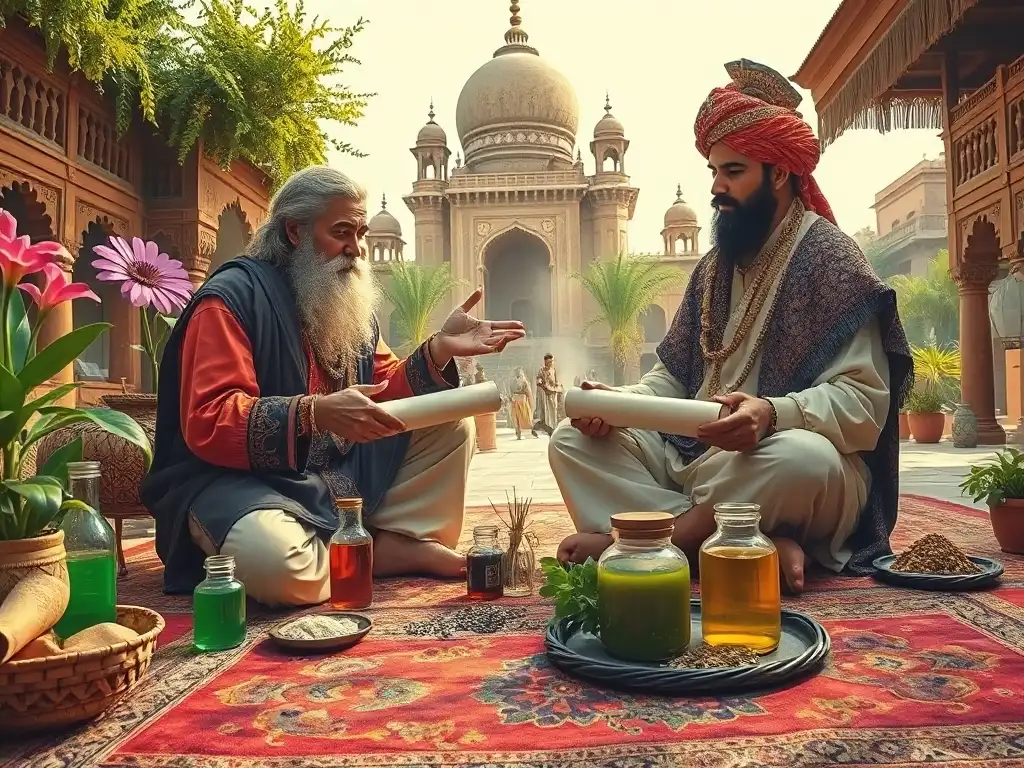
The exchange of medicinal practices between Indian and Persian healers has left an enduring legacy that continues to shape modern healthcare practices. This cross-cultural interaction not only contributed to advancements in medical knowledge but also fostered a spirit of collaboration and mutual respect among diverse civilizations. The integration of Indian and Persian medicinal theories and practices, including herbal remedies, surgical techniques, and holistic approaches, laid the groundwork for a more comprehensive understanding of health and wellness.
In examining the historical texts and documented practices, it becomes evident that the melding of these two rich traditions has led to innovative treatments and the establishment of medical schools that emphasized the importance of empirical observation and clinical practice. The vibrant exchange of knowledge during this period highlights the importance of dialogue between cultures in the pursuit of health and healing.
Reflection on the Importance of Cross-Cultural Healing Traditions
Cross-cultural healing traditions, particularly the Indian-Persian medicinal practices exchange, underscore the value of collaborative knowledge-sharing in medicine. The synthesis of ideas from different cultures has often led to enhanced therapeutic methods that are more effective than those derived from a single tradition. For example, the incorporation of Ayurvedic principles into Persian practices allowed for a more holistic understanding of patient care, emphasizing the balance between the physical, mental, and spiritual realms.
- Key Contributions:
- Herbal Medicine: Persian scholars documented various Indian herbs and their uses, contributing significantly to pharmacology.
- Surgical Techniques: Techniques developed in India were shared with Persian practitioners, enhancing surgical practices across regions.
- Philosophical Approaches: The philosophical underpinnings of health in both cultures encouraged a more integrated approach to healing.
By reflecting on these traditions, we can appreciate how they have influenced modern medical practices, inspiring a more inclusive approach to healthcare that values diverse healing modalities.
Future Directions for Research and Understanding in Medicinal Practices
As we continue to explore the rich tapestry of Indian-Persian medicinal practices, several avenues for future research emerge:
- Historical Textual Analysis: Further examination of ancient texts can uncover lost knowledge and practices that may still hold relevance today.
- Comparative Studies: Investigating the similarities and differences in Indian and Persian medical systems can yield insights into their evolution and mutual influences.
- Cultural Impact on Modern Medicine: Understanding how these ancient exchanges have shaped contemporary practices will foster appreciation for integrative medicine.
- Ethnobotanical Research: Studying traditional herbal remedies within these cultures can lead to the discovery of new medicinal compounds.
The legacy of the Indian-Persian exchange of medicinal practices is a testament to the power of collaborative knowledge. Emphasizing the importance of cross-cultural interactions in healing not only enriches our understanding of history but also paves the way for innovative approaches in modern medicine. As we delve deeper into this fascinating subject, the potential for new discoveries and a more nuanced understanding of health practices remains limitless.
References and Further Reading
Key Texts on Indian Persian Interactions
The exchange of medicinal practices between Indian and Persian healers is documented in several ancient texts that provide insight into the profound interactions between these two rich cultures. Notable texts include:
- Ayurveda and Persian Medicine:
- Susruta Samhita: This ancient Indian text outlines surgical techniques and the use of medicinal herbs, showcasing the sophistication of Indian medical knowledge.
- Avicenna's Canon of Medicine: A pivotal work in Persian medicine that integrated Greek, Indian, and Arab medical traditions, influencing both Eastern and Western medical practices.
- Historical Accounts:
- The Travels of Ibn Battuta: This account provides firsthand observations of the medical practices in India, highlighting the interactions between Indian and Persian physicians.
- Khalid ibn Yazid's Alchemy: This text reflects the blend of Greek and Indian medical knowledge with Persian alchemical traditions, emphasizing the cross-cultural exchange.
- Cultural Studies:
- "Cross-Cultural Medicine: A Historical Perspective": by R. K. Sharma: This work analyzes the influences of Persian medical texts on Indian practices and vice versa, illustrating the depth of their medicinal exchange.
Suggested Articles for Deeper Exploration of Medicinal Practices
For readers interested in delving deeper into the fascinating world of Indian and Persian medicinal practices, the following articles provide comprehensive insights:
- "The Healing Arts of India and Persia: A Comparative Study": This article examines the similarities and differences between Ayurvedic and Persian practices, focusing on herbal medicine and surgical techniques.
- "Intersections of Indian and Persian Medicine: A Historical Overview": This piece provides a detailed analysis of how the two cultures influenced one another through trade and scholarly exchanges, particularly in the field of medicine.
- "Medicinal Flora of the Indian Subcontinent: The Persian Influence": An exploration of specific plants used in traditional Indian medicine that were introduced or popularized by Persian healers.
- "The Role of Translation in the Exchange of Medicinal Knowledge": This article discusses the importance of translations of medical texts in facilitating the sharing of knowledge between Indian and Persian practitioners.
By engaging with these texts and articles, readers can gain a richer understanding of the Indian Persian medicinal practices exchange and the broader implications of these interactions on the development of medical knowledge in both traditions.
Frequently Asked Questions
What were the main medicinal practices exchanged between Indian and Persian healers?
The exchange included techniques such as herbal remedies, surgical practices, and the use of diagnostic methods that combined elements from both cultures.
How did the cultural exchange influence medicinal practices?
The interaction led to a fusion of knowledge, allowing practitioners to integrate Ayurvedic techniques with Persian herbal medicine, enhancing treatment options for various ailments.
Were there any significant texts documenting this exchange?
Yes, important texts such as the Sushruta Samhita and Avicenna's Canon of Medicine highlight the cross-pollination of ideas and practices between the two civilizations.
What role did trade routes play in the exchange?
Trade routes facilitated not only the transfer of goods but also the movement of ideas and practices, allowing healers to share their knowledge across regions.
How did this exchange impact modern medicine?
The blend of Indian and Persian medicinal practices contributed to the development of various medical systems, influencing contemporary practices and enriching global healthcare traditions.
Final Reflection: The Enduring Legacy of Indian-Persian Medicinal Practices Exchange
The exchange of medicinal practices between Indian and Persian healers is not just a historical curiosity; it is a testament to the power of collaboration and shared knowledge in the pursuit of health and healing. In today's world, where globalization fosters cross-cultural interactions, the lessons from this rich exchange remind us of the importance of embracing diverse medical traditions to enhance our understanding of wellness. The blending of these practices has not only enriched the medical landscape but has also laid the groundwork for integrative approaches that are increasingly relevant in contemporary healthcare.
The influence of Indian and Persian medicinal practices continues to resonate in our cultural and social fabric, shaping how we perceive health and healing. This exchange has fostered a spirit of inquiry and respect for various healing modalities, encouraging individuals to explore holistic approaches to their well-being.
As noted by historian Dr. Farahani, “The confluence of these traditions illustrates how the sharing of knowledge can transcend borders and create a more comprehensive understanding of health.” This ongoing dialogue between cultures serves as a reminder that healing is not confined to a single tradition but is enriched by the contributions of many.
As we reflect on the profound impact of this exchange, I invite you to consider how you can incorporate the wisdom of diverse medicinal practices into your own life. Take a moment to explore the healing traditions that resonate with you, whether they stem from your own heritage or from cultures around the world. By embracing this rich tapestry of knowledge, we can cultivate a more holistic approach to our health and well-being, honoring the legacy of those who came before us while paving the way for future generations to thrive in a world where healing knows no boundaries.
Embrace the Healing Heritage of the East!
Thank you for diving into the fascinating world of medicinal practices shared between Indian and Persian healers! Your curiosity about this rich tapestry of healing traditions opens doors to new understanding and appreciation. Now, let's put that knowledge into action!
- Discover and experiment with herbal remedies from both Indian and Persian traditions by visiting local herbal shops or exploring various online resources.
- Join community workshops or online forums where traditional healing practices are discussed and shared, fostering a connection with like-minded individuals.
- Share your insights from this article on social media or with friends to spark conversations and celebrate this beautiful blend of cultures!
What unique healing practices have you encountered that bridge different cultures, and how have they influenced your health journey?