
The Great Mauryan Empire: India’s Response to Persian Expansion

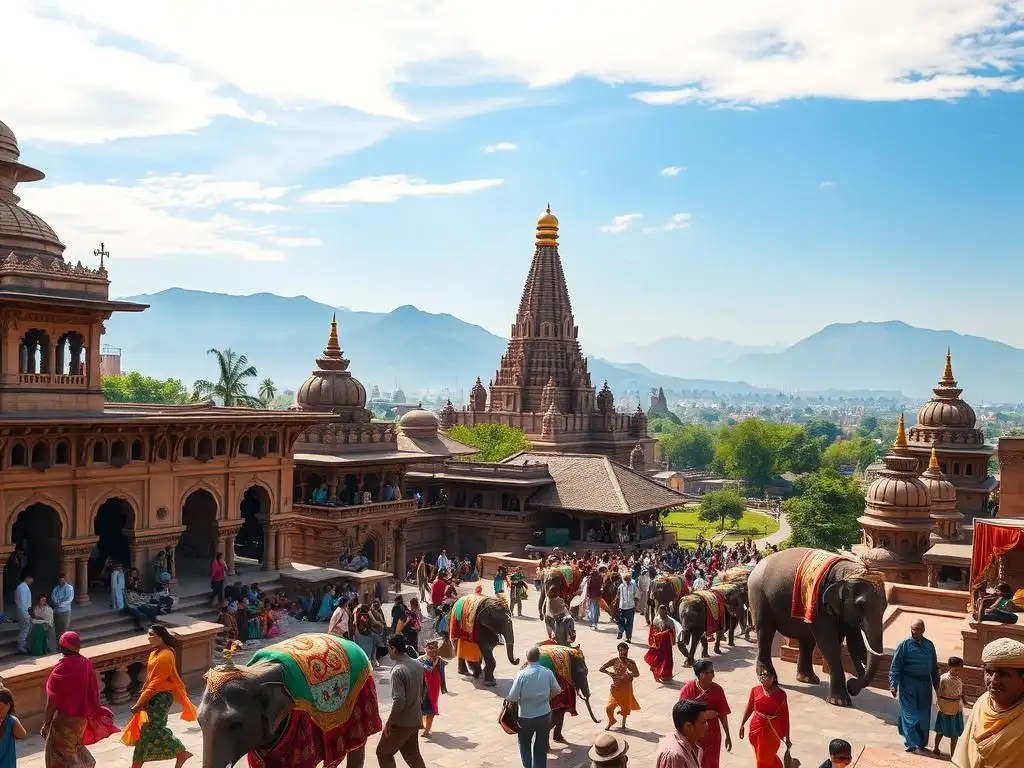
Welcome to Ancient India History, where we embark on a fascinating journey through the rich tapestry of ancient Indian civilizations. In this exploration, we invite you to delve into the Great Mauryan Empire, a monumental era that not only shaped India but also stood resilient against the tides of Persian expansion. What strategies did this powerful empire employ to safeguard its sovereignty?
How did it influence the course of history? As you navigate through our pages, prepare to uncover the intricate interactions and profound contributions that define this remarkable period. Your adventure into the depths of history begins now—let's uncover the secrets of the Great Mauryan Empire together!
- Introduction to the Great Mauryan Empire History
- Historical Context of Persian Expansion
- The Emergence of the Great Mauryan Empire
- The Great Mauryan Empire’s Response to Persian Expansion
- Cultural and Economic Interactions Between the Mauryan Empire and Persia
- The Mauryan Empire’s Legacy in Response to Persian Expansion
- Conclusion: The Great Mauryan Empire and Its Historical Significance
-
Frequently Asked Questions
- What was the significance of the Great Mauryan Empire in ancient India?
- How did the Mauryan Empire respond to Persian expansion?
- What were the major achievements of the Mauryan Empire?
- Who were the key figures in the Great Mauryan Empire?
- How did the Great Mauryan Empire influence subsequent Indian history?
- Final Reflection: The Enduring Legacy of the Great Mauryan Empire
- Unveil the Legacy of the Mauryan Empire!
Introduction to the Great Mauryan Empire History
The Great Mauryan Empire stands as a monumental chapter in the annals of ancient Indian history, reflecting the complex interplay between regional powers and external influences. Founded in the 4th century BCE, the Mauryan Empire emerged as a formidable force in the Indian subcontinent, characterized by its advanced administrative systems, vast territorial expanse, and remarkable cultural achievements. This empire not only responded to the challenges posed by Persian expansion but also laid the groundwork for subsequent Indian civilizations. Understanding the Mauryan Empire's history provides invaluable insights into the socio-political dynamics of ancient India and its interactions with neighboring cultures.
Overview of the Mauryan Empire
The Mauryan Empire was established by Chandragupta Maurya around 322 BCE and reached its zenith under the reign of his grandson, Ashoka the Great. Covering a significant portion of the Indian subcontinent, the empire stretched from the eastern regions of present-day India to parts of Afghanistan in the northwest. The Mauryan administration was notable for its innovative governance, featuring a centralized bureaucracy that effectively managed diverse populations and vast territories.
Key aspects of the Mauryan Empire include:
- Political Structure: The empire was divided into provinces, each governed by officials appointed by the emperor. This hierarchical structure facilitated effective governance and resource management.
- Economic Prosperity: The Mauryan Empire thrived on trade, agriculture, and industries such as textiles and metallurgy. Cities like Pataliputra became bustling trade centers, contributing to the empire's wealth.
- Cultural Flourishing: The Mauryan period witnessed remarkable advancements in art, literature, and philosophy. Ashoka’s patronage of Buddhism was particularly influential, leading to the spread of Buddhist teachings across Asia.
Significance of the Mauryan Empire in Ancient Indian History
The significance of the Mauryan Empire cannot be overstated. It serves as a crucial reference point for understanding the evolution of Indian civilization and its responses to foreign influences, particularly during the Persian expansion.
- Military Innovations: Faced with external threats, including those posed by Persian forces, the Mauryan military developed sophisticated strategies and technologies, enhancing their defensive and offensive capabilities.
- Cultural Syncretism: The empire's interactions with Persian culture led to a rich exchange of ideas, art forms, and governance practices, fostering a unique blend of Indian and Persian influences.
- Legacy of Governance: The administrative practices established by the Mauryans set a precedent for future Indian empires, influencing governance structures in subsequent dynasties.
The Great Mauryan Empire not only shaped the history of ancient India but also played a pivotal role in the broader narrative of Indian-Persian interactions. Its legacy continues to resonate, offering profound insights into the complexities of ancient civilizations.
Historical Context of Persian Expansion
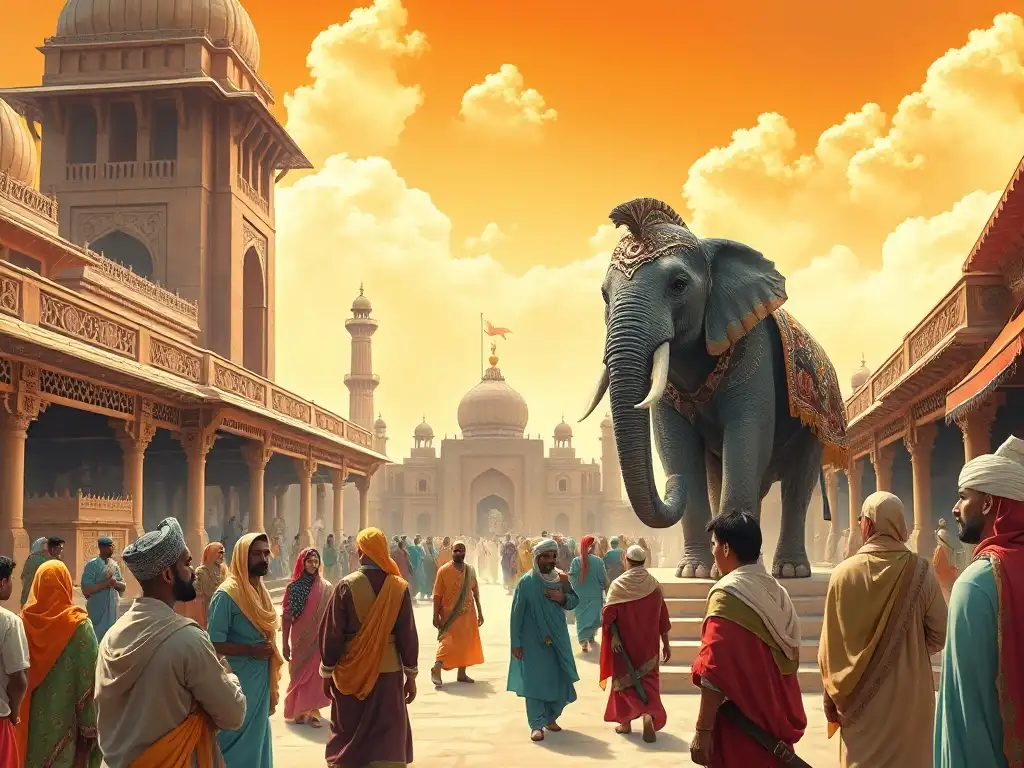
Overview of Persian Empire Expansion in the 6th Century BCE
The 6th century BCE marked a significant period of expansion for the Persian Empire, primarily under the leadership of Cyrus the Great and his successors. The Achaemenid dynasty, founded by Cyrus around 550 BCE, saw the transformation of Persia from a collection of tribes into a formidable empire that stretched from the Indus Valley in the east to the Aegean Sea in the west. This vast territory encompassed diverse cultures, languages, and religions, reflecting the empire's ability to adapt and integrate various peoples.
- Cyrus the Great (c. 600–530 BCE): He established the foundation of the Persian Empire by conquering the Medes, Lydians, and Babylonians. His approach to governance was characterized by respect for local customs and religions, which helped to stabilize the newly acquired regions.
- Darius I (c. 550–486 BCE): Darius expanded the empire further, consolidating power and implementing administrative reforms. He is known for his effective bureaucracy, construction of the Royal Road, and establishment of a postal system, all of which facilitated trade and communication across the empire.
The Persian Empire's expansion was not merely a military endeavor; it also involved diplomatic strategies and economic integration. The empire thrived on trade, connecting various regions through a network of roads and facilitating the exchange of goods and ideas. This period of prosperity and cultural exchange laid the groundwork for interactions with neighboring civilizations, including the Indian subcontinent.
Impact of Persian Policies on Neighboring Regions
The policies of the Persian Empire had profound implications for neighboring regions, particularly in terms of political structures, trade dynamics, and cultural exchange. As the Persian influence spread, it brought about significant changes that shaped the historical landscape of regions such as India.
- Political Structures:
- The Persians introduced a system of satrapies (provinces) governed by satraps (governors), which allowed for efficient administration over vast territories. This model influenced local governance structures in regions like the northwestern Indian states, where local rulers were often retained under Persian oversight.
- The concept of centralized authority under a king was reinforced, leading to the emergence of more unified political entities in regions previously fragmented into smaller kingdoms.
- Economic Integration:
- Persian control facilitated trade routes that connected India to the Mediterranean world. The establishment of the Royal Road and other trade networks allowed for the exchange of goods such as textiles, spices, and precious stones, enriching both Persian and Indian economies.
- The introduction of coinage by the Persians also influenced economic practices in India, promoting trade and commerce.
- Cultural Exchange:
- The interaction between Persian and Indian cultures led to the exchange of ideas, art, and technology. Persian architectural influences can be seen in some Indian structures, while Indian art and craftsmanship enriched Persian aesthetics.
- Religious and philosophical ideas also transcended borders, fostering a rich dialogue between Zoroastrianism and early Indian spiritual traditions.
The expansion of the Persian Empire in the 6th century BCE had a lasting impact on the political, economic, and cultural landscapes of neighboring regions, including the Indian subcontinent. This intricate web of interactions set the stage for the rise of the Great Mauryan Empire, which would respond to Persian influence in unique and transformative ways.
The Emergence of the Great Mauryan Empire
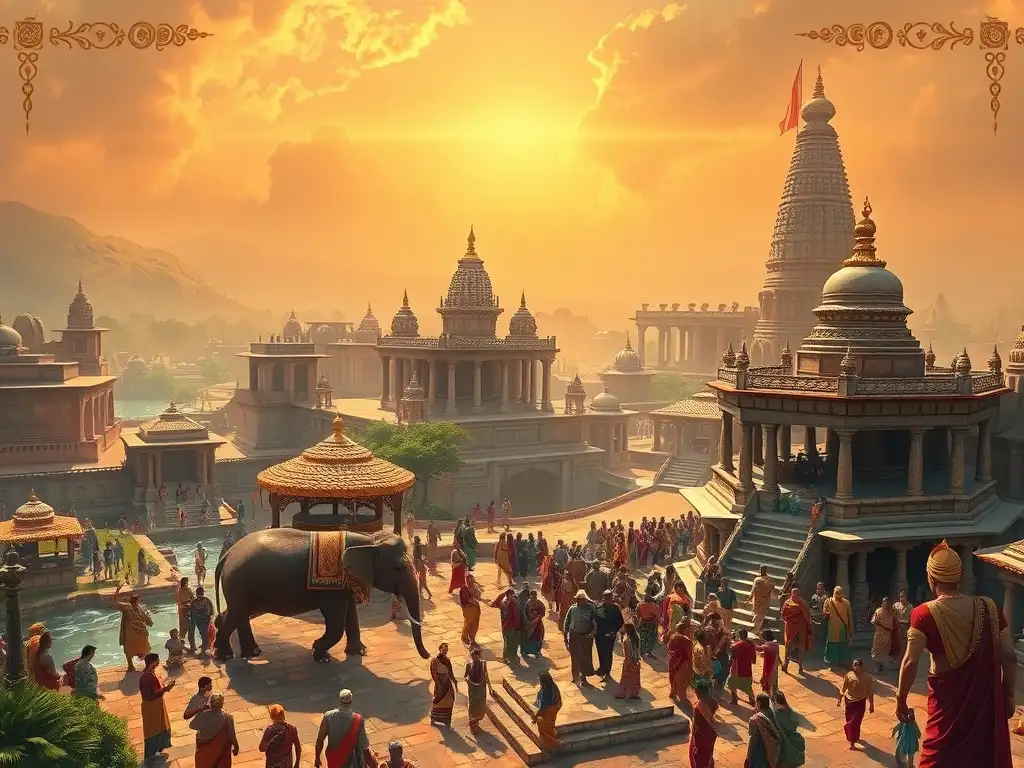
The emergence of the Great Mauryan Empire marked a significant turning point in the history of ancient India, particularly in response to external pressures such as Persian expansion. Established in the 4th century BCE, the Mauryan Empire was the first large-scale political entity in India, unifying various smaller kingdoms under a centralized authority. This unification was crucial for countering not only local conflicts but also the growing influence of Persian power in the region.
The Mauryan Empire's rise was characterized by strategic military conquests, diplomatic maneuvers, and a sophisticated administrative structure. This enabled the empire to control vast territories, stretching from the northern regions of India to parts of present-day Afghanistan. The ability to mobilize resources efficiently and maintain order across diverse populations was a hallmark of Mauryan governance.
Furthermore, the Mauryan Empire's emergence coincided with significant cultural and economic developments. Trade networks expanded, arts flourished, and Buddhism began to gain prominence under the patronage of its later rulers. This period laid the groundwork for India’s rich cultural heritage, influencing not only local traditions but also interactions with neighboring civilizations, including Persia.
Chandragupta Maurya: The Founder of the Empire
Chandragupta Maurya (c. 340 – c. 297 BCE) is recognized as the founder of the Great Mauryan Empire. His ascent to power is a compelling story of ambition and strategic prowess. Initially, he was a young leader from a humble background who sought to overthrow the Nanda Dynasty, which was ruling over northern India at the time.
Chandragupta's military campaigns were characterized by:
- Innovative Tactics: He employed guerrilla warfare strategies that allowed him to effectively challenge larger, more established armies.
- Alliances: Forming strategic alliances with local rulers and tribes, he was able to consolidate his power and resources.
- Intelligence and Espionage: Utilizing a network of spies, Chandragupta gained crucial information about enemy movements and weaknesses, allowing him to plan effective assaults.
His most notable victory came against Dhana Nanda, the last ruler of the Nanda Dynasty, which ultimately led to the establishment of Mauryan authority. Following this victory, Chandragupta expanded his empire to include much of North India, establishing a strong capital at Pataliputra (modern-day Patna).
Chandragupta's reign also marked the beginning of a new era in Indian governance, characterized by the establishment of a bureaucratic system that would later be refined by his grandson, Ashoka. His leadership not only laid the foundation for the Mauryan Empire but also initiated a period of unprecedented prosperity and cultural development.
The Role of Chanakya in the Formation of the Mauryan Empire
Chanakya, also known as Kautilya or Vishnugupta, was a pivotal figure in the establishment and consolidation of the Great Mauryan Empire. A scholar, strategist, and philosopher, he is often credited with shaping the political landscape of ancient India through his profound insights into statecraft and economics.
Key Contributions of Chanakya:
- Mentorship and Guidance: Chanakya played a crucial role in mentoring Chandragupta Maurya. His guidance helped Chandragupta navigate the complex political environment of the time, providing him with the knowledge needed to challenge the Nandas.
- Political Philosophy: Chanakya authored the Arthashastra, a seminal treatise on statecraft, economic policy, and military strategy. This work emphasized the importance of realpolitik and pragmatic governance, advocating for a ruler's need to be shrewd and decisive.
- Strategic Planning: He was instrumental in devising strategies that enabled Chandragupta to build a strong army and secure victories against rival factions. Chanakya's ability to understand and manipulate political dynamics was essential for the empire's expansion.
- Diplomatic Relations: Under Chanakya’s influence, the Mauryan Empire engaged in diplomatic relations with other states and kingdoms. This not only helped in consolidating power but also in securing trade routes and resources vital for the empire's sustenance.
- Administrative Reforms: Chanakya's insights into governance led to the establishment of a robust administrative system that facilitated effective tax collection, law enforcement, and public welfare, which were crucial for the stability of the empire.
Through these contributions, Chanakya not only shaped the Great Mauryan Empire's initial formation but also set a precedent for future rulers in India regarding the significance of wise governance and strategic thinking. The partnership between Chanakya and Chandragupta is a defining chapter in the history of the Mauryan Empire, illustrating the interplay between leadership and intellectual guidance in shaping civilizations.
The Great Mauryan Empire’s Response to Persian Expansion
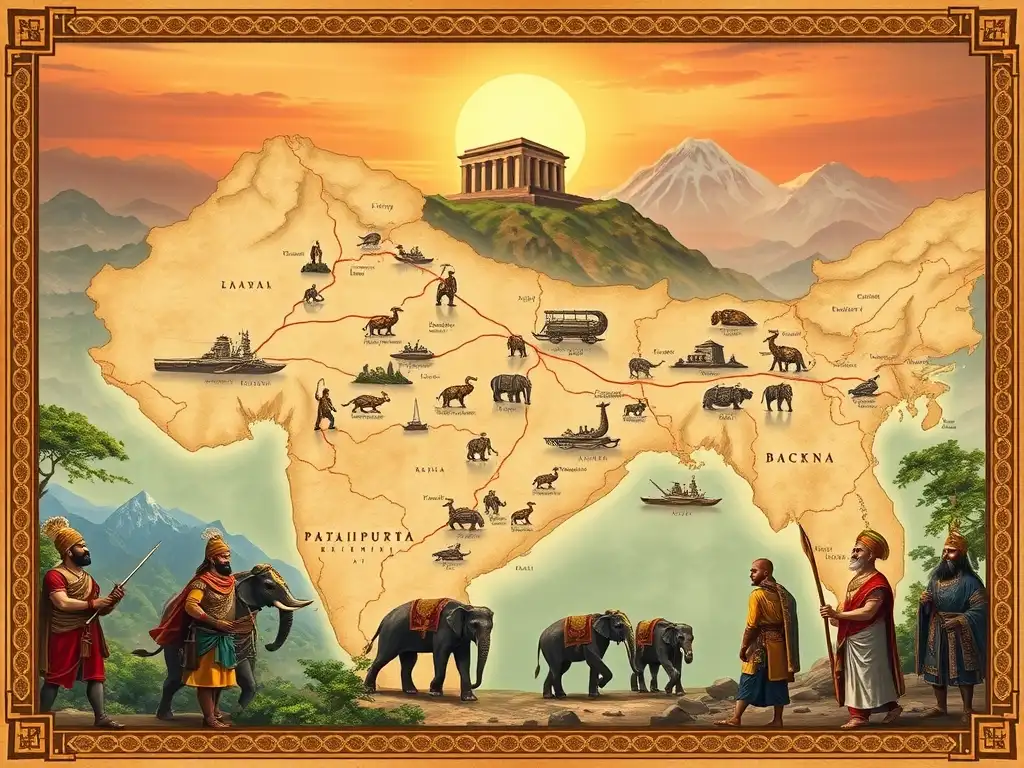
Diplomatic Strategies Employed by the Mauryan Empire
The Great Mauryan Empire, which thrived from 322 to 185 BCE, was characterized by its sophisticated diplomatic strategies, particularly in response to the Persian expansion. The Mauryans, under the leadership of Chandragupta Maurya and later his grandson Ashoka, utilized a variety of diplomatic approaches to navigate the political landscape of their time.
- Alliances and Treaties:
- The Mauryans sought alliances with neighboring kingdoms to strengthen their position against the Persian threat. By forming treaties with local rulers, they created a united front that discouraged Persian advances.
- For instance, the Mauryans established ties with the Greek states of Bactria, which served as a buffer against Persian incursions from the west.
- Cultural Diplomacy:
- The Mauryan Empire also engaged in cultural diplomacy, promoting the exchange of ideas and practices with Persian and Greek cultures. This not only fostered goodwill but also facilitated trade relations, which were crucial for economic stability.
- The spread of Buddhism during Ashoka’s reign exemplifies this cultural exchange, as it attracted followers from various regions, including Persia.
- Intelligence and Information Gathering:
- The Mauryan rulers employed spies and envoys to gather intelligence about Persian movements and intentions. This information was vital for preemptive actions and informed diplomatic negotiations.
- By understanding the geopolitical dynamics, the Mauryans could effectively counter Persian strategies and maintain their sovereignty.
- Economic Leverage:
- The Mauryans leveraged their economic strength to negotiate favorable terms with Persian traders and diplomats. By controlling key trade routes, they ensured that their empire remained influential in regional commerce, making them a valuable ally to Persia.
Military Preparations Against Persian Threats
In addition to diplomatic maneuvers, the Great Mauryan Empire undertook significant military preparations to safeguard its territories against potential Persian threats. These actions reflected their understanding of the importance of military readiness in the face of external pressures.
- Fortification of Borders:
- The Mauryan Empire invested in the fortification of its western borders, particularly in regions adjacent to Persian territories. Strongholds and fortified cities were constructed to deter invasions and provide a defensive strategy in case of conflict.
- Notable sites included the fortified city of Pataliputra, which served as both a political and military hub.
- Military Organization and Training:
- The Mauryan military was organized into a formidable force, comprising infantry, cavalry, and war elephants. This diverse composition allowed for flexible tactics suitable for various combat situations.
- Extensive training programs were implemented to ensure that soldiers were well-prepared for battle, emphasizing discipline and strategy.
- Strategic Warfare Tactics:
- The Mauryans developed innovative warfare tactics, including the use of war elephants, which were integral to their military strategy. These massive creatures provided both psychological and physical advantages in battle.
- The Mauryan military also employed guerilla tactics and ambush strategies, which were particularly effective against larger, more traditional Persian forces.
- Engagement in Regional Conflicts:
- The Mauryan Empire engaged in regional conflicts that allowed them to hone their military skills and build alliances. These skirmishes not only prepared them for potential Persian confrontations but also expanded their influence in the region.
- Notably, the Mauryan victory over the Nanda Empire established their dominance and provided them with resources to strengthen military capabilities.
The Great Mauryan Empire's response to Persian expansion was multifaceted, characterized by both diplomatic strategies and military preparations. This dual approach enabled the Mauryans to maintain their sovereignty and thrive in a complex geopolitical environment.
Cultural and Economic Interactions Between the Mauryan Empire and Persia
Trade Routes and Economic Exchanges
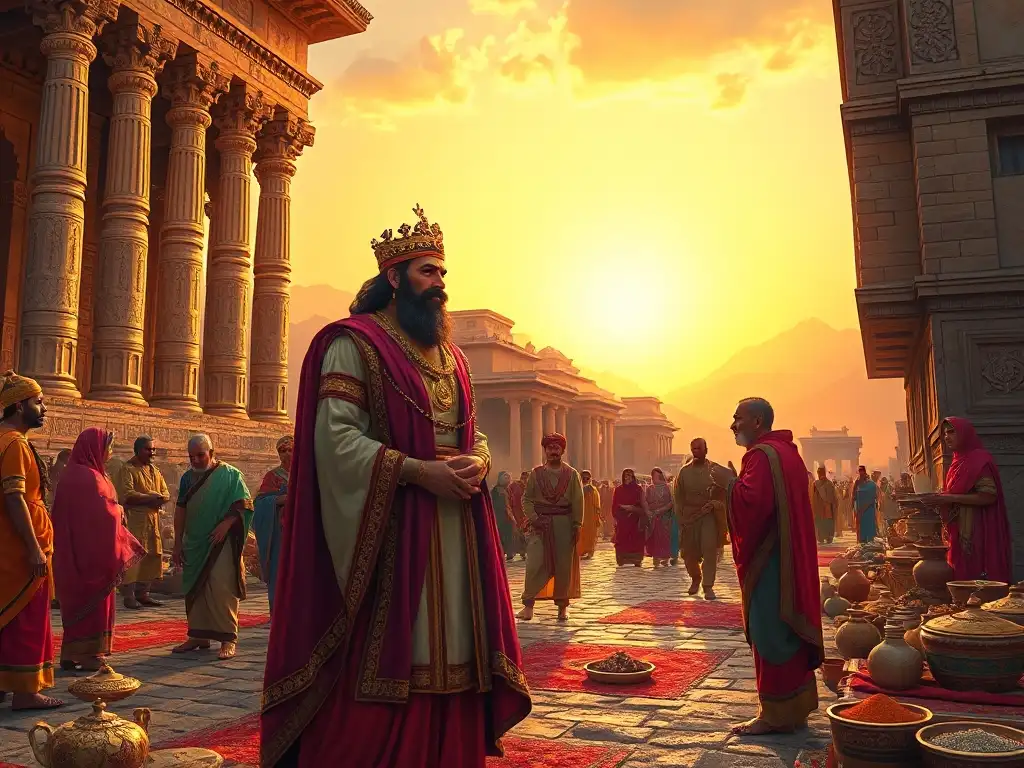
The Great Mauryan Empire established a robust network of trade routes that facilitated economic exchanges not only within its vast territory but also with neighboring civilizations, including Persia. During the reign of Emperor Ashoka (c. 268-232 BCE), the Mauryan Empire experienced significant growth in trade, which was essential for its economic prosperity.
- Silk Road Connections: The Mauryan Empire was strategically situated along the ancient Silk Road, which connected the East to the West. This allowed for not only the exchange of goods but also ideas and cultural practices. Key commodities traded included:
- Textiles: Fine cotton and silk fabrics.
- Spices: Black pepper, cardamom, and other aromatic spices that were highly valued in Persian markets.
- Metals: Gold, silver, and iron goods were also significant trade items.
- Maritime Trade: Beyond land routes, maritime trade routes were crucial for interactions with Persia, especially through the ports of the western coast of India. Goods such as:
- Marine Products: Fish, shells, and other sea-based commodities were traded.
- Luxury Items: Jewels and ornamental crafts found their way to Persian elites, enhancing the wealth of both regions.
The economic exchanges between the Mauryan Empire and Persia were not merely transactional; they fostered deeper connections that allowed for the exchange of technologies and agricultural practices, such as irrigation techniques and crop cultivation methods.
Cultural Influences: Art, Religion, and Philosophy
The interaction between the Great Mauryan Empire and Persia significantly influenced various aspects of culture, religion, and philosophy in ancient India. These exchanges manifested in several distinct ways:
- Artistic Influences: The Mauryan Empire exhibited a fusion of Indian and Persian artistic styles, particularly in sculpture and architecture. The introduction of:
- Persian Motifs: The use of intricate designs and motifs in Mauryan art, such as floral patterns and animal figures, showcased Persian influence.
- Stupas and Pillars: The famous Ashoka Pillars often featured inscriptions in Brahmi script that were inspired by the monumental stone architecture prevalent in Persia.
- Religious Exchange: The Mauryan Empire was characterized by its embrace of diverse religious practices, which were influenced by Persian Zoroastrianism. This interaction led to:
- Syncretism: The blending of Zoroastrian and Indian spiritual philosophies, which can be seen in the emphasis on ethical living and social justice in Ashoka's edicts.
- Buddhism's Spread: As Buddhism emerged as a major religion during this period, its teachings found their way into Persian territories, influencing religious thought and practices.
- Philosophical Dialogues: The exchange of ideas between Indian and Persian scholars fostered rich philosophical discourse, particularly in ethics and governance. The Mauryan administration adopted:
- Zoroastrian Concepts: Ideas of divine kingship and moral responsibility influenced Mauryan rulers, promoting a governance model that emphasized dharma (duty) as a guiding principle.
The cultural and economic interactions between the Mauryan Empire and Persia were instrumental in shaping the evolution of ancient Indian civilization, leaving a lasting legacy that can still be observed in contemporary cultural practices and beliefs.
The Mauryan Empire’s Legacy in Response to Persian Expansion

The Mauryan Empire, which flourished from 322 to 185 BCE, stands as one of the most significant ancient Indian civilizations, particularly in the context of its response to Persian expansion. This vast empire not only laid the groundwork for a unified Indian state but also established a legacy that would influence subsequent Indian civilizations.
Contributions to Indian Civilization
The Great Mauryan Empire history is marked by several contributions that had a profound impact on Indian civilization:
- Political Unification:
- The Mauryan Empire was instrumental in unifying the Indian subcontinent, which had previously been fragmented into numerous smaller kingdoms. Chandragupta Maurya, the empire’s founder, effectively consolidated power through both military conquests and strategic alliances.
- This unification allowed for more efficient governance and the establishment of standardized systems of administration, taxation, and law, which streamlined the management of resources across the empire.
- Cultural Flourishing:
- Under the reign of Ashoka, the Mauryan Empire saw a remarkable cultural renaissance. Ashoka’s promotion of Buddhism not only spread the religion across India but also influenced various aspects of art, architecture, and philosophy.
- The construction of stupas, such as the Sanchi Stupa, and the renowned Ashoka Pillars are enduring testaments to this cultural flourishing, showcasing advanced techniques in stone masonry and intricate carvings.
- Trade and Economy:
- The Mauryan Empire established extensive trade networks that connected India with Persia, the Mediterranean, and beyond. This exchange facilitated the flow of goods, ideas, and technologies.
- The empire's strategic location along key trade routes allowed it to thrive economically, with the establishment of markets and improvements in agricultural practices, which ultimately benefited local economies.
- Legal and Ethical Framework:
- Ashoka's edicts emphasize moral governance and ethical behavior. His commitment to Dharma (moral law) encouraged a sense of justice and welfare among citizens.
- The introduction of a more humane legal system, which included the promotion of non-violence and tolerance, set a precedent for future rulers and legal frameworks in India.
The Influence of Mauryan Policies on Future Empires
The policies and governance strategies implemented during the Great Mauryan Empire history had lasting effects on subsequent Indian empires:
- Administrative Innovations:
- The Mauryan administrative structure, characterized by a well-organized bureaucracy, influenced later empires, such as the Gupta Empire. The emphasis on a centralized authority with local governors allowed for effective governance over vast territories.
- Cultural Integration:
- The cultural policies of the Mauryan Empire encouraged the integration of diverse ethnic and cultural groups. This model of inclusivity became a hallmark of later Indian empires, promoting a shared identity while respecting local traditions.
- Religious Pluralism:
- The Mauryan Empire’s promotion of Buddhism alongside respect for Hindu practices laid the foundation for religious tolerance in India. This approach influenced the policies of later empires, fostering an environment where multiple religions could coexist peacefully.
- Economic Policies:
- The Mauryan emphasis on trade and agriculture set a precedent for economic policies in subsequent empires. The importance of trade routes and market regulation continued to shape the economic landscape of India, impacting everything from local economies to international trade relations.
The legacy of the Mauryan Empire, particularly in response to Persian expansion, is reflected in its numerous contributions to Indian civilization and the enduring influence of its policies on future empires. The principles established during this period not only shaped the socio-political landscape of ancient India but also left an indelible mark on its cultural and economic development.
Conclusion: The Great Mauryan Empire and Its Historical Significance
The Great Mauryan Empire represents a pivotal chapter in ancient Indian history, showcasing the remarkable achievements and contributions of its rulers. Founded by Chandragupta Maurya in the 4th century BCE, the empire expanded across much of the Indian subcontinent and established a centralized administration unparalleled in its time. Under the reign of Ashoka the Great, the Mauryan Empire reached its zenith, not only in terms of territorial expansion but also in cultural and philosophical influence.
The Mauryan dynasty's sophisticated governance, characterized by a well-organized bureaucracy and an efficient tax system, allowed for the flourishing of trade and commerce. Its interactions with neighboring civilizations, including the Persian Empire, played a significant role in shaping the political landscape of ancient India. The Mauryan Empire's history is marked by its diplomatic and military engagements, which facilitated a complex exchange of ideas, goods, and cultural practices between India and Persia.
Reflection on the Mauryan Empire’s Role in Ancient Indian History
The Great Mauryan Empire's role in ancient Indian history is multifaceted. It not only unified a diverse range of cultures and languages but also laid the foundation for future Indian empires. The Mauryan administration promoted a sense of identity and continuity across vast regions, fostering a shared cultural heritage.
The period of the Mauryan Empire is often regarded as a golden age of Indian thought and culture. The promotion of Buddhism by Ashoka, along with his edicts that emphasized moral governance, tolerance, and social welfare, marked a significant shift in the Indian philosophical landscape. This era saw the proliferation of art, architecture, and literature, much of which was influenced by earlier Persian styles due to the interactions between the two civilizations.
The Mauryan Empire also played a crucial role in establishing India as a significant player in regional politics. Its strategic positioning allowed it to serve as a bridge between the East and the West, facilitating trade routes and fostering cultural exchanges that would endure for centuries. This legacy of connectivity and diplomacy is a testament to the empire's enduring influence on the region.
The Lasting Impact of the Mauryan Dynasty on Indian-Persian Relations
The interactions between the Great Mauryan Empire and the Persian Empire had far-reaching implications, shaping the political and cultural dynamics of the region. The Mauryan dynasty established diplomatic ties with the Persian rulers, which fostered an environment of mutual respect and cooperation. This relationship was marked by the exchange of envoys, trade goods, and cultural practices, enriching both civilizations.
One of the most significant impacts of this interaction was the introduction of Persian administrative practices within the Mauryan governance system. The Mauryan rulers adapted these practices to suit their own cultural and social contexts, leading to a more organized and efficient administration. This synthesis of ideas contributed to the development of a unique Indian political identity that would influence future dynasties.
Moreover, the Mauryan Empire's emphasis on ethical governance and religious tolerance, inspired in part by its interactions with Persian thought, left a lasting legacy on Indian political philosophy. The principles of governance championed by Ashoka, particularly in his promotion of Dharma, resonated beyond the empire's borders and influenced subsequent rulers in both India and Persia.
The Great Mauryan Empire not only played a crucial role in shaping ancient Indian history but also fostered a legacy of interaction and exchange with Persia that would resonate through the ages. The rich tapestry of cultural and political influences born from this relationship continues to inform our understanding of ancient civilizations and their interconnected histories.
Frequently Asked Questions
What was the significance of the Great Mauryan Empire in ancient India?
The Great Mauryan Empire marked a pivotal historical period in ancient India, known for its political unification and cultural advancements, especially under the rule of Chandragupta Maurya and Ashoka.
How did the Mauryan Empire respond to Persian expansion?
The Mauryan Empire strategically expanded its territory in response to Persian expansion, establishing strong governance and military systems to maintain autonomy and influence in the region.
What were the major achievements of the Mauryan Empire?
The Mauryan Empire is renowned for its administrative innovations, the promotion of Buddhism, and the establishment of trade routes that enhanced economic stability and cultural exchange.
Who were the key figures in the Great Mauryan Empire?
Key figures include Chandragupta Maurya, the empire's founder, and Ashoka, his grandson, who is celebrated for his philosophical transformation and efforts to spread Buddhism across Asia.
How did the Great Mauryan Empire influence subsequent Indian history?
The Great Mauryan Empire laid the groundwork for future Indian states by promoting centralized governance, cultural integration, and religious tolerance, influencing the subsequent Gupta Empire and beyond.
Final Reflection: The Enduring Legacy of the Great Mauryan Empire
The Great Mauryan Empire stands as a testament to India's historical resilience and strategic brilliance in the face of external pressures. As we explore the intricate dynamics of how this empire responded to Persian expansion, we uncover not only a rich tapestry of political maneuvering but also a profound understanding of cultural synthesis and unity. Today, as nations grapple with their identities amidst globalization, the lessons from the Mauryan era resonate more than ever, reminding us of the strength found in diversity and collaboration.
The influence of the Great Mauryan Empire extends far beyond its historical timeline, shaping the cultural and social landscape of India and beyond. The Mauryan Empire’s ability to integrate various cultures and philosophies laid the groundwork for a rich, pluralistic society that continues to thrive. Unity in diversity is not just a slogan; it is the essence of India.
This observation highlights the ongoing relevance of the Mauryan ethos in contemporary society, where the interplay of different cultures remains a vital force in fostering harmony and progress.
As we reflect on the lessons of the Great Mauryan Empire, let us embrace the call to action: to cultivate a spirit of inclusivity and understanding in our own lives. In a world that often feels divided, we can draw inspiration from the Mauryan legacy, reminding ourselves that our strength lies in our ability to come together, learn from one another, and build a future that honors our shared humanity.
Take a moment to consider how you can contribute to this vision of unity in your community, and let the spirit of the Great Mauryan Empire guide your journey forward.
Unveil the Legacy of the Mauryan Empire!
Thank you for diving into the fascinating history of the Mauryan Empire and its significant role in shaping ancient India’s response to Persian expansion. We hope you found valuable insights that ignite your curiosity! Now, let's take this knowledge further and engage with the rich tapestry of India’s past.
Here’s how you can continue your journey:
- Explore related topics on our website by delving into articles about other ancient empires and their diplomatic strategies.
- Join the conversation! Share your thoughts or questions in the comments section; your perspective matters and can enrich our community discussions.
- Discover connections between the Mauryan Empire and modern diplomatic relations by researching specific historical events that resonate today.
As you reflect on this incredible period of history, consider this: How can the diplomatic strategies employed by the Mauryan Empire inform today’s global diplomatic approaches?