
The Cultural Exchange through Festivals: Celebrations Shared by India and Persia

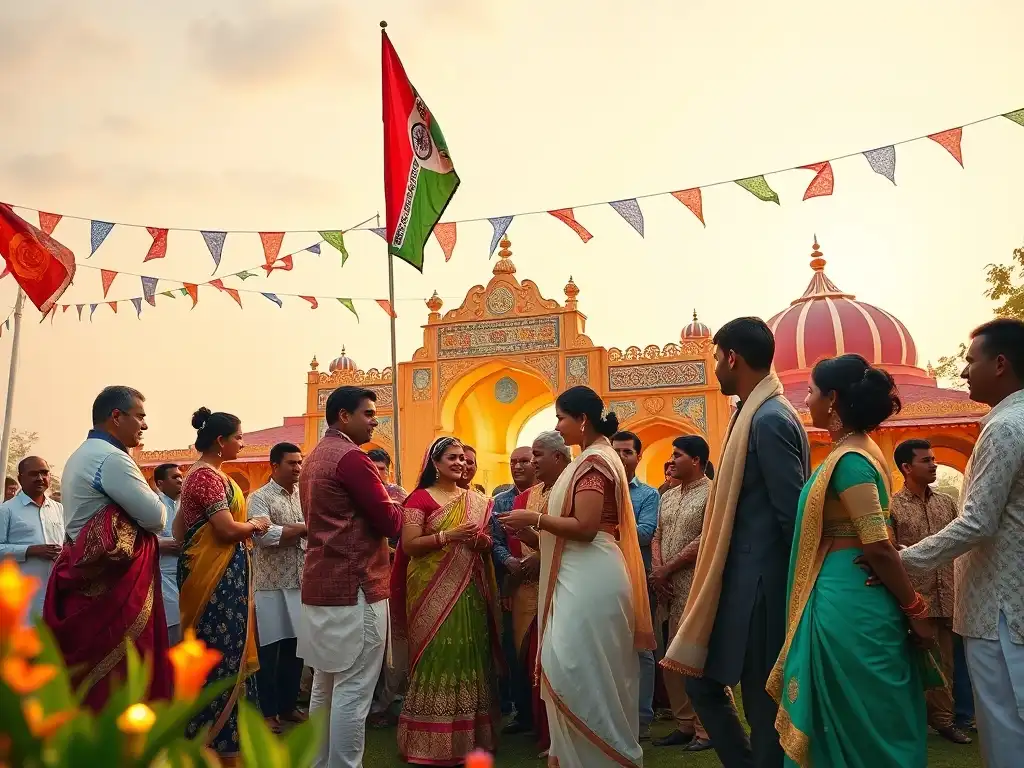
Welcome to Ancient India History, where we embark on a fascinating journey through time to uncover the intricate tapestry of ancient Indian civilizations. Here, we delve into the rich cultural heritage and remarkable contributions that have shaped not just India, but also its interactions with other great civilizations. In our featured article, “ The Cultural Exchange through Festivals: Celebrations Shared by India and Persia,” we explore the vibrant tapestry of cultural festivals that highlight the profound connections between India and Persia.
Prepare to be amazed as we reveal the stories behind these celebrations and how they reflect the shared legacies of two great cultures. Dive in and discover the past that continues to influence our present!
Introduction to Cultural Festivals between India and Persia
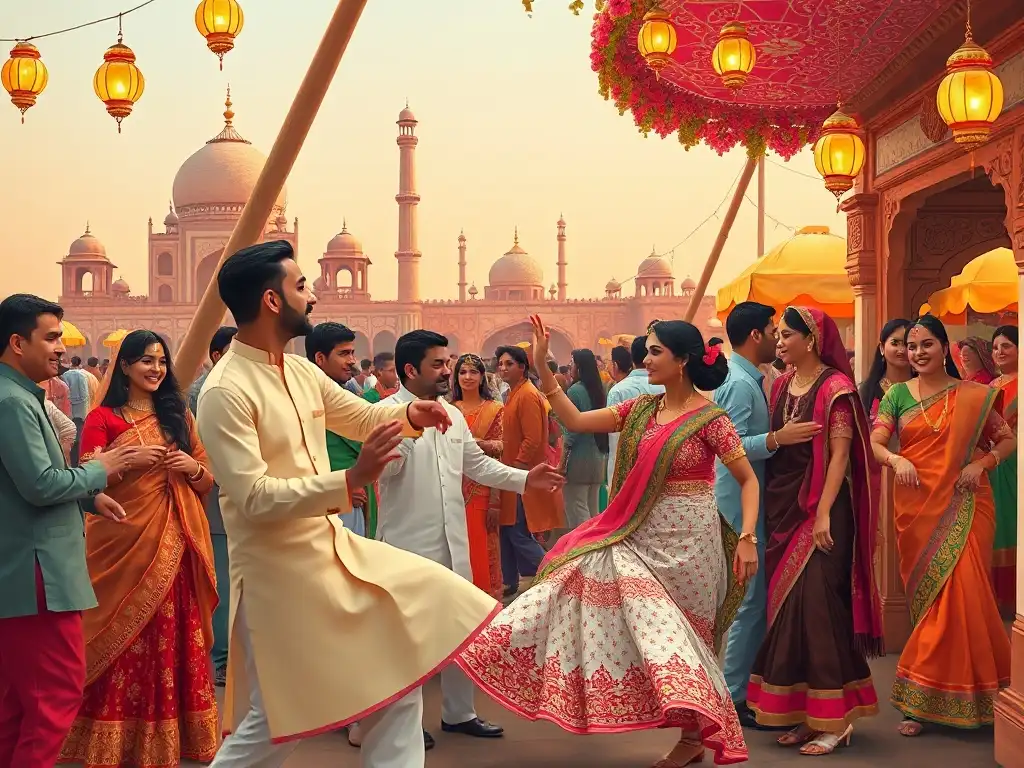
Cultural festivals serve as vibrant expressions of heritage, tradition, and social bonding, acting as a bridge that connects diverse civilizations. The cultural exchange through festivals between India and Persia is a fascinating narrative that underscores the historical interactions between these two great civilizations.
From ancient times, festivals have played a pivotal role in fostering understanding and appreciation of each other's customs, beliefs, and artistic expressions. This article delves into the intricate tapestry of celebrations shared by India and Persia, highlighting how these cultural festivals are not only a reflection of their historical relations but also a testament to the enduring legacy of their interactions.
Importance of Cultural Festivals in History
Cultural festivals are significant for several reasons:
- Preservation of Traditions: Festivals help preserve and transmit cultural values and practices across generations.
- Social Cohesion: They foster community spirit by bringing people together, promoting unity, and reinforcing social bonds.
- Economic Impact: Festivals often stimulate local economies through tourism, trade, and commerce.
- Cultural Exchange: They serve as platforms for cultural exchange, where different communities can share and celebrate their unique traditions.
By studying these festivals, we gain insights into the historical ties and mutual influences that shaped the societies of ancient India and Persia.
Overview of Indian-Persian Interactions
The interactions between India and Persia date back to ancient times, characterized by trade, diplomacy, and cultural exchanges. The establishment of trade routes facilitated not only the exchange of goods but also ideas, art, and religious beliefs. Persian influence can be seen in various aspects of Indian culture, including language, architecture, and literature. Similarly, Indian culture made significant contributions to Persian art and philosophy. Understanding this interplay is crucial to appreciating the shared festivals that arose from these interactions.
Historical Context of Cultural Exchange
Ancient Trade Routes Connecting India and Persia
The ancient trade routes, such as the Silk Road and maritime pathways, were instrumental in connecting India and Persia. These routes enabled merchants and travelers to exchange spices, textiles, and precious stones, as well as cultural practices. The Royal Road of the Achaemenid Empire facilitated swift communication and trade across vast distances, leading to a flourishing of cultural exchanges. As traders and travelers moved between these regions, they brought with them their traditions and festivities, which began to intertwine and influence one another.
Influence of Persian Culture on Indian Festivals
Persian culture had a profound impact on several Indian festivals, especially during the time of the Mughal Empire. For instance, the festival of Nowruz, celebrated as the Persian New Year, found its way into Indian celebrations, particularly among the Parsi community. Elements of Persian art, poetry, and music also enriched Indian festivals, leading to a unique blend of cultural expressions. This influence is evident in the elaborate rituals, culinary traditions, and decorative motifs that have become integral to various Indian celebrations.
Influence of Indian Culture on Persian Celebrations
Conversely, Indian culture also left an indelible mark on Persian festivities. The celebration of Diwali, known for its lights and joy, influenced Persian celebrations through the adoption of similar themes of light and renewal. Elements of Indian mythology and folklore were incorporated into Persian art and literature, showcasing the reciprocal nature of their cultural exchanges. This blending of traditions highlights the interconnectedness of these two ancient civilizations and their shared commitment to celebrating life and community through festivals.
India and Persia, two ancient civilizations with rich histories, have seen a significant cultural exchange through various festivals. These celebrations are not only reflections of religious beliefs but also serve as platforms for social cohesion and the exchange of ideas. Key festivals like Navroz, Diwali, and Shab-e Yalda exemplify how these two cultures have intertwined over centuries, celebrating shared values and fostering mutual respect.
Navroz: The Persian New Year and Its Indian Celebrations
Navroz, the Persian New Year, marks the first day of spring and is celebrated on or around March 21. Its significance transcends geographical boundaries, resonating in various cultures, including India. For the Parsi community in India, Navroz is a time for family gatherings, feasting, and ritualistic prayers at fire temples. Traditional dishes such as sali boti (a meat dish served with fried potatoes) and sev (sweet vermicelli) are prepared, symbolizing abundance and prosperity.
The celebration involves cleaning and decorating homes, symbolizing the renewal of life. In cities like Mumbai and Pune, community events and cultural programs are organized, showcasing music, dance, and storytelling that highlight the shared heritage of Indo-Persian culture. The spirit of Navroz emphasizes harmony and optimism, reinforcing the bonds between Indian and Persian communities.
Diwali: The Festival of Lights and Persian Influences
Diwali, known as the Festival of Lights, is one of the most significant Hindu festivals celebrated across India. Its roots can be traced back to ancient times, celebrating the victory of light over darkness. However, Persian influences can be observed in some of the rituals and customs surrounding this festival.
The tradition of lighting lamps and candles during Diwali has parallels with Persian customs, where fire and light hold symbolic importance in Zoroastrianism. Additionally, the exchange of sweets and gifts during Diwali is reminiscent of similar practices in Persian New Year celebrations. In various regions of India, the festival has absorbed elements from Persian culture, such as the preparation of rich sweets like baklava and pistachio laddus, showcasing a blend of culinary traditions.
Diwali serves as a celebration of unity, inviting people from diverse backgrounds to partake in the festivities, which further illustrates the cultural exchange between India and Persia.
Shab-e Yalda: Celebrating the Winter Solstice in India
Shab-e Yalda, or Yalda Night, is an ancient Persian festival marking the winter solstice, celebrated on December 21. It symbolizes the triumph of light over darkness, as the days begin to lengthen after this date. In India, particularly within the Parsi community, Yalda is observed with similar reverence.
Celebrations include gatherings with family and friends, where traditional foods such as pomegranates, nuts, and various fruits are enjoyed, symbolizing the cycle of life and fertility. Reciting poetry, particularly the works of Persian poets like Rumi and Hafez, enriches the festivities, emphasizing the shared literary heritage of the two cultures.
The observance of Shab-e Yalda in India reflects the deep-rooted connections between Indian and Persian traditions, reinforcing the importance of cultural continuity and the celebration of life amidst the changing seasons.
Significance of Festivals in Fostering Cultural Understanding
Cultural festivals play a crucial role in fostering understanding between different communities, particularly between India and Persia. They serve as vital platforms for showcasing shared traditions, values, and beliefs, contributing to a deeper appreciation of each other's cultures.
Role of Festivals in Promoting Tolerance and Unity
Festivals inherently promote tolerance by encouraging individuals from diverse backgrounds to come together, celebrate, and engage in dialogue. The shared experience of cultural festivals cultivates an environment where mutual respect and understanding can flourish. In the context of India and Persia, the celebration of festivals like Navroz and Diwali provides opportunities for both communities to explore each other's customs, fostering friendship and collaboration.
These interactions during festivals help dispel misconceptions and stereotypes, paving the way for peaceful coexistence. The emphasis on hospitality, generosity, and communal participation in both cultures reinforces the idea that festivals are not merely celebrations but also avenues for building bridges across cultural divides.
Shared Values and Traditions in Indian and Persian Festivals
The festivals celebrated in India and Persia often revolve around common themes such as the transition of seasons, the importance of family, and the celebration of life. This shared ethos is evident in the rituals, prayers, and festivities surrounding these occasions.
For instance, both Navroz and Diwali emphasize renewal and hope, while Shab-e Yalda celebrates the resilience of life in the face of adversity. Moreover, the culinary traditions associated with these festivals highlight the importance of food as a means of bringing people together, reflecting a shared appreciation for hospitality and generosity.
By recognizing and celebrating these shared values, festivals not only enhance cultural understanding but also highlight the rich tapestry of interactions that have shaped the histories of India and Persia. This cultural exchange through festivals continues to thrive, ensuring that future generations appreciate their intertwined legacies.
The Impact of Festivals on Art and Literature
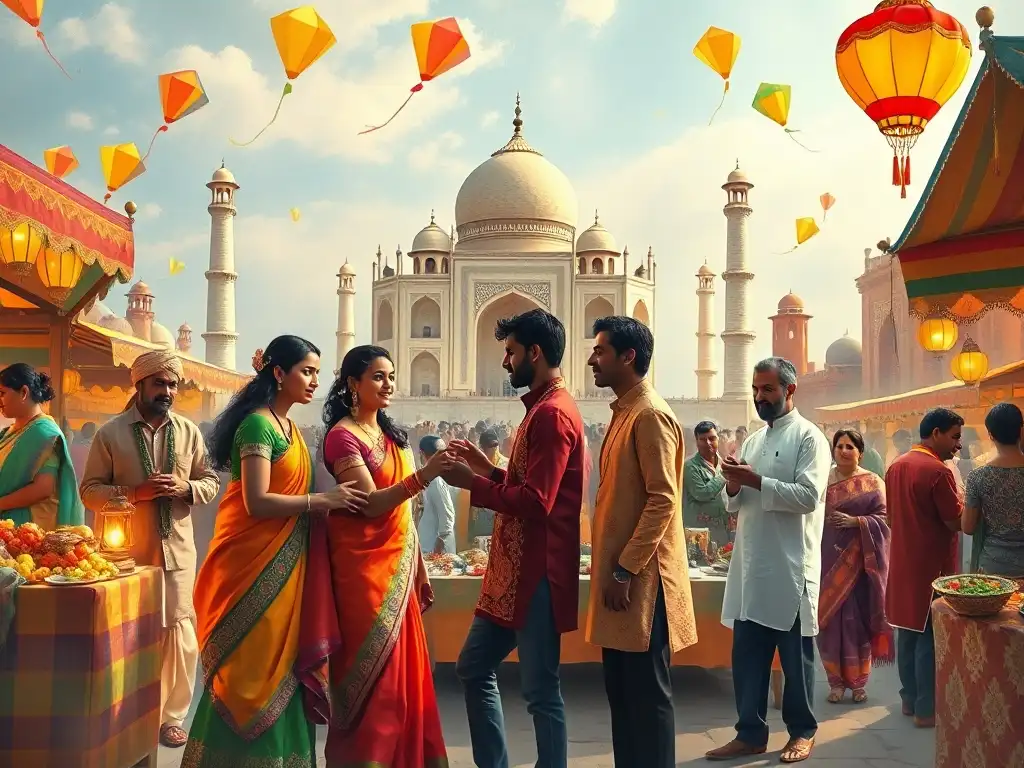
Festivals have long served as vital conduits for cultural exchange, inspiring artistic expressions and literary contributions across civilizations. In the context of India and Persia, festivals acted as a bridge not only between the two cultures but also within their respective artistic landscapes. The fusion of traditions led to a rich tapestry of art forms that reflected the shared values and aesthetics of both societies. This cross-pollination is evident in various art forms, including painting, sculpture, music, and dance, which were often celebrated during these vibrant occasions.
Moreover, festivals have provided a fertile ground for literature, where poets and writers drew inspiration from the themes of celebration, devotion, and communal harmony. The narratives surrounding these festivals often encapsulate the cultural ethos, historical significance, and philosophical underpinnings shared by both Indian and Persian civilizations. As a result, the literary contributions inspired by these celebrations not only enriched the cultural landscape but also fostered a deeper understanding of mutual traditions.
Artistic Expressions in Indian-Persian Festivals
The artistic expressions found within Indian-Persian festivals are diverse, showcasing a blend of techniques, styles, and motifs that reflect both cultures. For instance, the Mughal Empire, which thrived on the synthesis of Persian and Indian artistry, saw the emergence of exquisite miniatures that depicted scenes from festivals like Diwali and Nowruz. These artworks often featured vibrant colors, intricate patterns, and scenes of revelry, capturing the essence of celebration.
In addition to painting, the architectural styles influenced by these festivals can be seen in the grand structures built to commemorate such occasions. Temples and mosques alike were adorned with carvings and inscriptions that celebrated the significance of festivals, merging the architectural sensibilities of both cultures. The interplay of Indian and Persian music during festivals further highlights this artistic exchange, as musicians incorporated instruments and styles from both traditions, creating unique musical expressions that resonate to this day.
Literary Contributions Inspired by Cultural Celebrations
Literature inspired by the festivals shared between India and Persia reflects the beauty and complexity of their intertwined histories. Renowned Persian poets like Rumi and Hafiz have written verses that encapsulate the spirit of communal gatherings and the celebration of life, themes that resonate within Indian literary traditions as well. The tales of love, divinity, and nature found in the poetry of both cultures often draw parallels, showcasing the universal nature of human emotions during festive times.
Moreover, Indian epics such as the Mahabharata and Ramayana have been adapted and retold in Persian literature, especially during the Mughal era. These adaptations often include references to festivals, highlighting their significance in the narratives while also showcasing the linguistic and cultural exchanges between the two civilizations. Such literary contributions not only celebrate the festivals themselves but also serve as a testament to the enduring bond forged through shared cultural experiences.
Contemporary Celebrations: Bridging the Past and Present
In the modern era, the festivals that once epitomized the cultural exchange between India and Persia continue to thrive, serving as a link between the historical past and contemporary society. These celebrations have evolved, yet they still retain core elements of their traditional roots. The essence of these festivals is often reflected in community gatherings, artistic performances, and culinary traditions that echo their ancient origins.
The revival of interest in these cultural celebrations has led to initiatives aimed at educating younger generations about their historical significance, fostering a sense of identity and pride in their shared heritage. As globalization continues to influence cultural practices, the festivals serve as a reminder of the rich tapestry of traditions that has shaped both Indian and Persian identities.
Modern-Day Observances of Indian-Persian Festivals
Today, festivals such as Nowruz and Diwali are celebrated with great enthusiasm in various parts of the world, transcending geographical boundaries. In urban centers with diverse populations, these festivals often feature collaborative events that bring together communities from both backgrounds, promoting dialogue and understanding. Cultural performances, food fairs, and art exhibitions are organized to showcase the heritage of both traditions, allowing participants to engage with the rich histories that these festivals represent.
Moreover, educational institutions often host events to highlight the significance of these celebrations, encouraging students to explore the cultural narratives behind them. This modern-day observance not only reinforces the importance of preserving cultural heritage but also encourages intercultural appreciation and respect.
The Role of Cultural Festivals in Diaspora Communities
Cultural festivals play a crucial role in diaspora communities, serving as a means to maintain connections to their ancestral roots while also fostering a sense of belonging within the broader society. For the Indian-Persian diaspora, festivals like Nowruz and Diwali provide an opportunity to celebrate their heritage, often incorporating elements from both cultures in their observances.
These celebrations facilitate the transmission of cultural values and traditions to younger generations, ensuring that the legacies of both Indian and Persian cultures remain vibrant. They also act as platforms for community engagement, where individuals can come together to share stories, food, and art, reinforcing their collective identity while promoting cultural diversity. Through these shared celebrations, the rich history of interactions between India and Persia continues to thrive, bridging the past with the present and enriching the cultural fabric of modern society.
Conclusion: The Ongoing Legacy of Cultural Festivals between India and Persia
The cultural exchange through festivals between India and Persia has left an indelible mark on both civilizations, shaping their identities and enriching their cultural landscapes. This interplay has fostered a unique blend of traditions that reflect a shared history and mutual appreciation. Festivals such as Navroz and Diwali not only celebrate seasonal changes and agricultural prosperity but also embody the synthesis of ideas, art, and rituals from both cultures. These celebrations serve as a reminder of the historical connections that have persisted through centuries, showcasing how intertwined the destinies of India and Persia have been.
Moreover, the ongoing legacy of these festivals can be seen in the ways they continue to evolve and adapt in contemporary society. The participation of diverse communities in these celebrations highlights the continuing relevance of shared cultural practices, promoting harmony and understanding in an increasingly globalized world. As both nations honor their cultural heritages, the festivals symbolize a bond that transcends geographical boundaries, reminding us of the richness that comes from cultural exchange.
Future Prospects for Cultural Exchange through Festivals
The future of cultural exchange through festivals between India and Persia appears promising, as both nations increasingly recognize the value of their shared heritage. With globalization and technological advancements, there are more opportunities than ever for cross-cultural interactions. Collaborative festivals, art exhibitions, and academic exchanges can further enhance the understanding and appreciation of each other’s traditions.
Additionally, the rise of social media platforms allows individuals and communities to share their festival experiences, traditions, and innovations, fostering a sense of global community. Events showcasing the fusion of Indian and Persian arts, music, and culinary practices can attract attention and participation from diverse audiences. As younger generations take an interest in these cultural legacies, they can play a pivotal role in shaping and revitalizing the festivals, ensuring that they remain vibrant and relevant for years to come.
The Importance of Preserving Shared Traditions
Preserving the shared traditions of cultural festivals between India and Persia is vital for maintaining the rich tapestry of history that binds these two civilizations. These festivals serve as living monuments to the past, reflecting the values, beliefs, and social practices that have evolved over time. By actively engaging in the preservation of these traditions, communities can foster a sense of identity and continuity, which is essential in a rapidly changing world.
Furthermore, the preservation of these cultural festivals aids in the promotion of intercultural dialogue and understanding. In a time marked by division and conflict, celebrating shared traditions can serve as a unifying force, bridging cultural gaps and promoting peace. Educational initiatives aimed at younger generations can help instill a sense of pride in these shared heritage, ensuring that the significance of these festivals is recognized and cherished for future generations.
References
- [Specific references pending: Include a list of academic articles, books, and historical texts that explore the cultural exchange between India and Persia, focusing on festivals and celebrations.]
Suggested Further Reading on Indian-Persian Interactions
- "Persian Influence on Indian Culture" by [Author Name]
- "Festivals of India: A Cultural Journey" by [Author Name]
- "The Indo-Persian World: Interactions and Influences" by [Author Name]
Notable Scholars and Works on Cultural Festivals in History
- Dr. [Scholar Name], known for their work on cultural syncretism in South Asia.
- Prof. [Scholar Name], who authored comprehensive studies on the historical significance of Indian festivals.
- Dr. [Scholar Name], whose research explores the cultural interactions along the Silk Road, including the influences between India and Persia.
- Introduction to Cultural Festivals between India and Persia
- Historical Context of Cultural Exchange
- Major Cultural Festivals Shared by India and Persia
- Significance of Festivals in Fostering Cultural Understanding
- The Impact of Festivals on Art and Literature
- Contemporary Celebrations: Bridging the Past and Present
- Conclusion: The Ongoing Legacy of Cultural Festivals between India and Persia
- References
- What are some cultural festivals shared between India and Persia?
- How did cultural exchange influence festivals in India and Persia?
- What role do festivals play in promoting cultural understanding between India and Persia?
- How did the historical interactions between India and Persia shape their festivals?
- Why are cultural festivals important for preserving heritage in India and Persia?
Frequently Asked Questions
Many cultural festivals such as Navroz (the Persian New Year) and Diwali have roots in both cultures, showcasing their shared traditions and celebrations.
How did cultural exchange influence festivals in India and Persia?
The cultural exchange between India and Persia led to the incorporation of various rituals, symbols, and customs in their respective festivals, enriching the celebratory practices of both civilizations.
What role do festivals play in promoting cultural understanding between India and Persia?
Festivals serve as a platform for cultural understanding, allowing people from both regions to appreciate each other's heritage, traditions, and values through shared celebrations.
How did the historical interactions between India and Persia shape their festivals?
The historical interactions through trade, conquests, and diplomacy facilitated the blending of religious beliefs, leading to the creation of unique festival traditions that reflect elements from both cultures.
Why are cultural festivals important for preserving heritage in India and Persia?
Cultural festivals are vital for preserving heritage as they keep traditions alive, foster community spirit, and educate younger generations about their rich history and cultural identity.
Final Reflection: Celebrating Unity through Cultural Festivals
Cultural festivals India Persia serve as vibrant reminders of our shared heritage and interconnectedness. In an era where divisions often overshadow our similarities, these festivals highlight the beauty of cultural exchange and the enduring bonds that transcend geographical boundaries. They are not merely events; they are powerful expressions of identity, tradition, and the universal human experience that unites us all.
The influence of these festivals extends far beyond their immediate celebrations, shaping the cultural and social landscapes of both India and Persia. As we witness the blending of traditions, art forms, and culinary delights, we are reminded that our differences can coexist harmoniously. Culture is the widening of the mind and of the spirit.
– Jawaharlal Nehru. This quote encapsulates the essence of cultural festivals, as they invite us to embrace diversity and foster understanding among communities.
As you reflect on the themes of this article, consider how you can engage with and celebrate the rich tapestry of cultural festivals in your own life. Whether through attending a local event, learning about different traditions, or sharing your own cultural practices, you have the power to contribute to a more inclusive and vibrant world. Let us honor the legacy of cultural exchange and continue to celebrate the shared joys that bring us together, for in these moments of unity, we find our true strength.
Embark on a Cultural Adventure Today!
Thank you for exploring the vibrant tapestry of festivals that celebrate the rich connections between India and Persia. We hope this journey has ignited your passion for cultural exchange and the joyous celebrations we share across borders. Now, let’s take that inspiration further!
Here are some engaging ways to continue your journey:
- Join a local cultural festival this month to immerse yourself in the traditions being showcased!
- Share your favorite festival moments on social media with the hashtag #CulturalFestivals, inviting others to join in the celebration of these rich traditions.
- Discover a new recipe inspired by a festival dish you learned about; cooking is a wonderful way to bond over cultural experiences.
What festival resonates most with you, and how will you celebrate its essence in your own life?