
Persian Kings in Indian History: A Study of Notable Figures

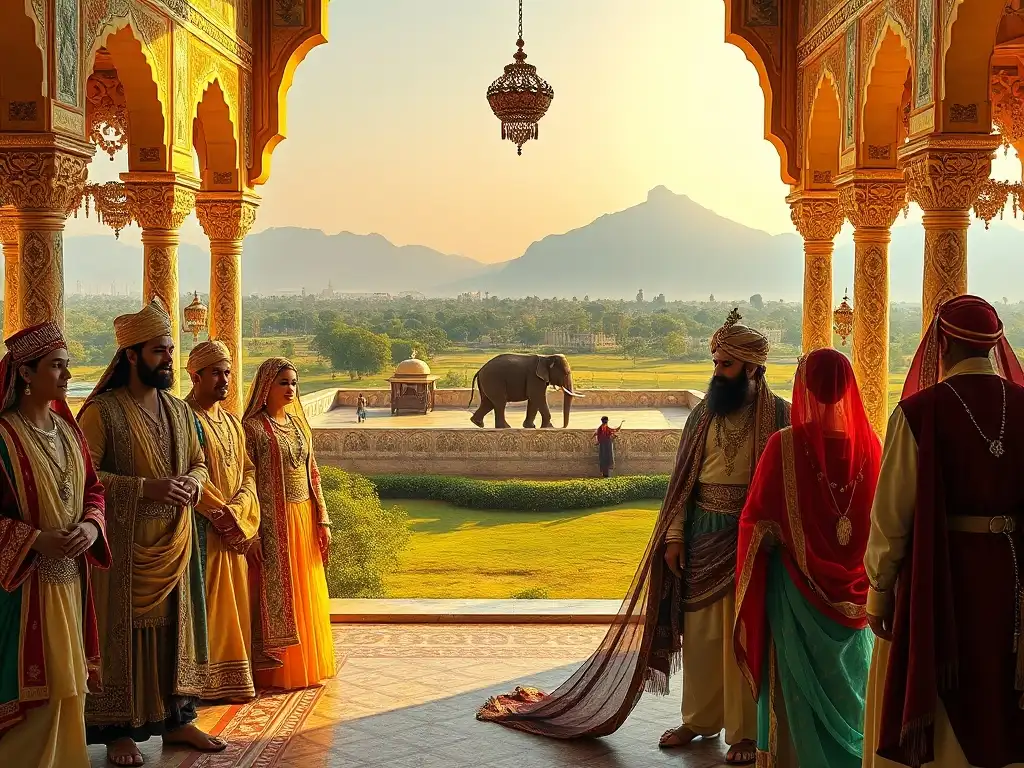
Welcome to Ancient India History, where we embark on a journey through the rich tapestry of ancient civilizations. In this exploration, we delve into the Persian influence in Indian history—a fascinating interplay of cultures that shaped the subcontinent's heritage. Discover the remarkable stories of Persian kings and their notable contributions as we unravel the intriguing links between these two great civilizations. Join us and uncover how these interactions not only enriched Indian culture but also left a lasting legacy that continues to resonate today. Ready to dive deeper? Let’s explore together!
- Persian Influence in Indian History: An Overview
- Notable Persian Kings in Indian History
- The Legacy of Persian Kings in Indian History
- Conclusion: The Enduring Persian Influence in Indian History
- References
- Frequently Asked Questions
- Final Reflection: The Enduring Legacy of Persian Influence in Indian History
- Unveil the Legacy of Persian Kings: Take Action Now!
Persian Influence in Indian History: An Overview
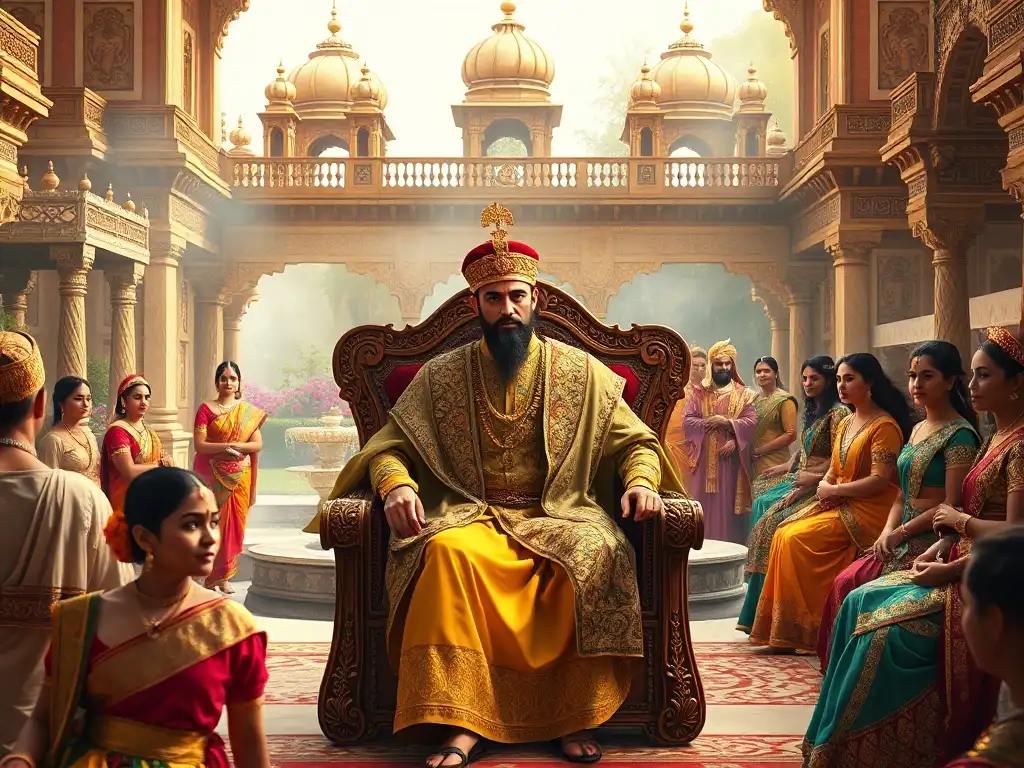
The history of Persia and India is marked by a complex tapestry of cultural, political, and economic interactions that have significantly shaped the subcontinent's development. From the ancient Indus Valley civilization to the rise of the Gupta Empire, the influence of Persian kings and their empires has played a pivotal role in the evolution of Indian society.
This article delves into the nuances of Persian influence in Indian history, examining notable figures, the dynamics of their interactions, and the lasting legacy they left behind. By exploring the intricate relationships between these two rich civilizations, we can better appreciate how they influenced one another through trade, warfare, and cultural exchange.
Historical Context of Persian Influence in India
The historical context of Persian influence in India can be traced back to several key moments in time when both regions were at the peak of their power. The ancient Persian Empire, particularly under the Achaemenid dynasty, established connections with the Indian subcontinent that would lay the foundation for centuries of interactions. The Persian kings not only expanded their territory but also integrated various cultural and administrative practices from the regions they conquered, including India.
The significance of these interactions is further underscored by trade routes, such as the Silk Road, which facilitated the exchange of goods, ideas, and culture. The Persian language and administrative systems began to permeate Indian society, influencing local governance, art, and architecture. This exchange was not merely one-sided; Indian culture also contributed to Persian traditions, creating a rich blend of influences that would resonate through history.
The Rise of Persian Empires
The rise of Persian empires, particularly the Achaemenid Empire (c. 550–330 BCE), marked a transformative period for both Persia and India. Under leaders like Cyrus the Great and Darius I, the Persian Empire expanded its borders to include parts of northwest India, specifically regions such as Gandhara and Punjab.
- Cyrus the Great: Known for his innovative governance, he laid the groundwork for the Persian administrative system that later influenced Indian rulers.
- Darius I: His campaigns extended Persian influence deeper into Indian territories, establishing diplomatic and trade relations that benefited both empires.
This period saw the introduction of Zoroastrianism, Persian art, and architectural styles in Indian territories, which left a lasting impact on local cultures.
Key Periods of Interaction between Persia and India
The interaction between Persia and India can be categorized into several key periods:
- Achaemenid Period (c. 550–330 BCE)
- Persian expansion included parts of India.
- Introduction of Persian administrative practices.
- Mauryan Empire (c. 322–185 BCE)
- Diplomatic relations established under Chandragupta Maurya.
- Influences on governance and trade.
- Sassanian Empire (c. 224–651 CE)
- Heightened cultural and economic exchanges.
- Significant influence on Indian philosophy and literature.
- Medieval Period (c. 8th–16th century)
- The establishment of the Delhi Sultanate and Mughal Empire saw a resurgence of Persian influence.
- Persian became the language of administration and culture, deeply influencing Indian literature, art, and architecture.
Understanding these periods provides insight into how Persian influence in Indian history shaped the socio-political landscape of the subcontinent, fostering a rich legacy of cultural exchange that endures to this day.
Notable Persian Kings in Indian History
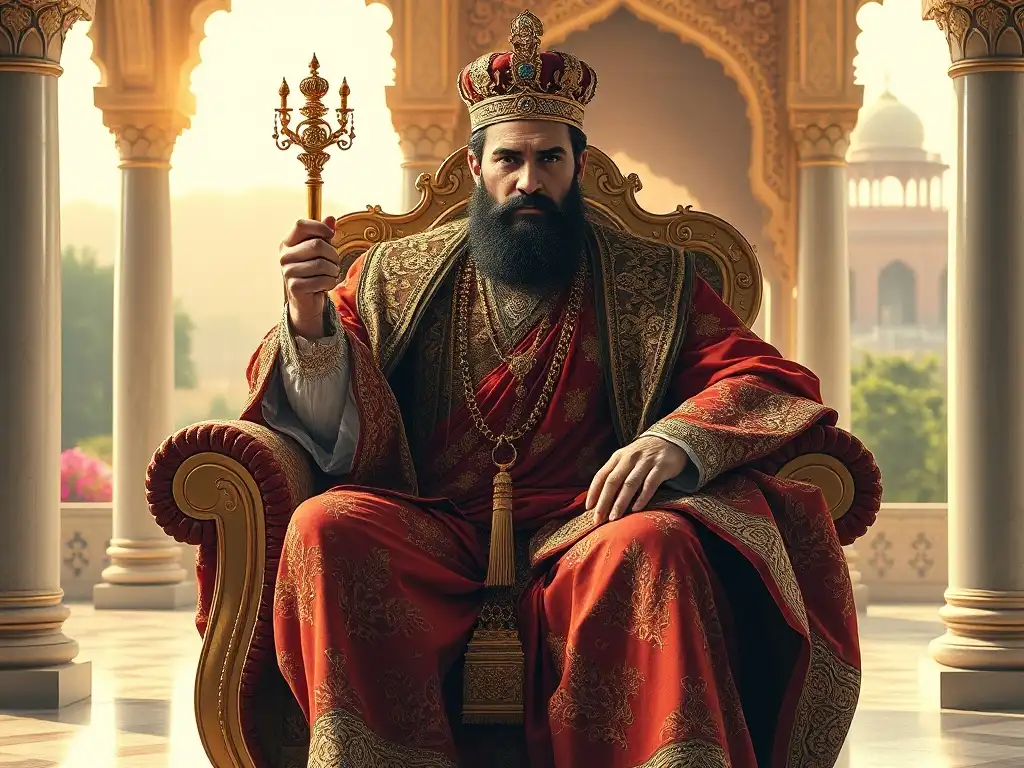
Darius I: The Achaemenid Influence
Darius I, also known as Darius the Great, ruled the Persian Empire from 522 to 486 BCE and is recognized for his significant influence on the development of administrative systems and cultural exchanges that impacted ancient India. His reign marked a period of expansion and consolidation, bringing various regions under a single administrative framework that enhanced trade and interaction with neighboring civilizations, including those in the Indian subcontinent.
Administrative Reforms and Their Impact
Darius I implemented a series of administrative reforms that transformed the governance of the vast Persian Empire. He divided the empire into satrapies, or provinces, each overseen by a satrap (governor). This system allowed for efficient tax collection and law enforcement across diverse regions. The impact of these reforms reached Indian territories, particularly in the northwestern regions, where local rulers had to adapt to the new administrative practices introduced by the Persians.
- Standardization of Weights and Measures: Darius introduced a standardized system of weights and measures, facilitating trade across the empire. This reform had lasting effects on commerce in Indian territories, promoting economic integration.
- Infrastructure Improvements: The construction of the Royal Road, which connected various parts of the empire, enhanced communication and trade routes that extended into the Indian subcontinent. This infrastructure fostered not only economic ties but also the exchange of cultural ideas.
Cultural Exchanges and Contributions
Darius I's reign was characterized by significant cultural exchanges between Persia and India. He encouraged the blending of artistic and architectural styles, which can be observed in various archaeological findings.
- Artistic Influences: Persian art styles began to permeate Indian art, particularly in the regions influenced by the Achaemenid Empire. For example, the intricate stone carvings and designs found in some Indian structures exhibit similarities to Persian artistic motifs.
- Religious Syncretism: The interaction between Zoroastrianism and local Indian beliefs led to a fascinating exchange of ideas. This syncretism can be traced through the adoption of certain practices and the incorporation of Persian deities into local worship.
Cyrus the Great: Legacy in Indian Regions
Cyrus the Great, the founder of the Achaemenid Empire, reigned from 559 to 530 BCE and is known for his exemplary leadership and policies that laid the foundation for Persian influence across various regions, including parts of India. His legacy continued to resonate even after his death, particularly during the subsequent rule of his successors.
Military Campaigns and Their Outcomes
Cyrus's military campaigns expanded the Persian Empire significantly, and his strategies often involved political alliances with local rulers. His interactions with Indian territories were marked by both conflict and diplomacy.
- Conquest and Alliances: While Cyrus is not known for direct military conquests in India, his campaigns in the surrounding regions allowed for the establishment of alliances with local kings. These alliances facilitated the spread of Persian culture and governance methods into Indian territories.
- Impact on Local Kingdoms: The presence of the Persian Empire influenced the political landscape of local Indian kingdoms. Many rulers adopted Persian administrative practices and military strategies to enhance their own governance.
Diplomatic Relations with Indian Kingdoms
Cyrus the Great's approach to diplomacy was notable for its emphasis on respect for local customs and religions. This diplomatic strategy fostered positive relations with various Indian kingdoms, leading to mutual benefits.
- Trade Agreements: Cyrus established trade agreements with Indian states, which facilitated the exchange of goods such as textiles, spices, and precious stones. This not only enriched the Persian economy but also allowed Indian products to reach broader markets.
- Cultural Diplomacy: Cyrus's policies promoted cultural exchanges that influenced both Persian and Indian societies. Indian scholars and artisans were welcomed in the Persian court, contributing to the rich tapestry of cultural interactions that defined this era.
The Persian influence in Indian history is profound and multifaceted, marked by administrative reforms, cultural exchanges, military engagements, and diplomatic relations that shaped the development of ancient Indian civilizations. The legacies of kings like Darius I and Cyrus the Great continue to illuminate the rich historical tapestry of Indian-Persian interactions.
Xerxes I: The Persian Invasion and Its Effects
Xerxes I, one of the most prominent kings of the Achaemenid Empire, is often remembered for his monumental invasions and military campaigns. His reign (486-465 BCE) marked a significant period in Persian history, and his foray into India is particularly noteworthy for its implications on the Indian subcontinent. Xerxes’ invasion not only aimed to expand Persian territories but also left an enduring mark on the cultural and political landscapes of the regions he sought to conquer.
The Invasion of India: An Overview
The invasion of India by Xerxes I was part of a broader strategy to solidify Persian dominance over the regions surrounding the Indus River. Historical texts, including those by Herodotus, suggest that Xerxes sent an expeditionary force to India around 480 BCE. This campaign was characterized by its ambitious objectives to subjugate the Indian states and integrate them into the vast Persian Empire.
The Persian army, equipped with advanced military technology and tactics, faced various regional kingdoms. Despite the challenges, including unfamiliar terrains and fierce local resistance, Xerxes aimed to project Persian power and secure resources from India’s rich lands. The invasion marked the first significant Persian contact with Indian territories, setting the stage for future interactions between these two great civilizations.
Aftermath of Xerxes' Campaign in India
The aftermath of Xerxes I's campaign had far-reaching consequences for both Persia and India. While the immediate military objectives were not entirely achieved, the invasion opened up channels of communication and trade between the two regions. Persian administrative practices began to influence local rulers, and there was a significant exchange of ideas, culture, and goods.
Economically, the invasion led to increased trade routes that connected Persia with Indian markets, facilitating the flow of luxury goods like textiles, spices, and precious stones. The cultural impact was also profound; Persian art and architecture began to permeate Indian styles, leading to a unique blend that would characterize subsequent periods. Moreover, the political dynamics were altered as local kingdoms adapted to the new realities of Persian influence, fostering a complex relationship that would endure for centuries.
The Sasanian Period: Continuation of Persian Influence
The Sasanian Empire, which succeeded the Parthian Empire in 224 CE, was a significant phase in the continuation of Persian influence in Indian history. The Sasanians not only revived Persian cultural and political traditions but also expanded their territory into parts of India. This period is marked by increased diplomatic and economic interactions, which further solidified the ties between Persia and the Indian subcontinent.
Shapur I and His Engagement with Indian States
Shapur I, who ruled from 240 to 270 CE, was one of the most notable Sasanian kings known for his military prowess and diplomatic skills. He engaged in significant interactions with various Indian states, notably the western regions such as Gujarat and Sindh. Shapur I’s campaigns were often aimed at expanding territory and establishing Persian dominance, but he also recognized the importance of alliances and trade with Indian rulers.
His reign is characterized by a series of successful military campaigns that secured Persian control over several regions. Moreover, Shapur I's engagements with Indian states were not solely militaristic; they included cultural exchanges, showcasing a mutual appreciation for art, philosophy, and commerce. This period saw the establishment of trade routes that facilitated the exchange of goods and ideas, further intertwining the destinies of these two ancient civilizations.
Cultural and Economic Exchanges During the Sasanian Era
The Sasanian period was marked by rich cultural and economic exchanges between Persia and India. The interactions during this time were not limited to military encounters; they encompassed a broad spectrum of cultural influences that significantly shaped both civilizations.
Persian literature, art, and architectural styles influenced Indian practices, while Indian advancements in mathematics, astronomy, and medicine left an indelible mark on Persian scholarship. The translation of texts and the movement of scholars across borders enriched the intellectual landscapes of both regions.
Economically, the flourishing trade routes allowed for a vibrant exchange of goods. Persian merchants brought silk, textiles, and precious metals to Indian markets, while Indian spices, gemstones, and textiles found their way into Persia. This dynamic relationship not only enhanced the wealth of both empires but also fostered a spirit of collaboration that would resonate through history, highlighting the importance of Persian influence in Indian history.
The Legacy of Persian Kings in Indian History
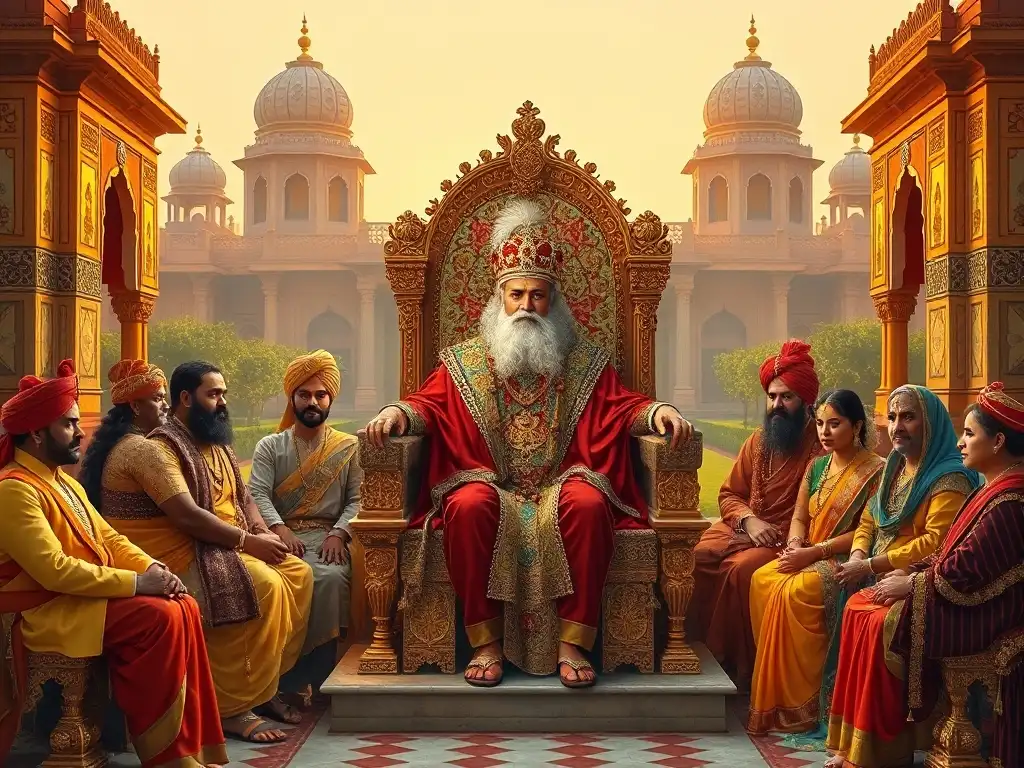
Architectural Contributions
The Persian influence in Indian history is vividly illustrated through the architectural contributions made during the reign of various Persian kings. This influence is characterized by the introduction of distinct architectural styles that blended Persian elements with local Indian traditions, resulting in a unique aesthetic that has left an indelible mark on the subcontinent.
Persian Architectural Styles in Indian Structures
Persian architectural styles are notable for their intricate designs, grandiosity, and the use of specific features such as domes, arches, and intricate tile work. These elements were integrated into Indian architecture, particularly during the medieval period when Persian rulers established their sovereignty in parts of India.
Some key characteristics of Persian architectural styles that influenced Indian structures include:
- Use of Arches and Domes: Persian architecture popularized the use of large arches and domes, leading to the construction of impressive structures that emphasized verticality and grandeur.
- Garden Layouts: The Persian concept of gardens, known as paradise gardens, emphasized symmetry and were often used in mausoleums, influencing the design of gardens in Indian palaces and tombs.
- Intricate Tile Work: Persian artisans introduced colorful tile work that adorned many Indian structures, showcasing elaborate patterns and motifs that drew from both Persian and indigenous designs.
The fusion of these styles not only enriched Indian architecture but also created a dialogue between the two cultures, leading to the development of a distinct architectural identity in regions influenced by Persian rulers.
Notable Buildings Reflecting Persian Influence
Several iconic structures in India epitomize the Persian architectural influence. Among these, two notable examples are:
- The Taj Mahal: Commissioned by Mughal Emperor Shah Jahan, the Taj Mahal is an exquisite synthesis of Persian and Indian architectural styles. Its grand dome, intricate marble inlay work, and lush gardens reflect the essence of Persian aesthetics while integrating local elements.
- Humayun's Tomb: Built during the Mughal era, this tomb is one of the earliest examples of Persian-style garden tombs in India. It features a double dome, large arches, and a central waterway, showcasing the harmonious blend of Persian design principles with Indian motifs.
These structures are not only architectural marvels but also serve as reminders of the rich cultural exchanges that occurred between the Persian and Indian civilizations.
Linguistic and Cultural Impact
The Persian influence in Indian history extended beyond architecture into the realms of language and culture, shaping the socio-cultural fabric of the Indian subcontinent.
The Introduction of Persian Language in Indian Courts
The Persian language was introduced to India during the rule of the Delhi Sultanate and later became the language of administration under the Mughal Empire. It played a significant role in the courts of Indian rulers, where it was utilized for official documents, poetry, and literature.
The adoption of Persian led to several noteworthy developments:
- Administrative Language: Persian became the primary language of government and administration, facilitating communication and governance across diverse regions of India.
- Cultural Syncretism: The intermingling of Persian with local languages, such as Hindi and Urdu, resulted in the creation of a rich linguistic tapestry that reflects the cultural convergence of these civilizations.
This linguistic shift not only enriched the literary landscape of India but also fostered a sense of unity among diverse communities through a shared administrative language.
Persian Literature and Its Influence on Indian Writers
Persian literature significantly influenced Indian writers, poets, and scholars, particularly during the Mughal period.
- Poetic Forms: The introduction of Persian poetic forms, such as ghazals and rubaiyats, led to a flourishing of poetry in India. Indian poets began to adopt and adapt these forms, creating works that resonated with both Persian and Indian themes.
- Cultural Exchange: Notable figures like Mirza Ghalib and Faiz Ahmed Faiz drew inspiration from Persian literary traditions, crafting verses that celebrated love, beauty, and philosophy while infusing Indian sensibilities.
The cross-pollination of ideas and styles between Persian and Indian literature created a vibrant literary culture, enriching the storytelling traditions and enhancing the artistic expressions of both civilizations.
The Persian influence in Indian history is a multifaceted legacy, manifesting through architectural innovations and profound linguistic and cultural exchanges. This enduring impact continues to shape the historical narrative of India, illustrating the complexities of interaction between two influential civilizations.
Religion and Philosophy
The interaction between Persian and Indian civilizations significantly shaped the religious and philosophical landscapes of ancient India. The influence of Persian kings, particularly during the Achaemenid Empire and later under the Sassanian dynasty, led to meaningful exchanges between the two cultures, especially in the realms of religion and philosophy. This cross-pollination enriched both societies, as they borrowed and adapted ideas that resonated with their own beliefs and practices.
Zoroastrianism and Its Interaction with Indian Religions
Zoroastrianism, the ancient religion of Persia founded by the prophet Zoroaster, had notable interactions with Indian religions, primarily Hinduism and Buddhism. As the Achaemenid Empire expanded into parts of the Indian subcontinent, Zoroastrian beliefs began to influence local traditions.
- Common Themes: Both Zoroastrianism and Hinduism share themes of dualism, the cosmic struggle between good and evil, and the importance of moral choices in life. Concepts such as heaven, hell, and the afterlife can be found in both traditions, suggesting a degree of philosophical exchange.
- Cultural Syncretism: The Persian influence led to the emergence of syncretic practices, especially in regions like Gandhara, where Zoroastrian symbols and ideas merged with Buddhist iconography. This is evident in the art and architecture of the time, which reflects a blend of Persian and Indian motifs.
- Trade Routes and Pilgrimages: The establishment of trade routes facilitated not only the exchange of goods but also ideas and religious practices. Zoroastrian merchants and pilgrims traveled to India, bringing their beliefs with them and engaging in dialogues with Indian philosophers and religious leaders.
These interactions laid the groundwork for a rich tapestry of religious thought, influencing the development of sects within Hinduism and laying the foundation for later philosophical inquiries.
Philosophical Exchanges Between Persian and Indian Thinkers
The philosophical exchanges between Persian and Indian thinkers were characterized by a mutual curiosity and respect for each other’s intellectual traditions. As Persian scholars engaged with Indian philosophy, particularly during the Mauryan and later Gupta periods, several key developments occurred.
- Influence of Persian Philosophy: Persian thinkers like Zarathustra and later philosophers contributed ideas about ethics, cosmology, and the nature of the divine that found resonance in Indian philosophical thought. The emphasis on moral dualism in Zoroastrianism can be seen reflected in various Indian philosophical schools, which explore the nature of good and evil.
- Translations and Textual Exchanges: The translation of texts between Persian and Sanskrit facilitated deeper understanding and appreciation of each other's philosophical frameworks. Notable figures such as the Indian philosopher Aryabhata were influenced by Persian astronomical writings, which incorporated mathematical concepts that were crucial for the advancement of Indian sciences.
- Mutual Philosophical Concepts: Key philosophical concepts such as the idea of an underlying unity in diversity, ethical living, and the pursuit of knowledge were mutually shared and adapted. These exchanges led to a richer philosophical discourse that transcended cultural boundaries, encouraging both Persian and Indian scholars to explore new ideas and perspectives.
The legacy of Persian kings in Indian history is deeply intertwined with significant religious and philosophical exchanges that enriched both civilizations. Through Zoroastrianism and the dialogues between thinkers, Persian influence in Indian history carved pathways for further intellectual and cultural advancements, demonstrating the profound interconnectedness of these ancient societies.
Conclusion: The Enduring Persian Influence in Indian History
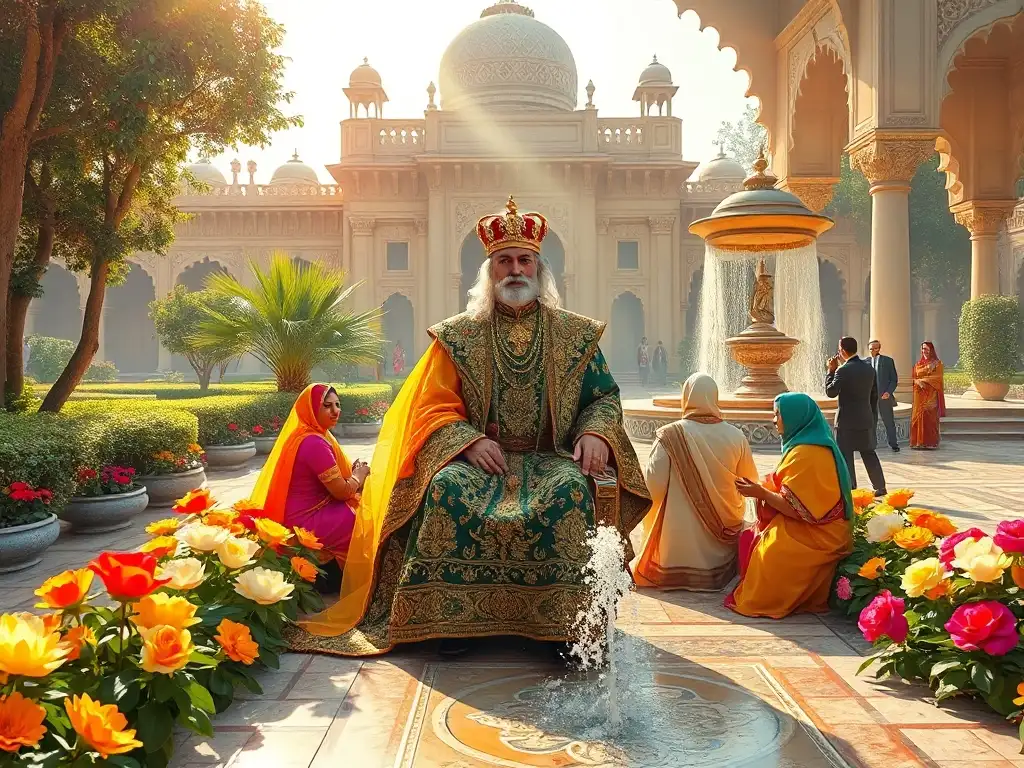
The Persian influence in Indian history is a multifaceted tapestry woven from threads of diplomacy, culture, administration, and art. From the earliest interactions during the Achaemenid Empire to the later influences of the Sassanian period, Persian kings played pivotal roles in shaping the socio-political landscape of India. Their legacies can be seen in various aspects of Indian civilization, contributing to a rich and dynamic interaction that spanned centuries.
Summary of Key Contributions by Persian Kings
Persian kings made several notable contributions to Indian history that had profound impacts on governance, culture, and societal structures. Here are some of the key contributions:
- Administrative Innovations: Persian rulers introduced sophisticated administrative systems that influenced local governance. The concept of satrapies, or provinces, helped in managing vast territories efficiently. This system was later adapted by Indian rulers, contributing to more organized governance.
- Cultural Syncretism: The arrival of Persian culture in India led to a unique blend of traditions. Persian art, poetry, and architecture left an indelible mark on Indian culture. For instance, the introduction of Persian-style gardens and architecture can be seen in Mughal constructions, which were heavily inspired by Persian aesthetics.
- Trade and Economy: Persian kings played a significant role in enhancing trade relations between India and the Persian Empire. This not only facilitated the exchange of goods but also the transfer of ideas and technologies, further enriching Indian civilization.
- Language and Literature: Persian became a prominent literary language in India, especially during the Mughal period. The patronage of Persian scholars and poets by Indian rulers led to the flourishing of Persian literature in India, influencing local languages and literary forms.
- Religion and Philosophy: The interaction with Persian thought introduced new philosophical ideas and religious concepts that influenced Indian spiritual practices, particularly during the time of the Mughals when syncretism was actively promoted.
The Lasting Legacy of Persian Culture in India
The legacy of Persian culture in India is evident in various domains, showcasing a rich heritage that continues to influence contemporary Indian society.
- Architecture: The architectural styles introduced by Persian kings, characterized by intricate designs and elaborate gardens, evolved into distinct forms that are celebrated in India today. Notable examples include the Taj Mahal and Humayun's Tomb, which reflect Persian architectural principles fused with Indian elements.
- Cuisine: Persian culinary traditions have significantly influenced Indian cuisine, particularly in the northern regions. Dishes such as biryani and kebabs bear testament to this cultural exchange, showcasing a blend of flavors and cooking techniques.
- Festivals and Traditions: Certain Persian festivals, such as Nowruz (the Persian New Year), have found their way into Indian culture, particularly among communities with Persian roots. These celebrations highlight the enduring connections between the two civilizations.
- Literature and Poetry: The impact of Persian literature is evident in Indian poetry, where Persian forms and themes have been integrated into regional literary traditions. The works of poets like Mirza Ghalib reflect this synthesis, demonstrating the deep cultural ties that persist.
- Art and Calligraphy: Persian art forms, particularly in calligraphy and miniature painting, have had a lasting influence on Indian artistic expressions. The Mughal miniature paintings, which often depicted Persian themes, are a testament to the artistic exchange between the two cultures.
The Persian influence in Indian history is a rich legacy that encompasses various aspects of life. The interactions between Persian kings and Indian civilizations not only shaped political landscapes but also fostered a vibrant cultural exchange that continues to resonate in modern India. This enduring influence is a reminder of the interconnectedness of civilizations and the shared histories that define our world.
References
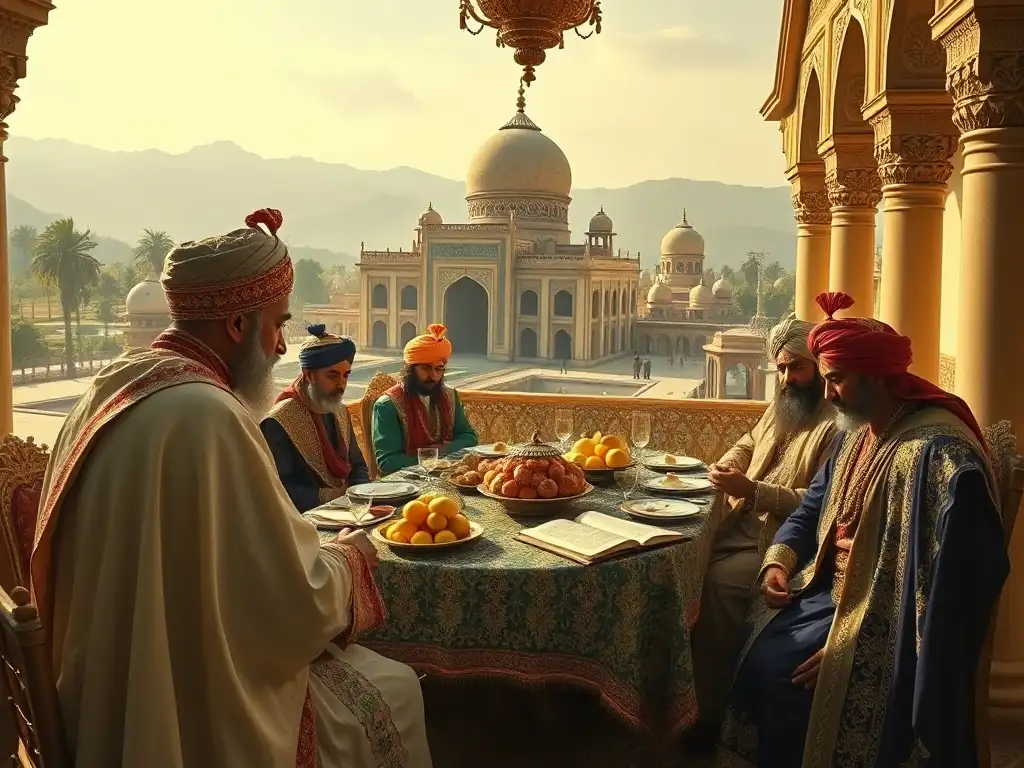
The study of Persian influence in Indian history is enriched by a variety of primary and secondary sources that provide insight into the interactions between these two great civilizations. Below, we explore both types of sources, offering a foundation for a deeper understanding of this historical interplay.
Primary Sources
Primary sources are invaluable for understanding the direct interactions between Persian and Indian civilizations. These documents, inscriptions, and artifacts provide firsthand accounts and evidence of cultural exchanges and influences.
- Inscriptions:
- The Behistun Inscription: Created by Darius I, this monumental inscription not only details his reign but also mentions the territories he controlled, including parts of the Indian subcontinent.
- Ashoka's Edicts: While primarily focused on Buddhism, some edicts reflect the influences of Persian administration and governance styles.
- Historical Texts:
- The Avesta: This sacred text of Zoroastrianism contains references to the regions that would later influence Indian culture, including discussions of moral and ethical governance.
- The Histories by Herodotus: Often referred to as the "Father of History," Herodotus provides accounts of the Persian Empire's interactions with Indian territories, especially during the conquests of Darius I.
- Artifacts:
- Coins: The coinage from the Achaemenid Empire often circulated in Indian markets, showcasing the economic interactions and influences.
- Architecture: Architectural styles and motifs in ancient Indian temples show Persian influences, particularly during the Mauryan and Gupta periods.
Secondary Sources and Further Reading
Secondary sources offer interpretations and analyses of primary data, helping to contextualize the Persian influence in Indian history through scholarly discourse.
- Books:
- The Persian Empire: A Corpus of Sources from the Achaemenid Period by A. Sh. Shahbazi: This book compiles various sources, including those that highlight Persian interactions with India.
- India and Iran: A Cultural Encounter by Amita P. Sinha: This work explores the cultural exchanges between Persia and India from ancient times to the present.
- Academic Journals:
- Articles in The Journal of Asian Studies often explore the nuances of Persian influence and its implications on Indian history. Notable articles include discussions on trade, art, and literature.
- Iranian Studies features research specifically addressing the impact of Persian literature and governance on Indian civilization.
- Online Resources:
- The Persian Heritage Foundation provides a wealth of articles and resources regarding the historical ties between Persia and India, including detailed timelines and cultural analyses.
- Digital Archives: Various digital archives offer access to primary documents and translations, making it easier for researchers to explore Persian influence in Indian history.
The study of Persian influence in Indian history is supported by a rich array of primary and secondary sources. These texts and artifacts not only illustrate the historical interactions but also the cultural and political legacy that persists to this day.
Frequently Asked Questions
What is the significance of Persian influence in Indian history?
The Persian influence in Indian history is significant as it introduced cultural exchange, administrative practices, and artistic styles, shaping various aspects of Indian civilization.
Who were some notable Persian kings in Indian history?
Notable Persian kings include Cyrus the Great and Darius I, who established administrative systems and influenced local governance during their rule over parts of the Indian subcontinent.
How did Persian art impact ancient Indian culture?
Persian art introduced intricate designs, calligraphy, and architectural elements that blended with local styles, leading to the creation of unique artistic expressions in ancient India.
What role did trade play in the Persian-Indian relationship?
Trade facilitated the exchange of goods, ideas, and cultural practices between Persia and India, enriching both societies and enhancing their economic ties.
How did the Persian language affect Indian languages?
The Persian language significantly influenced many Indian languages, contributing to the development of vocabulary, and literary styles, and enriching the linguistic landscape of the subcontinent.
Final Reflection: The Enduring Legacy of Persian Influence in Indian History
The exploration of Persian influence in Indian history reveals a rich tapestry of cultural, political, and social interconnections that continue to resonate today. As we delve into the lives of notable Persian kings and their contributions, we uncover a narrative that transcends time, illustrating how these historical figures shaped the very foundations of Indian civilization. The enduring impact of their reigns serves as a reminder that history is not merely a record of the past but a living influence that molds our present and future.
The legacy of Persian rulers in India has profoundly influenced the cultural landscape, fostering a unique blend of traditions that enrich both societies. This intricate relationship highlights the importance of cross-cultural exchanges and the shared heritage that binds us together. As we reflect on this historical interplay, we are reminded of the words of the great Persian poet Rumi: The wound is the place where the Light enters you.
This sentiment encapsulates the idea that through the challenges and triumphs of these Persian kings, a light of understanding and unity emerged, illuminating the path for future generations.
As we conclude this exploration, I invite you to reflect on the lessons drawn from the Persian influence in Indian history. Consider how the themes of cultural exchange, resilience, and leadership can inspire your own journey. Embrace the idea that history is not just a series of events but a source of wisdom that can guide our actions today. Let us honor the past by fostering connections and understanding in our diverse world, ensuring that the legacy of these remarkable figures continues to inspire us in our pursuit of a harmonious future.
Unveil the Legacy of Persian Kings: Take Action Now!
Thank you for diving deep into the fascinating realm of Persian Kings and their influence on Indian history! By exploring their legacies, you’ve enriched your understanding of the vibrant tapestry of our past. Now, it’s time to further engage with this incredible knowledge and uncover even more layers of history.
Here’s how you can continue this exploration:
- Join a Local History Group: Connect with others who share a passion for history, whether in your local community or through online platforms. Sharing insights and learning from diverse perspectives on Persian influence in India can be incredibly rewarding.
- Visit Historical Sites: If possible, plan a visit to monuments or locations that showcase the rich history of the Persian presence in India. Experiencing these sites firsthand can deepen your appreciation and understanding of their significance.
- Share Your Thoughts: Start a discussion on social media or with friends about your favorite Persian King and their contributions to Indian history. Engaging others might inspire them to explore this fascinating topic as well!
Which aspect of Persian influence on Indian culture resonates with you the most? Let’s discuss!