
The Philosophy of Yoga and Its Reception in Ancient Greece

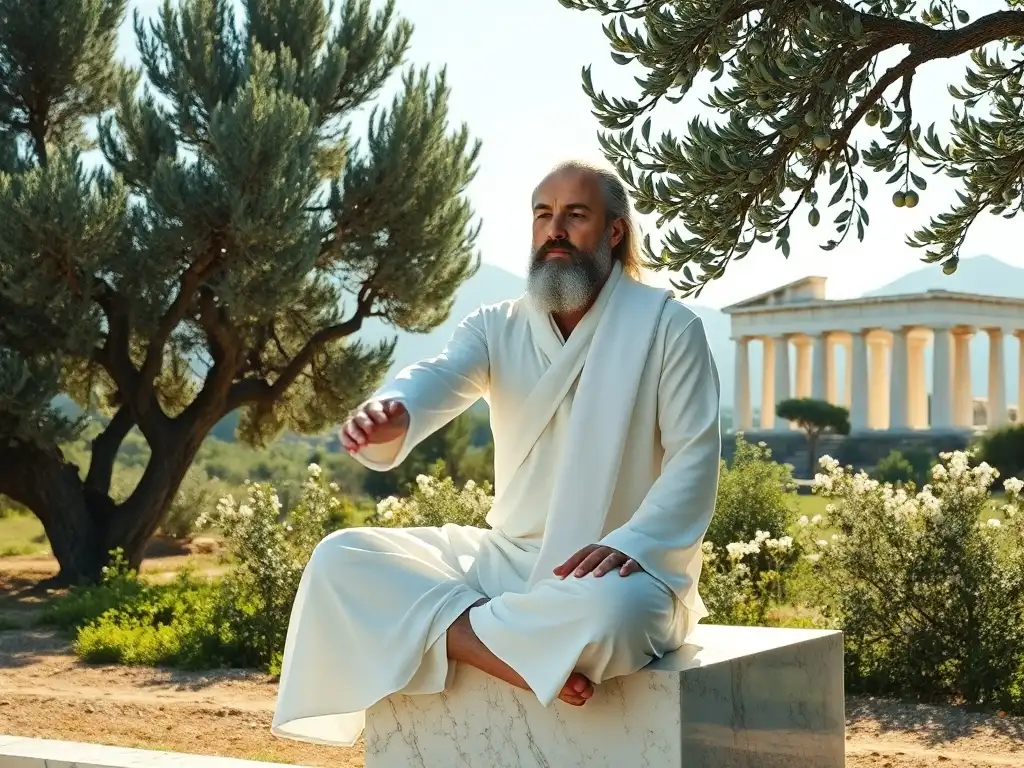
Welcome to Ancient India History, where we invite you to journey through the rich tapestry of ancient Indian civilizations. In our featured article, "The Philosophy of Yoga and Its Reception in Ancient Greece," we delve into a fascinating exploration of how the profound principles of yoga philosophy transcended borders and influenced the intellectual landscape of Greece. What connections exist between these two ancient worlds, and how did this exchange shape their cultures?
Discover the answers and more as you navigate through the captivating stories and insights that await you. Dive deeper into the intricate interactions that defined a pivotal era in human thought!

The interplay between Indian and Greek civilizations has long been a subject of scholarly interest, particularly regarding the exchange of philosophical ideas. One of the most intriguing aspects of this interaction is the influence of Yoga philosophy on Greek thought. Yoga, a rich and complex system of spiritual and philosophical practices that originated in ancient India, offers profound insights into the nature of existence, consciousness, and the self.
This article delves into the nuances of Yoga philosophy, its foundational concepts, and its historical context, before exploring how these ideas permeated ancient Greek philosophy, shaping the thoughts of notable philosophers. Understanding this influence not only highlights the interconnectedness of ancient cultures but also underscores the enduring relevance of Yoga philosophy in discussions of ethics, metaphysics, and spirituality across civilizations.
Introduction to Yoga Philosophy
What is Yoga Philosophy?
Yoga philosophy is a comprehensive system that encompasses various practices, including meditation, ethical living, and physical postures, all aimed at achieving a state of union between the individual self (Atman) and the universal consciousness (Brahman). Rooted in ancient texts such as the Yoga Sutras of Patanjali and the Bhagavad Gita, Yoga philosophy emphasizes the importance of self-discipline, introspection, and the pursuit of knowledge. It presents a holistic approach to life, integrating body, mind, and spirit.
Historical Context of Yoga in Ancient India
The origins of Yoga can be traced back to the Indus Valley Civilization (circa 2500-1500 BCE), where early forms of meditation and spiritual practices were likely practiced. Over the centuries, these practices evolved and were codified in various philosophical texts. By the time of the Gupta Empire (circa 320-550 CE), Yoga had developed into a well-defined discipline, intertwining with Hinduism, Buddhism, and Jainism, thereby establishing a foundation that would later influence other cultures, including that of ancient Greece.
Key Concepts of Yoga Philosophy
Some of the fundamental concepts that characterize Yoga philosophy include:
- Dharma: The ethical duty or righteous path one must follow.
- Karma: The principle of cause and effect, where one's actions determine future outcomes.
- Moksha: The ultimate goal of liberation from the cycle of birth and rebirth (samsara).
- Samadhi: A state of profound meditation and enlightenment.
These concepts provide a framework for understanding the individual’s relationship with the cosmos and the pursuit of spiritual enlightenment.
The Influence of Yoga Philosophy on Ancient Greece
Early Contacts Between India and Greece
The interactions between Indian and Greek civilizations began to intensify during the Achaemenid Empire (circa 550-330 BCE) and continued through the conquests of Alexander the Great in the 4th century BCE. As Greek philosophers and scholars ventured into Indian territories, they encountered diverse philosophical systems, including Yoga. This exchange laid the groundwork for a mutual influence that would shape philosophical discourse in both cultures.
Transmission of Ideas: How Yoga Philosophy Reached Greece
The transmission of Yoga philosophy to Greece is believed to have occurred through various channels, including:
- Trade routes: Merchants and travelers facilitated the exchange of ideas and texts.
- Philosophical dialogues: Greek philosophers engaged with Indian thinkers, leading to a cross-pollination of ideas.
- Cultural exchanges during military campaigns: Alexander's forays into India exposed his troops and scholars to Indian philosophies.
This process of cultural exchange allowed Yoga philosophy to seep into Greek thought, prompting a reevaluation of their own philosophical traditions.
Key Greek Philosophers Influenced by Yoga Philosophy
Several prominent Greek philosophers are thought to have been influenced by Yoga philosophy, including:
- Pythagoras: Known for his beliefs in the transmigration of souls and the importance of harmony, which resonate with Yoga concepts.
- Plato: His ideas about the ideal forms and the nature of reality echo the metaphysical aspects of Yoga.
- Plotinus: A central figure in Neoplatonism, whose thoughts on the One and the soul's journey bear similarities to Yogic beliefs in achieving union with the divine.
These philosophers not only contributed to the philosophical landscape of Greece but also helped in weaving Yoga philosophy into the fabric of Western thought.
Comparative Analysis of Yoga and Greek Philosophical Traditions
The philosophy of yoga and Greek philosophical traditions present a fascinating area of study, revealing both convergences and divergences in their foundational approaches to understanding existence, ethics, and the self. Both traditions emphasize the pursuit of knowledge and self-realization, yet they do so through differing methodologies and cultural contexts. This comparative analysis explores these similarities and differences, shedding light on how yoga philosophy influenced and was received by ancient Greek thought.
Similarities Between Yoga Philosophy and Greek Thought
Yoga philosophy and Greek thought share several core principles that underscore their focus on the nature of reality and the self. Both traditions:
- Pursuit of Knowledge: Yoga, particularly in its classical form, emphasizes the quest for self-knowledge and understanding the universe. Similarly, Greek philosophers, such as Socrates and Plato, championed the importance of knowledge as a means to achieve truth and understanding.
- Ethical Living: Both traditions advocate for ethical conduct as fundamental to personal development. In yoga, the Yamas and Niyamas outline ethical precepts for living harmoniously, akin to the Greek emphasis on virtue ethics, where leading a virtuous life is key to achieving eudaimonia (flourishing).
- Meditative Practices: Meditation in yoga parallels contemplative practices found in Greek philosophy. Philosophers like Plotinus engaged in introspective meditation, seeking union with the divine, akin to the meditative states sought in yogic practices.
These similarities suggest a shared human endeavor towards understanding the self and the cosmos, despite the vast cultural and historical differences.
Differences in Approach: Yoga vs. Greek Philosophy
While there are notable similarities, the approaches of yoga philosophy and Greek thought diverge significantly in methodology and focus:
- Practical vs. Theoretical: Yoga is inherently practical, emphasizing experiential knowledge through meditation, asanas, and self-discipline. In contrast, Greek philosophy often leans toward theoretical discourse, with an emphasis on dialectical reasoning and rational argumentation.
- Nature of Reality: Yoga philosophy, particularly in the context of Vedanta, often posits a non-dualistic view of reality, suggesting that the individual self (Atman) is ultimately one with the universal consciousness (Brahman). Greek philosophy, particularly through Plato, suggests a dualism between the material and ideal forms, emphasizing the distinction between the two.
- Goals of Practice: The ultimate goal of yoga is liberation (moksha) from the cycle of birth and death (samsara), focusing on transcending the self. Greek philosophy, while also concerned with the pursuit of the good life, often emphasizes rational understanding and civic engagement as paths to fulfillment.
These differences highlight the unique cultural contexts that shaped each tradition's philosophical outlook and practices.
Reception of Yoga Philosophy in Ancient Greek Culture
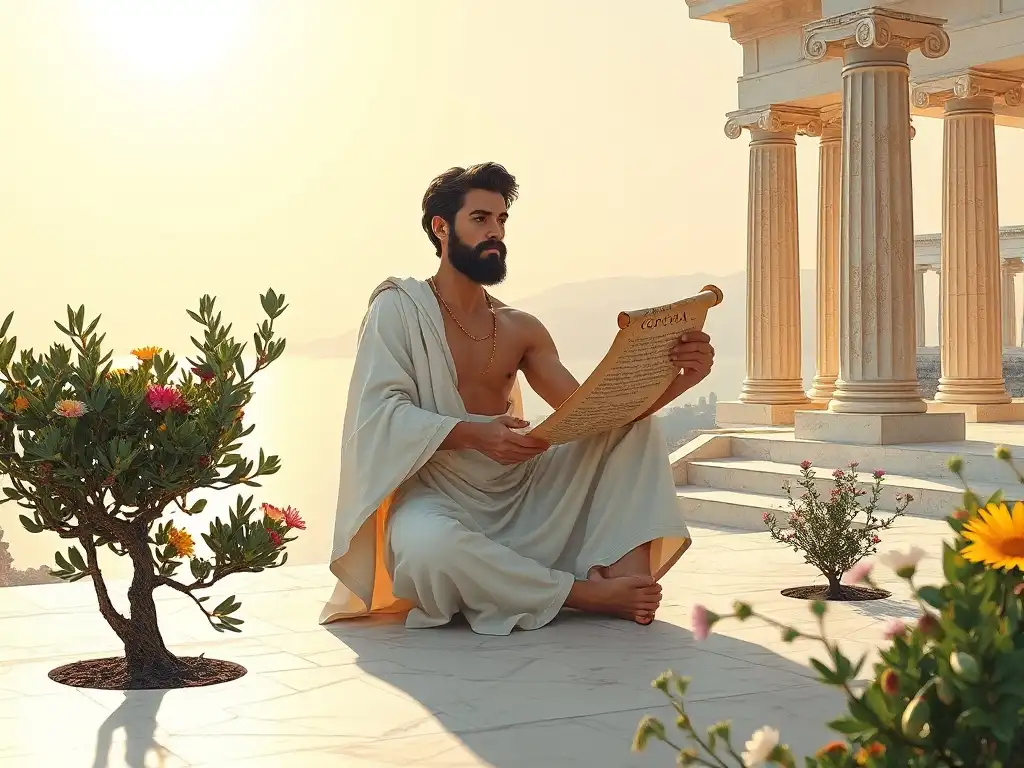
The reception of yoga philosophy in ancient Greek culture is a complex tapestry woven through historical interactions, particularly during the Hellenistic period. Greek thinkers encountered Indian philosophical ideas via trade routes, military campaigns, and the expansion of empires, leading to a fascinating exchange of thoughts.
Adaptation and Interpretation of Yoga Concepts in Greece
As Greek philosophers encountered Indian yogic concepts, they began to adapt and interpret these ideas through their own philosophical lenses. Notable figures such as Pythagoras and later Hellenistic philosophers showed interest in the ascetic practices and meditation techniques of Indian yogis.
- Pythagorean Influence: Pythagoreanism, with its emphasis on the transmigration of souls and the pursuit of harmony, reflected a resonance with yogic concepts of karma and reincarnation. The idea of achieving a higher state of existence aligns with the yogic quest for enlightenment.
- Integration of Practices: Greek thinkers integrated elements of yoga, such as meditation and asceticism, into their own philosophical practices, leading to a synthesis that influenced various schools of thought, including Stoicism and Neoplatonism.
This adaptation illustrates a significant cross-pollination of ideas that enriched Greek philosophy and spirituality.
Influence on Hellenistic Philosophy and Culture
The influence of yoga philosophy extended into Hellenistic philosophy and culture, particularly during the centuries when the Mediterranean world was open to Eastern philosophies.
- Stoicism and Yoga: Stoic philosophy, with its emphasis on inner tranquility and self-control, found parallels in yogic practices aimed at achieving mental stability and emotional regulation. The Stoic practice of apatheia (freedom from passion) mirrors the yogic pursuit of detachment.
- Neoplatonism and Mysticism: Neoplatonism, particularly through the works of Plotinus, showcases a deep engagement with mystical experiences reminiscent of yogic samadhi (meditative absorption). The Neoplatonic idea of the One as an ultimate reality shares common ground with the non-dualistic insights of yoga.
The cross-fertilization of these ideas during this period significantly shaped Western philosophical thought.
The Legacy of Yoga Philosophy in Western Thought
The legacy of yoga philosophy in Western thought is profound, influencing various philosophical movements and spiritual practices that continue to resonate today.
- Modern Spirituality: The revival of interest in Eastern philosophies during the 19th and 20th centuries, particularly through figures like Swami Vivekananda, reintroduced core yogic principles to the West, leading to a broader acceptance and integration of yoga into Western spirituality.
- Philosophical Discourses: The dialogues between Eastern and Western philosophies have sparked discussions on consciousness, ethics, and the nature of existence, prompting scholars to explore the intersections of yoga and Western philosophical traditions.
- Contemporary Practices: Today, yoga's influence is palpable in various domains, including psychology, wellness, and holistic health, embodying a legacy that transcends geographical and cultural boundaries.
The interplay between yoga philosophy and Greek thought not only shaped ancient intellectual landscapes but continues to influence contemporary spiritual and philosophical discourse, underscoring the timeless relevance of these ancient traditions.
Conclusion: The Lasting Impact of Yoga Philosophy on Greece
The philosophical exchange between ancient India and Greece laid the groundwork for a rich tapestry of thought that continues to resonate today. The influence of yoga philosophy, with its emphasis on self-realization, ethics, and the interconnectedness of mind and body, found a receptive audience among Greek philosophers. This interaction catalyzed the development of various philosophical schools in Greece, particularly Stoicism and Neoplatonism, which mirrored the core tenets of yoga in their pursuit of virtue, inner peace, and transcendence.
Moreover, the transmission of yoga philosophy to Greece facilitated a broader dialogue about the nature of reality, consciousness, and the human experience. The synthesis of Indian and Greek thought not only enriched the intellectual landscape of the time but also contributed to the philosophical underpinnings of later Western thought. As such, the impact of yoga philosophy on Greece can be viewed as a significant chapter in the history of cross-cultural exchange, highlighting the universal quest for understanding and enlightenment.
Summary of Key Insights
- Philosophical Exchange: The interaction between Indian yoga philosophy and Greek thought was marked by a mutual exchange of ideas, particularly regarding ethics, self-knowledge, and the nature of existence.
- Influence on Greek Schools: Yoga philosophy significantly influenced Greek philosophical schools, especially Stoicism, which emphasized self-control and rationality, mirroring yoga's focus on mental discipline and inner peace.
- Historical Context: The syncretism of ideas during the Hellenistic period allowed for a fruitful dialogue between cultures, leading to the integration of diverse philosophical concepts that shaped the trajectory of Western thought.
- Enduring Legacy: The foundational principles of yoga continue to inspire modern philosophical discourse, demonstrating the timeless relevance of these ancient ideas.
Ongoing Relevance of Yoga Philosophy in Contemporary Thought
In today's fast-paced and interconnected world, the principles of yoga philosophy remain pertinent. The emphasis on mindfulness, self-awareness, and ethical living resonates with contemporary movements that advocate for mental health and well-being. Yoga, in its physical and philosophical forms, has become a global phenomenon, encouraging individuals to seek balance in a chaotic environment.
Furthermore, the integration of yoga philosophy into modern psychological practices, such as mindfulness-based stress reduction (MBSR), illustrates its enduring influence. This approach not only fosters personal growth but also promotes a deeper understanding of the self and the interconnectedness of all beings, echoing the ancient teachings that have transcended time and culture.
References and Further Reading
Suggested Texts on Yoga Philosophy
- The Yoga Sutras of Patanjali - A foundational text outlining the philosophy and practices of yoga.
- The Bhagavad Gita - A dialogue that explores duty, righteousness, and the path to self-realization, deeply rooted in yoga philosophy.
- The Upanishads - Ancient texts that delve into the nature of reality and consciousness, influencing both Indian and Greek thought.
Important Works by Greek Philosophers on Yoga Influence
- Plato's Phaedrus - Explores the nature of the soul and the importance of self-knowledge, concepts that resonate with yoga philosophy.
- Epictetus' Enchiridion - A Stoic text that parallels yoga's teachings on self-control and ethical living.
- Plotinus' Enneads - Reflects Neoplatonism's integration of Eastern thought, particularly in its discussions on the nature of the One and the soul’s journey towards unity.
- Introduction to Yoga Philosophy
- The Influence of Yoga Philosophy on Ancient Greece
- Comparative Analysis of Yoga and Greek Philosophical Traditions
- Reception of Yoga Philosophy in Ancient Greek Culture
- Conclusion: The Lasting Impact of Yoga Philosophy on Greece
- References and Further Reading
- What is the main focus of the article on Yoga philosophy and its reception in ancient Greece?
- How did Yoga philosophy reach ancient Greece?
- What are some key contributions of ancient Indian civilizations to philosophy?
- How did Greek philosophers respond to Yoga philosophy?
- Why is the influence of Yoga philosophy on Greece significant today?
Frequently Asked Questions
What is the main focus of the article on Yoga philosophy and its reception in ancient Greece?
The article explores how Yoga philosophy from ancient India influenced Greek thought and culture, highlighting key interactions between the two civilizations.
How did Yoga philosophy reach ancient Greece?
The transmission of Yoga philosophy to Greece occurred through various channels, including trade routes and the Hellenistic period, where cultural exchanges became prevalent.
What are some key contributions of ancient Indian civilizations to philosophy?
Ancient Indian civilizations contributed significantly to philosophical thought, particularly in areas such as spiritual practices, ethics, and the development of metaphysics, influencing both Eastern and Western philosophies.
How did Greek philosophers respond to Yoga philosophy?
Greek philosophers, such as Plotinus, found parallels between their own beliefs and Yoga practices, leading to a mutual exchange of ideas that enriched both traditions.
Why is the influence of Yoga philosophy on Greece significant today?
The influence of Yoga philosophy on Greece is significant as it laid the groundwork for Western spiritual and philosophical traditions, shaping contemporary thoughts on well-being and mindfulness.
Final Reflection: The Enduring Influence of Yoga Philosophy on Greece
The exploration of Yoga philosophy's influence on Greece reveals a profound connection between two ancient cultures that continue to shape our understanding of the mind, body, and spirit today. As we navigate a world increasingly focused on wellness and holistic practices, the timeless wisdom of yoga resonates more than ever. The synthesis of Eastern and Western philosophies not only enriches our spiritual journeys but also serves as a reminder of the universal quest for knowledge and enlightenment.
Cross-cultural exchanges have always played a pivotal role in shaping societal values and practices. The dialogue between yoga and Greek philosophy has fostered a deeper appreciation for the interconnectedness of human experience. This ongoing influence is evident in contemporary discussions about mental health, mindfulness, and the pursuit of balance in our lives. As Plato once said, The greatest wealth is to live content with little.
This sentiment echoes the essence of yoga, encouraging us to cultivate inner peace and gratitude amidst the chaos of modern existence.
As you reflect on the insights shared in this article, consider how you can incorporate the principles of yoga philosophy into your daily life. Embrace the opportunity to explore your own path toward self-discovery and harmony. Let the teachings of both yoga and ancient Greek thought inspire you to seek balance, foster compassion, and engage in meaningful connections with others. The journey of integrating these philosophies is not just an academic pursuit; it is a transformative experience that can lead to a more fulfilled and purposeful life.
Unveil the Wisdom of Yoga: Transform Your Mind and Spirit!
Thank you for diving into the fascinating intersection of yoga and Greek philosophy with us! By exploring this enchanting blend, you've unlocked insights that can enrich your understanding of both disciplines. Now, let's take a leap forward and apply this wisdom to your life.
Here are a few steps you can take next:
- Practice Daily Reflection: Start a journal to contemplate the philosophies you’ve discovered and how they resonate with your daily life. Reflect on your experiences and insights from both yoga and ancient thought.
- Join a Yoga Class: Engage with a local or online community where you can practice yoga while discussing philosophical insights with like-minded individuals. Sharing your journey deepens understanding and encourages growth.
- Explore Further: Research the connections between yoga and other ancient philosophies. Consider reading foundational texts, such as “The Yoga Sutras” by Patanjali, to dive deeper into its teachings.
What aspect of yoga philosophy resonates with you the most, and how do you see it influencing your daily life?