
The Enduring Legacy of IndianGreek Relations in Modern Culture

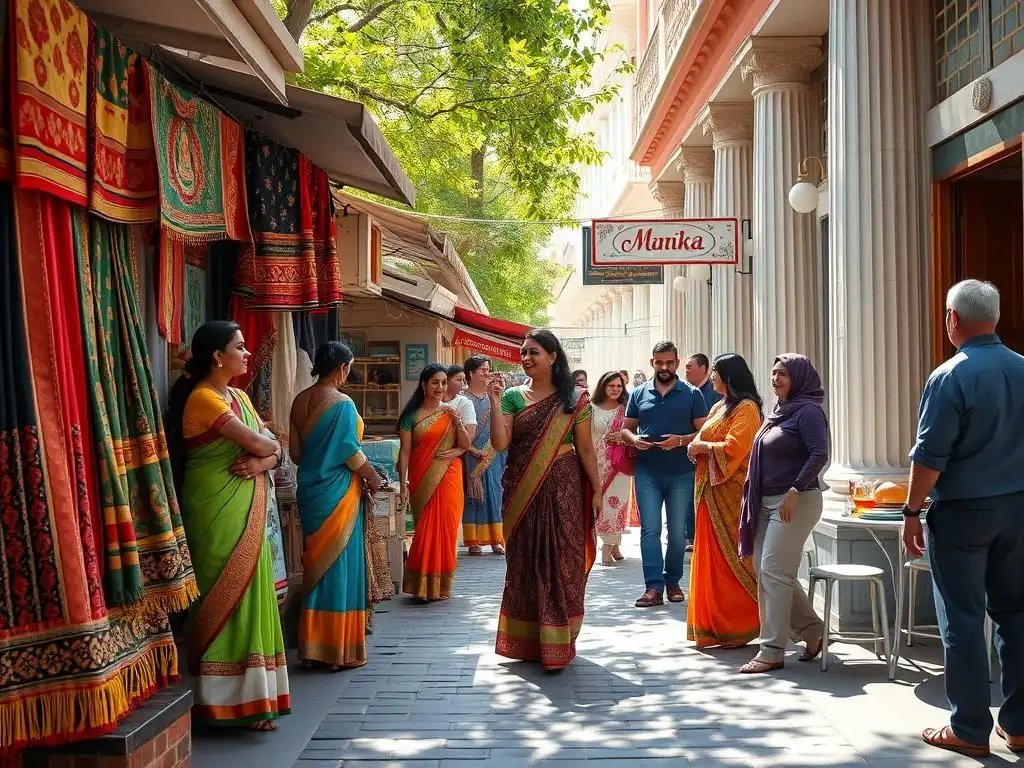
Welcome to Ancient India History, where we embark on a fascinating journey through the vibrant tapestry of India's past. Delve into the intriguing connections between Indian and Greek civilizations, as we explore how their interactions shaped not only their cultures but also left an enduring legacy that resonates in modern society. In our featured article, "The Enduring Legacy of Indian-Greek Relations in Modern Culture," you’ll uncover the profound influences that continue to enrich our understanding of both worlds. Join us as we unravel the threads of history and discover the captivating stories waiting to be told.
Introduction to Indian-Greek Cultural Relations
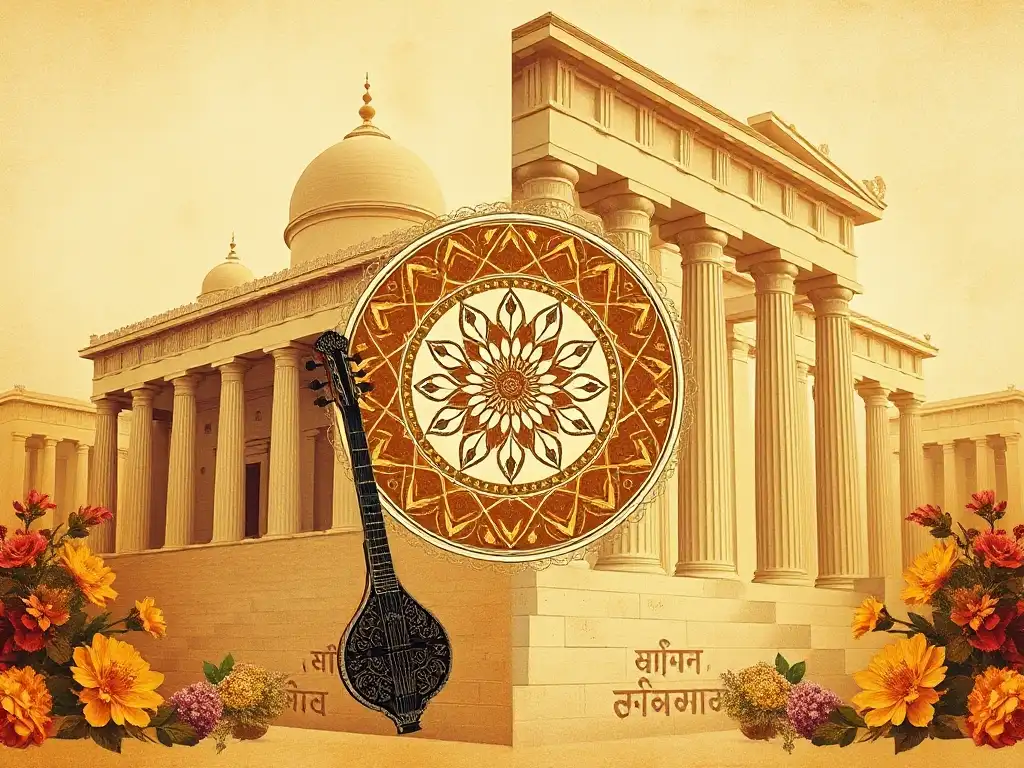
The interaction between Indian and Greek civilizations represents a fascinating chapter in the annals of history, showcasing a rich tapestry of cultural exchange that has left an indelible mark on both societies. From philosophical discourse to artistic influences, the Indian-Greek cultural relations have shaped various aspects of modern culture, revealing the intricate connections that transcend time and geography.
Understanding these relations not only enriches our knowledge of ancient civilizations but also sheds light on how historical interactions continue to resonate in contemporary society. This article aims to explore the depth and breadth of these relations, highlighting their significance and the enduring legacy they have bequeathed to the modern world.
Overview of Historical Context
The historical context of Indian-Greek relations can be traced back to the conquests of Alexander the Great and the subsequent establishment of Hellenistic kingdoms in the Indian subcontinent. This period marked the beginning of a vibrant exchange of ideas, art, and culture, setting the stage for a dynamic interplay that would evolve over centuries. The fusion of Greek and Indian philosophies, art, and trade practices not only enriched both cultures but also facilitated the spread of knowledge and innovation.
The Origins of Indian-Greek Interactions
The origins of Indian-Greek interactions can be pinpointed to the late 4th century BCE, primarily driven by Alexander the Great's campaigns. As he ventured into the Indian subcontinent, he encountered various kingdoms, leading to the establishment of diplomatic and cultural ties. The subsequent Indo-Greek kingdoms, particularly the Bactrian Greeks, played a pivotal role in fostering these relations by promoting trade and cultural exchanges. This period witnessed the introduction of Greek artistic styles into Indian sculpture, as well as the blending of philosophical ideas, such as Stoicism and Buddhism.
Key Historical Events Influencing Cultural Exchange
Several key historical events significantly influenced the cultural exchange between India and Greece:
- Alexander's Campaigns (326 BCE): The initial contact established a framework for future interactions, which included trade routes and diplomatic relations.
- Indo-Greek Kingdoms (2nd Century BCE): The establishment of these kingdoms facilitated a deeper cultural integration, with rulers like Menander I promoting Buddhism and Greek thought.
- The Silk Road (2nd Century BCE - 14th Century CE): This vital trade route further enhanced the exchange of goods, ideas, and culture between the Indian and Greek worlds.
- The Spread of Buddhism: The missionary efforts of Indian monks, particularly during the reign of Ashoka, introduced Indian philosophies to the Hellenistic world, leading to a cross-pollination of cultural and religious ideas.
These events not only highlight the historical significance of Indian-Greek relations but also underscore the enduring impact they have had on shaping modern cultural identities in both regions.
The Influence of Indian-Greek Relations on Art and Architecture
The interactions between Indian and Greek cultures during the ancient period significantly influenced various artistic and architectural developments in both civilizations. This cross-cultural exchange, particularly during the period of Alexander the Great's campaigns and the subsequent establishment of Indo-Greek kingdoms, led to a unique fusion of styles that can still be observed in modern times. The blending of artistic traditions resulted in new forms of expression, showcasing a rich tapestry of cultural heritage that reflects the complexities of these interactions.
Cross-Cultural Artistic Expressions
The artistic expressions emerging from Indian-Greek relations reveal a fascinating blend of techniques and themes. One of the most notable examples is the Gandhara school of art, which flourished in the northwestern regions of India. This school is characterized by its Greco-Buddhist sculptures, which depict Buddhist themes infused with Hellenistic stylistic elements. The use of drapery, realistic human figures, and intricate detailing in the sculptures showcases the influence of Greek artistry on Indian religious representations.
Moreover, the depiction of the Buddha in human form, a departure from earlier aniconic representations, can be attributed to the Greek influence on Indian artistic traditions. This syncretism led to the creation of a distinct visual language that communicated spiritual ideas through familiar artistic styles, making Buddhist teachings more accessible to a wider audience.
Architectural Innovations Inspired by Indian-Greek Relations
The architectural landscape of ancient India was also transformed by Greek influences, particularly in the design and construction of stupas and monasteries. The introduction of the Corinthian column style is one notable example, which blended with local architectural practices to create visually striking structures.
The famous Stupa at Sanchi, with its hemispherical dome and intricate carvings, reflects this fusion of styles, showcasing both Indian and Greek elements. Furthermore, the Indo-Greek rulers, such as Menander, contributed to the construction of cities and architectural projects that embodied a synthesis of Greek urban planning and Indian aesthetics.
These innovations not only enriched the architectural heritage of India but also laid the groundwork for future developments in the region, illustrating the enduring legacy of Indian-Greek relations in shaping regional architectural styles.
The Impact on Philosophy and Religion
The philosophical dialogue between Indian and Greek thinkers fostered a rich exchange of ideas that significantly impacted religious thought and practices in both cultures. This interaction allowed for the exploration of concepts such as ethics, metaphysics, and the nature of existence, leading to a deeper understanding of the human experience and spirituality.
Indian Philosophical Thought and Greek Influence
Indian philosophy, particularly during the period of the Maurya Empire, began to incorporate ideas from Greek philosophers such as Plato and Aristotle. The introduction of logical reasoning and metaphysical inquiries from Greek thought challenged Indian philosophers to refine their own doctrines.
For instance, the concepts of idealism and realism found in Greek philosophy resonated with Indian schools of thought, such as Vedanta and Samkhya. The engagement with Greek philosophical ideas prompted Indian scholars to explore questions about the nature of reality, the self, and the universe, resulting in a more nuanced philosophical discourse that bridged cultural boundaries.
Syncretism of Religions: Buddhism and Hellenism
The syncretism between Buddhism and Hellenism is another significant aspect of the Indian-Greek cultural relations that influenced religious practices and beliefs. As Buddhism spread along trade routes and into Hellenistic territories, it absorbed elements of Greek thought and spirituality, leading to a unique blend of ideas.
The philosophical teachings of Buddhism, emphasizing compassion and the search for enlightenment, found resonance with elements of Greek philosophy, such as Stoicism and Epicureanism. This interaction enriched both traditions, resulting in a shared understanding of ethics and the pursuit of a virtuous life.
In places like Gandhara, the artistic depictions of Buddhist figures were infused with Hellenistic styles, creating a visual synthesis that highlighted this religious syncretism. This enduring legacy of Indian-Greek relations continues to inform modern interpretations of spirituality and philosophy, illustrating the profound impact of these ancient interactions on contemporary thought.
Language and Literature: A Blend of Cultures
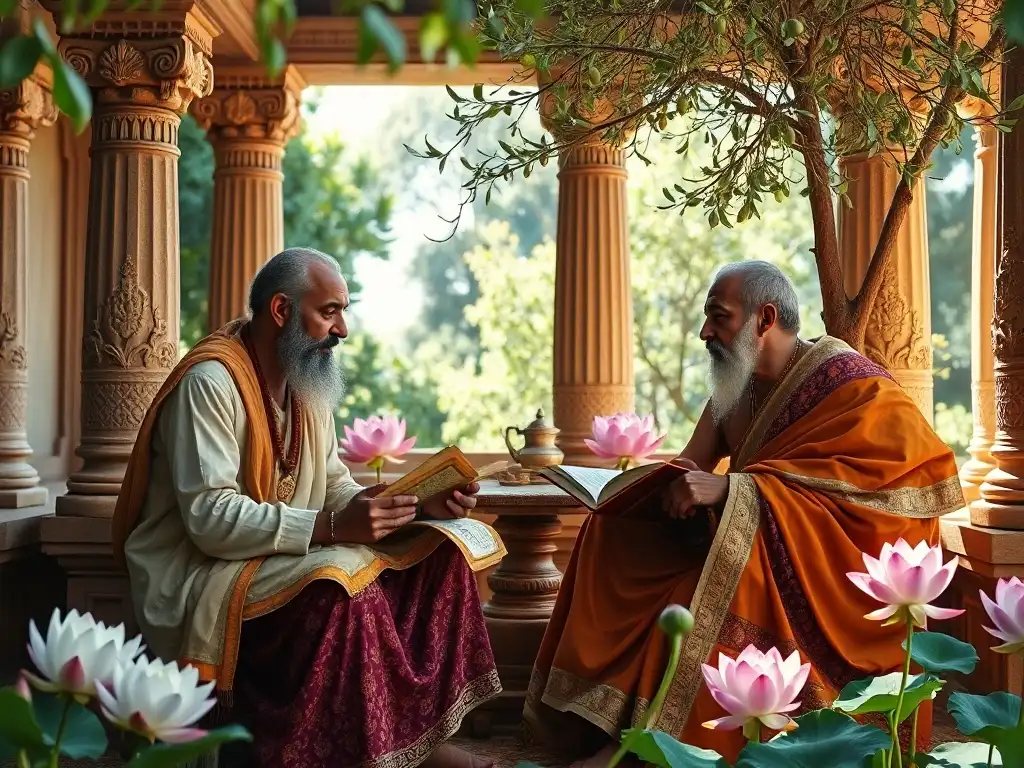
The interactions between Indian and Greek civilizations have profoundly influenced the development of language and literature, creating a rich tapestry that showcases the blending of these two ancient cultures. This exchange not only facilitated the spread of ideas but also enriched the literary traditions of both societies, leaving a lasting legacy that continues to resonate in modern literature.
The Role of Language in Cultural Exchange
Language acted as a crucial medium for cultural exchange between Indian and Greek civilizations. The arrival of Greek scholars in India, particularly during the time of Alexander the Great, introduced various Greek terms and concepts into Indian languages, notably Sanskrit and Prakrit. Conversely, Sanskrit texts and philosophies found their way into Greek discourse, particularly through translations into Pahlavi and later into Arabic.
The Buddhist texts, for example, were translated into Greek, allowing for a deeper understanding of Indian philosophies among Greek thinkers. This cross-pollination of languages fostered mutual respect and curiosity, enabling scholars from both cultures to explore and articulate complex ideas. As a result, many Indian words related to philosophy, science, and art were assimilated into Greek language, enriching its vocabulary and conceptual frameworks.
Literary Contributions from Indian-Greek Interactions
The literary contributions that emerged from Indian-Greek interactions are noteworthy. One prominent example is the “Indica” written by the Greek ambassador Megasthenes, who documented his experiences in India. His writings not only provided insights into Indian society, politics, and culture but also reflected Greek literary styles and conventions.
Moreover, the “Mahabharata” and “Ramayana” were translated and adapted in various forms, influencing Greek literature. The themes of heroism, morality, and the human condition found in Indian epics resonated with Greek writers, prompting the creation of works that echoed these narratives. This synthesis of storytelling techniques and motifs laid the groundwork for future literary traditions in both cultures, highlighting the importance of narrative as a means of cultural expression.
Modern Reflections of Indian-Greek Cultural Relations
The legacy of Indian-Greek cultural relations is not limited to ancient history; it continues to manifest in contemporary society. The influences of these interactions can be observed in various aspects of modern culture, including art, philosophy, and popular media.
Contemporary Art and Its Roots in Ancient Relations
Modern art forms, particularly in India, exhibit traces of Greek artistic influence, especially in sculpture and architecture. The Hellenistic style, characterized by its attention to detail and realism, can be seen in certain Indian sculptures that emerged during the time of the Mauryan Empire. This interplay between Indian and Greek aesthetics has given rise to unique artistic expressions that celebrate the beauty of both cultures.
Moreover, contemporary artists often draw inspiration from the themes and narratives of ancient Indian and Greek works. For instance, the revival of classical themes in modern painting and performance arts pays homage to the shared heritage and artistic dialogue between these civilizations. Art exhibitions often feature works that explore myths and legends from both cultures, showcasing how historical narratives continue to inspire modern creativity.
The Influence of Indian-Greek Relations on Modern Philosophy
The philosophical dialogues initiated by Indian-Greek interactions have left a profound mark on modern thought. Concepts such as ethics, metaphysics, and the nature of reality from Indian philosophy found echoes in Greek philosophical discourse, particularly in the works of Plato and Aristotle. This intermingling of ideas laid the groundwork for later philosophical developments in the Western tradition.
In contemporary philosophy, thinkers often refer back to the insights derived from this ancient dialogue. The emphasis on rational inquiry and moral responsibility in both traditions continues to inform modern philosophical debates, emphasizing the relevance of these ancient discussions in addressing contemporary issues. As scholars explore the interconnectedness of these two rich intellectual traditions, the enduring legacy of Indian-Greek cultural relations remains a vital area of study and reflection.
The Legacy of Indian-Greek Relations in Contemporary Society
The historical interactions between India and Greece have left a profound imprint on contemporary society, shaping various aspects of culture, philosophy, and art. The Hellenistic period, marked by the conquests of Alexander the Great, initiated a blend of Indian and Greek ideas that continue to influence modern thought. This legacy is notably reflected in linguistic exchanges, artistic expressions, and philosophical discourses that underscore the shared heritage of these two ancient civilizations.
In modern times, Indian-Greek cultural relations manifest through the integration of Greek architectural styles in Indian structures, the incorporation of Greek mythology in Indian arts, and the continued exploration of philosophical ideas originating from both traditions. Furthermore, the shared history fosters a sense of connection in contemporary political and social dialogues, emphasizing the importance of cross-cultural exchanges in an increasingly globalized world.
Cultural Festivals Celebrating Indian-Greek Heritage
Cultural festivals play a pivotal role in celebrating the enduring legacy of Indian-Greek relations. These events often feature a rich tapestry of performances, including dance, music, and theatrical representations that highlight the unique synthesis of Indian and Greek traditions. For instance, the Indo-Greek Festival, celebrated in various cities around the world, showcases the culinary delights, traditional attire, and artistic expressions that reflect this historical bond.
In addition, festivals such as the Hellenic Festival of India focus on promoting Greek culture within India, encouraging interactions among communities through workshops, exhibitions, and cultural exchanges. Such festivals serve not only as a means of celebrating heritage but also as platforms for fostering understanding and cooperation between the two civilizations, thereby ensuring that the rich historical tapestry continues to thrive in contemporary society.
Academic Research and Collaboration in Indian-Greek Studies
The academic sphere has witnessed significant collaboration in the field of Indian-Greek studies, resulting in a deeper understanding of the historical interactions between these two cultures. Universities and research institutions are increasingly focusing on the exploration of shared philosophies, art, and literature, leading to a resurgence of interest in ancient texts and artifacts that illuminate the complexities of their relationship.
Various scholarly conferences and seminars are dedicated to examining the nuances of Indian-Greek cultural relations, providing a platform for researchers to share findings and foster interdisciplinary dialogue. Collaborative research projects between Indian and Greek scholars are paving the way for new insights into the historical narratives, while also promoting cultural diplomacy. This academic engagement not only enriches the knowledge base but also enhances the appreciation of mutual contributions in philosophy, science, and the arts.
Conclusion: The Lasting Impact of Indian-Greek Cultural Relations
The impact of Indian-Greek cultural relations is evident in numerous facets of modern life, reflecting a legacy that transcends time and geography. As societies continue to navigate the complexities of globalization, the historical ties between India and Greece serve as a reminder of the power of cultural exchange and cooperation.
Summary of Key Contributions and Ongoing Influence
Key contributions from Indian-Greek interactions include the dissemination of philosophical ideas, artistic practices, and culinary traditions. The mutual influence can be seen in the philosophical works of scholars like Plotinus, who integrated Indian thought into his teachings, and the Indian artistic styles that adopted Hellenistic motifs. This ongoing influence is felt in contemporary art forms, literature, and even popular media, where the blend of these rich traditions continues to inspire creativity and innovation.
Future Prospects for Indian-Greek Interactions in a Globalized World
As the world becomes increasingly interconnected, the prospects for Indian-Greek interactions appear promising. The rise of digital platforms offers new avenues for cultural exchange, enabling artists, scholars, and communities to engage in dialogue and collaboration across borders. Initiatives aimed at exploring shared heritage through joint cultural projects, educational exchanges, and tourism can further strengthen ties.
Moreover, as global challenges require cooperative approaches, the historical bond between India and Greece can be leveraged to foster mutual understanding and collaboration in addressing contemporary issues. The future of Indian-Greek relations lies in embracing this rich legacy while paving new pathways for interaction that celebrate their shared history in a modern context.
- Introduction to Indian-Greek Cultural Relations
- Overview of Historical Context
- The Influence of Indian-Greek Relations on Art and Architecture
- The Impact on Philosophy and Religion
- Language and Literature: A Blend of Cultures
- Modern Reflections of Indian-Greek Cultural Relations
- The Legacy of Indian-Greek Relations in Contemporary Society
- Conclusion: The Lasting Impact of Indian-Greek Cultural Relations
- What were the key features of Indian Greek cultural relations?
- How did the Indus Valley Civilization influence later Indian Greek interactions?
- What role did the Gupta Empire play in these cultural relations?
- How is the legacy of Indian Greek cultural relations reflected in modern culture?
- Are there notable examples of artistic exchange between India and Greece?
Frequently Asked Questions
What were the key features of Indian Greek cultural relations?
The Indian Greek cultural relations were characterized by trade, artistic exchange, and philosophical dialogue, which enriched both cultures significantly during ancient times.
How did the Indus Valley Civilization influence later Indian Greek interactions?
The Indus Valley Civilization laid the groundwork for urban planning and trade networks, which facilitated the later cultural exchanges with Greek settlers and traders.
What role did the Gupta Empire play in these cultural relations?
The Gupta Empire was a period of great intellectual and artistic achievements, during which Indian Greek cultural relations flourished, particularly in fields like mathematics and astronomy.
How is the legacy of Indian Greek cultural relations reflected in modern culture?
The legacy is evident in art, literature, and philosophy, showcasing a blend of Indian and Greek influences that continue to shape contemporary cultural identities.
Are there notable examples of artistic exchange between India and Greece?
Yes, the Buddhist art of Gandhara shows significant Greek influence, particularly in sculpture, illustrating the profound impact of Indian Greek cultural relations on artistic traditions.
Final Reflection: The Timeless Bond of Indian-Greek Cultural Relations
The enduring legacy of Indian-Greek cultural relations continues to resonate in our modern world, showcasing how interconnectedness shapes our identities and societies. In an age where globalization often overshadows local traditions, the rich tapestry of these ancient interactions serves as a powerful reminder of our shared human experience. The influence of Indian and Greek cultures on each other is not merely historical; it is a living testament to the beauty of collaboration and exchange that transcends time and borders.
Cultural exchanges between India and Greece have profoundly shaped our social landscape, fostering a sense of unity amidst diversity. The stories, philosophies, and artistic expressions that emerged from this relationship have left an indelible mark on both civilizations, reminding us that our differences can be a source of strength rather than division.
As Mahatma Gandhi once said, "> Our ability to reach unity in diversity will be the beauty and the test of our civilization." This observation holds true today, as we navigate the complexities of a multicultural world, drawing inspiration from the harmonious blend of Indian and Greek heritage.
As we reflect on the lessons from Indian-Greek cultural relations, I invite you to consider how these insights can be applied in your own life. Embrace the richness of diverse cultures, seek to understand and celebrate differences, and foster connections that enrich your worldview. By doing so, we not only honor the legacy of these ancient civilizations but also contribute to a more inclusive and harmonious future for all. Let us carry forward the spirit of collaboration and mutual respect, ensuring that the bonds forged through history continue to thrive in our modern society.
Unveil the Rich Heritage of Indian-Greek Connections!
Thank you for taking the time to explore the fascinating world of Indian-Greek relations and their impact on modern culture. We hope you’ve uncovered valuable insights that inspire curiosity and appreciation for this historical legacy. But don’t stop here! It’s time to take action and dive even deeper into this incredible narrative.
- Engage with History: Visit our website to explore in-depth articles and resources that reveal the complexities of Indian-Greek interactions throughout history.
- Join the Conversation: Share your thoughts and discoveries in the comments section below, or connect with fellow enthusiasts on our social media platforms.
- Challenge Yourself: Look for modern influences of this relationship in your everyday life. Can you identify aspects in cuisine, art, or philosophy that reflect this enduring connection?
What surprising parallels do you notice between ancient Indian and Greek cultures in today’s society? Your insights could ignite enlightening discussions!