
The Role of Religion in Diplomacy: IndoGreek Relations Through a Spiritual Lens


Welcome to Ancient India History, where we invite you to embark on a captivating journey through the rich tapestry of ancient Indian civilizations. From the enigmatic Indus Valley to the illustrious Gupta Empire, our exploration uncovers the profound cultural exchanges that shaped the subcontinent. In our featured article, “The Role of Religion in Diplomacy: IndoGreek Relations Through a Spiritual Lens,” we delve into the intriguing world of IndoGreek religious diplomacy history.
Discover how spirituality influenced diplomatic ties and fostered interactions between these remarkable cultures. Join us as we unravel the intricate connections that define our shared heritage and spark your curiosity about the remarkable legacies of ancient India.

Introduction to IndoGreek Religious Diplomacy History
The intricate tapestry of IndoGreek relations provides a unique perspective on how religion shaped diplomatic interactions between these two ancient civilizations. From the flourishing of trade routes to the exchange of philosophical ideas, the intertwining of spirituality and diplomacy played a crucial role in fostering mutual respect and understanding. This article delves into the IndoGreek religious diplomacy history, exploring how spiritual beliefs influenced political alliances, cultural exchanges, and societal norms. By examining the interactions between Indian and Greek cultures, we can uncover the profound impact of religion on diplomacy during this significant historical period.
Overview of IndoGreek Relations
IndoGreek relations date back to the 4th century BCE, following the conquests of Alexander the Great, which opened up avenues for cultural exchange between the Indian subcontinent and the Hellenistic world. This interaction was characterized by a blend of trade, art, and philosophy, leading to a unique synthesis of ideas and practices. Key events such as the establishment of the IndoGreek kingdom in Bactria and the subsequent expansion into northwestern India marked the beginning of a rich dialogue between these two cultures.
- Key elements of IndoGreek relations include:
- Trade: The exchange of goods such as spices, textiles, and precious stones.
- Cultural Exchange: The blending of artistic styles and religious practices.
- Philosophical Dialogue: The interaction between Indian philosophies and Greek thought.
Importance of Religion in Diplomacy
Religion served as a vital conduit for diplomacy in ancient times, influencing political decisions, alliances, and cultural exchanges. In the context of IndoGreek relations, religious beliefs provided common ground for dialogue and negotiation. The shared reverence for certain deities and spiritual practices facilitated connections between the two civilizations, allowing for smoother diplomatic interactions.
- Key aspects of religious diplomacy include:
- Shared Deities: The worship of similar gods such as Hercules and local Indian deities.
- Philosophical Similarities: Concepts of ethics and morality that transcended cultural boundaries.
- Religious Tolerance: An understanding of diverse beliefs that fostered peaceful coexistence.
Historical Context of IndoGreek Relations
To fully grasp the dynamics of IndoGreek religious diplomacy, it is essential to consider the historical context in which these interactions occurred. The rise of the Mauryan Empire in India and the subsequent Hellenistic influence following Alexander's conquests laid the groundwork for a complex relationship characterized by both conflict and cooperation.
The Emergence of IndoGreek Contacts
The emergence of IndoGreek contacts was marked by significant events, including Alexander's campaign in India, which introduced Greek culture to the subcontinent. Following his reign, the establishment of the IndoGreek Kingdom under rulers such as Menander I facilitated the further integration of Greek and Indian cultures. This integration was not merely political; it was deeply spiritual, as both civilizations sought to understand and coexist with each other's beliefs.
- Key moments in the emergence of contacts:
- Alexander's Campaign (326 BCE): Initial encounters that sparked interest in Indian culture.
- IndoGreek Kingdom Formation (2nd century BCE): A political entity that encouraged cultural and religious exchange.
Key Historical Figures Influencing Religious Diplomacy
Several key historical figures played pivotal roles in shaping the religious dimensions of IndoGreek diplomacy. These leaders not only facilitated trade and political alliances but also promoted intercultural understanding through their embrace of religious diversity.
- Notable figures include:
- Menander I: A prominent IndoGreek king known for his patronage of Buddhism and efforts to promote religious tolerance.
- Ashoka the Great: The Mauryan emperor whose edicts emphasized the importance of moral governance and respect for all religions, influencing IndoGreek relations significantly.
The exploration of IndoGreek religious diplomacy reveals a rich history marked by mutual respect and cultural exchange, underscored by the enduring power of spirituality in shaping diplomatic relations.
The Influence of Religion on IndoGreek Diplomacy
Religion played a pivotal role in shaping the dynamics of IndoGreek diplomacy, acting as a cultural bridge between the two civilizations. The interaction between Indian and Greek societies was marked by a mutual exchange of spiritual beliefs and practices that significantly influenced political alliances and diplomatic relations. The shared respect for religious traditions fostered an environment conducive to dialogue and cooperation, enabling leaders from both sides to navigate complex geopolitical landscapes.
This religious interplay was not merely a backdrop to political negotiations; it was intricately woven into the fabric of diplomacy itself. For instance, rulers often invoked divine sanction for their actions, with both Indian and Greek leaders leveraging religious authority to legitimize their political decisions. Thus, the intertwining of religion and diplomacy became a strategic tool in promoting peace, stability, and collaboration between the two ancient cultures.
Spiritual Beliefs and Their Role in Foreign Relations
Spiritual beliefs in both Indian and Greek cultures served as a common ground that facilitated diplomatic relations. The Greeks, with their pantheon of gods, often sought to understand and respect the religious practices of the Indian subcontinent. Conversely, Indian leaders were keen to engage with the Greek belief system, recognizing the potential for enhanced mutual respect and collaboration.
For example, the acceptance and incorporation of local deities into the Hellenistic culture showcased a willingness to blend spiritual practices. This syncretism not only enriched the religious landscapes of both societies but also played a crucial role in diplomatic negotiations. By acknowledging and respecting each other's spiritual beliefs, diplomats from both sides could forge stronger ties, paving the way for political and economic collaborations.
Case Studies of Religious Diplomacy in IndoGreek Interactions
Several historical instances exemplify the role of religious diplomacy in IndoGreek relations. One prominent case involves the Mauryan Emperor Ashoka, who extended his diplomatic outreach to the Hellenistic world following his conversion to Buddhism. His mission to spread Buddhist teachings beyond India included sending envoys to Greek rulers, showcasing how religion was leveraged to promote political alliances.
Another notable example is the interaction between the Indo-Greek king Menander I and Buddhist communities in India. Menander's patronage of Buddhism not only facilitated the spread of the faith but also strengthened his political position by aligning himself with the influential Buddhist monastic establishments.
These case studies highlight how religious diplomacy was intricately linked to the political strategies of IndoGreek leaders, demonstrating that spiritual ties could serve as powerful instruments for fostering peace and cooperation.
Major Religious Contributions to IndoGreek Relations
The interactions between Indian and Greek civilizations were marked by significant religious contributions that enriched both cultures. This exchange of beliefs, practices, and philosophical ideas laid the groundwork for a unique synthesis of spiritual traditions, which has had a lasting impact on the historical trajectory of both societies.
Buddhism and Its Diplomatic Role
Buddhism emerged as a crucial element of IndoGreek diplomatic relations, particularly during the reign of Ashoka. The Emperor's efforts to promote Buddhism across borders included sending missionaries to Hellenistic states, effectively using the religion as a diplomatic tool. These missionaries not only spread Buddhist teachings but also established connections with Greek philosophers and rulers, creating a network of religious and political alliances.
The establishment of Buddhist stupas and monasteries in regions influenced by Greek culture further exemplified this diplomatic role. These religious institutions became centers of learning and cultural exchange, fostering a deeper understanding between the two civilizations.
Hellenistic Influences on Indian Spiritual Practices
The arrival of Hellenistic thought in India introduced new philosophical ideas that influenced Indian spirituality. The interaction between Greek philosophical schools, such as Stoicism and Epicureanism, and Indian philosophical traditions led to a rich dialogue that transformed spiritual practices in India.
Hellenistic influences can be observed in the adoption of certain ideas surrounding ethics, morality, and the nature of the universe within Indian thought. This blending of philosophies not only enriched Indian spirituality but also provided a framework for understanding the interconnectedness of different cultures, enhancing diplomatic relations between the two regions.
The Exchange of Philosophical Ideas
Philosophy served as a vital conduit for the exchange of ideas between Indian and Greek scholars. The dialogues that emerged from this interaction often transcended religious boundaries, focusing on universal themes such as ethics, governance, and the nature of reality.
Notable figures, such as the Greek philosopher Pyrrho, who traveled to India and encountered Buddhist thought, exemplified this exchange. His experiences led to the development of ideas that would later influence Greek philosophy. This cross-pollination of philosophical ideas not only enhanced intellectual discourse but also fostered a deeper appreciation for each other's cultures, further solidifying the bonds of diplomatic relations between India and Greece.
Analysis of Specific Diplomatic Events
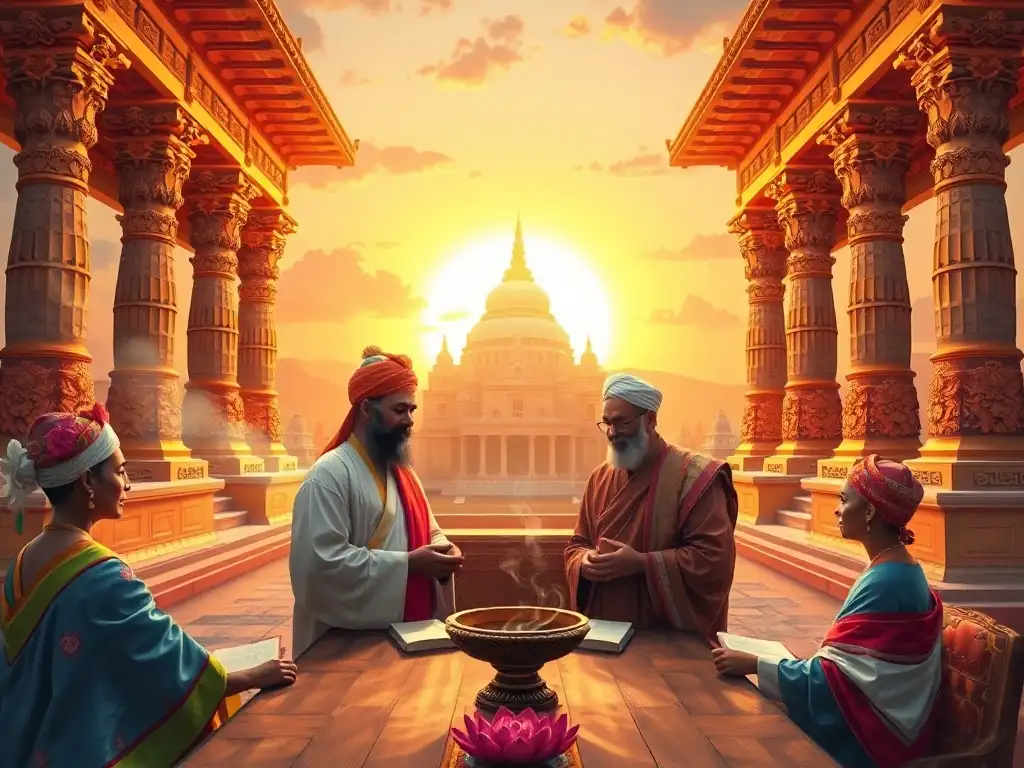
The relationship between ancient India and Greece was profoundly influenced by religious beliefs and practices, particularly during the Hellenistic period. Diplomatic events were often underscored by an exchange of spiritual values, which played a significant role in fostering goodwill and cooperation between the two civilizations. One notable event was the diplomatic mission of Megasthenes, a Greek ambassador to the Mauryan Empire, which showcased how religion facilitated dialogue. The emissary's extensive writings emphasized the moral and ethical dimensions shared by both cultures, highlighting the importance of Dharma in Indian society and its parallels with Greek concepts of virtue.
Another significant event was the establishment of the Indo-Greek Kingdoms, particularly under the reign of King Menander I, who is often remembered for his conversion to Buddhism. This transition not only marked a pivotal moment in Indo-Greek relations but also fostered an atmosphere of cultural and religious exchange. Menander’s support of Buddhism facilitated the spread of Buddhist teachings in the Greco-Bactrian region, demonstrating how religious affiliations could reshape diplomatic ties.
Notable Treaties and Agreements Influenced by Religion
Several treaties and agreements throughout Indo-Greek history were heavily influenced by religious considerations. One such agreement was the peace treaty between the Mauryan Emperor Ashoka and the Greek ruler Antiochus II, which was marked by mutual respect for each other’s religious beliefs. This treaty was not merely a cessation of hostilities but also included clauses that encouraged the spread of Buddhism into Hellenistic territories, thereby establishing a framework for religious exchange.
Furthermore, the edicts of Ashoka highlight the role of religious diplomacy, as they often referred to the promotion of Dhamma, an ethical code that transcended cultural boundaries. These edicts, inscribed on pillars and rock surfaces across his empire, served as diplomatic tools that communicated his commitment to peace and moral governance, resonating with both Indian and Greek values.
Religious Symbolism in IndoGreek Diplomatic Treaties
Religious symbolism played a crucial role in the articulation of Indo-Greek diplomatic treaties. The use of religious iconography in the inscriptions of treaties not only conveyed the sanctity of the agreements but also underscored the shared values that bonded the two cultures. For instance, the depiction of Buddhist motifs alongside Greek symbols in treaties illustrated the merging of beliefs and the respect for spiritual practices.
Moreover, the exchange of gifts often included religious artifacts, such as sculptures of deities or sacred texts, symbolizing the spiritual commitment behind diplomatic efforts. Such exchanges served not only as tokens of goodwill but also as instruments of cultural integration, reinforcing the idea that religion could act as a unifying force in international relations.
The Impact of Religion on Cultural Exchange
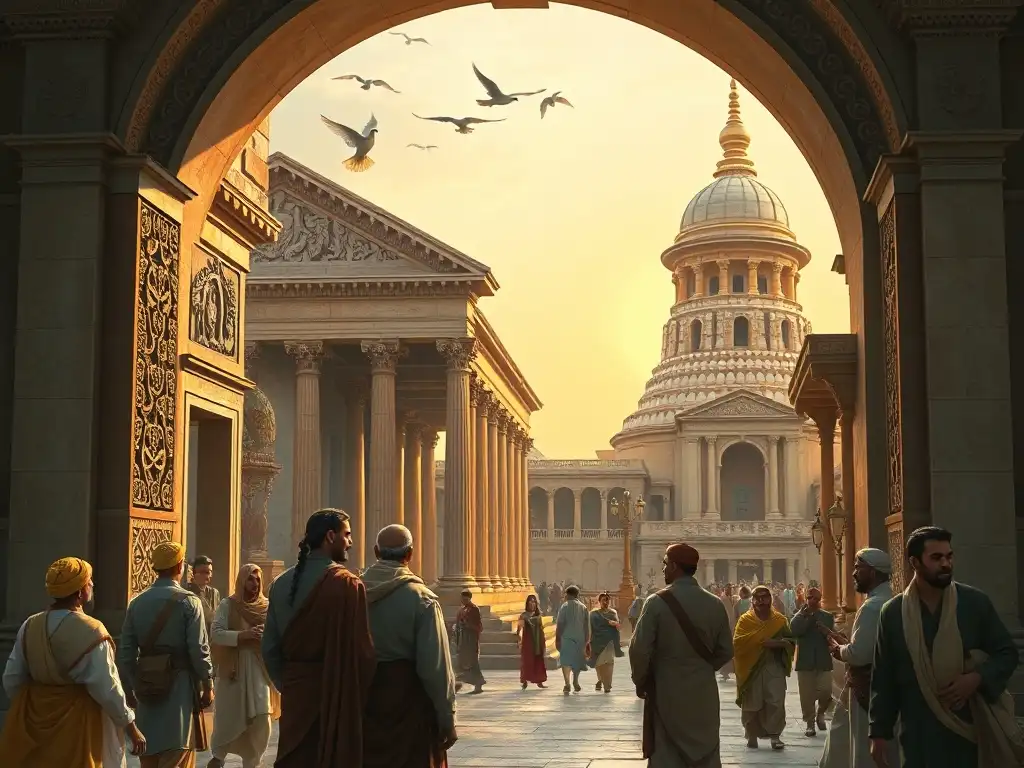
The influence of religion on cultural exchange between India and Greece is evident in various domains, particularly in art, philosophy, and literature. The integration of religious themes into art forms facilitated a deeper understanding of each other's cultures. The cross-pollination of ideas allowed for a richer, more nuanced cultural landscape that was reflective of both societies' spiritual beliefs.
The syncretism observed in art and architecture during this period illustrates how religious diplomacy fostered a shared aesthetic vocabulary. Temples and sculptures from this era often displayed a blend of Indian and Hellenistic styles, symbolizing the harmonious coexistence of diverse spiritual traditions.
Art and Architecture: A Reflection of Religious Diplomacy
Art and architecture serve as profound testaments to the religious diplomacy that characterized Indo-Greek relations. The introduction of Greco-Buddhist art, particularly in regions like Gandhara, exemplifies how religious themes were intricately woven into artistic expressions. Statues of the Buddha displayed Hellenistic influences, evident in the realistic portrayal of human figures and the incorporation of drapery reminiscent of Greek sculptures.
Additionally, the construction of stupas and monasteries often showcased architectural elements borrowed from Greek designs, demonstrating the collaborative spirit fostered through diplomatic channels. These structures not only served as places of worship but also as cultural hubs that facilitated interactions and exchanges between the two civilizations.
Literature and Philosophy: Bridging IndoGreek Thought
The intermingling of Indo-Greek thought is perhaps most vividly illustrated in the realms of literature and philosophy. The works of philosophers like Ashvaghosha, who were influenced by both Indian and Greek philosophical traditions, underscore the depth of intellectual exchange. His writings often incorporated Hellenistic ideas, presenting a synthesis of thought that bridged the two cultures.
Furthermore, the translations of religious texts across languages highlighted the commitment to understanding and integrating diverse philosophical perspectives. The spread of Buddhist scriptures into Greek territories not only enriched the Greek philosophical landscape but also fostered a mutual respect for each other's intellectual heritage, laying the groundwork for a more unified discourse on spirituality and ethics.
Challenges and Conflicts in IndoGreek Religious Diplomacy
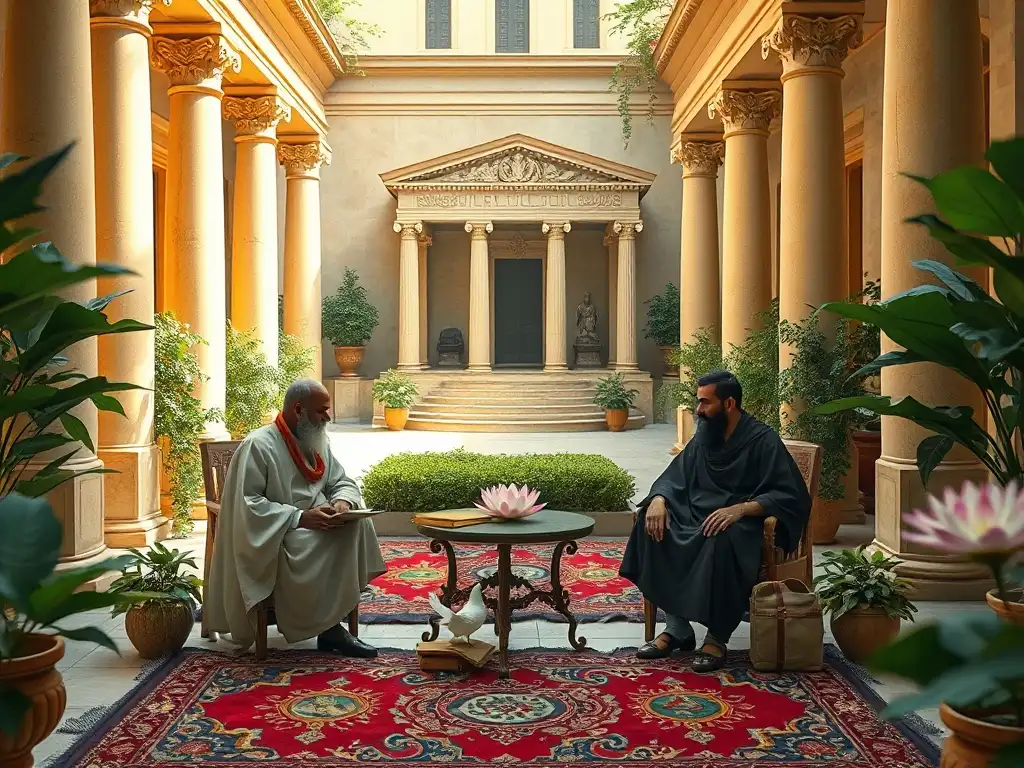
The IndoGreek period was marked by a complex interplay of cultural exchanges and diplomatic negotiations, heavily influenced by religious beliefs and practices. While religion served as a bridge between the two civilizations, it also presented numerous challenges and conflicts that complicated diplomatic relations. The syncretic nature of IndoGreek culture created an environment where differing religious practices sometimes clashed, leading to misunderstandings and tensions.
One of the primary challenges was the diverse pantheon of deities worshipped by both cultures. The Greeks, with their polytheistic traditions, often found it difficult to understand the monotheistic tendencies present in some Indian philosophies. Similarly, the introduction of Hellenistic religious ideas into Indian society wasn’t always welcomed, leading to friction between traditionalists and those favoring new beliefs. Such conflicts, rooted in differing spiritual ideologies, posed challenges to diplomatic efforts and necessitated careful navigation by leaders on both sides.
Religious Misunderstandings and Their Diplomatic Consequences
Religious misunderstandings were a significant factor in the IndoGreek diplomatic landscape. For instance, the Greek perception of Indian ascetic practices sometimes led to misinterpretation of their significance. Greeks, who valued civic participation and visible expressions of religion, often viewed Indian ascetics as reclusive and disengaged, which could create diplomatic barriers. These misunderstandings could escalate into larger conflicts, as both sides struggled to reconcile their beliefs with the actions of the other.
Moreover, public expressions of religious beliefs often influenced political alliances. For example, when Greek rulers adopted certain Indian religious customs to gain favor, it sometimes backfired, causing suspicion among their own populace who viewed such actions as betrayal. This duality of religious identity complicated not only personal relationships but also broader diplomatic ties, leading to a cycle of mistrust that hampered cooperation.
The Role of Religious Leaders in Mediating Conflicts
In this complex environment, religious leaders emerged as crucial mediators in IndoGreek diplomatic relations. Their authority and respected positions allowed them to act as intermediaries, fostering dialogue between differing viewpoints. For instance, Buddhist monks and Hellenistic philosophers often engaged in dialogue, promoting a shared understanding of spiritual concepts that transcended cultural boundaries.
These religious figures facilitated discussions that addressed misunderstandings and worked to establish common ground. Their ability to navigate the intricate web of beliefs made them invaluable in resolving conflicts and promoting peace. The influence of these leaders also extended to the courts of kings, where their endorsements could sway public opinion and bolster diplomatic initiatives.
Conclusion: The Lasting Legacy of IndoGreek Religious Diplomacy
The legacy of IndoGreek religious diplomacy is profound, illustrating how shared beliefs can unite diverse cultures. The intricate relationships formed during this period laid the groundwork for future interactions, demonstrating the potential of religion as a diplomatic tool. The blending of Hellenistic and Indian philosophies not only enriched both cultures but also paved the way for more tolerant and inclusive societies.
Lessons Learned from IndoGreek Religious Diplomacy History
From the IndoGreek experience, several lessons can be drawn regarding the role of religion in diplomacy. First, the importance of understanding and respecting cultural differences is paramount. Misunderstandings can lead to conflicts; thus, open communication and education about differing beliefs can mitigate potential diplomatic crises. Additionally, the involvement of neutral religious leaders can be instrumental in mediating conflicts, fostering dialogue, and creating trust among parties.
Future Implications for Modern Diplomacy
The lessons from IndoGreek religious diplomacy hold relevance in today’s increasingly interconnected world. As nations continue to navigate complex relationships shaped by diverse religious and cultural backgrounds, the ability to engage in respectful dialogue and collaboration will be crucial. By learning from the past, modern diplomats can foster relationships built on mutual understanding and respect, ultimately promoting peace in a multifaceted global landscape.
References
The study of IndoGreek relations through the lens of religion offers a fascinating insight into the complexities of ancient diplomacy. Below are selected references that delve into various aspects of this intricate relationship, highlighting the spiritual dimensions of diplomatic interactions between India and Greece.
Suggested Readings on IndoGreek Relations
-
"The Indo-Greeks: A Historical Study" by A. K. Narain
This book provides a comprehensive overview of the IndoGreek period, examining the political, economic, and cultural exchanges that shaped this unique historical interaction.
-
"Greeks in India: A Study of Cultural Exchange" by J. W. DeGrave
DeGrave explores the cultural ramifications of Greek presence in India and how these influences manifested in art, architecture, and philosophy.
-
"Buddhism and Hellenism: A Comparative Study" by Richard Gombrich
This work investigates the intersections of Buddhist thought and Greek philosophy, offering insights into how religious frameworks influenced diplomatic ties.
-
"The Art of the Indo-Greeks" by John Marshall
Marshall's analysis focuses on the artistic expressions that emerged during the IndoGreek period, reflecting the syncretism of religious and cultural identities.
-
"Trade and Diplomacy in the Ancient World" by M. L. D. C. Sharma
This book discusses the broader context of trade and diplomacy in the ancient world, with chapters dedicated to IndoGreek interactions.
Key Academic Sources on Religious Diplomacy
-
"Religion and Diplomacy: A Global Perspective" by Thomas Blom Hansen
This academic work offers a global overview of how religion acts as a tool in diplomatic relations, with case studies that include IndoGreek interactions.
-
"Sacred Diplomacy: The Role of Religion in International Relations" by J. C. H. Weller
Weller examines the spiritual dimensions of diplomacy, providing a framework that can be applied to understand the IndoGreek context.
-
"Cultural Diplomacy and the Ancient World" by E. A. H. Hutton
This source discusses how cultural and religious diplomacy functioned in the ancient world, with particular reference to the IndoGreek period.
-
"The Role of Religion in Ancient Political Alliances" by A. M. Smith
Smith's research emphasizes the significance of religious affiliations in forming political alliances, specifically highlighting the IndoGreek case.
-
"Philosophy and Diplomacy in the Hellenistic World" by R. M. K. Evans
This publication explores the philosophical underpinnings of diplomatic practices in the Hellenistic world, including the interactions with Indian states.
These references provide a foundation for understanding the intricate relationship between religion and diplomacy in the context of IndoGreek relations, highlighting the spiritual lens through which these interactions can be examined.
- Introduction to IndoGreek Religious Diplomacy History
- Historical Context of IndoGreek Relations
- The Influence of Religion on IndoGreek Diplomacy
- Major Religious Contributions to IndoGreek Relations
- Analysis of Specific Diplomatic Events
- Notable Treaties and Agreements Influenced by Religion
- Religious Symbolism in IndoGreek Diplomatic Treaties
- The Impact of Religion on Cultural Exchange
- Art and Architecture: A Reflection of Religious Diplomacy
- Literature and Philosophy: Bridging IndoGreek Thought
- Challenges and Conflicts in IndoGreek Religious Diplomacy
- Conclusion: The Lasting Legacy of IndoGreek Religious Diplomacy
- References
- What is the significance of IndoGreek relations in ancient history?
- How did religion influence diplomacy between the IndoGreeks?
- What were the main religious practices that shaped IndoGreek diplomacy?
- What role did Buddhism play in IndoGreek relations?
- How did the Gupta Empire continue the legacy of IndoGreek diplomacy?
Frequently Asked Questions
What is the significance of IndoGreek relations in ancient history?
IndoGreek relations were pivotal in fostering cultural exchange and diplomatic ties between India and Greece, notably during the Hellenistic period.
How did religion influence diplomacy between the IndoGreeks?
Religion acted as a catalyst for dialogue, with both civilizations sharing and respecting each other's spiritual beliefs, which helped in easing tensions and promoting peace.
What were the main religious practices that shaped IndoGreek diplomacy?
Key practices included the worship of deities, the promotion of Buddhism, and the incorporation of Greek gods into local religious contexts, facilitating mutual understanding.
What role did Buddhism play in IndoGreek relations?
Buddhism served as a bridge between cultures, with IndoGreek rulers often adopting and promoting Buddhist principles to solidify their political alliances.
How did the Gupta Empire continue the legacy of IndoGreek diplomacy?
The Gupta Empire maintained and expanded upon earlier IndoGreek diplomatic practices, integrating religious and cultural elements to enhance their influence across the region.
Final Reflection: The Enduring Legacy of Indo-Greek Religious Diplomacy
The intricate tapestry of Indo-Greek relations, woven through the threads of religious diplomacy, remains profoundly relevant today. As we navigate a world increasingly defined by cultural intersections and spiritual dialogues, understanding the historical context of these interactions offers invaluable insights. The lessons learned from the past illuminate the pathways for contemporary diplomacy, reminding us that faith and spirituality can serve as bridges rather than barriers.
The impact of Indo-Greek religious diplomacy resonates deeply within our cultural and social landscapes, shaping not only historical narratives but also modern diplomatic practices. The intertwining of beliefs and politics has fostered a unique dialogue that transcends borders, encouraging mutual respect and understanding. As Mahatma Gandhi once said, "> The best way to find yourself is to lose yourself in the service of others." This sentiment underscores the importance of empathy and cooperation in diplomacy, a principle that continues to guide international relations today.
As we reflect on the lessons of Indo-Greek religious diplomacy, I invite you to consider how these historical insights can inform your own interactions in a diverse world. Embrace the opportunity to engage with different cultures and beliefs, fostering dialogue that promotes peace and understanding. By recognizing the power of spiritual connections in diplomacy, we can contribute to a future where respect and collaboration thrive, echoing the harmonious legacy of our shared history.
Embrace the Spiritual Journey of Diplomacy!
Thank you for exploring the intricate tapestry of Indo-Greek relations through the lens of spirituality! We hope you gained valuable insights into how religion influences diplomacy and fosters connections across cultures. Now, it’s time to take action and deepen your understanding even further.
- Explore the role of religious influences on contemporary diplomacy by checking out our featured articles that delve into ancient cultures and their lasting legacies.
- Join the conversation by sharing your thoughts on social media and engaging with others who share a passion for history and diplomacy.
- Consider attending local lectures or workshops focused on ancient cultures to expand your knowledge and connect with like-minded individuals.
What impact do you believe spirituality could have on modern diplomatic relations today? We’d love to hear your insights!