
The Trade of Spices and Textiles: Economic Interactions Between India and Greece

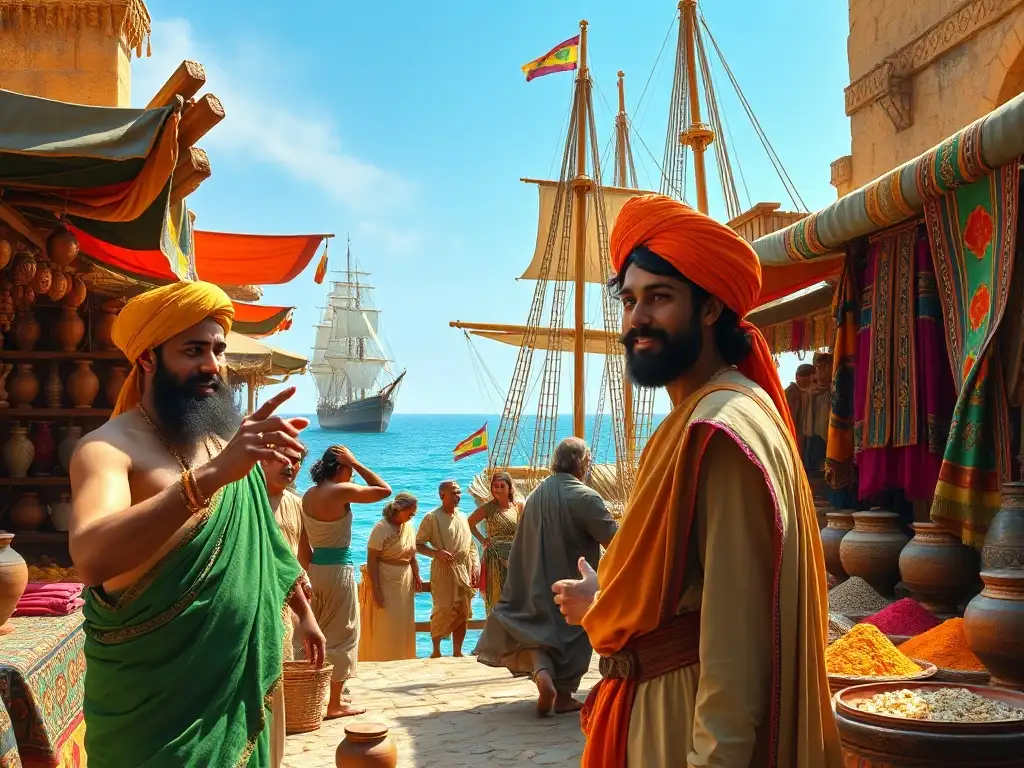
Welcome to Ancient India History, where we embark on a fascinating journey through the rich tapestry of India's past. Here, you'll uncover the intricate web of cultural exchanges and economic interactions that shaped civilizations from the Indus Valley to the Gupta Empire. In our featured article, we delve into the intriguing topic of Ancient India Greece trade relations, exploring how the trade of spices and textiles not only fueled economies but also forged connections between cultures. Prepare to be captivated as we unravel the stories behind these historical interactions—your exploration of ancient wonders begins now!
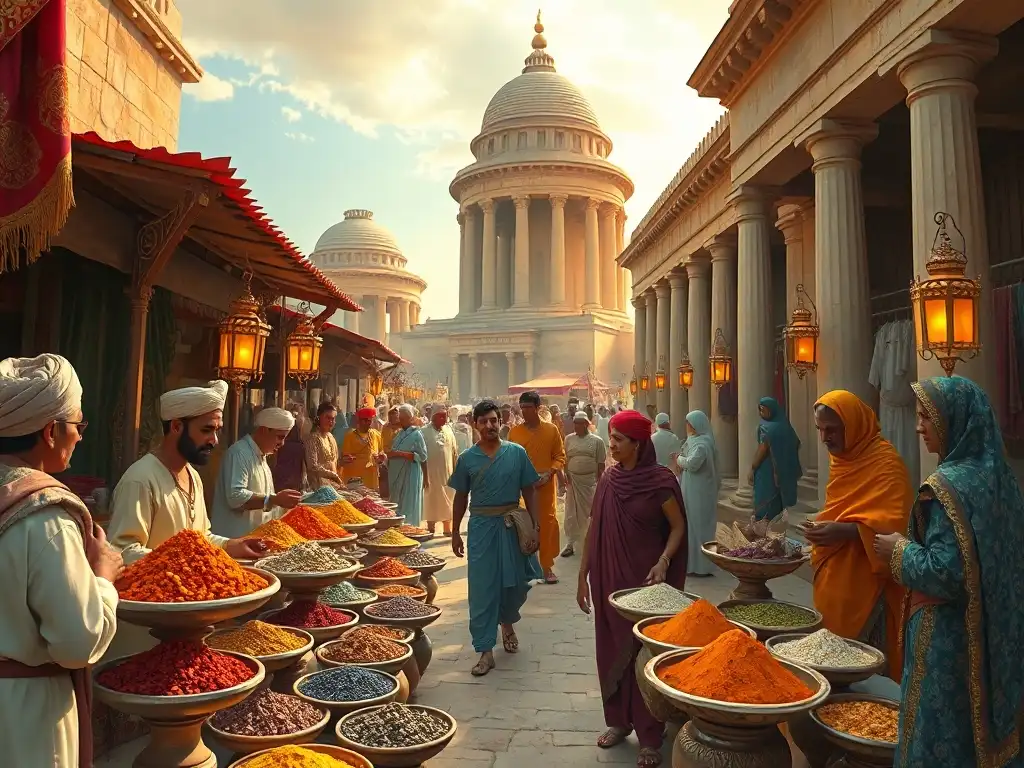
Introduction to Ancient India and Greece Trade Relations
The trade relations between ancient India and Greece represent a significant chapter in the history of economic interactions and cultural exchanges between civilizations. Spanning several centuries, this relationship was characterized by the exchange of not only goods but also ideas, practices, and innovations. The vibrant markets of ancient India were renowned for their spices and textiles, which attracted Greek traders seeking to enhance their own economies and lifestyles.
As we delve into the complexities of these trade relations, it becomes evident that the economic interactions between ancient India and Greece were pivotal in shaping the course of both civilizations. Understanding this trade not only highlights the importance of commerce in antiquity but also underscores the interconnectedness of cultures across geographic boundaries.
Overview of Economic Interactions in Ancient Civilizations
Economic interactions in ancient civilizations were often driven by the demand for luxury goods, agricultural products, and crafts. The trade between India and Greece serves as a prime example of how geographical proximity and the quest for unique commodities fostered relationships that transcended mere barter:
- Key Commodities: Spices like black pepper, cardamom, and cloves were highly sought after, while textiles such as silk and cotton showcased India's rich craftsmanship.
- Cultural Exchange: Alongside goods, the exchange facilitated the sharing of religious beliefs, artistic influences, and technological innovations.
The flourishing trade routes not only supported economic prosperity but also created a tapestry of cultural interaction that enriched both Indian and Greek societies.
Importance of Spices and Textiles in Ancient Trade
Spices and textiles were not just economic commodities; they held profound significance in ancient trade. Here’s how these products influenced trade dynamics:
- Spices:
- Valued for their use in cuisine, preservation, and medicinal properties, spices were often referred to as "black gold."
- They played a crucial role in enhancing the flavor of food and were used extensively in religious rituals.
- Textiles:
- Indian textiles, particularly silk and cotton, were prized for their quality and intricate designs.
- They symbolized status and wealth in Greek society, making them a desirable trade item.
The demand for these commodities led to the establishment of various trade routes and strengthened the economic ties between India and Greece.
Historical Background of Ancient India-Greece Trade Relations
To fully grasp the significance of ancient India-Greece trade relations, one must explore the historical context that facilitated these interactions.
Early Contact Between Indian and Greek Traders
The initial contact between Indian and Greek traders can be traced back to the conquests of Alexander the Great in the 4th century BCE, which opened new avenues for trade. Greek historians such as Arrian documented the encounters and exchanges that took place during this period. The establishment of trading posts and ports facilitated direct contact, leading to a mutual interest in commerce.
- Strategic Alliances: The relationships formed through trade often led to diplomatic ties, as both civilizations sought to enhance their influence and secure favorable terms.
- Cultural Fusion: The blending of Greek and Indian cultures resulted in the exchange of philosophical ideas, art, and architecture.
Key Trade Routes Connecting India and Greece
The trade routes between India and Greece were vital in facilitating the movement of goods and ideas. Some of the key routes included:
- The Silk Road: This ancient network of trade routes connected the East and West, allowing for the transport of silk, spices, and textiles.
- Maritime Routes: The Arabian Sea served as a crucial pathway for Greek ships sailing to Indian ports, further enhancing trade efficiency.
These routes not only enabled the exchange of goods but also played a critical role in the spread of cultural and intellectual influences between the two civilizations.
The trade of spices and textiles between ancient India and Greece was not merely an economic endeavor; it was a dynamic interaction that fostered cultural exchange and mutual enrichment, laying the foundation for future relations between the two great civilizations.
Major Spices and Textiles Traded Between India and Greece
The ancient trade relations between India and Greece were significantly characterized by the exchange of spices and textiles, two commodities that were highly valued in both civilizations. Spices such as black pepper, cardamom, and cinnamon were among the most sought-after products exported from India. These spices not only enhanced the flavor of food but also played essential roles in medicine and preservation, making them integral to various culinary traditions.
On the textile front, India was renowned for its rich fabrics, particularly silk and cotton. The intricate craftsmanship of Indian weavers produced exquisite textiles that fascinated Greek traders and consumers. The trade of these textiles contributed to the formation of a unique cultural exchange, as they were often adorned with vibrant colors and elaborate patterns that reflected the artistry of Indian civilization.
Overview of Spices in Ancient Trade
Spices have been a cornerstone of trade since ancient times, and their significance in the economic interactions between India and Greece cannot be overstated. The spice trade was a lucrative venture, with Indian spices fetching high prices in Greek markets. Black pepper, often referred to as “black gold,” was particularly prized for its ability to enhance the flavor of food and was used as a preservative.
The demand for spices extended beyond culinary uses; they were also integral to religious and cultural practices. For instance, spices like turmeric and saffron held ceremonial significance in both cultures. Ancient texts from Greece document the high value placed on these spices, indicating that they were not merely commodities but symbols of wealth and status. Such demand drove the establishment of trade routes and facilitated the movement of goods across vast distances, connecting the two civilizations.
Textiles: The Fabric of Trade Relations
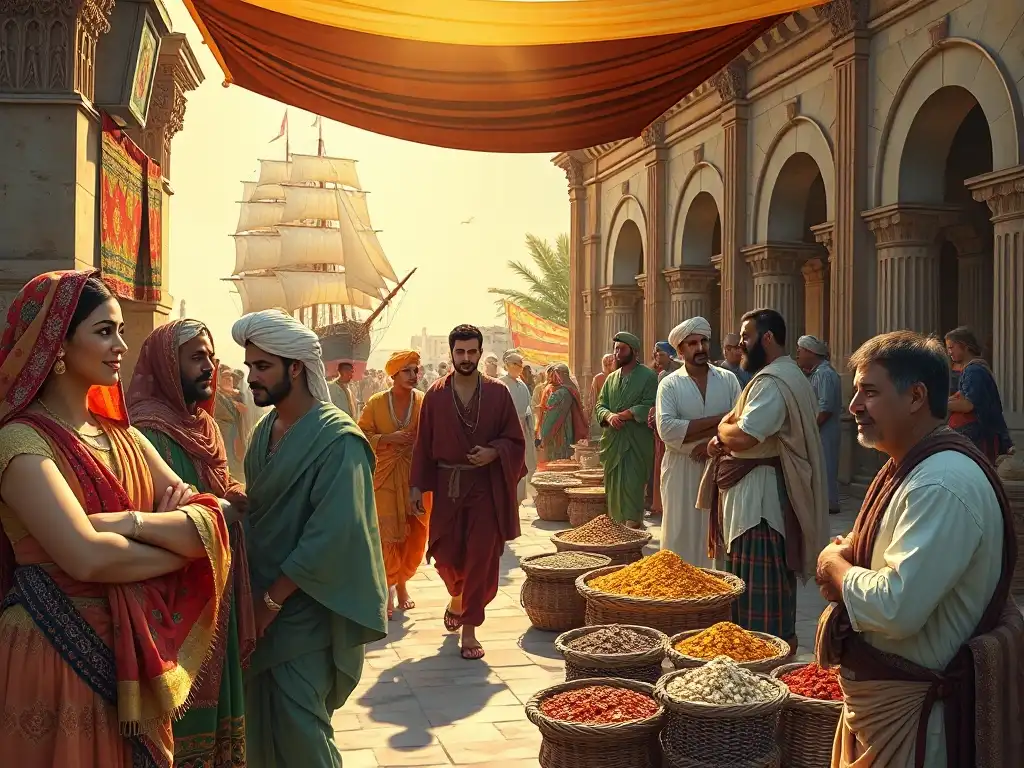
Textiles played a pivotal role in the economic interactions between India and Greece, serving as both a medium of trade and a cultural exchange. Indian textiles, particularly silk from the eastern regions and cotton from the western parts, were highly regarded in Greek society. The Greeks admired the quality and craftsmanship of Indian fabrics, which were often used for clothing, draperies, and ceremonial garments.
The richness of Indian textiles was complemented by the diverse techniques and styles employed by artisans. From intricate embroidery to vibrant dyeing techniques, the textiles reflected the local culture and traditions of India. This appeal led to the establishment of trade routes specifically for textiles, allowing Greek merchants to access these valuable goods. The trade not only fostered economic growth but also inspired artistic influences, as Greek artists began to incorporate Indian motifs into their own works.
Economic Impact of Trade Relations Between India and Greece
The economic impact of the trade relations between India and Greece was profound and far-reaching. The exchange of spices and textiles not only enriched the economies of both civilizations but also facilitated the growth of interconnected trade networks. This interaction fostered a mutual dependency that enhanced economic stability and growth, as each civilization relied on the other for essential goods.
The influx of wealth from trade allowed both societies to invest in infrastructure, including roads, ports, and marketplaces, which further stimulated economic activity. Additionally, the desire for luxury goods led to the emergence of a merchant class that played a crucial role in the economy, bridging the gap between producers and consumers.
Growth of Trade Cities and Ports
As trade flourished, several cities and ports became vital hubs for commerce between India and Greece. Cities like Alexandria in Egypt and various coastal towns along the western shores of India emerged as bustling centers of trade. These ports facilitated the exchange of goods, allowing merchants to transport spices and textiles efficiently.
The growth of these trade cities was supported by the establishment of trade agreements and routes, which ensured safe passage for merchants. The increased volume of trade contributed to urban development, as these cities attracted not only traders but also artisans and laborers, creating a diverse economic ecosystem. This urbanization, in turn, led to cultural exchanges, as people from different backgrounds converged, sharing ideas, practices, and technologies.
The Role of Merchants and Trade Guilds
Merchants played a crucial role in the trade relations between India and Greece, acting as intermediaries who facilitated the exchange of goods. These merchants were often organized into trade guilds that provided a structured framework for commerce. These guilds established rules and standards for trade practices, ensuring fair dealings and quality assurance for the spices and textiles exchanged.
The merchants were not only responsible for the transportation of goods but also for the dissemination of cultural knowledge. They carried stories, traditions, and technologies between civilizations, enriching both societies. The trade guilds also helped in negotiating trade agreements, which were vital for maintaining stable relations and ensuring the mutual benefits of trade.
The ancient trade relations between India and Greece were marked by a vibrant exchange of spices and textiles, significantly impacting the economies and cultures of both civilizations. This intricate web of economic interactions laid the foundation for future exchanges, shaping the course of history in the region.
Cultural Exchanges Through Trade
The trade of spices and textiles between ancient India and Greece facilitated not only economic transactions but also significant cultural exchanges. As merchants traveled across the seas and overland routes, they carried with them not just goods, but also ideas, beliefs, and customs. This interaction enriched both civilizations, leading to a blend of traditions that shaped their respective cultures. Through trade, Indian philosophies, religious practices, and artistic styles made their way to Greece, while Greek thought and artistic influences found their way into Indian society. Such exchanges laid the foundation for a mutual understanding that transcended mere commerce.
Influence of Indian Culture on Greek Society
Indian culture had a profound impact on Greek society, particularly in the realms of philosophy and spirituality. The arrival of Indian merchants brought with them concepts such as yoga and meditation, which intrigued Greek thinkers. Notably, the works of philosophers like Pythagoras and Plato reflected influences that can be traced back to Indian thought on metaphysics and ethics. Additionally, Indian textiles, particularly silk and cotton, became highly prized in Greece, leading to a fascination with Indian craftsmanship. This admiration extended to Indian art forms, with Greek artists incorporating motifs and styles inspired by Indian designs into their work.
Greek Contributions to Indian Art and Trade Practices
The Greek influence on Indian art and trade practices is evident in several ways. The establishment of trade routes facilitated the exchange of artistic ideas, leading to the emergence of Greco-Buddhist art, which blends Hellenistic and Indian styles. This unique art form, particularly prominent in regions like Gandhara, showcases Greek sculptural techniques and iconography fused with Buddhist themes. Furthermore, Greek merchants introduced new trading practices and financial systems that significantly influenced Indian commerce. The use of coins, for example, became more prevalent, enhancing trade efficiency and contributing to the growth of urban centers in India.
Challenges and Obstacles in Ancient Trade Relations
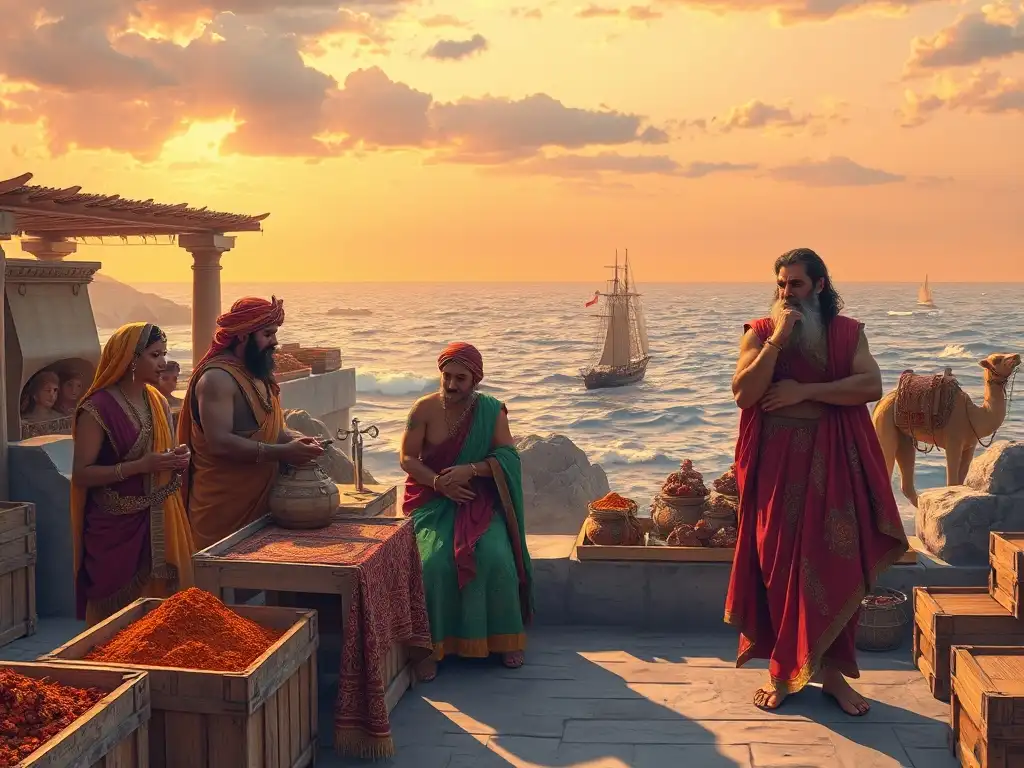
Despite the flourishing trade between India and Greece, several challenges and obstacles hindered these economic interactions. Geographical barriers, political strife, and conflicts played crucial roles in shaping the dynamics of trade during ancient times. Understanding these challenges provides insight into the resilience and adaptability of both civilizations as they navigated the complexities of cross-cultural commerce.
Geographical and Political Barriers
Geographical barriers, such as the vast distances and difficult terrains between India and Greece, posed significant logistical challenges for traders. The journey often involved traversing deserts, mountains, and treacherous seas, which could lead to delays and increased costs. Additionally, political barriers, including changing empires and territorial disputes, impacted the stability of trade routes. The rise and fall of kingdoms could lead to fluctuating trade agreements and tariffs, making it difficult for merchants to maintain consistent trading relationships.
Impact of Conflicts on Trade Dynamics
Conflicts between various empires and kingdoms in both India and Greece had profound implications for trade dynamics. Wars and territorial disputes could disrupt established trade routes, leading to economic uncertainty. For instance, during periods of conflict, merchants faced heightened risks of piracy and theft, which deterred trade and increased costs. Furthermore, political alliances and enmities influenced trade agreements, often resulting in fluctuating prices and availability of goods. The ability of both civilizations to navigate these conflicts ultimately determined the resilience and continuity of their trade relations over time.
Conclusion: Legacy of Ancient India-Greece Trade Relations
The trade relations between ancient India and Greece laid a profound foundation for economic interactions that extended far beyond the exchange of goods. This relationship not only facilitated the movement of spices and textiles but also fostered cultural exchanges that enriched both civilizations. The legacy of this trade is evident in various aspects of modern economic practices and cultural understandings. The historical ties that bind these two ancient cultures serve as a testament to the enduring impact of trade on societal development and intercultural dialogue.
As merchants navigated the routes between these regions, they carried with them not only goods but also ideas, philosophies, and technologies. This cross-pollination ultimately contributed to advancements in various fields, including mathematics, astronomy, and art. The exchange of such knowledge and cultural practices has had lasting effects, shaping the identities of both ancient and modern societies.
Lasting Influence on Modern Trade Practices
The ancient trade relations between India and Greece have left a significant imprint on modern trade practices. The early interactions established networks that have evolved over centuries, influencing contemporary trade routes and economic policies. Key elements of these ancient trade practices include:
- The Silk Road and Maritime Routes: The routes established during ancient times set the groundwork for modern trade networks, including the famous Silk Road, which facilitated the exchange of goods across continents.
- Cultural Exchange and Market Development: The interactions led to a greater understanding of market dynamics, pricing strategies, and consumer preferences, which are critical components of modern economics.
- Globalization of Trade: The foundations laid by ancient traders have contributed to the globalization of trade, where diverse products and cultures intermingle, akin to the spice and textile trade of the past.
These historical trade practices continue to inform contemporary global trade relations, reflecting the interconnectedness of economies in today’s world.
Reflections on Cultural Interactions and Economic Ties
The spice and textile trade between ancient India and Greece was more than just an economic venture; it was a significant cultural interaction that shaped the societies involved. The exchange of spices, for instance, not only introduced new flavors to Greek cuisine but also fostered an appreciation for Indian culture, art, and traditions.
- Mutual Influence: The blending of cultures can be seen through various artifacts, literature, and philosophies that emerged from these interactions. Greek philosophers were influenced by Indian thought, while Indian art and architecture reflected Hellenistic styles.
- Diplomatic Relations: The economic ties also paved the way for diplomatic relations, leading to alliances that promoted peace and stability in trade.
- Shared Knowledge: The sharing of knowledge regarding agriculture, medicine, and technology facilitated advancements in both regions, enhancing agricultural productivity and healthcare practices.
These cultural interactions have created a legacy that continues to shape bilateral relations between India and Greece today, highlighting the importance of economic ties in fostering mutual respect and understanding.
Further Reading on Ancient India and Greece Trade Relations
For those interested in exploring the intricate trade relations between ancient India and Greece further, a wealth of resources is available to deepen understanding and knowledge.
Recommended Books and Articles
-
"The Spice Trade of the Roman Empire" by Peter J. Tompkins
This book delves into the historical context of spice trade and its influence on various civilizations, including India and Greece.
-
"India and Greece: The Historical Bonds" by A. K. Warder
This work explores the connections between Indian and Greek societies, focusing on economic, cultural, and philosophical exchanges.
-
"Trade and Traders in the Roman Empire" by R. H. Jones
An insightful analysis of trade dynamics in the ancient world, touching upon the role of Indian spices and textiles in Greek markets.
Online Resources for Exploring Ancient Trade History
-
The British Museum Online Collection
Offers access to artifacts and documents related to ancient trade, including items from Indian and Greek cultures.
-
The Perseus Project
A digital library of resources related to ancient Greece, which includes texts and visual materials that discuss trade relations.
-
The Indian Council of Historical Research (ICHR)
Provides articles and research papers focusing on ancient trade practices and their implications on modern economic scenarios.
These resources can provide additional context and depth for those seeking to understand the complex tapestry of ancient India-Greece trade relations.
- Introduction to Ancient India and Greece Trade Relations
- Historical Background of Ancient India-Greece Trade Relations
- Major Spices and Textiles Traded Between India and Greece
- Overview of Spices in Ancient Trade
- Textiles: The Fabric of Trade Relations
- Economic Impact of Trade Relations Between India and Greece
- Cultural Exchanges Through Trade
- Challenges and Obstacles in Ancient Trade Relations
- Conclusion: Legacy of Ancient India-Greece Trade Relations
- Further Reading on Ancient India and Greece Trade Relations
- What were the primary goods traded between Ancient India and Greece?
- How did trade between Ancient India and Greece influence culture?
- What role did the Silk Road play in India-Greece trade relations?
- Were there any significant historical figures involved in these trade relations?
- How did trade affect the economies of Ancient India and Greece?
Frequently Asked Questions
What were the primary goods traded between Ancient India and Greece?
The primary goods traded included spices, textiles, and precious stones. These items were highly valued in both regions, leading to significant economic interactions.
How did trade between Ancient India and Greece influence culture?
The trade relations facilitated a rich exchange of cultural ideas, leading to the blending of artistic styles, religions, and philosophies, enriching both civilizations significantly.
What role did the Silk Road play in India-Greece trade relations?
The Silk Road served as a vital trade route, connecting India and Greece and allowing for the passage of goods, culture, and information across vast distances.
Were there any significant historical figures involved in these trade relations?
Yes, historical figures such as Alexander the Great played a crucial role in establishing and enhancing trade routes, which greatly impacted economic interactions between both regions.
How did trade affect the economies of Ancient India and Greece?
Trade significantly boosted the economies of both civilizations by opening up new markets, increasing wealth, and fostering economic growth through the exchange of diverse goods.
Final Reflection: The Enduring Legacy of Ancient India-Greece Trade Relations
The intricate web of trade between ancient India and Greece not only shaped economic landscapes but also fostered cultural exchanges that resonate in today's globalized world. As we navigate an era marked by rapid globalization and interconnected economies, understanding the historical significance of these ancient trade relations offers invaluable insights into the foundations of modern commerce and cultural diplomacy. The legacy of spice and textile trade serves as a reminder of how economic interactions can transcend borders and create lasting bonds between diverse civilizations.
The influence of ancient trade routes continues to permeate our cultural and social fabric, illustrating the profound impact of these early exchanges on contemporary society. The movement of goods, ideas, and traditions between India and Greece laid the groundwork for mutual respect and understanding that still echoes in our global interactions today. As historian Fernand Braudel aptly stated, “The Mediterranean is a world of exchanges, a world of intermingling.” > This quote encapsulates the essence of how trade has historically been a catalyst for cultural enrichment and social evolution, encouraging us to appreciate the interconnectedness of our world.
As we reflect on the lessons from ancient India-Greece trade relations, let us embrace the spirit of collaboration and cultural appreciation in our own lives. Consider how you can foster connections across cultures, whether through travel, learning, or engaging in dialogues that celebrate diversity. By recognizing the importance of these historical interactions, we can inspire a future where trade and cultural exchanges continue to build bridges, fostering a more harmonious and interconnected global community.
Ignite Your Curiosity: Dive Deeper into Historical Trade!
Thank you for exploring the rich tapestry of trade between India and Greece! You've uncovered the fascinating interplay of spices and textiles that shaped economies and cultures. Now, it's time to take your interest further and delve deeper into this captivating history.
Here’s how you can continue your journey:
- Explore More: Visit our extensive collection of articles on the history of trade in Ancient India to discover untold stories and influential figures that played a pivotal role in shaping trade dynamics.
- Join the Conversation: We invite you to share your thoughts on this topic! What aspect of ancient trade intrigues you the most?
- Spread the Knowledge: Consider forwarding this article to friends or family who would appreciate learning about the complexities and consequences of historical trade routes.
What hidden gems of history do you believe still influence our modern world today? We eagerly await your insights!