
Craftsmanship and Culture: The Evolution of Indian Gemstone Jewelry

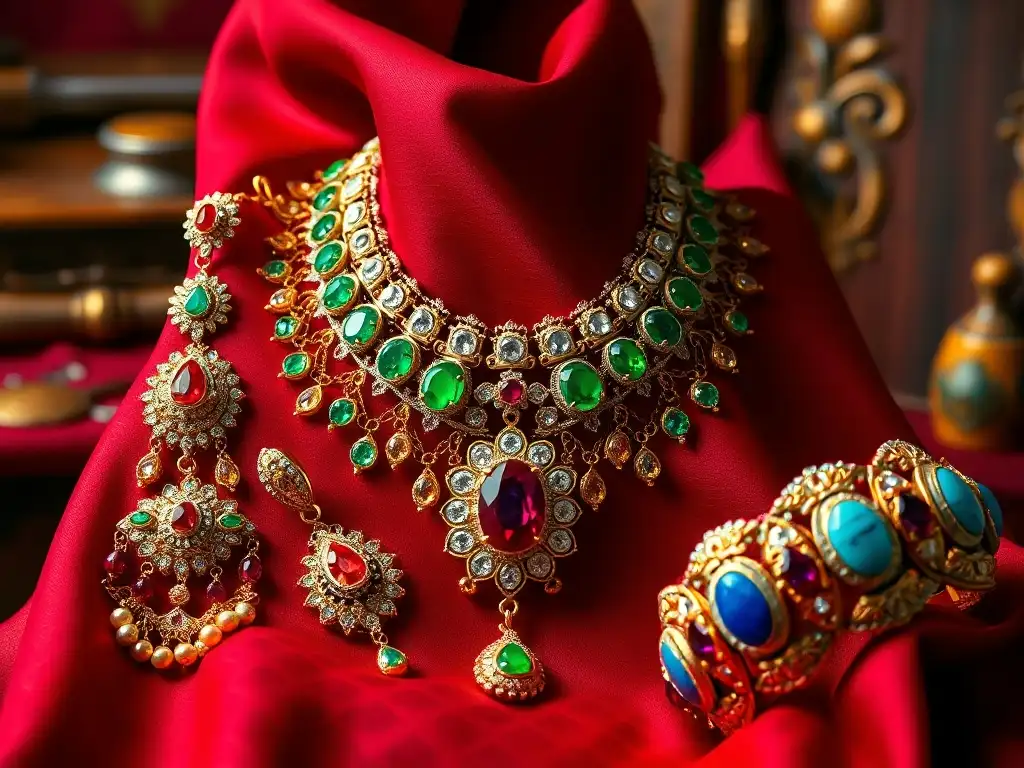
Welcome to Ancient India History, where we delve into the captivating tapestry of India's past, weaving together stories of its vibrant cultures and remarkable civilizations. In this journey, we invite you to explore our featured article on the History of Indian gemstone jewelry, a testament to the exquisite craftsmanship that has adorned royalty and commoners alike for centuries.
Discover how the artistry and cultural significance of gemstones evolved from the ancient Indus Valley to the grandeur of the Gupta Empire. As you embark on this enlightening exploration, prepare to uncover the secrets behind these dazzling treasures and their role in shaping India's rich heritage.
- Introduction to the History of Indian Gemstone Jewelry
- Ancient Origins of Indian Gemstone Jewelry
- Evolution of Gemstone Jewelry Through Indian Dynasties
- Regional Variations in Indian Gemstone Jewelry
- Popular Gemstones in Indian Jewelry: A Historical Perspective
- Traditional vs. Contemporary Indian Gemstone Jewelry
- The Influence of Global Market Trends on Indian Jewelry
- Conclusion: The Lasting Legacy of Indian Gemstone Jewelry
- Recommended Resources for Further Exploration
-
Frequently Asked Questions
- What is the significance of gemstone jewelry in ancient Indian culture?
- Which ancient civilizations contributed to the development of gemstone jewelry in India?
- What materials were commonly used in Indian gemstone jewelry?
- How did gemstone jewelry evolve during different periods in Indian history?
- What are some contemporary influences on the history of Indian gemstone jewelry?
- Final Reflection: The Timeless Legacy of Indian Gemstone Jewelry
- Embrace the Beauty of Indian Gemstone Jewelry!
Introduction to the History of Indian Gemstone Jewelry
The history of Indian gemstone jewelry is a captivating journey that reflects the intricate artistry, cultural significance, and spiritual beliefs intertwined with the gemstones that have adorned the subcontinent for centuries. From the meticulously crafted pieces of the Indus Valley Civilization to the opulent jewelry of the Gupta Empire, this evolution showcases the profound role gemstones have played not only as adornments but also as symbols of status, power, and spirituality in Indian society.
Each era in Indian history has contributed to the rich tapestry of jewelry-making, revealing a blend of indigenous techniques and influences from various cultures that have interacted with the Indian subcontinent throughout history.
As we delve into this exploration, we will uncover the significance of gemstones in Indian culture and the craftsmanship that has evolved over millennia, shedding light on how these exquisite pieces of art continue to captivate hearts and minds today.
The Significance of Gemstones in Indian Culture
Gemstones in India have long been revered not just for their beauty, but also for their supposed mystical and healing properties. Ancient texts, such as the Atharva Veda and Manasollasa, emphasize the influence of specific gemstones on the physical, mental, and emotional well-being of individuals. Here are some key aspects of their significance:
- Symbolism: Each gemstone is believed to carry its own unique energy and symbolism. For instance:
- Ruby: Represents love and passion.
- Emerald: Stands for wisdom and growth.
- Blue Sapphire: Associated with prosperity and protection.
- Astrological Beliefs: Gemstones are often linked to astrological signs, and many people wear them to bring luck or counteract negative influences, a practice deeply rooted in Hindu traditions.
- Cultural Rituals: Gemstones are integral to various rituals and ceremonies, often used in bridal jewelry to bless the couple with prosperity and happiness.
- Economic Value: Historically, gemstones have been a measure of wealth and status. The Indian subcontinent was renowned for its mines, producing some of the most coveted gems, which fueled trade and cultural exchanges with other civilizations.
Overview of Indian Jewelry Craftsmanship
The craftsmanship of Indian jewelry has evolved remarkably over the centuries, showcasing a diverse range of styles and techniques. This craftsmanship is not merely a trade; it embodies the cultural narratives and artistic expressions of different regions. Here are some highlights:
- Regional Styles: India is home to various regional styles of jewelry, each with unique characteristics:
- Kundan: Involves setting gemstones in gold foil and is known for its intricate designs.
- Meenakari: Enamel work that adds vibrant colors to gold and silver jewelry.
- Jadau: A combination of gold and gemstones, often used in bridal jewelry.
- Techniques: Artisans employ a variety of techniques, such as:
- Filigree: Delicate metalwork that creates intricate patterns.
- Granulation: The process of applying tiny beads of metal to create texture.
- Stone Setting: Expert methods of securing gemstones to prevent loss and enhance beauty.
- Cultural Influences: The evolution of craftsmanship has been significantly influenced by various dynasties and cultures, including the Mughals, who introduced new styles and techniques that enriched Indian jewelry-making.
The rich history of Indian gemstone jewelry not only reflects the artistic talents of its craftsmen but also serves as a testament to the enduring legacy of cultural values and beliefs that have shaped the Indian civilization. As we continue to explore this fascinating topic, we will uncover more about the specific gems used, the evolution of styles, and the stories behind these timeless treasures.
Ancient Origins of Indian Gemstone Jewelry
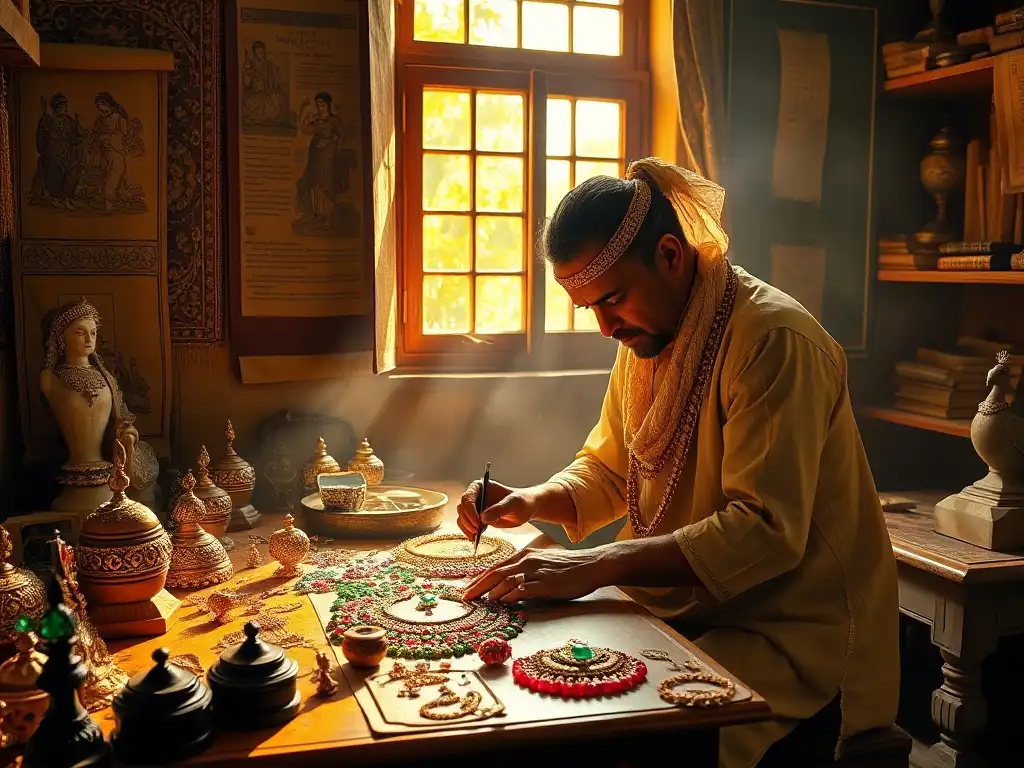
The Indus Valley Civilization: Beginnings of Gemstone Craft
The Indus Valley Civilization, which flourished around 2500 BCE, is considered one of the earliest cradles of civilization in the world. This era marked the beginning of a sophisticated approach to craftsmanship, particularly in the realm of jewelry making. Archaeological excavations at sites like Harappa and Mohenjo-Daro have unveiled a plethora of artifacts that demonstrate the remarkable skills of early artisans.
- Materials Used: The artisans of the Indus Valley predominantly utilized semi-precious stones such as lapis lazuli, carnelian, agate, and shell. These materials were not only locally sourced but were also traded from far-off lands, indicating a complex trade network.
- Techniques: The jewelry from this period reveals advanced techniques in cutting, polishing, and engraving. Beads were meticulously crafted and often featured intricate designs, which served both decorative and symbolic purposes.
- Cultural Significance: Jewelry had significant cultural implications in the Indus Valley. It was often worn by both men and women and was believed to denote status and wealth. Additionally, certain pieces, such as amulets, were thought to possess protective qualities.
The artistry and craftsmanship from the Indus Valley set a precedent for subsequent periods, establishing a rich tradition that would evolve into the intricate practices seen in later Indian civilizations.
Traditional Techniques Used in Early Jewelry Making
The evolution of Indian gemstone jewelry is deeply rooted in traditional techniques that have been passed down through generations. Various methods were employed by artisans to create pieces that were not only beautiful but also imbued with cultural significance.
- Bead Making:
- Drilling: Early jewelers used simple hand tools to drill holes into stones, allowing for the creation of beads that could be strung together.
- Shaping: Techniques included grinding and polishing stones to achieve the desired shape and finish. The use of abrasives like sand and emery was common.
- Lost-Wax Casting:
- This ancient method involved creating a wax model of the jewelry piece, which was then encased in clay. Once heated, the wax melted away, leaving a mold that could be filled with molten metal. This technique facilitated the creation of intricate designs and was particularly popular during the Maurya and Gupta periods.
- Filigree Work:
- A delicate and intricate technique, filigree involves twisting fine threads of gold or silver into artistic patterns. This method was prevalent in regions like Orissa and continued to flourish throughout the history of Indian jewelry making.
- Stone Setting:
- The ability to securely set stones into metal frames has been a hallmark of Indian jewelry. Techniques such as bezel setting and prong setting were employed to not only enhance the aesthetic appeal but also to ensure the durability of the pieces.
- Engraving and Etching:
- Engraving techniques allowed artisans to add intricate designs and motifs to jewelry pieces, often reflecting cultural themes or religious symbols. This tradition has roots in the early civilizations and continues to be a prominent feature in contemporary jewelry design.
The combination of these traditional techniques has not only shaped the history of Indian gemstone jewelry but has also contributed to its global admiration. The craftsmanship reflects a harmonious blend of artistry, culture, and innovation that continues to inspire modern jewelers today.
Evolution of Gemstone Jewelry Through Indian Dynasties
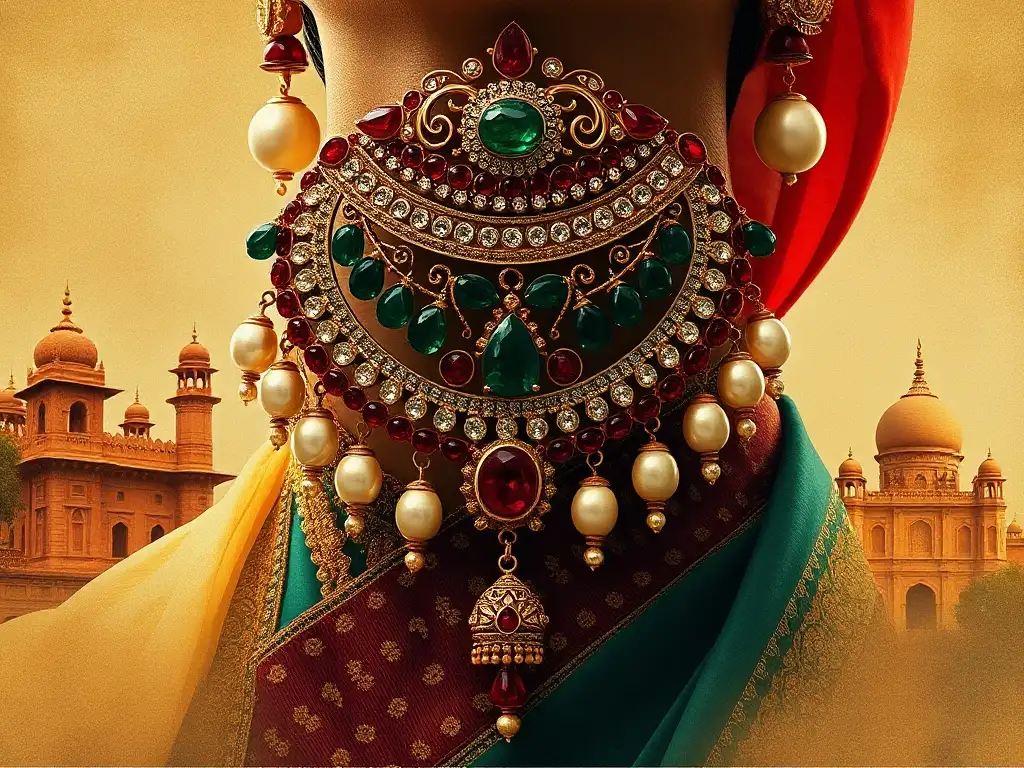
The history of Indian gemstone jewelry is a rich tapestry woven through the various dynasties that have ruled the subcontinent. Each era brought its own unique influences, styles, and techniques, contributing to the evolution of this exquisite art form. From the intricate craftsmanship of the Maurya Empire to the opulent designs of the Gupta Empire, the journey of Indian gemstone jewelry reflects the cultural and artistic developments throughout history.
The Maurya Empire: Influences on Jewelry Design
The Maurya Empire (circa 322-185 BCE) marked a significant period in the history of Indian gemstone jewelry. Under the reign of Chandragupta Maurya and his grandson Ashoka, there was a flourishing of art and culture, profoundly impacting jewelry design.
- Adoption of Natural Motifs: Mauryan jewelry often featured intricate designs inspired by nature, including flora and fauna. This was a notable departure from earlier styles, which had been more simplistic.
- Use of Semi-Precious Stones: The Mauryas popularized the use of semi-precious stones such as agate, carnelian, and lapis lazuli. These stones were not only valued for their beauty but also for their perceived metaphysical properties.
- Trade Influence: The Mauryan Empire was strategically located along key trade routes, facilitating the exchange of gemstones and jewelry-making techniques from other cultures, including those from Persia and Central Asia.
The craftsmanship during this period can be seen in archaeological finds, such as the exquisite jewelry unearthed at sites like Pataliputra, which showcase a blend of local and foreign influences.
Gupta Empire: The Golden Age of Gemstone Artistry
The Gupta Empire (circa 320-550 CE) is often referred to as the Golden Age of India, and this period significantly advanced the art of jewelry making, particularly in the use of gemstones.
- Innovative Techniques: Gupta artisans developed advanced techniques including granulation, filigree, and stone setting, which allowed for more intricate and durable designs. The precision in craftsmanship reached new heights, resulting in jewelry that was both beautiful and functional.
- Variety of Gemstones: The Gupta period saw an increased use of a variety of gemstones such as diamonds, emeralds, and rubies. This not only enhanced the aesthetic appeal but also symbolized status and wealth among the elite.
- Religious Symbolism: Many pieces of jewelry were imbued with religious significance, often incorporating symbols of Hindu deities or representations of Buddhist iconography. This fusion of art and spirituality added depth to the jewelry, making it an integral part of cultural identity.
Artifacts from this era, including beautifully crafted necklaces and earrings adorned with colorful gemstones, exemplify the artistic zenith achieved during the Gupta period.
The Role of Gemstones in Religious and Cultural Practices
Gemstone jewelry in ancient India was not merely ornamental; it played a significant role in religious and cultural practices.
- Symbolism and Beliefs: Different gemstones were believed to possess unique powers and meanings. For instance, emeralds were associated with fertility and prosperity, while rubies symbolized passion and love. This belief system influenced the choice of gemstones in personal adornment.
- Ceremonial Use: Gemstone jewelry was often integral to various ceremonies, including weddings and religious rituals. It was customary for brides to wear intricate jewelry sets that included gemstones, symbolizing their family's status and blessings from deities.
- Cultural Identity: Throughout history, gemstones have been used to express cultural identity and social status. The type and quality of gemstones worn could signify one's position within society, and certain designs became representative of specific regions or communities.
The history of Indian gemstone jewelry is a reflection of the rich cultural tapestry of the subcontinent, shaped by various dynasties and their unique contributions. From the Maurya Empire's natural motifs to the Gupta Empire's intricate artistry, each period has left an indelible mark on this exquisite craft, intertwining artistry with spirituality and cultural identity.
Regional Variations in Indian Gemstone Jewelry
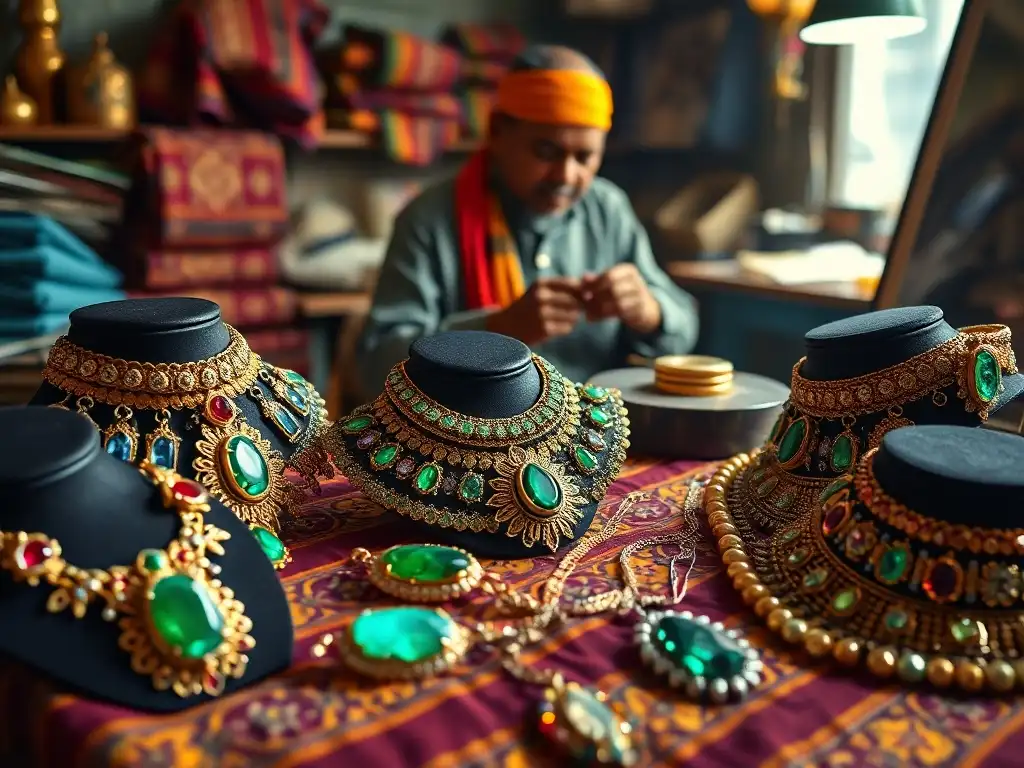
Indian gemstone jewelry is renowned for its diversity, reflecting the cultural and regional variances across the subcontinent. Each region has developed its distinctive styles, techniques, and uses of gemstones, which are often influenced by local traditions, resources, and historical contexts. Understanding these regional variations provides insight into the history of Indian gemstone jewelry and its evolution over millennia.
North Indian Jewelry Styles and Their Unique Features
North India, particularly during the Mughal era, became a center for exquisite gemstone jewelry. The Mughal emperors were known for their love of intricate designs and precious stones, leading to a flourishing of craftsmanship in this region.
- Kundan Jewelry:
- This style involves setting gemstones in gold foil, creating a stunning contrast.
- Features: Kundan pieces often showcase a combination of diamonds, emeralds, and rubies, with elaborate designs that may include floral motifs or intricate filigree.
- Meenakari:
- A technique of enameling that adds vibrant colors to gold or silver jewelry.
- Features: Meenakari pieces are often paired with Kundan settings, resulting in a colorful and opulent appearance.
- Polki:
- Uncut diamonds are used in Polki jewelry, giving it a raw and natural look.
- Features: This style is characterized by its antique finish and is often seen in bridal jewelry, symbolizing wealth and status.
South Indian Gemstone Jewelry: A Cultural Mosaic
In South India, jewelry reflects a blend of religious significance, regional techniques, and the cultural tapestry of the area.
- Temple Jewelry:
- Rooted in the worship rituals of deities, this type of jewelry is often adorned with images of gods and goddesses.
- Features: Typically made from gold, it features intricate carvings and is often embellished with precious and semi-precious stones.
- Antique Jewelry:
- South Indian antique jewelry is characterized by its traditional designs and heavy weight.
- Features: This jewelry often incorporates gems like emeralds, rubies, and pearls, with motifs that reflect the region’s heritage.
- Filigree Work:
- A craft that involves intricate designs made from thin wires of gold or silver.
- Features: Filigree jewelry is known for its delicate and lacy appearance, often used in earrings, necklaces, and bangles.
East vs. West: Contrasting Gemstone Trends in India
The eastern and western regions of India exhibit distinct approaches to gemstone jewelry, influenced by local customs and resources.
- East India (Bengal):
- Known for its use of vibrant colors and materials like glass and semi-precious stones.
- Features: Bengal’s traditional jewelry often features intricate beadwork and is commonly associated with festivals and celebrations.
- West India (Gujarat and Rajasthan):
- The jewelry here is characterized by bold designs and the extensive use of mirror work (known as shisha).
- Features: Rajasthani jewelry often includes large, statement pieces that incorporate colorful gemstones like turquoise and coral, reflecting the arid landscapes and rich culture.
- Contrasting Aesthetics:
- East Indian jewelry tends to be more minimalist and colorful, whereas West Indian styles are often extravagant and heavily embellished.
- Cultural Significance: Each region’s jewelry not only serves as adornment but also as a symbol of cultural identity and status.
The history of Indian gemstone jewelry is a testament to the incredible craftsmanship and rich cultural heritage of India, showcasing how artistry and tradition merge to create timeless pieces that continue to evolve.
Popular Gemstones in Indian Jewelry: A Historical Perspective
Throughout history, gemstones have played a significant role in the jewelry of ancient India, serving not only as adornments but also as symbols of power, spirituality, and status. The rich tradition of gemstone jewelry in India dates back thousands of years, with each gemstone carrying its own unique significance and history. This section explores the most popular gemstones used in Indian jewelry, highlighting their historical importance and the craftsmanship involved in their creation.
Diamonds: The Royal Stone of Ancient India
Diamonds have a storied place in Indian history, often referred to as the "king of gemstones." Their allure dates back to ancient times, with references found in texts such as the Arthashastra and the Mahabharata, indicating their valued status in royal and aristocratic circles.
- Historical Significance:
- The earliest diamonds in India were sourced from the Golconda mines, renowned for producing some of the world's largest and most famous diamonds, including the Koh-i-Noor and the Hope Diamond.
- Diamonds were believed to possess protective properties. Warriors often wore them as talismans in battle.
- Craftsmanship:
- The art of diamond cutting and polishing was highly advanced in ancient India, with techniques passed down through generations.
- Kundankari, a traditional form of setting diamonds, involves intricate designs that enhance the stone's brilliance and is still popular today.
Rubies and Sapphires: Symbolism and Craftsmanship
Rubies and sapphires hold a prestigious position in Indian jewelry, often symbolizing love, passion, and nobility. Historically, these gemstones have been associated with various royal dynasties.
- Historical Significance:
- Rubies were often referred to as the "king of gemstones" in ancient texts, symbolizing wealth and power. They were favored by kings and nobles, believed to bring prosperity and success.
- Sapphires, particularly the blue variety, were regarded as sacred and were used in talismans, believed to protect against evil.
- Craftsmanship:
- The craftsmanship involved in creating pieces with rubies and sapphires is highly intricate. Jadau is a traditional technique that incorporates these stones into gold jewelry, resulting in exquisite pieces that reflect the artistry of Indian artisans.
- The Meenakari technique, involving colorful enamel work, is often used alongside rubies and sapphires to create vibrant and visually stunning jewelry.
Emeralds: The Connection to Spirituality and Wealth
Emeralds have been cherished in Indian culture for their deep green color and associations with divinity and wealth. They are often linked to the planet Mercury in astrology and are considered highly auspicious.
- Historical Significance:
- Ancient texts, including the Sama Veda, reference emeralds as symbols of intelligence and growth. They were used by scholars and royalty alike.
- The Mughal emperors are particularly noted for their love of emeralds, often engraved with intricate designs and inscriptions, adding to their cultural significance.
- Craftsmanship:
- Emerald jewelry often features polki and cut stones, showcasing the skilled craftsmanship of Indian jewelers. The use of gold and other precious metals enhances the beauty of emeralds.
- The Kundan technique is prevalent in emerald jewelry, where the stones are set in gold foil, creating a stunning contrast that highlights the emerald's rich green hue.
The history of Indian gemstone jewelry is deeply intertwined with the cultural and spiritual fabric of the nation. From the regal diamonds to the vibrant rubies and serene emeralds, each gemstone tells a story of craftsmanship, symbolism, and heritage, making them timeless treasures in the world of jewelry.
Traditional vs. Contemporary Indian Gemstone Jewelry
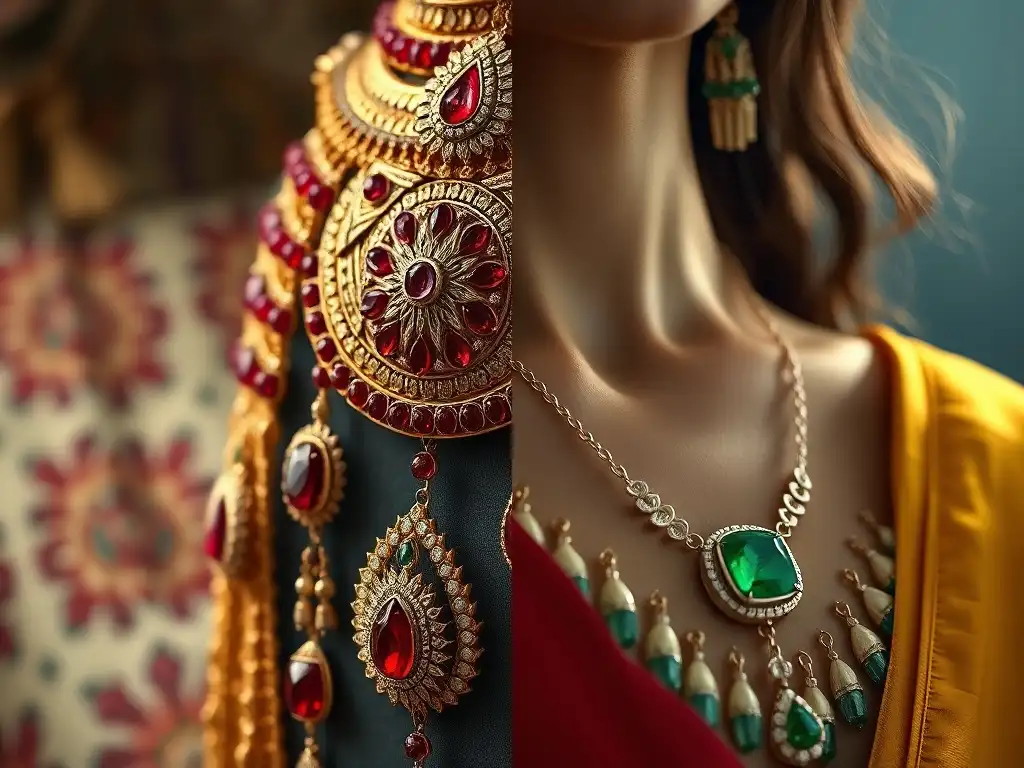
The history of Indian gemstone jewelry is a fascinating journey that reflects the evolution of craftsmanship and cultural identity over millennia. Traditional Indian gemstone jewelry is characterized by its intricate designs, use of vibrant gemstones, and the incorporation of cultural symbolism. In contrast, contemporary Indian gemstone jewelry embraces modern aesthetics while retaining elements of its rich heritage. Understanding the nuances between traditional and contemporary styles is crucial for appreciating the depth of Indian jewelry craftsmanship.
Preservation of Ancient Techniques in Modern Designs
Despite the rapid advancements in technology and design, many contemporary jewelers in India are committed to preserving ancient techniques that have been passed down through generations. Traditional methods such as Kundan, Meenakari, and Jadau are still employed, often reimagined in modern designs.
- Kundan: This technique involves setting gemstones in gold foil, creating a stunning visual effect. Contemporary designs might incorporate lighter metals or alternative stones, but the Kundan setting remains a hallmark of Indian craftsmanship.
- Meenakari: Known for its vibrant enamel work, Meenakari is often featured in modern pieces to add color and depth. Today's artisans blend Meenakari with contemporary motifs, bridging the gap between past and present.
- Jadau: This style involves intricate gold work and the setting of uncut diamonds and gemstones. Modern adaptations often simplify the design, making it more wearable while retaining the essence of this ancient art.
The preservation of these techniques is not only a tribute to the past but also a way to keep traditional artisanship alive in a rapidly changing marketplace. Jewelers are increasingly recognizing the importance of sourcing materials ethically and sustainably, which adds another layer of significance to their work.
The Fusion of Traditional and Contemporary Styles
The fusion of traditional and contemporary styles in Indian gemstone jewelry is a testament to the dynamic nature of cultural expression. This blend creates a unique aesthetic that appeals to both domestic and international markets.
- Design Innovations: Contemporary designers are experimenting with bold lines, asymmetrical shapes, and unconventional settings, which attract a younger audience while still incorporating traditional gemstones like rubies, emeralds, and sapphires.
- Customization: Today's consumers often seek personalized jewelry that reflects their individual style. Jewelers now offer bespoke services that combine traditional craftsmanship with modern design sensibilities, allowing customers to create one-of-a-kind pieces.
- Cultural Symbolism: Many modern designs still pay homage to the cultural significance of gemstones in Indian traditions. For instance, pieces may feature motifs inspired by ancient texts or folklore, merging storytelling with artistry.
This fusion not only enriches the jewelry market but also fosters a dialogue between generations, preserving the essence of ancient traditions while embracing modern influences. As a result, the history of Indian gemstone jewelry continues to evolve, ensuring its relevance in contemporary society.
The interplay between traditional and contemporary styles in Indian gemstone jewelry highlights the resilience of cultural heritage and the ongoing innovation within the craft. This evolution serves to inspire future artisans while honoring the rich legacy of Indian craftsmanship.
The Influence of Global Market Trends on Indian Jewelry
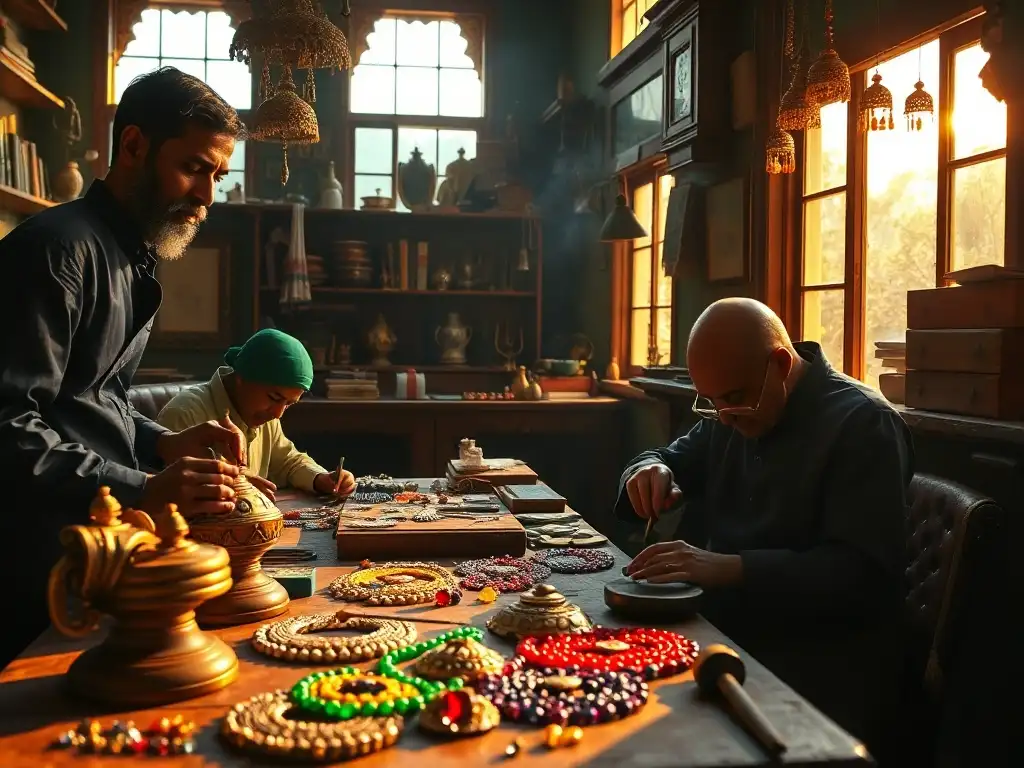
The evolution of Indian gemstone jewelry has been significantly shaped by global market trends throughout history. Understanding these influences provides insight into how Indian artisans have adapted their craftsmanship to meet international demand while preserving their rich cultural heritage.
Exporting Indian Gemstone Jewelry: A Historical Overview
Indian gemstone jewelry has a long-standing legacy, with roots tracing back to ancient civilizations such as the Indus Valley. The exportation of these exquisite pieces can be categorized into several key historical phases:
- Ancient Trade Routes:
- Indian gemstones were highly sought after as early as 3000 BCE. The famous Silk Road facilitated trade between India and regions like Persia, Rome, and beyond.
- Notable gems such as diamonds, pearls, and sapphires made their way to foreign lands, leading to a burgeoning international market for Indian craftsmanship.
- Medieval Period:
- During the medieval era, the Mughal Empire played a pivotal role in promoting Indian jewelry. The emperors' patronage of artisans created intricate designs that became synonymous with luxury.
- Exportation flourished as European traders sought to acquire these luxurious items, which were often adorned with intricate carvings and vibrant gemstones.
- Colonial Influence:
- The British colonial period brought significant changes to the structure of the jewelry market. Indian artisans were often employed to create jewelry for the elite in Europe.
- This era saw the introduction of Western styles and preferences, influencing the design of Indian gemstone jewelry while simultaneously expanding its market reach.
- Post-Independence Era:
- Following independence in 1947, India began to re-establish its identity in the gemstone market, focusing on the authenticity and uniqueness of its products.
- The establishment of organizations promoting Indian craftsmanship helped pave the way for increased exports, particularly during the late 20th century.
This historical overview underscores the adaptability of Indian craftsmen to global market trends, ensuring that their artistry continues to thrive in an ever-evolving landscape.
Current Market Trends: High CPC Opportunities in the Jewelry Sector
In recent years, the Indian gemstone jewelry market has experienced a significant transformation driven by current global market trends. The following points highlight key trends and high CPC (Cost Per Click) opportunities within the sector:
- Sustainable and Ethical Sourcing:
- Increasing consumer awareness regarding sustainability has led to a demand for ethically sourced gemstones. Indian artisans are now emphasizing transparency in their sourcing practices.
- This shift opens up CPC opportunities for brands that can effectively communicate their commitment to ethical practices, appealing to a conscientious consumer base.
- Digital Transformation:
- The rise of e-commerce platforms has revolutionized how Indian gemstone jewelry is marketed and sold globally. Online marketplaces provide access to a wider audience, enabling craftsmen to reach international customers directly.
- Investing in digital marketing strategies such as SEO and content marketing has become crucial for artisans and brands to enhance visibility and attract potential buyers.
- Customized and Personalized Jewelry:
- Today's consumers are increasingly seeking unique, customizable pieces that reflect their personal style. Indian jewelers who offer bespoke services can capitalize on this trend.
- High CPC opportunities arise from targeted advertising campaigns that promote personalized jewelry services, appealing to consumers looking for one-of-a-kind items.
- Fusion of Traditional and Contemporary Designs:
- There is a growing trend towards blending traditional Indian craftsmanship with modern design aesthetics. This fusion appeals to a diverse audience, including younger generations interested in heritage-inspired pieces.
- Marketing these innovative designs through various channels can attract high CPC rates, especially when targeting niche markets.
By adapting to these current market trends, Indian gemstone jewelry not only preserves its historical significance but also positions itself for growth in a competitive global marketplace. The fusion of tradition and modernity, coupled with a focus on sustainability, sets the stage for a prosperous future in the jewelry sector.
Conclusion: The Lasting Legacy of Indian Gemstone Jewelry
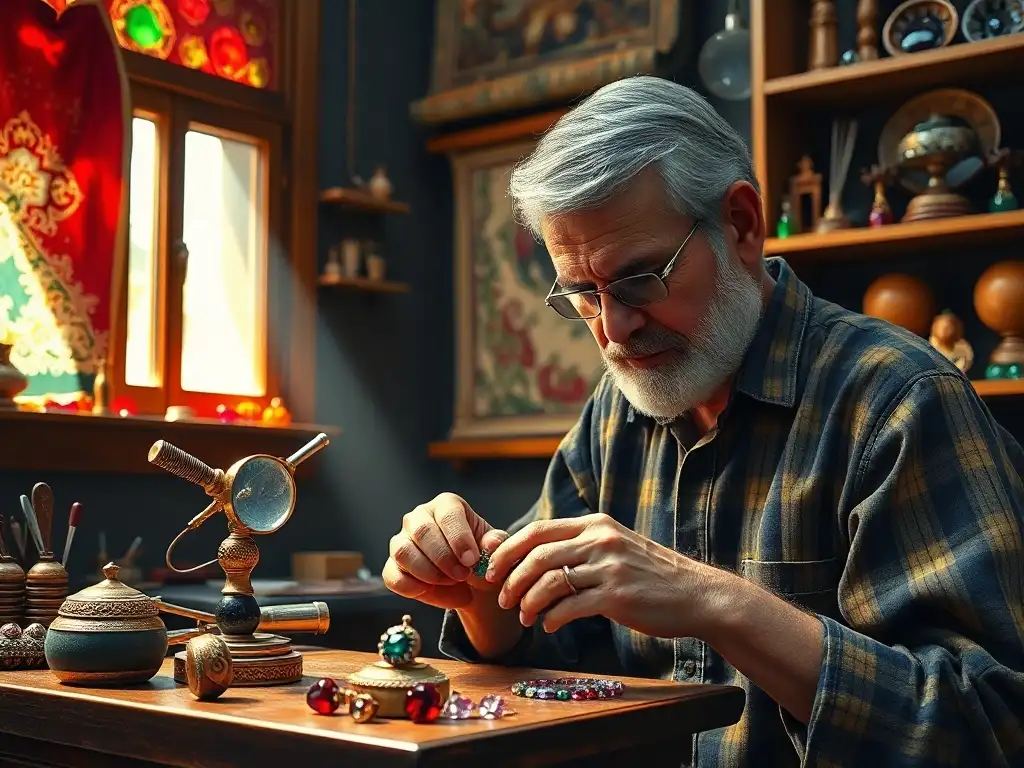
The history of Indian gemstone jewelry is a testament to the rich craftsmanship and cultural significance that has evolved over millennia. From the intricate designs of the Indus Valley civilization to the opulent creations of the Mughal era, each period has contributed to a legacy that continues to influence contemporary jewelry design.
This legacy is not just about aesthetics; it embodies the skills, traditions, and stories of artisans who have passed down their knowledge through generations. The lasting impact of these ancient practices is evident in the way modern jewelry is crafted and perceived, making it an integral part of India's cultural heritage.
Contemporary Relevance of Ancient Craftsmanship
Today, the craftsmanship of ancient Indian gemstone jewelry echoes through contemporary designs, highlighting the importance of traditional techniques and materials. Many artisans still utilize age-old methods such as:
- Kundan: A traditional form of gemstone setting where stones are set in gold foil, creating intricate patterns.
- Meenakari: An enameling technique that adds vibrant colors to the metal, often seen in jewelry pieces that require detailed artwork.
- Jadau: A technique where gemstones are set in a way that they appear to float above the surface of the jewelry, creating a three-dimensional effect.
These methods not only preserve the essence of ancient craftsmanship but also cater to modern tastes. The resurgence of interest in sustainable and handmade products has led to a renewed appreciation for traditional artisanship. Consumers are increasingly drawn to jewelry that tells a story, showcasing both the artistic and cultural narratives that have shaped Indian history.
Moreover, contemporary designers are incorporating traditional motifs and patterns into modern jewelry, merging the past with the present. For example, motifs inspired by nature, mythology, and historical architecture are prevalent in today's collections, reflecting India's rich heritage while appealing to a global audience.
Future Trends in Indian Gemstone Jewelry Industry
As the industry evolves, several trends are emerging that reflect both consumer preferences and technological advancements. The following points outline key trends shaping the future of Indian gemstone jewelry:
- Sustainability: With growing awareness about environmental issues, there is an increasing demand for ethically sourced gemstones and sustainable practices. Jewelers are now focusing on sourcing materials that are conflict-free and produced with minimal environmental impact.
- Customization: Personalized jewelry is on the rise, with consumers seeking unique pieces that reflect their individual styles and stories. Customization allows for the integration of personal significance within traditional designs, providing a deeper emotional connection to the jewelry.
- Fusion Designs: The blending of traditional Indian motifs with contemporary styles is becoming popular. This fusion attracts a younger audience who appreciate both heritage and modern aesthetics, leading to innovative creations that appeal to diverse tastes.
- Technology Integration: Advances in technology are transforming the jewelry industry. From 3D printing to augmented reality, these innovations allow for rapid prototyping and virtual try-ons, enhancing the shopping experience and streamlining the design process.
- Global Market Expansion: The appeal of Indian gemstone jewelry is not confined to domestic markets. Growing international interest is prompting Indian jewelers to explore foreign markets, showcasing the cultural richness of Indian craftsmanship on a global stage.
The history of Indian gemstone jewelry is not merely a reflection of the past; it is a living tradition that continues to evolve. By embracing both ancient techniques and modern trends, the Indian gemstone jewelry industry is poised for a vibrant future, ensuring that its rich legacy endures for generations to come.
Recommended Resources for Further Exploration
Books on the History of Indian Gemstone Jewelry
Exploring the history of Indian gemstone jewelry requires delving into various scholarly and artistic texts. Here are some noteworthy books that provide a comprehensive overview of this fascinating subject:
-
"Indian Jewelry: The Art of the Goldsmith" by R. K. Gupta
This book examines the intricate techniques and cultural significance of goldsmithing in India. It highlights the use of gemstones in traditional jewelry designs, showcasing historical examples and the evolution of styles over time.
-
"The Jewelry of India: History and Design" by P. S. K. Rao
A detailed exploration of Indian jewelry, this book covers various eras, including the Indus Valley civilization and the Mughal period. It features stunning photographs and insights into the craftsmanship behind gemstone jewelry.
-
"Gems and Jewelry: From Antiquity to the Present" by H. S. Sharma
This resource traces the journey of gemstones in Indian culture, from their origins to modern applications. It discusses the significance of various stones and their roles in traditional jewelry pieces.
-
"The Art of Indian Jewelry: A Traditional Perspective" by Neelam Puri
Focusing on the artistic journey of Indian jewelry, this book delves into the symbolism behind gemstones and their usage in various cultural contexts, enriching the reader's understanding of the history of Indian gemstone jewelry.
Online Courses on Jewelry Making Techniques
For those looking to deepen their understanding of Indian gemstone jewelry, several online platforms offer courses that cover traditional techniques and modern applications:
-
Skillshare - Indian Jewelry Making Techniques
This course introduces learners to traditional Indian jewelry-making techniques, focusing on the use of gemstones in intricate designs. Students will learn about tools, materials, and essential skills required for crafting beautiful pieces.
-
Coursera - Jewelry Design Basics
While not exclusively focused on Indian jewelry, this course provides a solid foundation in jewelry design principles that can be applied to gemstone jewelry. It covers aspects such as design theory, material selection, and crafting techniques.
-
Udemy - Advanced Jewelry Making with Gemstones
Aimed at those with some experience, this course dives deep into advanced techniques of working with gemstones in jewelry. It includes lessons on setting stones, creating unique designs, and understanding the properties of various gemstones.
Notable Brands and Artisans in Indian Gemstone Jewelry
The history of Indian gemstone jewelry is also shaped by notable brands and artisans who continue to innovate while preserving traditional methods. Here are some key players in the field:
-
Tanishq
A leading jewelry brand in India, Tanishq is known for its exquisite collections that often feature traditional Indian gemstone settings. Their designs incorporate cultural motifs, showcasing the rich heritage of Indian craftsmanship.
-
Amrapali
Renowned for its contemporary takes on ancient designs, Amrapali focuses on using traditional gemstones in modern jewelry. The brand draws inspiration from India's historical legacy while appealing to a global audience.
-
Popley & Sons
With a long-standing history in the jewelry industry, Popley & Sons emphasizes luxurious gemstone jewelry. Their pieces often reflect the opulence associated with Indian royal heritage, making them a staple in high-end markets.
-
Local Artisans
Across India, numerous artisans continue to uphold the traditional practices of gemstone jewelry making. These skilled craftsmen often work within their communities, passing down techniques and cultural stories that enrich the history of Indian gemstone jewelry.
By exploring these resources, enthusiasts can gain a deeper appreciation for the intricate craftsmanship and cultural significance behind Indian gemstone jewelry.
Frequently Asked Questions
What is the significance of gemstone jewelry in ancient Indian culture?
The history of Indian gemstone jewelry reflects the rich cultural heritage and artistry of ancient civilizations, showcasing the spiritual and social values associated with gemstones.
Which ancient civilizations contributed to the development of gemstone jewelry in India?
The Indus Valley Civilization and later the Maurya and Gupta Empires played pivotal roles in the craftsmanship and trade of gemstone jewelry, influencing styles and techniques.
What materials were commonly used in Indian gemstone jewelry?
Ancient Indian jewelers utilized a variety of precious and semi-precious stones, including diamonds, emeralds, rubies, and pearls, often set in gold or silver.
How did gemstone jewelry evolve during different periods in Indian history?
The craftsmanship and design of gemstone jewelry evolved significantly, incorporating various cultural influences and techniques, particularly during periods like the Mughal era and the Renaissance.
What are some contemporary influences on the history of Indian gemstone jewelry?
Today, traditional techniques are being blended with modern designs, leading to a resurgence of interest in Indian gemstone jewelry, while still honoring its historic roots and significance.
Final Reflection: The Timeless Legacy of Indian Gemstone Jewelry
The history of Indian gemstone jewelry is not merely a chronicle of adornment; it is a vibrant tapestry woven with threads of culture, tradition, and artistry that continues to resonate in today's world. As we explore the evolution of this exquisite craftsmanship, we uncover its profound relevance in contemporary society, where the appreciation for artisanal skills and cultural heritage is more vital than ever. The intricate designs and rich symbolism embedded in each piece serve as a reminder of our shared human experience and the beauty that arises from diversity.
Craftsmanship and culture are inextricably linked, shaping not only the aesthetics of jewelry but also the identities of communities and individuals. The legacy of Indian gemstone jewelry influences modern fashion and design, inspiring a renaissance of traditional techniques and sustainable practices. As we witness a resurgence in the appreciation for handmade artistry, we are reminded of the words of Mahatma Gandhi: The best way to find yourself is to lose yourself in the service of others.
This sentiment echoes through the artisans who dedicate their lives to preserving these age-old traditions, enriching our lives with their creations.
As you reflect on the journey of Indian gemstone jewelry, consider how you can incorporate the lessons of craftsmanship and cultural appreciation into your own life. Embrace the beauty of handmade artistry, support local artisans, and cherish the stories behind each piece of jewelry you encounter. By doing so, you not only honor the rich history of this craft but also contribute to its future, ensuring that the legacy of Indian gemstone jewelry continues to shine brightly for generations to come.
Embrace the Beauty of Indian Gemstone Jewelry!
Thank you for diving into the fascinating world of Indian gemstone jewelry with us! We've explored its rich craftsmanship and cultural significance, and now it's time to put that knowledge into action. Let's celebrate and honor this exquisite art form together!
Here are some exciting actions you can take to deepen your connection with Indian gemstone jewelry:
- Explore local artisans: Visit a nearby jewelry store or craft fair to support talented artisans by purchasing unique pieces that tell a story.
- Share the knowledge: Discuss this beautiful heritage with friends and inspire them to appreciate the artistry behind Indian gemstones.
- Join an online community of jewelry enthusiasts: Connect with others who share your passion and exchange insights on your favorite styles and designs.
What piece of Indian gemstone jewelry resonates with you the most, and why? We would love to hear your thoughts in the comments!