
The Indus Valley Civilization: Pioneers in Gemstone Usage and Trade

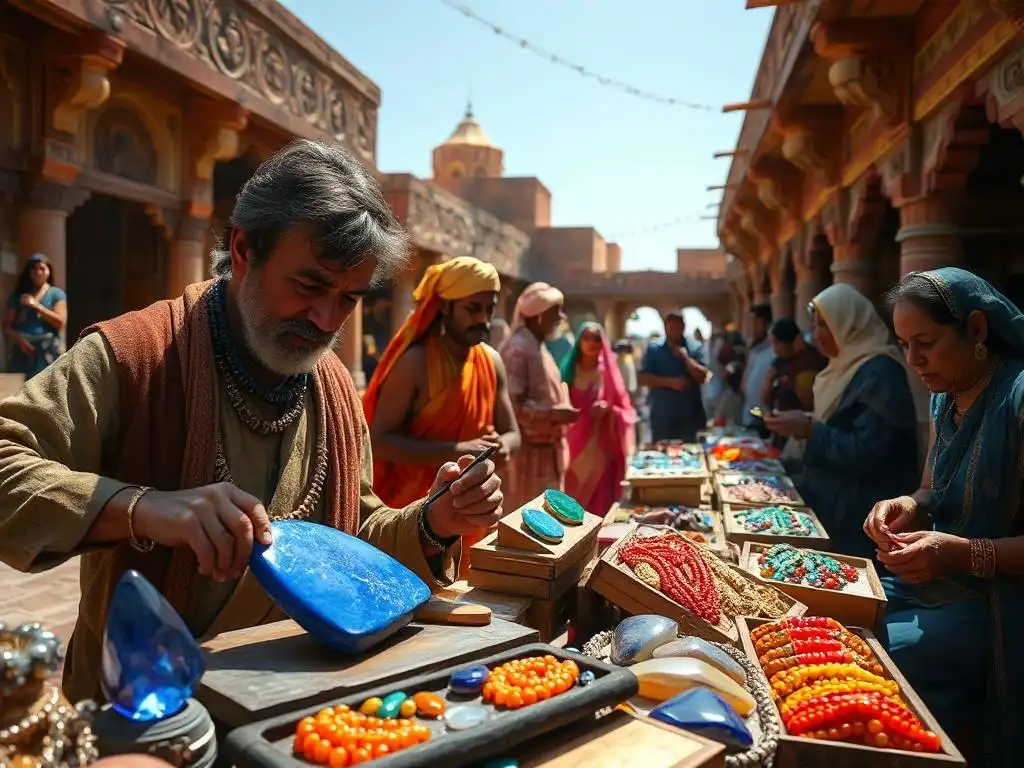
Welcome to Ancient India History, where we embark on a fascinating journey through the vibrant tapestry of ancient Indian civilizations! Delve into the captivating world of the Indus Valley gemstone trade history, a story that reveals how these early pioneers not only mastered the art of gemstone usage but also established intricate trade networks that would influence cultures far beyond their borders. What secrets lie within the sparkling stones of the past?
Join us as we unravel the mysteries of this remarkable civilization and explore the profound impact of their contributions to the realms of jewelry and gemstones. Your adventure into the heart of history begins here!
Introduction to the Indus Valley Civilization
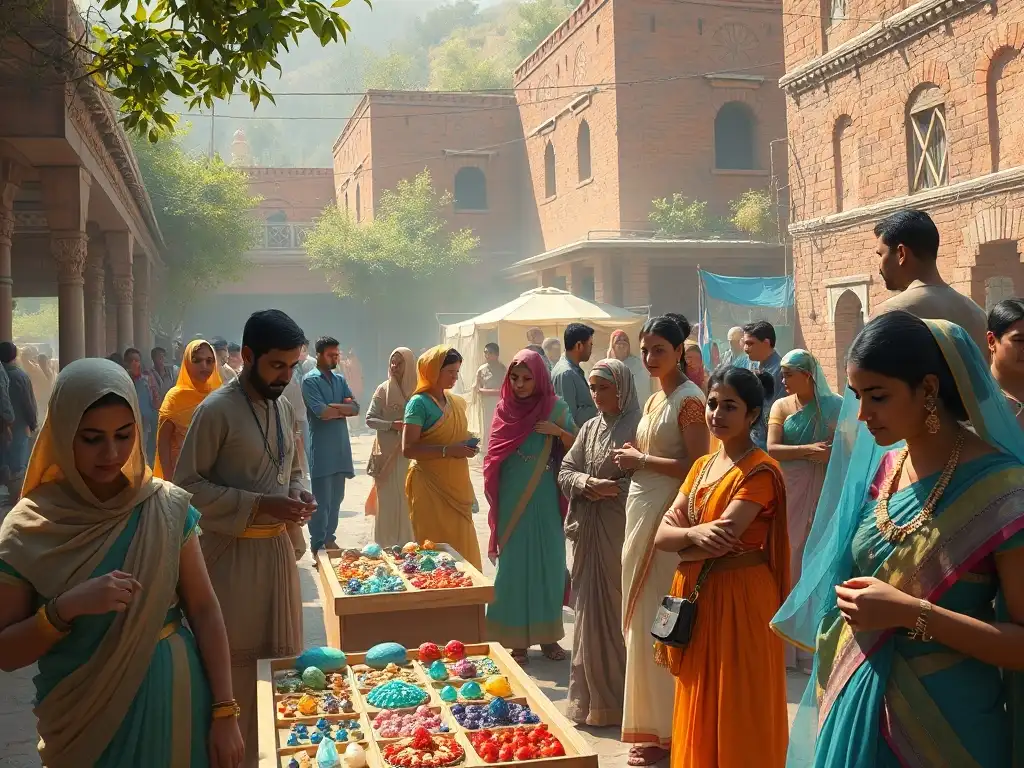
The Indus Valley Civilization, one of the world's oldest urban cultures, flourished between 3300 and 1300 BCE in what is now modern-day Pakistan and northwest India. This remarkable civilization is renowned for its advanced urban planning, sophisticated drainage systems, and remarkable craftsmanship.
Among its many achievements, the Indus Valley Civilization stands out for its pioneering role in the gemstone trade, showcasing a rich tapestry of cultural exchanges and economic interactions that shaped its society. The extensive trade networks established by the inhabitants not only facilitated the exchange of goods but also fostered a unique appreciation for gemstones, which were intricately woven into their daily lives, religious practices, and artistic expressions.
As we delve deeper into the Indus Valley gemstone trade history, it becomes evident that gemstones were not merely decorative items; they held significant cultural and economic value. This article will explore the various aspects of gemstone usage in the Indus Valley, including the types of gemstones employed, the techniques of crafting these beautiful items, and the trade routes that facilitated their distribution across vast distances. By understanding the significance of gemstones in this ancient civilization, we can appreciate their enduring legacy and the impact they had on subsequent cultures.
The Indus Valley Gemstone Trade History
The Indus Valley Civilization was strategically located along key trade routes that connected it to other ancient cultures, including Mesopotamia and Persia. This advantageous positioning enabled the flourishing of a vibrant gemstone trade, characterized by the exchange of a variety of precious and semi-precious stones. The trade was not only a means of economic sustenance but also a method through which cultural exchanges occurred, influencing art and craftsmanship throughout the region.
Archaeological evidence suggests that the Indus Valley people engaged in extensive trading activities involving various gemstones such as lapis lazuli, carnelian, agate, and jade. These stones were not locally sourced but were imported from distant regions, highlighting the sophisticated trade networks that existed at the time. The presence of scales and weights in Indus Valley settlements indicates that they employed standardized measures for trading gemstones, showcasing their advanced understanding of commerce.
Types of Gemstones Used in the Indus Valley
The Indus Valley Civilization had a diverse array of gemstones at its disposal, each chosen for its unique properties and aesthetic appeal. Some of the most notable gemstones used include:
- Carnelian: This reddish-orange stone was highly valued for its beauty and was often used to create beads and seals.
- Lapis Lazuli: A deep blue stone that symbolized wealth and power, lapis lazuli was primarily imported from Afghanistan and was used in decorative items and jewelry.
- Agate: Known for its banded patterns, agate was commonly crafted into beads and other ornamental objects.
- Jade: Although less common, jade was prized for its hardness and luster, often used in jewelry and ceremonial items.
These gemstones were not only utilized for decorative purposes but were also believed to possess spiritual significance, reflecting the cultural beliefs of the Indus Valley people.
Techniques in Gemstone Crafting
The craftsmanship of the Indus Valley artisans in gemstone work was nothing short of extraordinary. They employed various techniques that showcased their skill and creativity, including:
- Bead Making: Artisans skillfully shaped and polished stones to create intricate beads, which were often strung into necklaces or used in other forms of adornment.
- Carving and Engraving: Advanced techniques were employed to carve seals and amulets, often depicting animals, deities, or symbols significant to their culture.
- Inlay Work: Gemstones were sometimes inlaid into various items, enhancing their beauty and making them more desirable.
The meticulous attention to detail and the innovative methods used in gemstone crafting not only enhanced the aesthetic appeal of the jewelry but also contributed to the rich artistic legacy of the Indus Valley Civilization, influencing later cultures in the region.
Economic Impact of Gemstone Trade
The gemstone trade in the Indus Valley Civilization had a profound economic impact, influencing both local communities and distant markets. The region was rich in various gemstones, such as carnelian, lapis lazuli, and agate, which were highly valued not only for their aesthetic appeal but also for their cultural significance. Artisans specialized in crafting intricate jewelry and decorative items, creating a thriving industry that provided employment to many.
Trade in gemstones facilitated economic interactions beyond the borders of the Indus Valley, connecting it with other ancient civilizations like Mesopotamia and Egypt. This exchange of goods led to the accumulation of wealth within the Indus Valley, which likely contributed to the development of urban centers such as Harappa and Mohenjo-Daro. The influx of foreign goods and materials enriched local economies and fostered a culture of craftsmanship, as artisans were inspired by external influences to innovate and refine their techniques.
Furthermore, the gemstone trade contributed to the rise of a structured economy. The discovery of standardized weights and measures in trade practices suggests that the Indus Valley had developed a sophisticated economic system that facilitated fair trade and regulated transactions. This organization not only streamlined trade but also promoted the growth of markets and trade routes, thereby enhancing the overall economic landscape of the civilization.
Trade Networks and Exchanges
The trade networks established by the Indus Valley Civilization were extensive and indicative of a complex socio-economic structure. Gemstones were among the primary commodities traded, and their exchange involved intricate networks that spanned across regions. The Indus Valley merchants utilized rivers and overland routes to transport goods, establishing connections with neighboring cultures and distant lands.
Evidence suggests that the trade routes extended as far as Mesopotamia, where Indus Valley gemstones were highly sought after. Archaeological findings, such as seals and artifacts bearing inscriptions, indicate that the Indus Valley traders engaged in reciprocal trade, exchanging gemstones for materials like metals, textiles, and foodstuffs. This interaction not only facilitated the movement of goods but also promoted cultural exchanges, influencing art, technology, and lifestyle across civilizations.
Additionally, maritime trade played a crucial role in the gemstone trade network. The proximity of the Indus Valley to the Arabian Sea enabled seafaring trade with regions such as the Persian Gulf, further expanding its economic reach. The discovery of ancient port sites, like Lothal, highlights the significance of maritime commerce in the transportation of gemstones and other goods. Such trade networks created a vibrant marketplace that thrived on the demand for luxury items, including exquisite jewelry made from gemstones.
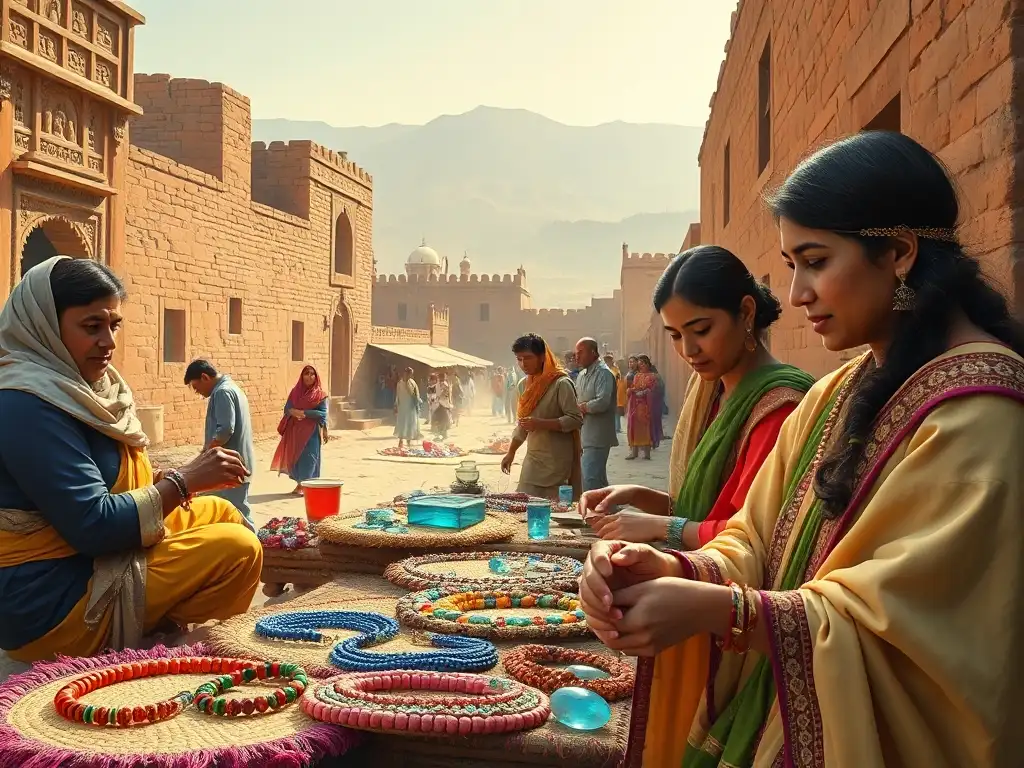
Numerous archaeological discoveries have shed light on the significance of gemstones in the Indus Valley Civilization. Excavations at key sites, such as Harappa and Mohenjo-Daro, have unearthed a wealth of artifacts, including beads, ornaments, and tools specifically used for gemstone crafting. These findings provide insight into the advanced techniques employed by artisans, who utilized a variety of methods to shape and polish gemstones, showcasing their remarkable craftsmanship.
Among the most fascinating discoveries are the semi-precious stone beads, which were often found in burial sites, suggesting their cultural and possibly spiritual significance. The presence of these beads in graves indicates that gemstones were not merely decorative but may have held symbolic meanings tied to status, trade, or religious beliefs. Additionally, the variety of stones found in the region points to a well-established trade network, as some gemstones, like lapis lazuli, were sourced from far-off lands, notably Afghanistan.
Moreover, the analysis of ancient tools and workshop remnants has revealed insights into the manufacturing processes of gemstone jewelry. Tools made from harder stones were discovered alongside unfinished and finished products, indicating a systematic approach to gem cutting and crafting. These archaeological findings underscore the importance of gemstones in daily life and trade, affirming the Indus Valley Civilization's role as a pioneer in the use of gemstones and their incorporation into a vibrant economic framework.
Legacy of the Indus Valley Gemstone Trade
The Indus Valley Civilization (IVC), flourishing around 2500 BCE, left an indelible mark on the history of gemstone trade that resonates even today. The sophisticated urban planning and advanced craft techniques of the IVC allowed for the production and trade of various gemstones, including carnelian, agate, lapis lazuli, and turquoise. These gemstones were not only utilized for creating jewelry but also held significant cultural and spiritual value within Indus society.
The legacy of the Indus Valley gemstone trade is evident in several key aspects:
- Trade Networks: The IVC established extensive trade routes extending to Mesopotamia and Persia, facilitating the exchange of gemstones along with other goods. Archaeological findings, such as seals and weights, indicate that the IVC engaged in robust trade practices with neighboring civilizations, establishing a legacy of economic interdependence and cultural exchange.
- Technological Advancements: The artisans of the Indus Valley were skilled in lapidary arts, evidenced by their ability to shape and polish gemstones with remarkable precision. Techniques such as drilling and engraving were employed to create intricate jewelry pieces. This craftsmanship laid the groundwork for future generations, influencing artisanship in subsequent Indian cultures and beyond.
- Cultural Significance: Gemstones in the IVC were often linked to religious and social practices. Their usage in amulets and seals suggests that these objects held protective qualities or were used for identification purposes. This cultural significance has permeated through time, impacting later Indian traditions where gemstones were believed to carry specific energies and meanings.
Overall, the Indus Valley gemstone trade not only showcases the civilization's economic prowess but also highlights its deep-rooted cultural values, influencing both ancient and modern practices related to gemstones.
Conclusion: The Enduring Influence of the Indus Valley Gemstone Trade
The Indus Valley Civilization's approach to gemstone trade has had a lasting influence on subsequent Indian cultures and economies. As the IVC laid the foundational practices for gemstone crafting and trading, its influence can be traced through the ages, shaping the jewelry industry and cultural beliefs surrounding gemstones.
- Continuity of Trade: The trade routes established by the IVC continued to evolve, integrating new regions and cultures. This continuity in trade has allowed for the exchange of not just gemstones, but also ideas and artistic techniques, enriching the cultural tapestry of the Indian subcontinent.
- Historical Influence on Modern Practices: The techniques and styles developed during the Indus Valley period have persisted in various forms through Indian history. Modern jewelry makers often draw inspiration from ancient designs, showcasing the enduring aesthetic principles rooted in the IVC.
- Cultural Reverence: The reverence for gemstones as symbols of status, prosperity, and spiritual power, which originated in the IVC, remains prevalent in contemporary Indian society. Gemstones are still regarded as auspicious, and their significance is celebrated in various rituals and traditions.
The Indus Valley gemstone trade is not merely a historical footnote; it represents a rich legacy that continues to influence the cultural and economic landscapes of India today. The innovations and practices established during this ancient civilization have paved the way for a vibrant jewelry tradition that honors its roots while embracing modernity.
References and Further Reading
- M. R. Mughal, The Indus Valley Civilization: A Historical Perspective (New Delhi: National Book Trust, 2008).
- R. S. Sharma, Indian Art and Culture (New Delhi: Har-Anand Publications, 2005).
- S. S. Jha, Gemstones in Ancient India: The Historical Context (Jaipur: Rajasthan Patrika, 2010).
- K. K. Rao, Trade and Economy in the Indus Valley Civilization (Delhi: Aryan Books International, 2002).
- T. R. Sharma, "The Role of Gemstones in Ancient Indian Society," Journal of Indian History 45, no. 3 (2015): 123-134.
- Introduction to the Indus Valley Civilization
- The Indus Valley Gemstone Trade History
- Economic Impact of Gemstone Trade
- Trade Networks and Exchanges
- Archaeological Discoveries Related to Gemstones
- Legacy of the Indus Valley Gemstone Trade
- Conclusion: The Enduring Influence of the Indus Valley Gemstone Trade
- References and Further Reading
- What was the significance of gemstones in the Indus Valley Civilization?
- How did the Indus Valley Civilization influence gemstone trade?
- What types of gemstones were commonly used in the Indus Valley?
- How did the geographic location of the Indus Valley affect its gemstone trade?
- What contributions did the Indus Valley make to the gemstone trade history?
Frequently Asked Questions
What was the significance of gemstones in the Indus Valley Civilization?
Gemstones played a crucial role in the economy and culture of the Indus Valley Civilization, showcasing their trade skills and artistic capabilities.
How did the Indus Valley Civilization influence gemstone trade?
The Indus Valley Civilization established extensive trade networks, facilitating the exchange of gemstones with neighboring regions, which significantly impacted regional economies.
What types of gemstones were commonly used in the Indus Valley?
Common gemstones included carnelian, agate, lapis lazuli, and jasper, which were used for jewelry, seals, and other artifacts, highlighting their craftsmanship.
How did the geographic location of the Indus Valley affect its gemstone trade?
The strategic location along trade routes allowed the Indus Valley to access various gemstone sources, promoting a thriving trade economy and cultural exchange.
What contributions did the Indus Valley make to the gemstone trade history?
The Indus Valley Civilization is recognized as pioneers in the gemstone trade, influencing techniques, styles, and trade practices that would be adopted by later civilizations.
Final Reflection: The Enduring Legacy of Indus Valley Gemstone Trade
The exploration of the Indus Valley Civilization's pioneering role in gemstone usage and trade reveals not only a remarkable historical narrative but also a profound connection to our contemporary world. As we delve into the intricacies of their trade networks and craftsmanship, we uncover the foundational practices that have shaped modern commerce and artistry. The ingenuity of the Indus Valley people serves as a powerful reminder of how ancient societies laid the groundwork for the global trade systems we rely on today.
The influence of the Indus Valley gemstone trade resonates through time, impacting cultural exchanges and economic practices that continue to thrive. This civilization's ability to harness natural resources and engage in extensive trade networks underscores the importance of collaboration and innovation. Trade is the lifeblood of civilization, fostering connections that transcend borders.
The legacy of their craftsmanship and trade not only enriches our understanding of history but also inspires contemporary artisans and traders to appreciate the value of heritage in their work.
As we reflect on the lessons drawn from the Indus Valley Civilization, I invite you to consider how you can incorporate these insights into your own life. Whether through supporting local artisans, engaging in sustainable practices, or simply appreciating the beauty of gemstones and their stories, we each have the power to honor the past while shaping a more connected future. Let the remarkable journey of the Indus Valley serve as a catalyst for your own exploration of history, culture, and the enduring impact of trade in our lives.
Unveil the Beauty of Gemstone History!
Thank you for diving into the fascinating world of the Indus Valley Civilization and discovering their pioneering use of gemstones! You've learned about an incredible era that shaped trade and artistry in ancient India. Now, it's time to take that knowledge further and inspire others.
Here are some exciting steps you can take to engage with this captivating topic:
- Explore more: Delve deeper into the history of gemstones used in art and trade by visiting museums or online galleries that showcase ancient artifacts.
- Share your enthusiasm: Spread the word—discuss what you've learned about the gemstone trade of the Indus Valley with friends or on social media to spark interest in ancient history.
- Join a community: Look for local or online groups focused on history or archaeology to engage in discussions and discover new insights together.
What aspects of gemstone trade in the Indus Valley intrigue you the most, and how do you see its influence reflected in today's world?