
The Economic Achievements of the Mauryan Empire Under Chandragupta

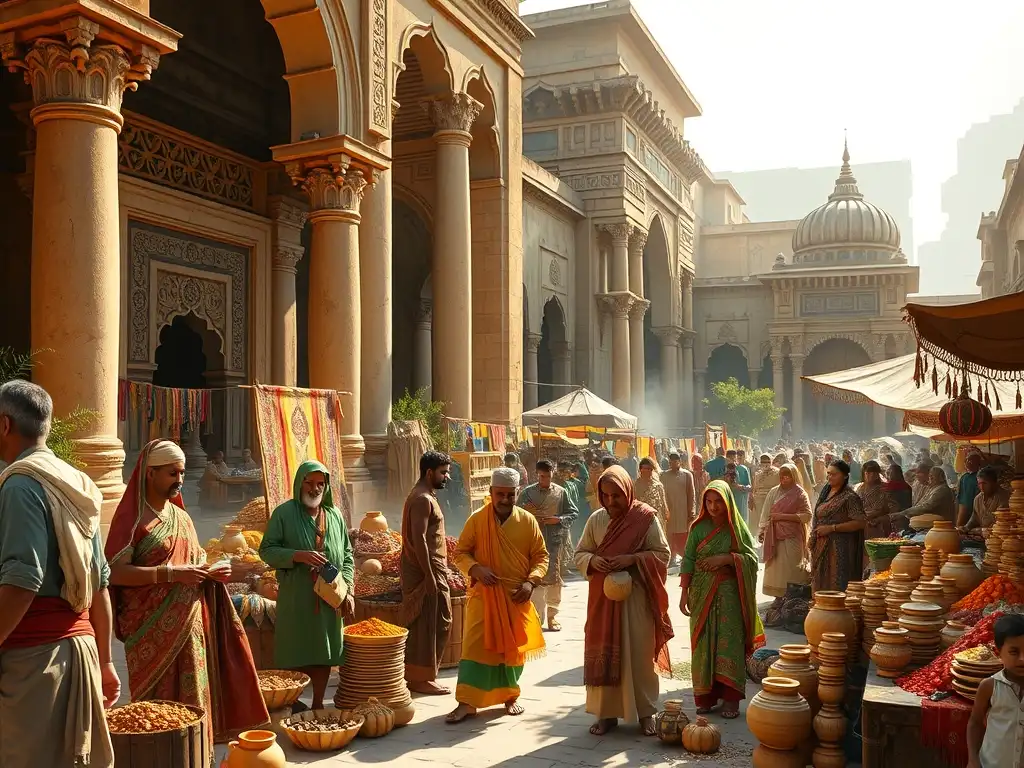
Welcome to Ancient India History, where we embark on a journey through the rich tapestry of India's past. Today, we delve into the remarkable economic achievements of the Mauryan Empire under Chandragupta, a pivotal period that laid the foundations for prosperity and innovation. As you explore the intricate details of this era, you'll uncover how strategic governance and trade transformed a fledgling empire into a powerhouse of economic prowess.
Prepare to be captivated by the stories and insights that await you, and discover how the legacy of the Mauryan Empire continues to influence us today. Join us as we unravel the secrets of ancient India's thriving civilizations!

Introduction to the Mauryan Empire
The Mauryan Empire, one of the most significant and expansive empires in ancient India, flourished from 322 to 185 BCE. Established by Chandragupta Maurya, this empire not only marked a pivotal moment in Indian history but also laid the groundwork for significant economic achievements that would shape the region for centuries.
The economic framework developed during this period is particularly noteworthy, as it integrated various aspects of trade, agriculture, and industry, reflecting the sophistication of ancient Indian civilization. This article delves into the economic achievements of the Mauryan Empire under Chandragupta, exploring the innovative systems and policies that contributed to its prosperity and stability.
Overview of the Mauryan Empire
The Mauryan Empire, known for its vast territorial expanse, encompassed much of the Indian subcontinent, reaching from the eastern parts of modern-day India to parts of Afghanistan and Pakistan. Chandragupta Maurya, the empire's founder, unified numerous regional kingdoms, establishing a centralized administration that facilitated economic growth. The Mauryan political structure was characterized by a strong bureaucracy and an effective taxation system, which played a crucial role in the empire's economic success.
Key features of the Mauryan Empire include:
- Centralized Governance: The establishment of a comprehensive administrative framework.
- Infrastructure Development: Construction of roads and communication networks, enhancing trade and mobility.
- Cultural Flourishing: Promotion of arts and sciences, reflecting the wealth generated from economic activities.
Significance of Chandragupta Maurya in History
Chandragupta Maurya is celebrated not only as a formidable warrior but also as a visionary leader who recognized the importance of a robust economy to sustain his empire. His strategies in governance and economic management laid down principles that would influence future Indian dynasties.
Notable aspects of his reign include:
- Establishment of Trade Routes: Facilitating commerce across regions.
- Strengthening Agriculture: Implementing agricultural reforms that increased productivity.
- Promoting Artisanship: Encouraging crafts and trades, leading to economic diversification.
Economic Landscape of Ancient India
Understanding the economic achievements of the Mauryan Empire necessitates an exploration of the economic landscape preceding its rise. The economic systems in ancient India were diverse, characterized by agriculture, trade, and artisanal production.
Understanding the Economic Systems Before the Mauryan Empire
Before the Mauryan Empire emerged, ancient Indian economies were primarily agrarian, with local markets serving as centers for trade. Key features included:
- Barter System: Goods were exchanged directly, limiting trade scope.
- Regional Variations: Economic practices varied significantly across different regions, influenced by geography and culture.
- Cottage Industries: Small-scale production dominated, with families engaged in crafts and trades.
Transition to the Mauryan Economic Model
With the advent of the Mauryan Empire, a transformative shift occurred in the economic landscape. Chandragupta Maurya's administration introduced a structured economic model that incorporated various elements to enhance productivity and trade efficiency.
Key elements of this transition include:
- Standardization of Weights and Measures: Facilitating trade and commerce.
- Development of Urban Centers: Cities became hubs of economic activity, fostering trade.
- Taxation Reforms: A systematic approach to taxation that supported state revenues and public welfare.
Through these economic strategies, the Mauryan Empire under Chandragupta Maurya not only achieved remarkable economic milestones but also set a precedent for future Indian empires. The legacy of this period continues to resonate in the historical narrative of ancient India.
Key Economic Achievements of the Mauryan Empire

The Mauryan Empire, particularly under the leadership of Chandragupta Maurya, marked a significant shift in the economic landscape of ancient India. This period saw various economic achievements that laid the foundation for sustained prosperity and cultural development. The empire's economy was characterized by innovations in agriculture, expansion of trade, efficient taxation policies, and robust infrastructure development. These factors collectively contributed to the empire's wealth and stability, enabling it to support a vast administrative framework and a flourishing culture.
Agricultural Innovations and Productivity
Agriculture was the backbone of the Mauryan economy, and during Chandragupta's reign, several innovations significantly enhanced agricultural productivity. The introduction of new farming techniques, including improved irrigation methods, allowed for more effective use of water resources, especially in arid regions. The Mauryan Empire also witnessed the cultivation of diverse crops beyond traditional staples, such as rice and wheat, incorporating pulses and spices that contributed to both local consumption and trade.
Additionally, the Mauryan agrarian reforms included the promotion of crop rotation and the use of fertilizers, which led to increased yields. The establishment of state granaries ensured that surplus produce could be stored and utilized during lean seasons, thus stabilizing food supply and prices. This focus on agricultural productivity not only supported the local population but also created surplus for trade, enhancing the empire's overall economic strength.
Trade and Commerce Expansion
The Mauryan Empire under Chandragupta became a hub of trade and commerce, connecting various regions of India and facilitating exchanges with neighboring territories. The empire's strategic location allowed merchants to engage in both internal and external trade, significantly boosting economic activity. Major trade routes emerged, linking the eastern and western parts of the empire and extending to the Mediterranean and Central Asia.
Chandragupta's policies encouraged trade by reducing tolls and ensuring the safety of trade caravans. The growth of urban centers along these trade routes fostered a vibrant marketplace where artisans, traders, and consumers could interact. The Mauryan administration established standardized weights and measures, which facilitated fair trade practices and helped integrate various regional economies. As a result, commerce flourished, leading to increased wealth and cultural exchange.
Taxation Policies and Revenue Generation
A key element of the economic achievements of the Mauryan Empire was its taxation system, which was meticulously organized under Chandragupta's rule. The empire employed a well-defined system of taxation that included land revenue, trade taxes, and various other levies on agricultural produce and commerce. This structure ensured a steady flow of revenue to the state, which was crucial for maintaining the large bureaucracy and military.
Chandragupta's administration utilized the insights of Kautilya (Chanakya), who emphasized the importance of fair and efficient taxation without overburdening the populace. The taxes collected were used for public welfare, infrastructure development, and defense, which in turn promoted economic stability. Moreover, the emphasis on accountability and transparency in tax collection helped to maintain trust between the rulers and the governed, fostering a sense of loyalty and community.
Infrastructure Development Under Chandragupta
Infrastructure development was pivotal in enhancing the economic achievements of the Mauryan Empire. Chandragupta initiated extensive projects aimed at improving connectivity and facilitating trade, which in turn supported agricultural and commercial activities. The robust infrastructure laid during this period made a lasting impact on the economy and society.
Road Construction and Trade Facilitation
One of the most notable achievements in infrastructure during Chandragupta's reign was the construction of an extensive network of roads. These roads connected major cities and towns, allowing for efficient movement of goods, people, and information. The Grand Trunk Road, which later became a vital artery of trade, is a testament to the engineering prowess of the Mauryan Empire.
The roads were strategically designed to facilitate trade by ensuring that markets were accessible and that merchants could transport their goods with ease. Along these routes, rest stops and inns were established, providing amenities for travelers and traders. The improvement in transportation not only boosted trade but also promoted cultural exchange and integration among various regions within the empire.
Urban Planning and Economic Centers
Chandragupta's vision for urban planning led to the establishment of well-organized cities that served as economic centers. Cities like Pataliputra (the capital) were meticulously planned, featuring wide streets, public buildings, and marketplaces that catered to a burgeoning population. The urban centers were designed to support various economic activities, from trade to artisanal production.
Marketplaces in these cities became focal points of commerce, where traders from different regions exchanged goods, ideas, and cultures. The Mauryan administration actively promoted urbanization, which not only enhanced economic activities but also contributed to the development of a sophisticated society. The emphasis on urban planning and the establishment of economic centers under Chandragupta set the stage for future advancements in India’s urban landscape and economic framework.
Contributions to Artisanship and Industry
The Mauryan Empire, particularly under the rule of Chandragupta Maurya, witnessed significant advancements in artisanship and industry. This period marked a flourishing of skills and crafts that not only contributed to the empire's economy but also shaped its cultural identity. The state supported various forms of craftsmanship, which included textiles, metalwork, pottery, and stone carving. These industries thrived due to a combination of royal patronage and the establishment of trade routes that connected the Mauryan Empire to distant markets.
Artisans were organized into guilds, which played a crucial role in regulating production, quality, and pricing of goods. This organization facilitated specialization, allowing artisans to hone their skills and innovate within their crafts. Overall, the emphasis on artisanship during the Mauryan period laid a strong foundation for future economic development and cultural richness in India.
Growth of Handicrafts and Artisanal Products
The Mauryan Empire saw a remarkable growth in handicrafts and artisanal products, which were a vital part of its economy. Craftsmen produced a wide array of goods, including textiles, jewelry, pottery, and metal objects. The rich natural resources available in the region, such as cotton and precious metals, greatly contributed to this boom in handicrafts.
- Textiles: The production of cotton textiles became a major industry, with artisans employing intricate weaving techniques that were highly valued both locally and internationally.
- Metalwork: The empire was known for its sophisticated metalwork, including tools, weapons, and ornate jewelry. The use of alloys and techniques such as gilding showcased the artisans' advanced skills.
- Pottery: Terracotta and glazed pottery were widely produced, featuring both utilitarian and decorative items that reflected the artistic sensibilities of the time.
The diversity and quality of these products attracted trade with other regions, enhancing the economic stature of the Mauryan Empire.
Role of Guilds in Economic Development
Guilds played a pivotal role in the economic development of the Mauryan Empire by providing structure and support for artisans and traders. These associations helped in regulating various aspects of production and commerce, including:
- Quality Control: Guilds established standards for workmanship that ensured high-quality production, which was essential for maintaining consumer trust and market stability.
- Training and Apprenticeship: They facilitated the training of new artisans through apprenticeship programs, thereby preserving traditional skills and fostering innovation within various crafts.
- Market Regulation: Guilds often negotiated prices and controlled the supply of goods, acting as intermediaries between producers and consumers. This regulation helped to stabilize the market and enhance economic growth.
Through these functions, guilds contributed significantly to the economic prosperity of the Mauryan Empire, allowing it to thrive as a center of trade and craftsmanship.
Conclusion: Legacy of the Mauryan Empire's Economic Achievements
The economic achievements of the Mauryan Empire under Chandragupta Maurya left an indelible mark on the history of India. The emphasis on artisanship, industry, and trade not only enhanced the empire's wealth but also laid the groundwork for future economic systems in the region.
Lasting Impact on Subsequent Indian Economies
The innovations and practices established during the Mauryan Empire had lasting impacts on subsequent Indian economies. The guild system, which became a model for later trade organizations, continued to influence economic activities well into medieval and modern periods. The focus on craftsmanship and quality also set standards that artisans in future Indian empires would aspire to meet, contributing to India's reputation as a center of high-quality goods.
Moreover, the trade networks initiated during this era expanded over time, connecting India to broader markets in Asia and beyond, thereby embedding India into the global economy.
Reflection on Chandragupta’s Economic Vision
Chandragupta's economic vision was characterized by strategic planning and state support for economic activities. His recognition of the importance of a strong economy as a foundation for a stable empire facilitated the development of various industries and trade. By promoting artisanship and establishing guilds, he ensured that the economic framework of the Mauryan Empire was robust and resilient.
Chandragupta's legacy is reflected in the way economic policies were shaped in later Indian states, influencing rulers to prioritize economic development as a means of strengthening their power. The Mauryan Empire's achievements under his leadership remain a testament to the importance of economic foresight in governance.
- Introduction to the Mauryan Empire
- Overview of the Mauryan Empire
- Significance of Chandragupta Maurya in History
- Economic Landscape of Ancient India
- Key Economic Achievements of the Mauryan Empire
- Infrastructure Development Under Chandragupta
- Contributions to Artisanship and Industry
- Conclusion: Legacy of the Mauryan Empire's Economic Achievements
- What were the key economic achievements of the Mauryan Empire?
- How did Chandragupta Maurya contribute to the empire's economy?
- What role did trade play in the Mauryan Empire's economy?
- How did the Mauryan Empire manage its taxation system?
- Were there any notable infrastructural developments during the Mauryan Empire?
Frequently Asked Questions
What were the key economic achievements of the Mauryan Empire?
The Mauryan Empire under Chandragupta is noted for its agricultural advancements, extensive trade networks, and the establishment of a centralized tax system that boosted revenue.
How did Chandragupta Maurya contribute to the empire's economy?
Chandragupta laid the foundation for a strong economy by implementing effective administrative policies, promoting trade and industry, and ensuring agricultural productivity through irrigation projects.
What role did trade play in the Mauryan Empire's economy?
Trade was vital for the Mauryan economy, facilitating the exchange of goods like spices, textiles, and metals with regions like Persia and the Mediterranean, enhancing wealth and cultural exchange.
How did the Mauryan Empire manage its taxation system?
The Mauryan Empire established a centralized taxation system that efficiently collected taxes from agriculture and trade, ensuring the economic stability of the empire and funding public services.
Were there any notable infrastructural developments during the Mauryan Empire?
Yes, the Mauryan Empire saw significant infrastructural developments, including the construction of roads, trade routes, and harbors, which facilitated commerce and improved connectivity within the empire.
Final Reflection: The Lasting Legacy of the Mauryan Empire's Economic Achievements
The economic achievements of the Mauryan Empire under Chandragupta are not just historical footnotes; they are a testament to the power of strategic governance and innovation in fostering economic prosperity. Today, as we navigate complex global economies, the lessons from the Mauryan Empire resonate more than ever. The ability to implement effective taxation, promote trade, and encourage agricultural advancements laid a foundation that many modern economies still strive to emulate.
The influence of the Mauryan Empire extends beyond its time, shaping cultural and social landscapes in ways that continue to inspire. The principles of economic management, statecraft, and infrastructure development established during this period have left an indelible mark on subsequent civilizations. The greatness of a nation and its moral progress can be judged by the way its animals are treated.
This quote by Mahatma Gandhi reflects the ethical considerations that can accompany economic success, reminding us that prosperity should be inclusive and sustainable. The Mauryan Empire's achievements remind us that economic growth must also consider the welfare of all citizens.
As we reflect on the economic achievements of the Mauryan Empire, I invite you to consider how these historical lessons can inform your own life and decisions. What strategies can you adopt from this ancient wisdom to foster growth in your personal or professional endeavors? Let the legacy of Chandragupta inspire you to seek innovative solutions and embrace the interconnectedness of our global economy, ensuring that your contributions lead to a more prosperous and equitable future for all.
Unleash the Lessons of the Mauryan Empire!
Thank you for diving into the remarkable economic achievements of the Mauryan Empire under Chandragupta! Your interest not only expands your knowledge of Ancient India but also illuminates the timeless strategies of effective leadership and resource management. Now, it’s time to apply these lessons in your own journey!
Here are a few ways to embrace the wisdom of the Mauryan Empire:
- Explore documentaries and historical fiction that showcase Chandragupta’s strategies to inspire your own leadership style.
- Share your insights with friends or on social media—initiate a conversation about how lessons from ancient empires can influence modern economic decisions.
- Discover a local historical site or museum that highlights India’s rich history, enhancing your understanding beyond the written word.
What aspect of the Mauryan Empire’s economy resonated most with you, and how will you implement that insight in your life today?