
The Role of Chanakya: How Chandragupta’s Mentor Shaped His Destiny

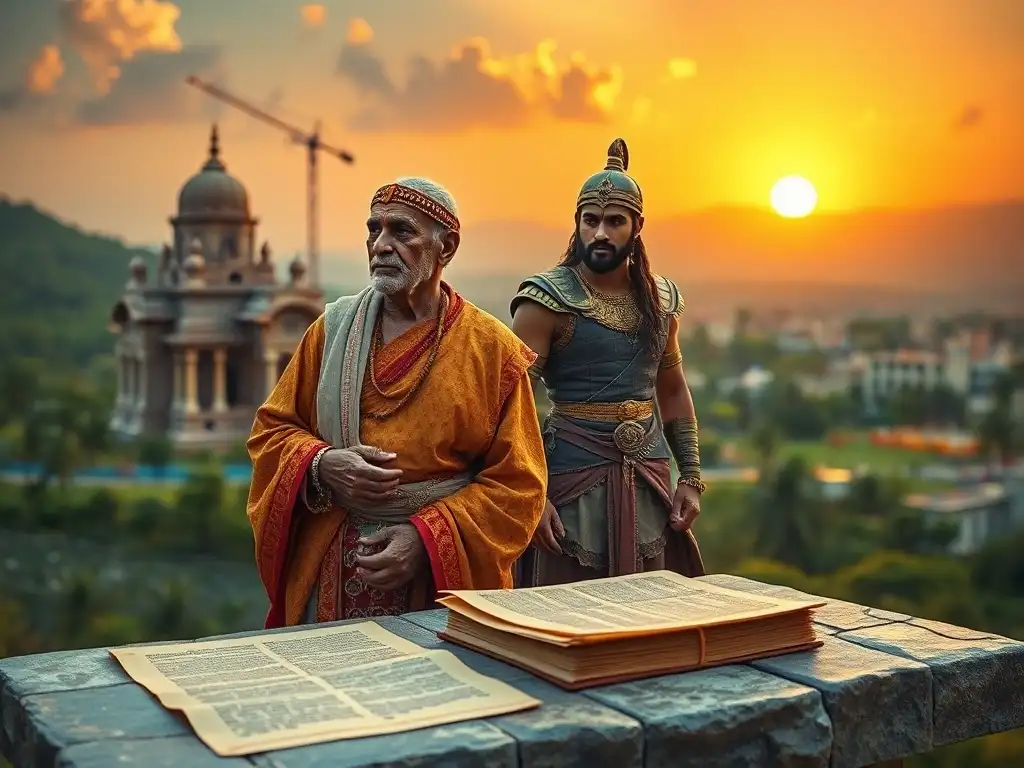
Welcome to Ancient India History, where we delve into the captivating tapestry of India’s illustrious past. In this exploration, we invite you to uncover the profound influence of Chanakya on Chandragupta, a relationship that not only shaped an empire but also altered the course of history. As you read our featured article, "The Role of Chanakya: How Chandragupta’s Mentor Shaped His Destiny," you’ll discover the strategic brilliance and wisdom of Chanakya, and how his mentorship propelled Chandragupta to greatness.
Prepare to be intrigued as we unravel the intricate connections between these two key historical figures and their remarkable contributions to ancient civilization. Your journey through time begins now!

Introduction
In the annals of ancient Indian history, few figures stand out as prominently as Chanakya, the astute strategist and philosopher who played a pivotal role in shaping the destiny of Chandragupta Maurya. Born into a time of political fragmentation and social upheaval, Chanakya's influence on Chandragupta is not merely a tale of mentorship; it is a profound narrative of vision, strategy, and the relentless pursuit of a unified India.
This article delves into the intricacies of their relationship and the immense impact Chanakya had on Chandragupta’s rise to power, providing a lens through which to explore the broader implications of mentorship in ancient societies.
Understanding the Historical Context of Chanakya and Chandragupta
To fully appreciate the significance of Chanakya's influence on Chandragupta, it is essential to understand the historical backdrop against which their stories unfold. The late 4th century BCE was marked by the decline of the Nanda Empire and the increasing turmoil brought about by rival kingdoms. Amidst this chaos, Chanakya emerged as a key figure, driven by his vision of a strong and unified Indian empire.
The Maurya Empire: A Brief Overview
The Maurya Empire, founded by Chandragupta Maurya in 322 BCE, represented a significant turning point in Indian history. Under the strategic guidance of Chanakya, Chandragupta was able to overthrow the Nandas and establish a vast empire that stretched across much of the Indian subcontinent. Key features of the Maurya Empire included:
- Centralized Administration: A well-structured governance system that allowed for efficient control over vast territories.
- Economic Prosperity: Trade flourished, and the empire became a hub for commerce and culture.
- Cultural Developments: The Mauryan period saw advancements in art, architecture, and philosophy, setting the stage for future dynasties.
The rise of the Maurya Empire not only changed the political landscape of India but also laid the groundwork for the future unification of the region.
The Importance of Mentorship in Ancient India
In ancient Indian society, mentorship played a crucial role in shaping the destinies of leaders and thinkers alike. Chanakya's mentorship of Chandragupta exemplifies this dynamic relationship. Some key aspects of mentorship during this era included:
- Transference of Knowledge: Mentors like Chanakya imparted wisdom regarding governance, military strategy, and statecraft.
- Moral and Ethical Guidance: Beyond tactical knowledge, mentors often served as moral compasses, influencing the values and principles of their mentees.
- Political Alliances: Mentoring relationships often facilitated the formation of strategic alliances crucial for political stability and expansion.
The bond between Chanakya and Chandragupta is a testament to the power of mentorship, illustrating how the right guidance can alter the course of history.
Who Was Chanakya?
Chanakya, also known as Kautilya or Vishnugupta, was a renowned ancient Indian philosopher, economist, and political strategist who played a pivotal role in the establishment of the Maurya Empire. Born around 350 BCE in what is now India, he is best known for his work, the Arthashastra, a comprehensive treatise on statecraft, economic policy, and military strategy. Often depicted as a shrewd and astute figure, Chanakya's contributions extend beyond politics; he is also celebrated for his insightful observations on human behavior and governance.
Chanakya served as the chief advisor to Chandragupta Maurya, the founder of the Maurya Empire, and his strategic acumen was instrumental in overthrowing the Nanda dynasty, which ruled over Magadha at the time. His legacy endures through his teachings and the principles he advocated, influencing not only political thought in ancient India but also modern governance and management practices. Chanakya is revered as a symbol of wisdom and intelligence, often quoted for his aphorisms on leadership and ethics.
Early Life and Education of Chanakya
Chanakya was born into a Brahmin family in the ancient city of Taxila, a prominent center of learning in present-day Pakistan. His early life was marked by rigorous education in various fields, including philosophy, linguistics, and economics. He is believed to have studied at the ancient university of Takshashila, where he gained a profound understanding of political science and statecraft.
According to historical texts, Chanakya was deeply influenced by the political turmoil during his youth, especially the oppressive rule of the Nandas. This environment shaped his worldview and motivated him to seek a powerful ruler who could unify the fragmented Indian states. His education was not merely academic; it was also practical, as he learned to navigate the intricate dynamics of power and governance.
Chanakya's Philosophies and Teachings
Chanakya's philosophies are encapsulated in the Arthashastra, which outlines his views on governance, economics, and military strategy. His teachings emphasize pragmatism, advocating for a realistic approach to statecraft. Key themes in his work include:
- Realpolitik: Chanakya believed in the necessity of power and control, often suggesting that rulers should not hesitate to use cunning and strategy to achieve their ends.
- Ethics in Governance: While he promoted a pragmatic approach, he also emphasized the importance of dharma (duty and righteousness) in leadership, arguing that ethical governance leads to a stable state.
- Importance of Knowledge: Chanakya placed immense value on education and knowledge, encouraging leaders to be well-informed and adaptable to changing circumstances.
His teachings continue to resonate, offering insights into the complexities of leadership and the interplay between morality and power.
Chanakya’s Influence on Chandragupta
Chanakya's influence on Chandragupta Maurya was profound and multifaceted. As Chandragupta sought to establish himself as a formidable ruler, Chanakya's mentorship provided him with the strategic guidance necessary to navigate the tumultuous political landscape of ancient India. Their relationship was characterized by mutual respect and a shared vision for a unified empire.
Chanakya not only mentored Chandragupta in political strategy but also imbued him with the principles of leadership and governance that would define his reign. This influential bond laid the foundation for the transformation of Chandragupta from a mere opportunist into a powerful emperor, capable of commanding respect and loyalty from his subjects.
The Mentor-Mentee Relationship
The relationship between Chanakya and Chandragupta was marked by trust and collaboration. After being humiliated by the Nandas, Chanakya vowed to dethrone them, and he saw in Chandragupta a potential ally who could help him realize his ambitions. Their partnership was not merely transactional; it was built on a shared commitment to restoring righteous rule in India.
Chanakya's role as a mentor extended beyond mere instruction; he was a strategist who actively participated in military campaigns alongside Chandragupta. His teachings on espionage, diplomacy, and warfare were instrumental in guiding Chandragupta through various challenges, including battles and political intrigue. The mentor's wisdom and experience complemented the young king's ambition, creating a dynamic duo that reshaped the trajectory of Indian history.
Key Lessons Chanakya Imparted to Chandragupta
Throughout their association, Chanakya imparted several key lessons to Chandragupta that would prove crucial for his success:
- Strategic Thinking: Chanakya taught Chandragupta to think several steps ahead, considering potential outcomes and preparing for various scenarios.
- The Value of Allies: Understanding the importance of alliances, Chanakya encouraged Chandragupta to forge relationships with local rulers and influential figures to bolster his position.
- Adaptability: Chanakya emphasized the need for flexibility in strategy, advising Chandragupta to adjust his plans based on the evolving political landscape.
- Leadership Qualities: He instilled in Chandragupta the significance of being a just and benevolent ruler, advocating that a leader should earn the loyalty and respect of subjects through fairness and integrity.
These lessons not only shaped Chandragupta's approach to leadership but also ensured the survival and success of the Maurya Empire in its formative years. Chanakya’s influence on Chandragupta remains a testament to the power of mentorship in shaping historical destinies.
The Formation of the Maurya Empire
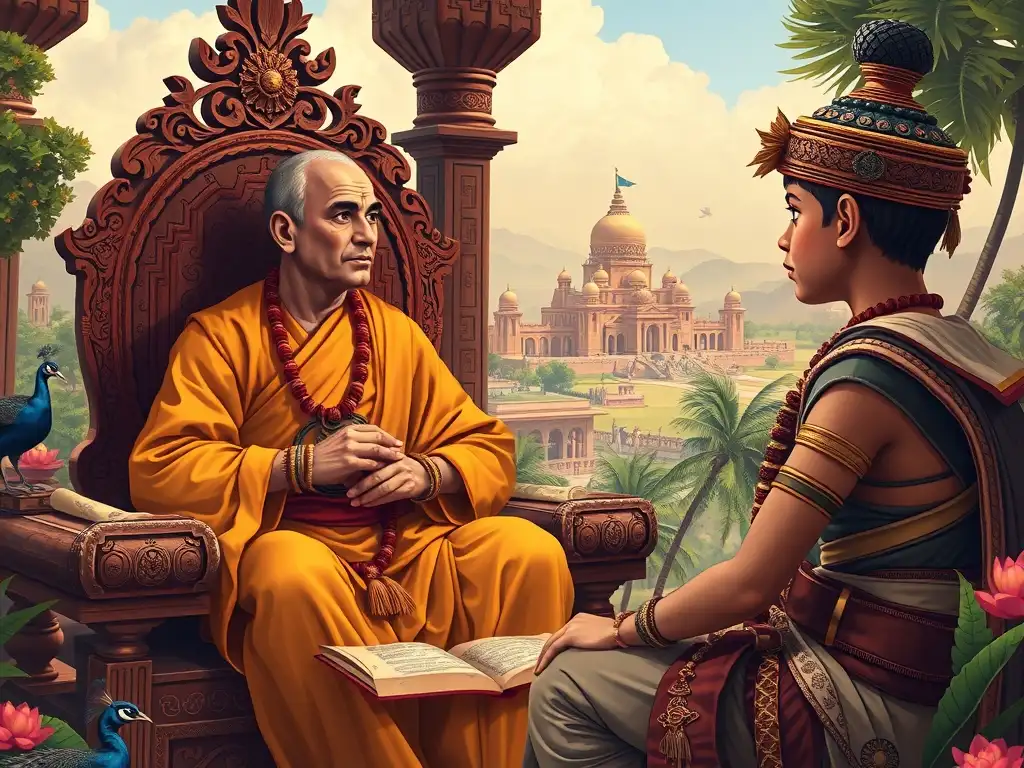
The formation of the Maurya Empire in ancient India marks a significant chapter in the subcontinent's history, characterized by the unification of diverse states under a single sovereign authority. This transformation began in the late 4th century BCE, primarily facilitated by the strategic guidance of Chanakya, a brilliant philosopher and strategist. Although initially a Brahmin and a teacher at Takshashila, Chanakya's profound understanding of statecraft and governance propelled him into a pivotal role in shaping the destiny of Chandragupta Maurya.
Chandragupta, who was born into a humble background, was an astute warrior with remarkable leadership qualities. His encounter with Chanakya, who had been humiliated by the Nanda dynasty, became a turning point. Chanakya saw in Chandragupta a potential leader capable of challenging the established order. With Chanakya's mentorship, he amassed an army and began a campaign against the Nanda rulers. This alliance not only laid the foundation of the Maurya Empire but also exemplified the power of mentorship in shaping historical destinies.
The Maurya Empire emerged as a formidable force, primarily due to its strategic territorial conquests and effective administration. By 322 BCE, Chandragupta had succeeded in overthrowing the Nanda dynasty, marking the beginning of a new era. This empire would eventually grow to encompass a vast territory that included much of modern-day India, Pakistan, and parts of Afghanistan, showcasing the profound impact of Chanakya's guidance on Chandragupta's ascent.
Chanakya’s Role in Chandragupta's Rise to Power
Chanakya's influence on Chandragupta was multifaceted, encompassing both military strategy and political acumen. After the Nanda dynasty expelled Chanakya from his position, he vowed to dethrone them. Recognizing Chandragupta's potential, he took the young leader under his wing, providing him with not only military training but also essential lessons in statecraft. Chanakya's teachings emphasized the importance of cunning, strategy, and intelligence in governance, which became crucial to Chandragupta's success.
Under Chanakya's tutelage, Chandragupta learned to rally support from local chieftains and gather an army. Chanakya's strategic planning included guerilla tactics and exploiting the weaknesses of the Nandas, which were instrumental in their eventual defeat. Furthermore, Chanakya’s expertise in political alliances and diplomacy complemented Chandragupta’s military efforts, allowing him to solidify his power and expand his territory rapidly.
Chanakya's role transcended that of a mentor; he was a master manipulator of political forces, using his intellect to navigate the complexities of ancient Indian politics. His vision for a unified Bharat (India) was realized through Chandragupta’s campaign, thus establishing a legacy that would influence future generations.
Key Events Facilitated by Chanakya
Several pivotal events during Chandragupta's rise can be attributed to Chanakya's influence. One of the earliest was the strategic assembly of an army, where Chanakya successfully convinced various local rulers and dissatisfied soldiers to join Chandragupta's cause. His ability to foster alliances was critical in building a formidable force against the Nandas.
Another significant event was the siege of Pataliputra, the capital of the Nanda Empire. Chanakya devised a plan that utilized espionage and psychological warfare, undermining the morale of the Nanda forces while bolstering that of Chandragupta's troops. The eventual capture of Pataliputra marked a decisive victory that laid the groundwork for the establishment of the Maurya Empire.
Moreover, Chanakya's role in establishing a governance framework post-conquest was crucial. He emphasized the need for a structured administration to ensure stability and security within the newly formed empire. This included creating a council of ministers and implementing a system of taxation that would later become a model for subsequent Indian empires.
Chanakya's Legacy Through Chandragupta
Chanakya's influence on Chandragupta extended far beyond their immediate political achievements. The principles of governance, warfare, and diplomacy that Chanakya instilled in Chandragupta became foundational to the Maurya Empire's administration. His teachings, encapsulated in the ancient treatise Arthashastra, provided a blueprint for rulers on how to maintain power, manage resources, and govern effectively.
Lasting Impact on Chandragupta’s Reign
The lasting impact of Chanakya's mentorship on Chandragupta's reign is evident in the policies and governance strategies employed during the Maurya Empire. Chandragupta's reign was marked by a focus on economic prosperity, infrastructural development, and social welfare, reflecting Chanakya's vision of a prosperous state. The establishment of trade routes and encouragement of agricultural practices underlined the empire's economic strategies.
Furthermore, Chandragupta's administration mirrored Chanakya's teachings on governance. The implementation of a centralized bureaucratic system helped maintain order and facilitated the efficient collection of taxes, ensuring the empire's stability. This structured approach attracted scholars, traders, and artisans, fostering a culture of intellectual and economic growth.
Influence on Subsequent Indian Rulers
Chanakya’s influence did not end with Chandragupta; it extended to subsequent rulers of the Maurya Empire and beyond. The principles outlined in the Arthashastra became a reference point for future monarchs, emphasizing the importance of diplomacy, warfare, and economic management. Rulers such as Bindusara and Ashoka, Chandragupta’s successors, drew upon Chanakya's teachings to navigate their reigns effectively, showcasing the enduring nature of his influence.
The tactics and philosophies espoused by Chanakya continued to resonate through Indian history, informing the governance styles of later dynasties. His insights into statecraft have been studied and revered over centuries, cementing his status as one of India's foremost political thinkers.
Preservation of Chanakya’s Teachings in Political Thought
Chanakya's teachings have been preserved and studied in various forms, influencing political thought in India and beyond. His emphasis on pragmatism, ethics in governance, and the importance of intelligence gathering are relevant even in contemporary political discourse. Scholars and statesmen often reference Arthashastra as a guide to political strategy and administration.
In modern times, Chanakya’s legacy is reflected in various political ideologies, emphasizing the need for strong leadership and strategic planning. Educational institutions and political leaders continue to draw inspiration from his life and teachings, ensuring that the wisdom of Chanakya remains relevant in discussions of leadership and governance today.
Chanakya's profound influence on Chandragupta not only shaped the latter's rise to power but also laid the groundwork for a legacy that would endure through centuries, influencing political thought and strategies in India.
Conclusion
Chanakya’s influence on Chandragupta was profound and transformative. As a scholar, strategist, and political thinker, Chanakya not only mentored Chandragupta but also played a pivotal role in shaping the very foundations of the Mauryan Empire. His teachings on statecraft and governance, encapsulated in the ancient text Arthashastra, provided a blueprint for effective leadership and administration that would resonate through the ages.
The partnership between Chanakya and Chandragupta exemplifies the importance of mentorship in shaping historical trajectories. Chanakya’s unwavering belief in Chandragupta’s potential, coupled with his tactical brilliance, enabled them to overcome insurmountable odds and establish one of the most significant empires in ancient India. This legacy is a testament to the power of wisdom, strategy, and the mentor-mentee dynamic in altering the course of history.
Reflection on Chanakya's Enduring Influence on Chandragupta and Beyond
Chanakya's influence extends far beyond his immediate impact on Chandragupta Maurya. His principles of governance, strategy, and diplomacy have left an indelible mark on Indian political thought and practices. The concepts introduced in the Arthashastra, such as realpolitik, espionage, and the importance of a well-structured administration, continue to resonate in modern political discourse.
Moreover, Chanakya’s emphasis on education and knowledge as sources of power has inspired generations of leaders and thinkers. His ability to adapt strategies based on situational demands is a lesson in flexibility and pragmatism that remains relevant in today’s fast-evolving political landscape.
Chandragupta’s successful reign, bolstered by Chanakya’s guidance, served as a model for subsequent rulers in India and beyond. The collaboration between these two figures not only changed the fate of their kingdom but also highlighted the critical role of mentorship in achieving greatness. As we reflect on their story, it becomes clear that Chanakya's teachings and philosophies continue to influence political strategies and leadership styles across cultures, making his legacy timeless and universal.
- Introduction
- Understanding the Historical Context of Chanakya and Chandragupta
- Who Was Chanakya?
- Chanakya’s Influence on Chandragupta
- The Formation of the Maurya Empire
- Chanakya's Legacy Through Chandragupta
- Conclusion
- Reflection on Chanakya's Enduring Influence on Chandragupta and Beyond
Frequently Asked Questions
What was the relationship between Chanakya and Chandragupta?
Chanakya was Chandragupta's mentor, guiding him in both politics and strategy. Their relationship was crucial in helping Chandragupta rise from humble beginnings to become a powerful emperor.
How did Chanakya influence Chandragupta’s rise to power?
Chanakya's political acumen and strategic guidance allowed Chandragupta to build a strong army and defeat foreign rulers, ultimately establishing the Mauryan Empire.
What were some key teachings of Chanakya that impacted Chandragupta?
Chanakya emphasized the importance of wisdom, diplomacy, and realpolitik, which greatly influenced Chandragupta's leadership style and decision-making throughout his reign.
Did Chanakya and Chandragupta have any conflicts?
While they shared a strong bond, there were moments of disagreement. However, their mutual respect and shared goals usually resolved any conflicts they encountered.
What legacy did Chanakya leave in relation to Chandragupta?
Chanakya’s influence on Chandragupta solidified a legacy of strong governance and administration, which set the foundation for the Mauryan Empire's success and inspired future leaders in India.
Final Reflection: The Enduring Influence of Chanakya on Chandragupta's Legacy
The profound relationship between Chanakya and Chandragupta serves as a testament to the power of mentorship and strategic thinking in shaping destinies. In today's fast-paced world, where leadership and guidance are more crucial than ever, the lessons drawn from Chanakya's influence on Chandragupta resonate deeply. The ability to navigate challenges with wisdom and foresight is a timeless skill, reminding us that the right mentor can illuminate the path to success and greatness.
Chanakya's teachings continue to echo through the corridors of history, influencing not only leaders but also individuals striving for personal growth. The principles he instilled in Chandragupta have transcended time, impacting various spheres of life, from politics to personal development. As Chanakya once said, Before you start some work, always ask yourself three questions – Why am I doing it? What the results might be? And Will I be successful?
This quote encapsulates the essence of strategic thinking that Chanakya imparted, urging us to reflect on our motivations and the potential outcomes of our actions.
As we conclude this exploration of Chanakya's influence on Chandragupta, I invite you to reflect on your own mentors and the lessons they have imparted. Consider how you can apply the wisdom of strategic thinking and mentorship in your life. Whether you are in a position of leadership or seeking guidance, remember that the choices you make today can shape not only your destiny but also the destinies of those around you. Embrace the teachings of Chanakya, and let them inspire you to forge your own path with clarity and purpose.
Unleash Your Inner Strategist Today!
Thank you for diving into the insightful journey of Chanakya and Chandragupta! You’ve uncovered the powerful influence of mentorship and strategy in shaping lives. Now, let’s channel that inspiration into action!
Here’s how you can take the next step:
- Reflect on Your Mentorship: **Identify a mentor in your life who embodies the qualities of a great leader. ** Schedule a time to connect with them, share your aspirations, and seek their guidance.
- Join a Discussion Group: **Look for or start a local book club or online forum dedicated to discussing historical figures like Chanakya. ** This is a fantastic way to explore new perspectives and deepen your understanding.
- Create a Strategic Plan: **Implement Chanakya's teachings in your personal or professional life. ** Outline clear strategies that can help you navigate challenges effectively.
What strategic goal will you pursue today, inspired by the wisdom of Chanakya? Share your thoughts or plans in the comments below!