
Deciphering the Symbols: The Challenges of Reading Ancient Indian Inscriptions

Welcome to Ancient India History, where we delve deep into the rich tapestry of civilizations that shaped one of the world's oldest cultures. In our featured article, " Deciphering the Symbols: The Challenges of Reading Ancient Indian Inscriptions," we invite you to embark on a journey through time, uncovering the mysteries behind ancient Indian inscriptions analysis. What secrets do these symbols hold?
As you explore the nuances of language and scripts, prepare to be captivated by the stories they tell and the challenges they present. Join us as we unravel the past and ignite your curiosity for the incredible legacy of ancient India!
Deciphering ancient Indian inscriptions presents a fascinating yet complex challenge that intertwines linguistics, archaeology, and history. From the meticulously crafted seals of the Indus Valley Civilization to the intricate carvings found in the temples of the Gupta Empire, these inscriptions offer a glimpse into the rich tapestry of ancient Indian life. However, the task of interpreting these symbols is fraught with difficulties, including incomplete scripts, regional variations, and the passage of time that has obscured meanings and contexts.
Understanding ancient Indian inscriptions is crucial for historians and linguists alike, as these texts hold keys to understanding social structures, religious beliefs, and everyday life in ancient India. In this article, we will explore the various challenges faced in the analysis of these remarkable artifacts, shedding light on the methods employed by researchers and the ongoing efforts to unlock the secrets of ancient Indian writing systems.
The Importance of Ancient Indian Inscriptions
Ancient Indian inscriptions are not merely historical artifacts; they are vital sources of information that provide insight into the civilization's cultural, political, and economic frameworks. These inscriptions can be found on a variety of mediums, including stones, pottery, and metals, and often convey messages ranging from royal edicts to religious texts.
- Cultural Significance
- Inscriptions often reflect the beliefs and values of the time.
- They record significant events and milestones in history.
- Political Insights
- Many inscriptions document the reigns of kings and dynasties.
- They provide evidence of territorial expansions and administrative practices.
- Economic Indicators
- Inscriptions can indicate trade practices, taxation, and resource management.
The Challenges in Ancient Indian Inscriptions Analysis
The analysis of ancient Indian inscriptions is complicated by several factors that make interpretation difficult. Understanding these challenges is essential for any meaningful analysis.
-
Incomplete Scripts
Many inscriptions are fragmentary, leading to gaps in understanding their full meanings. This is especially true for the Indus script, which remains largely undeciphered due to its brevity and lack of context.
-
Regional Variations
Different regions developed their unique styles and scripts. For example, the Brahmi script differs significantly from the Kharosthi, complicating comparative analysis.
-
Temporal Changes
Over centuries, languages and scripts evolved, which can lead to variations in meaning and usage. This temporal aspect requires scholars to have a deep understanding of historical linguistics.
Methods of Deciphering Inscriptions
Researchers employ various methodologies to analyze ancient inscriptions, including:
- Linguistic Analysis
- Comparative linguistics helps in understanding the evolution of scripts.
- Phonetic reconstruction can sometimes recreate lost sounds.
- Contextual Analysis
- Studying the archaeological context of inscriptions can provide clues about their usage.
- Cross-referencing with historical texts helps in building a comprehensive picture.
- Technological Advances
- Digital imaging and 3D scanning allow for the preservation and examination of inscriptions without physical contact.
- Machine learning algorithms are now being explored to identify patterns in script usage.
Conclusion
The journey of deciphering ancient Indian inscriptions is ongoing and requires a multifaceted approach, combining linguistic, archaeological, and technological tools. As scholars continue to unravel the complexities of these symbols, we move closer to a fuller understanding of the rich history embedded within them. Through rigorous analysis, we can appreciate not only the artistry of ancient Indian writing but also the profound stories it tells about the civilizations that flourished in this vibrant region of the world.
- The Importance of Ancient Indian Inscriptions
- The Challenges in Ancient Indian Inscriptions Analysis
- Methods of Deciphering Inscriptions
- Conclusion
- What are ancient Indian inscriptions?
- Why are ancient Indian inscriptions important for historians?
- What challenges do researchers face in analyzing these inscriptions?
- How do ancient Indian inscriptions contribute to our understanding of culture?
- What techniques are used in the analysis of ancient Indian inscriptions?
Introduction to Ancient Indian Inscriptions
The study of ancient Indian inscriptions serves as a crucial gateway to understanding the complexities of India's historical narrative. These inscriptions, etched on stones, metals, and other materials, provide invaluable insights into the socio-political, religious, and cultural fabric of ancient Indian civilizations. By analyzing these remnants of the past, historians and archaeologists can reconstruct the lives, beliefs, and languages of the people who inhabited the Indian subcontinent.
Overview of Ancient Indian Inscriptions
Ancient Indian inscriptions date back to various periods, with some of the earliest examples found in the Indus Valley Civilization (circa 2500–1900 BCE). The inscriptions from this era are largely undeciphered and consist of symbols that remain enigmatic. As civilization progressed, particularly during the Maurya (circa 322–185 BCE) and Gupta (circa 240–550 CE) empires, inscriptions became more sophisticated and widespread.
Types of Inscriptions
- Edicts: Often issued by rulers, these proclamations addressed administrative policies, moral conduct, and religious observances.
- Religious Inscriptions: Found in temples and stupas, these texts typically include hymns, prayers, or dedications to deities.
- Funerary Inscriptions: These inscriptions commemorate deceased individuals, providing insights into societal values regarding death and the afterlife.
- Coins and Seals: Many ancient coins feature inscriptions that denote the issuing authority or carry religious symbols.
The diversity of inscriptions reflects the rich tapestry of languages, scripts, and dialects that flourished in ancient India, including Brahmi, Kharosthi, and Tamil-Brahmi.
Importance of Ancient Indian Inscriptions in Historical Analysis
Ancient Indian inscriptions are pivotal in historical analysis for several reasons:
- Linguistic Insights: They offer a unique glimpse into the evolution of languages and scripts over time. The deciphering of Brahmi script, for example, has been instrumental in understanding the linguistic heritage of India.
- Cultural Context: Inscriptions reveal the cultural practices, beliefs, and social structures of ancient societies. For instance, the inscriptions of Ashoka the Great provide details about Buddhism's spread and the emperor's role in promoting moral governance.
- Political History: They document the reigns of various dynasties, outlining territorial expansions, military conquests, and diplomatic relationships. This information is indispensable for constructing a timeline of India's political history.
- Economic Information: Inscriptions on coins and trade routes provide insights into the economic conditions, trade practices, and wealth distribution of ancient societies.
- Religious Evolution: They reflect the changing religious landscapes, documenting the rise of various faiths and their interactions, which have shaped modern Indian religious practices.
Challenges Faced in Ancient Indian Inscriptions Analysis
Despite their significance, analyzing ancient Indian inscriptions poses several challenges:
- Decipherment Difficulties: Many inscriptions, particularly those from the Indus Valley, remain undeciphered. The lack of a bilingual reference, similar to the Rosetta Stone, complicates efforts to unlock their meanings.
- Language Variability: The evolution of language and script over centuries means that inscriptions can be written in archaic dialects that are no longer in use, making interpretation challenging.
- Contextual Ambiguities: Inscriptions often lack context due to their fragmented nature. Without accompanying archaeological evidence, understanding the full significance of an inscription can be difficult.
- Physical Deterioration: Many inscriptions have suffered from erosion, weathering, and human interference, leading to partial or complete loss of information.
- Cultural Bias: Interpretation may be influenced by contemporary cultural perspectives, potentially skewing the understanding of historical contexts.
While the analysis of ancient Indian inscriptions is fraught with challenges, it remains an essential endeavor for historians seeking to illuminate the past. The insights gained from these inscriptions are invaluable for understanding the complexities of ancient Indian civilization and its enduring legacy.
Historical Context of Ancient Indian Inscriptions
The Evolution of Writing Systems in Ancient India
The evolution of writing systems in ancient India is a complex narrative that reflects the cultural and technological advancements of various civilizations. The earliest known form of writing in India is associated with the Indus Valley Civilization (circa 3300–1300 BCE), where seals inscribed with symbols have been discovered. These symbols, often termed as the Indus script, remain undeciphered, posing significant challenges for scholars engaged in ancient Indian inscriptions analysis.
Key Developments in Writing
- Indus Script:
- Composed of a series of symbols, possibly representing a form of proto-writing.
- Found on seals, pottery, and other artifacts, indicating trade and administrative use.
- Estimated to consist of around 400 distinct signs.
- Brahmi and Kharosthi:
- Emerged around the 3rd century BCE during the Maurya Empire.
- Brahmi is the ancestor of many Indian scripts, while Kharosthi was used primarily in the northwest regions.
- Both scripts were pivotal in royal edicts and religious texts, facilitating communication across diverse linguistic groups.
- Sanskrit Inscriptions:
- Gained prominence during the Gupta Empire (circa 320–550 CE).
- Used for a wide range of purposes, including literature, science, and philosophy.
- The development of Sanskrit inscriptions marked a significant advancement in the complexity and richness of written communication.
The transition from simple symbols to sophisticated scripts underscores the dynamic nature of ancient Indian culture and its ability to adapt and innovate in the realm of written communication.
Major Civilizations Contributing to Inscriptions
The analysis of ancient Indian inscriptions reveals a wealth of information about the socio-political, economic, and religious life of various civilizations. Key civilizations have significantly contributed to the corpus of inscriptions found across the Indian subcontinent.
The Indus Valley Civilization
The Indus Valley Civilization, one of the world's earliest urban cultures, has left behind a legacy of inscriptions that remain largely enigmatic. The seals and tablets discovered at sites like Harappa and Mohenjo-Daro feature intricate symbols that suggest a sophisticated system of record-keeping.
- Characteristics:
- Seals often depict animals and deities, pointing to a connection between writing and religious or administrative practices.
- The lack of bilingual inscriptions makes deciphering the Indus script particularly challenging.
Despite extensive archaeological research, the inability to read these inscriptions limits understanding of the civilization's language, governance, and cultural practices.
The Vedic Period
The Vedic Period (circa 1500–500 BCE) marks a pivotal point in ancient Indian history, characterized by the composition of the Vedas, the oldest sacred texts of Hinduism. This period saw the transition from oral to written traditions, with inscriptions becoming more prominent.
- Vedic Texts:
- Primarily composed in Sanskrit, the Vedas laid the foundation for many aspects of Indian culture, philosophy, and religion.
- Inscriptions from this period are rare, primarily consisting of later references and commentaries derived from Vedic literature.
The development of written language during the Vedic Period was instrumental in the preservation and dissemination of religious and philosophical ideas that continue to influence Indian society.
The Maurya and Gupta Empires
The Maurya (circa 322–185 BCE) and Gupta (circa 320–550 CE) Empires represent two golden ages in ancient Indian history, marked by significant advancements in art, science, and governance. Both empires contributed richly to the tradition of inscriptions.
- Mauryan Inscriptions:
- Emperor Ashoka is renowned for his rock edicts, which promote Buddhist values and ethical governance.
- The inscriptions are written in Brahmi and Kharosthi, highlighting the administrative and cultural policies of the empire.
- Gupta Inscriptions:
- Characterized by a proliferation of inscriptions related to patronage of arts, sciences, and religion.
- Gupta inscriptions often feature intricate carvings and elaborate scripts, reflecting the flourishing of literary and artistic expression.
The inscriptions from these empires provide invaluable insights into the political ideologies, social structures, and cultural practices of ancient India, serving as crucial sources for historians and researchers engaged in ancient Indian inscriptions analysis.
Types of Ancient Indian Inscriptions
Rock Edicts and Pillar Inscriptions
Rock edicts and pillar inscriptions are among the most significant forms of ancient Indian inscriptions, primarily associated with Emperor Ashoka of the Maurya dynasty. These inscriptions, carved on rocks and pillars across the Indian subcontinent, served not only as decrees but also as moral guides for the populace.
- Historical Context: Emperor Ashoka, who ruled from 268 to 232 BCE, adopted Buddhism after the Kalinga War and sought to promote its ethical teachings. The rock edicts are often seen as a reflection of his commitment to dharma (moral law) and non-violence.
- Locations: The most famous examples include the Edicts of Ashoka, found in locations like Lumbini, Sarnath, and Rashtriya Smriti Sthal in Delhi. These sites are crucial for ancient Indian inscriptions analysis as they provide insights into the spread of Buddhism and the administrative practices of the time.
- Language and Script: The inscriptions were primarily written in Brahmi script, with some in Kharosthi, showcasing the linguistic diversity of ancient India. The language used in these inscriptions is notable for its simplicity and clarity, aimed at ensuring comprehension by the common people.
- Challenges in Analysis: Scholars face challenges in interpreting these inscriptions due to regional dialects, script variations, and degradation over time. Additionally, the context in which these inscriptions were placed often requires a multidisciplinary approach, combining archaeology, history, and linguistics.
Copper Plate Inscriptions
Copper plate inscriptions represent another critical facet of ancient Indian inscriptions, often used by royalty and religious institutions to document grants, donations, and agreements. These inscriptions are generally more elaborate and formal compared to rock edicts.
- Material Significance: The use of copper plates highlights the technological advancements of the time. The durability of copper made these inscriptions resistant to environmental degradation, preserving them for future generations.
- Examples and Content: One notable example is the Brahmapuri Copper Plates, which document land grants made by kings. These inscriptions provide valuable information regarding administrative practices, land ownership, and social hierarchies in ancient India.
- Language and Script: Copper plate inscriptions were predominantly inscribed in Sanskrit and sometimes in local languages, employing scripts like Brahmi and Nagari. This linguistic variety is significant for ancient Indian inscriptions analysis, as it reveals the socio-political landscape of the era.
- Interpretation Challenges: Researchers often encounter difficulties due to the archaic language and script used in these inscriptions. Additionally, the fragmented nature of some plates complicates the reconstruction of the original text and context, necessitating careful scholarly examination.
Inscriptions on Coins and Artifacts
Inscriptions on coins and various artifacts offer a unique perspective into the economic, political, and cultural life of ancient Indian civilizations. These inscriptions often serve as a form of propaganda, promoting the authority of rulers and the significance of deities.
- Historical Importance: Coins, such as those from the Maurya, Gupta, and Satavahana dynasties, frequently feature inscriptions that indicate the name of the ruler, their titles, and sometimes even their achievements. This makes numismatic study a crucial aspect of ancient Indian inscriptions analysis.
- Diversity of Content: Inscriptions on artifacts, such as pottery and sculptures, often reflect religious beliefs, social norms, and daily life. For example, inscriptions found on terracotta figurines provide insights into the artistic expressions and societal roles during those times.
- Language and Script: The inscriptions on coins typically use Brahmi or Kharosthi, reflecting the regional influences and the evolution of scripts over time. The language tends to be concise due to space limitations, yet it carries significant weight in historical interpretation.
- Challenges in Analysis: The interpretation of these inscriptions is often hampered by the poor preservation of coins and artifacts, leading to incomplete data. Furthermore, the symbolic nature of many inscriptions can be ambiguous, requiring scholars to apply extensive contextual knowledge to derive meaning.
Techniques in Ancient Indian Inscriptions Analysis
Epigraphy: The Science of Inscription Study
Epigraphy is the discipline dedicated to studying inscriptions, and it plays a crucial role in the analysis of ancient Indian inscriptions. This field combines elements of archaeology, history, linguistics, and art history to interpret the messages inscribed on a variety of materials, including stone, metal, and pottery. The significance of epigraphy in ancient Indian inscriptions analysis lies in its ability to provide insights into the socio-political, religious, and cultural contexts of the time.
Key Aspects of Epigraphy in Ancient India:
- Materials Used: Inscriptions were commonly found on stone, copper plates, and seals, each chosen for durability and visibility.
- Styles and Scripts: Various scripts, such as Brahmi and Kharosthi, emerged during different periods, each with unique characteristics. Understanding these scripts is vital for deciphering inscriptions.
- Dating and Context: Epigraphists employ dating techniques based on the style of the script and the historical context to determine when an inscription was created, linking it to specific events or rulers.
Through the meticulous study of these elements, epigraphy offers a window into the thoughts, beliefs, and practices of ancient Indian civilizations, making it an essential tool for historians.
Linguistic Approaches to Deciphering Symbols
The linguistic analysis of ancient Indian inscriptions involves several methodologies aimed at interpreting the language and symbols used. Scholars utilize a combination of comparative linguistics, philology, and textual criticism to decode the messages inscribed over centuries.
Major Linguistic Techniques:
- Comparative Linguistics: This technique compares inscriptions in ancient Indian languages with related languages to identify common roots and linguistic evolution. For example, examining similarities between Sanskrit and its derivatives aids in understanding the development of regional dialects.
- Philological Analysis: This involves studying the structure and meaning of words and phrases in inscriptions. By examining grammar and syntax, linguists can reconstruct the original meanings and context of the inscriptions.
- Textual Criticism: Scholars analyze various copies of inscriptions to determine the most authentic versions, often dealing with variations and corruptions over time. This scrutiny helps establish a clearer historical narrative.
These linguistic approaches are fundamental in ancient Indian inscriptions analysis, providing deeper comprehension of the languages and cultures that shaped historical narratives.
Technological Advancements in Inscriptions Analysis
Technological advancements have revolutionized the field of inscriptions analysis, providing tools that enhance the accuracy and efficiency of deciphering ancient texts. These innovations allow researchers to uncover details that would otherwise remain hidden.
Imaging Techniques
Modern imaging techniques play a pivotal role in the analysis of ancient inscriptions. High-resolution imaging, multispectral imaging, and ultraviolet photography are some of the methods employed to reveal inscriptions that have faded or eroded over time.
- High-Resolution Imaging: Captures fine details of inscriptions, enabling researchers to analyze minute features that are crucial for accurate interpretation.
- Multispectral Imaging: Utilizes various wavelengths of light to reveal hidden text not visible to the naked eye. This technique is particularly useful for inscriptions on weathered surfaces.
- Ultraviolet Photography: Helps in analyzing the chemical composition of the materials used in inscriptions, which can provide insights into the techniques and tools of ancient artisans.
These imaging techniques significantly enhance the understanding of ancient Indian inscriptions, making previously illegible texts accessible for analysis.
3D Scanning Methods
3D scanning technology has emerged as a transformative tool in the analysis of inscriptions, allowing for detailed documentation and preservation of ancient artifacts.
- Laser Scanning: Creates highly accurate 3D models of inscriptions, capturing intricate details. These models can be manipulated digitally, facilitating a thorough analysis without risking damage to the original artifact.
- Photogrammetry: Involves taking multiple photographs from various angles to create a 3D representation. This method is cost-effective and can be applied to larger sites with numerous inscriptions.
The integration of 3D scanning methods into ancient Indian inscriptions analysis not only aids in preservation but also fosters a deeper understanding of the cultural heritage encapsulated in these texts.
Major Challenges in the Analysis of Ancient Indian Inscriptions
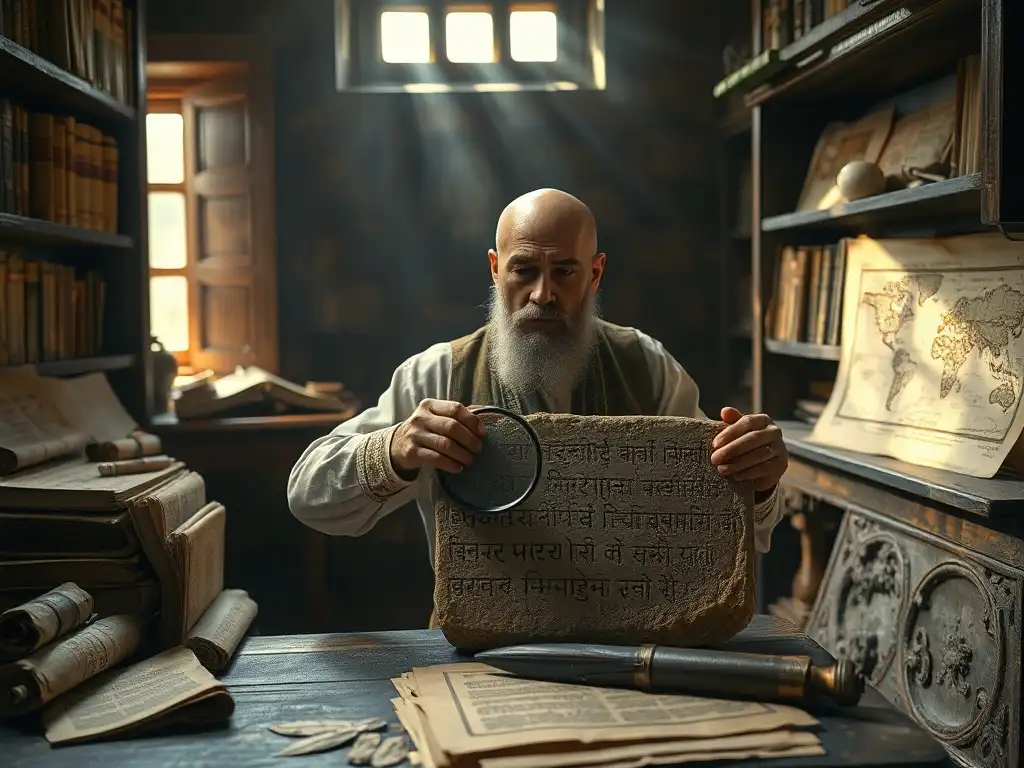
The analysis of ancient Indian inscriptions presents various challenges that researchers must navigate to uncover the historical significance and cultural context of these texts. The complexities arise from linguistic variations, the historical milieu, and the physical state of the inscriptions themselves. Each of these challenges requires a nuanced approach to interpretation and understanding.
Linguistic Challenges: Language Variations and Dialects
Ancient Indian inscriptions are often written in a multitude of languages and scripts, including Sanskrit, Prakrit, Tamil, and others. This linguistic diversity can complicate the process of analysis for several reasons:
- Script Variations:
- Different scripts such as Brahmi, Kharosthi, and Tamil script can be found across various inscriptions. Each script has unique characteristics and historical developments, making it challenging to establish a consistent reading framework.
- Dialectical Differences:
- The presence of regional dialects can lead to variations in vocabulary and grammar. For instance, inscriptions from different regions may use distinct terms for similar concepts, complicating the translation and interpretation processes.
- Evolving Language:
- The languages used in ancient inscriptions were not static; they evolved over time. This evolution means that what was common vernacular in one period may be archaic in another, posing a challenge for present-day scholars to accurately interpret meanings.
- Ambiguities and Polysemy:
- Many words in ancient languages have multiple meanings depending on their context. This polysemy can lead to different interpretations of the same inscription, requiring careful linguistic analysis to ascertain the intended meaning.
Contextual Challenges: Historical and Cultural Context
Understanding the historical and cultural context in which an inscription was created is crucial for accurate analysis. Several factors complicate this contextual understanding:
- Lack of Historical Records:
- Many inscriptions lack accompanying historical texts or records, making it difficult to ascertain the precise time frame and circumstances of their creation. This absence of context can lead to misinterpretations.
- Cultural Nuances:
- Ancient Indian civilizations were characterized by rich and diverse cultural practices, beliefs, and social structures. An inscription that may seem straightforward could carry significant cultural implications that are not immediately apparent without contextual knowledge.
- Political and Religious Influences:
- Inscriptions often reflect the political and religious climate of their time. Understanding the dynamics of power, patronage, and religious affiliations is essential for accurately interpreting the motivations behind the inscriptions.
- Interdisciplinary Approaches:
- An effective analysis may require insights from various disciplines such as archaeology, anthropology, and art history. This interdisciplinary approach adds layers of complexity, as researchers must synthesize information from multiple fields to form a cohesive understanding.
Preservation Challenges: Weathering and Erosion of Inscriptions
Physical preservation of ancient inscriptions is a significant concern, as many inscriptions have been subjected to the ravages of time, weathering, and human activity:
- Erosion and Weathering:
- Natural elements such as rain, wind, and temperature fluctuations can erode inscriptions, making them difficult to read. Over time, this weathering can lead to the loss of critical information.
- Human Impact:
- Vandalism, pollution, and urban development can further damage inscriptions. In some cases, inscriptions have been defaced or removed, resulting in permanent loss of historical data.
- Material Degradation:
- The materials used for inscriptions, such as stone or metal, can deteriorate differently based on their composition. Some materials are more susceptible to decay, which complicates preservation efforts.
- Conservation Techniques:
- Various conservation techniques are employed to protect and restore inscriptions, including protective coatings and controlled environments. However, these methods can be costly and require expert knowledge to implement effectively.
The analysis of ancient Indian inscriptions is fraught with challenges that span linguistic, contextual, and preservation concerns. Addressing these challenges requires a meticulous and interdisciplinary approach, ensuring that the rich history and contributions of ancient Indian civilizations are accurately uncovered and understood.
Case Studies in Ancient Indian Inscriptions Analysis
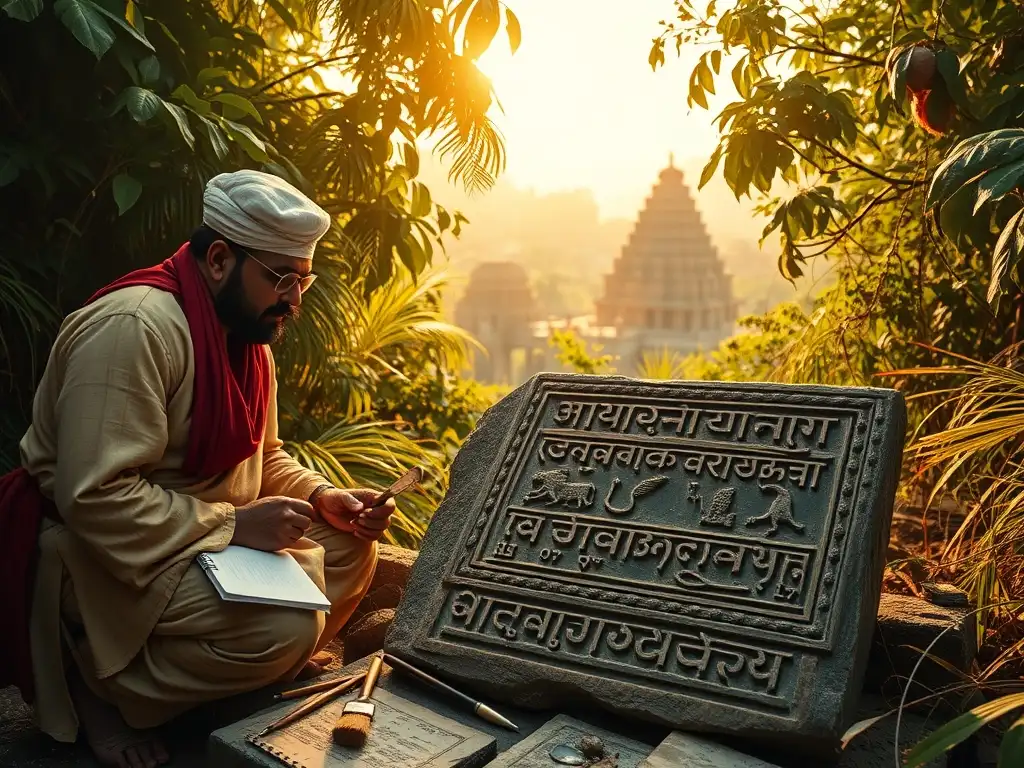
The Ashoka Edicts: A Landmark in Ancient Inscriptions
The Ashoka Edicts, inscribed during the reign of Emperor Ashoka (268–232 BCE), represent one of the earliest and most significant examples of ancient Indian inscriptions analysis. Found primarily on stone pillars and rocks across the Indian subcontinent, these edicts provide invaluable insights into the ethical and administrative principles that governed Ashoka's rule. They mark a transition from the oral tradition to a more formal written communication, reflecting the emperor's commitment to dharma (moral law) and governance.
Key Features of the Ashoka Edicts:
- Language: The edicts were primarily written in Prakrit, using the Brahmi script, which was accessible to a wide audience.
- Content: They encompass a range of topics, including moral guidance, social welfare, and the promotion of Buddhism, showcasing Ashoka's efforts to spread his ideals.
- Distribution: The strategic placement of these inscriptions across various regions highlights Ashoka's intent to reach diverse populations, signaling a sophisticated understanding of governance.
The analysis of these inscriptions has provided historians with critical information about the socio-political climate of ancient India, as well as the spread of Buddhism. Scholars have employed various methodologies, including epigraphy and paleography, to decode the nuanced meanings embedded in the edicts.
The Pillars of Ashoka: Historical Significance
The Pillars of Ashoka stand as monumental testaments to the architectural and cultural achievements of ancient India. These pillars, characterized by their towering height and intricate carvings, not only served as markers of Ashoka's reign but also as instruments of political propaganda.
Significance in Ancient Indian History:
- Symbol of Authority: The pillars were strategically erected in significant locations, symbolizing the emperor's power and influence over vast territories.
- Cultural Interchange: These inscriptions facilitated cultural exchanges and helped disseminate Buddhist philosophy beyond the Indian subcontinent.
- Artistic Merit: The pillars are renowned for their remarkable artistry, including the famous Lion Capital of Ashoka, which has become a national emblem of India.
Analysis of the pillars has revealed much about the technological advancements in stone carving and the aesthetic sensibilities of the time. Furthermore, the inscriptions have been pivotal in understanding the evolution of Indian scripts and the historical context surrounding their creation.
The Gupta Era Inscriptions: Language and Style Analysis
The Gupta era (c. 320–550 CE) is often regarded as the "Golden Age" of ancient India, marked by significant advancements in art, literature, and science. The inscriptions from this period reflect a sophisticated use of language and style that has attracted considerable scholarly attention.
Characteristics of Gupta Inscriptions:
- Language and Script: Gupta inscriptions primarily use Sanskrit, demonstrating the language's elevated status during this period. The Brahmi and Gupta scripts are evident, indicating the evolution of writing systems.
- Stylistic Elements: Many inscriptions feature ornate language and poetic forms, emphasizing the cultural richness of the time. The use of chiseled calligraphy and decorative motifs adds to their aesthetic value.
- Themes: The inscriptions often celebrate royal patronage, religious devotion, and cultural achievements, providing a glimpse into the societal values of the Gupta period.
The analysis of Gupta inscriptions has revealed the complexities of ancient Indian society, including the interplay between religion, politics, and culture. Scholars have employed textual criticism and comparative analysis to decipher the multifaceted meanings of these inscriptions, shedding light on the era's legacy and its lasting impact on subsequent Indian civilizations.
These case studies illustrate the profound importance of ancient Indian inscriptions analysis for understanding the historical, cultural, and linguistic evolution of ancient India. Each inscription offers a unique lens through which scholars can explore the rich tapestry of India's past.
Future Directions in Ancient Indian Inscriptions Analysis
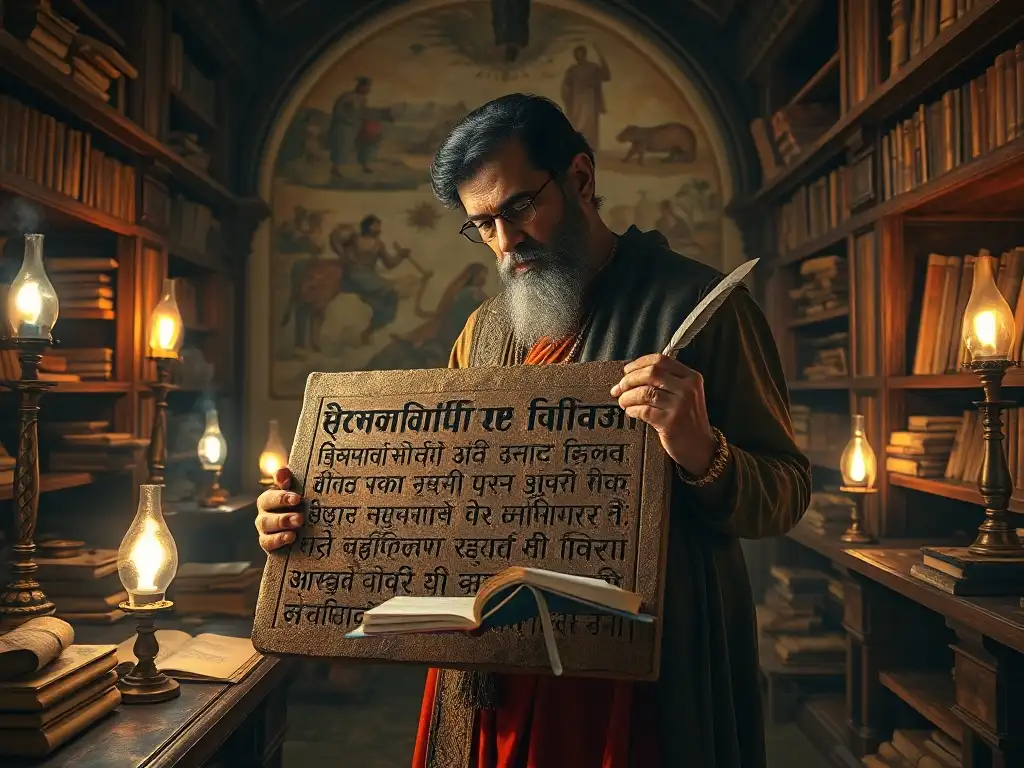
Ongoing Research and Discoveries
The field of ancient Indian inscriptions analysis is continuously evolving, with ongoing research revealing new insights into the languages, cultures, and historical contexts of ancient Indian civilizations. Scholars are increasingly utilizing advanced technologies, such as digital imaging and machine learning, to decipher inscriptions that were previously undecipherable. For instance, the use of 3D imaging techniques has allowed researchers to examine inscriptions in greater detail, revealing subtle nuances in the script and style that can provide context about the time and place of their creation.
Recent discoveries include new inscriptions found at archaeological sites across India, such as those in Tamil Nadu and Uttar Pradesh. These findings contribute significantly to our understanding of regional dialects and the spread of scripts across different geographical areas.
Moreover, collaborative projects between universities and research institutions are fostering a deeper understanding of ancient scripts. For example, the analysis of inscriptions from the Mauryan period has shed light on the socio-political structure of the time, indicating the effectiveness of communication methods used by rulers to govern vast territories.
The Role of Interdisciplinary Studies in Inscriptions Analysis
Interdisciplinary studies play a crucial role in enhancing the analysis of ancient Indian inscriptions. By integrating methodologies from fields such as archaeology, linguistics, history, and even computer science, researchers can approach inscriptions from multiple perspectives.
- Archaeology provides contextual background, helping to situate inscriptions within the broader framework of ancient civilizations.
- Linguistics aids in decoding scripts, allowing for a better understanding of the language evolution and the relationships between different dialects.
- History contextualizes the inscriptions within significant events and cultural shifts, leading to a richer interpretation of the texts.
For example, recent collaborations between linguists and historians have uncovered connections between Prakrit inscriptions and the political landscape of ancient India, revealing how language served as a tool for power and governance. Similarly, the application of computational analysis has enabled researchers to identify patterns in inscriptions that may not be visible through traditional methods.
Engaging the Public: Outreach and Education on Ancient Inscriptions
Engaging the public in the study of ancient Indian inscriptions is vital for fostering a deeper appreciation of the country's rich heritage. Various initiatives are being undertaken to raise awareness and educate people about these crucial historical artifacts.
- Workshops and Seminars: Educational workshops are being organized at universities and public institutions, where experts share their findings and techniques in inscriptions analysis.
- Online Platforms: Digital platforms dedicated to ancient scripts are providing resources and interactive tools for enthusiasts to explore inscriptions at their own pace.
- Exhibitions: Museums are hosting exhibitions featuring ancient inscriptions, allowing the public to interact with these artifacts and learn about their significance.
These outreach efforts not only enhance public knowledge but also inspire future generations to take an interest in the study of ancient Indian inscriptions. By making this information accessible, we can cultivate a society that values its historical narratives and contributions to the world.
The future of ancient Indian inscriptions analysis is promising, driven by ongoing research, interdisciplinary collaboration, and public engagement initiatives. The continuous exploration and interpretation of these inscriptions will undoubtedly enrich our understanding of ancient Indian civilizations and their legacies.
Conclusion: The Significance of Ancient Indian Inscriptions Analysis
Reflecting on the Rich Heritage of Ancient India
Ancient Indian inscriptions serve as invaluable windows into the rich tapestry of India's historical narrative. These inscriptions, ranging from the intricate scripts of the Indus Valley Civilization to the profound edicts of Emperor Ashoka, offer insights into the social, political, and cultural dynamics of their time. The analysis of these inscriptions not only enhances our understanding of ancient languages and scripts but also reflects the values, beliefs, and practices of the civilizations that produced them.
For instance, the Brahmi script, one of the oldest writing systems in India, has been crucial in deciphering the linguistic and administrative practices of ancient Indian societies. Similarly, inscriptions found in temples, palaces, and public spaces often reveal the patronage of arts and architecture, religious practices, and even trade routes. By delving into the nuances of these inscriptions, historians and linguists can reconstruct the socio-economic conditions and cultural exchanges that shaped ancient India.
Moreover, the poetic nature of many inscriptions, such as those found in the Tamil Nadu region, highlights the literary brilliance of ancient Indian poets and writers. These texts are not merely records; they are expressions of human thought and creativity that continue to resonate today. Understanding these inscriptions allows us to celebrate the intellectual and artistic achievements of our ancestors, reminding us of the continuity and evolution of Indian culture.
The Importance of Preserving and Understanding Inscriptions for Future Generations
As we navigate the complexities of modern life, the preservation and analysis of ancient Indian inscriptions become increasingly vital. These artifacts are at risk from natural decay, urbanization, and environmental changes. Therefore, proactive measures must be taken to safeguard these inscriptions for future generations.
Efforts such as digital archiving, restoration projects, and public awareness campaigns can play a crucial role in this endeavor. For example, organizations dedicated to cultural heritage preservation are employing advanced technologies like 3D scanning and virtual reality to document and share these inscriptions with a global audience. This not only helps in protecting the physical artifacts but also democratizes access to this crucial aspect of our heritage.
Furthermore, understanding ancient inscriptions contributes to a broader narrative of cultural identity and continuity. Inscriptions often encapsulate local dialects and regional histories, which are essential for understanding the diverse linguistic landscape of India. By analyzing these inscriptions, scholars can foster a deeper appreciation of regional cultures, promoting inclusivity and respect for the myriad traditions that contribute to the Indian identity.
The analysis of ancient Indian inscriptions is not merely an academic pursuit; it is a vital part of preserving our collective heritage. The insights gained from these analyses offer a profound appreciation of our past, guiding us in shaping a more informed and culturally rich future. As we continue to explore and decipher these ancient texts, we solidify our connection to the remarkable civilizations that once thrived on the Indian subcontinent.
Frequently Asked Questions
What are ancient Indian inscriptions?
Ancient Indian inscriptions are engraved writings found on various materials like stone, metal, and pottery, reflecting the history, culture, and administrative practices of ancient Indian civilizations.
Why are ancient Indian inscriptions important for historians?
These inscriptions are crucial for historians as they provide first-hand accounts of historical events, social structures, and linguistic development, thereby enriching our understanding of ancient Indian life.
What challenges do researchers face in analyzing these inscriptions?
Researchers often encounter difficulties such as damaged texts, eroded symbols, and variations in scripts and languages, which complicate the deciphering process of ancient Indian inscriptions.
How do ancient Indian inscriptions contribute to our understanding of culture?
Inscriptions reveal insights into religious beliefs, economic transactions, and political dynamics, helping scholars piece together the cultural fabric of ancient India.
What techniques are used in the analysis of ancient Indian inscriptions?
Techniques include photographic enhancement, 3D modeling, and comparative linguistics, which aid in overcoming challenges and provide a clearer understanding of the symbols and messages contained within these inscriptions.
Final Reflection: Unlocking the Past Through Ancient Indian Inscriptions Analysis
The journey through ancient Indian inscriptions analysis reveals not only the complexities of deciphering historical texts but also their profound relevance in understanding our shared human experience. As we navigate the intricacies of these inscriptions, we uncover layers of cultural, social, and linguistic significance that resonate with contemporary society. The challenges we face in interpreting these ancient symbols remind us that history is not merely a record of the past; it is a living dialogue that shapes our present and future.
The impact of ancient Indian inscriptions extends far beyond academic circles; they serve as a bridge connecting us to our cultural heritage. These inscriptions are not just relics; they are the voices of our ancestors, echoing through time. The ongoing efforts to decode these symbols foster a deeper appreciation for the diversity of human expression and the rich tapestry of our history. As historian Romila Thapar aptly stated, Understanding history is not merely about knowing what happened; it is about understanding the context in which it happened.
This perspective encourages us to engage with our past actively and thoughtfully, recognizing the lessons it imparts.
As we reflect on the insights gained from analyzing ancient Indian inscriptions, I invite you to consider how these lessons can be applied in your own life. Embrace the challenge of deciphering the symbols around you—be they cultural, social, or personal. Let the stories of those who came before us inspire you to explore your own narrative and contribute to the ongoing dialogue of humanity. In doing so, you not only honor the past but also pave the way for a more informed and connected future.
Unveil the Secrets of Ancient Indian Inscriptions!
Thank you for diving into the fascinating world of ancient Indian inscriptions with us! You've gathered insights into the complexities and wonders of interpreting these historical symbols. Now, it’s time to take your curiosity further and turn that knowledge into action.
Here are some impactful steps you can take today:
- Join a workshop focused on ancient languages and writing systems, whether local or online. Engaging with experts will deepen your understanding and appreciation for this incredible subject!
- Share your favorite discoveries from this article on social media or with friends who are equally fascinated by history. Let’s spread knowledge and spark more conversations!
- Visit museums or exhibitions that showcase ancient Indian artifacts in your area. Experiencing these inscriptions firsthand can unlock new perspectives and inspirations.
What aspect of ancient Indian inscriptions intrigues you the most, and how do you plan to explore it further?