
The Impact of Ancient Indian Scripts on Literature and Philosophy


Welcome to Ancient India History, where we embark on a fascinating journey through the rich tapestry of ancient Indian civilizations. Here, we delve into the profound impact of ancient Indian scripts influence on literature and philosophy. Did you know that these scripts not only shaped the written word but also laid the groundwork for profound ideas that resonate to this day? Join us as we unravel the intricate connections between these scripts and the cultural legacy they left behind. Prepare to be captivated and inspired as you explore the depths of history that continue to shape our modern understanding.
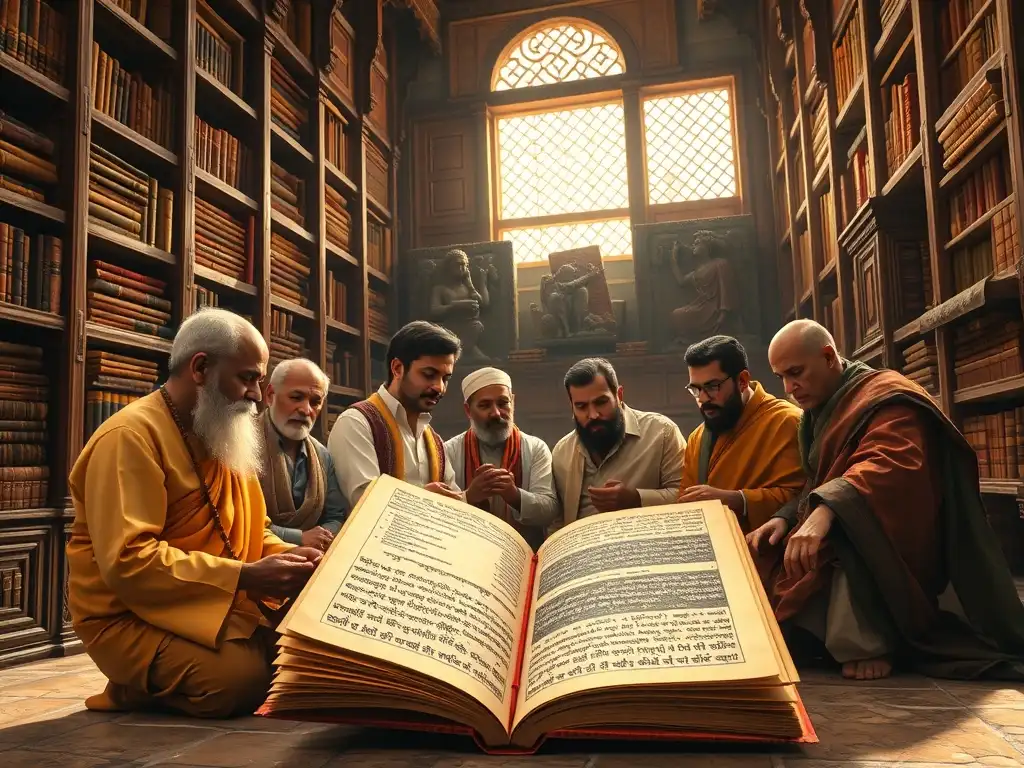
Introduction to Ancient Indian Scripts Influence
The history of ancient Indian scripts is a fascinating journey that reflects the intellectual and cultural evolution of one of the world's oldest civilizations. Ancient Indian scripts, such as Brahmi and Kharosthi, played a pivotal role in shaping not only the literary landscape of the region but also its philosophical discourse.
The influence of these scripts extends beyond mere communication; they encapsulate the thoughts, beliefs, and knowledge systems of ancient Indian societies. Understanding their impact on literature and philosophy provides insights into how these scripts contributed to the preservation and dissemination of ideas, fostering a rich tradition of scholarship that resonates even today.
Overview of Ancient Indian Scripts
Ancient Indian scripts emerged as sophisticated tools for communication, record-keeping, and artistic expression. Primarily derived from the Indus Valley civilization's symbols, these scripts developed further with the advent of major empires, leading to a rich tapestry of written forms. Key scripts include:
- Brahmi: Often considered the mother of many South Asian scripts, Brahmi is one of the earliest writing systems in India and has influenced several modern scripts, including Devanagari and Tamil.
- Kharosthi: Used primarily in the northwest region of India, this script was instrumental in the documentation of Buddhist texts and contributed significantly to the spread of Buddhism across Asia.
- Other Scripts: Scripts like Gupta, Siddham, and others also emerged, each contributing uniquely to the literary and philosophical canon.
Importance of Scripts in Ancient Indian Civilization
The significance of scripts in ancient Indian civilization cannot be overstated. They served as the backbone of administrative governance, religious practices, and cultural transmission. Not only did they facilitate communication across vast regions, but they also enabled the recording of complex ideas, philosophies, and artistic expressions.
- Cultural Transmission: Scripts allowed for the preservation and dissemination of texts such as the Vedas, Upanishads, and various epics, ensuring that knowledge could be passed down through generations.
- Philosophical Inquiry: The written word provided a medium for philosophical discourse, enabling thinkers like Nagarjuna and Adi Shankaracharya to articulate their ideas and engage in debates that shaped Indian philosophy.
The Evolution of Ancient Indian Scripts
The evolution of ancient Indian scripts is a testament to the dynamic nature of language and communication in response to cultural and societal needs.
Origins of Writing in Ancient India
The origins of writing in ancient India can be traced back to the Indus Valley civilization, where early symbols indicated a form of proto-writing. Although the script remains undeciphered, its existence suggests a need for record-keeping and communication. Over time, as societies grew more complex, the demand for a standardized writing system became apparent.
Major Scripts: Brahmi, Kharosthi, and Others
Among the many scripts that emerged, Brahmi and Kharosthi stand out for their profound influence on later writing systems. Brahmi, with its syllabic structure, laid the foundation for scripts used in the majority of Indian languages today. Kharosthi, on the other hand, played a crucial role in documenting Buddhist texts and facilitating cultural exchanges along trade routes.
| Script | Time Period | Key Features |
|---|---|---|
| Brahmi | 3rd century BCE | Syllabic, influenced many scripts |
| Kharosthi | 3rd century BCE | Abugida, used primarily for Buddhism |
Transition from Oral Tradition to Written Documentation
The transition from oral tradition to written documentation marked a significant shift in the preservation of knowledge. While oral traditions allowed for the fluid transmission of stories and teachings, the advent of writing enabled more precise and enduring records. This transition facilitated the codification of religious texts, legal systems, and philosophical treatises, laying the groundwork for future generations to engage with and build upon the vast intellectual heritage of ancient India.
Ancient Indian scripts not only influenced literature and philosophy but also played a crucial role in the development of civilization itself, leaving a lasting legacy that continues to shape contemporary thought.
Influence of Ancient Indian Scripts on Literature
The influence of ancient Indian scripts on literature is profound and far-reaching, shaping the development of various literary forms and genres throughout history. Ancient scripts such as Brahmi and Kharosthi played pivotal roles in the dissemination of literary works, enabling the recording and transmission of knowledge across generations. The evolution of these scripts facilitated not only the preservation of literature but also the emergence of a rich tapestry of poetic and prose traditions that reflect the diverse cultural landscape of ancient India.
Preservation of Literary Works through Scripts
Ancient Indian scripts were essential in the preservation of literary works. The earliest examples of written literature date back to the inscriptions found in the Indus Valley Civilization, which utilized pictographic symbols. As scripts evolved, particularly with the advent of Brahmi around the 3rd century BCE, the capacity to record complex ideas and narratives improved significantly. This allowed for the documentation of epic poetry, religious texts, and philosophical treatises.
The use of scripts ensured that significant literary works could be transmitted over time and space, safeguarding them against the erosion of oral traditions. Notably, the Mahabharata and Ramayana, two of the most important epics in Indian literature, were preserved through written texts in Brahmi and other scripts, enabling their continued relevance in subsequent generations.
Major Literary Genres Influenced by Scripts
The influence of ancient Indian scripts can be observed across various literary genres, including:
- Epic Poetry: The grand narratives of the Mahabharata and Ramayana, recorded in scripts like Brahmi, reflect cultural values and societal norms.
- Philosophical Treatises: Texts such as the Upanishads and the Bhagavad Gita, written in Sanskrit using Brahmi, explore metaphysical concepts and ethical dilemmas.
- Drama: The ancient Indian theatrical tradition, with plays like "Shakuntala" by Kalidasa, was documented in scripts that allowed for the expression of complex human emotions and societal themes.
- Prose Literature: Works such as the "Panchatantra," a collection of fables, utilized scripts to convey moral lessons and wisdom through storytelling.
These genres illustrate the dynamic interplay between language, script, and literary creativity, fostering a rich literary heritage that continues to influence contemporary writing.
Case Study: The Role of Brahmi in the Preservation of Texts
Brahmi, one of the oldest scripts in India, serves as a vital case study in understanding the preservation of texts. Originating in the 3rd century BCE, Brahmi was instrumental in documenting a wide range of literary and religious works. Its adaptability allowed it to evolve into various regional scripts, leading to the development of languages like Sanskrit, Pali, and Prakrit.
The inscriptions on pillars and edicts of Emperor Ashoka, for instance, are among the earliest examples of Brahmi's use in communicating ethical governance and Buddhist teachings. These inscriptions not only preserved the texts but also played a crucial role in spreading the principles of Buddhism across Asia.
Brahmi's influence extended beyond religious texts, as it became the foundation for many modern Indian scripts. Its role in preserving and influencing literature is a testament to the significance of ancient scripts in the cultural and intellectual development of India.
Philosophical Contributions of Ancient Indian Scripts
The philosophical contributions of ancient Indian scripts are equally significant, as they facilitated the expression and dissemination of philosophical ideas that have shaped Indian thought. Scripts such as Brahmi and Devanagari enabled scholars to record complex philosophical concepts, making them accessible for study and interpretation.
Scripts as a Medium for Philosophical Thought
Ancient Indian scripts served as a medium for articulating philosophical thought, allowing for the exploration of profound questions regarding existence, morality, and the nature of reality. The ability to write down ideas fostered critical thinking and debate among philosophers, facilitating the development of various schools of thought, including Vedanta, Samkhya, and Buddhism.
For example, the use of the Brahmi script to record the Upanishads enabled the transmission of mystical and metaphysical ideas, inviting deeper contemplation on the relationship between the self and the universe. This written record preserved diverse philosophical perspectives, contributing to the rich tapestry of Indian philosophy.
Key Philosophical Texts and Their Scripts
Several key philosophical texts were recorded in ancient Indian scripts, illustrating the interplay between writing and philosophical inquiry:
- The Upanishads: Written in Sanskrit using Brahmi, these texts explore the nature of the self and ultimate reality.
- The Bhagavad Gita: Documented in Devanagari, this essential scripture combines philosophy and poetry, addressing ethical dilemmas faced by individuals.
- Buddhist Sutras: Originally written in Pali, these texts were transcribed in Brahmi and later translated into various languages, spreading Buddhist philosophy.
These texts not only reflect the philosophical landscape of ancient India but also demonstrate how scripts facilitated the exchange of ideas across cultural and linguistic boundaries.
The Relationship Between Language and Philosophy in Ancient India
The relationship between language and philosophy in ancient India is marked by a unique interplay where language serves as both a tool for expression and a subject of philosophical inquiry. Ancient Indian philosophers often explored the nature of language itself, examining how it shapes thought and perception.
Sanskrit, with its precise grammar and rich vocabulary, became the preferred language for philosophical discourse, allowing for nuanced arguments and abstract concepts to be articulated clearly. The grammatical works of Panini, for example, not only laid the foundation for linguistic studies but also influenced philosophical reasoning regarding the nature of meaning and signification.
In this context, ancient Indian scripts were not merely vehicles for communication; they were integral to the very fabric of philosophical exploration, enriching the intellectual heritage of ancient India and leaving a lasting impact on subsequent philosophical developments.
Impact on Cultural Transmission

The impact of ancient Indian scripts on cultural transmission is profound and multifaceted, serving as a vital conduit for the dissemination of knowledge, literature, and philosophical thought across the Indian subcontinent and beyond. These scripts, including Brahmi and Kharosthi, were not only means of communication but also played a pivotal role in preserving cultural identities, historical narratives, and religious texts. The widespread use of these scripts facilitated the documentation of various disciplines such as mathematics, astronomy, medicine, and philosophy, thereby fostering an environment of intellectual growth and cultural continuity.
As these scripts evolved, they influenced the development of regional languages and dialects, allowing for the rich tapestry of linguistic diversity in India. This evolution was crucial in shaping local cultures and fostering a sense of belonging among different communities. The scripts also served as a bridge for intercultural dialogues, enabling the exchange of ideas and traditions among various ethnic groups, which significantly contributed to the cultural richness of ancient India.
Scripts and the Spread of Knowledge
Ancient Indian scripts were instrumental in the spread of knowledge throughout the subcontinent. Texts written in scripts like Brahmi were used to record a wide range of subjects, from religious scriptures, such as the Vedas and Upanishads, to secular texts in medicine and mathematics. The translation of these texts into various regional languages helped disseminate ideas and knowledge to a broader audience.
Moreover, the establishment of universities, such as Nalanda and Takshashila, further promoted the utilization of scripts in education. Scholars from various regions came to these centers of learning, bringing with them different perspectives and enhancing the intellectual discourse. The scripts acted as a unifying factor, enabling scholars to communicate their thoughts and collaborate on various academic pursuits.
Influence of Scripts on Regional Dialects and Languages
The emergence of ancient Indian scripts significantly influenced the development of regional dialects and languages. As scripts were adapted to accommodate local phonetics and linguistic structures, they led to the evolution of diverse languages such as Sanskrit, Pali, Tamil, and others. For instance, the Brahmi script served as a foundation for many modern Indian scripts and languages, demonstrating its far-reaching impact.
The influence of ancient scripts extended beyond mere language evolution; they also shaped literary forms and genres. The adaptation of stories, myths, and philosophical concepts into local dialects helped create a rich literary tradition that resonated with the populace. This linguistic diversity nurtured a multitude of literary styles and genres, contributing to the vibrant cultural landscape of ancient India.
The Role of Scripts in Cross-Cultural Exchanges
Ancient Indian scripts played a crucial role in cross-cultural exchanges, acting as vehicles for the transmission of ideas, art, and philosophy across borders. The interactions between Indian scholars and those from neighboring regions, such as Persia and Central Asia, were facilitated by the use of scripts. These exchanges enriched both Indian culture and the cultures of other civilizations, leading to a mutual influence that shaped philosophical thought and artistic expressions.
Trade routes, such as the Silk Road, also contributed to the dissemination of scripts and the ideas they encapsulated. The movement of merchants and travelers allowed for the sharing of texts and knowledge, fostering a spirit of inquiry and cultural synthesis. This exchange not only bolstered economic ties but also promoted a deeper understanding of diverse philosophical traditions, enriching the intellectual heritage of ancient India.
Conclusion: The Lasting Legacy of Ancient Indian Scripts
The legacy of ancient Indian scripts extends far beyond their historical significance; they continue to influence contemporary literature, philosophy, and cultural identity in modern India and beyond. The scripts encapsulated the intellectual spirit of their time, enabling a rich cultural exchange that laid the groundwork for future generations.
Summary of the Influence on Literature and Philosophy
The influence of ancient Indian scripts on literature and philosophy is evident in the vast body of work they produced. Texts inscribed in these scripts explored profound philosophical questions, ethical dilemmas, and artistic expressions that remain relevant today. The preservation of these texts has allowed scholars and enthusiasts to engage with ancient thought, fostering a continuous dialogue between the past and the present.
Moreover, the linguistic diversity fostered by these scripts has contributed to a rich literary tradition that celebrates regional identities while promoting a broader understanding of Indian culture. This legacy is reflected in the continued study and appreciation of ancient texts, which inspire new generations of writers and thinkers.
Future Implications for the Study of Ancient Indian Scripts
The study of ancient Indian scripts holds significant implications for understanding not only the past but also the future of cultural and linguistic evolution in the region. As researchers continue to uncover new inscriptions and texts, they are likely to gain deeper insights into the socio-political and cultural dynamics of ancient India.
Furthermore, advancements in technology, such as digital humanities and machine learning, present exciting opportunities for preserving and analyzing ancient scripts. By integrating modern techniques with traditional scholarship, the study of ancient Indian scripts can unveil new dimensions of knowledge, fostering a greater appreciation for the rich tapestry of Indian history and its lasting influence on global culture.
Further Reading on Ancient Indian Scripts Influence
The study of ancient Indian scripts and their influence on literature and philosophy is a rich field that continues to evolve. Numerous texts and research papers delve into the intricacies of how these scripts shaped cultural narratives and intellectual thought in ancient India. For those looking to expand their understanding, here are some essential texts and resources that explore this captivating subject.
Recommended Texts and Resources
-
"The Scripts of Ancient India" by A. K. Narain
This comprehensive guide covers various ancient Indian scripts, including Brahmi and Kharosthi. It provides insights into their development and impact on regional languages and literature.
-
"Indian Epigraphy" by Richard Salomon
A foundational text for understanding inscriptions in ancient India, Salomon's work examines the significance of epigraphy in the historical context and its broader philosophical implications.
-
"Brahmi: The First Indian Script" by Iravatham Mahadevan
Mahadevan's work is an exploration of the Brahmi script's origins and its role in the development of Indian writing systems. This book is vital for anyone interested in the script's linguistic and cultural significance.
-
"Philosophy and Language in Ancient India" by Michael Witzel
Witzel's exploration of the relationship between language and philosophical thought in ancient India provides a compelling understanding of how scripts influenced the dissemination of philosophical ideas.
-
"The Origins of Indian Writing: A Historical Perspective" by B. K. Chaturvedi
This resource offers a historical overview of the various writing systems in ancient India and their socio-cultural implications, highlighting the influence of scripts on literature and thought.
-
Academic Journals
- "Journal of Indian Philosophy"
- "Indian Linguistics"
These journals often publish articles discussing the intersection of ancient scripts with literary and philosophical developments in India.
Key Scholars and Their Contributions to the Field
-
Iravatham Mahadevan
A leading figure in the study of ancient Indian scripts, Mahadevan has made significant contributions to the understanding of Brahmi script and its inscriptions, emphasizing their archaeological and historical importance.
-
Richard Salomon
Salomon's extensive research on Indian epigraphy has shed light on how inscriptions serve as critical sources for understanding ancient Indian culture and thought, particularly in relation to political and religious texts.
-
A. K. Narain
Narain's work on the scripts of ancient India provides a foundational framework for understanding the evolution of writing in the subcontinent, linking linguistic developments with broader cultural trends.
-
Michael Witzel
Witzel's interdisciplinary approach combines linguistics, philosophy, and history, offering insights into how language and scripts shaped philosophical discourse in ancient India.
-
B. K. Chaturvedi
Chaturvedi's research on the historical context of Indian writing systems has been pivotal in connecting the dots between linguistics and cultural practices, highlighting the scripts' lasting influence on literature and thought.
Each of these scholars and their works contributes significantly to the ongoing discourse surrounding ancient Indian scripts and their profound impact on literature and philosophy, enriching our understanding of this vital aspect of ancient Indian history.
- Introduction to Ancient Indian Scripts Influence
- The Evolution of Ancient Indian Scripts
- Influence of Ancient Indian Scripts on Literature
- Philosophical Contributions of Ancient Indian Scripts
- Impact on Cultural Transmission
- Conclusion: The Lasting Legacy of Ancient Indian Scripts
- Further Reading on Ancient Indian Scripts Influence
Frequently Asked Questions
What are ancient Indian scripts?
Ancient Indian scripts are written forms of communication developed in India, such as Brahmi and Kharosthi, which have significantly influenced literature and philosophy.
How did ancient Indian scripts influence literature?
Ancient Indian scripts laid the foundation for literary expression by enabling the recording of epics, poetry, and philosophical texts, thus preserving cultural narratives.
What role did ancient Indian scripts play in philosophy?
These scripts facilitated the transmission of philosophical ideas and texts, contributing to the development of schools of thought such as Vedanta and Buddhism.
Are there any surviving examples of ancient Indian scripts?
Yes, numerous inscriptions and manuscripts survive today, showcasing various scripts and providing insights into the language, culture, and beliefs of ancient Indian civilizations.
How has the study of ancient Indian scripts evolved?
The study has evolved with advancements in archaeology and linguistics, leading to a deeper understanding of their historical significance and the impact they had on the subsequent development of languages in the region.
Final Reflection: The Enduring Influence of Ancient Indian Scripts
The impact of ancient Indian scripts on literature and philosophy is not just a relic of the past; it is a vibrant thread woven into the fabric of contemporary thought. Today, as we navigate a world rich in diverse narratives and philosophies, the foundational ideas expressed in ancient texts continue to resonate, reminding us of the profound wisdom that has shaped human understanding across centuries. The echoes of these scripts can be heard in modern literature, philosophy, and even in our daily lives, urging us to explore deeper meanings and connections.
The influence of ancient Indian scripts transcends time, fostering a cultural and intellectual heritage that informs our present and future. The philosophical inquiries and literary expressions found in texts like the Vedas and Upanishads have not only enriched Indian culture but have also inspired thinkers and writers globally. As noted by the philosopher Jiddu Krishnamurti, “The ability to observe without evaluating is the highest form of intelligence.” This observation underscores the essence of ancient Indian thought, inviting us to engage with ideas in a way that transcends mere judgment and fosters deeper understanding.
As we reflect on the lessons embedded in these ancient scripts, I invite you to consider how their teachings can be applied in your own life. Take a moment to explore the philosophies that resonate with you and challenge yourself to integrate these timeless insights into your daily practices.
Whether through meditation, reading, or engaging in thoughtful dialogue, let the wisdom of ancient Indian scripts guide you toward a more profound understanding of yourself and the world around you. Embrace this journey of exploration, and allow the influence of these ancient texts to inspire your own narrative in the tapestry of life.
Unveil the Rich Legacy of Indian Scripts!
Thank you for diving into the fascinating world of ancient Indian scripts with us! Your exploration of how these scripts shaped literature and philosophy is invaluable. Now, let’s turn this knowledge into action. Here’s how you can further engage with this captivating topic:
- Explore ancient texts: Discover a manuscript from ancient India and immerse yourself in its wisdom. Resources like the Gutenberg Project or your local library may provide both digital and physical copies.
- Share your insights: Discuss what you’ve learned about ancient scripts with friends or on social media. Use hashtags such as #AncientIndianScripts to connect with others who share your interest.
- Join a local study group: Seek out workshops or groups focused on Indian philosophy or literature to engage in deeper discussions with like-minded individuals.
Which aspect of ancient Indian scripts resonates with you the most, and how do you believe it influences modern thought today?