
The Role of Women in the Preservation of Pali and Prakrit Literature

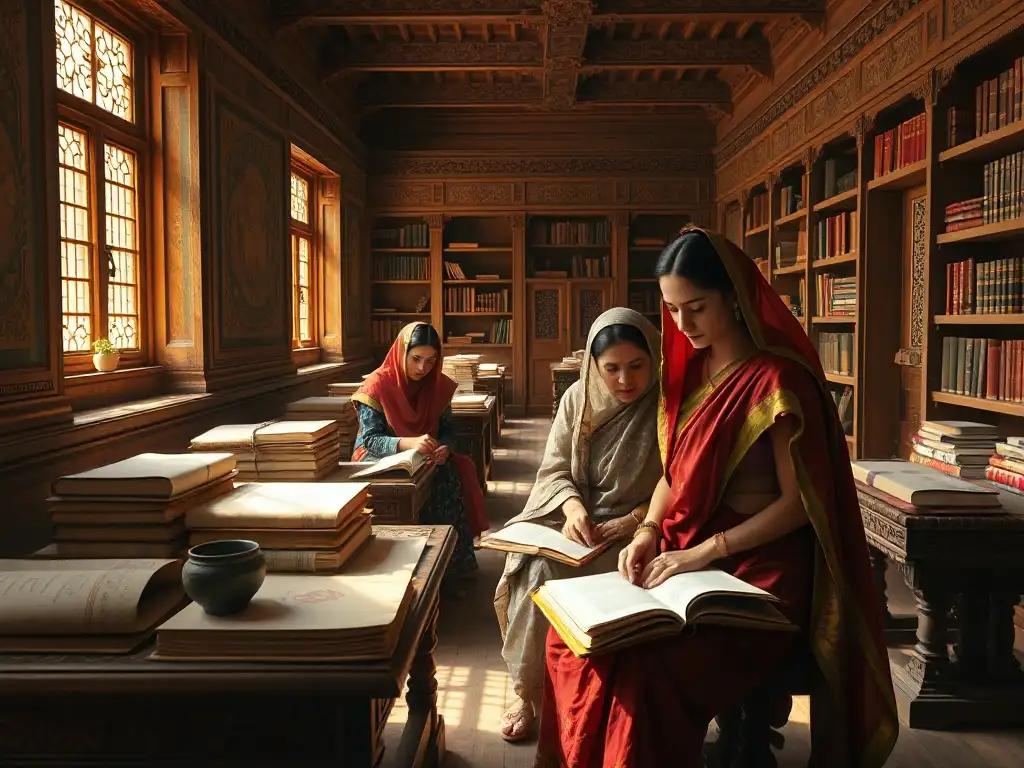
Welcome to Ancient India History, where we embark on a journey through the captivating tapestry of ancient Indian civilizations. In this exploration, we delve into the intricate role of women in ancient Indian literature, unearthing their significant contributions to the preservation of Pali and Prakrit texts. How did these remarkable figures shape the literary landscape of their time? Join us as we unravel the stories of these influential women and their enduring impact on our understanding of history and culture. Prepare to be enlightened and inspired as you dive deeper into this fascinating topic!
Introduction to Women in Ancient Indian Literature
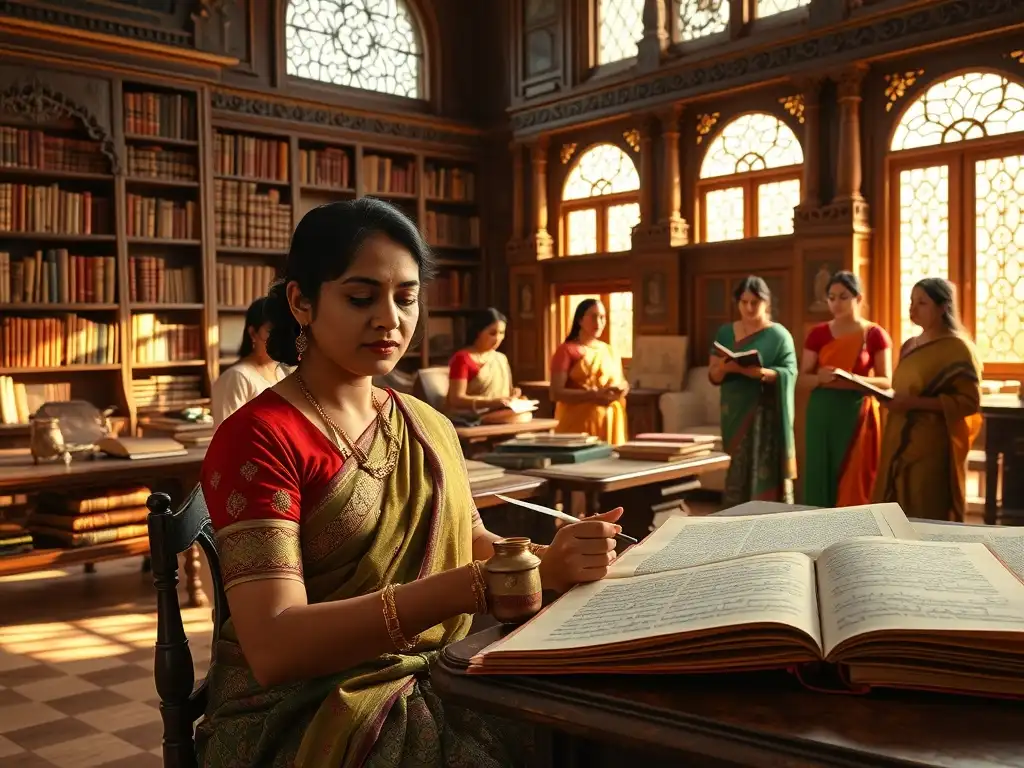
The role of women in ancient Indian literature, particularly in the preservation of Pali and Prakrit texts, is a significant yet often overlooked aspect of cultural history. Women's contributions to literature were multifaceted, encompassing not only the creation of texts but also their transmission and preservation across generations.
This article aims to illuminate the vital influence that women had on the literary landscape of ancient India, particularly in the realms of Pali and Prakrit languages, which are crucial to understanding the cultural and spiritual ethos of the time. By examining the historical context, societal norms, and the literary achievements of women, we can gain a clearer picture of their indispensable role in the continuity of these ancient literary traditions.
Overview of Pali and Prakrit Languages
Pali and Prakrit are two of the most important languages in ancient Indian literature, both serving as vehicles for expressing a rich tapestry of philosophical, religious, and cultural ideas.
- Pali:
- Known primarily as the language of the Theravada Buddhist canon, Pali emerged around the 3rd century BCE.
- It is characterized by its simplicity and clarity, making it accessible for the teachings of the Buddha and the early Buddhist community.
- Prakrit:
- A group of Middle Indo-Aryan languages, Prakrit was used in various forms across different regions of India.
- It includes dialects such as Ardhamagadhi and Maharashtri, which were utilized in classical literature, drama, and poetry.
- Notable Features:
- Utilized for both secular and religious texts.
- Rich in poetic and dramatic expressions, reflecting the diverse cultural practices of ancient Indian society.
The preservation of texts in these languages was pivotal, as they contained not only religious doctrines but also insights into the everyday lives, experiences, and thoughts of the people of that era.
Historical Context of Women in Ancient India
Understanding the role of women in the preservation of Pali and Prakrit literature necessitates a look into the historical context of ancient Indian society. Women in ancient India experienced a spectrum of roles and statuses, influenced by various factors including class, religion, and region.
- Social Structures:
- Women played crucial roles in familial and social settings.
- They were often the custodians of oral traditions, which included stories, songs, and religious texts.
- Education and Literacy:
- While literacy rates for women were generally lower than for men, some women had access to education, especially in the context of religious communities.
- Nuns and female scholars within Buddhist monasteries became pivotal in the transcription and preservation of Pali literature.
- Contributions to Literature:
- Women authored works in both Pali and Prakrit, contributing to the richness of the literary corpus.
- Their writings often reflected their unique perspectives and experiences, contributing to a more holistic understanding of ancient Indian life.
- Cultural Influences:
- The dynamic between men and women in literature often mirrored broader societal beliefs and practices, revealing the complexities of gender roles in ancient Indian civilization.
Through these lenses, we begin to appreciate how women not only participated in but actively shaped the preservation of Pali and Prakrit literature, ensuring that their voices and stories were woven into the fabric of ancient Indian history.
- Introduction to Women in Ancient Indian Literature
- Overview of Pali and Prakrit Languages
- Historical Context of Women in Ancient India
- Contemporary Scholarship on Women in Ancient Literature
- Efforts to Revive and Promote Pali and Prakrit Works
- The Role of Feminist Literary Criticism in Ancient Studies
- Conclusion: The Lasting Legacy of Women in Ancient Indian Literature
- Future Directions for Research on Women in Pali and Prakrit Literature
- What was the significance of women in ancient Indian literature?
- How did women contribute to Pali and Prakrit literature?
- Were there any notable women writers in ancient India?
- What challenges did women face in contributing to literature?
- How has the role of women in ancient literature influenced modern perceptions?
Contributions of Women to Pali and Prakrit Literature
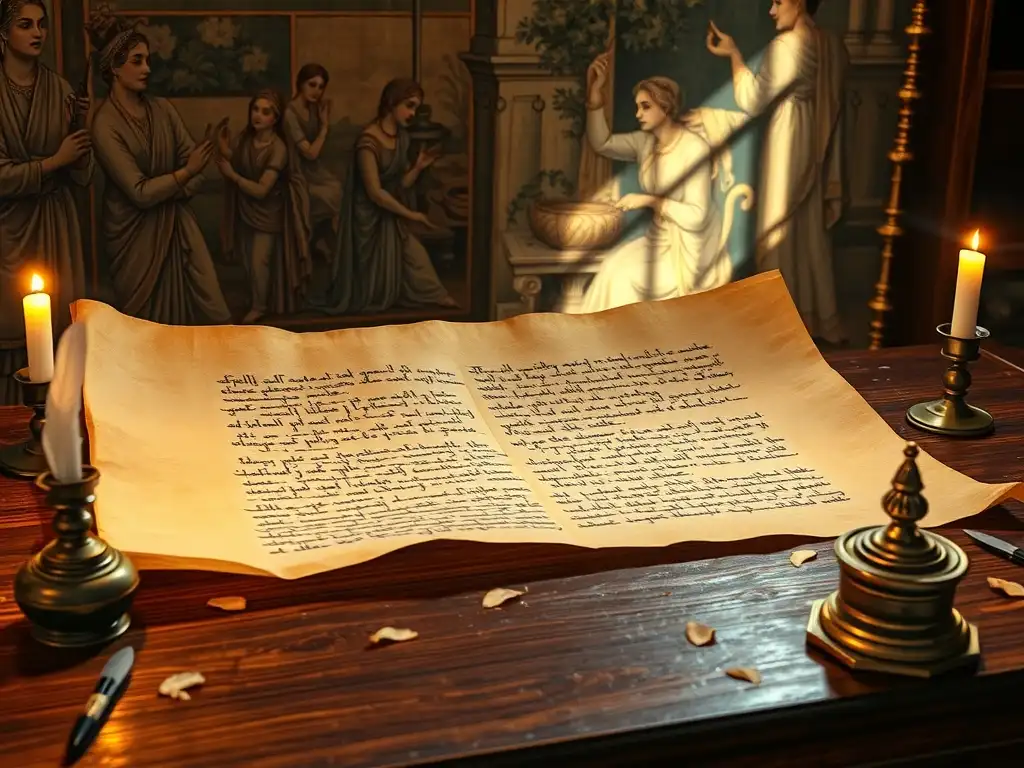
The contributions of women to Pali and Prakrit literature are often overlooked yet significant. Women played a crucial role in preserving, promoting, and enriching these literary traditions during ancient times. Their influence can be seen not only in the texts themselves but also in the cultural contexts that shaped the creation and transmission of literature.
Prominent Female Figures in Ancient Literature
Throughout history, several women emerged as notable figures in the realms of Pali and Prakrit literature. Among them, Vimalā, a renowned female monk, is often recognized for her contributions to the early writings on Buddhist philosophy in Pali. Her insights and teachings emphasized the importance of women's perspectives in interpreting Buddhist texts, providing a unique lens through which to understand these literary works.
Another prominent figure is Sundarī, cited in various texts as a poetess whose works in Prakrit showcased the emotional depth and intellectual prowess of women. Her poetry often reflected themes of love, devotion, and the complexities of human relationships, thus enriching the literary landscape of her time.
Additionally, references to women in the Jataka tales highlight the importance of female characters in conveying moral lessons and narratives central to Buddhist teachings. These stories often depict women not merely as passive figures but as active participants in their spiritual journeys and societal roles.
Women in ancient India were not only subjects of literature but also authors and scholars who contributed directly to the literary canon. Māta Kālī, for instance, was credited with composing various texts that explored religious and philosophical themes in Pali. Her works often addressed the nuances of gender, spirituality, and ethics, challenging the patriarchal narratives prevalent in her time.
Moreover, the presence of female scholars in monastic communities facilitated the transmission of Pali and Prakrit literature. Women were often involved in the oral transmission of texts, ensuring that the teachings and stories were preserved across generations. This oral tradition was vital for maintaining the integrity of literary works, especially in a period when written texts were scarce.
The Influence of Women on Oral Traditions
The role of women in oral traditions was pivotal in the preservation of Pali and Prakrit literature. Women often served as custodians of stories, myths, and religious teachings within their families and communities. Their participation in storytelling and recitation allowed for the continuity of these literary forms, often infusing them with personal and cultural significance.
In many cases, women adapted existing narratives, adding their unique interpretations and experiences. This dynamic interaction not only preserved the texts but also enriched them, allowing for a diverse expression of voices within ancient literature. The oral tradition was particularly important in regions where literacy rates were low, ensuring that the wisdom contained in Pali and Prakrit literature remained accessible to all.
The contributions of women to Pali and Prakrit literature are multifaceted, encompassing authorship, scholarship, and the preservation of oral traditions. Their efforts have left an indelible mark on the literary heritage of ancient India, highlighting the essential role women played in shaping the cultural narrative.
The Socio-Cultural Impact of Women on Literature
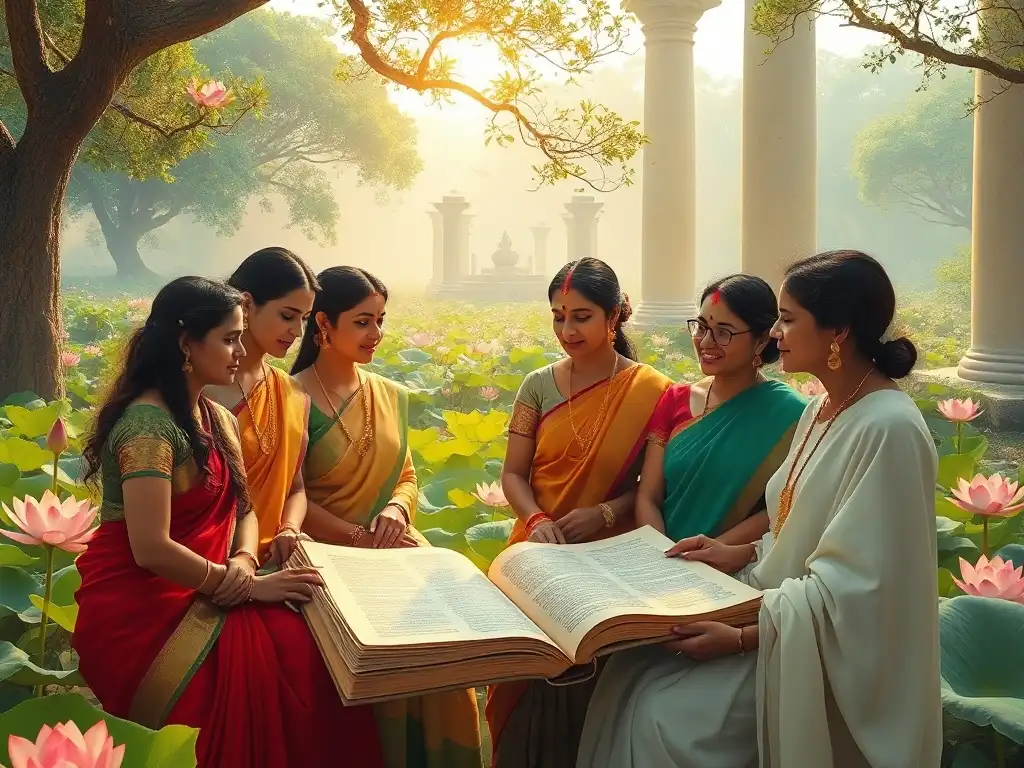
The role of women in ancient Indian literature is a critical area of study that reveals the socio-cultural dynamics of the time. Women's involvement in the preservation and creation of literary works contributed significantly to the richness of Pali and Prakrit literature. Their influence extended beyond mere participation; they actively shaped narratives and cultural practices, ensuring that their voices and perspectives were integral to the storytelling tradition.
Women’s Roles in Religious Texts and Practices
Women held a significant position within religious texts and practices in ancient India, which often reflected broader societal values and beliefs. In many instances, they were not merely passive recipients of religious teachings but were actively involved in their propagation and interpretation.
- Contributors to Sacred Literature:
- Women like the Siddhars and Buddhist nuns were essential in the oral transmission of texts. Their teachings, often encapsulated in verses, contributed to the spiritual canon of both Buddhism and Jainism.
- The Therigatha, a collection of verses attributed to early Buddhist nuns, showcases women's voices and experiences, providing insights into their spiritual journeys.
- Ritualistic Participation:
- Women were pivotal in various rituals and ceremonies that reinforced cultural narratives. Their roles in these practices often led to the inclusion of female perspectives in religious literature.
- Engaging in sacrificial rites and festivals, women not only preserved traditions but also influenced the themes and motifs prevalent in religious texts.
- Patrons of Literature:
- Many women from royal families acted as patrons of literature, commissioning works that highlighted their contributions to society. This patronage often facilitated the creation of texts that featured women as protagonists or central figures, thus embedding their narratives into the fabric of literary history.
The Intersection of Gender and Literary Expression
The intersection of gender and literary expression in ancient India reveals how women navigated the complexities of societal norms while contributing to the literary landscape. Their writings and expressions often challenged the patriarchal constructs of their time.
- Voices of Resistance:
- Women writers, despite societal restrictions, expressed their thoughts and emotions through poetry and prose. Works by poetesses like Mira Bai and Akka Mahadevi served as powerful commentaries on the constraints imposed by society, showcasing their resilience and strength.
- Role of Performance Arts:
- Performance arts, such as dance and drama, provided a platform for women to express themselves creatively. These forms often incorporated themes of liberation and identity, further influencing literary narratives.
- Symbolic Representation:
- Female characters in ancient literature frequently embodied ideals of virtue and morality, yet they also served as symbols of rebellion against oppressive structures. This duality enriched the literary canon, allowing for a nuanced exploration of gender roles.
Preservation of Cultural Narratives by Women
Women played an indispensable role in the preservation and transmission of cultural narratives across generations. Their contributions ensured that the rich heritage of ancient India was not only maintained but also evolved.
- Oral Traditions:
- Women were the primary custodians of oral traditions, passing down stories, folklore, and teachings in their communities. This oral transmission was crucial in preserving Pali and Prakrit literature, as it allowed for the evolution of narratives while keeping them alive in cultural memory.
- Literary Collectives:
- Women often formed literary collectives where they shared and critiqued each other’s work. This collaborative environment fostered creativity and innovation, leading to a diverse range of literary outputs that reflected the complexities of women's experiences.
- Documentation and Manuscripts:
- Evidence suggests that women were involved in the documentation of texts, contributing to the creation of manuscripts that contained vital historical and literary knowledge. Their meticulous work in copying and preserving texts ensured that future generations had access to these invaluable resources.
The role of women in ancient Indian literature is a multifaceted subject that highlights their significant contributions to the preservation and creation of Pali and Prakrit literary works. Through their active participation in religious practices, literary expression, and cultural preservation, women carved out a vital space in a predominantly patriarchal society, enriching the literary landscape of ancient India.
Challenges Faced by Women in Literature
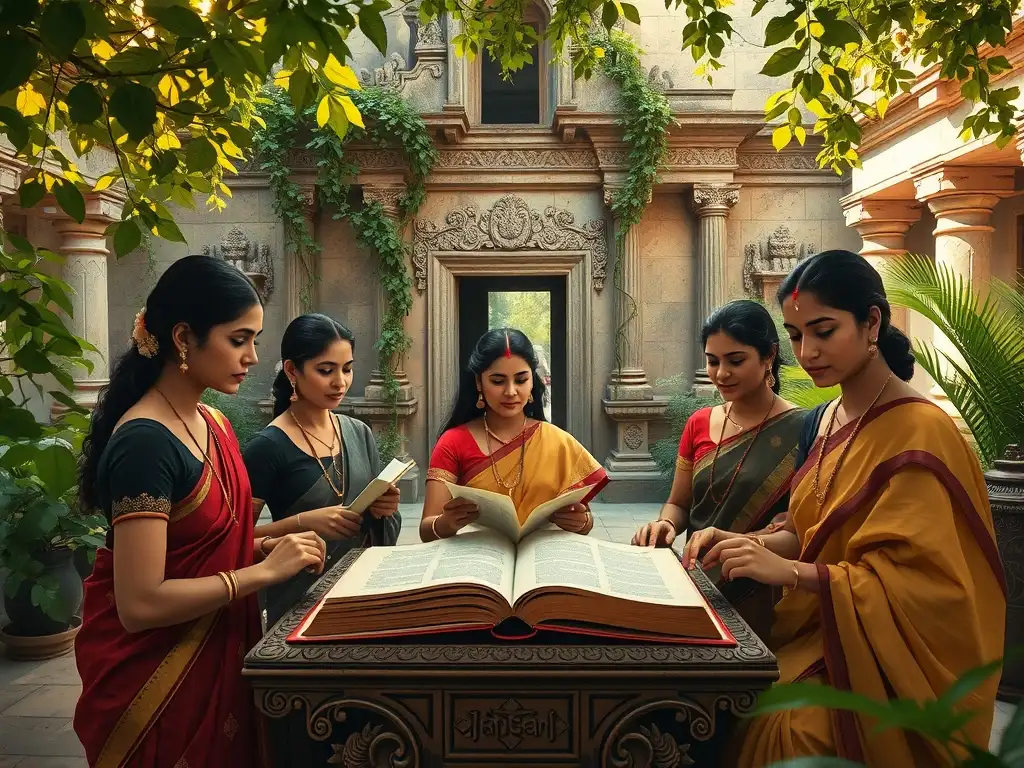
Throughout ancient Indian history, women encountered numerous challenges that hindered their participation in literary endeavors, particularly in the realms of Pali and Prakrit literature. Despite their vital roles in preserving and contributing to literary traditions, societal norms and patriarchal structures often restricted their opportunities for expression and recognition. Understanding these challenges is crucial to appreciating the contributions of women in ancient Indian literature.
Societal Barriers to Women’s Literary Participation
The societal framework of ancient India was predominantly patriarchal, which imposed significant barriers on women seeking to engage in literary pursuits. These barriers included:
- Limited Access to Education: Education for women was often deemed unnecessary, as societal expectations prioritized marriage and family responsibilities over scholarly pursuits. This lack of formal education meant that many women could not develop their literary skills or gain knowledge of Pali and Prakrit texts.
- Cultural Restrictions: Cultural norms dictated that women’s roles were primarily confined to the domestic sphere. Literary engagement was viewed as an inappropriate pursuit for women, further discouraging their involvement in the literary community.
- Economic Disadvantages: Economic dependency on male relatives often left women without the resources to pursue literary activities, such as purchasing books or gaining access to learning institutions.
Despite these barriers, some women managed to navigate these challenges and contribute to the preservation of literature, often through clandestine means or informal networks of support.
The Impact of Patriarchy on Women's Writing
Patriarchal structures not only limited women's access to literary education but also influenced the themes and styles of the literature produced by women. The impact of patriarchy can be observed in several ways:
- Subject Matter: Women’s writings were often confined to themes deemed acceptable by society, such as domesticity, love, and moral instruction. This restriction limited their ability to explore broader or more controversial topics that could challenge the status quo.
- Authorship Anonymity: Many women writers produced works anonymously or under pseudonyms, as public recognition could lead to social ostracism or jeopardize their family's honor. This anonymity has led to a significant loss of historical credit for women's contributions in Pali and Prakrit literature.
- Censorship and Criticism: Women’s literary works faced scrutiny and criticism from male counterparts and societal gatekeepers. Negative reception often discouraged women from pursuing further writing, resulting in a lack of representation in literary histories.
Historical Documentation of Women’s Contributions
Despite the challenges, historical documentation reveals that women played an essential role in the preservation and dissemination of Pali and Prakrit literature. Notable contributions include:
- Notable Figures: Figures such as Vimalādevī, who was recognized for her poetic contributions in Prakrit, demonstrate that women did find ways to express their literary talents. Their works often reflected their lived experiences and perspectives, enriching the literary landscape.
- Oral Traditions: Many women contributed to the oral transmission of literature, passing down stories and texts through generations. This oral tradition was crucial in preserving cultural narratives and practices, albeit often unrecorded in written form.
- Community Involvement: Women often participated in literary circles or gatherings, where they could share their writings and ideas informally. Such interactions fostered a sense of community and allowed for mutual support among women writers.
While the challenges faced by women in ancient Indian literature were formidable, their perseverance and contributions to Pali and Prakrit literature are significant. Understanding these dynamics not only honors their legacy but also provides a more comprehensive view of women in ancient Indian literature.
Modern Recognition and Revival of Women's Contributions
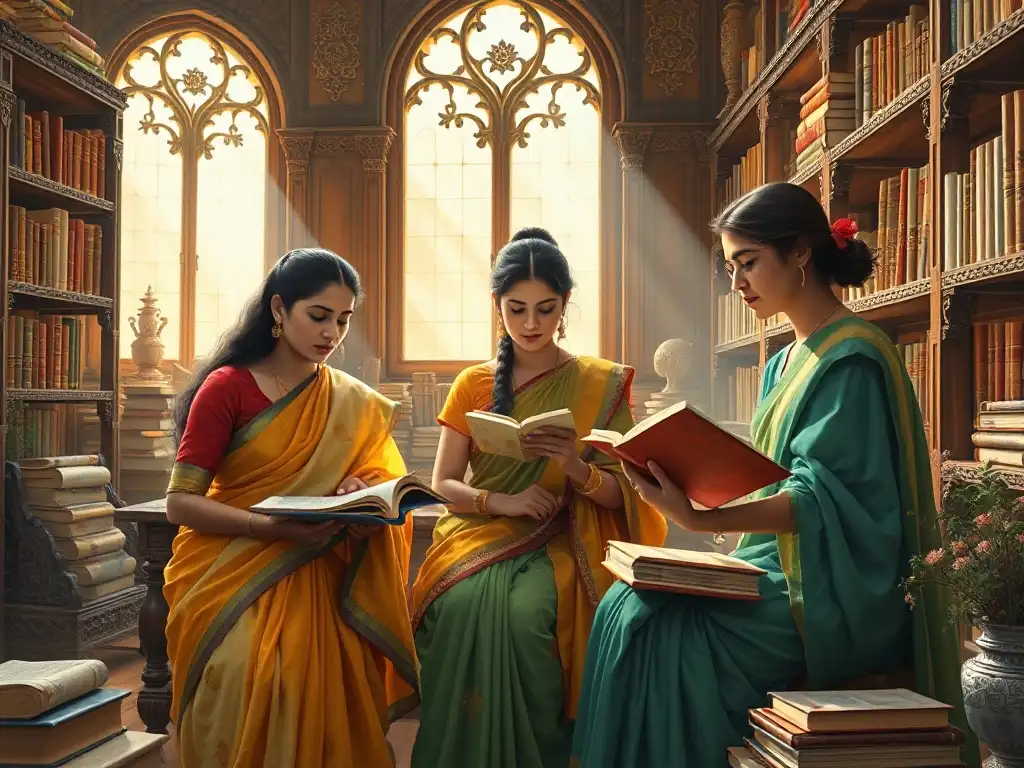
Contemporary Scholarship on Women in Ancient Literature
In recent years, there has been a significant shift in the scholarly landscape regarding the contributions of women to ancient Indian literature, particularly in the realms of Pali and Prakrit. Researchers are increasingly acknowledging the crucial roles that women played in the preservation and transmission of literary texts.
- Emergence of Diverse Perspectives: Contemporary scholarship has moved beyond traditional narratives, highlighting the narrative voices of women in ancient texts. Scholars like Rita Kothari and Sushma Patel are focusing on women's contributions, examining how these narratives shaped the literary landscape.
- Rediscovery of Women Authors: Many women writers from ancient India, previously overshadowed by their male counterparts, are now being rediscovered. For example, the works of Vimalā, a noted poetess, in Pali literature are receiving renewed attention, showcasing her unique contributions.
- Interdisciplinary Approaches: The interdisciplinary nature of modern scholarship has fostered a better understanding of women’s roles. By combining literary analysis with gender studies, scholars provide a more nuanced view of how women influenced literary traditions.
Efforts to Revive and Promote Pali and Prakrit Works
Efforts to revitalize interest in Pali and Prakrit literature have been bolstered by various initiatives aimed at promoting these ancient languages. Women have been at the forefront of these movements, advocating for the inclusion of female voices in the literary canon.
- Cultural Festivals and Workshops: Events such as Pali Literature Festivals and Prakrit Language Workshops often feature women scholars and practitioners showcasing their work. These platforms not only celebrate female contributions but also encourage new generations to engage with these languages.
- Publications and Anthologies: The publication of anthologies focusing on women in Pali and Prakrit literature is gaining traction. These collections aim to bring to light previously overlooked works, providing a broader understanding of the literary contributions of women.
- Educational Initiatives: Universities and cultural institutions are increasingly offering courses centered on women in ancient literature. Courses on Feminist Perspectives in Pali Studies are now part of many curriculums, reflecting a growing recognition of women's contributions.
The Role of Feminist Literary Criticism in Ancient Studies
Feminist literary criticism has played a pivotal role in reshaping the discourse around women in ancient Indian literature. This approach not only critiques the historical marginalization of female voices but also seeks to reclaim and reinterpret their contributions.
- Challenging Traditional Narratives: Feminist critics are actively challenging conventional narratives that have often sidelined women's roles. By focusing on texts and artifacts that highlight women's experiences, critics like Uma Chakravarti argue for a more inclusive understanding of history.
- Reinterpretation of Texts: Through feminist lenses, ancient texts are reinterpreted to reveal the complexities of female characters and their societal roles. This critical method unveils the layers of meaning in texts that may initially seem to reinforce patriarchal views.
- Highlighting Intersectionality: Feminist literary criticism also emphasizes the importance of intersectionality, addressing how factors such as class, caste, and religion intersect with gender in the context of ancient literature. This holistic approach enriches the understanding of women's contributions beyond mere representation.
The ongoing efforts to recognize and revive the contributions of women in Pali and Prakrit literature signify a transformative moment in the study of ancient Indian texts. By embracing diverse perspectives and methodologies, scholars are paving the way for a richer understanding of the literary heritage that ancient women helped to preserve and promote.
Conclusion: The Lasting Legacy of Women in Ancient Indian Literature
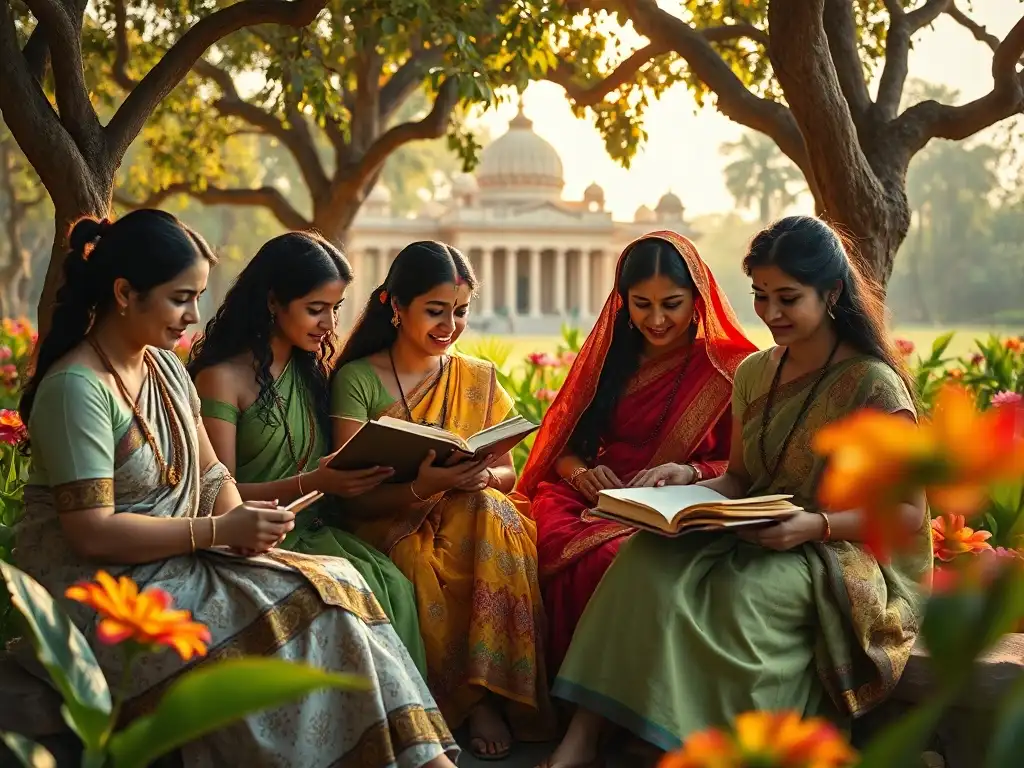
The contributions of women to Pali and Prakrit literature are indeed significant and multifaceted, shaping the literary landscape of ancient India in ways that resonate even today. These women, often operating within patriarchal constraints, found avenues for expression through poetry, prose, and storytelling that reflected their unique perspectives and experiences. Their voices not only enriched the literary canon but also provided insights into the socio-cultural dynamics of their times.
One of the most striking aspects of women's involvement in literature is the way it has been historically overlooked or underappreciated. As scholars continue to sift through ancient texts, a clearer picture emerges of how women influenced literary traditions and preserved cultural narratives. Figures such as the poetess Lal Ded and others from various backgrounds illustrate the profound impact that women's writings had on both religious and secular literature.
Moreover, the legacy of these women extends beyond their written works; it encapsulates the resilience and creativity they exhibited in navigating their roles within society. Their contributions serve as a reminder that literature can be a powerful tool for advocacy and change. The enduring relevance of their stories encourages modern readers to reflect on issues of gender, identity, and cultural heritage.
Future Directions for Research on Women in Pali and Prakrit Literature
The exploration of women's contributions to Pali and Prakrit literature remains a rich field for future research. As scholars strive to uncover the layers of these ancient texts, several areas warrant further investigation:
- Unpublished Manuscripts and Texts: Many works by women may still be hidden in archives or remain unpublished. A focused effort to locate and analyze these texts could yield fresh insights into women's literary contributions.
- Comparative Studies: Analyzing the works of women in Pali and Prakrit alongside those from other ancient cultures could provide a broader understanding of gender roles in literature and how they intersect across different traditions.
- Cultural Context: Investigating the historical and cultural contexts in which women wrote can illuminate the social norms and challenges they faced, thus enriching the narrative of their contributions.
- Interdisciplinary Approaches: Incorporating methodologies from fields such as gender studies, anthropology, and sociology can lead to a more nuanced understanding of women's roles in literature and society.
- Digital Humanities: Utilizing digital tools and platforms for the analysis and dissemination of ancient texts can make these works more accessible to a wider audience, fostering greater appreciation for women's literary contributions.
By pursuing these avenues, researchers can continue to shed light on the pivotal role women played in shaping Pali and Prakrit literature, ultimately enriching our understanding of ancient Indian literature as a whole. The recognition of these contributions not only honors the past but also inspires future generations to engage with and celebrate the diverse voices that have shaped literary traditions.
Frequently Asked Questions
What was the significance of women in ancient Indian literature?
Women played a crucial role in the preservation and creation of literary works, especially in the Pali and Prakrit languages, contributing to the cultural richness of ancient India.
How did women contribute to Pali and Prakrit literature?
Women contributed by acting as patrons, writers, and scholars, ensuring that literary traditions were maintained and passed down through generations, thereby enriching the literary landscape.
Were there any notable women writers in ancient India?
Yes, there were several notable women writers who contributed to ancient literature, often celebrated for their insightful perspectives and unique storytelling styles that added depth to Pali and Prakrit texts.
What challenges did women face in contributing to literature?
Women often faced social and cultural obstacles, such as restricted access to education and literary circles, which limited their opportunities to express their literary talents.
How has the role of women in ancient literature influenced modern perceptions?
The recognition of women’s contributions has led to a re-evaluation of their roles in history, promoting a greater understanding of gender dynamics in ancient societies and inspiring feminist discourse in literature today.
Final Reflection: The Enduring Legacy of Women in Ancient Indian Literature
The pivotal role of women in the preservation of Pali and Prakrit literature is not just a historical footnote; it is a powerful testament to their resilience and intellect. Today, as we navigate a world that often overlooks the contributions of women in various fields, it becomes increasingly essential to recognize and celebrate their influence in shaping literary traditions. The stories and texts preserved by women in ancient India serve as a reminder that their voices have always been integral to our cultural heritage.
The impact of women on the literary landscape is profound and ongoing, as their contributions continue to inspire new generations of writers and scholars. The narratives they safeguarded not only reflect the complexities of their time but also challenge contemporary perspectives on gender and creativity. As we reflect on this legacy, we are reminded of the words of the poetess Maya Angelou: I am a woman, phenomenally. Phenomenal woman, that's me.
This sentiment encapsulates the strength and significance of women's roles in literature, urging us to acknowledge their contributions as vital to our understanding of history and culture.
As we move forward, let us take a moment to reflect on how we can honor the legacy of these remarkable women in our own lives. Consider how you can amplify women's voices in literature today, whether through reading their works, supporting female authors, or engaging in discussions about their contributions.
By doing so, we not only pay homage to the past but also pave the way for a more inclusive and diverse literary future. Embrace the lessons from this article and become an advocate for the stories that deserve to be told, ensuring that the legacy of women in ancient Indian literature continues to thrive.
Empower Change: Join the Movement for Literary Preservation!
Thank you for taking the time to explore the vital role women have played in preserving Pali and Prakrit literature. Your interest in this rich cultural heritage is not only commendable but essential for continuing to honor these traditions. Now, let's turn that interest into action!
Here are some steps you can take to further engage with this important topic:
- Become a Contributor: Consider writing an article or blog post about a woman who has made significant contributions to the preservation of Pali and Prakrit literature. Share her story to inspire others!
- Join a Book Club: Explore or create a book club focused on works related to Pali and Prakrit literature. This can spark meaningful discussions and foster interest within your community.
- Share Your Insights: Talk about this topic with friends and family, or share this article on social media to raise awareness about the contributions of women in this field.
How will you honor the legacies of these remarkable women in your own life today?