
Analyzing the Symbolism in Sangam Literature: Decoding Ancient Tamil Imagery


Welcome to Ancient India History, where we embark on a captivating journey through the rich tapestry of ancient Indian civilizations. In our featured article, “Analyzing the Symbolism in Sangam Literature: Decoding Ancient Tamil Imagery,” we delve into the profound depths of Sangam literature symbolism analysis, uncovering the intricate ways in which these timeless texts reflect the cultural and emotional landscapes of their era.
As you explore this fascinating intersection of literature and history, prepare to be inspired by the stories and symbolism that continue to resonate through the ages. Join us as we decode the layers of meaning that make ancient Tamil literature not just a reflection of its time, but a vibrant part of our collective heritage.
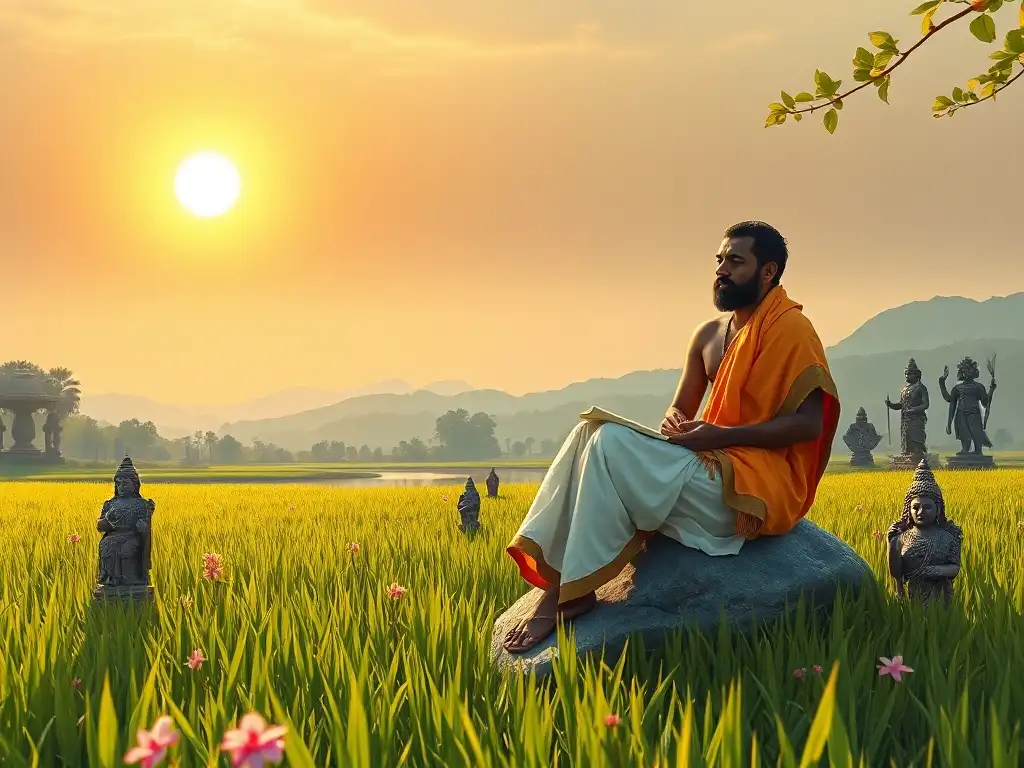
Introduction to Sangam Literature
Sangam literature, a cornerstone of ancient Tamil culture, holds a wealth of poetic expression that offers insight into the lives, beliefs, and values of early Tamil society. This body of work, composed between 300 BCE and 300 CE, is characterized by its rich use of imagery and symbolism, reflecting the intricate relationship between humans and nature, as well as the emotional landscape of the time.
As we embark on an exploration of Sangam literature symbolism analysis, we will decode the layers of meaning embedded within these texts, revealing how ancient Tamil poets used symbolic imagery to convey complex ideas and cultural nuances.
Overview of Sangam Literature
The term "Sangam" refers to the gatherings of Tamil poets and scholars who composed an extensive collection of poems, known as the Sangam literature, during three distinct periods. The texts encapsulate a variety of themes, including love (akam), war (puram), and nature, showcasing the poetic prowess and philosophical depth of their authors. Key works, such as Thirukkural and Akananuru, exemplify the sophisticated interplay of language and symbolism that defines this literary tradition.
- Key Characteristics of Sangam Literature:
- Themes: Love, valor, ethics, and nature
- Structure: Composed of various genres, including elegies and ballads
- Language: Rich in metaphors and allegorical references
Importance of Symbolism in Ancient Tamil Poetry
Symbolism serves as a vital tool in Sangam literature, enabling poets to express profound emotions and societal commentary through vivid imagery. The use of symbols not only enhances the aesthetic quality of the poetry but also invites readers to engage with the text on multiple levels. By understanding the significance of symbols, we can appreciate how ancient Tamil poets crafted their narratives, making them resonate with contemporary audiences.
- Benefits of Analyzing Symbolism:
- Deeper Understanding: Unraveling hidden meanings within the text
- Cultural Insight: Gaining perspective on ancient Tamil society and values
- Emotional Engagement: Connecting with the universal themes of love, nature, and human experience
Understanding Symbolism in Sangam Literature
To fully appreciate the richness of Sangam literature, it is essential to grasp the concept of symbolism and its unique manifestations within this poetic tradition.
Definition of Symbolism in Literature
Symbolism in literature refers to the use of symbols—objects, characters, or colors—to represent larger concepts or ideas. In the context of Sangam literature, symbols often reflect the natural world, emotions, and societal norms, creating a tapestry of interconnected meanings that enrich the reader's experience.
- Examples of Common Symbols:
- Nature: Trees, rivers, and mountains as representations of emotions and experiences
- Colors: Specific hues symbolizing different moods or states of being
- Animals: Creatures embodying virtues or vices
Unique Aspects of Tamil Symbolism
Tamil symbolism is distinguished by its deep-rooted connection to the cultural and environmental context of ancient Tamil Nadu. The landscape, flora, and fauna are intricately woven into the fabric of the poetry, establishing a sense of place that is both local and universal. Additionally, Tamil poets often employed a unique system of "thinai," or poetic landscape, which categorizes various themes and moods associated with specific geographical settings.
- Key Features of Tamil Symbolism:
- Integration with Nature: The landscape as a living entity that reflects human emotions
- Cultural Specificity: Symbols rooted in the customs and traditions of Tamil society
- Emotional Resonance: Evoking feelings through the interplay of natural imagery and human experience
In the following sections, we will delve deeper into specific examples of symbolism in Sangam literature, exploring how these elements contribute to the overall meaning and impact of the poems.
Key Symbols in Sangam Literature
Sangam literature, emerging from ancient Tamil Nadu, is rich with symbolism that reflects the complexities of life, nature, and human emotions. The texts, primarily composed between 300 BCE and 300 CE, use symbols to convey deeper meanings and insights into the human experience. Among the key symbols are nature, love, war, and social structures, each serving as a lens through which readers can gain a clearer understanding of the society and culture of the time.
These symbols are not merely decorative; they function as essential components of the narratives and poems, enabling the poets to express multifaceted ideas and emotions. The significance of these symbols lies in their ability to transcend time, allowing contemporary readers to connect with the sentiments and philosophies of ancient Tamil civilization.
Nature Imagery and Its Significance
Nature imagery plays a pivotal role in Sangam literature, often symbolizing the emotional states of characters and the themes of the poems. Elements such as mountains, rivers, forests, and the changing seasons are frequently employed to evoke specific feelings and atmospheres.
- Mountains often symbolize stability and strength, representing the enduring aspects of life, while rivers signify the fluidity of emotions and experiences.
- Seasons are utilized to reflect the cyclical nature of life, with the monsoon symbolizing renewal and abundance, whereas summer may depict harshness and longing.
Through vivid descriptions of natural landscapes, poets convey the interconnectedness of human emotions and the environment, illustrating how nature mirrors the inner workings of the heart and mind.
Human Emotions Represented through Symbols
In Sangam literature, human emotions are intricately woven into the fabric of the symbolic landscape. Each emotion is often represented by specific symbols that resonate with the experiences of love, joy, sorrow, and longing.
- Joy might be symbolized by flowers, representing beauty and transience, while sorrow could be depicted through withering leaves, illustrating loss and the passage of time.
- Longing, a prevalent theme in Sangam poetry, is frequently expressed through the imagery of the moon or stars, symbolizing unattainable desires and the yearning for connection.
These symbols not only enhance the emotional depth of the poetry but also create a rich tapestry that reflects the complexity of human feelings, allowing readers to engage with the text on a personal level.
Symbolism of Love and Relationships
Love is one of the central themes of Sangam literature, encapsulated through a variety of symbols that explore the nuances of romantic relationships. The imagery of birds, flowers, and water frequently appears in poems to depict different facets of love.
- Birds, often associated with freedom and companionship, symbolize the joy and beauty of love, while flowers signify the transient nature of romantic passion.
- Water is particularly significant, representing both the nurturing aspect of love and the pain of separation.
The intricate use of symbolism in the portrayal of love allows poets to delve into the emotional landscape of relationships, offering insights into both the bliss and heartache that accompany human connections.
Themes Explored through Symbolism
Sangam literature employs symbolism to explore a myriad of themes that reflect the cultural, social, and philosophical ethos of ancient Tamil society. These themes include love, war, nature, and spirituality, each conveyed through rich and evocative imagery.
The Role of Landscape in Symbolic Interpretation
The landscape in Sangam poetry serves not only as a backdrop but also as a character in its own right, contributing significantly to the symbolic interpretation of the texts. Various regions, such as hilly terrains, coastal areas, and rural fields, symbolize different aspects of life and human experience.
- Hilly terrains often evoke themes of challenge and resilience, while coastal areas symbolize the fluidity of life and the passage of time.
- Rural fields represent cultivation, not just of crops but also of relationships and community ties.
This connection between landscape and symbolism allows for a deeper understanding of how geography influences emotional states and societal structures in ancient Tamil culture.
Spiritual and Philosophical Symbols in Sangam Poetry
Spirituality and philosophy are deeply embedded in Sangam literature, with symbols reflecting the poets' quest for meaning and understanding of existence. Imagery associated with light, the divine, and cosmic elements frequently appears, representing enlightenment, divinity, and the interconnectedness of all beings.
- Light symbolizes knowledge and truth, illuminating the path toward spiritual awakening.
- The divine is often personified through symbols like goddesses or celestial bodies, representing the aspirations and moral compass of society.
These symbols serve not only as reflections of personal beliefs but also as commentaries on the broader philosophical inquiries of the time, inviting readers to ponder their own existence and purpose.
Social Commentary through Symbolic Imagery
Sangam literature often uses symbolic imagery to critique and comment on social structures and norms. The poets address themes such as caste, gender roles, and politics, integrating symbols that challenge or reinforce societal expectations.
- Caste dynamics may be symbolized through the depiction of different birds, each representing a specific social class and its attributes.
- Gender roles are often explored through the imagery of women as nurturing figures, while also highlighting their strength and resilience within patriarchal structures.
By employing symbolism in this manner, Sangam poets not only reflect the realities of their society but also provoke thought and discussion regarding social justice and equity, making their work relevant across ages.
Case Studies of Symbolism in Notable Sangam Works

Sangam literature is renowned for its intricate use of symbolism, which reflects the cultural, social, and emotional landscapes of ancient Tamil society. This section delves into prominent texts such as "Thirukkural," "Akananuru," and "Purananuru," uncovering the rich symbolic language employed by their authors. Each work offers a unique lens through which to understand the values and beliefs of the time, as well as the authors' mastery of metaphor and imagery. By analyzing these texts, we gain insights into the multifaceted nature of Sangam literature and its enduring impact on Tamil culture.
Analysis of "Thirukkural" and Its Symbolic Language
"Thirukkural," authored by the sage Thiruvalluvar, stands as one of the most significant texts in Tamil literature, encapsulating universal wisdom through its concise couplets. The symbolism in "Thirukkural" is profound, often employing nature and everyday life to convey moral and ethical teachings. For instance, the metaphor of the "tall tree" symbolizes a person's stature in society, suggesting that true greatness is measured by virtue, not mere social standing.
Moreover, the text frequently contrasts opposites to highlight moral choices, such as the tension between virtue (aram) and wealth (porul). Thiruvalluvar uses simple yet powerful imagery, like the "rain that nourishes the land," to illustrate the nurturing aspects of wisdom. This symbolic language not only enriches the textual meaning but also resonates with the readers' experiences, making the teachings accessible and relevant across generations.
Symbolism in "Akananuru" and Its Cultural Reflections
"Akananuru," a collection of poems, exemplifies the use of symbolism to explore themes of love, longing, and the human condition. The poems often feature natural imagery, such as flowers, birds, and landscapes, which serve as metaphors for emotions and relationships. For example, the recurring motif of the "lotus" symbolizes purity and the beauty of love, while the "bamboo" represents resilience and the struggles of lovers separated by circumstances.
The symbolism in "Akananuru" also reflects the cultural values of ancient Tamil society, emphasizing the significance of emotional expression and the connection between nature and human experiences. The poets skillfully intertwine personal feelings with broader cultural narratives, allowing readers to see the collective psyche of the society. This layered symbolism not only deepens the emotional impact of the poems but also reinforces the cultural identity of the Tamil people.
Decoding Imagery in "Purananuru"
"Purananuru," another key text in Sangam literature, showcases the use of vivid imagery to convey the complexities of heroism, valor, and the socio-political landscape of ancient Tamil Nadu. The poems often depict warriors and their exploits, using symbols such as "the lion" to embody bravery and strength. This powerful imagery serves to inspire and glorify the ideals of heroism within the context of Tamil culture.
Additionally, "Purananuru" employs the symbolism of landscapes, such as mountains and rivers, to represent the relationship between the land and its people. The imagery often reflects the agrarian lifestyle of the Tamils, illustrating how the environment shapes their identity and values. Through these symbolic representations, the text not only tells the stories of individual heroes but also encapsulates the collective spirit of the Tamil civilization, emphasizing the interconnectedness of culture, nature, and identity.
The Influence of Symbolism on Tamil Culture
The symbolism found in Sangam literature has left an indelible mark on Tamil culture, influencing various aspects of life, art, and literature. The themes and images that emerged from these ancient texts have resonated through the ages, shaping the cultural landscape of Tamil Nadu and beyond. This influence is evident in contemporary literature, arts, and expressions of Tamil identity, proving that the power of symbolism transcends time and remains relevant.
How Sangam Symbolism Shaped Tamil Identity
The symbolism inherent in Sangam literature played a crucial role in shaping Tamil identity by reflecting the values, beliefs, and social structures of the time. The recurrent themes of love, valor, and nature established a cultural framework that continues to inform Tamil self-perception. Symbols such as the "tamilagam" (Tamil land) and "kavi" (poet) have become integral to Tamil nationalism and pride, encapsulating the rich heritage of the Tamil people.
Furthermore, the emphasis on community, kinship, and the relationship with nature in Sangam texts instilled a sense of belonging and identity among Tamils. This cultural symbolism has been carried forward into modern times, influencing various forms of artistic expression, including music, dance, and visual arts, where traditional motifs are reinterpreted to convey contemporary narratives.
Contemporary Relevance of Ancient Symbols in Modern Tamil Literature
In modern Tamil literature, the symbols and themes from Sangam literature continue to thrive, often reimagined to address contemporary issues. Writers draw upon the rich tapestry of ancient imagery to explore themes such as identity, social justice, and the challenges of modernity. The symbolism of nature, for instance, remains a poignant tool for critiquing environmental issues and reflecting on the human experience.
Moreover, the enduring popularity of Sangam symbols in popular culture, such as cinema and music, showcases their relevance in today’s society. By integrating ancient symbols into modern narratives, contemporary Tamil literature not only pays homage to its roots but also invites new generations to engage with their cultural heritage. This dynamic interplay between ancient symbolism and modern expression ensures that the legacy of Sangam literature remains vibrant and influential in shaping Tamil identity today.
Conclusion
The analysis of symbolism in Sangam literature reveals a rich tapestry of meaning that transcends the surface level of poetic expression. This ancient Tamil literature, with its intricate imagery and metaphors, serves not only as a reflection of the socio-cultural milieu of its time but also as a profound commentary on human emotions and relationships. The themes of love, nature, and heroism encapsulated in Sangam poetry resonate with universal human experiences, making them timeless and relevant even in contemporary society.
Summary of Key Findings in Sangam Literature Symbolism Analysis
In our exploration of Sangam literature symbolism, several key findings emerge:
- Nature as a Symbolic Framework: Nature plays a pivotal role in Sangam poetry, often representing the emotional states of characters. The landscapes described—mountains, rivers, and forests—are not merely backdrops but integral to understanding the characters’ inner lives. For instance, the imagery of lush greenery often symbolizes prosperity and love, while arid landscapes can denote despair and separation.
- Metaphorical Language: The use of metaphors is prevalent, with poets employing everyday objects and phenomena to convey deeper meanings. For example, the metaphor of the "tender flower" is frequently used to symbolize youth and beauty, reflecting the transient nature of life and relationships.
- Cultural Context: The symbolism in Sangam literature is deeply rooted in the cultural practices and beliefs of ancient Tamils. Themes of heroism and valor often reflect the societal values of the time, showcasing the ideal attributes of a warrior and leader.
- Emotional Depth: The emotional layers within the poetry are revealed through the symbolic interplay of elements. The duality of joy and sorrow is frequently depicted, illustrating the complexities of love and longing, which are central to many poems in this tradition.
The Lasting Impact of Symbolism in Ancient Tamil Imagery
The symbolism found in Sangam literature has had a lasting impact on Tamil culture and literature. It has influenced subsequent generations of poets and writers, shaping the artistic expression and cultural narratives within Tamil Nadu and beyond. The rich imagery and themes present in Sangam poetry continue to inspire modern literature, art, and music, allowing for a continuity of cultural heritage. Moreover, the symbolic representations of emotions and nature provide a framework for understanding the human condition, fostering a connection between past and present.
The enduring relevance of these symbols highlights their role in preserving the collective memory and identity of the Tamil people. As contemporary artists draw from these ancient motifs, they not only pay homage to their roots but also reinterpret them in ways that resonate with current societal issues.
Suggested Further Reading
For those interested in delving deeper into the intricacies of Sangam literature and its symbolism, the following texts and articles are highly recommended.
Recommended Texts for Deeper Understanding of Sangam Literature
- "The Tamil Epic: A Comparison of Sangam Literature and the Mahabharata": by K. V. Zvelebil - This book provides insights into the narrative techniques and thematic concerns of Sangam poetry in comparison to epic traditions.
- "Sangam Literature: A Critical Study": by R. G. B. Rajan - A comprehensive analysis of the major themes and symbols used in Sangam literature, encompassing various genres and styles.
- "The Aesthetics of Tamil Poetry" by P. S. Sundaram - This text explores the artistic elements of Tamil poetry, focusing on symbolism and imagery in Sangam works.
Academic Articles on Symbolism in Tamil Poetry
- "Symbolism and Imagery in Sangam Poetry: A Study of Selected Poems": - This academic article examines specific poems to illustrate the use of symbolism and its emotional resonance.
- "Nature and Emotion in Sangam Literature: A Symbolic Analysis": - A scholarly paper that discusses the relationship between natural imagery and emotional expression in Tamil poetry, providing a detailed analysis of various poems.
- "Cultural Significance of Symbolism in Tamil Sangam Poetry" - This article investigates how the symbols in Sangam literature reflect the cultural values and societal norms of the ancient Tamil civilization.
These resources serve as an excellent foundation for anyone looking to gain a richer understanding of Sangam literature and the symbolism that permeates its poetic landscape.
- Introduction to Sangam Literature
- Understanding Symbolism in Sangam Literature
- Key Symbols in Sangam Literature
- Themes Explored through Symbolism
- Case Studies of Symbolism in Notable Sangam Works
- The Influence of Symbolism on Tamil Culture
- Conclusion
- Suggested Further Reading
Frequently Asked Questions
What is Sangam literature?
Sangam literature refers to a collection of ancient Tamil poems composed between 300 BCE and 300 CE. It captures the cultural and social aspects of the time, reflecting the lives of people in ancient Tamil Nadu.
How does symbolism play a role in Sangam literature?
Symbolism in Sangam literature serves to convey deeper meanings and emotions. Poets used nature, metaphors, and imagery to express complex ideas related to love, valor, and the human experience.
Can you give examples of common symbols in Sangam literature?
Common symbols include mountains representing strength, rivers denoting life, and flowers symbolizing beauty and love. Each symbol often carries a specific cultural significance within the context of the poems.
Why is analyzing symbolism important in understanding Sangam literature?
Analyzing symbolism is crucial as it helps to uncover the layers of meaning in the texts. It allows readers to appreciate the artistry of the poets and the cultural context that shaped their expressions.
How does Sangam literature influence modern Tamil culture?
Sangam literature continues to influence Tamil identity and literary traditions. Its themes and symbolic language resonate in contemporary Tamil poetry, music, and arts, maintaining a rich connection to the past.
Final Reflection: Unveiling the Depths of Sangam Literature Symbolism
The exploration of Sangam literature symbolism resonates profoundly in today's cultural landscape, illuminating the intricate tapestry of ancient Tamil imagery that continues to inspire modern interpretations. As we delve into the rich symbolism embedded in these texts, we uncover not only the historical significance but also the timeless relevance of these narratives that speak to the human experience across generations. The power of symbolism in Sangam literature serves as a bridge connecting the past with the present, inviting us to reflect on our own identities and cultural heritage.
The impact of Sangam literature extends beyond mere academic analysis; it influences our understanding of community, love, and nature in contemporary society. The vivid imagery and profound themes found within these ancient texts encourage us to appreciate the nuances of our own lives and relationships. As noted by literary scholar A.K. Ramanujan, The past is never dead. It's not even past.
This sentiment underscores the ongoing dialogue between the ancient and the modern, reminding us that the symbols and stories of Sangam literature continue to shape our cultural consciousness today.
As we conclude this exploration, I invite you, dear reader, to reflect on the lessons embedded within Sangam literature and consider how these age-old symbols can inform your own journey. Take a moment to ponder the imagery that resonates with you, and allow it to inspire your understanding of love, nature, and community in your life. By engaging with these texts, we not only honor our heritage but also cultivate a deeper appreciation for the shared human experience that transcends time and place.
Uncover the Depths of Sangam Literature Today!
Thank you for diving into the rich world of Sangam literature with us! You've explored ancient Tamil imagery and discovered the profound symbolism that shapes this remarkable literary tradition. Now, it's time to take that knowledge further and engage with this fascinating topic even more!
Here’s how you can deepen your understanding and appreciation:
- Join a local or online book club dedicated to Tamil literature to share insights and broaden your perspective.
- Create your own analysis of a piece from Sangam literature—express your thoughts through a blog post or social media!
- Engage with others: Share this article with friends or on social media to spark discussions about the themes and symbols in Sangam literature, fostering curiosity and dialogue.
What aspect of Sangam literature resonates with you the most, and how has it influenced your understanding of ancient Tamil culture? Let's continue the conversation!