
The Revival of Interest in Sangam Literature: Why It Matters Today

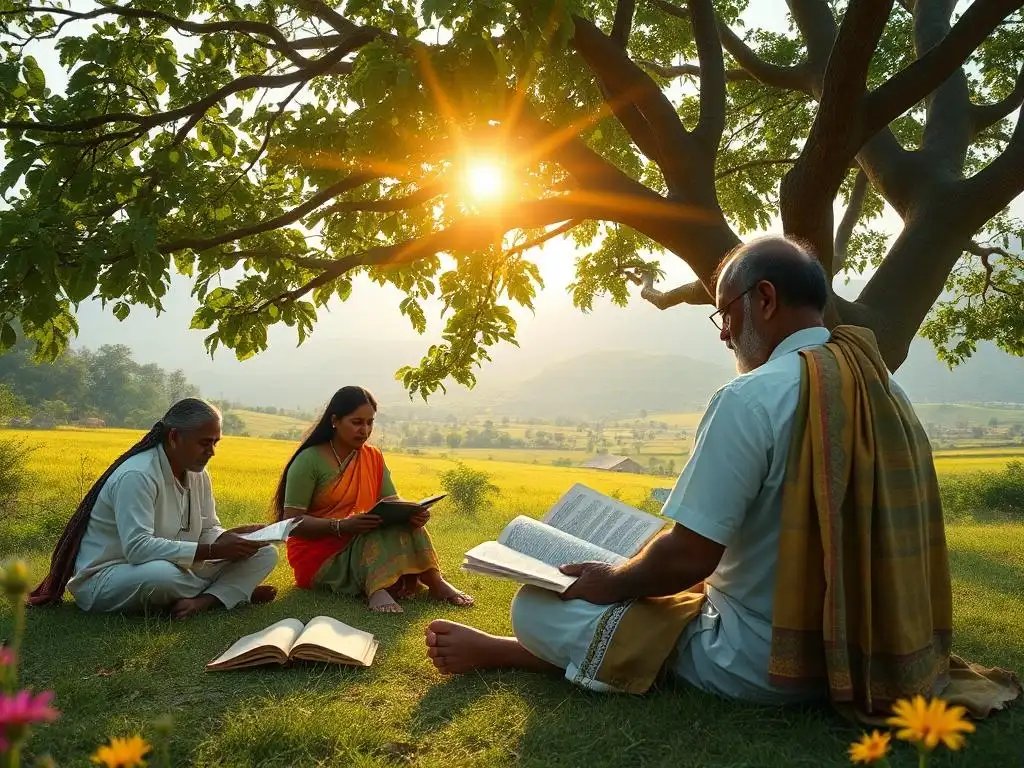
Welcome to Ancient India History, where we invite you to embark on a fascinating journey through the vibrant tapestry of India's past. In this corner of the web, we delve into the rich and diverse history, culture, and contributions of ancient Indian civilizations, from the enigmatic Indus Valley to the illustrious Gupta Empire. Today, we shine a spotlight on the significance of Sangam literature and explore its profound impact on contemporary society.
Why does this ancient collection of poems and prose still resonate with us today? Join us as we uncover the layers of meaning and relevance that make Sangam literature a treasure trove for modern readers. Your exploration begins here!
Sangam literature, an ancient treasure trove of Tamil poetry, has recently experienced a revival of interest that highlights its enduring significance in contemporary society. Spanning from approximately 300 BCE to 300 CE, this body of work offers invaluable insights into the social, political, and cultural fabric of ancient Tamil civilization. As the world increasingly embraces diverse literary expressions, the importance of Sangam literature—its themes, narratives, and linguistic beauty—becomes more relevant than ever. This article explores the significance of Sangam literature today, delving into its historical context, key themes, and its impact on modern culture and literature.
Understanding Sangam Literature
Definition and Overview of Sangam Literature
Sangam literature refers to a collection of Tamil poems composed during the Sangam period, characterized by its rich linguistic style and diverse themes. The term "Sangam" itself denotes a gathering or assembly, reflecting the collaborative nature of this literary era where poets and scholars congregated to share their works. The literature is primarily divided into two categories: Aham, which focuses on love and personal relationships, and Puram, which addresses themes such as valor, ethics, and the social order.
Historical Context of Sangam Literature
Emerging from the Tamil Nadu region of Southern India, Sangam literature flourished under the patronage of various dynasties, including the Cholas, Pandyas, and Cheras. As a reflection of the socio-political landscape of the time, this literature offers a glimpse into the lives of ancient Tamils, their customs, and their interactions with neighboring cultures. The historical significance of Sangam literature is underscored by its role in preserving Tamil identity and language during a period of considerable external influence.
Key Themes and Characteristics of Sangam Literature
Sangam literature encompasses a wide array of themes, including love, heroism, and the beauty of nature. Key characteristics include:
- Imagery and Symbolism: Vivid descriptions that evoke sensory experiences.
- Emotion and Sentiment: Exploration of deep feelings and human experiences.
- Moral and Ethical Lessons: Insights into societal norms and values.
- Nature and Landscape: A strong connection to the environment and its significance in human life.
The Significance of Sangam Literature Today
Cultural Relevance of Sangam Literature in Modern Society
In today's multicultural world, Sangam literature serves as a bridge connecting contemporary readers to ancient Tamil culture. Its exploration of universal themes such as love, duty, and the human condition resonates across generations, making it relevant in discussions around identity and cultural heritage. Furthermore, the revival of interest in Sangam literature enriches the Tamil diaspora's understanding of their roots, fostering a sense of belonging and pride.
The Role of Sangam Literature in Contemporary Literature Studies
As literary scholars and enthusiasts increasingly recognize the value of non-Western literary traditions, Sangam literature has gained prominence in academic circles. Its unique narrative style and thematic richness offer fresh perspectives that challenge conventional literary frameworks. The study of Sangam literature encourages a more inclusive approach to literature that acknowledges diverse cultural contributions and promotes cross-cultural dialogue.
How Sangam Literature Influences Modern Art and Poetry
The influence of Sangam literature extends beyond academia into the realms of art and poetry. Contemporary artists and poets draw inspiration from its rich imagery and emotional depth, infusing their works with elements that reflect the essence of ancient Tamil ideals. This cross-pollination of ideas not only revitalizes traditional forms but also fosters innovation in modern creative expressions, ensuring that the legacy of Sangam literature continues to thrive in the present day.
The revival of interest in Sangam literature underscores its profound significance today, inviting exploration into its historical roots and contemporary relevance. As we delve deeper into this literary heritage, we uncover the timeless wisdom and cultural richness that continue to shape our understanding of the world.
Factors Contributing to the Revival of Interest in Sangam Literature
The renewed interest in Sangam literature can be attributed to a confluence of factors that have brought this ancient Tamil literary tradition to the forefront of contemporary discourse. The multifaceted nature of these influences ranges from academic developments to cultural celebrations, highlighting the significance of Sangam literature in today’s society.
Increased Academic Research and Publications on Sangam Literature
In recent years, there has been a significant uptick in scholarly research focused on Sangam literature. Researchers are exploring various aspects, including its historical context, thematic richness, and linguistic features. This surge in academic interest has led to numerous publications, including critical analyses, translations, and anthologies, making Sangam texts more accessible to a global audience.
Many universities are now offering specialized courses and conducting seminars dedicated to Sangam literature, fostering an environment that encourages in-depth study and discussion. This academic rigor not only validates the literary merit of Sangam works but also encourages new generations of scholars to engage with these texts, thus ensuring their continued relevance.
The Influence of Digital Platforms and Social Media
Digital platforms and social media have revolutionized how literature is consumed and discussed. With the rise of blogs, podcasts, and social media groups dedicated to Tamil literature, Sangam texts have found a new audience.
Online forums and platforms allow enthusiasts and scholars alike to share insights, interpretations, and translations of Sangam works. This democratization of knowledge has sparked conversations around the themes and cultural significance of Sangam literature, making it more relatable to modern readers. Hashtags like #SangamLiterature and #TamilLiterature are now trending, showcasing the vibrant discussions occurring in digital spaces.
Revitalization through Literary Festivals and Events
Literary festivals and cultural events have played a vital role in bringing Sangam literature to public attention. Events such as the Chennai Literary Festival and other local gatherings often include sessions focused on Tamil literature, where experts and enthusiasts discuss the nuances of Sangam texts.
These festivals provide a platform for performances, readings, and workshops that celebrate the richness of Sangam literature. They not only attract scholars but also engage the general public, fostering a sense of cultural pride and continuity. By bridging the gap between ancient texts and contemporary audiences, these events reinforce the significance of Sangam literature in today’s cultural landscape.
Educational Institutions and Sangam Literature
Educational institutions have become pivotal in the revival of interest in Sangam literature. By incorporating these ancient texts into their curricula, schools and universities are playing a crucial role in preserving and promoting this literary heritage.
Integration of Sangam Literature in Curriculum
The integration of Sangam literature into academic curricula has seen a positive trend in recent years. Many educational institutions are recognizing the importance of including regional literature as part of their language and literature programs.
Courses on Tamil literature now often feature Sangam texts, allowing students to explore the historical context, poetic forms, and cultural significance of these works. By studying Sangam literature, students not only gain insight into Tamil culture but also develop critical thinking and analytical skills as they engage with complex themes and narratives.
Importance of Teaching Sangam Literature in Schools and Universities
Teaching Sangam literature in schools and universities is essential for several reasons. First, it fosters a deeper understanding of Tamil history and cultural identity, providing students with a sense of belonging and pride in their heritage.
Moreover, the themes of love, valor, and nature found in Sangam texts resonate with universal human experiences, making them relevant to contemporary discussions. By exposing students to these works, educators encourage empathy and cultural awareness, equipping them to navigate a diverse and interconnected world. Ultimately, the teaching of Sangam literature not only preserves a vital part of India’s literary heritage but also enriches students' educational experiences.
The Global Perspective on Sangam Literature
Sangam literature, a treasure trove of poetic and philosophical works from ancient Tamil Nadu, is gaining traction on the global stage. This revival of interest highlights the relevance of these texts in contemporary discussions about identity, culture, and human experience. Scholars, poets, and enthusiasts from various countries are beginning to recognize the richness of this literary tradition, prompting a deeper exploration of its themes and narratives.
The global perspective on Sangam literature not only fosters appreciation for Tamil culture but also encourages cross-cultural dialogues that can lead to a more nuanced understanding of the human condition. As translations and academic studies proliferate, the literary landscape is enriched, creating opportunities for intercultural exchanges that resonate with audiences far beyond the shores of India.
International Interest in Indian Classical Literature
The past few decades have witnessed a surge in international interest in Indian classical literature, with Sangam literature at the forefront of this movement. Universities across the globe are increasingly including courses focusing on South Asian studies, where Sangam texts are studied for their aesthetic, linguistic, and historical significance.
International conferences and literary festivals have also begun to feature discussions on Sangam literature, showcasing its themes of love, valor, and nature, which resonate with universal human experiences. Such initiatives are crucial in positioning Sangam literature within the broader context of world literature, allowing for a deeper appreciation of its contributions to the global literary canon.
Comparative Analysis with Other Classical Literary Traditions
A comparative analysis of Sangam literature with other classical literary traditions, such as Greek, Latin, and Chinese literature, reveals both unique characteristics and shared themes. For instance, the celebration of nature and human emotion prevalent in Sangam poetry parallels the works of ancient Greek poets like Sappho and Homer, who also explored similar themes of love and heroism.
Moreover, the narrative styles and forms used in Sangam literature, such as the use of metaphor and simile, can be observed in the works of other classical literatures. This comparative approach not only enriches our understanding of Sangam literature but also situates it within a larger framework of global literary traditions, highlighting its significance in the tapestry of world literature.
Challenges Facing the Revival of Sangam Literature
Despite the growing interest in Sangam literature, several challenges hinder its broader revival and appreciation. Addressing these challenges is crucial for ensuring that this ancient literary tradition continues to resonate with future generations.
Misconceptions and Myths Surrounding Sangam Literature
One of the primary challenges is the prevalence of misconceptions and myths surrounding Sangam literature. Many people view these texts solely as historical artifacts rather than living literature that offers insights into contemporary issues. This narrow interpretation can lead to a lack of engagement, as audiences may not perceive the relevance of Sangam poetry to modern life.
Moreover, misconceptions about the linguistic complexities and cultural specificity of Sangam literature can deter potential readers. Educating the public about the richness and accessibility of these texts is essential for fostering a deeper appreciation and understanding of their significance today.
Language Barriers and Accessibility Issues
Language barriers pose a significant obstacle to the revival of Sangam literature. While translations exist, many are either limited in scope or fail to capture the nuanced beauty of the original texts. This can lead to a disconnect between the literature and potential readers who may not be fluent in Tamil.
Furthermore, the accessibility of Sangam literature is often compromised by a lack of resources, such as comprehensive translations and scholarly works that make these texts available to a wider audience. Addressing these language and accessibility issues is paramount to ensuring that Sangam literature reaches and resonates with a global readership, thereby affirming its significance in contemporary discourse.
Future Prospects of Sangam Literature
The future of Sangam literature appears promising, as renewed interest from scholars, students, and the general public is paving the way for deeper exploration and understanding of this rich literary tradition. With ongoing research and educational initiatives, Sangam literature is poised to gain greater recognition not just in academic circles but also among broader audiences. This renewed focus can lead to the unearthing of more texts, translations, and interpretations, which can further enrich our understanding of the sociocultural fabric of ancient Tamil society.
Moreover, the integration of modern technology, such as digital archives and online platforms, can facilitate access to Sangam texts, allowing a global audience to engage with these ancient works. This accessibility can foster a more inclusive dialogue about the themes and narratives found in Sangam literature, ultimately contributing to its significance in contemporary discussions about identity, culture, and history.
Opportunities for Further Research and Exploration
The revival of interest in Sangam literature opens numerous avenues for further research. Scholars can delve into various aspects, such as:
- Comparative Studies: Examining similarities between Sangam literature and other ancient literary traditions, such as Greek or Roman literature, can illuminate universal themes of human experience.
- Interdisciplinary Approaches: Scholars from diverse fields, including anthropology, history, and linguistics, can collaborate to create a holistic understanding of Sangam texts in their historical context.
- Translation Projects: There is a strong need for quality translations of Sangam literature into various languages, which can make these works more accessible and promote cross-cultural appreciation.
- Digital Humanities: Utilizing technology to analyze and visualize texts can reveal patterns and connections that may have been overlooked in traditional studies.
The possibilities for exploration are vast, and as more researchers engage with Sangam literature, the depth and breadth of its significance will become increasingly apparent.
The Role of Sangam Literature in Promoting Cultural Heritage
Sangam literature serves as a vital link to the cultural heritage of ancient Tamil Nadu, capturing the ethos, values, and social dynamics of the time. By promoting the preservation and appreciation of this literary corpus, we can foster a stronger sense of identity and belonging among Tamil-speaking communities. The themes of love, valor, nature, and spirituality found in Sangam texts resonate deeply, offering insights into the human condition that remain relevant today.
Additionally, educational institutions and cultural organizations play a crucial role in disseminating knowledge about Sangam literature. Workshops, seminars, and public lectures can enhance awareness and appreciation among younger generations, ensuring that the cultural legacy continues to thrive. Furthermore, incorporating Sangam literature into school curricula can nurture a love for reading and literature, while also instilling respect for one’s cultural roots.
Conclusion
Summary of the Significance of Sangam Literature Today
Sangam literature holds significant relevance today, offering insights into ancient Tamil culture and society while addressing timeless themes that resonate with contemporary audiences. Its revival signifies not only an appreciation for historical texts but also a recognition of their role in shaping cultural identity and heritage. As interest in Sangam literature continues to grow, it promises to enrich our understanding of the past and inform our present.
Call to Action for Further Engagement with Sangam Literature
To fully appreciate the significance of Sangam literature today, it is essential for individuals, educators, and cultural institutions to actively engage with these texts. Readers are encouraged to explore translations, attend cultural events, and participate in discussions that celebrate this rich literary tradition. By doing so, we can ensure that Sangam literature remains a vibrant part of our cultural discourse, inspiring future generations to delve into its depths and discover the wisdom it offers. Let's embrace this revival and make Sangam literature a cornerstone of our exploration of ancient Indian history and culture!
- Understanding Sangam Literature
- The Significance of Sangam Literature Today
- Factors Contributing to the Revival of Interest in Sangam Literature
- Educational Institutions and Sangam Literature
- The Global Perspective on Sangam Literature
- Challenges Facing the Revival of Sangam Literature
- Future Prospects of Sangam Literature
- Conclusion
Frequently Asked Questions
What is Sangam literature?
Sangam literature refers to a collection of ancient Tamil texts composed between 300 BCE and 300 CE, representing the rich cultural and poetic traditions of early Tamil Nadu.
Why is Sangam literature significant today?
The significance of Sangam literature today lies in its timeless themes of love, heroism, and ethics, which continue to resonate in contemporary society, influencing modern literature and cultural identity.
How does Sangam literature contribute to our understanding of ancient Indian civilizations?
Sangam literature provides insight into the socio-political and economic conditions of ancient Tamil society, showcasing aspects like governance, trade, and cultural practices that shaped early Indian civilization.
What are some key themes found in Sangam literature?
Key themes include love (akam), war (puram), and nature, which reflect the human experience and the relationship between individuals and their environment, making it relevant even today.
How can one study Sangam literature effectively?
To study Sangam literature effectively, one should engage with translations, commentaries, and scholarly analyses, as well as explore its historical context to appreciate its depth and influence on Tamil culture.
Final Reflection: The Timeless Significance of Sangam Literature Today
The revival of interest in Sangam literature underscores its profound relevance in contemporary society. As we navigate an increasingly complex world, the themes of love, valor, and nature found within these ancient texts resonate deeply with our modern experiences. The rich tapestry of emotions and insights presented in Sangam literature serves as a reminder of our shared humanity, urging us to reconnect with our roots and appreciate the wisdom embedded in our cultural heritage.
Cultural narratives shape our identities and influence our perspectives, and Sangam literature continues to play a pivotal role in this process. The resurgence of interest in these texts not only enriches our understanding of Tamil culture but also fosters a broader appreciation for diverse literary traditions. As poet and philosopher Kavi Yogi Vemana once said, Literature is the mirror of society.
This reflection invites us to examine our values and beliefs through the lens of Sangam literature, encouraging a dialogue that transcends time and geography.
As you contemplate the significance of Sangam literature in your own life, consider how its themes can inspire personal growth and cultural appreciation. Embrace the lessons of the past and allow them to guide your actions in the present. Whether through reading, discussion, or creative expression, engage with these timeless texts and let their wisdom illuminate your path forward. In doing so, you contribute to a vibrant cultural tapestry that honors our history while shaping a more inclusive future.
Unveil the Richness of Sangam Literature Today!
Thank you for taking the time to explore the profound significance of Sangam literature in our modern world. We hope you’ve uncovered insights that reignite your appreciation for this remarkable literary tradition. Now, it’s your turn to make an impact!
Here are a few actionable steps you can take right now:
- Dive into a poem from Sangam literature and share your reflections with friends or on social media using the hashtag #SangamRevival.
- Join or start a book club focused on exploring Sangam texts, fostering vibrant community conversations around their themes and relevance.
- Attend local cultural events or lectures that celebrate Indian literature, and consider contributing to discussions on how Sangam literature influences contemporary writing.
What aspect of Sangam literature resonates most with you, and how do you see it influencing modern storytelling? We invite you to share your thoughts with us!