
The Puranas and Their Role in Shaping Indian Identity

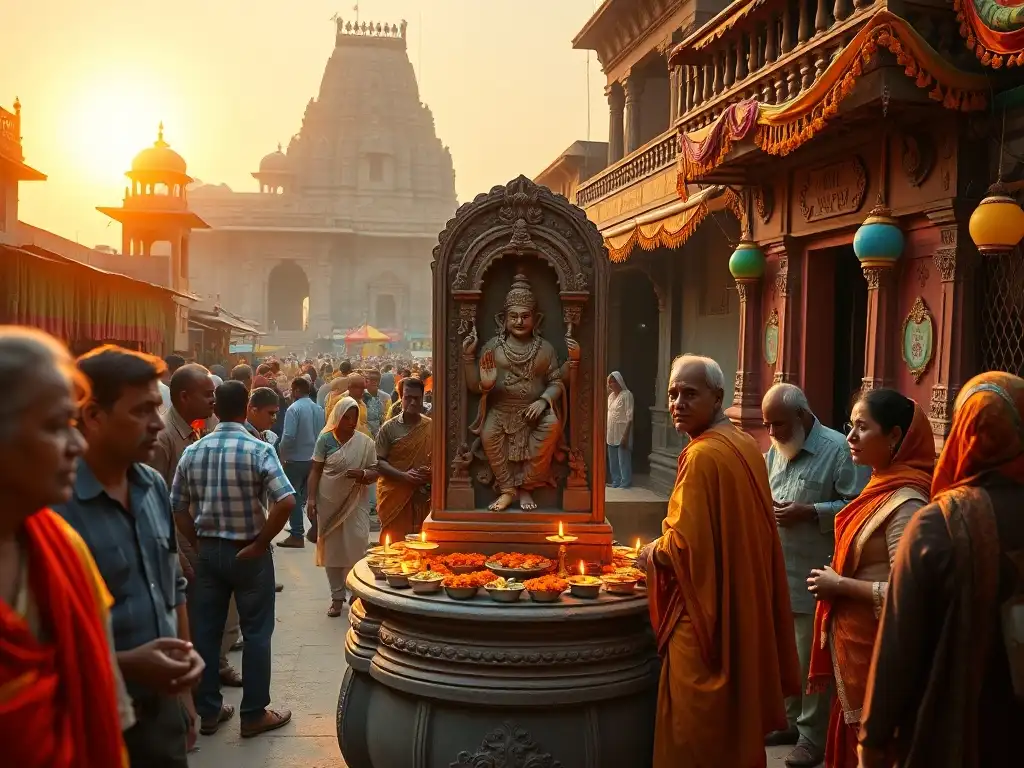
Welcome to Ancient India History, where we embark on an enlightening journey through the rich tapestry of India's past. Delve into the profound influence of the Puranas on Indian culture, a topic that unravels the threads connecting mythology, tradition, and identity across millennia. As we explore how these ancient texts have shaped the ethos of Indian civilization, prepare to uncover layers of wisdom that continue to resonate today. Join us as we navigate the fascinating intersections of literature and history, and discover what lies beyond the epics. Your adventure through time begins here!
- Introduction to the Puranas and Their Influence on Indian Culture
- The Role of Puranas in Shaping Indian Identity
- Key Themes in the Puranas that Influence Indian Culture
- The Puranas and Regional Identities in India
- Puranas and Their Contribution to Indian Art and Literature
- The Puranas in Modern Indian Society
- Conclusion: The Lasting Legacy of the Puranas on Indian Identity
- Frequently Asked Questions
- Final Reflection: The Enduring Influence of the Puranas on Indian Identity
- Unleash the Essence of Indian Identity Today!
Introduction to the Puranas and Their Influence on Indian Culture
The Puranas represent a crucial segment of ancient Indian literature, embodying a rich tapestry of myth, tradition, and historical narrative. As scriptures that span a vast range of topics—from cosmology and theology to folklore and ethics—the Puranas have played a pivotal role in shaping not only the spiritual landscape of India but also its cultural identity.
Their influence on Indian culture is profound, manifesting in art, festivals, rituals, and societal norms that have persisted through centuries. This article delves into the essence of the Puranas, examining their definitions, historical contexts, and the myriad ways they continue to impact modern Indian society.
Understanding the Puranas: Definition and Overview
The term "Purana" originates from the Sanskrit word purāṇa, meaning "ancient" or "old." The Puranas are a genre of ancient Indian texts that encompass a wide array of topics, typically classified into eighteen major Puranas and several minor ones. These texts, composed in Sanskrit, include narratives about:
- Creation and Cosmology: Explaining the origins of the universe and the cycles of creation and destruction.
- Genealogies of Gods and Heroes: Documenting the lineage of deities, saints, and legendary figures.
- Mythical Tales and Legends: Encompassing stories that illustrate moral, ethical, and philosophical teachings.
- Cultural Practices and Rituals: Providing guidelines for religious practices, festivals, and societal norms.
The Puranas serve not only as spiritual guides but also as historical documents that reflect the socio-political milieu of their times. They are instrumental in preserving the collective memory and identity of various communities, reinforcing shared beliefs and values.
Historical Context of the Puranas in Ancient India
The composition of the Puranas dates back to a time when oral traditions dominated the transmission of knowledge. The earliest texts are believed to have emerged around the 4th to 6th centuries CE, during a period of significant cultural and religious transformation in India, particularly under the rule of the Gupta Empire. This era marked a renaissance of art, literature, and philosophy, leading to the codification of many traditional narratives into written form.
The historical context in which the Puranas were developed is characterized by:
- Cultural Synthesis: The blending of various regional traditions and practices, which contributed to a unified yet diverse cultural framework.
- Religious Evolution: The transition from Vedic traditions to the more inclusive approaches found in the Puranas, accommodating various sects and beliefs, including Hinduism, Buddhism, and Jainism.
- Political Patronage: The support of kings and rulers who endorsed the creation and dissemination of Puranic texts, recognizing their role in legitimizing authority and fostering a sense of community.
By exploring the Puranas, we gain insight into the foundational narratives that have shaped Indian identity and continue to resonate in contemporary society. Their enduring legacy reflects the complexities of ancient Indian civilization, making them a vital subject of study for anyone interested in the rich tapestry of India’s past.
The Role of Puranas in Shaping Indian Identity
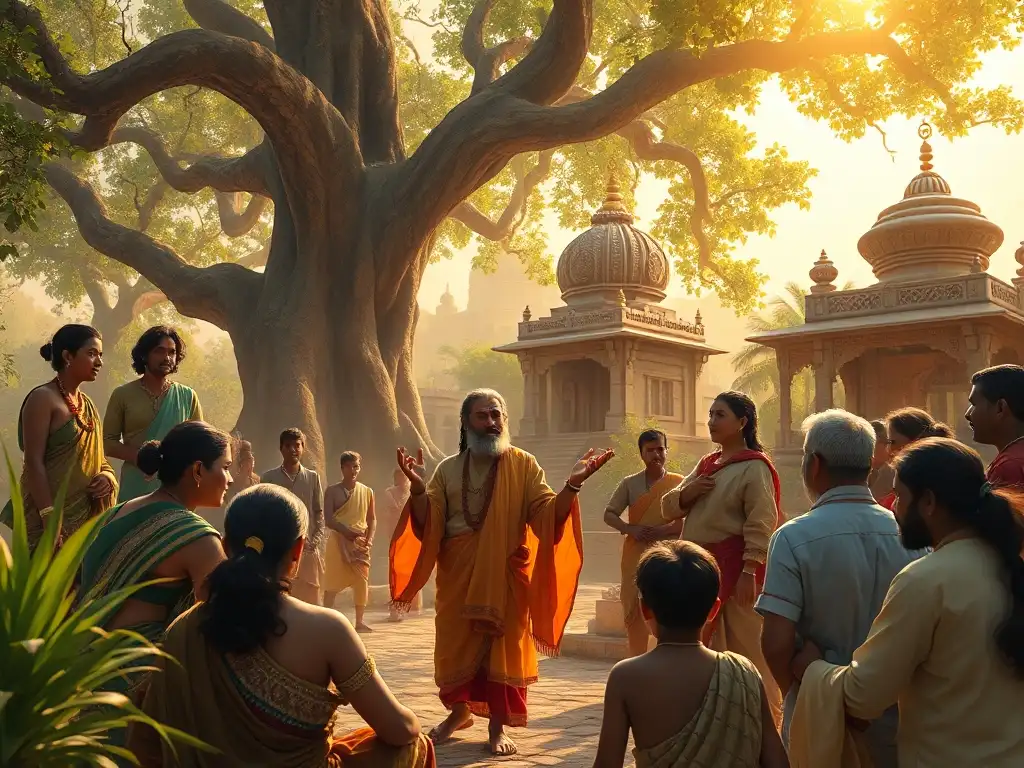
The Puranas, a genre of ancient Indian literature, have played a crucial role in shaping the cultural and spiritual landscape of India. These texts, composed over centuries, serve not only as repositories of myths, legends, and historical narratives but also as foundational texts that have influenced societal norms, values, and identity. Their impact extends beyond mere storytelling; they act as a bridge between ancient traditions and contemporary Indian culture, encapsulating the ethos of Indian civilization.
The Puranas as Cultural Texts
The Puranas are a diverse collection of texts that include cosmology, theology, mythology, and rituals. Traditionally attributed to the sage Vyasa, they encompass eighteen major Puranas and numerous minor ones, each contributing uniquely to the cultural tapestry of India.
- Historical Context:
- The Puranas emerged during a time when Indian society was undergoing significant transformations. They encapsulated the shifting paradigms of belief systems, particularly the transition from Vedic traditions to more accessible forms of worship, including Bhakti (devotion).
- They provided a narrative framework that helped communities understand their past and establish a collective identity.
- Literary Features:
- Narrative Techniques: The use of storytelling, allegories, and parables makes the Puranas engaging and relatable. This narrative style allows complex philosophical ideas to be conveyed in an understandable manner.
- Characterization: Central figures, like Vishnu and Shiva, are depicted with human-like qualities and moral dilemmas, making them accessible and relevant to everyday life.
- Cultural Transmission:
- The Puranas have been instrumental in transmitting cultural practices and rituals across generations. They detail various ceremonies, festivals, and the significance behind them, ensuring that these traditions remain vibrant in contemporary society.
- They have also influenced regional customs, as different Puranas resonate with local cultures, leading to a rich diversity of practices and beliefs.
How Puranas Reflect Indian Values and Beliefs
The Puranas encapsulate fundamental Indian values and beliefs that have persisted through time, serving as a moral and ethical compass for society.
- Dharma (Righteousness):
- Central to the Puranic narratives is the concept of Dharma, which emphasizes duty and moral responsibility. Stories illustrate the importance of adhering to one's Dharma, whether in familial roles or societal obligations.
- The tales of characters like King Harishchandra exemplify unwavering commitment to truth and justice, reinforcing the value of integrity in Indian culture.
- Cosmology and Spirituality:
- The cosmological frameworks presented in the Puranas reflect a unique understanding of the universe and humanity's place within it. The cyclical nature of time (Yugas) and creation myths convey a sense of continuity and interconnectedness.
- The Puranas promote spiritual practices and rituals that encourage individuals to seek a deeper connection with the divine, fostering a culture of spirituality that is evident in various forms of worship throughout India.
- Cultural Identity:
- Through the depiction of various deities, the Puranas contribute to the understanding of regional identities and their relationship with the greater Indian cultural landscape. The local adaptations of Puranic stories often highlight the synthesis of local beliefs with broader Hindu traditions.
- The narratives encourage a sense of belonging and community, as they provide common stories and values that unite diverse groups within the subcontinent.
The Puranas significantly influence Indian culture by serving as cultural texts that articulate values, beliefs, and identities. Their rich narratives and moral teachings continue to resonate, proving their enduring relevance in the shaping of Indian identity across generations.
Key Themes in the Puranas that Influence Indian Culture
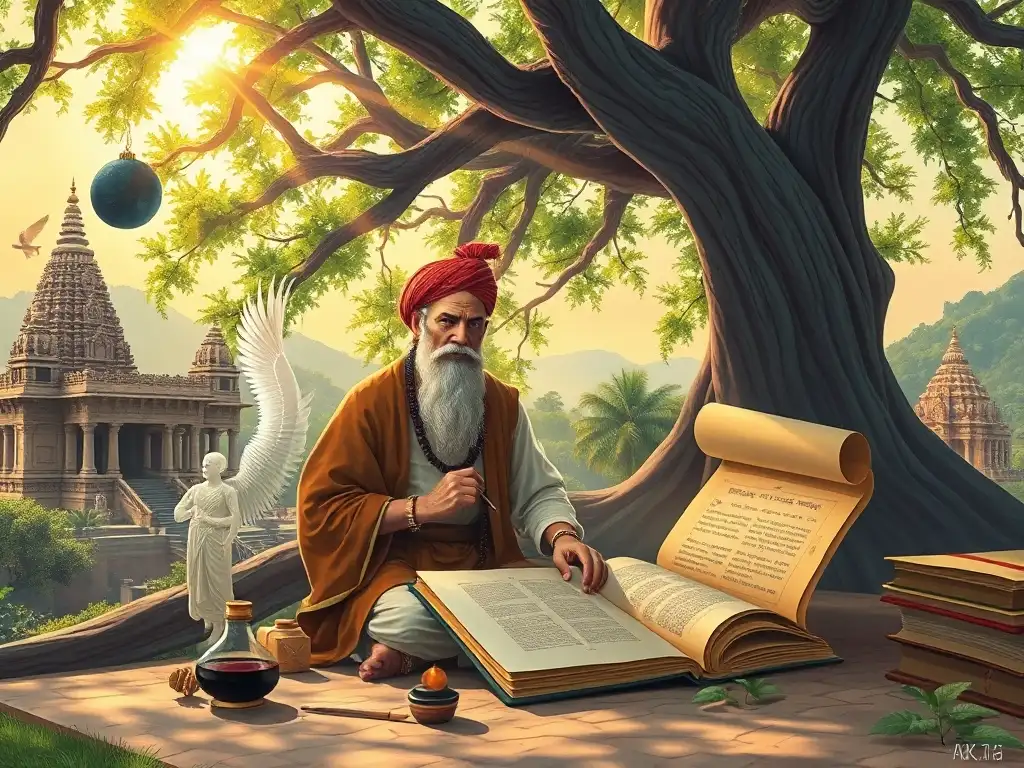
Cosmology and Creation Myths
The Puranas serve as a treasure trove of cosmological narratives and creation myths that have significantly shaped the Indian worldview. These texts provide elaborate accounts of the universe's origins, showcasing a cyclical understanding of time and existence. For instance, the Vishnu Purana describes the process of creation through the divine play of Vishnu, who emanates the universe from himself. This theme of creation not only reflects the philosophical underpinnings of Hindu cosmology but also influences various aspects of Indian culture, including art, architecture, and festivals.
- Cyclic Time: The Puranas introduce the concept of Kalpas—vast cycles of creation and destruction. This cyclical nature of time emphasizes the transient aspect of life and encourages the acceptance of change, which is a prevalent theme in Indian philosophy.
- Cultural Festivals: Many Indian festivals, such as Diwali and Navaratri, are deeply rooted in these creation myths. They celebrate the victory of good over evil and the renewal of life, reflecting the Puranic teachings on cosmology.
The narratives found in the Puranas not only serve as a religious foundation but also play a crucial role in shaping Indian identity and cultural practices, fostering a sense of unity among diverse communities.
The Concept of Dharma in Puranic Literature
Dharma, or righteousness, is a central theme in Puranic literature, profoundly influencing Indian ethics, law, and social conduct. The Puranas articulate the importance of adhering to one's dharma, which varies according to one's age, caste, and situation. This nuanced understanding of duty and righteousness is pivotal in maintaining social harmony and moral order within Indian society.
- Dharma Shastras: The Puranas often reference Dharma Shastras, texts that codify moral and ethical principles. These principles guide individuals in their personal and social lives, reinforcing the importance of duty over personal desires.
- Role Models: Characters from the Puranas, such as Lord Rama and Yudhishthira, exemplify ideal behavior and adherence to dharma. Their stories serve as moral lessons, inspiring generations to act with integrity and righteousness.
The emphasis on dharma in the Puranas has permeated Indian culture, influencing legal systems, social norms, and personal conduct, thus shaping the ethical framework of Indian identity.
Stories of Deities and Their Impact on Indian Society
The myriad stories of deities within the Puranas have had a profound impact on various facets of Indian society, including art, literature, and religious practices. These narratives not only celebrate the divine but also offer insights into the human experience, morality, and the nature of existence.
- Cultural Practices: The worship of deities such as Shiva, Vishnu, and Durga, as described in the Puranas, forms the backbone of Hindu religious practices. Temples, rituals, and festivals dedicated to these deities are integral to community life and cultural identity.
- Art and Literature: The rich narratives of the Puranas have inspired countless works of art and literature throughout Indian history. From classical dance forms like Bharatanatyam to contemporary cinema, the themes and stories of the Puranas continue to resonate and inspire creativity.
The influence of Puranic stories extends beyond mere religious significance; they encapsulate the values, beliefs, and aspirations of Indian society, reinforcing communal bonds and cultural heritage.
The Puranas not only document the spiritual heritage of ancient India but also play a pivotal role in shaping the cultural landscape of the nation through cosmology, dharma, and divine narratives.
The Puranas and Regional Identities in India
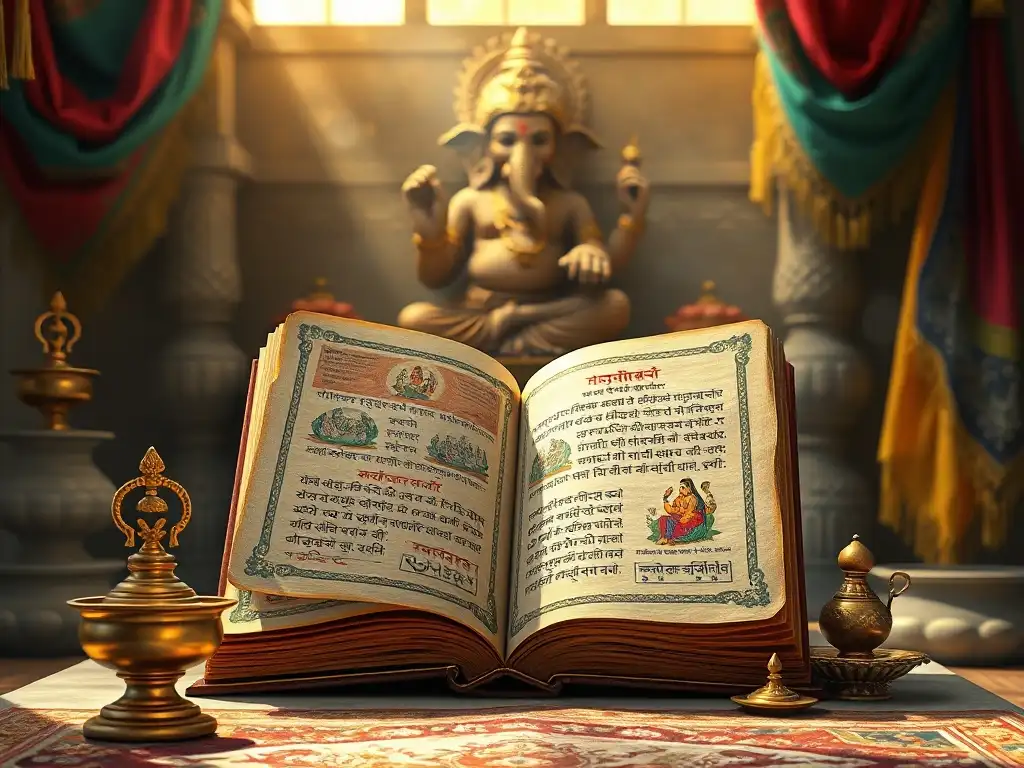
Variations of Puranic Stories Across Different Regions
The Puranas, a genre of ancient Indian literature, have played a significant role in shaping regional identities across the subcontinent. These texts, rich in mythology and history, are not monolithic; rather, they exhibit a fascinating variety of narratives and interpretations depending on the region. This variation leads to a nuanced understanding of how local cultures interpret and integrate Puranic tales into their own social fabric.
-
Geographical Influence:
Each region in India has its unique geographical features, which influence the way Puranic stories are narrated. For instance, in the Himalayan regions, the tales of gods and goddesses often incorporate local deities and landscapes, creating a synthesis of universal themes and local beliefs.
-
Language and Dialect Variations:
The Puranas have been translated into numerous regional languages, leading to linguistic variations in the narratives. In South India, the Tamil adaptations of the Puranas may emphasize local heroism and cultural practices distinct from their Sanskrit counterparts.
-
Cultural Practices and Festivals:
Local festivals often draw inspiration from Puranic tales, leading to variations in how these stories are celebrated. For example, the festival of Dussehra in northern India emphasizes the Ramayana's narrative, while in the South, it may highlight stories from the Devi Bhagavata Purana, showcasing the regional adaptations of the same Puranic themes.
-
Art and Architecture:
Temples across India often reflect regional interpretations of Puranic stories through their sculptures and paintings. The intricate carvings in the Khajuraho temples depict scenes from the Puranas, showcasing how these narratives influence regional artistic expressions.
The interplay of these factors illustrates that while the Puranas serve as a common thread, their variations across regions reinforce local identities and cultural uniqueness, thereby highlighting the Puranas' influence on Indian culture.
The Influence of Local Traditions on Puranic Narratives
Local traditions have profoundly influenced Puranic narratives, leading to a dynamic interaction between the texts and the cultural practices of various communities. This interaction is evident in several ways:
-
Incorporation of Local Deities:
Many Puranic texts have absorbed local deities and mythologies, creating a rich tapestry of beliefs. For example, the worship of the goddess Durga in Bengal is heavily influenced by local traditions that celebrate her as a warrior goddess, which can be seen in the narratives surrounding the Devi Mahatmya within the Markandeya Purana.
-
Adaptation of Rituals:
Puranic rituals often adapt to local customs, weaving local traditions into the broader Puranic framework. The Navaratri festival, celebrated across India, varies significantly in practice and significance from region to region, with local customs enriching the Puranic narratives associated with Durga.
-
Folklore Integration:
Many Puranic stories incorporate elements of local folklore, resulting in unique retellings that resonate with the community's historical experiences. For instance, the tales of the great sage Vyasa can be intertwined with local legends, creating a shared cultural heritage that transcends the original texts.
-
Community Identity:
The Puranas have served as a vehicle for communities to express their identities. By aligning their local narratives with Puranic themes, communities reinforce their cultural lineage and assert their place within the broader Indian civilization.
The Puranas' influence on Indian culture is not just about the preservation of ancient texts but also about the ongoing dialogue between these texts and the vibrant tapestry of local traditions. This dynamic relationship ensures that the Puranas remain relevant and integral to the cultural identities of diverse Indian communities.
Puranas and Their Contribution to Indian Art and Literature
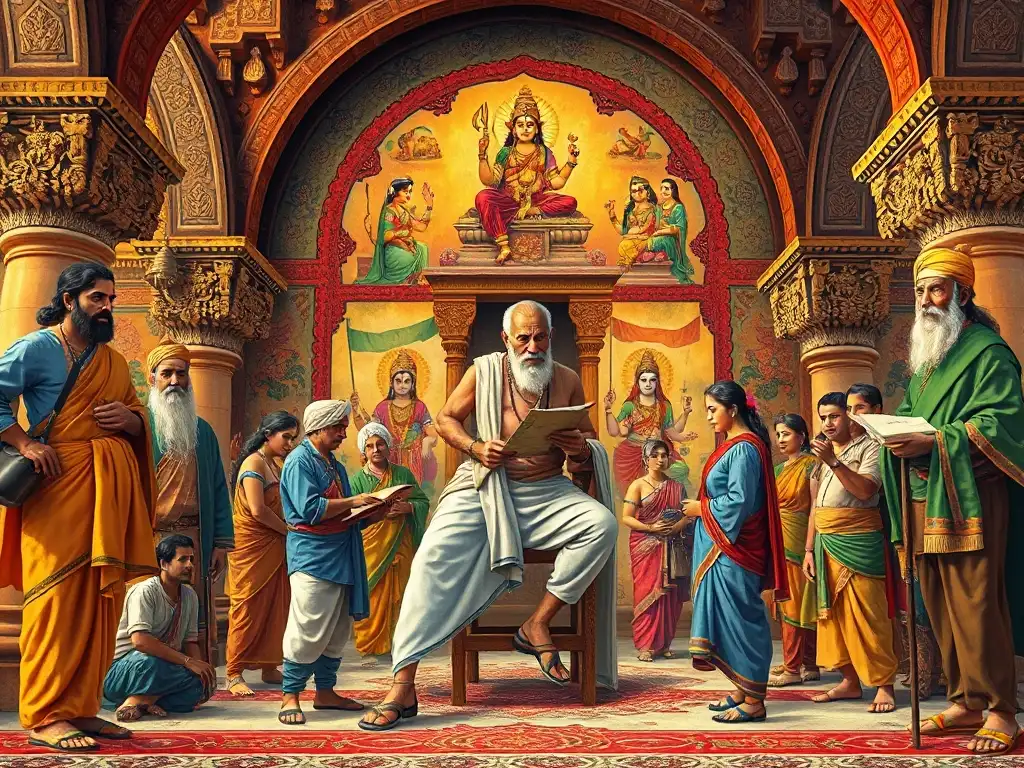
The Puranas, a genre of ancient Indian literature, play a significant role in shaping various aspects of Indian art and literature. Their narratives, rich in mythology and philosophy, have influenced countless artists, writers, and performers throughout the centuries. By integrating religious themes, moral lessons, and cultural values, the Puranas have not only contributed to the literature but have also served as a foundation for diverse art forms in India.
The Impact of Puranic Tales on Classical Art Forms
Puranic tales have inspired a multitude of classical art forms in India, including painting, sculpture, and architecture. The vivid narratives found in the Puranas often depict the exploits of gods, goddesses, and legendary heroes, which have been translated into various artistic expressions.
-
Sculpture:
The stories from the Puranas have been immortalized in stone through intricate sculptures found in temples across India. Notable examples include:
- Khajuraho Temples: The sculptures in these temples depict scenes from the Bhagavata Purana, showcasing the divine plays of Lord Krishna.
- Sun Temple at Konark: This temple features sculptures illustrating various Puranic narratives, particularly centered around the sun god, Surya.
-
Painting:
The thematic richness of the Puranas has also influenced traditional Indian painting styles. For instance:
- Mughal Miniatures: These paintings often incorporate scenes from the Vishnu Purana and Shiva Purana, portraying the divine in elaborate detail.
- Madhubani Art: This folk art form frequently illustrates stories from the Ramayana and Mahabharata, which are also referenced in the Puranas.
-
Architecture:
Puranic influence extends to architectural styles as well. Temples often feature carvings and designs inspired by Puranic texts, which serve both decorative and didactic purposes. The Dravidian and Nagara styles of temple architecture, for example, integrate Puranic symbolism and narratives into their structures, inviting devotees to engage with the stories as they approach the sacred spaces.
Puranas in Classical Dance and Performance
The Puranas have significantly impacted classical dance forms, serving as a source of inspiration for choreography, themes, and performance styles. Various dance traditions in India have drawn upon the rich narratives and characters from the Puranas, allowing performers to express complex emotions and spiritual messages.
-
Bharatanatyam:
This classical dance form from Tamil Nadu often incorporates themes from the Bhagavata Purana. Dancers narrate stories of Lord Krishna, using intricate footwork and expressive hand gestures (mudras) to convey the divine narrative.
-
Kathak:
Originating from North India, Kathak performances frequently feature tales from the Puranas. The dance form's emphasis on storytelling allows dancers to portray episodes from the Vishnu Purana and the Shiva Purana, engaging audiences through both movement and narrative.
-
Odissi:
The Odissi dance form, with its roots in the temples of Odisha, often draws from the Puranas, particularly in its depiction of the divine feminine through the portrayal of goddesses like Durga and Lakshmi. The dance sequences express the intricate relationships and tales highlighted in the Puranic texts.
The Puranas have profoundly influenced Indian culture, particularly in art and performance. Through their rich narratives and moral teachings, the Puranas continue to inspire and shape the identity of Indian art forms, underscoring their enduring relevance in the cultural landscape of India.
The Puranas in Modern Indian Society
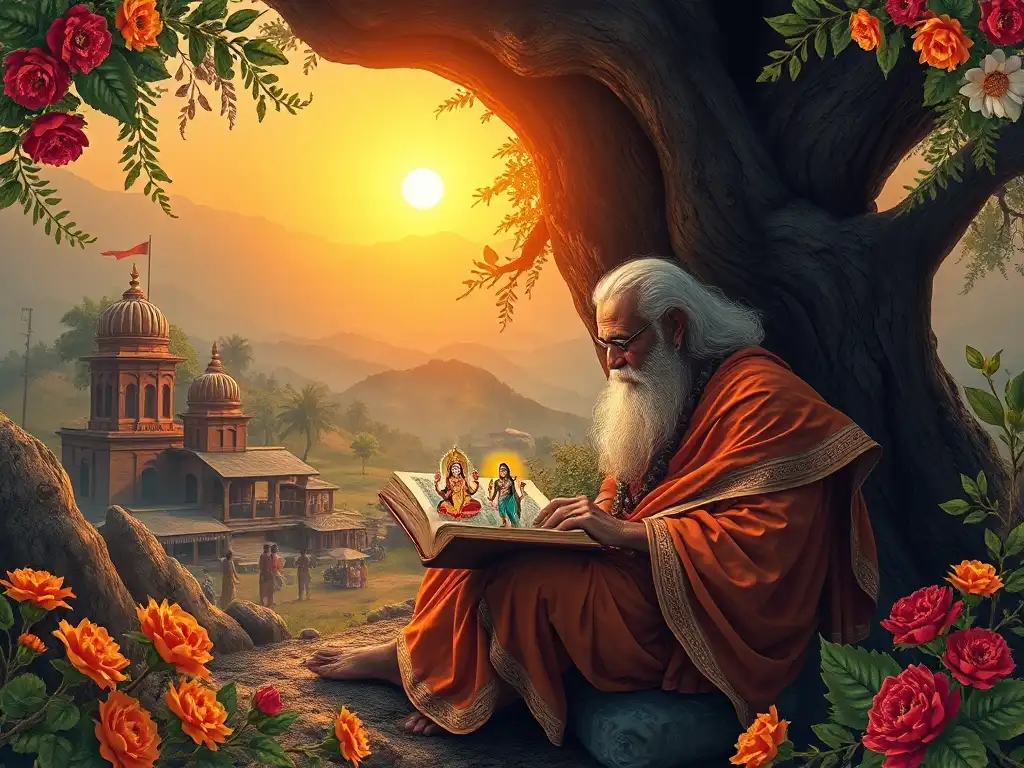
Revival and Reinterpretation of Puranas in Contemporary Culture
In recent years, the Puranas have experienced a significant revival in modern Indian society. This resurgence primarily stems from the growing interest in ancient texts and their relevance to contemporary issues. Scholars, artists, and spiritual leaders are increasingly interpreting the Puranas, showcasing their timeless wisdom and cultural significance.
- Academic Interest: Universities and research institutions are conducting extensive studies on the Puranas, highlighting their literary, philosophical, and historical dimensions. This academic focus has led to a greater appreciation of these texts as essential components of Indian heritage.
- Cultural Festivals: Many cultural festivals incorporate themes and narratives from the Puranas, allowing communities to reconnect with their roots. For instance, the celebration of Mahashivaratri prominently features stories from the Shiva Purana, reinforcing cultural identity and community bonds.
- Artistic Expressions: Artists and performers are drawing inspiration from the Puranas, creating plays, dance dramas, and visual art that reinterpret these ancient stories. This artistic revival not only entertains but also educates audiences about the moral and ethical teachings embedded in these texts.
The reinterpretation of the Puranas in contemporary culture serves as a bridge between ancient wisdom and modern values, facilitating a dialogue about identity, spirituality, and ethics in today's fast-paced world.
The Influence of Puranas in Indian Festivals and Rituals
The Puranas play a crucial role in shaping the rituals and celebrations of various Indian festivals. Their narratives provide the mythological foundation for many cultural practices, instilling a sense of continuity and tradition.
- Festivals Celebrating Deities: Many festivals, such as Navaratri and Diwali, are deeply rooted in the Puranic stories of deities like Durga and Rama. The rituals performed during these festivals often invoke the narratives from the Puranas, fostering a sense of devotion and community.
- For example, during Navaratri, the nine nights of worshiping Goddess Durga are linked to the story of her victory over the buffalo demon, Mahishasura, as narrated in the Devi Bhagavata Purana.
- Rituals and Offerings: Rituals often include specific offerings and prayers that are derived from Puranic texts. The detailed descriptions of ceremonies in the Puranas guide practitioners on how to conduct these rituals effectively.
- Moral Lessons and Values: The teachings encapsulated in the Puranas serve as moral compasses during festivals. The stories often emphasize themes such as duty (dharma), righteousness, and the triumph of good over evil, which resonate deeply with the values celebrated during these occasions.
The influence of the Puranas on Indian festivals and rituals is profound, shaping the way communities celebrate and practice their faith while reinforcing their cultural identity. By intertwining ancient narratives with contemporary practices, the Puranas continue to play a vital role in the fabric of Indian culture.
Conclusion: The Lasting Legacy of the Puranas on Indian Identity
Summarizing the Puranas' Influence on Indian Culture and Identity
The Puranas, a vast genre of ancient Indian literature, have played a pivotal role in shaping Indian culture and identity. These texts, consisting of mythological narratives, cosmology, and genealogies of gods, heroes, and sages, provide a unique lens through which to view the evolution of Indian society. Their influence can be observed in various aspects of life, including religious practices, social norms, and cultural expressions.
- Religious Practices: The Puranas serve as a foundational source for many rituals and festivals celebrated across India. For example, the celebration of Navaratri finds its roots in the narrative of Durga's victory over the buffalo demon Mahishasura, detailed in several Puranic texts. Similarly, the Diwali festival is enriched by stories from the Padma Purana, reinforcing the cultural significance of these narratives.
- Cultural Expressions: The arts, including dance, music, and drama, draw heavily from Puranic tales. Traditional performances often depict stories from the Puranas, allowing for the preservation and propagation of these ancient narratives. For instance, the classical dance form of Kathakali often incorporates themes and characters from the Bhagavata Purana, showcasing the texts' enduring influence on artistic expression.
- Social Norms: The Puranas have also influenced societal structures, particularly through the representation of dharma (moral order) and societal duties. Texts like the Manusmriti, though not a Purana, interact with Puranic concepts, shaping the understanding of varna (social class) and ashrama (life stages). This intertwining of Puranic narrative and social philosophy has deeply embedded these texts within the framework of Indian identity.
The Puranas, therefore, encompass a rich tapestry of narratives that have shaped not only religious and cultural practices but have also provided a framework for understanding societal values and ethics in Indian civilization.
Future Perspectives on the Study of Puranas in Indian History
As scholars continue to explore the Puranas, several avenues present themselves for future research and analysis, ensuring that the study of these texts remains dynamic and relevant.
- Interdisciplinary Approaches: Future studies could benefit from interdisciplinary research, integrating insights from archaeology, anthropology, and linguistics. This approach will provide a more comprehensive understanding of how the Puranas influenced and were influenced by historical contexts. For instance, archaeological findings related to ancient sites could illuminate the historical accuracy of certain Puranic narratives.
- Digital Humanities: The advent of digital humanities presents new opportunities for analyzing the Puranas. Projects involving text digitization, data visualization, and comparative studies across various versions of the Puranas can enhance accessibility and facilitate a deeper understanding of their narratives and themes.
- Global Perspectives: As the world becomes increasingly interconnected, examining the Puranas through a global lens can shed light on their influence beyond Indian borders. Comparative studies with other cultures' mythologies and religious texts may reveal universal themes and foster cross-cultural dialogues.
- Contemporary Relevance: Investigating how the Puranas are interpreted and adapted in modern contexts—such as in films, literature, and popular culture—can provide insights into their ongoing relevance in shaping contemporary Indian identity. This exploration can highlight how ancient texts continue to resonate with current societal issues and values.
The Puranas remain a vital component of Indian heritage, influencing culture, religion, and social identity. As research methodologies evolve, the study of these texts will continue to uncover new dimensions of their significance, ensuring their place in the narrative of Indian history.
Frequently Asked Questions
What are the Puranas?
The Puranas are ancient Indian texts that encompass mythology, tradition, and history, playing a crucial role in shaping Hindu culture and religious practices.
How do the Puranas influence Indian culture?
The Puranas influence Indian culture by conveying moral lessons, narratives, and ritual practices, thus enriching the spiritual and social fabric of Indian society.
What is the significance of the Puranas in Indian identity?
The Puranas contribute significantly to the formation of Indian identity by instilling values, preserving historical memory, and fostering a sense of community among diverse groups.
Can you name some important Puranas?
Key Puranas include the Bhagavata Purana, Vishnu Purana, and Shiva Purana, each highlighting different deities and their importance in Indian mythology.
How are the Puranas relevant in modern times?
In modern times, the Puranas continue to be relevant as they provide insights into cultural practices, festivals, and rituals, helping to maintain a connection with India's rich heritage.
Final Reflection: The Enduring Influence of the Puranas on Indian Identity
The Puranas have been instrumental in shaping the cultural and spiritual landscape of India, and their relevance continues to resonate in contemporary society. As we navigate a world increasingly defined by globalization and cultural exchange, the teachings and narratives of the Puranas serve as a reminder of the rich tapestry of Indian heritage. They not only provide a historical context but also offer timeless wisdom that can guide us through modern challenges.
The Puranas have left an indelible mark on the social fabric of India, influencing everything from art and literature to festivals and rituals. Their stories and teachings have fostered a sense of belonging and identity among diverse communities. As noted by the scholar R. C. Hazra, “The Puranas are not merely texts; they are living traditions that continue to shape the ethos of Indian society.” This ongoing influence underscores the importance of these ancient scriptures in understanding our cultural roots and the values that bind us together.
As we reflect on the profound impact of the Puranas, I invite you to explore how these narratives resonate in your own life. Consider the stories, values, and teachings that have shaped your identity and community. Engage with the Puranas not just as historical texts, but as sources of inspiration that can guide your actions and beliefs in today’s world. By embracing this rich cultural heritage, we can foster a deeper understanding of ourselves and our place within the broader tapestry of Indian identity.
Unleash the Essence of Indian Identity Today!
Thank you for diving into the rich world of the Puranas with us! By exploring their profound influence on Indian identity, you’ve taken a significant step toward understanding the cultural tapestry of India. Now, it’s time to take action and deepen your connection to this vibrant heritage.
- Explore a Purana: Choose one that fascinates you and read a passage. Immerse yourself in the stories that have shaped countless lives and identities.
- Share Your Insights: Engage in discussions with friends or online communities about what you’ve learned regarding the Puranas and their relevance to contemporary Indian culture. Your perspective can inspire others!
- Attend a Local Workshop or Seminar: Seek out events that focus on Indian mythology or cultural studies to connect with others who share your enthusiasm.
What aspects of the Puranas resonated with you the most, and in what ways do you believe their stories can inspire both current and future generations?