
Sangam Literature: A Guide for New Readers to Ancient Tamil Poetry

Welcome to Ancient India History, where we embark on a captivating journey through the rich tapestry of ancient Indian civilizations. Today, we invite you to delve into the enchanting world of Sangam literature, a treasure trove of ancient Tamil poetry that offers profound insights into the culture and ethos of its time.
As you explore this guide, you'll uncover not only the lyrical beauty of these verses but also the vibrant social dynamics and philosophical depths they reveal. Prepare to be intrigued as we unlock the secrets of a literary tradition that transcends time—your adventure into the heart of ancient Tamil poetry begins here!
- Introduction to Sangam Literature: Ancient Tamil Poetry
- Historical Context of Sangam Literature
- Key Features of Sangam Literature
- Major Works of Sangam Literature
- The Influence of Sangam Literature on Tamil Culture
- How to Approach and Read Sangam Literature
- Conclusion: The Legacy of Sangam Literature in Modern Times
- Frequently Asked Questions
- Final Reflection: Embracing the Timelessness of Sangam Literature
- Dive Deeper into Sangam Poetry Today!
Introduction to Sangam Literature: Ancient Tamil Poetry
Sangam literature represents one of the most significant literary traditions in ancient India, particularly within the Tamil-speaking regions. Dating from approximately 300 BCE to 300 CE, this body of work encompasses a vast array of poetry that not only reflects the artistic and cultural ethos of its time but also serves as a historical document that provides insight into the lives, values, and beliefs of the ancient Tamil people.
This guide aims to explore the richness of Sangam literature, offering new readers a comprehensive understanding of its themes, styles, and cultural significance, while emphasizing its enduring legacy in the realm of ancient Tamil poetry.
Overview of Sangam Literature
Sangam literature is characterized by its unique poetic forms and thematic diversity. Composed by a collective of poets known as the Sangam poets, this literature is divided into three primary categories: Aham, Puram, and Pathinenkilkanakku.
- Aham - This genre focuses on love, emotions, and the inner life of individuals, often depicting the complexities of relationships and personal experiences.
- Puram - In contrast, Puram deals with themes of valor, ethics, and the external world, celebrating the achievements of kings and warriors, and reflecting societal values.
- Pathinenkilkanakku - This consists of the 18 minor works that are philosophical in nature, offering moral guidance and reflections on life.
The poetry of Sangam literature is known for its metaphorical richness, vivid imagery, and emotional depth, making it a treasure trove for both literary enthusiasts and historians alike.
Importance of Sangam Literature in Ancient Tamil Culture
The significance of Sangam literature extends beyond its aesthetic qualities; it serves as a crucial lens through which to understand ancient Tamil culture and society.
- Cultural Identity: The works encapsulate the spirit and identity of the Tamil people, celebrating their language, customs, and traditions.
- Historical Context: Sangam texts provide invaluable insights into the socio-political landscape of ancient Tamil Nadu, including the relationships among various kingdoms and the role of trade and agriculture.
- Philosophical Insights: The literature also reflects the philosophical and ethical frameworks of the time, addressing issues of morality, duty, and the human condition.
Sangam literature is not just a collection of poems; it is a fundamental aspect of ancient Tamil heritage that continues to influence modern Tamil literature and culture. Understanding its depth and significance is essential for appreciating the broader tapestry of Indian history and the artistic expressions that emerged from it.
Historical Context of Sangam Literature
Sangam literature, often celebrated as a cornerstone of ancient Tamil poetry, emerged during a pivotal era in South Indian history known as the Sangam period. This period, which spanned from approximately 300 BCE to 300 CE, witnessed an unprecedented flourishing of Tamil language and culture. The literary works produced during this time reflect the socio-political environment, cultural practices, and the intricate tapestry of human emotions prevalent in ancient Tamil society.
The Era of Sangam Poetry
The Sangam period is characterized by a collection of Tamil poetic works written by a multitude of poets and scholars, collectively referred to as the Sangam poets. The name "Sangam" itself signifies an assembly or gathering, specifically of poets who convened to share and celebrate their works. This era can be divided into three distinct Sangams, each marked by different geographic and cultural influences.
- Early Sangam (300 BCE - 100 CE):
- The earliest phase of Sangam literature is marked by works that primarily focus on themes of love (akam) and valor (puram). These poems not only explore personal emotions but also reflect the societal norms and values of that time.
- Notable works include "Akananuru" and "Purananuru," which showcase the rich imagery and metaphors characteristic of Tamil poetry.
- Middle Sangam (100 CE - 200 CE):
- This phase saw an increase in the complexity of themes, with poets experimenting more boldly with poetic devices and forms. The works began to reflect more on the socio-political landscape, including the lives of kings and warriors.
- Significant compositions from this period include the "Silappatikaram," an epic tale that intertwines love, loss, and social commentary.
- Later Sangam (200 CE - 300 CE):
- The latter period of Sangam literature is noted for its synthesis of earlier themes with a more pronounced focus on dharma (righteousness) and ethics.
- The "Manimekalai," another celebrated epic, exemplifies the philosophical and spiritual dimensions that began to emerge in Tamil poetry during this time.
Major Historical Figures in Sangam Literature
The Sangam literature period is not just about the poems; it also resonates with the contributions of several significant figures who played a pivotal role in shaping this literary tradition.
- Tolkappiyar:
- Often regarded as the father of Tamil grammar, Tolkappiyar authored the "Tolkappiyam," a foundational text that lays down the rules of Tamil grammar and poetics. His work is crucial in understanding the linguistic nuances of Sangam poetry.
- Kapilar:
- A revered poet known for his deep philosophical insights and mastery of poetic forms, Kapilar's verses often explore themes of love and nature, making him a quintessential figure in Tamil literature.
- Avvaiyar:
- A legendary female poet and philosopher, Avvaiyar's contributions to Sangam literature are notable for their wisdom and moral teachings. Her poems often serve as guidance, blending practical advice with poetic expression.
- Kaniyan Pungundranar:
- Known for his famous line, "Yadum Oore, Yavarum Kelir," which translates to "To each their own place, and everyone is my kin," Kaniyan’s works emphasize a universal brotherhood, a theme that resonates deeply within Tamil culture.
These figures, among many others, not only contributed to the poetic landscape of the Sangam era but also left a lasting legacy that continues to influence modern Tamil literature and culture. Through their works, they encapsulated the spirit of their times, providing invaluable insights into the lives, beliefs, and values of ancient Tamil society.
The historical context of Sangam literature is rich and multifaceted, intertwining the poetic expressions of personal and collective experiences with the socio-political realities of ancient Tamil Nadu. This literary tradition remains a vital aspect of understanding not only ancient Tamil culture but also the evolution of literature in the broader Indian context.
Key Features of Sangam Literature
Sangam literature, a remarkable body of ancient Tamil poetry, showcases the unique cultural and literary heritage of the Tamil-speaking people of South India. Flourishing between 300 BCE and 300 CE, this literature is characterized by its rich thematic diversity, intricate poetic forms, and profound emotional depth. Here are some of the key features that define Sangam literature:
- Historical Context: Sangam literature emerged during the Sangam period, named after the assemblies (sangams) of poets and scholars who contributed to this literary movement. The period was marked by the patronage of various dynasties, including the Cholas, Pandyas, and Cheras, who played a crucial role in nurturing the arts.
- Diverse Genres: The corpus of Sangam poetry is divided into various genres, each serving different purposes. These include Aham (inner emotions) and Puram (external themes). Aham poems explore personal feelings and relationships, while Puram poems address themes like valor, heroism, and social issues.
- Poetic Devices: Poets employed numerous literary devices, such as metaphors, similes, and alliteration, to enhance the aesthetic quality of their verses. The use of "uyirmey" (life) and "thinam" (time) reflects the poetic sophistication and philosophical depth of the compositions.
- Cultural Significance: Sangam literature is not merely a collection of poems; it acts as a historical document that provides insights into the social, political, and economic conditions of ancient Tamil society. Themes of love, war, nature, and ethics are prevalent, offering a window into the lives of the people and their values.
Themes and Motifs in Sangam Poetry
Sangam poetry is replete with various themes and motifs that resonate with the human experience. Understanding these themes is essential for appreciating the depth of ancient Tamil poetry:
- Love and Relationships: The theme of love is central to Sangam literature, often depicted through the lens of personal relationships. Poets explore different aspects of love, including unrequited love, longing, and sensuality. The Aham genre, in particular, captures the emotional intricacies of romantic relationships.
- Nature and Landscape: The natural world plays a significant role in Sangam poetry, with poets often drawing parallels between human emotions and the environment. The five landscapes (tinai) — marutham (agriculture), kurinji (mountains), neithal (coastal), palai (desert), and mullai (forest) — serve as backdrops for various emotional narratives, symbolizing different states of love and conflict.
- Heroism and Valor: In contrast to the intimate themes of Aham, the Puram genre celebrates heroism and valor. Poems often recount the exploits of warriors, kings, and historical figures, emphasizing virtues such as courage, loyalty, and honor. These heroic narratives reflect the societal values and ideals of the time.
- Philosophical Reflections: Beyond personal and social themes, Sangam poetry often delves into philosophical reflections on life, death, and morality. Poets engage with profound questions, exploring the nature of existence and the human condition, providing a rich tapestry of thought that transcends time.
Language and Structure of Sangam Literature
The language and structure of Sangam literature exhibit a remarkable sophistication that contributes to its enduring legacy:
- Tamil Language: Sangam poetry is composed in ancient Tamil, a language known for its rich vocabulary and expressive capacity. The use of classical Tamil diction enriches the poems, making them not only aesthetically pleasing but also linguistically profound.
- Poetic Structure: Sangam poems typically adhere to strict metrical patterns, enhancing their musicality. The Venpa form, characterized by its rhythmic structure, is one of the most prominent forms used in Sangam poetry. This structured approach allows poets to convey complex ideas within a concise format.
- Imagery and Symbolism: The language of Sangam literature is laden with vivid imagery and symbolism. Poets employ intricate metaphors and symbolic representations to evoke emotions and create a sensory experience for the reader. This use of imagery connects the reader to the themes on a visceral level.
- Oral Tradition: Sangam poetry was originally transmitted orally, which influenced its composition and structure. The rhythmic and repetitive nature of the verses facilitated memorization and recitation, allowing the poems to be preserved and passed down through generations.
Sangam literature is a treasure trove of ancient Tamil poetry that encapsulates the essence of its time through its themes, language, and structure. Understanding these features provides new readers with a deeper appreciation of this remarkable literary heritage.
Major Works of Sangam Literature
Sangam literature represents a remarkable collection of poetry and prose produced in ancient Tamil Nadu between approximately 300 BCE and 300 CE. This body of work is not only a reflection of the poetic prowess of the Tamil people but also serves as a vital historical source that offers insights into the social, political, and cultural aspects of ancient South Indian life. Below, we delve into the notable texts and their significance.
Overview of Notable Sangam Texts
Sangam literature comprises several anthologies, with the Ettuthokai and Pattupattu being the most prominent collections.
- Ettuthokai (Eight Anthologies):
- This compilation consists of eight distinct anthologies of poems, each showcasing different themes ranging from love (akam) to war and valor (puram).
- Key texts include:
- Akananuru: A collection focusing on the emotions and experiences related to love and separation.
- Purananuru: This text celebrates the valor of kings and warriors and provides insights into the political landscapes of the time.
- Pattupattu (Ten Idylls):
- A collection of ten long poems that narrate the lives and exploits of legendary heroes, emphasizing the cultural milieu of ancient Tamil society.
- Notable poems include:
- Mullaippattu: Celebrates the beauty of nature and the joys of love.
- Kurinji Malai: Explores the themes of love in the context of mountain landscapes.
- Other Significant Works:
- Tolkappiyam: An ancient Tamil grammar text that also delves into poetics, offering insights into the rules governing Sangam poetry.
- Silappatikaram: While not strictly part of the Sangam anthology, it is an essential narrative work that embodies the cultural ethos of the time.
Analysis of Key Poems and Their Significance
The poems of Sangam literature are characterized by their rich imagery, emotional depth, and profound philosophical insights. Here are some key analyses:
- Akananuru 1: This poem encapsulates the feelings of longing and desolation experienced by a lover. The use of metaphors related to nature draws parallels between the inner emotional landscape and the external world, showcasing the intricate connection between human feelings and the environment.
- Purananuru 42: This piece stands out for its celebration of heroism. It recounts the exploits of a warrior king, illustrating the values of bravery and honor in ancient Tamil culture. The poem serves as a historical document, providing a glimpse into the social hierarchy and the valorization of warriors in society.
- Kurinji Malai: This poem is notable for its vivid descriptions of the mountainous terrain, effectively using the setting to enhance the theme of love. The way the poet intertwines love with nature exemplifies the deep-seated connection between the two, a recurring motif throughout Sangam poetry.
- Mullaippattu: This piece is distinguished by its lush imagery and celebration of the natural world. The poet's reflections on love in the context of nature's beauty invite readers to consider the symbiotic relationship between human emotions and the environment.
The significance of these works extends beyond their literary merit; they offer valuable insights into the socio-political dynamics of ancient Tamil Nadu, the values espoused by the society, and the everyday experiences of its people. As such, Sangam literature remains a cornerstone of ancient Tamil poetry, embodying the rich cultural heritage of India.
The Influence of Sangam Literature on Tamil Culture
Impact on Tamil Language and Literature
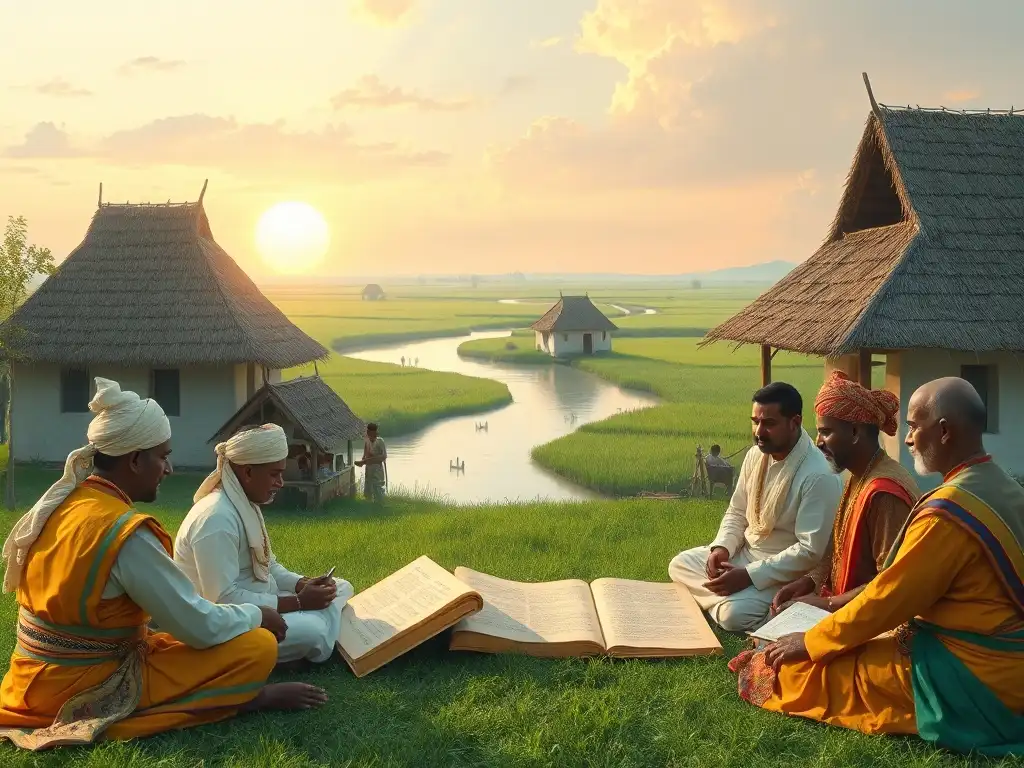
Sangam literature, a treasure trove of ancient Tamil poetry, has had an indelible impact on the Tamil language and its literary forms. Composed between approximately 300 BCE and 300 CE, the works of the Sangam period are characterized by their rich vocabulary, intricate meter, and deep emotional resonance. This era marked the beginning of a sophisticated literary tradition that has influenced Tamil writers for centuries.
- Lexical Enrichment:
- The poets of Sangam literature introduced a plethora of new words and idiomatic expressions that are still in use today. The Tolkāppiyam, one of the earliest Tamil grammar texts, reflects the linguistic richness of this period.
- For instance, terms like "vaṇmai" (beauty) and "aṅgulimāla" (a kind of flower) have become staples in contemporary Tamil poetry and prose.
- Poetic Forms and Structures:
- The Sangam poets utilized various poetic forms, including ēnnam (elegy) and pattupāṭṭu (ten long poems), which set the foundation for future Tamil literature.
- This tradition of structured poetic forms has influenced modern Tamil poetry, allowing it to flourish in diverse genres.
- Themes and Motifs:
- Themes such as love (akam) and valor (puram) emerged during the Sangam era, establishing a template that continues to resonate in Tamil literature today.
- The exploration of nature, human emotions, and societal values found in Sangam poetry remains a pivotal aspect of Tamil literary discourse.
Contributions to Philosophy and Spirituality in Ancient Tamil Society
The philosophical and spiritual dimensions of Sangam literature provide profound insights into ancient Tamil society's worldview. The texts offer a blend of secular and sacred themes, showcasing the sophistication of Tamil thought during this period.
- Philosophical Underpinnings:
- The Sangam works often delve into existential themes, addressing the nature of life, death, and the pursuit of knowledge. The poets, such as Kaniyan Poongundranar, articulated ideas about the universe and human existence that mirror the philosophical inquiries of later periods, including those found in Vedanta.
- The famous couplet, "Yaanum Oru Azhagiya Kanni" (I am also a beautiful maiden), reflects the deep connection between the self and the universe, positing a non-dualistic understanding of existence.
- Spiritual Influences:
- The spiritual aspects of Sangam literature often intertwine with the worship of nature and deities, emphasizing the importance of both the physical and metaphysical realms. The reverence for Murugan, the Tamil deity, and the portrayal of nature as divine are prevalent themes.
- Through poetry, the Sangam poets advocated for a harmonious relationship between humans and nature, a sentiment echoed in later Tamil devotional literature.
- Cultural Legacy:
- The philosophical and spiritual insights of Sangam literature laid the groundwork for subsequent Tamil movements, including Shaivism and Vaishnavism. The integration of spiritual themes into daily life and societal norms reflects the lasting impact of Sangam poetry on Tamil culture.
- Modern Tamil literature continues to draw inspiration from the philosophical inquiries and spiritual reflections of the Sangam poets, showcasing their enduring relevance in contemporary discourse.
The influence of Sangam literature on Tamil culture is profound and multifaceted, shaping the language, literary traditions, and philosophical thought of ancient Tamil society. The legacy of these poetic works continues to resonate, underpinning the rich tapestry of Tamil heritage.
How to Approach and Read Sangam Literature
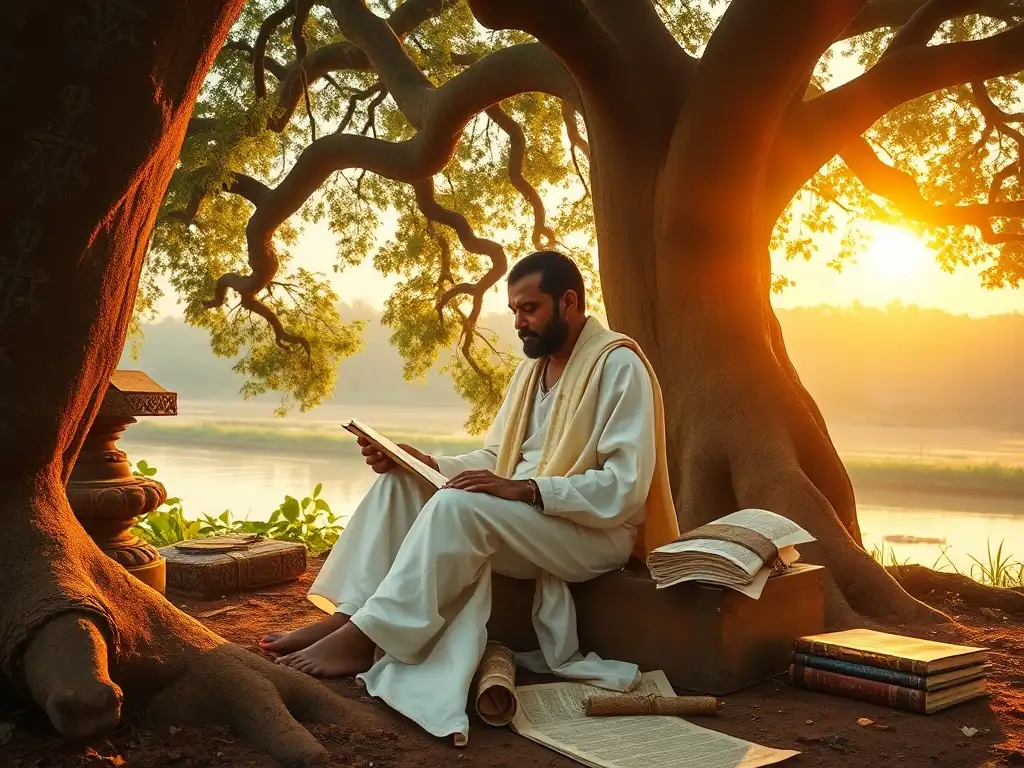
Sangam literature represents a unique and profound expression of ancient Tamil poetry, characterized by its rich themes, emotional depth, and cultural significance. For new readers eager to engage with this treasure trove of Tamil heritage, understanding how to approach and read these texts is crucial for a rewarding experience.
Tips for New Readers of Ancient Tamil Poetry
-
Familiarize with the Context
Understanding the historical and cultural background of the Sangam period (approximately 300 BCE to 300 CE) is essential. This era was marked by the flourishing of Tamil poetry and the establishment of a vibrant literary tradition. Readers should explore the social structures, the geography of ancient Tamil Nadu, and the patronage of poets by various kings and chieftains.
-
Explore the Themes
Sangam literature encompasses a variety of themes, primarily categorized into Akam (inner or love poetry) and Puram (outer or war poetry).
- Akam focuses on love and personal relationships, often using metaphors from nature.
- Puram reflects on heroism, valor, and the socio-political landscape of the time.
Understanding these thematic divisions can enhance appreciation of the nuances in the poetry.
-
Appreciate the Poetic Devices
Sangam poetry is renowned for its intricate use of metaphor, simile, and alliteration. Familiarizing oneself with these devices can deepen the reader's appreciation.
- Example: The use of thinai (a specific landscape) to symbolize different emotional states or situations can be a recurring motif.
-
Engage with the Language
While translations are available, experiencing the original Tamil language can be enriching. Readers are encouraged to explore the phonetics and rhythm of the poetry, even if they are not fluent in Tamil. Listening to recitations can provide insights into the emotional undertones of the verses.
-
Reflect on Personal Interpretations
Sangam poetry often leaves room for personal interpretation. Reflecting on how the themes resonate with contemporary experiences can enhance understanding. Keeping a journal of thoughts and feelings while reading can help track this personal journey through the verses.
Recommended Translations and Resources for Studying Sangam Literature
To effectively study Sangam literature, choosing the right translations and resources is vital. Here are some noteworthy recommendations:
| Resource Type | Title | Author/Translator | Description |
|---|---|---|---|
| Translation | The Four Hundred Songs of War | A. K. Ramanujan | A comprehensive translation that captures the essence of the poems. |
| Anthology | Sangam Literature: An Anthology | K. V. Ramakrishna | A collection of key poems with commentary and analysis. |
| Scholarly Study | The Tamil Epic: An Introduction | M. S. Pavan Kumar | An exploration of the significance of Sangam literature in Tamil epics. |
| Online Resource | Tamil Virtual Academy | Tamil Virtual Academy | Offers online courses and resources for learning Tamil literature. |
In addition to these specific resources, various academic journals and literary criticism pieces provide deeper insights into the significance of Sangam poetry. Engaging with these texts can offer new perspectives and scholarly interpretations, enriching the reader's understanding of the ancient Tamil poetic tradition.
By following these tips and utilizing recommended resources, new readers can embark on an enlightening journey through the world of Sangam literature, discovering the beauty and complexity of ancient Tamil poetry.
Conclusion: The Legacy of Sangam Literature in Modern Times
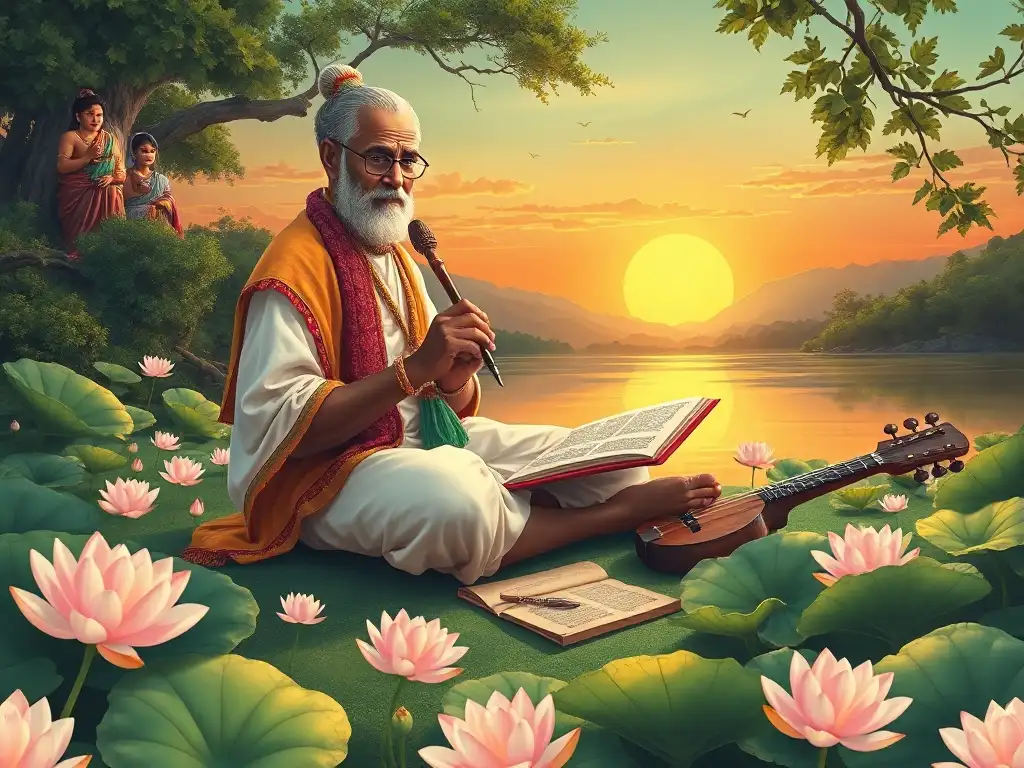
Sangam literature, a remarkable collection of ancient Tamil poetry, holds a significant place in the narrative of Indian literary heritage. Its intricate verses and profound themes not only reflect the socio-political landscape of ancient Tamil Nadu but also resonate with contemporary values and sentiments. As we conclude this exploration of Sangam literature, it is essential to understand its enduring legacy and relevance in modern society.
Relevance of Sangam Poetry Today
The themes explored in Sangam poetry, such as love, valor, nature, and ethics, continue to inspire and influence modern literature, art, and popular culture in India and beyond. Many contemporary Tamil poets draw upon the rich imagery and emotional depth of Sangam works to create new compositions that reflect current issues while paying homage to their literary ancestors.
Key aspects of Sangam poetry's relevance include:
- Cultural Identity: Sangam literature serves as a cornerstone of Tamil identity, preserving the language and cultural nuances that define the Tamil people. It fosters a sense of pride and belonging among Tamils worldwide.
- Literary Inspiration: Modern writers often reference Sangam themes, styles, and forms. This intertextuality enriches contemporary literature, bridging ancient and modern narratives.
- Educational Value: Sangam poetry is increasingly included in educational curricula, allowing new generations to engage with their heritage. This helps cultivate an appreciation for Tamil literature and its historical context.
- Art and Performance: The vivid imagery and emotional resonance of Sangam poetry have inspired various art forms, including dance, music, and visual arts. Performances based on Sangam themes attract diverse audiences and promote cultural awareness.
Continuing Influence of Ancient Tamil Literature on Contemporary Culture
The influence of Sangam literature extends beyond the realms of poetry and academia; it permeates various aspects of contemporary Tamil culture. Its core values and themes permeate everyday life, politics, and social discourse.
Examples of influence include:
- Film and Media: Tamil cinema frequently incorporates elements from Sangam poetry, whether through dialogue, song lyrics, or character arcs. Films often explore themes of love and honor reminiscent of Sangam narratives.
- Festivals and Celebrations: Many cultural festivals in Tamil Nadu celebrate the heritage of Sangam literature. Events centered around poetry recitation, folk performances, and storytelling keep the tradition alive and relevant.
- Social Movements: The ethical and moral dimensions of Sangam poetry resonate in contemporary social issues, inspiring movements around equality, justice, and cultural preservation.
- Translation and Global Reach: The translation of Sangam literature into various languages has expanded its readership globally, allowing people from diverse backgrounds to appreciate its depth and beauty.
Sangam literature remains a vital part of the cultural fabric of Tamil Nadu and beyond. Its themes continue to resonate, inspiring new generations while preserving the rich literary tradition that has shaped Tamil identity for centuries. As we reflect on the legacy of Sangam poetry, it is evident that its relevance is not constrained by time; instead, it thrives, adapts, and inspires in an ever-evolving cultural landscape.
Frequently Asked Questions
What is Sangam literature?
Sangam literature refers to a collection of ancient Tamil poetry composed between 300 BCE and 300 CE, showcasing the rich culture and social life of ancient Tamil Nadu.
Why is Sangam literature significant?
It is significant because it provides insight into the values, traditions, and beliefs of ancient Tamil society, making it a crucial part of Indian literary heritage.
Who were the poets of Sangam literature?
The poets of Sangam literature include notable figures such as Tolkappiyar, Kapilar, and Auvaiyar, who contributed to the extensive body of poetry reflecting various themes like love, war, and nature.
What themes are prevalent in Sangam poetry?
Common themes in Sangam poetry include love (akam), heroism (puram), and the celebration of nature, showcasing the emotional depth and philosophical reflections of the poets.
How has Sangam literature influenced modern Tamil culture?
Sangam literature continues to influence modern Tamil culture through its linguistic richness and thematic depth, inspiring contemporary writers and artists in their work.
Final Reflection: Embracing the Timelessness of Sangam Literature
Sangam literature, with its rich tapestry of emotions and themes, remains profoundly relevant in today's world. As we navigate the complexities of modern life, the ancient Tamil poetry encapsulated in Sangam literature offers timeless insights into human nature, love, valor, and the beauty of nature. This body of work not only serves as a window into a bygone era but also resonates with the universal experiences that define our existence today.
The influence of Sangam literature extends beyond its historical context, shaping cultural identities and inspiring contemporary art forms.
Its verses continue to echo in modern Tamil literature, music, and cinema, fostering a deep appreciation for our roots.
As poet and scholar K. K. S. S. S. K. K. S. S. K. K. S. S. K. K. S. S. K. K. S. S. K. K. S. S. K. K. S. S. K. K. S. S. K. K. S. S. K. K. S. S. K. K. S. S. K. K. S. S. K. K. S. S. K. K. S. S. K. K. S. S. K. K. S. S. K. K. S. S. K. K. S. S. K. K. S. S. K. K. S. S. K. K. S. S. K. K. S. S. K. K. S. S. K. K. S. S. K. K. S. S. K. K. S. S. K. K. S. S. K. K. S. S. K. K. S. S. K. K. S. S. K. K. S. S. K. K. S. S. K. K. S. S. K. K. S. S. K. K. S. S. K. K. S. S. K. K. S. S. K. K. S. S. K. K. S. S. K. K. S. S. K. K. S. S. K. K. S. S. K. K. S. S. K. K. S. S. K. K. S. S. K. K. S. S. K. K. S. S. K. K. S. S. K. K. S. S. K. K. S. S. K. K. S. S. K. K. S. S. K. K. S. S. K. K. S. S. K. K. S. S. K. K. S.
Dive Deeper into Sangam Poetry Today!
Thank you for exploring the world of Sangam literature with us! By delving into ancient Tamil poetry, you've opened the door to a rich tapestry of culture and history that has shaped a civilization. Now, it’s time to take your engagement to the next level. Here’s how you can deepen your connection to this remarkable literary tradition:
- Start reading a Sangam text: Choose a poem or anthology and immerse yourself in its beauty and depth to experience the emotions and stories firsthand.
- Join a discussion group: Find local or online communities where you can share insights, interpretations, and questions about Sangam literature with fellow enthusiasts.
- Explore related art forms: Discover how Sangam poetry influenced music, dance, and visual arts; consider attending performances or visiting exhibitions that celebrate this heritage.
What aspect of Sangam literature resonates with you the most? We invite you to share your thoughts and inspirations in the comments below!