
How to Enjoy Authentic Indian Cuisine Near Historical Landmarks

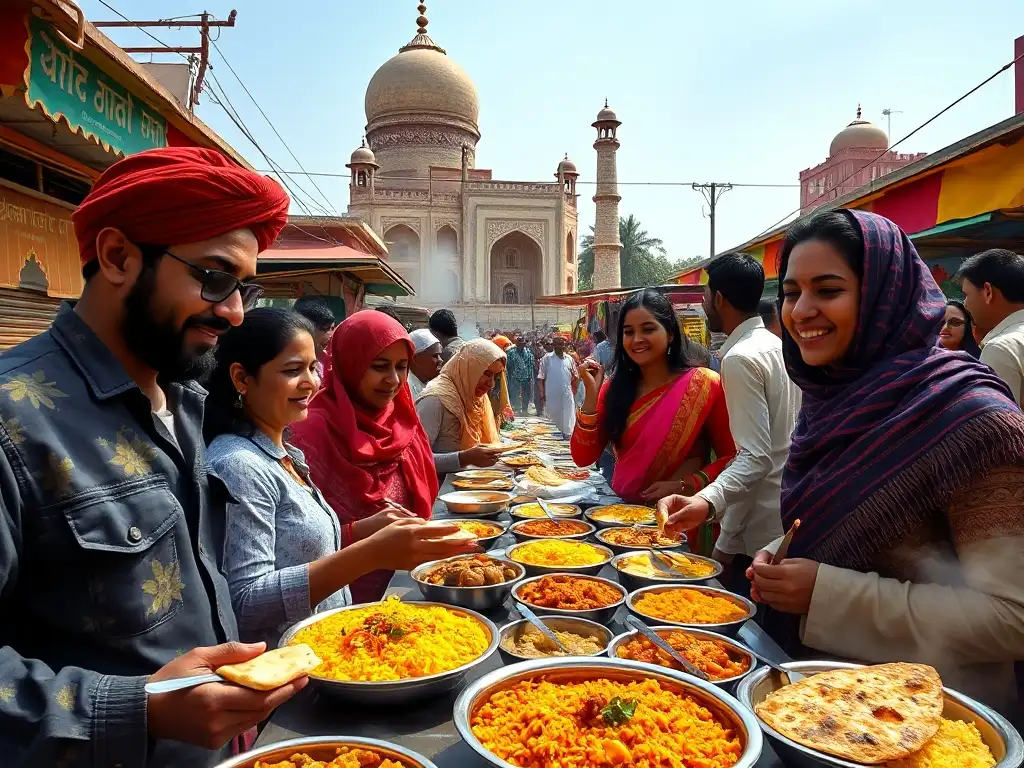
Welcome to Ancient India History, where we embark on an extraordinary journey through the rich tapestry of India's past! In our latest article, How to Enjoy Authentic Indian Cuisine Near Historical Landmarks, we invite you to explore the delectable flavors that have emerged from ancient Indian civilizations, all while standing in the shadows of their magnificent creations. Discover how culinary traditions have flourished alongside monumental sites, creating an unforgettable experience that tantalizes both the palate and the mind.
Are you ready to uncover the secrets of authentic Indian cuisine that await just beyond the gates of history? Let’s dive in!
- Introduction to Authentic Indian Cuisine Near Historical Landmarks
- What is Authentic Indian Cuisine?
- Top Historical Landmarks in India with Culinary Gems
- How to Find Authentic Indian Cuisine Near Landmarks
- Tips for Enjoying Authentic Indian Cuisine
- Conclusion: Savoring History Through Cuisine
-
Frequently Asked Questions
- What are some popular historical landmarks in India where I can find authentic Indian cuisine?
- How can I ensure the food is authentic when dining near landmarks?
- Are there specific dishes I should try when enjoying Indian cuisine near landmarks?
- Is it safe to eat street food near historical landmarks?
- How does the cuisine differ from one region to another in India?
- Final Reflection: Savoring the Journey of Authentic Indian Cuisine
- Savor the Flavors of India – Take Your Next Culinary Adventure!
Introduction to Authentic Indian Cuisine Near Historical Landmarks
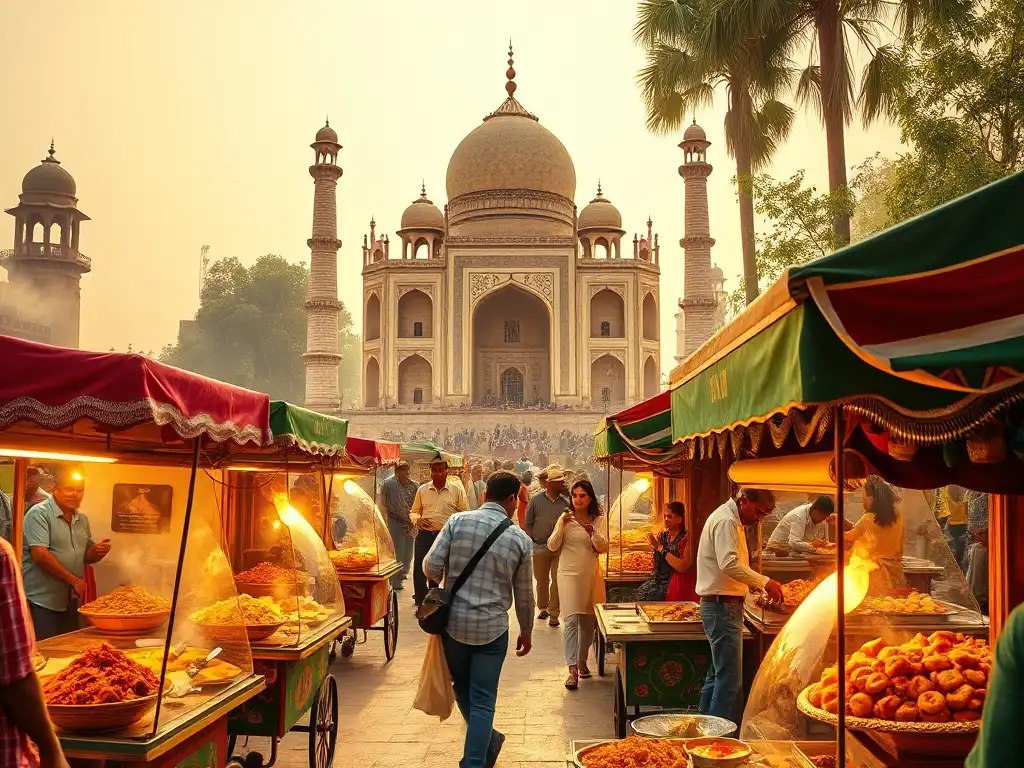
Exploring the rich tapestry of India's past is not just about visiting ancient monuments and archaeological sites; it also involves savoring the diverse flavors that have evolved over centuries. Authentic Indian cuisine offers a unique window into the cultural, geographical, and historical contexts of the regions you visit. This article will guide you on how to enjoy authentic Indian cuisine near landmarks, enhancing your travel experience by connecting you with the local culture through its culinary delights.
From the fragrant spices of the Indus Valley to the sophisticated flavors of the Gupta Empire, the journey of Indian food is as fascinating as the history itself. Join us as we delve into the relationship between food and history, and discover how culinary tourism plays a vital role in enriching your visits to ancient sites.
Discovering the Connection Between Food and History
The relationship between food and history in India is profound and multifaceted. Each region boasts its own distinct culinary traditions that reflect the historical influences and cultural exchanges that have shaped them over time. For example:
- Indus Valley Civilization: Known for its agrarian society, the diet consisted of wheat, barley, and legumes, with an emphasis on vegetarianism.
- Mughal Era: The Mughal emperors introduced rich gravies and aromatic spices, giving rise to dishes like biryani and kebabs, which continue to be celebrated today.
- Colonial Influence: The British introduced tea and various baking techniques, which led to the fusion of British and Indian cuisines.
By enjoying authentic Indian cuisine near historical landmarks, you not only satisfy your palate but also gain insights into the region's past. Restaurants often serve dishes that have been passed down through generations, allowing you to taste the history embedded in each bite.
Importance of Culinary Tourism in Ancient Indian Sites
Culinary tourism has emerged as a significant aspect of travel, particularly in regions rich in history like India. Not only does it enhance the overall travel experience, but it also contributes to the local economy and cultural preservation. Here are some key points to consider:
- Cultural Exchange: Dining at local establishments encourages interaction with residents, promoting cultural exchange and understanding.
- Support for Local Economies: Eating at local restaurants and markets ensures that your travel dollars benefit the community, supporting farmers, chefs, and artisans.
- Preservation of Tradition: Many traditional dishes are at risk of fading away, but culinary tourism helps keep these practices alive by fostering interest and appreciation.
Indulging in authentic Indian cuisine near historical landmarks offers a dual advantage: you enjoy exquisite flavors while simultaneously connecting with the ancient narratives and cultures that define the region. This enriching experience is a vital part of any travel itinerary focused on ancient India.
What is Authentic Indian Cuisine?
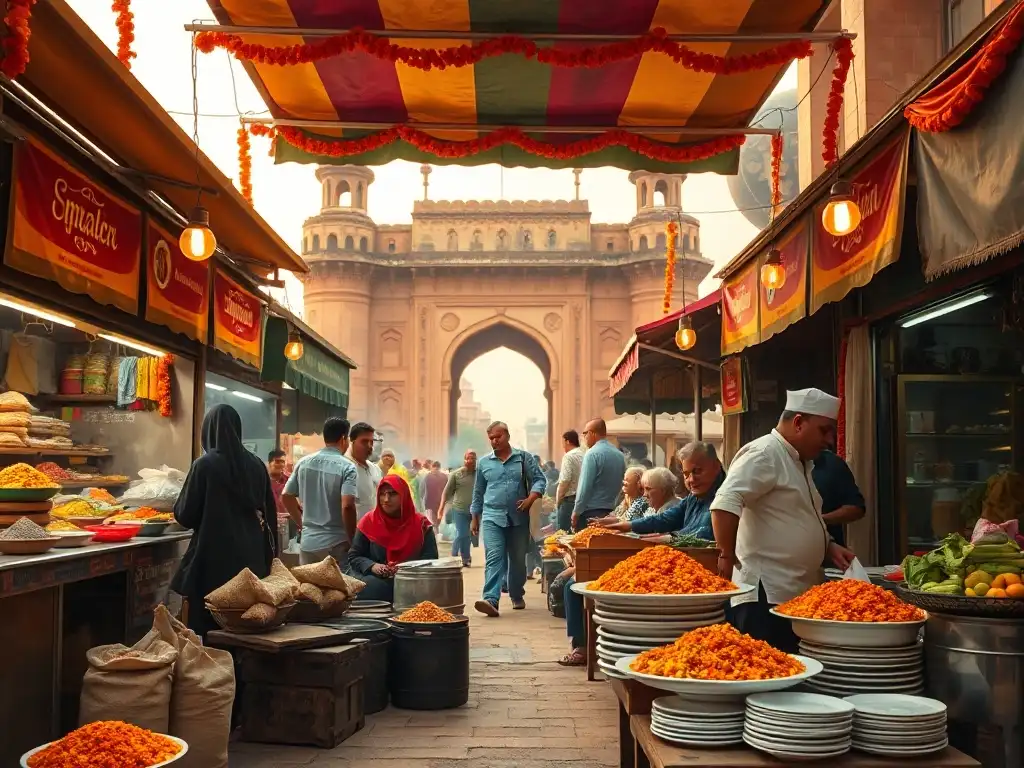
Authentic Indian cuisine is a vibrant tapestry of flavors, techniques, and ingredients that reflect the rich cultural heritage of India. Each region offers its own unique dishes, influenced by local produce, climate, and historical interactions with other cultures. From the aromatic spices of North India to the coconut-infused delicacies of the South, authentic Indian cuisine encapsulates the diversity of the subcontinent.
Defining Authenticity in Indian Culinary Traditions
Authenticity in Indian culinary traditions can be a nuanced concept, often shaped by various factors:
- Regional Variations: India is a vast country with many states, each boasting its own culinary identity. For instance:
- Punjabi Cuisine: Known for its rich, buttery dishes like Butter Chicken and Dal Makhani.
- Gujarati Cuisine: Features a balance of sweet and savory, exemplified in dishes like Dhokla and Undhiyu.
- South Indian Cuisine: Renowned for its use of rice and lentils, with staples such as Idli, Dosa, and Sambar.
- Traditional Methods: Authenticity often lies in the cooking techniques passed down through generations. For example:
- Tandoor Cooking: A clay oven used to bake bread such as Naan and cook meats like Tandoori Chicken.
- Slow Cooking: Many curries are prepared using slow-cooking methods, allowing spices to meld and develop deep flavors.
- Local Ingredients: The use of indigenous ingredients is key to authenticity. This means utilizing:
- Seasonal vegetables and fruits that are locally sourced.
- Spices that are integral to the region’s cuisine, such as cumin, coriander, and turmeric.
- Cultural Significance: Many dishes have historical roots or are linked to specific festivals and rituals, adding layers of meaning to the food. For example, Puran Poli is a traditional sweet flatbread often made during festivals in Maharashtra.
Popular Dishes That Represent Indian Heritage
Here are some iconic dishes that truly embody the essence of authentic Indian cuisine:
| Dish Name | Region | Description |
|---|---|---|
| Biryani | Pan-India | A fragrant rice dish cooked with marinated meat and spices, each region has its own variation, such as Hyderabadi Biryani. |
| Rogan Josh | Kashmir | A rich lamb curry simmered with aromatic spices, known for its deep red color from Kashmiri chilies. |
| Samosa | North India | A triangular pastry filled with spiced potatoes and peas, often served as a snack or appetizer. |
| Dhokla | Gujarat | A steamed, spongy cake made from fermented rice and chickpea flour, typically served with chutney. |
| Fish Curry | Bengal | A spicy and tangy curry made with freshwater fish, often featuring mustard seeds and coconut milk. |
| Vada Pav | Maharashtra | A popular street food, this is a spiced potato fritter sandwiched between bread, often accompanied by chutneys. |
These dishes not only tantalize the taste buds but also tell stories of the regions they originate from, making them a must-try for anyone exploring authentic Indian cuisine near historical landmarks. By enjoying these dishes, travelers can gain a deeper appreciation of India's culinary heritage while immersing themselves in its rich cultural tapestry.
Top Historical Landmarks in India with Culinary Gems
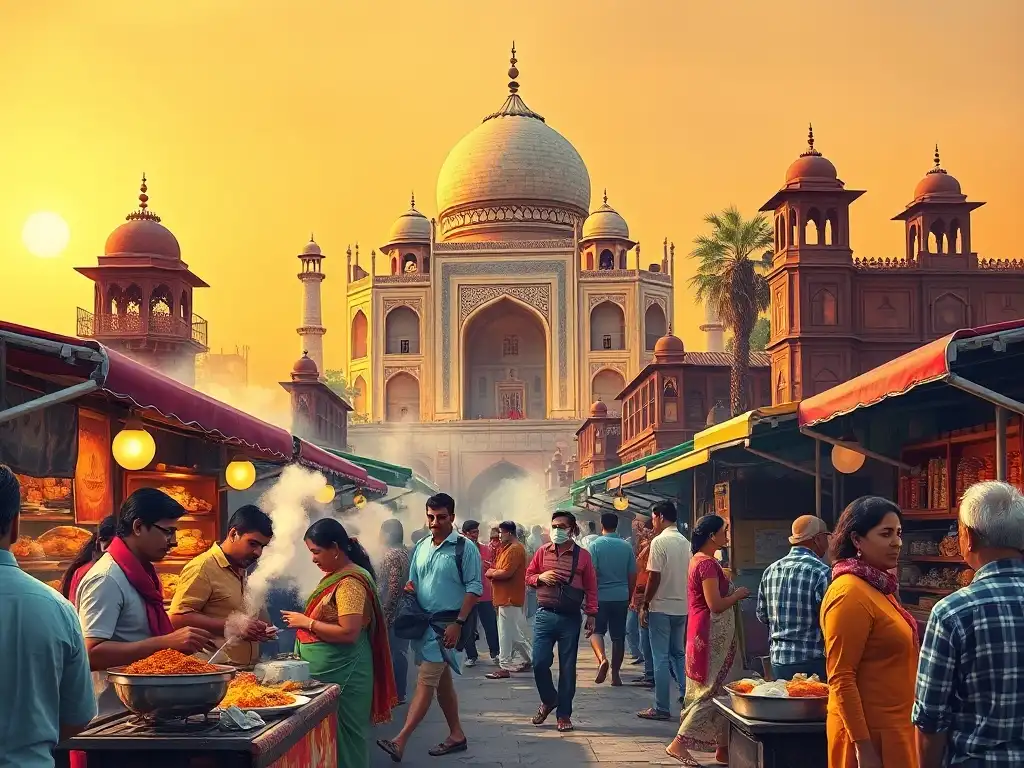
India's rich tapestry of history is intertwined with its culinary traditions. When visiting ancient landmarks, sampling authentic Indian cuisine can elevate your experience, making it not just a feast for the eyes, but also for the palate. Here are two prominent historical sites where you can indulge in local flavors while soaking in the majestic surroundings.
Exploring the Taj Mahal: A Culinary Journey
The Taj Mahal, a UNESCO World Heritage Site and one of the Seven Wonders of the World, stands as a testament to Mughal architecture and love. As you marvel at this ivory-white marble mausoleum, don't miss the opportunity to explore the culinary offerings in Agra, which reflect the region's rich cultural heritage.
Best Restaurants Near the Taj Mahal
-
Peshawri
Located within the ITC Mughal Hotel, Peshawri offers a luxurious dining experience with a focus on traditional North Indian cuisine. The ambiance is regal, and dishes like Dal Bukhara and Tandoori Lamb Chops are must-tries.
- Average Cost: ₹3000 per person
- Cuisine Type: North Indian
-
Zaiqa
A cozy, family-run restaurant, Zaiqa specializes in local Agra dishes, including Mughlai Biryani and Agra Petha. The friendly staff ensures a warm dining atmosphere, making it perfect for families.
- Average Cost: ₹800 per person
- Cuisine Type: Mughlai
-
The Grand
This rooftop restaurant provides stunning views of the Taj Mahal, especially at sunset. The menu features a mix of Indian and continental dishes, and their Butter Chicken is particularly popular.
- Average Cost: ₹1500 per person
- Cuisine Type: Indian/Continental
The Majesty of Jaipur: Palaces and Plates
Jaipur, often referred to as the "Pink City," is renowned for its majestic palaces and vibrant culture. The city not only boasts historical significance but also offers a rich culinary scene that reflects the flavors of Rajasthan.
Must-Try Eateries Near Amer Fort
-
Chokhi Dhani
An ethnic village resort that offers a unique dining experience with traditional Rajasthani cuisine. Guests can enjoy Dal Baati Churma while experiencing folk performances and cultural activities.
- Average Cost: ₹1500 per person
- Cuisine Type: Rajasthani
-
Suvarna Mahal
Located within the Rambagh Palace, Suvarna Mahal serves exquisite Indian cuisine in a lavish setting. Dishes like Lamb Rogan Josh and Paneer Lababdar are crafted with royal techniques.
- Average Cost: ₹3000 per person
- Cuisine Type: Indian
-
Laxmi Misthan Bhandar (LMB)
A famous sweet shop and restaurant in the heart of Jaipur, LMB is known for its delectable Rajasthani Thali and sweets like Ghewar. A perfect stop for those wanting to taste local flavors.
- Average Cost: ₹600 per person
- Cuisine Type: Rajasthani/Sweets
Exploring these culinary gems near historical landmarks not only enhances your travel experience but also connects you with the local culture through its flavors. Whether you are at the Taj Mahal or in the heart of Jaipur, indulging in authentic Indian cuisine is a journey in itself.
The Ancient City of Varanasi: Food by the Ganges
Varanasi, one of the oldest continuously inhabited cities in the world, is not only a spiritual hub but also a culinary paradise. Nestled along the banks of the sacred Ganges River, Varanasi offers a unique blend of history and gastronomy, making it a must-visit for those seeking authentic Indian cuisine near landmarks. The city's rich culinary traditions reflect its diverse cultural influences, from ancient Hindu rituals to Mughal flavors.
The banks of the Ganges are dotted with vibrant street food stalls, bustling eateries, and iconic restaurants serving local delicacies. A visit to Varanasi is incomplete without indulging in its famous chaat, lassi, and sweets that are deeply rooted in the city's heritage. Whether you're enjoying a meal while overlooking the river or savoring snacks from a street vendor, the flavors of Varanasi are sure to leave a lasting impression.
The culinary experience in Varanasi is enhanced by its historical context. As you explore its narrow lanes and ancient temples, you'll find that many local dishes are tied to religious festivals and customs, offering a taste of the city's living history.
Local Favorites Near Kashi Vishwanath Temple
Just a stone's throw from the revered Kashi Vishwanath Temple, you’ll find an array of eateries that showcase the best of Varanasi's culinary offerings. Here are some local favorites you shouldn't miss:
- Banarasi Chaat: A quintessential street food item, Banarasi chaat is known for its delicious combination of flavors. You can find stalls serving delectable aloo chaat, papri chaat, and the famous kachori sabzi, all bursting with spices and topped with tangy chutneys.
- Lassi: A trip to Varanasi is incomplete without trying the rich and creamy lassi, often served in traditional earthen pots. The lassi here is renowned for its thickness and sweetness, making it the perfect refreshment after a day of exploring.
- Kheer: This sweet rice pudding, infused with cardamom and garnished with nuts, is a beloved dessert in Varanasi. Many local sweet shops near the temple serve this delightful dish, which is often enjoyed as a prasad (offering) after temple rituals.
- Malaiyo: A seasonal treat, malaiyo is a frothy, creamy dessert made from milk and flavored with saffron and cardamom. It is typically available during the winter months and is a must-try for those with a sweet tooth.
- Thali Experience: For a comprehensive taste of Varanasi’s culinary delights, indulge in a traditional thali. These platters feature a variety of dishes, including dal, sabzi, rice, and roti, providing a wholesome meal that reflects the local flavors.
Exploring the food scene near the Kashi Vishwanath Temple not only satiates your taste buds but also enhances your understanding of the cultural significance behind each dish. Enjoying authentic Indian cuisine in this historical setting creates a memorable experience, making it a highlight of your visit to Varanasi.
How to Find Authentic Indian Cuisine Near Landmarks
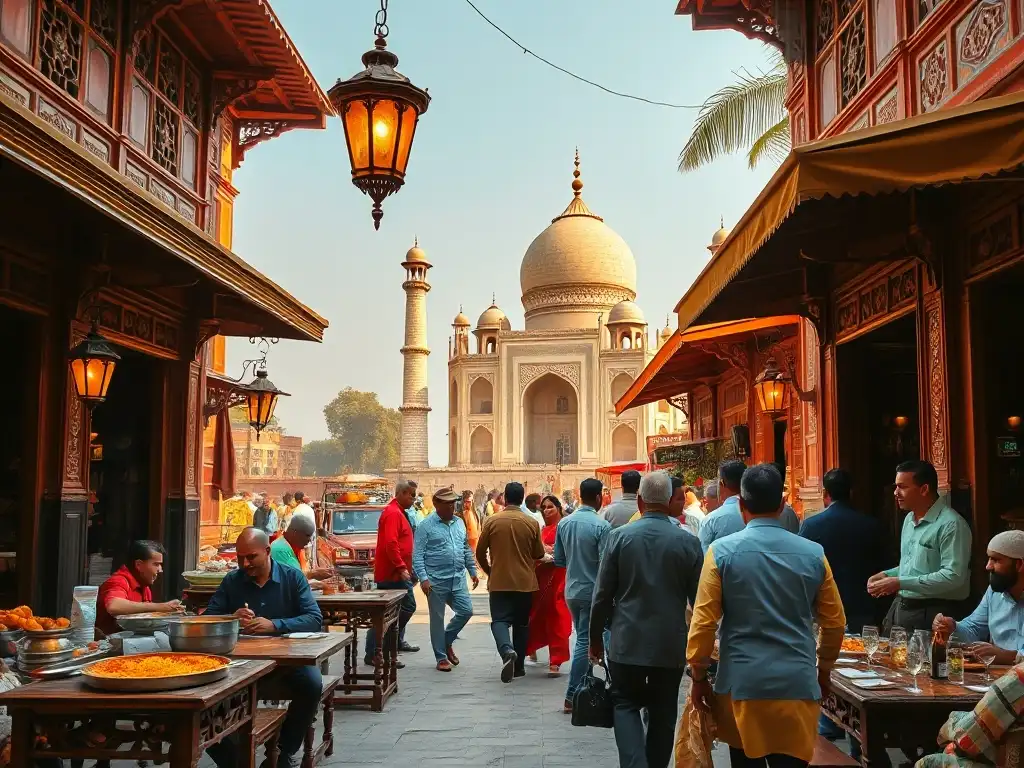
Exploring Food Apps and Websites for Recommendations
In the digital age, discovering authentic Indian cuisine near landmarks has never been easier, thanks to a plethora of food apps and websites. These platforms offer curated lists, user reviews, and recommendations that highlight local gems, ensuring that your culinary experience is both memorable and genuine.
- Popular Food Apps:
- Zomato: This app provides extensive listings of restaurants, including user-generated reviews and photos. You can filter searches based on proximity to historical landmarks and specific cuisine types, making it easier to locate authentic Indian cuisine.
- Swiggy: Primarily known for food delivery, Swiggy also features restaurant reviews and ratings, helping travelers find nearby eateries that serve traditional Indian dishes.
- Tripadvisor: While not solely focused on food, Tripadvisor offers a robust section for dining, complete with traveler reviews and the ability to search for restaurants by location.
- Websites for Culinary Exploration:
- Eater: Eater’s city-specific guides compile the best local restaurants, including those offering authentic Indian cuisine. It often features articles about regional specialties, helping you understand the culinary landscape.
- Yelp: Similar to Zomato, Yelp allows users to search for restaurants near specific landmarks, with a focus on reviews that highlight the authenticity of the cuisine.
- Social Media Insights:
- Instagram and Facebook: Many food bloggers share their experiences in real-time, showcasing dishes they enjoy. By following local influencers or restaurants, you can discover popular spots that serve authentic dishes.
Using these resources not only enhances your travel experience but also allows you to indulge in the rich flavors of Indian cuisine, steeped in tradition and culture.
Utilizing Local Guides and Culinary Tours
To delve deeper into the world of authentic Indian cuisine near landmarks, consider engaging with local guides and culinary tours. These options provide an immersive experience that goes beyond simply dining out, allowing you to appreciate the history and culture behind the food.
- Culinary Tours:
- Food Walks: Many cities with rich historical backgrounds offer food walks that guide you through various eateries famous for traditional dishes. These tours often include tastings of local specialties, providing insight into the preparation and cultural significance of each dish.
- Cooking Classes: Some tours extend beyond tasting to include hands-on cooking classes. Participants can learn how to prepare authentic Indian dishes, gaining a deeper appreciation for the ingredients and techniques involved.
- Local Guides:
- Hiring a local guide who specializes in culinary experiences can provide tailored recommendations. They can lead you to hidden gems that are often overlooked by tourists, ensuring an authentic dining experience.
- Many local guides also share stories about the historical landmarks in the vicinity, creating a rich tapestry of culinary and cultural knowledge.
- Community-Based Experiences:
- Engaging with community-based initiatives can enhance your culinary journey. Programs that connect travelers with local families for home-cooked meals offer a unique perspective on authentic Indian cuisine, allowing you to taste dishes that might not be found in restaurants.
By utilizing local guides and culinary tours, you not only savor authentic flavors but also connect with the culture and traditions that shape Indian cuisine, making your visit to historical landmarks a holistic experience.
Tips for Enjoying Authentic Indian Cuisine
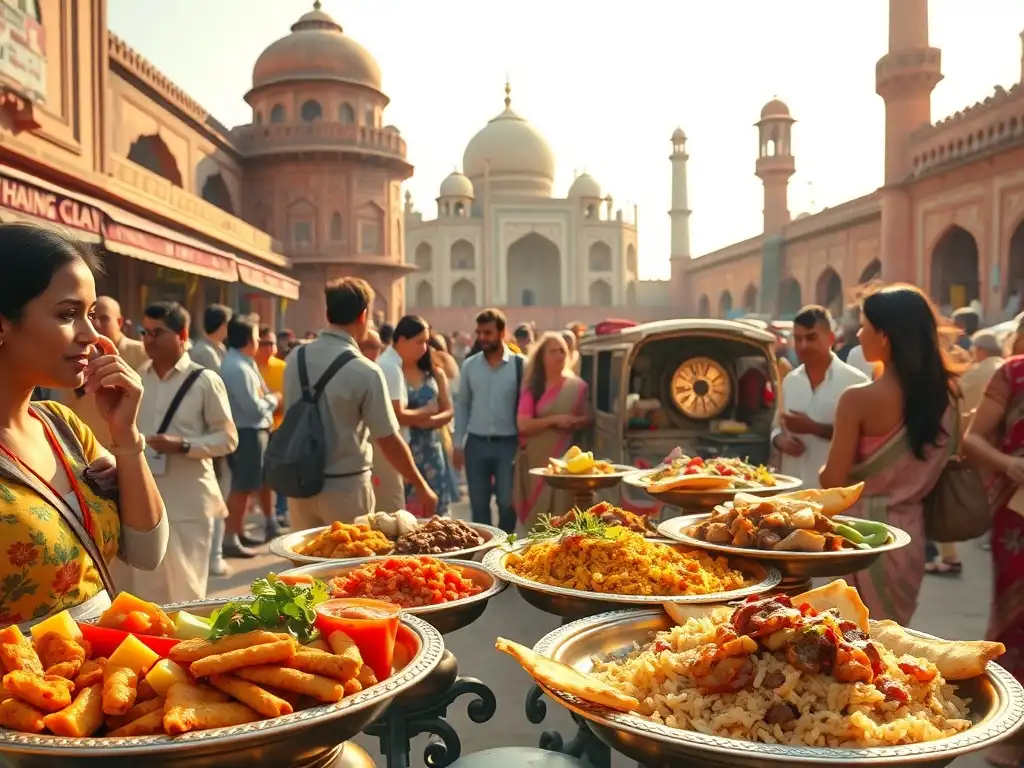
Understanding Indian Dining Etiquette
When indulging in authentic Indian cuisine near landmarks, understanding the local dining etiquette can enhance your experience significantly. Here are some key points to consider:
- Seating Arrangements:
- In traditional settings, waiting for the host to invite you to sit is polite. Often, you'll find that seating is arranged according to status or age.
- In restaurants, you may be seated by the staff. It’s customary to allow elders to take their seats first.
- Using Hands vs. Utensils:
- While many restaurants provide utensils, it is common in traditional Indian dining to eat with your hands. If you choose to do so, use only your right hand, as the left hand is considered unclean.
- To eat with hands, pinch a small amount of food with your fingertips and use your thumb to push it into your mouth.
- Sharing Food:
- Indian meals are often served family-style, and sharing food is a sign of hospitality. Do not hesitate to offer or accept dishes from others at the table.
- Saying “No”:
- If you’re offered food, it’s polite to decline once or twice before accepting. This reflects humility and respect for the host's generosity.
- Finishing Your Meal:
- It’s considered polite to finish all the food on your plate as a sign of appreciation. Leaving food can be interpreted as wasteful.
Best Times to Visit Restaurants Near Historical Sites
Timing your dining experience can make a significant difference in enjoying authentic Indian cuisine. Here are some recommendations on the best times to visit:
- Lunch Hours (12:00 PM - 3:00 PM):
- Many restaurants offer lunch specials, which can be a great opportunity to try a variety of dishes at a lower price. This is also when locals dine, allowing you to enjoy an authentic atmosphere.
- Evening Dining (7:00 PM - 10:00 PM):
- Dinner is typically a more relaxed affair in India. Visiting during these hours will not only provide a wider selection of dishes but also a vibrant ambiance, especially near famous landmarks.
- Avoiding Rush Hours:
- It’s advisable to avoid peak times, usually around 1:00 PM for lunch and 8:00 PM for dinner, to ensure a more pleasant dining experience. Reservations may also be beneficial during these hours.
- Special Events and Festivals:
- Consider visiting during local festivals or events, as many restaurants offer unique dishes or set menus that highlight regional specialties.
Combining Sightseeing with Culinary Delights
Exploring historical landmarks alongside enjoying authentic Indian cuisine can create a memorable travel experience. Here are some tips to effectively combine both:
- Plan Your Route:
- Create an itinerary that includes visits to historical sites and nearby restaurants. This allows you to maximize your time and enjoy meals without excessive travel.
- Take Food Tours:
- Many cities offer food tours that include stops at significant historical sites and local eateries. This can provide insight into both the culture and cuisine of the region.
- Local Recommendations:
- Engage with locals or guides to discover hidden gems that serve authentic cuisine near landmarks. Personal recommendations often lead to the best dining experiences.
- Culinary Classes:
- Some restaurants near historical sites offer cooking classes that combine sightseeing with hands-on culinary experiences. This not only enriches your understanding of the cuisine but also allows you to take a piece of India home with you.
- Enjoy Outdoor Dining:
- When possible, opt for outdoor dining with views of historical landmarks. This can enhance the overall experience, allowing you to savor both the flavors of India and its rich heritage.
By considering these tips, you can fully savor the experience of enjoying authentic Indian cuisine near historical landmarks, enriching your travel journey through the flavors and history of ancient India.
Conclusion: Savoring History Through Cuisine
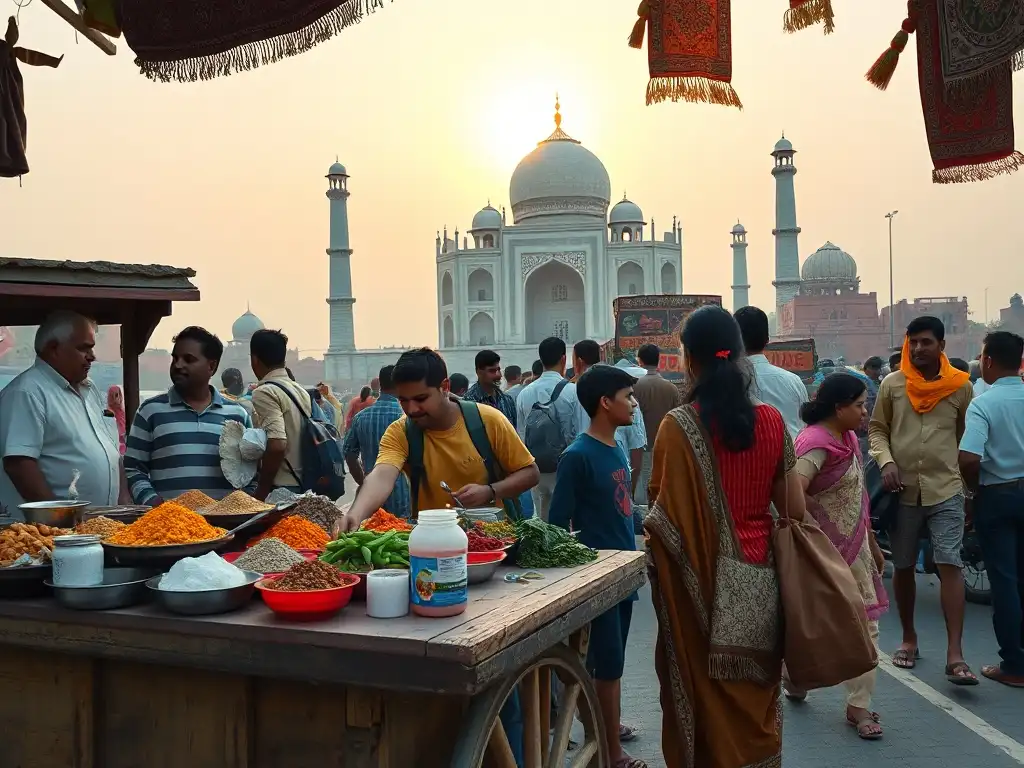
Exploring the rich tapestry of ancient Indian history is undoubtedly an enriching experience, but pairing it with authentic Indian cuisine near landmarks elevates travel to a whole new level. The flavors, aromas, and traditional cooking methods not only tantalize the taste buds but also provide a deeper understanding of the culture and heritage that shaped the region. As you take in the stunning architecture and historical significance of sites like the Indus Valley or the Gupta Empire, savoring the local culinary delights allows you to connect with the past in a truly immersive way.
The Lasting Impact of Culinary Experiences on Travel
Culinary experiences play a pivotal role in shaping travelers' perspectives and memories. Research indicates that food is often one of the most enjoyable aspects of travel, and for good reason. The tastes of authentic Indian cuisine can profoundly impact your overall travel experience:
- Cultural Connection: Each dish tells a story, reflecting the region’s history, traditions, and agricultural practices. For instance, enjoying a plate of Biryani in Delhi not only satisfies your hunger but also connects you to the Mughal heritage that popularized this dish.
- Sensory Engagement: The act of eating is a multi-sensory experience. The vibrant colors, spicy aromas, and intricate flavors of dishes like Dosa or Paneer Tikka create lasting memories tied to the places you visit.
- Social Interactions: Dining at local eateries or street food stalls often leads to interactions with locals, providing insights into their daily lives and culinary techniques. This social aspect enriches your understanding of the culture beyond just the historical landmarks.
- Reinforcing Local Economies: Choosing to indulge in local cuisine often means supporting small businesses and family-run restaurants, which have been bastions of tradition and authenticity for generations.
Encouraging Sustainable and Local Dining Practices
As travelers become more aware of their environmental impact, embracing sustainable and local dining practices has gained importance. Here are some ways to enjoy authentic Indian cuisine near landmarks while supporting sustainability:
- Farm-to-Table Dining: Seek out restaurants that emphasize fresh, locally sourced ingredients. Many regions in India offer farm-to-table experiences where you can enjoy seasonal dishes that reflect the true essence of the locale.
- Traditional Cooking Techniques: Opt for eateries that use traditional cooking methods, such as clay ovens (tandoors) or wood-fired stoves. These techniques not only enhance flavor but are often more environmentally friendly than modern cooking methods.
- Community Participation: Engage in dining experiences that involve the local community, such as cooking classes or food tours. This not only provides a personal touch to your culinary journey but also fosters cultural exchange and understanding.
- Reducing Food Waste: Choose smaller portions or share dishes to minimize waste. Many Indian restaurants offer a variety of small plates, allowing you to sample multiple flavors without excess.
By integrating these practices into your travel itinerary, you can enjoy the rich flavors of authentic Indian cuisine while also contributing positively to the communities and environments surrounding historical landmarks. This mindful approach to dining not only enhances your travel experience but also ensures that the cultural heritage of ancient India continues to thrive for generations to come.
Frequently Asked Questions
What are some popular historical landmarks in India where I can find authentic Indian cuisine?
Many historical landmarks like the Taj Mahal, Red Fort, and Hampi are surrounded by restaurants offering authentic Indian cuisine that reflects the local culture.
How can I ensure the food is authentic when dining near landmarks?
Look for local recommendations, read reviews, and seek out restaurants that have traditional dishes and use fresh, locally sourced ingredients to ensure authenticity.
Are there specific dishes I should try when enjoying Indian cuisine near landmarks?
Yes! Popular dishes to try include Biryani, Butter Chicken, and Dosa, which vary by region and provide a true taste of India's culinary diversity.
Is it safe to eat street food near historical landmarks?
Generally, street food near historical landmarks is safe, but it's wise to choose vendors with good hygiene practices and high customer turnover to ensure freshness.
How does the cuisine differ from one region to another in India?
Indian cuisine varies significantly by region, influenced by local ingredients, climate, and cultural practices, resulting in distinct flavors and cooking techniques across the country.
Final Reflection: Savoring the Journey of Authentic Indian Cuisine
The exploration of authentic Indian cuisine near historical landmarks is not just about satisfying our taste buds; it is a celebration of culture, history, and community. In today's fast-paced world, where culinary experiences often get overshadowed by convenience, taking the time to enjoy a meal steeped in tradition offers a profound connection to the past and the present. The rich flavors and diverse dishes of Indian cuisine serve as a reminder of the stories and heritage that shape our world.
Culinary experiences are intrinsically linked to our cultural identity and social interactions. As we savor each bite of authentic Indian dishes, we engage with the history of the land and the people who have crafted these recipes over generations. This connection is beautifully encapsulated in the words of renowned chef Sanjeev Kapoor: Food is not just about sustenance; it is about sharing, caring, and creating memories.
The act of enjoying a meal near a historical landmark transforms dining into a meaningful experience, allowing us to appreciate the intricate tapestry of life that surrounds us.
As you embark on your own culinary adventures, I invite you to reflect on the significance of the meals you enjoy and the stories they tell. Consider how each dish connects you to the culture and history of the place you are visiting. Let your taste buds guide you on a journey that transcends mere consumption, encouraging you to explore, appreciate, and celebrate the rich heritage of authentic Indian cuisine. In doing so, you not only nourish your body but also enrich your soul and deepen your understanding of the world around you.
Savor the Flavors of India – Take Your Next Culinary Adventure!
Thank you for taking the time to explore the rich tapestry of authentic Indian cuisine intertwined with our historical landmarks! You’ve gained a deeper understanding of the unique dishes that not only tantalize your taste buds but also celebrate the cultural heritage of India. Now, it's time to experience it for yourself!
Here are a few ways you can immerse yourself in this delightful journey:
- Plan a culinary outing to visit one of the recommended restaurants highlighted in our guide and savor an authentic dish that reflects the history of the region.
- Share your experience! Connect with us on social media by posting your food photos and stories. We’d love to see how you experience the flavors of India!
- Join a local food tour or cooking class to engage with Indian culinary arts in a hands-on way and uncover the secrets behind these traditional recipes.
What hidden gem of Indian cuisine are you excited to discover on your next adventure?