
Hidden Gems: LesserKnown Ancient Sites Worth Visiting in India

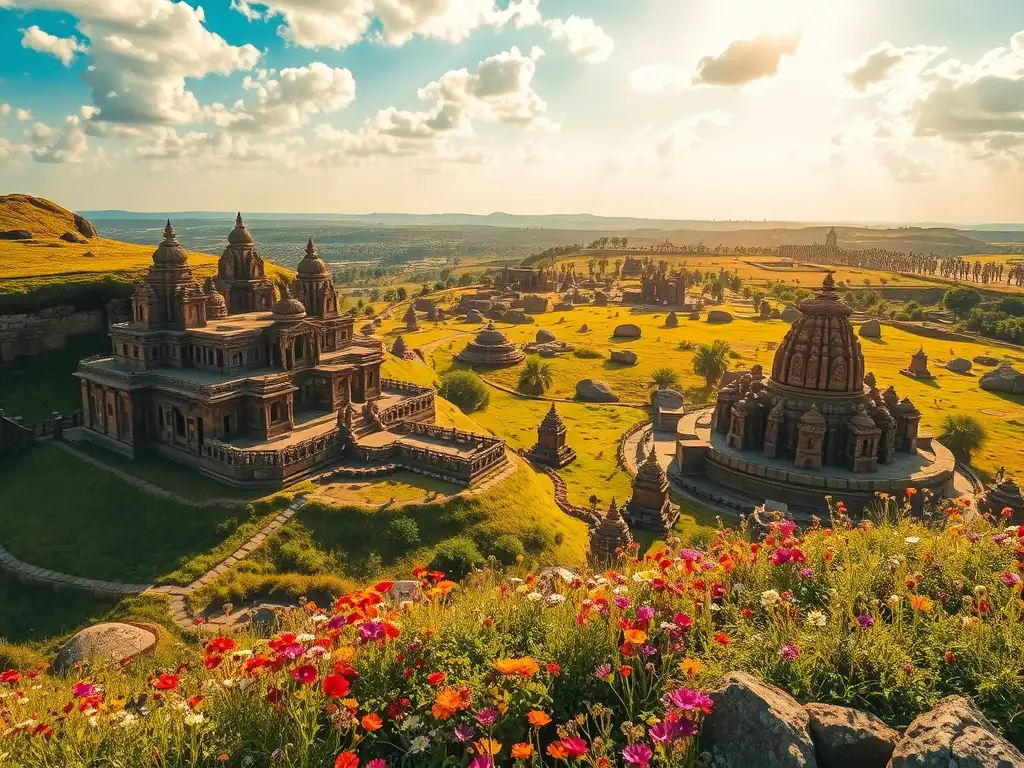
Welcome to Ancient India History, where we embark on a fascinating journey through the rich tapestry of India's past. Today, we invite you to uncover the hidden ancient sites in India, those lesser-known gems that whisper tales of civilizations long gone. From the enigmatic ruins of the Indus Valley to the opulent grandeur of the Gupta Empire, each site is a testament to the incredible cultural contributions of ancient Indian societies. Are you ready to explore these remarkable destinations that promise not only luxury but a profound connection to history? Dive in and discover what treasures await you!
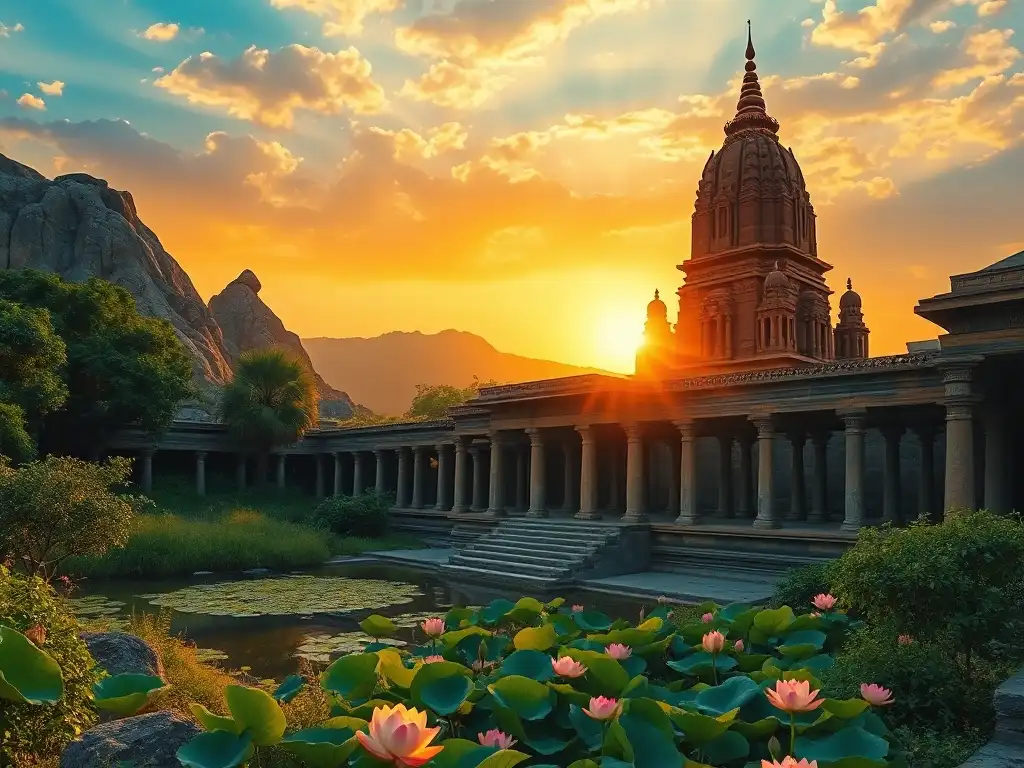
India, a land steeped in history, is home to countless ancient sites that echo the tales of its rich civilizations. While monumental landmarks like the Taj Mahal and Hampi attract millions of visitors each year, there exists a plethora of hidden ancient sites in India that are often overlooked. These lesser-known gems offer a unique glimpse into the diverse cultural and historical tapestry of this ancient land, showcasing architectural brilliance, intricate carvings, and historical significance that rivals their more famous counterparts.
From the serene ruins of an ancient Buddhist monastery to the intricately designed temples of a bygone era, each hidden site unveils stories of the past that are waiting to be discovered. In this article, we will explore some of these remarkable sites, providing insights into their significance and the experiences they offer to intrepid travelers seeking to delve deeper into India's historical wonders.
Visiting hidden ancient sites in India provides a unique experience that is markedly different from exploring popular tourist destinations. Here are several compelling reasons to consider these lesser-known treasures:
- Authenticity and Tranquility:
- Many hidden sites are less frequented, allowing for a more intimate experience. Visitors can wander through ancient ruins without the crowds, fostering a deeper connection to the history and ambiance of the site.
- Rich Cultural Insights:
- These sites often reflect the artistry and architectural styles of their time. By visiting, travelers can gain insights into the local culture, beliefs, and traditions that shaped these civilizations.
- Unique Storytelling:
- Each hidden gem carries its own story, often intertwined with folklore and historical events. Engaging with local guides can provide fascinating narratives that enhance your understanding of the site.
- Adventure and Exploration:
- Discovering off-the-beaten-path locations often involves a sense of adventure. Travelers may find themselves trekking through scenic landscapes or exploring ancient ruins that are nestled away from the typical tourist trails.
- Preservation of Heritage:
- By visiting these lesser-known sites, travelers contribute to the preservation of India's rich heritage. Increased awareness and tourism can help fund conservation efforts and promote sustainable practices.
Exploring the hidden ancient sites in India not only enriches the travel experience but also fosters a greater appreciation for the country's diverse history and cultural heritage. In the following sections, we will uncover specific sites that promise to enchant and inspire all who seek them out.
India is home to an array of ancient sites that are often overlooked by mainstream tourism. These hidden gems offer a unique glimpse into the rich history and culture of the subcontinent. Here are some of the top hidden ancient sites in India that deserve your attention:
1. The Ancient City of Hampi
Hampi, once the capital of the Vijayanagara Empire, is a UNESCO World Heritage Site located in Karnataka. This sprawling complex is dotted with stunning temples, royal structures, and fascinating boulders. The most notable attractions include the Virupaksha Temple, which is dedicated to Lord Shiva, and the Vittala Temple, known for its iconic stone chariot and musical pillars. Exploring Hampi's ruins gives visitors a sense of the grandeur that once defined this city.
- Highlights:
- Virupaksha Temple: A significant pilgrimage site with intricate carvings.
- Vittala Temple: Famous for its architectural brilliance and musical stone pillars.
- Hampi Bazaar: A vibrant market area that showcases local handicrafts.
2. The Forgotten Temples of Khajuraho
Famous for their stunning erotic sculptures, the temples of Khajuraho in Madhya Pradesh are a testament to the artistic prowess of ancient India. Built during the Chandela dynasty, these temples are divided into two groups: Western and Eastern. The intricate carvings depict various aspects of life, including love, nature, and mythology. Despite their fame, many visitors overlook the less-explored Eastern group, which houses beautiful temples like the Jain temples of Parshvanath and Adinath.
- Highlights:
- Lakshmana Temple: Known for its detailed sculptures and architectural beauty.
- Kandariya Mahadeva Temple: Dedicated to Lord Shiva, this temple is a masterpiece of temple architecture.
- Jain Temples: Less crowded, offering serene surroundings to appreciate their beauty.
3. The Ruins of Vijayanagara
The ruins of Vijayanagara, located near Hampi, are a remarkable remnant of the Vijayanagara Empire, which flourished in the 14th to 17th centuries. This site encompasses a vast area with the remnants of palaces, temples, and market streets sprawled across the landscape. The most impressive structures include the Royal Enclosure, which features the Mahanavami Dibba (platform) and the Queen's Bath, showcasing elaborate architectural designs.
- Highlights:
- Royal Enclosure: The heart of the city with various structures that signify royal life.
- Mahanavami Dibba: A large platform used for royal ceremonies.
- Queen's Bath: An exquisite example of Indo-Islamic architecture.
4. The Ancient Monuments of Mandu
Mandu, known for its stunning architecture and natural beauty, is an ancient city in Madhya Pradesh that boasts a rich history dating back to the 6th century. The site is famous for its magnificent structures, including the Jahaz Mahal (Ship Palace) and the Hindola Mahal (Swing Palace), which are architectural marvels set against a backdrop of lush valleys and ancient fortifications.
- Highlights:
- Jahaz Mahal: A unique structure that appears to float on the water.
- Hindola Mahal: Renowned for its sloping walls and intricate carvings.
- Baaz Bahadur's Palace: Offers panoramic views of the surrounding landscape.
5. The Caves of Ajanta and Ellora
The Ajanta and Ellora Caves, located in Maharashtra, are UNESCO World Heritage Sites known for their remarkable rock-cut architecture and intricate carvings. The Ajanta Caves, dating back to the 2nd century BCE, feature stunning Buddhist frescoes and sculptures, while the Ellora Caves showcase a mix of Buddhist, Hindu, and Jain influences, with the Kailasa Temple being a standout for its sheer size and craftsmanship.
- Highlights:
- Ajanta Caves: Renowned for their ancient paintings and sculptures depicting the life of Buddha.
- Ellora Caves: Home to the magnificent Kailasa Temple, carved from a single rock.
- Cave 10 (Chaitya Hall): A breathtaking example of ancient Indian architecture.
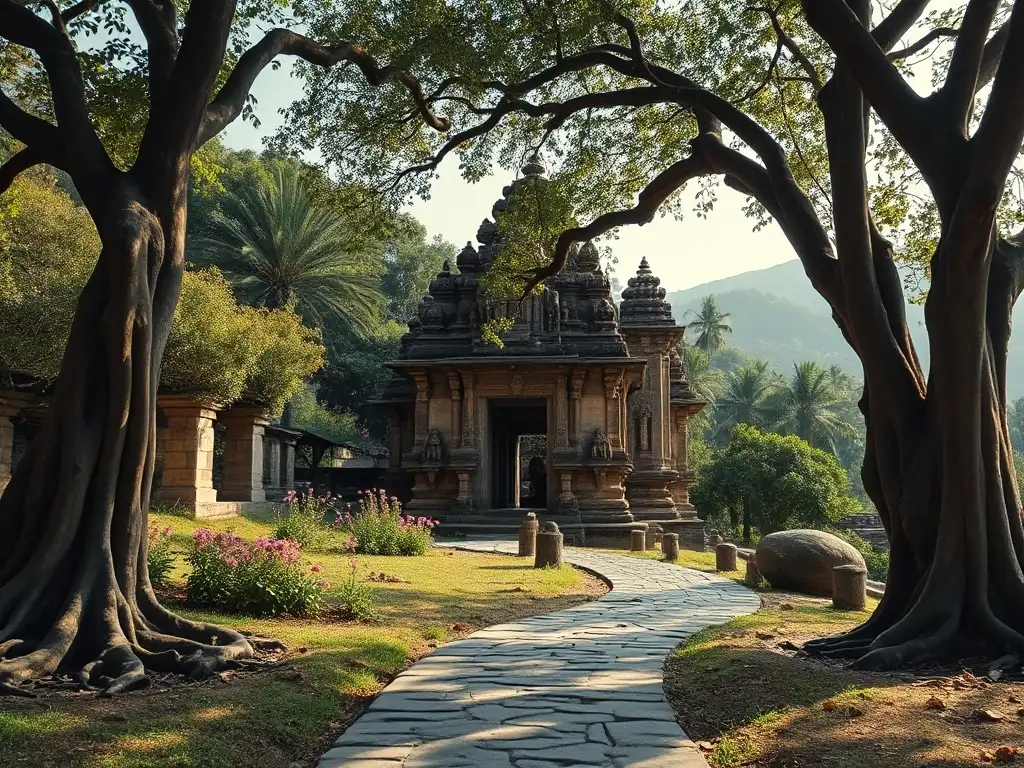
Visiting hidden ancient sites in India requires some preparation to ensure a fulfilling experience. Here are essential travel tips to consider:
Packing Essentials for Exploring Ancient Sites
When planning your visit to ancient sites, packing the right essentials is key to enhancing your experience. Here are some must-have items:
- Comfortable Footwear: Many ancient sites require extensive walking, so sturdy shoes are a must.
- Sun Protection: Sunscreen, a wide-brimmed hat, and sunglasses will protect you from the sun.
- Lightweight Clothing: Dress modestly and comfortably, keeping in mind the climate and local customs.
- Reusable Water Bottle: Stay hydrated and reduce plastic waste by carrying a refillable bottle.
- Camera: Capture the beauty of the sites while being mindful of photography restrictions.
How to Respect Local Culture and Heritage
Respecting local culture and heritage is essential when visiting ancient sites. Here are some guidelines to follow:
- Dress Appropriately: Wear modest clothing, especially at religious sites.
- Follow Photography Rules: Some sites may have restrictions on photography; always ask before taking photos.
- Engage with Locals: Take time to interact with local communities to learn about their customs and traditions.
- Support Local Businesses: Purchase souvenirs from local artisans rather than mass-produced items.
- Maintain Cleanliness: Respect the environment by not littering and following designated paths.
By following these tips, you can make the most of your visit to India’s hidden ancient sites while contributing positively to the local culture and heritage.
Exploring hidden ancient sites in India offers a unique opportunity to delve into the country's rich history and diverse cultural heritage. These lesser-known gems, often overshadowed by their more famous counterparts, provide a more intimate and authentic experience of ancient Indian civilization. From the intricate carvings of Khajuraho to the serene ruins of Hampi, each site tells a story steeped in history, art, and spirituality.
Traveling to these hidden locations not only enriches your understanding of India's past but also allows you to connect with local communities, fostering a sense of appreciation for their customs and traditions. The tranquility and beauty found at these sites often provide a stark contrast to the crowds of more popular destinations, allowing for deeper reflection and exploration.
As you embark on your journey to uncover these hidden treasures, remember to approach each site with respect and mindfulness. Engage with historians, local guides, and fellow travelers who share your passion for history. By doing so, you contribute to the preservation and appreciation of these ancient sites, ensuring that they continue to inspire future generations.
So pack your bags, grab your camera, and embrace the adventure that awaits you in the hidden corners of India. Each visit will not only expand your horizons but also create lasting memories that resonate with the spirit of exploration.
Additional Resources for Travelers
To enhance your journey to hidden ancient sites in India, consider utilizing the following resources:
- Guidebooks: Look for specialized guidebooks that focus on historical and cultural travel in India. Titles that highlight off-the-beaten-path locations can be particularly helpful.
- Travel Blogs: Many travel bloggers share their experiences visiting lesser-known sites. They often provide valuable tips, itineraries, and insights into local culture.
- Local Tourist Information Centers: Upon arrival at your destination, visit local tourist offices for maps, brochures, and recommendations on hidden gems that may not be widely advertised.
- Online Forums and Communities: Platforms like TripAdvisor, Reddit, and travel-specific Facebook groups can connect you with seasoned travelers who have explored these ancient sites and can offer firsthand advice.
- Mobile Apps: Download travel apps that focus on cultural heritage and historical sites. Many apps provide audio guides and augmented reality experiences to enhance your visit.
- Cultural Tours: Consider joining specialized tours that focus on historical and cultural experiences. Local guides can offer in-depth knowledge and access to sites that may not be available to the general public.
By utilizing these resources, you can ensure a more enriching experience as you uncover the hidden ancient sites of India, making your travel both enjoyable and educational.
- Introduction to Hidden Ancient Sites in India
- Why Visit Hidden Ancient Sites in India?
- Top Hidden Ancient Sites in India
- Essential Travel Tips for Visiting Hidden Ancient Sites in India
- Conclusion: Embrace the Adventure of Exploring Hidden Ancient Sites
- Additional Resources for Travelers
Frequently Asked Questions
Some hidden ancient sites include the Brihadeeswarar Temple in Thanjavur, Hampi's lesser-known temples, and the ruins of Vijayanagara in Karnataka, showcasing stunning architecture and history.
Why should I explore lesser-known ancient sites?
Exploring lesser-known ancient sites offers a chance to experience unique cultural heritage without the crowds, revealing the rich history and contributions of ancient Indian civilizations.
To discover hidden gems, consider researching local travel blogs, visiting historical societies, or joining guided tours focused on ancient sites in India.
What is the significance of the Indus Valley Civilization in ancient India?
The Indus Valley Civilization is significant as one of the world's earliest urban cultures, known for its advanced city planning, architecture, and trade systems, laying the foundation for future Indian societies.
Yes, sites like Rakhigarhi and Dholavira are still being excavated, offering new insights into the Indus Valley Civilization and other ancient cultures, making them fascinating for visitors and historians alike.
The allure of exploring lesser-known ancient sites in India is more relevant today than ever, as travelers seek authentic experiences that connect them to the rich tapestry of history. In a world increasingly dominated by commercial tourism, the chance to uncover these hidden gems allows us to appreciate the depth of India's cultural heritage. These sites not only tell the stories of our past but also inspire a sense of wonder and curiosity that transcends time.
The exploration of these hidden ancient sites has profoundly shaped our understanding of India's diverse cultural landscape. Each site offers a unique glimpse into the lives, beliefs, and artistry of those who came before us, reminding us of the importance of preserving these treasures for future generations. As Mahatma Gandhi once said, "> A nation's greatness is measured by how it treats its weakest members." This sentiment resonates deeply when we consider the responsibility we have to honor and protect our historical sites, ensuring that their stories continue to be told.
As you reflect on the hidden ancient sites in India, I invite you to embark on your own journey of discovery. Consider how you can engage with these sites, whether through travel, advocacy, or education, and contribute to the preservation of our shared heritage. By exploring these lesser-known treasures, you not only enrich your own life but also help keep the spirit of India's ancient history alive for generations to come. Embrace the adventure, and let the stories of the past guide you toward a deeper understanding of our collective identity.
Thank you for diving into the fascinating world of lesser-known ancient sites in India! You've discovered incredible destinations that offer rich history and unique experiences. Now, it's time to take that excitement further and explore these hidden gems in person. Here are a few practical steps you can take to start your adventure:
- Plan a Weekend Getaway to one of the sites highlighted in this article. Consider booking a guided tour to truly immerse yourself in the history and culture.
- Share Your Journey on social media by tagging @AncientIndiaHistory, and inspire others to seek out these lesser-known treasures!
- Connect with local historians or travel groups that specialize in ancient sites for exclusive insights and experiences you won’t find in traditional guides.
As you embark on your exploration of India's hidden gems, remember: the journey is as rewarding as the destination.
What ancient site are you most excited to visit, and what intrigues you about it? Share your thoughts below!