
Tips for Capturing Stunning Photos at Ancient Indian Heritage Sites

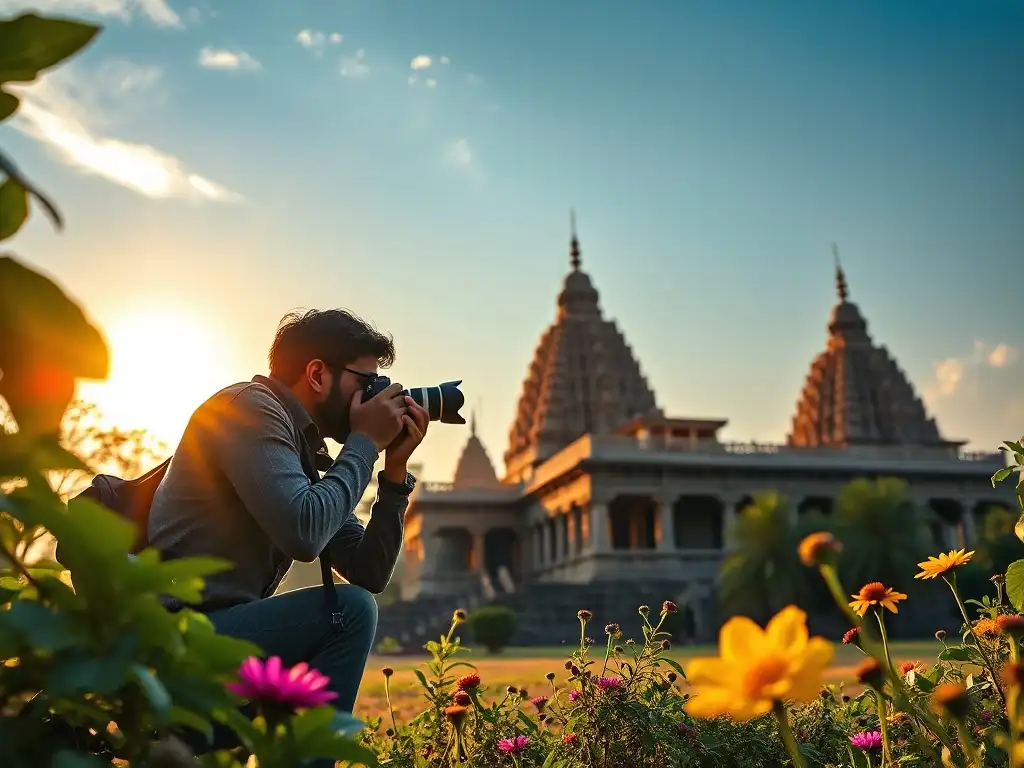
Welcome to Ancient India History, where we embark on a journey through the mesmerizing tapestry of India's past! Dive deep into the remarkable stories of ancient civilizations, from the enigmatic Indus Valley to the illustrious Gupta Empire. In our featured article, " Tips for Capturing Stunning Photos at Ancient Indian Heritage Sites," we unveil essential photography tips that will help you immortalize the beauty and grandeur of these historical landmarks.
Are you ready to enhance your travel experiences and create memories that last a lifetime? Join us as we explore the intersection of culture and creativity, igniting your passion for photography and history!
-
Photography Tips for Heritage Sites: Capturing Stunning Photos at Ancient Indian Heritage Sites
- Introduction to Photography at Heritage Sites
- Understanding the Best Times for Photography
- Essential Gear for Photography at Ancient Sites
- Composition Techniques for Stunning Photos
- Utilizing Natural Elements in Your Photography
- Post-Processing Tips for Enhancing Heritage Site Photos
- Ethical Photography Practices at Heritage Sites
- Conclusion: Capturing the Essence of Ancient Indian Heritage
- Call to Action: Share Your Stunning Photos!
-
Frequently Asked Questions
- What are some essential photography tips for heritage sites?
- How can I avoid crowds while photographing ancient sites?
- What equipment is recommended for photographing heritage sites?
- How should I approach composition when photographing ancient structures?
- Are there any specific cultural considerations when photographing in India?
- Final Reflection: Embracing the Beauty of Heritage Through Photography
- Unleash Your Inner Photographer Today!
Photography Tips for Heritage Sites: Capturing Stunning Photos at Ancient Indian Heritage Sites
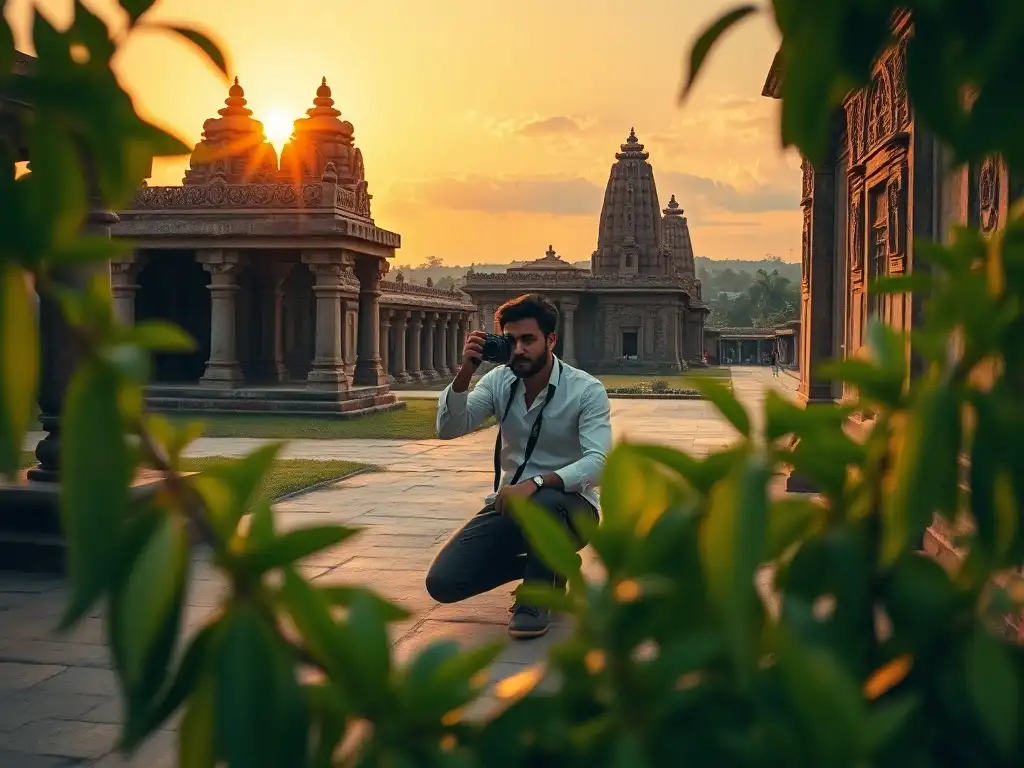
Capturing the essence of ancient Indian heritage sites through photography is an art that combines technical skill with a deep appreciation for history and culture. From the intricate carvings of the temples to the expansive landscapes of the Indus Valley, each site tells a unique story that can be beautifully encapsulated through the lens of a camera.
In this guide, we will explore valuable photography tips tailored specifically for heritage sites, helping you create stunning images that reflect the grandeur and significance of these historical landmarks. Whether you're a seasoned photographer or a novice, these insights will enhance your ability to document your travels through India's rich heritage.
Introduction to Photography at Heritage Sites
When photographing heritage sites, it is essential to consider not just the technical aspects of photography, but also the cultural and historical context of the locations. Ancient Indian monuments, such as the magnificent Taj Mahal or the ancient ruins of Hampi, offer photographers an opportunity to blend storytelling with artistry. Understanding the significance of these sites will allow you to capture images that resonate with emotion and depth.
Here are some key considerations for photographing heritage sites:
- Research: Familiarize yourself with the history and significance of the site you are visiting. This knowledge can inspire your composition and help you convey a deeper narrative in your photos.
- Respect: Always be mindful of the cultural and religious significance of the sites. Avoid intrusive behavior and obtain permission where necessary, especially in sacred spaces.
- Equipment: Use appropriate camera gear that suits the environment. A DSLR or mirrorless camera with a versatile lens can help you adapt to various lighting and composition challenges.
Understanding the Best Times for Photography
Timing is crucial when it comes to capturing stunning photographs at heritage sites. The quality of light can dramatically affect the mood and clarity of your images.
Golden Hour Photography Tips
The golden hour, which occurs shortly after sunrise and before sunset, is widely regarded as the best time for photography. During this period, the soft, warm light enhances the textures and colors of your subjects. Here are some tips to make the most of this magical time:
- Arrive Early: Get to your chosen site well before sunrise to set up and scout different angles.
- Experiment with Angles: Capture the same scene from various perspectives. The golden light can create striking shadows and highlights that change quickly.
- Use Reflectors: If you are photographing subjects in shadow, consider using reflectors to bounce light onto them, adding warmth and dimension.
Seasonal Considerations for Capturing Stunning Images
Seasons can significantly impact the atmosphere and accessibility of heritage sites. Here’s how to take seasonal variations into account:
- Monsoon Magic: The monsoon season can add a dramatic flair to your photos, with lush greenery and vibrant skies. Just be prepared for unpredictable weather!
- Winter Wonders: Visiting during the winter months often brings clearer skies and cooler temperatures, perfect for comfortable exploration and photography.
- Festivals and Events: Many heritage sites host festivals that can add color and activity to your images. Research local events to capture unique cultural moments.
By understanding the best times for photography and considering seasonal variations, you can enhance your ability to capture the stunning beauty of ancient Indian heritage sites. Stay tuned for more tips and techniques to elevate your photography experience!
Essential Gear for Photography at Ancient Sites
When embarking on a photography journey through ancient Indian heritage sites, having the right gear is essential to capturing the breathtaking beauty and intricate details of these historically rich locations. The right equipment can significantly enhance your ability to document the grandeur and unique characteristics of the structures, landscapes, and cultural artifacts. Below are key categories of gear to consider:
Camera Equipment Recommendations
-
DSLR or Mirrorless Camera:
Investing in a high-quality DSLR or mirrorless camera is crucial. These cameras allow you to change lenses and offer superior image quality compared to point-and-shoot models. Popular brands include Canon, Nikon, and Sony, with models such as the Canon EOS R or Nikon Z series being excellent choices for their versatility and performance.
-
Lenses:
- Wide-Angle Lens: Ideal for capturing expansive scenes such as temple complexes or large monuments. A lens in the range of 16-35mm is commonly recommended.
- Standard Zoom Lens: A 24-70mm lens is versatile for various compositions, from portraits to landscapes.
- Telephoto Lens: Useful for capturing distant details or architectural features without intruding on the site.
-
Tripod:
A sturdy tripod is essential for long exposure shots, especially in low-light conditions or when shooting at dawn and dusk. Look for a lightweight, portable model that can be easily carried.
-
Filters:
- Polarizing Filter: Helps reduce glare and enhance colors, particularly when photographing reflective surfaces or foliage.
- ND (Neutral Density) Filter: Useful for long exposure photography, allowing for creative effects with moving water or clouds.
Accessories to Enhance Your Photography Experience
-
Extra Batteries and Memory Cards:
Ensure you have ample power and storage, as exploring heritage sites can take longer than expected. Carry at least two extra batteries and several high-capacity memory cards.
-
Camera Backpack:
A comfortable, weather-resistant backpack will protect your gear while making it easy to carry essentials like water and snacks during your adventures.
-
Lens Cleaning Kit:
Dust and moisture are common at heritage sites. A lens cleaning kit with microfiber cloths and brushes will help keep your lenses clear.
-
Remote Shutter Release:
This accessory is beneficial for minimizing camera shake during long exposures or self-portraits.
-
Smartphone for Quick Shots:
While a DSLR or mirrorless camera is ideal for quality shots, having a smartphone handy is great for spontaneous moments and social media updates.
Composition Techniques for Stunning Photos
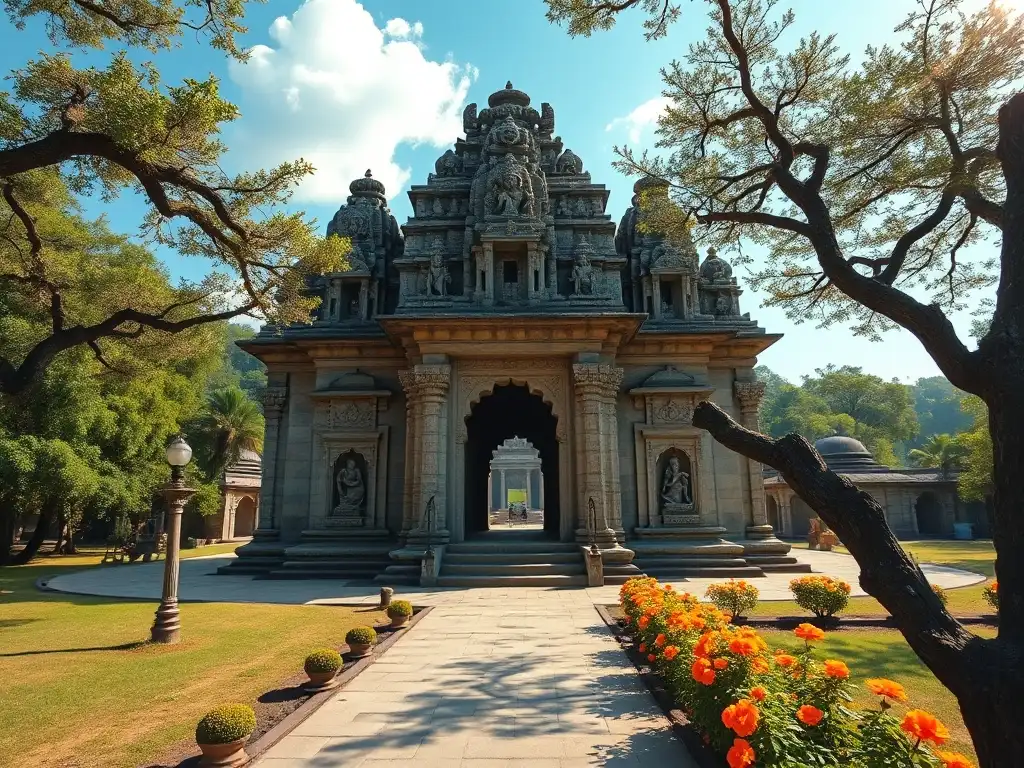
Composition plays a vital role in photography, especially in capturing the grandeur and intricate details of ancient heritage sites. Employing effective techniques can transform ordinary shots into captivating images.
Rule of Thirds and Leading Lines
-
Rule of Thirds:
This classic technique involves dividing your frame into a 3x3 grid. Place key elements of the scene along these lines or at their intersections to create a balanced and engaging composition. For instance, positioning a temple entrance or a statue off-center can evoke a more dynamic visual narrative.
-
Leading Lines:
Utilize natural or architectural lines to guide the viewer's eye through the image. Pathways, staircases, or the edges of ancient walls can lead to focal points, enhancing depth and perspective. This technique helps draw attention to the main subject while showcasing the context of the surrounding environment.
Capturing Details and Textures
-
Close-Up Photography:
Don’t overlook the intricate details of heritage sites. Zoom in on carvings, inscriptions, or decorative elements that reflect the craftsmanship of the era. This not only showcases the artistry but also tells a deeper story about the cultural significance of the site.
-
Textures:
Capture the textures of materials used in construction, such as stone, wood, or metal. Highlighting the weathering and aging of these elements can add depth and character to your images. Experiment with different angles and lighting to emphasize these textures, making them a focal point in your photography.
By combining the right gear with effective composition techniques, you can create stunning photographs that truly represent the beauty and historical significance of ancient Indian heritage sites. Happy shooting!
Utilizing Natural Elements in Your Photography
When photographing ancient Indian heritage sites, incorporating natural elements into your compositions can significantly enhance the visual impact of your images. By blending the beauty of the sites with their surrounding environment, you can create a more immersive experience for viewers. Here are some strategies to consider:
- Use Foreground Elements: Incorporating elements such as trees, flowers, or rocks in the foreground can add depth to your photos. These elements lead the viewer’s eye into the scene and create a layered effect.
- Golden Hour Lighting: The soft, warm light during the golden hour (shortly after sunrise or before sunset) can beautifully illuminate ancient structures. This lighting can enhance textures and colors, making the site appear more vibrant.
- Reflections and Shadows: Look for opportunities to capture reflections in water bodies or shadows cast by architectural features. These can add a unique perspective and intrigue to your photographs.
Incorporating Surrounding Landscapes
The landscapes surrounding heritage sites can provide context and enhance the storytelling aspect of your photography. Here are some tips for effectively incorporating these landscapes:
- Wide-Angle Shots: Utilize a wide-angle lens to capture vast landscapes that encompass the heritage site. This technique helps to situate the monument within its environment, showcasing the scale and grandeur of both the site and its surroundings.
- Leading Lines: Look for natural lines in the landscape, such as paths, rivers, or fences, that can lead the viewer’s eye toward the heritage site. This composition technique creates a dynamic flow and draws attention to the main subject.
- Seasonal Changes: Different seasons can dramatically alter the landscape around heritage sites. Capture the vibrant colors of spring flowers, the lush greens of monsoon, or the stark beauty of winter to convey the essence of the location throughout the year.
Weather Conditions and Their Impact on Photography
Weather plays a crucial role in photography, especially when capturing heritage sites. Different conditions can evoke various moods and atmospheres in your images:
- Clear Skies vs. Cloudy Days: Clear skies provide bright, vibrant colors, while overcast days can soften shadows and create a more even lighting. Experiment with both conditions to find what best suits your artistic vision.
- Rain and Mist: Rain can bring out colors and create reflections on surfaces, while mist or fog can add a mystical quality to your images. These weather conditions can enhance the allure of ancient sites, adding a layer of emotion to your photography.
- Wind Effects: Wind can create movement in elements such as grasses, trees, or even in fabrics worn by people at the site. Capturing this movement can bring a sense of life and dynamism to your photographs.
Post-Processing Tips for Enhancing Heritage Site Photos
Post-processing is an essential step in photography that can help enhance the final image while maintaining the integrity of the original shot. Here are some tips to consider:
Software Recommendations for Editing
Several software options are available for post-processing your heritage site photos. Here are some of the most popular:
- Adobe Lightroom: Ideal for beginners and professionals alike, Lightroom offers user-friendly tools for adjusting exposure, color balance, and sharpness. Its batch processing capabilities make it efficient for editing multiple images at once.
- Adobe Photoshop: For more advanced editing, Photoshop provides extensive tools for retouching, layering, and creating complex edits. It’s perfect for those looking to make more significant changes to their images.
- Capture One: Known for its exceptional color grading capabilities, Capture One is a favorite among professional photographers. It allows for detailed adjustments and is particularly effective for RAW files.
Preserving the Authenticity of Your Shots
While editing can enhance your photos, it's important to preserve the authenticity of the heritage sites. Here are some guidelines to follow:
- Avoid Over-Editing: While it may be tempting to apply heavy filters or manipulations, strive to maintain the original feel of the site. Subtle adjustments to exposure and contrast are often more effective than drastic changes.
- Focus on Natural Colors: Ensure that the colors in your photos reflect the true hues of the heritage site. Adjusting saturation should enhance the image without distorting the reality of the scene.
- Highlight Architectural Features: Use post-processing to emphasize the intricate details of the architecture without altering their original appearance. This approach will showcase the craftsmanship and history of the site authentically.
Ethical Photography Practices at Heritage Sites
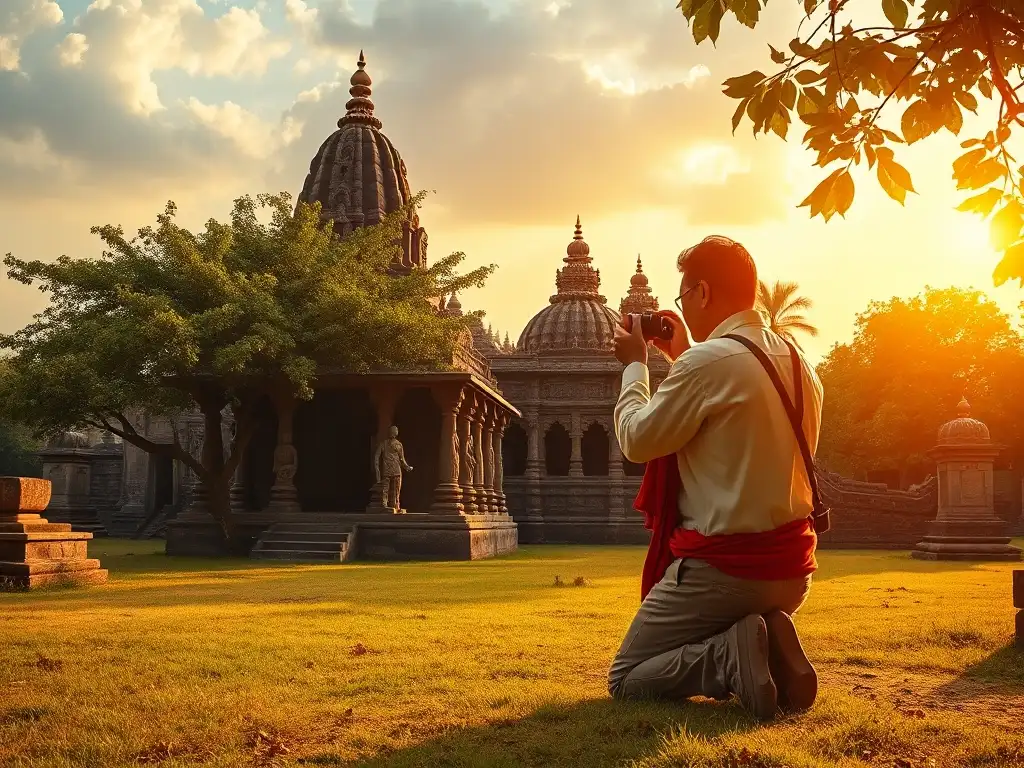
When visiting ancient Indian heritage sites, it is essential to adhere to ethical photography practices that respect both the site and its cultural significance. This involves understanding the local customs, abiding by site rules, and being considerate of other visitors. Ethical photography not only enhances your experience but also contributes positively to the preservation of these historical treasures.
Understanding Cultural Sensitivity
Cultural sensitivity is paramount when photographing heritage sites. Each site often holds deep spiritual or cultural significance for local communities. Here are some key aspects to consider:
- Respect Religious Sites: Many heritage sites are also places of worship. Always seek permission before taking photos and be mindful of rituals taking place. Avoid using flash photography, which could be disruptive.
- Avoid Stereotypes: When capturing images of local people or events, be cautious not to reinforce stereotypes. Instead, aim to portray the culture authentically and respectfully.
- Observe Local Customs: Different regions may have unique customs regarding photography. For instance, some may require you to cover your shoulders or heads. Familiarize yourself with these practices to avoid offending locals.
By understanding and respecting cultural sensitivities, photographers can create meaningful and impactful images that honor the heritage of the site.
The Role of Photography in Heritage Conservation
Photography plays a crucial role in heritage conservation by documenting the condition and changes of historical sites over time. Here are some ways photography contributes to conservation efforts:
- Record Keeping: Photographs serve as a visual record of a site's current state, helping conservationists monitor deterioration or changes caused by natural elements or human activities.
- Awareness and Education: Stunning images of heritage sites can inspire others to appreciate and support conservation efforts. Sharing photographs can raise awareness about the importance of preserving these sites for future generations.
- Cultural Documentation: Photography captures cultural practices, festivals, and everyday life around heritage sites, which can be invaluable for anthropological studies and historical records.
By engaging in responsible photography, individuals can aid in the ongoing efforts to protect and promote ancient Indian heritage.
Conclusion: Capturing the Essence of Ancient Indian Heritage
Capturing stunning photographs at ancient Indian heritage sites requires a blend of technical skill, artistic vision, and ethical awareness. By following the tips outlined above, photographers can create images that not only showcase the beauty of these historic locations but also respect their cultural significance.
Remember to approach each site with curiosity and reverence, allowing the rich stories embedded in the architecture and landscapes to inspire your photography. Whether you are a seasoned photographer or a casual traveler, your images can contribute to a deeper appreciation of ancient Indian heritage, encouraging others to explore and protect these remarkable sites for years to come.
Capturing the breathtaking beauty of ancient Indian heritage sites is an experience that many travelers cherish. As you embark on your journey through these historical landscapes, we encourage you to share your stunning photos with the world! Whether it’s the majestic architecture of the Taj Mahal, the intricacies of Hampi's temples, or the serene landscapes of the Indus Valley, your photographs can inspire others to appreciate and explore these incredible sites.
How to Share Your Photos
- Social Media: Post your favorite shots on platforms like Instagram, Facebook, or Twitter using hashtags such as #AncientIndia #HeritagePhotography and #TravelIndia. This way, your work can reach a wider audience who shares your passion for history and travel.
- Photography Forums: Join online communities and photography forums where you can share your images and receive feedback. Websites like Flickr or 500px have dedicated groups for heritage and travel photography enthusiasts.
- Travel Blogs: Consider writing a guest post for travel blogs that focus on heritage sites. Include your photos along with your experiences and tips to help others capture their own stunning images.
Why Sharing Matters
Sharing your photos is not only a way to showcase your talent, but it also contributes to the collective appreciation of ancient Indian heritage. Your images can spark interest in these sites, encouraging others to visit and engage with the rich history and culture they represent. Moreover, it helps to raise awareness about the importance of preserving these sites for future generations.
Join the Conversation
We invite you to join the conversation around heritage photography. Share your insights, tips, and favorite sites in the comments below or on your social media posts. By connecting with fellow enthusiasts, you can learn from each other and continue to improve your photography skills while enjoying the beauty of ancient India.
Let's celebrate the history and culture of ancient Indian civilizations together through the lens of your camera! 📸
Frequently Asked Questions
What are some essential photography tips for heritage sites?
To capture stunning photos, focus on natural lighting, use a tripod for stability, and explore different angles. This will help you showcase the intricate details and grandeur of the sites.
How can I avoid crowds while photographing ancient sites?
Visit during off-peak hours or choose days when fewer tourists are expected. Early mornings or late afternoons often provide not only fewer people but also beautiful lighting conditions.
What equipment is recommended for photographing heritage sites?
A DSLR or mirrorless camera with a versatile lens is ideal. Additionally, consider bringing a polarizing filter to enhance colors and reduce glare from reflective surfaces.
How should I approach composition when photographing ancient structures?
Utilize the rule of thirds to create more engaging compositions. Incorporate foreground elements to add depth and lead the viewer’s eye towards the main subject.
Are there any specific cultural considerations when photographing in India?
Always be respectful of local customs and restrictions. Some sites may have rules regarding photography, especially in places of worship, so it's important to ask permission when necessary.
Final Reflection: Embracing the Beauty of Heritage Through Photography
The art of photography transcends mere documentation; it serves as a powerful medium to connect with our past and preserve the stories of ancient cultures. In today's fast-paced world, where history often feels overshadowed by modernity, the ability to capture stunning images of ancient Indian heritage sites becomes not just a hobby but a vital act of cultural preservation. Every click of the shutter can evoke the grandeur of bygone eras and inspire future generations to appreciate the rich tapestry of our shared history.
The influence of heritage photography extends beyond the lens, shaping our understanding of identity and belonging. As we explore these magnificent sites, we are reminded of the narratives etched in stone, the craftsmanship of artisans, and the legacies left behind. Photography allows us to share these experiences, fostering a deeper appreciation for our heritage. Photography is the story I fail to put into words.
– Destin Sparks. This quote encapsulates the essence of why we strive to capture these moments; it is through our images that we can articulate the beauty and significance of our cultural landmarks.
As you embark on your photographic journey through ancient Indian heritage sites, I invite you to reflect on the stories that each structure holds and the emotions they evoke. Consider how your images can serve as a bridge between the past and the present, inspiring others to explore and cherish these treasures. Let your photography not only be an expression of creativity but also a commitment to honoring and preserving the rich heritage that shapes our world. Embrace the challenge, and let your lens reveal the timeless beauty that awaits you.
Unleash Your Inner Photographer Today!
Thank you for taking the time to explore our tips for capturing stunning photos at ancient Indian heritage sites! You’ve gathered valuable insights to enhance your photography skills while paying homage to India’s rich history. Now, let’s channel that inspiration into action!
Here are some practical steps you can take right now:
- Plan your next visit to an ancient site and create a shot list based on the tips you learned!
- Share your breathtaking photos on social media to connect with fellow enthusiasts and inspire others.
- Join a local photography group to exchange tips and collaborate on visits to heritage sites in your area.
Which ancient heritage site are you most excited to photograph, and what draws you to its unique story?