
The Clash of Empires: The Battle of Buxar Explained

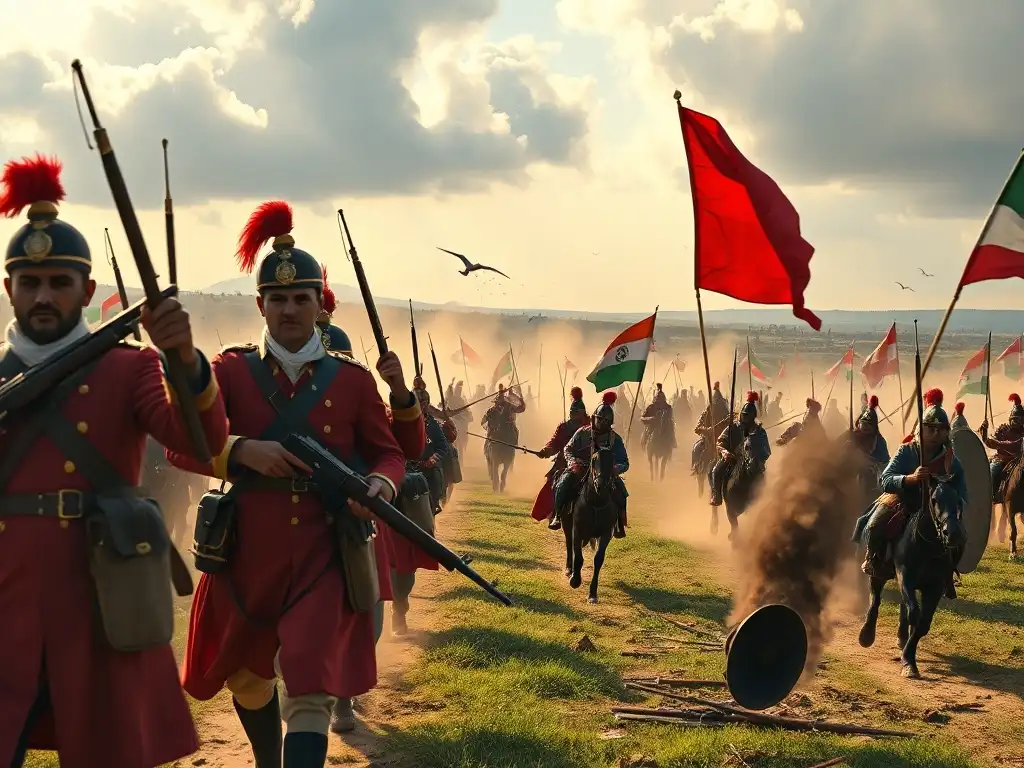
Welcome to Ancient India History, where we embark on a journey through the rich tapestry of India's past. Here, you'll uncover the diverse civilizations that shaped the subcontinent, from the enigmatic Indus Valley to the illustrious Gupta Empire. Dive into our latest article, " The Clash of Empires: The Battle of Buxar Explained," as we unravel the intricate history behind this pivotal military encounter.
What strategies did the empires employ, and how did this battle alter the course of Indian history? Join us as we explore the Battle of Buxar, a story of ambition, conflict, and legacy that invites you to delve deeper into the epic saga of ancient India.
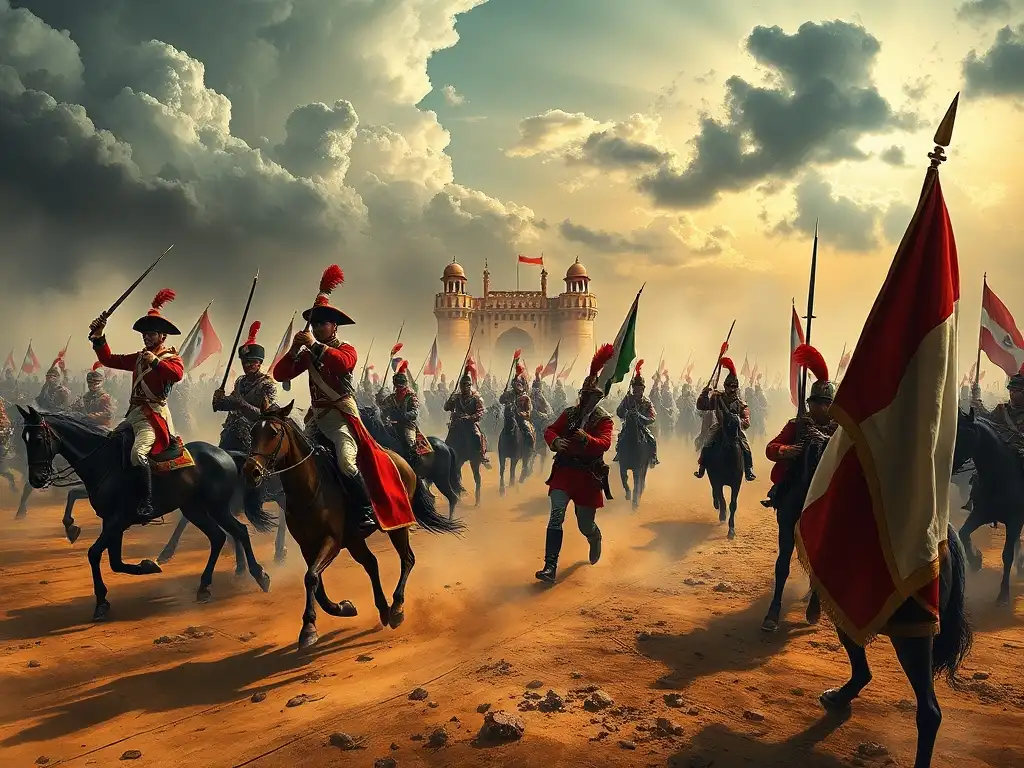
The Battle of Buxar, fought on October 22, 1764, stands as a pivotal event in the military history of India, marking a significant turning point in the subcontinent's colonial narrative. This encounter not only showcased the military prowess of the British East India Company but also highlighted the fierce resistance from Indian rulers, culminating in a clash that reshaped the political landscape of India.
The battle occurred against the backdrop of growing British influence and the decline of indigenous powers, setting the stage for the eventual establishment of British dominance in India. This article delves into the multifaceted aspects of the Battle of Buxar history, exploring its context, significance, and the key players involved in this monumental confrontation.
Introduction to the Battle of Buxar History
The Battle of Buxar is often overshadowed by the more famous battles of the Indian subcontinent, yet its implications were profound and far-reaching. This conflict illustrated the declining power of Mughal authority and the rise of European colonial ambitions. Understanding the history surrounding this battle is essential to grasp the broader narrative of India’s struggle against colonization and the eventual impact on its socio-political fabric.
Overview of the Historical Context
The historical context of the Battle of Buxar is rooted in the aftermath of the Battle of Plassey (1757), which marked the beginning of British control over Bengal. Following this, the British East India Company sought to expand its influence across northern India, leading to tensions with local rulers. The backdrop of political fragmentation, coupled with the weakening Mughal Empire, created an environment ripe for conflict. The battle involved a coalition of Indian states, united against a common adversary, reflecting the regional dynamics and alliances of the time.
Significance of the Battle in Indian History
The significance of the Battle of Buxar extends beyond mere military tactics; it was a decisive moment that paved the way for British colonial rule in India. The victory of the British not only solidified their hold over Bengal but also allowed them to assert dominance over other Indian states. This battle had far-reaching consequences, including the establishment of the Diwani rights, which granted the British control over revenue collection, fundamentally altering the economic landscape of India.
Key Players in the Battle of Buxar
The Battle of Buxar was characterized by a complex interplay of various powers, each with its own motivations and interests. Understanding the key players involved is crucial to appreciate the battle's dynamics and outcomes.
The British East India Company
At the heart of the battle was the British East India Company, which had transformed from a trading enterprise into a formidable military power. The Company's forces were well-trained and equipped, leveraging superior military strategies and technology. Their victory at Buxar not only reinforced their authority in Bengal but also set a precedent for further territorial expansion across India.
The Indian Coalition: Leaders and States Involved
The Indian coalition against the British comprised several prominent figures and states, including:
- Mir Qasim: The Nawab of Bengal, who sought to reclaim his authority and resist British encroachment.
- Shuja-ud-Daula: The Nawab of Awadh, who allied with Mir Qasim to challenge British dominance.
- The Mughal Emperor Shah Alam II: Though weakened, he represented the declining Mughal authority and sought to regain his lost territories.
This coalition underscores the fragmented landscape of Indian politics at the time and the various motivations that drove these leaders to unite against a common foe.
The Role of Mir Qasim and Shuja-ud-Daula
Mir Qasim and Shuja-ud-Daula played pivotal roles in the battle, embodying the resistance against British imperialism. Mir Qasim's strategic acumen and Shuja-ud-Daula's resources were crucial in the coalition's efforts to confront the British forces. Their leadership highlighted the complexities of alliances and rivalries among Indian states, ultimately shaping the course of the battle and its aftermath.
The Battle of Buxar serves as a crucial chapter in the military history of India, illustrating the intricate dynamics of power, resistance, and the relentless march of colonialism. Understanding this battle provides valuable insights into the broader historical narrative of ancient Indian civilizations and their encounters with emerging global powers.
The Prelude to the Battle of Buxar
The Battle of Buxar, fought on October 22, 1764, marks a significant turning point in Indian history, particularly regarding British colonial expansion. Understanding the events leading up to this crucial conflict requires an exploration of the complex interplay of politics, power, and territorial ambitions in 18th-century India.
Causes of Conflict Leading to the Battle
Several intertwined factors contributed to the tensions that culminated in the Battle of Buxar. Primarily, the decline of the Mughal Empire created a power vacuum, prompting regional rulers and foreign powers to vie for dominance. The British East India Company, initially focused on trade, increasingly sought territorial control, leading them into direct confrontations with Indian rulers.
- Expansionist Policies of the British East India Company: The Company’s desire to expand its influence in Bengal and beyond led to conflicts with local powers, particularly after the decisive victory in the Battle of Plassey in 1757.
- Weakening of Mughal Authority: The weakening of the Mughal Empire in the 18th century resulted in decentralized power, with various local rulers, such as the Nawab of Bengal, asserting their independence and challenging the British.
- Alliance Dynamics: The formation of alliances among Indian rulers, such as Shuja-ud-Daula of Awadh and Mir Qasim of Bengal, aimed at countering British influence, further escalated tensions and set the stage for conflict.
The Political Landscape of India in the 18th Century
The political landscape of India during the 18th century was characterized by fragmentation and shifting allegiances. The Mughal Empire, once a formidable power, was in decline, leading to the rise of several regional states and the emergence of new powers. This fragmentation provided both opportunities and challenges for the British East India Company.
- Regional Kingdoms: The emergence of regional powers like the Marathas, Sikhs, and Nawabs of Bengal and Awadh created a complex web of political relationships. Each sought to expand their territory, often at the expense of their neighbors.
- British Expansion: The British East India Company capitalized on the instability, engaging in military campaigns and forming treaties that often favored British interests, effectively undermining local sovereignty.
- Cultural and Religious Factors: The diverse cultural and religious landscape of India also played a role in the political dynamics. Discontent among various communities often led to alliances against common enemies, notably the British.
Major Events Leading Up to the Battle
Several key events set the stage for the Battle of Buxar, further exacerbating the existing tensions between the British and Indian rulers.
- Battle of Plassey (1757): This battle established British control over Bengal, leading to significant territorial and economic gains.
- Nawab Mir Jafar's Replacement: The British ousted Mir Jafar in favor of Mir Qasim, creating dissatisfaction that led to conflict.
- Mysore Wars: The ongoing conflicts with the Marathas and the Mysore Kingdom distracted and weakened regional powers, inadvertently benefiting British ambitions.
The Course of the Battle of Buxar
The Battle of Buxar was not merely a military encounter but a culmination of strategic maneuvers and decisions that defined the future of Indian politics under colonial rule.
Timeline of Key Events During the Battle
The battle unfolded over the course of a single day, marked by several critical moments:
- Early Morning (October 22, 1764): The British forces, led by Major Hector Munro, positioned themselves strategically near Buxar, prepared for engagement.
- Mid-Morning: The combined forces of Mir Qasim, Shuja-ud-Daula, and the Mughal Emperor Alam II began their advance, attempting to flank the British positions.
- Afternoon Clash: Intense fighting broke out, with both sides exchanging artillery fire and cavalry charges. The British displayed superior tactics and coordination.
- Evening: By the end of the day, the British emerged victorious, decisively defeating the combined forces of their opponents.
Strategic Movements and Tactics Employed
The strategic movements and tactics employed during the Battle of Buxar were pivotal in determining the outcome of this conflict.
- British Tactical Superiority: The British forces utilized disciplined formations and effective use of artillery, which played a crucial role in maintaining control over the battlefield.
- Flanking Maneuvers: Mir Qasim attempted to execute flanking maneuvers to encircle the British, but poor coordination and communication among the Indian forces hampered their effectiveness.
- Cavalry Engagements: The British cavalry proved more effective in skirmishes compared to their Indian counterparts, allowing them to gain critical advantages during the battle.
The Role of Geography and Terrain
The geography and terrain of Buxar significantly influenced the battle dynamics, shaping the strategies employed by both sides.
- Rivers and Lowland Areas: The proximity to the Ganges River and lowland areas provided both advantages and challenges, impacting troop movements and supply lines.
- Terrain Familiarity: The British forces had better knowledge of the terrain, allowing them to position their artillery and infantry effectively against the Indian forces.
- Weather Conditions: The weather on the day of the battle, including humidity and visibility, also played a role in the engagement, affecting the performance of both the troops and their equipment.
The Battle of Buxar was a decisive conflict that not only showcased military strategies and tactics but also highlighted the shifting power dynamics in 18th-century India, ultimately paving the way for British colonial dominance.
Aftermath of the Battle of Buxar
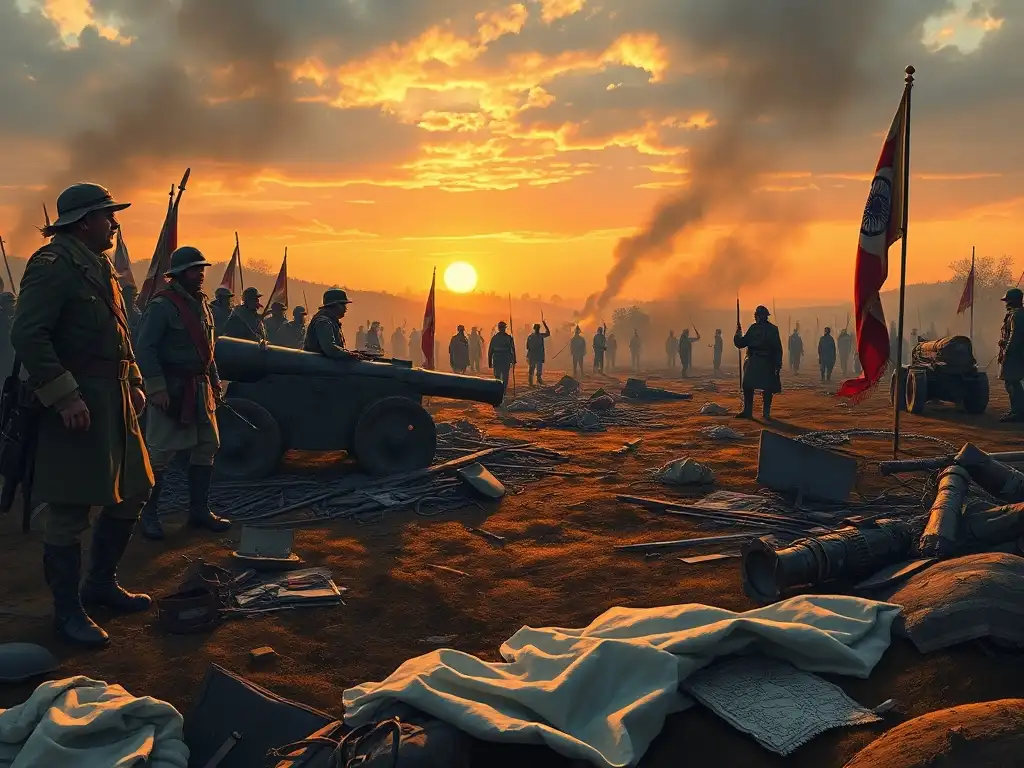
The Battle of Buxar, fought on October 22, 1764, marked a significant turning point in Indian history, shaping the dynamics of power between Indian states and the British East India Company. Following the British victory, the political landscape of the Indian subcontinent underwent drastic changes, with immediate and long-lasting consequences.
Immediate Consequences for the Indian States
In the wake of the Battle of Buxar, the immediate fallout for the Indian states was substantial. The defeat severely weakened the authority of the Mughal Empire, particularly the figure of Emperor Shah Alam II, who had allied with the Nawab of Bengal, Mir Qasim, and the Nawab of Awadh, Shuja-ud-Daula. Following the battle, the Mughal Emperor became a puppet under British control, essentially losing any real power.
The defeat led to significant territorial losses for both Mir Qasim and Shuja-ud-Daula. Mir Qasim was forced to flee, ultimately losing control over Bengal, while Awadh was compelled to accept British suzerainty. This created a power vacuum in the region, leading to further instability as local rulers struggled to assert their authority in the face of British dominance.
Long-term Impact on British Colonial Expansion
The Battle of Buxar laid the groundwork for the British East India Company's expanded territorial ambitions in India. With a decisive victory, the British gained control over the lucrative province of Bengal, which became the cornerstone of their economic empire. The victory also provided the British with a significant strategic advantage, as it facilitated the annexation of other states and regions in northern India.
Following the battle, the British established a system of indirect rule, allowing them to maintain control over Indian territories while minimizing direct administrative burdens. This method not only expanded their influence but also enabled them to extract wealth through taxation and trade, ultimately accelerating their colonial expansion throughout India.
Changes in Military Strategies Post-Battle
The Battle of Buxar prompted a reevaluation of military strategies by both the British and Indian rulers. For the British, the victory underscored the importance of disciplined, well-trained troops and the effective use of artillery. They began to emphasize the integration of European military techniques with local knowledge, leading to the development of a more cohesive and formidable military force.
In contrast, the Indian states recognized the need to adapt their military strategies in response to the evolving threat posed by European powers. Many local rulers began to modernize their armies, incorporating Western military tactics and training methods. However, the scale of this adaptation varied significantly across different regions, leading to an uneven military response against British encroachment.
The Legacy of the Battle of Buxar in Indian History
The legacy of the Battle of Buxar is profound, influencing not only the immediate political landscape but also shaping the broader narrative of Indian resistance and colonial history.
Influence on Subsequent Battles and Campaigns
The outcome of the Battle of Buxar set a precedent for subsequent conflicts between Indian states and the British. It served as a grim warning to other regional powers about the capabilities of the East India Company and the necessity of uniting against a common foe. The battle's legacy can be traced through various uprisings and resistance movements, including the Maratha Wars and the eventual Sepoy Mutiny in 1857, as Indian rulers sought to reclaim their autonomy.
The strategies employed during the battle also influenced military planning in later conflicts, as both Indian and British commanders analyzed the tactics that led to victory or defeat at Buxar. The need for alliances became apparent, fostering a landscape of shifting allegiances as Indian states sought to protect themselves against British expansion.
Historical Interpretations and Perspectives
Historians have offered varying interpretations of the Battle of Buxar, influencing how it is understood within the broader context of colonial history. Some view it as a pivotal moment that heralded the decline of indigenous power, while others emphasize the complexities of Indian agency and resistance. The battle is often depicted as a clash between a traditional feudal system and the emerging modern military tactics of the British, reflecting the broader struggles of the time.
The narratives surrounding the battle have also evolved, with post-colonial perspectives critiquing the simplistic portrayals of Indian rulers as incompetent or passive. Instead, these interpretations highlight the political intricacies and the strategic miscalculations that contributed to the outcome, offering a more nuanced understanding of the events.
The Battle of Buxar in Cultural Memory
The Battle of Buxar has left an indelible mark on the cultural memory of India, symbolizing the struggle against colonial oppression. It is remembered not only as a military conflict but also as a catalyst for nationalistic sentiments that would later fuel movements for independence.
In literature, art, and popular culture, the themes of resistance, bravery, and the quest for sovereignty resonate strongly. The battle serves as a reminder of the complexities of Indian history, where local rulers, despite their defeats, are often celebrated for their attempts to resist colonial domination. The enduring legacy of the Battle of Buxar continues to influence contemporary discussions about sovereignty, identity, and the impact of colonialism in India.
Conclusion: The Battle of Buxar's Place in Ancient Indian Military History
The Battle of Buxar was a pivotal moment in ancient Indian military history, marking a significant turning point in the power dynamics of the Indian subcontinent. This battle, fought on October 22, 1764, between the British East India Company and the combined forces of Mir Qasim, the Nawab of Bengal, Shuja-ud-Daula, the Nawab of Awadh, and the Mughal Emperor Shah Alam II, is often viewed as a precursor to British colonial dominance in India.
The outcome of the battle not only showcased the military strategies and political maneuvers of the time but also set the stage for subsequent British expansion across India.
The victory at Buxar allowed the East India Company to consolidate its power in Bengal and establish a foothold that would eventually lead to the establishment of British rule in India. The battle exemplified the decline of Mughal power and the fragmentation of political territories, which were once unified under the Mughal Empire. It also highlighted the shifting nature of warfare in the region, as traditional military tactics faced challenges from the disciplined formations and artillery strategies employed by the British forces.
Summary of Key Points
- Strategic Importance: The Battle of Buxar was crucial for the British East India Company, allowing them to expand their influence and control over Bengal and beyond.
- Decline of Mughal Authority: The defeat of the combined Indian forces underscored the waning power of the Mughal Empire and the rise of regional states.
- Military Innovation: The battle showcased the effectiveness of European military strategies and technologies, contrasting sharply with the traditional methods used by Indian rulers.
- Political Ramifications: The aftermath of Buxar paved the way for the formal establishment of British rule in India, leading to significant political, social, and economic changes in the subcontinent.
- Historical Legacy: The Battle of Buxar remains a significant event in the narrative of colonial India, influencing both historical scholarship and national consciousness.
Reflection on the Importance of the Battle in Understanding Ancient Indian History
Understanding the Battle of Buxar is essential for grasping the complexities of ancient Indian history and the transitions between regional powers and colonial dominance. It acts as a lens through which one can examine the interplay of military, political, and cultural factors that shaped the Indian subcontinent during the 18th century.
The battle represents not just a clash of arms, but also an ideological confrontation between indigenous governance and colonial ambitions. Analyzing the events leading up to and following the battle provides insights into the socio-political landscape of India at the time, highlighting the vulnerabilities and strengths of the various players involved.
Furthermore, the ramifications of the Battle of Buxar extend beyond military history; they resonate in the cultural and national identity of modern India. By studying this pivotal event, historians can better appreciate the processes of change and continuity that characterize the rich tapestry of Indian history, making the Battle of Buxar a vital subject for understanding the broader narrative of ancient Indian civilization.
- Introduction to the Battle of Buxar History
- Key Players in the Battle of Buxar
- The Prelude to the Battle of Buxar
- The Course of the Battle of Buxar
- Aftermath of the Battle of Buxar
- The Legacy of the Battle of Buxar in Indian History
- Conclusion: The Battle of Buxar's Place in Ancient Indian Military History
Frequently Asked Questions
What was the Battle of Buxar?
The Battle of Buxar was a significant conflict fought in 1764 between the British East India Company and a coalition of Indian rulers. It marked a pivotal moment in the history of British colonial expansion in India.
Who were the main players in the Battle of Buxar?
The primary combatants included the British East India Company, led by Major Hector Munro, and the united forces of Shah Alam II, Mir Qasim, and Shuja-ud-Daula, the Nawab of Awadh.
What were the consequences of the Battle of Buxar?
The Battle of Buxar resulted in a decisive victory for the British, leading to their control over Bengal and significantly increasing their power in India. This battle set the stage for further British dominance in the subcontinent.
How did the Battle of Buxar impact Indian history?
The outcome of the Battle of Buxar accelerated the British colonization of India, leading to the establishment of direct British rule and altering the course of Indian history for centuries to come.
Where can I learn more about the Battle of Buxar and its significance?
For an in-depth understanding of the Battle of Buxar history, you can explore resources on Ancient India History, which delve into the broader context of this conflict and its impact on ancient Indian civilizations.
Final Reflection: Understanding the Legacy of the Battle of Buxar
The Battle of Buxar stands as a pivotal moment in history, illustrating the complex interplay of power, culture, and imperial ambition. Today, as we navigate a world still shaped by colonial legacies, the lessons from this battle resonate profoundly. The clash between the British East India Company and the combined forces of Indian rulers not only altered the course of Indian history but also set the stage for modern geopolitical dynamics. This historical confrontation reminds us that the past is never truly behind us; it continues to influence our present and future.
Culture and identity are often forged in the fires of conflict, and the Battle of Buxar is no exception. The aftermath of this battle reshaped the socio-political landscape of India, leading to a century of British colonial rule that would deeply affect the lives of millions.
The narratives surrounding this event have evolved, yet they remain a vital part of our collective memory. As Mahatma Gandhi once said, “A nation’s greatness is measured by how it treats its weakest members.” This quote encapsulates the enduring impact of the Battle of Buxar, reminding us that the struggle for justice and equity continues to be relevant today.
As we reflect on the implications of the Battle of Buxar, let us consider how we can apply its lessons to our lives. Take a moment to think about the power dynamics in your own community and how history shapes our present interactions. Engage with the stories of those who came before us, and let their experiences guide your actions toward fostering understanding and cooperation. By acknowledging our past, we can build a future that honors the complexities of our shared history and strives for a more equitable world.
Unveil the Legacy: Take Action Today!
Thank you for exploring the intricate details of the Battle of Buxar! Your interest in this pivotal moment in history enhances our understanding of Ancient India. Now, it's time to transform that knowledge into action.
Here are some impactful ways to engage further:
- Join an online discussion group focused on Ancient Indian history to share your insights and learn from others.
- Visit a local library or archive to explore primary sources about the Battle of Buxar and discover more hidden treasures of history.
- Share your knowledge! Write a short article or social media post reflecting on how the Battle of Buxar shaped India's future—your perspective can inspire others!
What aspect of the Battle of Buxar intrigues you the most, and how do you believe it continues to influence our understanding of empire dynamics today?