
The Impact of the Battle of Panipat on Indian Sovereignty

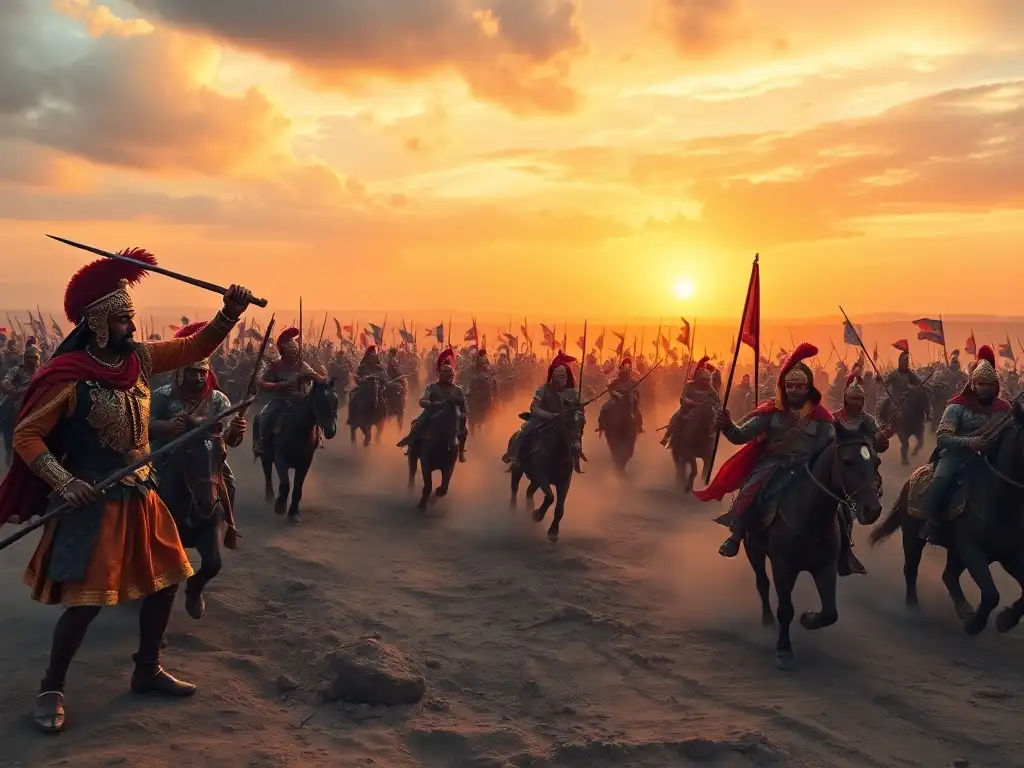
Welcome to Ancient India History, where we embark on a captivating journey through the rich tapestry of India’s past. Today, we delve into the significance of the Battle of Panipat, a pivotal moment that shaped the very essence of Indian sovereignty. What were the far-reaching consequences of this monumental clash, and how did it influence the power dynamics of the region?
As you explore our in-depth analysis, prepare to uncover the layers of strategy, valor, and cultural shifts that emerged from this historic confrontation. Join us as we illuminate the profound impact of this battle on the course of Indian history and beyond.
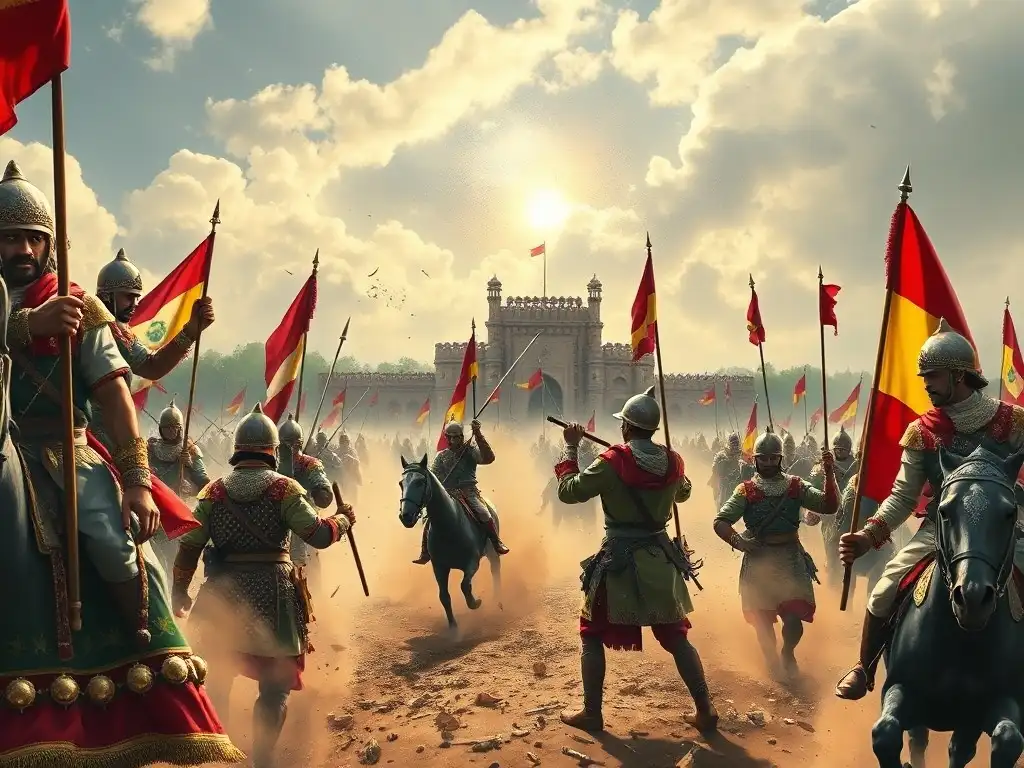
Introduction to the Battle of Panipat
The Battle of Panipat holds a pivotal place in Indian history, representing not only a significant military confrontation but also a turning point that shaped the political landscape of the subcontinent. Fought on multiple occasions, the battles of Panipat collectively underscore the struggle for dominance among various powers in ancient India.
The significance of the Battle of Panipat extends beyond mere military tactics; it encapsulates the complex interplay of cultural, political, and social factors that influenced Indian sovereignty during a transformative period. This article delves into the details of this crucial battle, exploring its historical context, military strategies, key players, and the lasting impact it had on Indian sovereignty.
Overview of the Battle of Panipat
The term "Battle of Panipat" refers primarily to three significant battles fought in the region of Panipat, located in present-day Haryana, India. These battles occurred in:
- 1526 - Marking the beginning of the Mughal Empire under Babur against Ibrahim Lodi.
- 1556 - A decisive encounter between the forces of Akbar and Hemu, which reaffirmed Mughal dominance.
- 1761 - The third battle, which was fought between the Maratha Empire and the Durrani Empire, led by Ahmad Shah Durrani.
Each battle had profound implications on the political dynamics of India, leading to shifts in power and influence among emerging empires.
Historical Context of the Conflict
The historical backdrop of the battles at Panipat is characterized by the fragmentation of power and the rise of various regional powers. The first battle was fought in an era when the Delhi Sultanate was in decline, providing an opportunity for Babur to establish the Mughal Empire. The second battle underscored the Mughals' consolidation of power under Akbar, who aimed to unify a fragmented India. The third battle, however, showcased the intense rivalry among Indian powers, with the Marathas vying for supremacy against external threats, leading to significant bloodshed and shifting power dynamics.
Importance of the Battle in Indian History
The significance of the Battle of Panipat is multifaceted:
- It marked the beginning of the Mughal rule, which would dominate the Indian subcontinent for centuries.
- The third battle led to the decline of the Maratha Empire, creating a power vacuum that would later facilitate British colonial expansion.
- The events at Panipat contributed to the cultural and military evolution in India, influencing future conflicts and governance.
The battles collectively represent a crucial chapter in the narrative of Indian sovereignty, illustrating how military conflicts can alter the course of history.
The Significance of the Battle of Panipat
The significance of the Battle of Panipat extends beyond its immediate outcomes, influencing subsequent events and shaping the trajectory of Indian history.
Military Strategies Employed in the Battle
The battles featured innovative military strategies that were reflective of their times. For instance:
- First Battle (1526): Babur's use of artillery and tactics such as the "Tulughma" (a flanking maneuver) played a crucial role in his victory over Ibrahim Lodi.
- Second Battle (1556): Akbar's forces utilized cavalry charges and effective coordination to defeat Hemu, demonstrating the importance of leadership and strategy.
- Third Battle (1761): The Marathas faced challenges due to logistical issues and lack of unified command, which contributed to their defeat against Ahmad Shah Durrani.
Key Players and Their Roles
The battles featured prominent figures whose decisions shaped the outcomes:
- Babur: The founder of the Mughal Empire, whose victory at Panipat set the stage for Mughal dominance.
- Akbar: His leadership and military acumen during the second battle solidified Mughal power.
- Ahmad Shah Durrani: His strategic mind and alliance-building efforts during the third battle were critical in his success against the Marathas.
Outcomes of the Battle of Panipat
The outcomes of the battles had enduring effects on Indian politics:
- The establishment of the Mughal Empire after the first battle laid the groundwork for a unified Indian state.
- The reaffirmation of Mughal power after the second battle helped to stabilize the region.
- The decimation of the Maratha forces in the third battle resulted in a significant shift in power dynamics, leading to increased external interventions and the eventual rise of British colonial rule.
The Battle of Panipat is a landmark event in Indian military history that not only influenced the course of sovereignty but also set a precedent for future conflicts within the subcontinent. Understanding its significance is essential for comprehending the broader narrative of India's past.
The Battle of Panipat and its Influence on Indian Sovereignty
The Battle of Panipat, fought in 1526 between the forces of Babur and Ibrahim Lodi, marked a significant turning point in Indian history. This battle is often regarded as the beginning of the Mughal Empire in India, ushering in a new era characterized by political consolidation and cultural synthesis. The outcome of this battle not only established Babur as a formidable ruler but also triggered profound changes in the sovereignty landscape of India. As a result, the political authority shifted dramatically, leading to the rise of centralized power under Mughal rule, which would dominate Indian politics for several centuries.
Shifts in Power Dynamics post-Battle
The aftermath of the Battle of Panipat saw a drastic shift in power dynamics across the subcontinent. The defeat of Ibrahim Lodi not only eliminated the Sultanate of Delhi but also set a precedent for the establishment of foreign rulers in India. Babur's victory allowed him to consolidate power and extend his influence over vast territories, effectively challenging local rulers and regional powers.
This shift marked the transition from fragmented regional governance to a more centralized imperial authority under the Mughals. Moreover, the weakening of the Delhi Sultanate led to the emergence of power vacuums that were quickly filled by various factions, setting the stage for future conflicts and alliances that would shape Indian sovereignty.
The Decline of Regional Kingdoms
The Battle of Panipat significantly contributed to the decline of several regional kingdoms that had previously held sway over large areas of northern India. With the establishment of Mughal authority, many local rulers found it increasingly difficult to maintain control over their territories. The power vacuum created by the fall of the Lodi dynasty led to a rapid decline in the fortunes of regional powers such as the Rajputs, Afghans, and various indigenous states.
Many of these kingdoms either submitted to Mughal rule or were gradually absorbed through military campaigns. This decline not only fragmented the political landscape but also altered the socio-economic structures within these regions, leading to a shift in loyalty from local rulers to a centralized Mughal administration.
The Rise of the Mughal Empire
The Battle of Panipat is primarily recognized as the catalyst for the rise of the Mughal Empire, which would dominate Indian subcontinent politics for over three centuries. Following his victory, Babur established a dynasty that brought forth a new era of governance characterized by administrative reforms, cultural patronage, and military innovation. The Mughals implemented a centralized administrative framework that integrated various regions and communities, fostering a sense of unity amidst diversity.
This period witnessed the flourishing of arts, architecture, and trade, significantly impacting Indian society and contributing to its rich cultural tapestry. The legacy of the Mughal Empire, rooted in the victory at Panipat, would shape the course of Indian history for generations to come.

The Battle of Panipat was not only pivotal in military terms but also had significant cultural and social implications for Indian society. The conflict and its aftermath facilitated interactions between diverse communities, leading to a blend of cultures that enriched the Indian subcontinent's heritage. Additionally, the establishment of the Mughal Empire ushered in a period of cultural renaissance, exemplified by advancements in art, literature, and architecture.
Changes in Warfare and Military Tactics
The Battle of Panipat introduced new military tactics and strategies that influenced subsequent conflicts in India. Babur’s use of artillery, particularly cannons, marked a departure from traditional warfare that relied heavily on cavalry and infantry formations. His innovative tactics, such as the "Tulughma" or "double envelopment" maneuver, demonstrated the effectiveness of combined arms operations. This shift in military strategy not only altered how battles were fought in the subcontinent but also prompted regional rulers to adapt their forces accordingly, leading to changes in recruitment, training, and battlefield tactics across India.
The Influence on Indian Society and Governance
The victory at Panipat significantly influenced Indian society and governance by promoting a centralized bureaucratic system under Mughal rule. The Mughals introduced administrative practices that aimed to streamline governance, enhance revenue collection, and ensure justice. This shift facilitated greater integration of diverse communities and cultures, fostering a sense of shared identity among the subjects of the empire. Additionally, the Mughal emphasis on meritocracy in administration allowed for talent from various backgrounds to rise within the government, creating a more inclusive political landscape that transcended traditional caste and regional barriers.
Legacy of the Battle in Indian Culture
The legacy of the Battle of Panipat extends beyond political and military realms into the cultural consciousness of India. The battle has been immortalized in literature, folklore, and art, symbolizing the convergence of different cultures and the complexities of power dynamics in Indian history. It serves as a reminder of the transformative events that can shape a nation’s identity.
Festivals, plays, and historical narratives often reference the battle, highlighting its significance in the collective memory of the Indian people. Furthermore, the themes of bravery, loyalty, and the quest for sovereignty derived from this battle continue to resonate in contemporary discussions about identity and heritage in India.
Conclusion: The Lasting Legacy of the Battle of Panipat
The Battle of Panipat, fought in 1526, 1556, and 1761, marked critical turning points in Indian history, significantly influencing the political landscape and sovereignty of the region. Each battle played a unique role in shaping the trajectory of Indian states and empires. The first battle established the Mughal Empire, paving the way for a new era of governance, culture, and economic prosperity. The second battle fortified Mughal dominance, while the third led to the decline of the Maratha Empire and a shift in power dynamics, ultimately facilitating British colonial expansion.
The legacy of these battles extends beyond mere territorial conquests; they served as catalysts for change and adaptation within Indian society. The power struggles that ensued led to the development of new political alliances, military strategies, and cultural exchanges. As a result, the Battle of Panipat remains a significant historical reference point, illustrating the complexities of sovereignty and the continuous evolution of governance in India.
Reflection on the Battle's Role in Shaping Indian Sovereignty
The Battle of Panipat exemplifies the struggle for sovereignty that has characterized Indian history. The outcomes of these battles did not just determine immediate control over land but also influenced the cultural and social fabric of the nation. The establishment of the Mughal Empire following the first battle introduced a centralized form of governance that contrasted sharply with preceding regional powers.
In the aftermath of the battles, various factions emerged, each vying for power and influence. This competition fostered a climate of both conflict and cooperation, as alliances were forged and broken, giving rise to a complex political landscape. The lessons learned from these conflicts underscore the importance of strategic planning, unity, and the ability to adapt to changing circumstances, which remain relevant in contemporary discussions about governance and sovereignty in India.
Historical Lessons from the Battle of Panipat
- Unity in Diversity: The battles demonstrated the necessity of unity among diverse groups. The inability of regional powers to form cohesive alliances often resulted in their downfall, highlighting the importance of collaboration against common threats.
- Military Innovation: The strategies and tactics employed during the battles showcased the evolution of military technology and warfare. The use of artillery and cavalry played pivotal roles, emphasizing the need for adaptation in military strategies.
- Impact of Leadership: Strong leadership often determined the outcomes of the battles. Leaders like Babur, Akbar, and the Maratha chieftains displayed how effective command and vision could inspire troops and shape the course of history.
- Cultural Synthesis: The aftermath of the battles led to significant cultural exchanges. The Mughal Empire, for instance, blended Persian, Indian, and Central Asian cultures, which enriched Indian heritage and left a lasting impact on art, architecture, and governance.
Further Reading on the Battle of Panipat
Delving deeper into the events and significance surrounding the Battle of Panipat can provide a richer understanding of its impact on Indian history. Numerous resources are available that capture the complexity and multifaceted nature of these battles.
Recommended Books and Articles
- "The Battle of Panipat 1761: The Decisive Battle of the Maratha War": by R. K. Sharma
- "Mughal Warfare: Indian Frontiers and Highroads to Empire 1500-1700": by J. F. Richards
- "A Military History of India" by A. K. Dutta
- "The First Battle of Panipat 1526: The Rise of the Mughal Empire": by I. J. Singh
These texts provide a comprehensive look at the tactical, social, and political ramifications of the battles, enriching one's understanding of their historical significance.
Documentaries and Visual Resources
- "The Battles of Panipat" - A documentary series exploring the strategic and historical aspects of the three battles, featuring expert interviews and reenactments.
- "Mughal Empire: Rise and Fall": - A visual resource that highlights the impact of the Battle of Panipat on the Mughal Empire’s expansion.
- "War and Society in India" - This documentary examines the broader implications of warfare in shaping Indian society, with segments dedicated to the Battle of Panipat.
These documentaries serve as valuable tools for visual learners, providing engaging narratives and insights into the historical context and significance of the battles.
- Introduction to the Battle of Panipat
- The Significance of the Battle of Panipat
- The Battle of Panipat and its Influence on Indian Sovereignty
- Cultural and Social Impact of the Battle
- Conclusion: The Lasting Legacy of the Battle of Panipat
- Further Reading on the Battle of Panipat
- What was the Battle of Panipat?
- Why is the Battle of Panipat significance important in Indian history?
- How did the Battle of Panipat affect Indian sovereignty?
- What were the outcomes of the Battle of Panipat?
- How does understanding the Battle of Panipat significance help in studying ancient Indian civilizations?
Frequently Asked Questions
What was the Battle of Panipat?
The Battle of Panipat refers to three significant battles fought in India that marked crucial turning points in Indian history, particularly in the context of political power and sovereignty.
Why is the Battle of Panipat significance important in Indian history?
The Battle of Panipat is significant because it determined the fate of empires, influenced the political landscape, and played a crucial role in the rise and fall of dynasties in ancient India.
How did the Battle of Panipat affect Indian sovereignty?
The battles shifted the balance of power among various rulers, impacting the sovereignty of regions and leading to the establishment of new empires like the Mughal Empire, which altered the course of Indian history.
What were the outcomes of the Battle of Panipat?
The outcomes included territorial changes, the establishment of new rulers, and a shift in cultural influences that shaped the social fabric of India for centuries to come.
How does understanding the Battle of Panipat significance help in studying ancient Indian civilizations?
Understanding the significance of the Battle of Panipat provides insight into the political dynamics, cultural exchanges, and historical events that shaped the development of ancient Indian civilizations.
Final Reflection: The Enduring Significance of the Battle of Panipat
The Battle of Panipat stands as a pivotal moment in Indian history, shaping the very fabric of sovereignty and power dynamics in the subcontinent. Its significance is not merely a relic of the past; it resonates profoundly in today's discussions about identity, governance, and the struggle for autonomy. The lessons learned from this battle remind us of the fragility of power and the relentless pursuit of sovereignty that continues to define nations around the world.
The impact of the Battle of Panipat extends beyond the battlefield, influencing the cultural and social landscape of India for centuries. This battle serves as a reminder of the complexities of alliances, betrayals, and the quest for dominance that have characterized Indian history. The echoes of this conflict can be felt in contemporary debates about regional autonomy and national unity. As historian William Dalrymple aptly noted, The past is never dead. It's not even past.
This quote encapsulates how the events of Panipat continue to shape our understanding of power and resistance in modern India.
As we reflect on the significance of the Battle of Panipat, I invite you to consider how its lessons apply to your own life and the world around you. What does sovereignty mean to you, and how can you contribute to the ongoing narrative of empowerment and self-determination?
By engaging with these historical lessons, we can foster a deeper appreciation for our collective journey and inspire future generations to uphold the values of resilience and autonomy. Let us carry forward the spirit of Panipat, not just as a historical event, but as a call to action for a more just and sovereign future.
Unlock the Legacy: Take Action for Indian Sovereignty!
Thank you for engaging with the profound impact that the Battle of Panipat had on Indian sovereignty. Your interest in this pivotal event not only enhances your understanding of history but also pays tribute to the resilience of the nation. Now, let’s take it a step further!
- Dive Deeper: Explore more about the battles that shaped India's future. Check out our extensive collection of articles on significant historical events and influential figures.
- Share Your Insights: Discuss this topic with friends or on social media. Use the hashtag #BattleOfPanipat to join a wider conversation about its relevance today.
- Contribute to History: Consider sharing your perspective or insights. Submit your article or comments on our website to engage with fellow history enthusiasts.
As you reflect on the insights gained, we invite you to ponder: In what ways do you see the lessons of the Battle of Panipat shaping contemporary India?