
The Influence of Ancient Indian Military Texts on Warfare

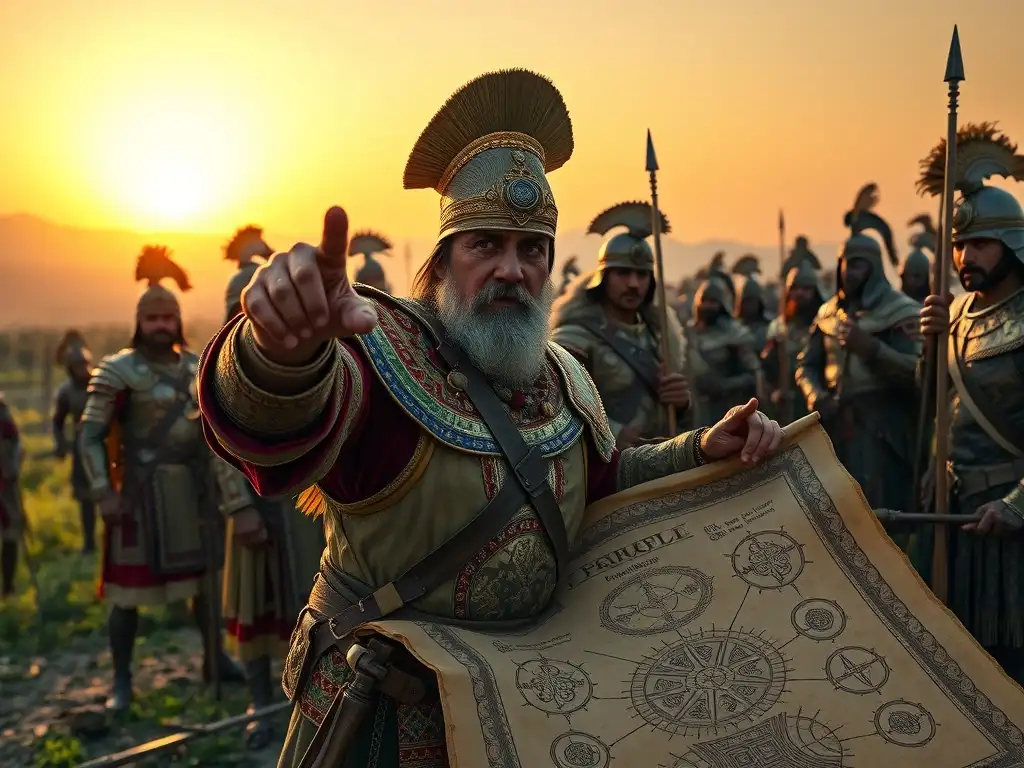
Welcome to Ancient India History, where we embark on a fascinating journey through time, uncovering the rich and diverse tapestry of ancient Indian civilizations. In this exploration, we delve into the profound impact of military strategies that shaped not only the battles of the past but also the very foundations of warfare as we know it today.
Our featured article, "The Influence of Ancient Indian Military Texts on Warfare," invites you to discover how ancient texts influenced tactics and strategies, offering insights that resonate even in contemporary military studies. Step into the world of ancient Indian military strategies and prepare to be captivated by the enduring legacy of these remarkable civilizations.
Introduction to Ancient Indian Military Strategies
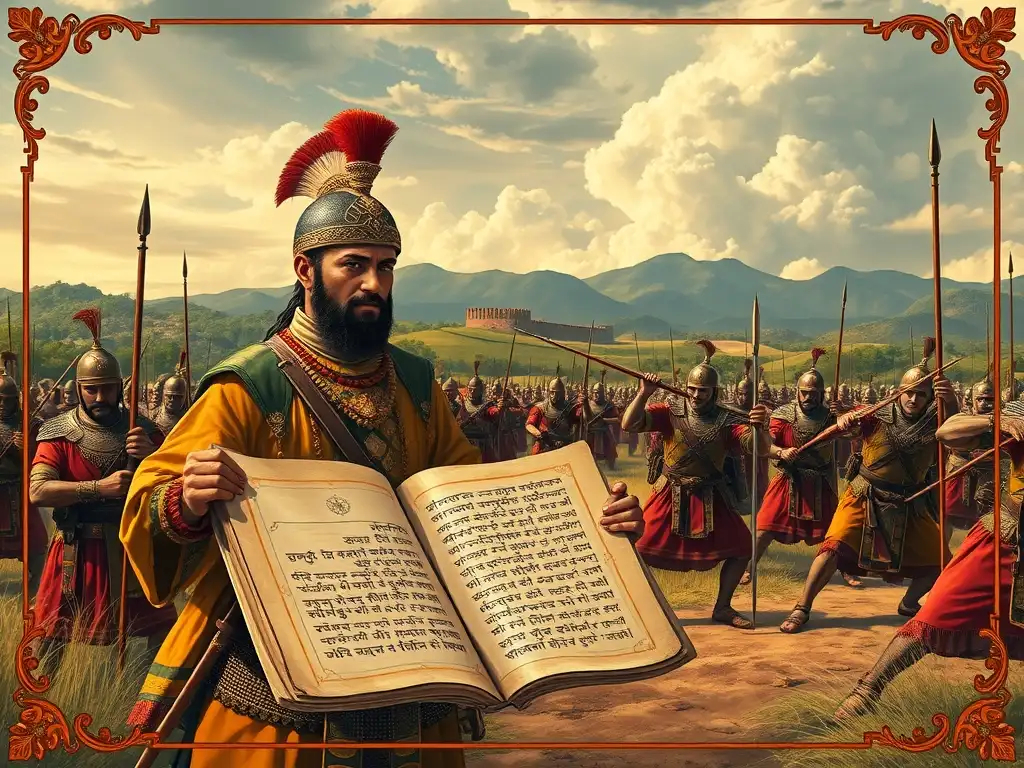
The rich tapestry of ancient Indian history is woven with tales of valor, strategy, and innovation, particularly in the realm of warfare. Ancient Indian military strategies, shaped by various cultural and philosophical influences, have played a pivotal role in the development of military doctrines across the subcontinent. From the tactful maneuvers of the Indus Valley Civilization to the sophisticated strategies of the Gupta Empire, military texts have provided invaluable insights into the art of war. This exploration delves into the profound influence of these texts on warfare, highlighting their significance in shaping military thought and practice in ancient India.
Overview of Ancient Indian Military Texts
Ancient Indian military texts are a treasure trove of knowledge, offering a glimpse into the military practices, strategies, and philosophies that governed warfare during different periods. These texts not only detail techniques and tactics but also emphasize the moral and ethical dimensions of warfare. Key works such as the Arthashastra, written by Kautilya, and epic narratives like the Mahabharata and the Ramayana have served as foundational texts that continue to inform military scholars and strategists even today.
- Types of Texts:
- Philosophical treatises
- Strategic manuals
- Epic narratives
- Core Themes:
- Ethics of warfare
- Tactical maneuvers
- Political strategies
Importance of Military Strategies in Ancient India
Military strategies in ancient India were not merely about battle tactics; they encompassed a broader understanding of statecraft, politics, and diplomacy. The ability to wage war and secure peace was deeply intertwined with the survival of kingdoms and empires.
- Key Aspects:
- Statecraft: Understanding the political landscape was crucial for military leaders.
- Diplomacy: Alliances and negotiations often played a significant role in minimizing conflict and ensuring stability.
- Training and Discipline: Military texts emphasized the importance of training troops and maintaining discipline within ranks.
The integration of these strategies into governance has left a lasting legacy, influencing subsequent generations in both military and civilian sectors.
Key Ancient Indian Military Texts
Arthashastra by Kautilya
The Arthashastra, composed in the 4th century BCE by the philosopher and strategist Kautilya (Chanakya), is perhaps the most comprehensive treatise on ancient Indian military strategies. Covering a wide range of topics from economics to political science, the Arthashastra provides profound insights into warfare tactics, espionage, and statecraft.
- Key Features:
- Strategic Warfare: The text outlines various forms of warfare, including guerrilla tactics and the use of spies.
- Political Maneuvering: Kautilya emphasizes the importance of intelligence and deception in both warfare and governance.
- Resource Management: The text discusses the logistics of maintaining a strong military, including the procurement of supplies and recruitment of soldiers.
Mahabharata and Its Military Insights
The Mahabharata, one of the longest epic poems in history, is not just a story of familial conflict but also a profound source of military wisdom. The epic is rich with lessons on strategy, leadership, and moral dilemmas faced during warfare.
- Prominent Themes:
- Dharma (Righteousness): The concept of dharma plays a crucial role in the decisions of warriors, impacting their strategies and actions on the battlefield.
- Leadership Lessons: Characters like Arjuna and Krishna provide insights into the qualities of effective leadership and the significance of moral choices in warfare.
- Battlefield Tactics: The text details various battle formations and strategies, showcasing the complexity of ancient Indian warfare.
The Ramayana’s Impact on Military Doctrine
The Ramayana, another epic narrative, explores themes of duty, honor, and the moral implications of war. The story of Lord Rama's quest to rescue Sita highlights the application of military strategies in the context of righteous warfare.
- Strategic Insights:
- Alliances: The formation of alliances, as seen with Hanuman and the vanaras, illustrates the importance of unity in military campaigns.
- Cunning and Strategy: The use of intelligence and foresight, exemplified by Rama's strategies against Ravana, emphasizes the role of cunning in warfare.
- Ethical Warfare: The text advocates for ethical considerations in conflict, influencing military doctrines that prioritize righteousness over mere victory.
Ancient Indian military texts have profoundly influenced the art of warfare, intertwining strategy, ethics, and statecraft in ways that continue to resonate in modern military thought. Through an examination of these texts, we gain a deeper appreciation of the complexities and nuances of ancient Indian military strategies.
Theoretical Foundations of Ancient Indian Military Strategies
The theoretical foundations of ancient Indian military strategies are deeply rooted in the philosophical, cultural, and social frameworks that governed the subcontinent. Key texts such as the Arthashastra by Kautilya (Chanakya) and the Bhagavad Gita provide comprehensive insights into military strategies, ethics, and governance. These texts emphasize the importance of strategic foresight, resource management, and the role of the state in warfare.
The Arthashastra particularly outlines the principles of statecraft, including intelligence gathering, diplomacy, and the use of spies, which were considered essential for successful military campaigns. In contrast, the Bhagavad Gita introduces the concept of righteous warfare, where the moral responsibilities of warriors (Kshatriyas) are highlighted, emphasizing the importance of justice and duty in combat. This duality of strategy and ethics forms the bedrock of ancient Indian military thought, influencing generations of military leaders and strategies.
Concepts of Dharma and Kshatriya Duty
Central to ancient Indian military strategies is the concept of Dharma, or duty, particularly as it pertains to the warrior class known as Kshatriyas. The Kshatriyas were not only tasked with protecting their realms but were also expected to uphold justice and morality during warfare. The Bhagavad Gita illustrates this through the dialogue between Arjuna and Krishna, where Arjuna's reluctance to fight is countered by Krishna's teachings on the necessity of fulfilling one's Kshatriya duty to maintain cosmic order.
This concept of Dharma transcended mere battlefield tactics; it encompassed the ethical implications of warfare, urging warriors to engage in combat only for just causes. The principles of honor, valor, and adherence to one's duty were paramount, shaping the moral framework within which ancient Indian military strategies operated. As such, the Kshatriyas were seen not merely as soldiers but as guardians of societal values and the stability of the state.
Strategic Planning and Warfare Tactics
Ancient Indian military strategies were characterized by meticulous strategic planning and innovative warfare tactics. Texts like the Arthashastra provide detailed guidelines on assessing strengths and weaknesses, both of one’s own forces and those of the enemy. Kautilya emphasizes the importance of terrain, logistics, and the element of surprise in military engagements.
Warfare tactics included a range of formations and maneuvers designed to exploit the vulnerabilities of opponents. For instance, the use of elephants in battle was not only a show of strength but also a tactical maneuver that could disrupt enemy formations. Additionally, guerrilla tactics were employed in regions where conventional warfare proved ineffective, showcasing the adaptability and ingenuity of ancient Indian military leaders.
The integration of various elements such as espionage, psychological strategies, and alliances formed a comprehensive approach to warfare that was ahead of its time. This strategic sophistication laid the groundwork for subsequent military campaigns and influenced the art of warfare in the region for centuries.
Psychological Warfare in Ancient India
Psychological warfare played a significant role in ancient Indian military strategies, where the objective was often to demoralize and confuse the enemy before actual combat commenced. Ancient texts highlight various methods employed to instill fear, confusion, and uncertainty within opposing forces. This included the use of propaganda, misinformation, and demonstrations of power.
The strategic use of sound, such as war drums and chants, was designed to intimidate adversaries and boost the morale of one's own troops. Additionally, the psychological impact of the battlefield environment was carefully calculated. For example, the placement of troops in a manner that created an illusion of greater numbers was a common tactic aimed at dissuading potential invaders.
Ancient Indian military leaders understood that victory could often be achieved without engaging in direct combat. By undermining the enemy's resolve and exploiting psychological vulnerabilities, they effectively shaped the course of battles, illustrating the importance of mental warfare alongside physical prowess.
Case Studies of Military Campaigns Influenced by Ancient Texts
The Mauryan Empire: A Model of Tactical Excellence
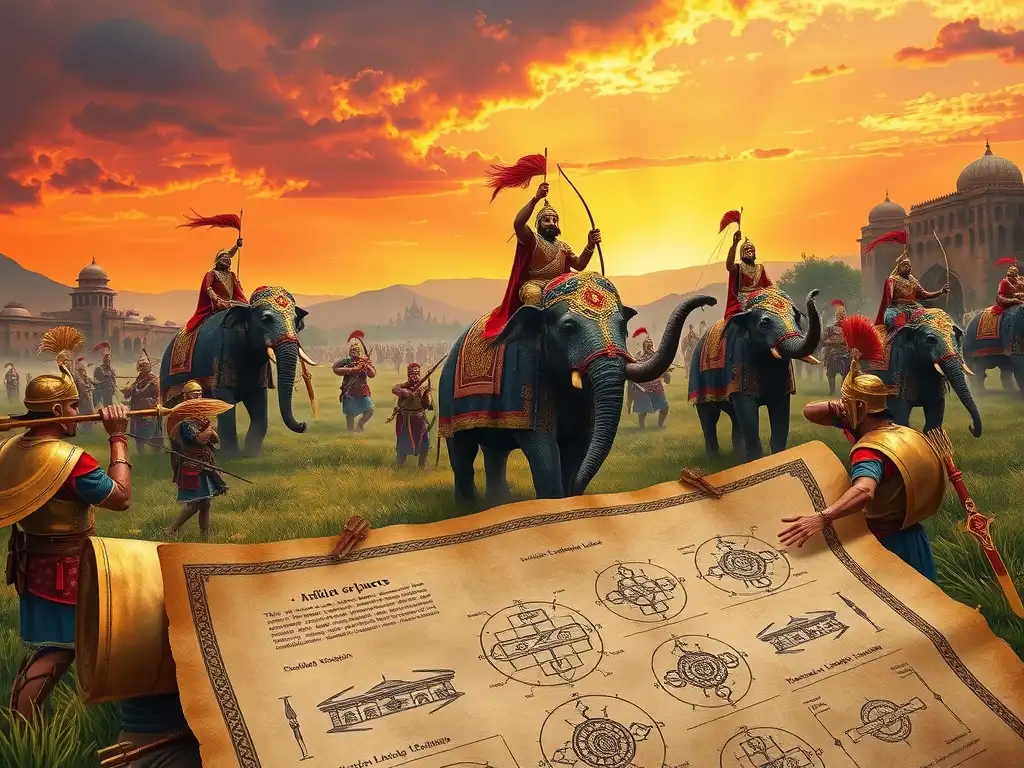
The Mauryan Empire, particularly under the reign of Chandragupta Maurya and his advisor Kautilya, exemplified the application of ancient Indian military strategies. The empire's expansion was marked by meticulous planning and effective use of resources. Kautilya's principles from the Arthashastra were put into practice, resulting in a formidable military apparatus that could engage multiple foes simultaneously.
The Mauryan approach to warfare included a well-coordinated use of infantry, cavalry, and war elephants, alongside a strong emphasis on intelligence and espionage. The famous battle of Kalinga serves as a notable case where the Mauryan forces showcased their tactical excellence through strategic maneuvers that ultimately led to victory, despite facing a determined opponent. This campaign not only solidified Mauryan dominance but also highlighted the significance of ethical considerations in warfare, as reflected in Ashoka's subsequent promotion of peace.
The Gupta Empire: Advancements in Military Tactics
The Gupta Empire is often regarded as a golden age in Indian history, marked by significant advancements in military tactics and technologies. The Guptas utilized the knowledge contained in earlier military texts while also innovating upon them. Their military strategies were characterized by the integration of cavalry and infantry in a manner that maximized their effectiveness on the battlefield.
One of the key aspects of Gupta military tactics was the emphasis on rapid mobility and communication. This allowed them to respond swiftly to threats and engage in effective campaigns across vast territories. The Gupta military also introduced new weaponry and improved armor, showcasing their ability to adapt to changing conditions in warfare. Their successful campaigns against foreign invasions and regional rivalries underscored the effectiveness of their military strategies, influenced by both ancient texts and practical experience.
Regional Conflicts: Lessons from Ancient Military Literature
Regional conflicts in ancient India often served as practical applications of the military strategies outlined in classical texts. The numerous small kingdoms and tribal states engaged in warfare, reflecting the diversity of tactics and approaches derived from ancient military literature. For instance, the strategies of guerrilla warfare, as documented in texts, were employed effectively by smaller kingdoms to resist larger empires.
The conflicts between the Kshatrapas and the Satavahanas illustrate how ancient military strategies were adapted to local contexts. Both sides utilized intelligence, alliances, and psychological warfare to gain advantages in battle, often drawing directly from the principles articulated in texts like the Arthashastra. These regional conflicts not only demonstrate the versatility of ancient Indian military strategies but also highlight the continued relevance of these texts in shaping military thought and practices throughout history.
Legacy of Ancient Indian Military Strategies
Ancient Indian military strategies have left a profound legacy that continues to influence military thought and practice across the globe. Texts such as the Arthashastra by Kautilya and the Bhagavad Gita provide insights into various aspects of warfare, including tactics, diplomacy, and the philosophy of conflict. These texts underscore the significance of strategy over brute force, advocating for intelligence gathering, psychological warfare, and the importance of understanding one’s enemy. The principles articulated in these ancient works not only shaped the military practices of their time but also laid the groundwork for future generations.
Furthermore, the emphasis on ethical conduct in warfare, as depicted in the Bhagavad Gita, highlights the moral dilemmas faced by warriors, emphasizing that the righteousness of a cause is paramount. Such philosophical underpinnings have resonated throughout history, influencing leaders and strategists in their approach to conflict. The legacy of these strategies is evident in the way contemporary military leaders assess their operations, considering not only the tactical elements but also the broader implications of their actions.
Influence on Modern Military Thought
The influence of ancient Indian military strategies can be seen in various modern military doctrines and practices. Scholars and military strategists have drawn upon texts like the Arthashastra, which outlines comprehensive strategies for governance and warfare, including espionage and economic warfare. The focus on diplomacy and alliances resonates in contemporary international relations, where soft power and negotiation often take precedence over direct confrontation.
Moreover, the principles of flexibility and adaptability found in ancient texts are mirrored in modern military strategies that prioritize responsive tactics and the ability to pivot based on changing circumstances on the battlefield. Concepts such as maneuver warfare and psychological operations can trace their philosophical roots back to these ancient strategies, highlighting the timeless nature of these teachings. Leaders in modern military academies often incorporate these ancient texts into their curricula, illustrating their enduring relevance.
Continuity of Military Principles in Contemporary Warfare
The continuity of military principles derived from ancient Indian texts in contemporary warfare is striking. Contemporary military operations often emphasize the integration of various elements of warfare, including land, air, and cyber capabilities, mirroring the holistic approach advocated in texts like the Arthashastra. The ancient principle of understanding the terrain and leveraging it for strategic advantage remains crucial in modern military planning.
Additionally, the emphasis on intelligence and information-gathering, as articulated in ancient military texts, is fundamental to current military operations. The modern military’s reliance on data analytics and reconnaissance finds its counterpart in ancient strategies that prioritized understanding the enemy and the battlefield environment. These enduring principles showcase the sophistication of ancient Indian military thought and its applicability in the face of modern challenges.
Preservation and Study of Ancient Texts in Modern Times
The preservation and study of ancient Indian military texts remain vital for understanding the roots of military strategy and philosophy. Institutions and scholars dedicated to the study of ancient Indian history have contributed significantly to the translation and interpretation of these texts, making them accessible to a broader audience. This scholarly work not only preserves the historical legacy but also encourages critical analysis of the military principles contained within.
In recent years, there has been a resurgence of interest in these ancient texts, driven by their relevance to contemporary strategic studies. Universities and military academies are increasingly incorporating these works into their programs, recognizing the value of ancient wisdom in addressing modern military challenges. This ongoing engagement with ancient military literature ensures that the insights and strategies of the past continue to inform and shape modern military thought.
Conclusion
Summary of Key Insights on Ancient Indian Military Strategies
The exploration of ancient Indian military strategies reveals a rich tapestry of thought that emphasizes the importance of strategy, ethics, and adaptability in warfare. Texts like the Arthashastra and the Bhagavad Gita provide not only tactical insights but also philosophical guidance on the nature of conflict. The principles derived from these texts have transcended time, influencing both historical and contemporary military practices.
The Enduring Impact of Ancient Indian Military Texts on Warfare
The enduring impact of ancient Indian military texts on warfare is a testament to their profound insights and applications. As modern military leaders continue to grapple with the complexities of modern conflict, the teachings from these ancient texts offer valuable lessons in strategy, ethics, and the art of warfare. The legacy of ancient Indian military strategies stands as a bridge connecting the wisdom of the past with the challenges of the present, ensuring that these teachings remain relevant in today’s military landscape.
- Introduction to Ancient Indian Military Strategies
- Key Ancient Indian Military Texts
- Theoretical Foundations of Ancient Indian Military Strategies
- Case Studies of Military Campaigns Influenced by Ancient Texts
- Legacy of Ancient Indian Military Strategies
- Conclusion
Frequently Asked Questions
What are ancient Indian military strategies?
Ancient Indian military strategies encompass a variety of tactics and principles derived from texts such as the Arthashastra and Mahabharata, focusing on diplomacy, espionage, and warfare.
How did the Arthashastra influence military tactics?
The Arthashastra, authored by Kautilya, is a comprehensive guide that addresses statecraft and military strategy, emphasizing the importance of intelligence and resource management in warfare.
What role did the Mahabharata play in understanding warfare?
The Mahabharata provides valuable insights into ethical dilemmas of war, illustrating the application of strategic planning and the significance of moral values in military leadership.
Were there specific formations used by ancient Indian armies?
Yes, ancient Indian armies employed various formations such as the Chakra Vyuha and Garuda Vyuha, which were designed for offensive and defensive strategies during battles.
How did ancient Indian military texts compare to those of other civilizations?
Ancient Indian military texts are unique in their integration of philosophy, politics, and economics into military strategy, providing a more holistic approach compared to some other civilizations focused solely on tactical aspects.
Final Reflection: The Enduring Legacy of Ancient Indian Military Strategies
The exploration of ancient Indian military texts reveals their profound relevance in today’s world, underscoring the timelessness of strategic thinking. In an era where modern warfare continuously evolves, the principles derived from these ancient strategies remain applicable, guiding military leaders and strategists in navigating complex scenarios. The wisdom embedded in texts like the Arthashastra and the Mahabharata not only informs tactics but also emphasizes the importance of ethics and diplomacy in conflict resolution.
The influence of these ancient military strategies extends far beyond the battlefield, shaping cultural narratives and societal values. The teachings found within these texts have permeated various aspects of life, from governance to personal conduct, illustrating how strategy is not merely confined to warfare but is a lens through which we can understand leadership and decision-making. As Sun Tzu famously stated, In the midst of chaos, there is also opportunity.
This sentiment resonates deeply with the teachings of ancient Indian strategists, reminding us that wisdom can be gleaned even from the most tumultuous situations.
As we reflect on the lessons of ancient Indian military strategies, let us consider how we can apply these insights in our own lives. I invite you to embrace the principles of strategic thinking, ethical leadership, and adaptability in your daily challenges. Whether in personal endeavors or professional pursuits, the ability to navigate conflict with wisdom and foresight can lead to transformative outcomes. By honoring the legacy of these ancient texts, we not only preserve their teachings but also empower ourselves to face the complexities of the modern world with confidence and clarity.
Unleash the Wisdom of Ancient Warfare!
Thank you for taking the time to explore the profound insights of ancient Indian military texts and their impact on modern warfare. Your interest in this rich history is invaluable, and now it’s time to translate that knowledge into action!
Here’s how you can deepen your understanding and connect with this fascinating topic:
- Explore a military treatise: Choose a significant text, such as the Arthashastra, and delve into its strategies to inspire your own thinking.
- Join an online discussion: Share your thoughts and insights on forums or social media groups focused on military history and ancient texts.
- Conduct your own research: Investigate lesser-known military texts from ancient India to uncover their unique contributions to the art of warfare.
What strategies or principles from ancient Indian military texts do you believe could be applied to today’s conflicts? Let’s ignite the conversation!