
The Influence of Ancient Indian Warfare on Modern Military Strategies

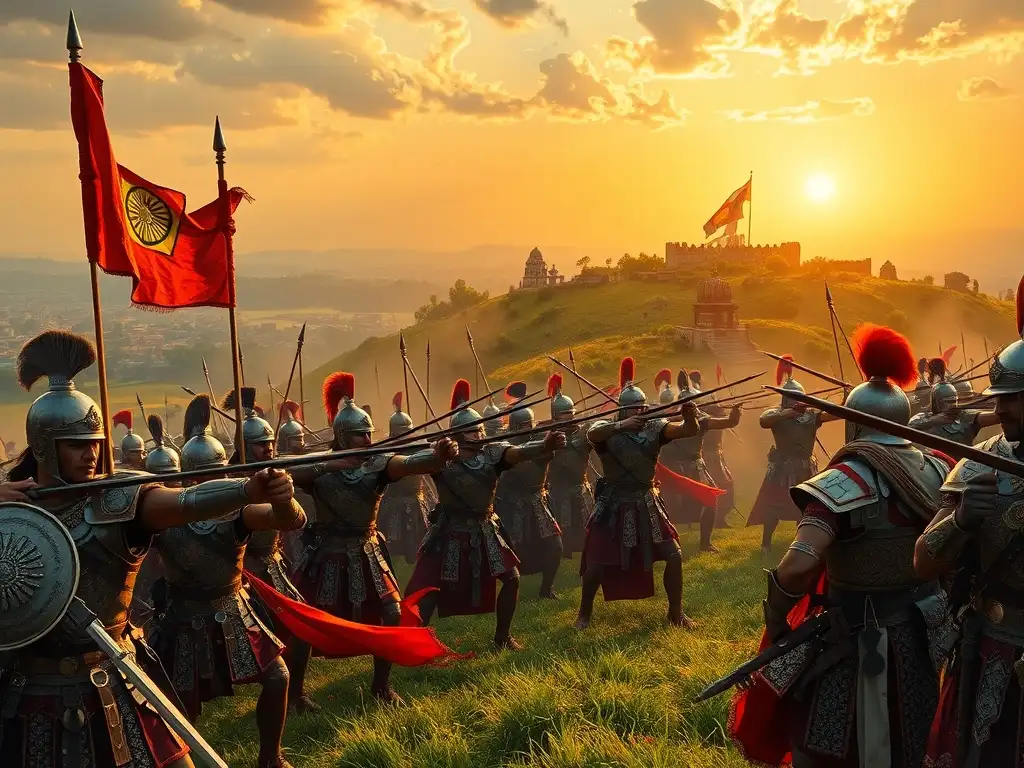
Welcome to Ancient India History, where we embark on a fascinating journey through time, uncovering the rich tapestry of ancient Indian civilizations that shaped our world. In this exploration, we delve into the intriguing realm of ancient Indian warfare strategies, revealing how these time-honored techniques and philosophies continue to influence modern military thinking. As you navigate through our insights, prepare to be captivated by the surprising connections between past and present, and discover how the legacies of the Indus Valley to the Gupta Empire still resonate today. Your adventure into the depths of military history begins now!
- Introduction to Ancient Indian Warfare Strategies
- Key Features of Ancient Indian Warfare
- Influential Ancient Indian Warfare Strategies
- The Impact of Ancient Indian Warfare on Modern Military Strategies
- Conclusion: The Legacy of Ancient Indian Warfare Strategies
-
Frequently Asked Questions
- What are the main ancient Indian warfare strategies discussed in the article?
- How did ancient Indian warfare impact modern military practices?
- Which civilizations are noted for their contributions to ancient Indian warfare?
- What role did geography play in ancient Indian warfare strategies?
- Are there any notable historical battles mentioned in the article?
- Final Reflection: The Enduring Legacy of Ancient Indian Warfare Strategies
- Unveil Timeless Strategies for Modern Success!
Introduction to Ancient Indian Warfare Strategies
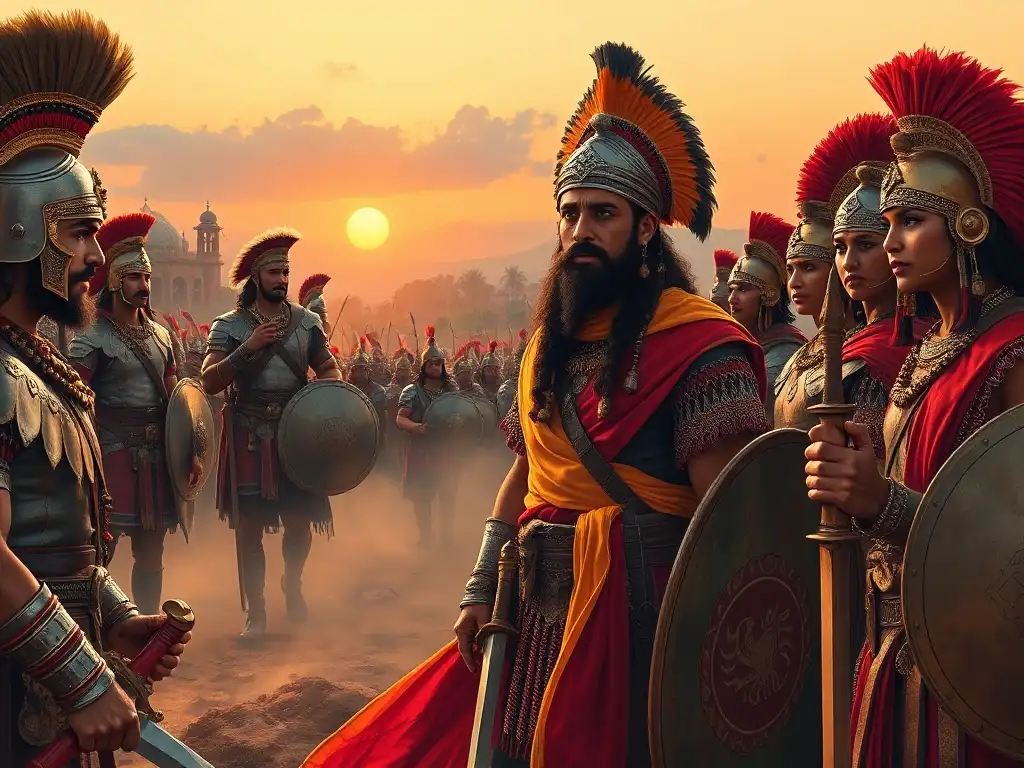
The study of ancient Indian warfare strategies reveals a complex and rich tapestry of military practices that significantly influenced not only the subcontinent but also the broader realm of military history. From the advanced tactics of the Indus Valley Civilization to the sophisticated methodologies employed during the Gupta Empire, ancient Indian warfare was characterized by a blend of strategy, technology, and cultural values.
This article explores the various military strategies developed throughout ancient India, examining their evolution and impact on modern military doctrines. By understanding these historical contexts, we can appreciate how ancient Indian warfare strategies continue to influence contemporary military practices and thought.
Overview of Ancient Indian Military History
Ancient Indian military history is marked by a series of notable developments and transformations that reflect the changing dynamics of power and society. Key periods include:
- Indus Valley Civilization (c. 3300–1300 BCE): One of the earliest urban cultures in South Asia, the Indus Valley Civilization exhibited sophisticated urban planning and possibly had an organized military structure. Archaeological findings suggest the presence of fortifications and weapons, indicating an understanding of defense and warfare.
- Vedic Period (c. 1500–500 BCE): This era saw the emergence of the Kshatriya warrior class, who played a crucial role in the socio-political landscape. The Mahabharata and Ramayana, epic texts from this period, contain detailed descriptions of warfare, tactics, and the moral implications of battle.
- Maurya Empire (c. 322–185 BCE): Under Chandragupta Maurya and his grandson Ashoka, the Mauryan Empire developed a formidable military force. Notable strategies included the use of war elephants and extensive espionage networks that greatly enhanced military effectiveness.
- Gupta Empire (c. 240–550 CE): Often referred to as the "Golden Age" of India, the Gupta period saw advancements in military technology and strategy. The use of cavalry and an organized structure of military hierarchy became prominent, showcasing a blend of tactical innovation and cultural prosperity.
Importance of Warfare in Ancient Indian Civilization
Warfare played a vital role in shaping ancient Indian civilization, influencing not only political boundaries but also cultural and social structures. The significance of warfare can be analyzed through several lenses:
- Political Power and Territory: Military conquests were often the means through which kingdoms expanded their territories. Successful campaigns led to the establishment of vast empires, such as the Maurya and Gupta Empires, which facilitated trade, culture, and governance across large regions.
- Cultural Identity: Warfare and the valor associated with it were integral to the identity of various communities. The glorification of warriors and their exploits in epics and folklore helped forge a collective cultural consciousness.
- Technological Advancements: The demands of warfare spurred innovations in weapons, armor, and tactics. This technological progress not only enhanced military capabilities but also contributed to advancements in other fields, such as metallurgy and engineering.
- Philosophy and Ethics: Ancient Indian texts, particularly the Bhagavad Gita, explore the philosophical aspects of war, addressing the moral dilemmas faced by warriors. This interplay between ethics and warfare has had a lasting impact on military thought.
Ancient Indian warfare strategies were not merely about combat; they encapsulated the complexities of governance, culture, and technology, leaving a legacy that continues to resonate in modern military strategies.
Key Features of Ancient Indian Warfare
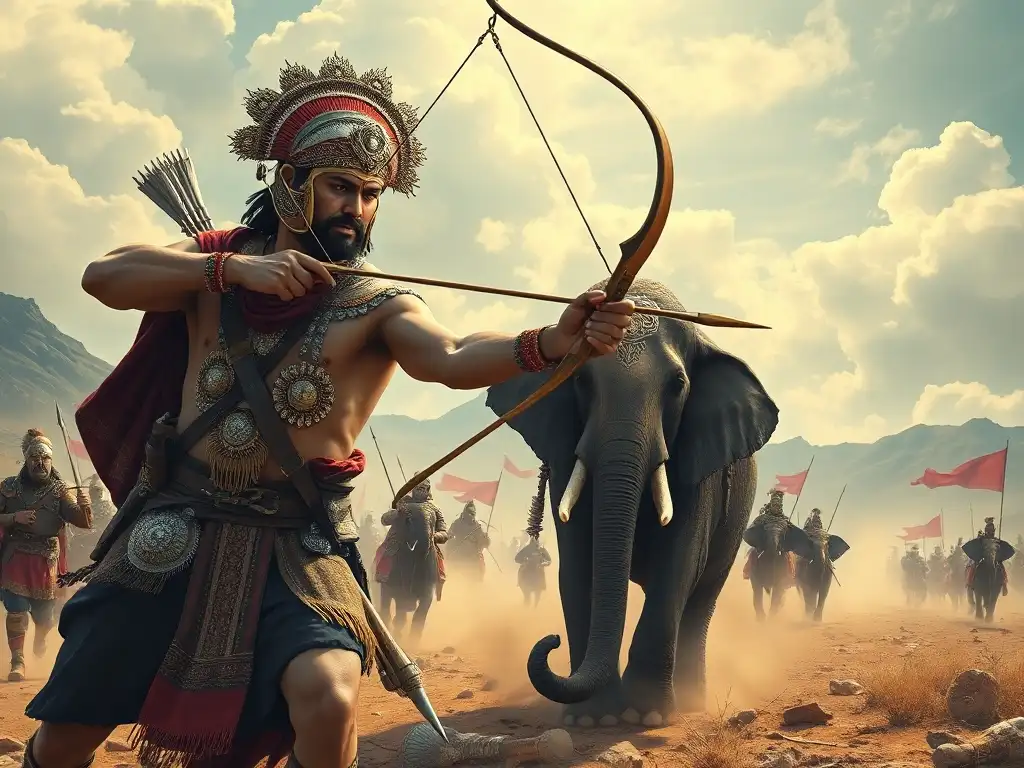
Ancient Indian warfare was characterized by a combination of strategic brilliance, innovative technologies, and a deep understanding of battle tactics. The evolution of warfare during various periods of Indian history reflects the rich cultural tapestry and the socio-political dynamics of the time. Key features of ancient Indian warfare include:
- Strategic Planning: Ancient Indian generals placed great emphasis on meticulous planning. They analyzed terrain, weather conditions, and enemy strengths before engaging in battle.
- Philosophical Underpinnings: Warfare was often guided by philosophical texts, such as the Arthashastra by Kautilya, which provided insights on statecraft and military strategy.
- Civic-Military Relations: In many civilizations, the military was closely integrated with civilian life, and leaders often emerged from the local populace.
- Use of Elephants: War elephants were not only used for their strength but also played psychological roles in warfare, intimidating the enemy.
These features highlight the complexity and sophistication of ancient Indian warfare, which has had lasting influences on modern military strategies.
Types of Warfare in Ancient India
Ancient India witnessed various forms of warfare, each dictated by the socio-political context and available technologies. The primary types include:
- Traditional Warfare: This form involved direct confrontation between armies, often with rigid formations. Battles were fought on open fields, and strategies revolved around the use of infantry, cavalry, and chariots.
- Guerrilla Warfare: Particularly during periods of invasion, smaller groups employed hit-and-run tactics, ambushing larger forces and utilizing the terrain to their advantage. This strategy was effectively used by figures such as Chandragupta Maurya against the Seleucid Empire.
- Naval Warfare: Coastal kingdoms like the Chola dynasty engaged in naval battles, emphasizing the importance of controlling trade routes and maritime supremacy.
- Psychological Warfare: Techniques such as spreading misinformation or showcasing power through grand displays were employed to demoralize the enemy before battles commenced.
Weapons and Technologies Used in Ancient Indian Battles
The arsenal of ancient Indian warriors was diverse and technologically advanced for the time. Key weapons and technologies included:
- Swords and Daggers: Various forms of swords, such as the khanda and katar, were crafted with exquisite metallurgy. These weapons were often adorned and symbolized status.
- Spears and Bows: Long-range weaponry was crucial, with archers playing significant roles in battles. The recurve bow was particularly effective due to its design, allowing for greater power and accuracy.
- Chariots: These were essential in ancient warfare, serving as both a platform for archers and a means of rapid movement across the battlefield. Chariots often carried the commander, enhancing command and control.
- Siege Equipment: Ancient Indian armies utilized siege towers, battering rams, and catapults to breach fortifications, showcasing their engineering capabilities.
- Armor and Shields: Warriors wore armor made from leather, metal, or a combination of materials. Shields, often round or rectangular, were designed to protect against arrows and melee attacks.
Military Organization and Hierarchy in Ancient Indian Armies
The military structure of ancient Indian armies was well-organized, reflecting the complexity of the societies they served. Key aspects of military organization included:
- Command Structure: At the top of the hierarchy was the king or emperor, who held supreme command. Below him were generals and field commanders responsible for strategy and troop movements.
- Division of Forces: Armies were typically divided into various units, including infantry, cavalry, and charioteers. Each unit specialized in different combat techniques, allowing for versatile battlefield tactics.
- Training and Recruitment: Soldiers were often recruited from local populations, and training was rigorous, focusing on both physical conditioning and tactical skills. The use of martial arts, such as Kalaripayattu, was prevalent.
- Support Roles: Beyond combat troops, armies included support personnel such as engineers, medics, and logistics experts who ensured the smooth functioning of military campaigns.
- Alliances and Mercenaries: Ancient Indian rulers often formed alliances with neighboring kingdoms or employed mercenaries to bolster their forces, reflecting the diplomatic maneuvering characteristic of the time.
The organization and hierarchy of ancient Indian armies not only contributed to their effectiveness in warfare but also laid the groundwork for military strategies that would influence subsequent civilizations.
Influential Ancient Indian Warfare Strategies
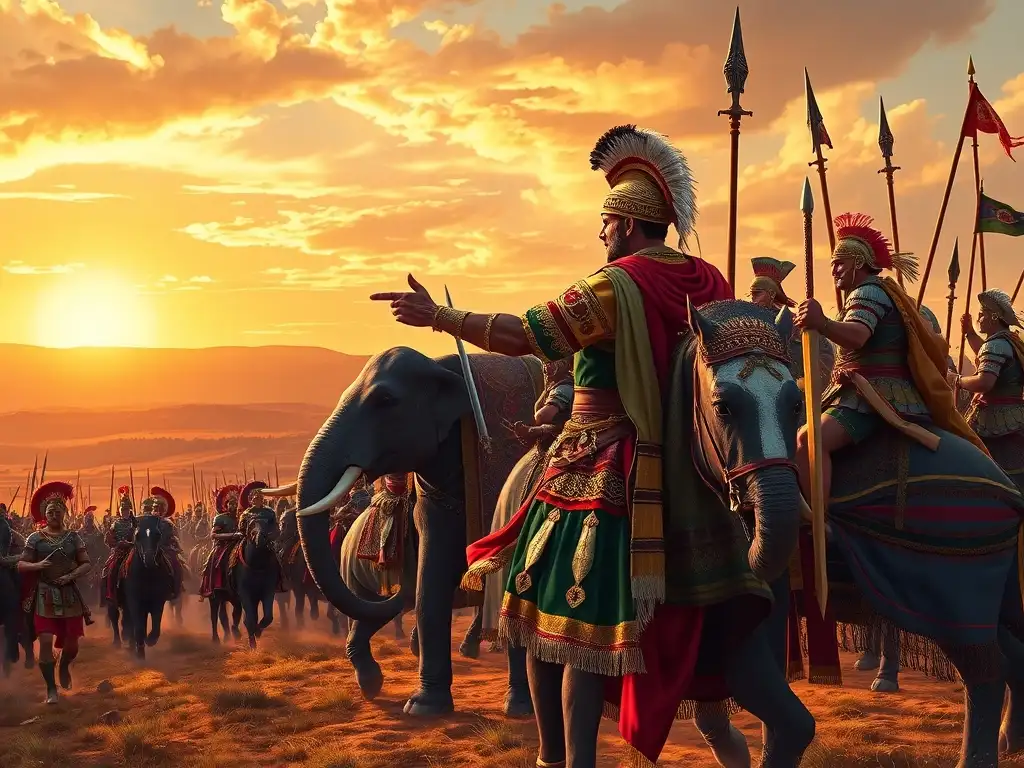
Ancient Indian warfare strategies are characterized by their sophisticated approach to combat, tactics, and psychological warfare. These strategies were not merely about brute strength; they incorporated elements of diplomacy, intelligence, and the innovative use of terrain. From the early Indus Valley Civilization to the Gupta Empire, military leaders developed a range of techniques that have influenced modern military thought. The essence of these strategies lies in their adaptability and the emphasis on understanding the enemy and the battlefield.
Key Strategies Employed by Ancient Indian Generals
Ancient Indian generals utilized a variety of strategies that showcased their military acumen. Here are some critical strategies that were prevalent:
- Terrain Utilization: Commanders like Chandragupta Maurya recognized the importance of terrain in battle. They would select battlegrounds that offered tactical advantages, such as elevated ground or narrow passes, to counteract larger enemy forces.
- Psychological Warfare: Psychological tactics were often employed to demoralize opponents. For instance, the use of elephants in battle not only served as formidable combatants but also instilled fear in enemy ranks.
- Guerrilla Tactics: The use of hit-and-run tactics became a hallmark of ancient Indian warfare, especially in regions where the terrain favored such maneuvers. This approach allowed smaller forces to engage larger armies effectively.
- Diplomacy and Alliances: Ancient generals often sought to form alliances with neighboring states to strengthen their position before engaging in warfare. This strategy could lead to a significant advantage by weakening the enemy through internal divisions.
- Intelligence Gathering: The collection of information about enemy movements and intentions was crucial. Spies and scouts played vital roles in providing insights that shaped military strategies.
These strategies exemplify the depth and sophistication of ancient Indian military thought, showcasing a blend of tactical genius and adaptive thinking.
Case Studies of Notable Battles and Their Strategies
The Battle of Kalinga
The Battle of Kalinga (circa 261 BCE) is one of the most significant military engagements in ancient Indian history. Fought between Emperor Ashoka of the Maurya Dynasty and the state of Kalinga, this battle was marked by several innovative strategies:
- Massive Troop Deployment: Ashoka deployed a vast army, demonstrating the ability to mobilize resources effectively. The sheer size of the Mauryan forces was intended to intimidate the Kalingans.
- Siege Warfare: The Mauryan army employed siege tactics to cut off supplies to the Kalinga forces. This strategy aimed to weaken the enemy's resolve before engaging in open combat.
- Naval Forces: Ashoka utilized naval forces to blockade Kalinga, thereby restricting their trade routes and weakening their supply lines further.
- Post-Battle Diplomacy: Although Ashoka emerged victorious, the high casualty rate led him to adopt a policy of non-violence and dharma. This shift in approach had lasting implications, shaping the future of Indian polity and military ethics.
The Strategies of Chandragupta Maurya
Chandragupta Maurya, the founder of the Maurya Empire, is renowned for his strategic brilliance and innovative approaches to warfare:
- Formation and Discipline: Chandragupta emphasized the organization and discipline of his troops, employing formations that maximized their combat effectiveness. This included the use of infantry, cavalry, and war elephants in coordinated efforts.
- Diplomatic Maneuvering: Before engaging in warfare, he often sought to negotiate terms with rivals, allowing him to secure advantageous positions without conflict. This strategy reduced the need for prolonged warfare and conserved resources.
- Use of Spies: Chandragupta understood the value of information. He established a network of spies to gather intelligence on enemy movements and plans, which informed his tactical decisions.
- Adaptability: His ability to adapt to changing circumstances on the battlefield was crucial. He would frequently reassess strategies in real-time, responding to the dynamics of combat.
Chandragupta's strategies not only led to the establishment of a vast empire but also left a lasting legacy in military thought, influencing future generations of leaders.
Ancient Indian warfare strategies reflect a rich tapestry of tactical ingenuity and adaptive thinking. Their influence extends beyond the historical context, offering valuable lessons for modern military strategies.
The Impact of Ancient Indian Warfare on Modern Military Strategies
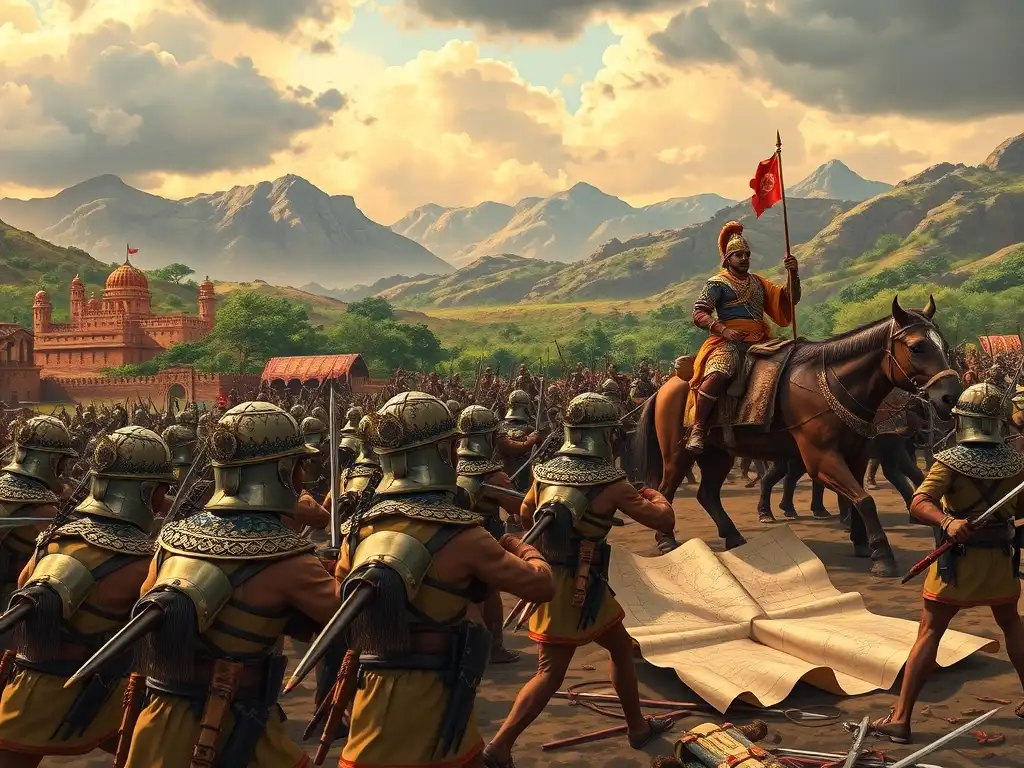
The legacy of ancient Indian warfare strategies has profoundly influenced modern military doctrines, shaping tactics and philosophies that are still relevant today. From the strategic frameworks laid out in ancient texts to the innovative battlefield maneuvers, the approach to warfare in ancient India offers insights that resonate with contemporary military practices.
Evolution of Military Tactics from Ancient to Modern Times
The evolution of military tactics from ancient to modern times reflects a remarkable transformation influenced by technological advancements, political structures, and cultural shifts.
- Strategic Frameworks:
- Ancient Indian texts like the Arthashastra by Kautilya and the Mahabharata provide foundational strategies that emphasize the importance of intelligence, deception, and psychological warfare. These principles remain central in modern military operations.
- The integration of these ancient texts into modern military training allows contemporary strategists to draw parallels with current geopolitical scenarios.
- Adaptation of Weapons and Technology:
- While ancient Indian warfare relied heavily on cavalry, archers, and war elephants, modern warfare has transitioned to advanced technology like drones and cyber warfare.
- However, the tactical formations and mobility strategies developed during ancient times continue to influence modern military maneuvering.
- The Role of Terrain and Environment:
- Ancient Indian commanders adeptly utilized their knowledge of terrain to gain advantages over their adversaries. This tactical awareness is echoed in modern military strategies that emphasize terrain analysis in operational planning.
Comparative Analysis of Ancient and Modern Warfare Strategies
A comparative analysis reveals both continuity and change in warfare strategies from ancient India to modern military practices.
| Aspect | Ancient Indian Warfare Strategies | Modern Military Strategies |
|---|---|---|
| Command Structure | Hierarchical, with a focus on individual valor and loyalty | Networked, emphasizing joint operations and inter-service cooperation |
| Intelligence and Espionage | Extensive use of spies and informants, as noted in the Arthashastra | Advanced surveillance technologies and cyber intelligence |
| Psychological Warfare | Use of propaganda and morale-boosting tactics | Modern psychological operations (PSYOPS) and media manipulation |
| Tactics | Emphasis on formations like the Chakra and Kshatrapati | Use of modern tactical doctrines such as maneuver warfare and asymmetrical tactics |
The juxtaposition of these strategies underscores a continuum of strategic principles that persist through time, adapted to meet the challenges of their respective eras.
Lessons Learned from Ancient Indian Warfare
Ancient Indian warfare strategies provide several key lessons that are applicable to modern military contexts:
- Importance of Adaptability: Ancient Indian generals often changed tactics mid-battle based on real-time intelligence. Modern militaries can benefit from this flexibility, allowing for quick adjustments in strategy during combat.
- Strategic Alliances: The formation of alliances, as seen in the ancient Mahabharata, emphasizes the importance of diplomacy in warfare. Modern military strategies increasingly recognize the value of international coalitions and partnerships.
- Focus on Morale and Leadership: The role of charismatic leadership in rallying troops was critical in ancient Indian battles. Modern military leadership training often incorporates lessons from these historical figures, emphasizing the psychological aspect of command.
- Integration of Logistics: Ancient military campaigns highlighted the significance of supply chains and logistics, a concept that remains a cornerstone of modern military operations.
The study of ancient Indian warfare strategies offers invaluable insights into modern military practices. By analyzing these historical precedents, contemporary military leaders can harness time-tested principles to enhance their strategic frameworks. The enduring influence of ancient Indian warfare is a testament to the sophistication and depth of these early military strategies.
Conclusion: The Legacy of Ancient Indian Warfare Strategies
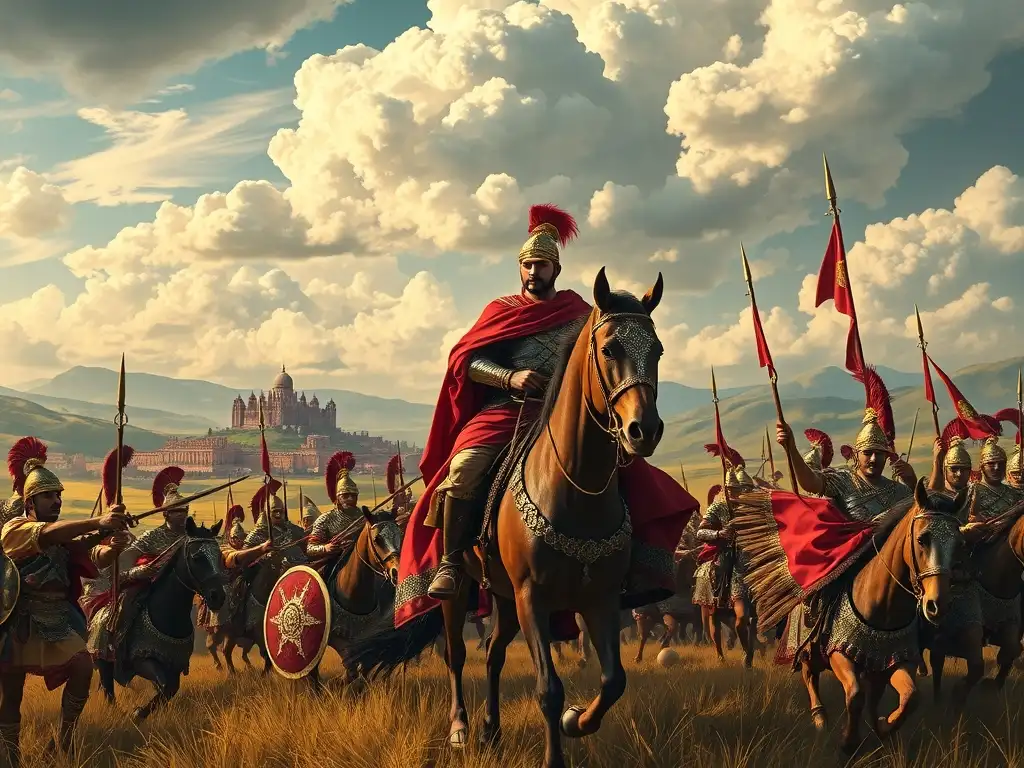
The legacy of ancient Indian warfare strategies is one that has profoundly influenced not only the military tactics of its time but also continues to resonate in modern military thinking. The rich tapestry of strategies developed by ancient Indian civilizations, particularly during the times of the Maurya and Gupta empires, reflects a sophisticated understanding of warfare that encompassed not just brute force, but also psychological, ethical, and strategic dimensions.
Ancient Indian warfare strategies were characterized by their emphasis on mobility, intelligence, and adaptability. The use of terrain to one’s advantage, as demonstrated in historical texts like the Arthashastra by Kautilya, has inspired contemporary military strategies to prioritize reconnaissance and the strategic use of landscape. Moreover, the ethical considerations surrounding warfare, such as the principles of Dharma (righteousness), continue to be debated in modern military ethics.
Continuing Influence on Contemporary Military Thought
The principles laid down in ancient texts have found their way into modern military doctrines across the globe. For example:
- Guerrilla Warfare: The tactics employed by ancient Indian warriors, particularly in rugged terrains, laid the groundwork for modern guerrilla warfare. The emphasis on flexibility, surprise attacks, and the use of smaller, agile units can be traced back to ancient practices.
- Psychological Warfare: Ancient Indian strategists understood the importance of morale and the psychological aspect of warfare. Techniques such as misinformation and propaganda were used to demoralize the enemy, a practice that remains relevant in today’s information warfare.
- Diplomatic Strategies: The use of diplomacy to avoid conflict or to gain strategic advantages is another area where ancient Indian strategies have had a lasting impact. The concept of Sandhi (alliance) and Vigraha (war) reflects a nuanced understanding of the interplay between war and peace, informing modern military and diplomatic strategies.
The study of ancient Indian warfare strategies offers valuable insights into contemporary military thought, serving as a reminder that the lessons of history remain pertinent in the face of evolving global conflicts.
Preserving the Knowledge of Ancient Indian Military Strategies
To fully appreciate the depth and breadth of ancient Indian warfare strategies, it is essential to preserve and promote the study of historical texts and archaeological findings. Efforts to translate and disseminate ancient manuscripts, coupled with modern research methodologies, can help uncover forgotten strategies that may be applicable today.
Key Areas for Preservation:
- Textual Studies: Continued analysis of texts like the Arthashastra and Mahabharata can yield insights into strategic thinking and military ethics.
- Archaeological Research: Excavations of ancient battlefields and fortifications can provide tangible evidence of warfare techniques and technologies.
- Interdisciplinary Approaches: Collaborating with historians, military experts, and cultural scholars can foster a more comprehensive understanding of ancient military strategies.
Preserving the knowledge of ancient Indian military strategies is crucial, not just for academic purposes, but also for enriching modern military practices. As we delve deeper into these strategies, we can uncover innovative approaches that pay homage to the tactical brilliance of ancient Indian civilizations.
The influence of ancient Indian warfare strategies on modern military practices is both profound and enduring. Through continued exploration and preservation of this rich heritage, we can ensure that the wisdom of the past informs the strategies of the future.
Frequently Asked Questions
What are the main ancient Indian warfare strategies discussed in the article?
The article highlights strategies such as guerrilla tactics, psychological warfare, and the use of war elephants, showcasing their effectiveness in various historical contexts.
How did ancient Indian warfare impact modern military practices?
The principles of flexibility, adaptability, and strategic planning from ancient Indian warfare have influenced contemporary military doctrines and tactics.
Which civilizations are noted for their contributions to ancient Indian warfare?
Key civilizations include the Indus Valley Civilization, the Maurya Empire, and the Gupta Empire, each contributing unique strategies and technologies to warfare.
What role did geography play in ancient Indian warfare strategies?
The diverse geography of India, from mountains to rivers, influenced military tactics, enabling the use of natural barriers and terrain advantages in battles.
Are there any notable historical battles mentioned in the article?
Yes, the article references significant battles such as the Battle of Kalinga, which exemplified the strategic prowess and ethical considerations in ancient Indian warfare.
Final Reflection: The Enduring Legacy of Ancient Indian Warfare Strategies
The exploration of ancient Indian warfare strategies reveals their profound relevance in today's military landscape. As we dissect the tactical brilliance and philosophical underpinnings of these age-old practices, we uncover not just historical insights but also timeless principles that continue to shape modern military strategies. The strategic depth and adaptability demonstrated in ancient Indian warfare remind us that the lessons of the past are not merely relics but vital components of contemporary defense frameworks.
Cultural narratives and historical insights from ancient Indian warfare resonate deeply within our current social and military frameworks. The strategic philosophies, such as the emphasis on intelligence, deception, and psychological warfare, have influenced not only military leaders but also political strategists and business executives. As Sun Tzu famously stated, All warfare is based on deception.
This principle, echoed through the ages, underscores the importance of understanding one's adversary and the environment, a lesson that remains critical in today's complex geopolitical landscape.
As we reflect on the rich tapestry of ancient Indian warfare strategies, let us invite ourselves to integrate these insights into our lives. Consider how the principles of adaptability, foresight, and strategic thinking can enhance your personal and professional endeavors. Embrace the wisdom of the past and apply it to navigate the challenges of the present and future. By doing so, we honor the legacy of those who came before us and pave the way for innovative strategies that can lead to success in our own battles, be they in the boardroom or beyond.
Unveil Timeless Strategies for Modern Success!
Thank you for taking the time to explore the fascinating world of ancient Indian warfare and its lasting impact on contemporary military strategies. Your interest in this rich history provides a gateway to a deeper understanding of tactical evolution and innovation. Now, it's time to broaden your exploration!
Here are some actionable steps to engage with this knowledge and apply it to your experiences:
- Engage with your community! Share the insights you've gained from this article in a discussion group or on social media. Spark conversations about how ancient strategies can inform modern challenges.
- Explore further: Delve into additional historical texts or documentaries that highlight ancient tactics. Understanding these principles can help cultivate critical thinking and leadership skills.
- Experiment: Consider trying out strategy games or simulations that reflect ancient battle tactics. These experiences can enhance your strategic mindset in everyday decision-making.
What ancient tactic do you believe could be effectively adapted for today's challenges? We welcome your thoughts in the comments!