
Siege Warfare in Ancient India: Tactics and Case Studies

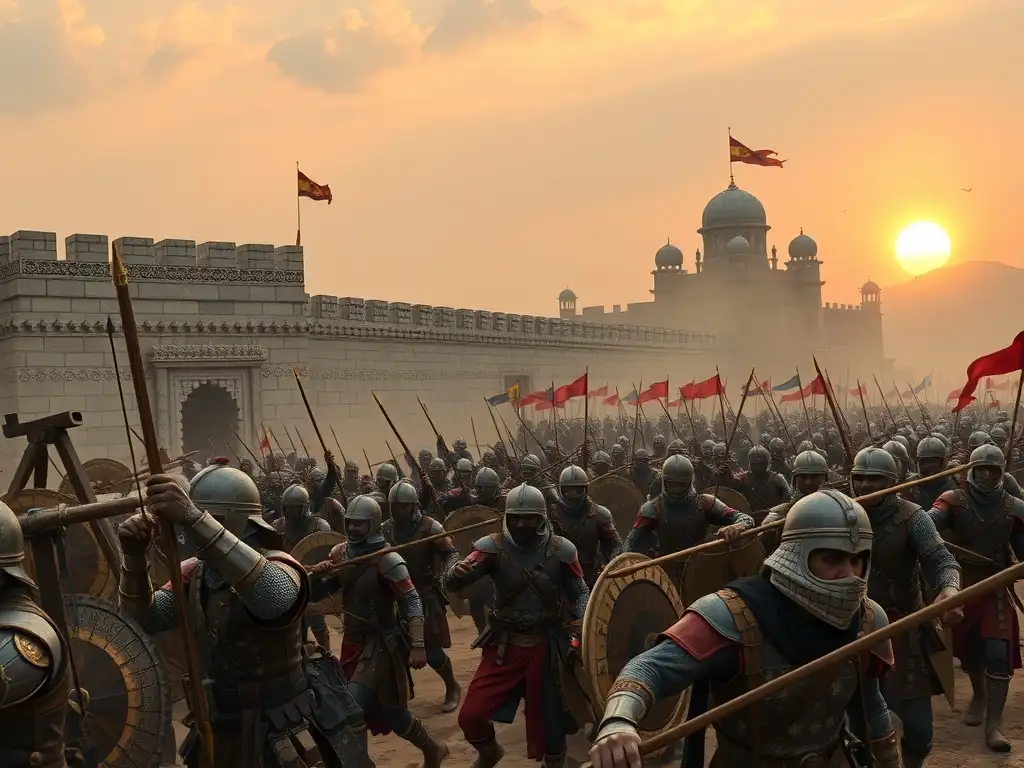
Welcome to Ancient India History, where we embark on a fascinating journey through the rich tapestry of India's past. In this exploration, we delve into the intricate world of Ancient Indian siege warfare tactics, uncovering the ingenious strategies and innovations that shaped military engagements from the Indus Valley to the Gupta Empire.
Prepare to be captivated as we unveil the stories behind these remarkable tactics and the pivotal case studies that highlight their significance. Join us as we turn the pages of history and discover how the art of war was masterfully crafted in ancient India, inviting you to explore further into this enthralling chapter of military history.
- Introduction to Ancient Indian Siege Warfare Tactics
- Historical Context of Siege Warfare in Ancient India
- Key Tactics Used in Ancient Indian Siege Warfare
- Case Studies of Notable Sieges in Ancient India
- Comparison of Ancient Indian Siege Warfare Tactics with Other Civilizations
- The Impact of Geography on Siege Warfare Tactics
- Conclusion: The Legacy of Ancient Indian Siege Warfare Tactics
-
Frequently Asked Questions
- What were the primary tactics used in ancient Indian siege warfare?
- How did geography influence siege warfare in ancient India?
- Can you provide an example of a significant siege in ancient Indian history?
- What role did technology play in siege warfare during ancient Indian times?
- How did the tactics of ancient Indian siege warfare evolve over time?
- Final Reflection: The Enduring Legacy of Ancient Indian Siege Warfare Tactics
- Unveil the Power of Siege Tactics!
Introduction to Ancient Indian Siege Warfare Tactics
Siege warfare has played a pivotal role in the military history of ancient India, showcasing the ingenuity and strategic acumen of its civilizations from the Indus Valley to the Gupta Empire. This form of warfare, which often involved surrounding and isolating a fortified position, was not merely a matter of brute force but required a deep understanding of tactics, resources, and psychological warfare.
As we delve into the intricacies of ancient Indian siege warfare tactics, we will uncover the various methods employed by Indian rulers and commanders to outmaneuver and overpower their enemies. This exploration is essential for grasping the broader context of ancient Indian military strategies and their lasting impact on the subcontinent's history.
Overview of Siege Warfare in Ancient India
Siege warfare in ancient India was influenced by a variety of factors, including geography, architecture, and the political landscape. The diverse terrains of the subcontinent, from fortified cities to rugged mountains, necessitated a range of approaches and tactics. Key historical texts, such as the Arthashastra by Kautilya, provide insight into the strategies employed during sieges, emphasizing the importance of planning, intelligence gathering, and the use of technology.
Some notable characteristics of siege warfare in ancient India included:
- Fortifications: Cities were often built with robust walls and gates, making them difficult to breach. The use of stone, brick, and mud was common in fort construction.
- Siege Engines: The development and use of siege engines, such as battering rams and catapults, were documented in historical accounts, allowing attacking forces to breach defenses.
- Psychological Warfare: Psychological tactics, including the use of propaganda and misinformation, played a crucial role in demoralizing defenders.
Importance of Tactics in Military Strategies
The success of ancient Indian siege warfare was largely dependent on the tactical decisions made by military leaders. Effective tactics could mean the difference between victory and defeat, highlighting the significance of preparation and adaptability. Some key aspects of military tactics in the context of siege warfare included:
- Reconnaissance and Intelligence: Gathering information about the enemy's defenses and resource availability was critical. Commanders often deployed scouts to assess the strengths and weaknesses of a besieged city.
- Resource Management: Ensuring a steady supply of food, water, and ammunition was vital during prolonged sieges. Ancient Indian armies developed methods to secure resources while cutting off supplies to their enemies.
- Coalition Building: Forming alliances with local rulers or neighboring states was a common tactic to strengthen military positions and increase manpower.
Understanding these tactics not only sheds light on the military prowess of ancient Indian civilizations but also illustrates their innovative approaches to warfare that influenced subsequent generations.
Historical Context of Siege Warfare in Ancient India
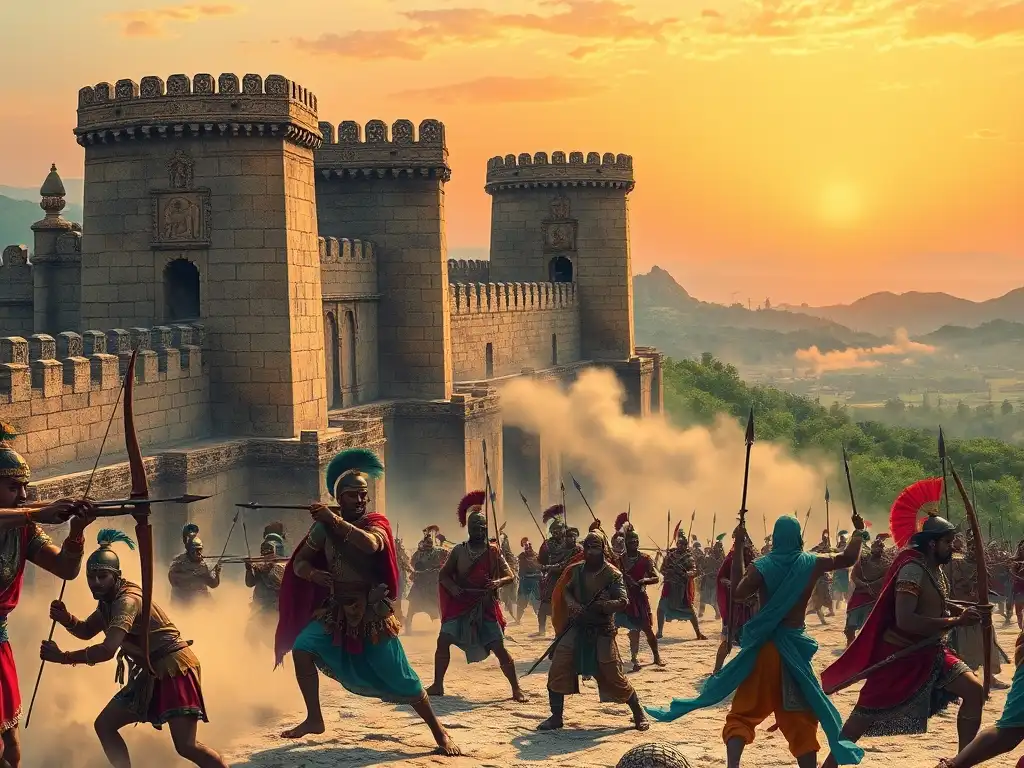
Siege warfare in ancient India has a rich and varied history, reflecting the complex socio-political landscapes and military strategies developed by its civilizations. Understanding the historical context of siege warfare is essential to appreciate how ancient Indian societies engaged in and evolved their military tactics in response to internal and external challenges.
Evolution of Warfare in Ancient Indian Civilizations
The evolution of warfare in ancient Indian civilizations can be traced back to the Indus Valley Civilization (c. 3300–1300 BCE), where urban planning and fortifications suggest an early understanding of defense mechanisms. Archaeological sites, such as Mohenjo-Daro and Harappa, demonstrate the existence of fortified cities with walls made of baked brick, indicating the necessity for protection against invaders.
As time progressed, the military strategies of ancient India became more sophisticated. By the Vedic period (c. 1500–500 BCE), the concept of warfare had shifted from primarily defensive measures to more organized offensive campaigns. The introduction of chariots, cavalry, and infantry units marked a significant change in tactics. The use of cavalry allowed for greater mobility, enabling forces to conduct raids and sieges more effectively.
The Maurya Empire (c. 322–185 BCE) exemplified the maturity of ancient Indian military organization, where large standing armies were maintained. Under leaders like Chandragupta Maurya and his grandson Ashoka, siege tactics were further refined. The Mauryan military utilized elephants not only as mounts but also as a psychological tool in siege warfare, intimidating the enemy and breaking through fortifications.
By the time of the Gupta Empire (c. 240–550 CE), siege warfare had become an integral aspect of military strategy. The Guptas are known for their comprehensive military treatises, which detailed various siege tactics, including the use of siege engines and battering rams. The evolution of warfare in ancient India reflects a blend of technological advancements and strategic innovations that shaped the practice of siege warfare.
Key Periods of Siege Warfare: From the Indus Valley to the Gupta Empire
The practice of siege warfare in ancient India can be categorized into several key periods, each marked by distinct tactics and notable events.
- Indus Valley Civilization (c. 3300–1300 BCE):
- Fortifications: The cities were equipped with impressive walls and drainage systems, showcasing early defensive tactics.
- Limited Evidence of Siege Warfare: While there is little direct evidence of sieges, the need for fortifications implies the anticipation of conflict.
- Vedic Period (c. 1500–500 BCE):
- Emergence of Chariots and Cavalry: The introduction of new military technologies paved the way for more aggressive tactics.
- Conflict over Resources: Warfare shifted from ritualized confrontations to resource-driven conflicts, leading to more strategic sieges.
- Maurya Empire (c. 322–185 BCE):
- Large Standing Armies: The Mauryan military structure facilitated organized siege campaigns.
- Strategic Use of Elephants: Elephants were employed to breach walls and instill fear in enemy troops. The siege of Pataliputra is a notable example, where tactics were employed to minimize casualties.
- Gupta Empire (c. 240–550 CE):
- Refinement of Siege Engines: The use of advanced siege technologies, including battering rams and catapults, became prevalent.
- Notable Sieges: Historical accounts of key sieges during this period, such as the siege of Kannauj, demonstrate the tactical prowess of Gupta forces.
The key periods of siege warfare in ancient India illustrate how military tactics evolved in response to the changing dynamics of conflict and power. Each civilization contributed to the development of siege warfare, leaving a legacy that reflects the intricate interplay between technology, strategy, and the political landscape of ancient India.
Key Tactics Used in Ancient Indian Siege Warfare
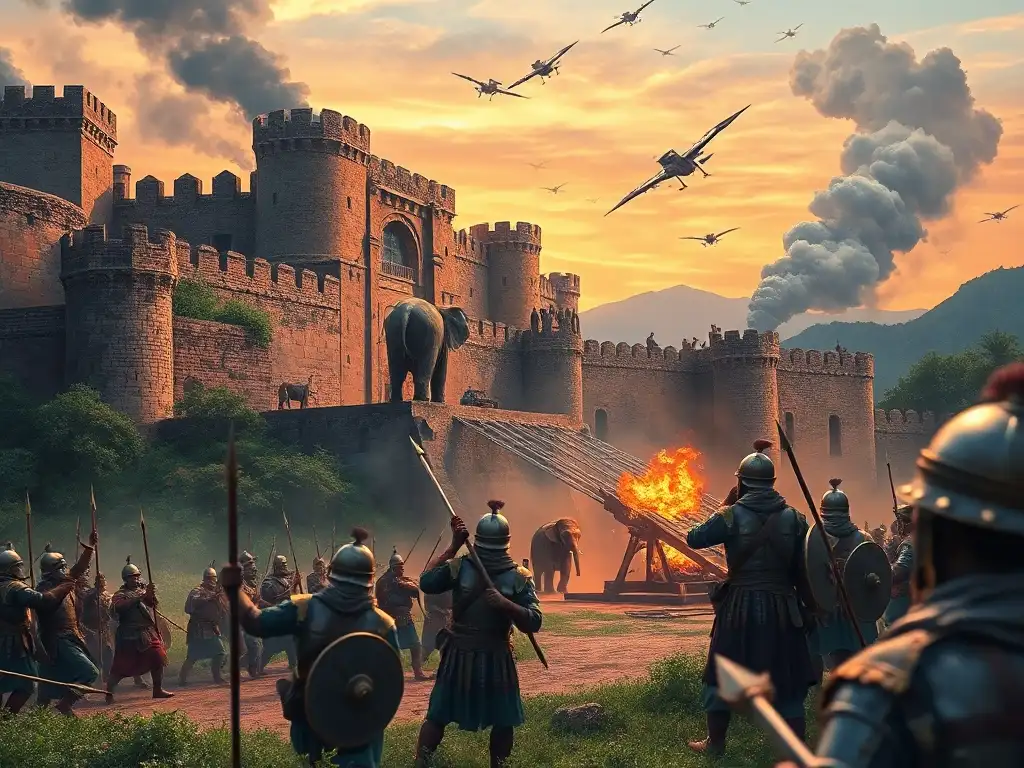
Strategic Planning in Siege Operations
Strategic planning was a cornerstone of ancient Indian siege warfare tactics, characterized by meticulous preparation and foresight. Commanders would analyze the strengths and weaknesses of their enemies, focusing on geographical advantages and resource availability. The following elements were crucial in planning successful sieges:
- Reconnaissance: Detailed scouting missions were conducted to gather intelligence on the enemy's fortifications, supply lines, and troop movements. This information was vital in formulating an effective strategy.
- Logistics: Effective management of resources such as food, water, and ammunition was essential. Commanders ensured that their forces were well-supplied, particularly during prolonged sieges, to maintain morale and combat readiness.
- Timing: Assessing the right moment to initiate a siege was critical. Factors such as seasonal weather patterns and the enemy's state of preparedness influenced the decision-making process.
- Coalition Building: Ancient Indian rulers often sought alliances with neighboring states or local chieftains to strengthen their siege capabilities. Such coalitions could provide additional troops, resources, and intelligence.
Use of Fortifications and Defensive Structures
Fortifications played a pivotal role in ancient Indian warfare, particularly during sieges. The design and construction of these defensive structures were tailored to withstand prolonged assaults. Key aspects include:
- Types of Fortifications: Ancient Indian forts were often constructed using locally available materials such as stone, brick, and earth. Prominent examples include the forts of Rajputana, which featured high walls, bastions, and moats designed to repel invaders.
- Layered Defense Systems: Many forts employed multi-layered defenses, involving outer walls, inner citadels, and additional barriers like ditches and spikes. This complexity made it challenging for besieging forces to penetrate.
- Garrison Troops: Forts were typically manned by a garrison of soldiers who were trained to defend against sieges. These troops played a crucial role in maintaining the morale of the defenders and executing counterattacks when necessary.
- Water Sources: Forts were often strategically located near rivers or wells, ensuring a reliable water supply during sieges. This advantage was critical in prolonging the defenders' ability to withstand attacks.
Psychological Warfare and Deception Tactics
Psychological warfare was an integral component of ancient Indian siege tactics. Commanders employed various methods to undermine enemy morale and sow discord among their ranks. The following tactics were commonly utilized:
- Misinformation: Spreading false information about reinforcements or the strength of the besieging force was a common tactic. This could lead to panic and disarray within the enemy camp.
- Use of Propaganda: Rulers often utilized propaganda to portray themselves as invincible or divinely sanctioned, aiming to intimidate the defenders and demoralize them.
- Deceptive Strategies: Ancient Indian commanders sometimes feigned retreats or staged false attacks to lure the enemy into vulnerable positions. This tactic could create openings for a surprise assault.
- Psychological Operations: Efforts to intimidate the enemy included showcasing captured soldiers or displaying the heads of defeated foes. Such actions were meant to send a clear message about the consequences of resistance.
The key tactics employed in ancient Indian siege warfare were multifaceted, combining strategic planning, robust fortifications, and psychological operations. These elements collectively contributed to the effectiveness of sieges throughout ancient Indian history, demonstrating the sophistication of military strategies employed during this period.
Case Studies of Notable Sieges in Ancient India
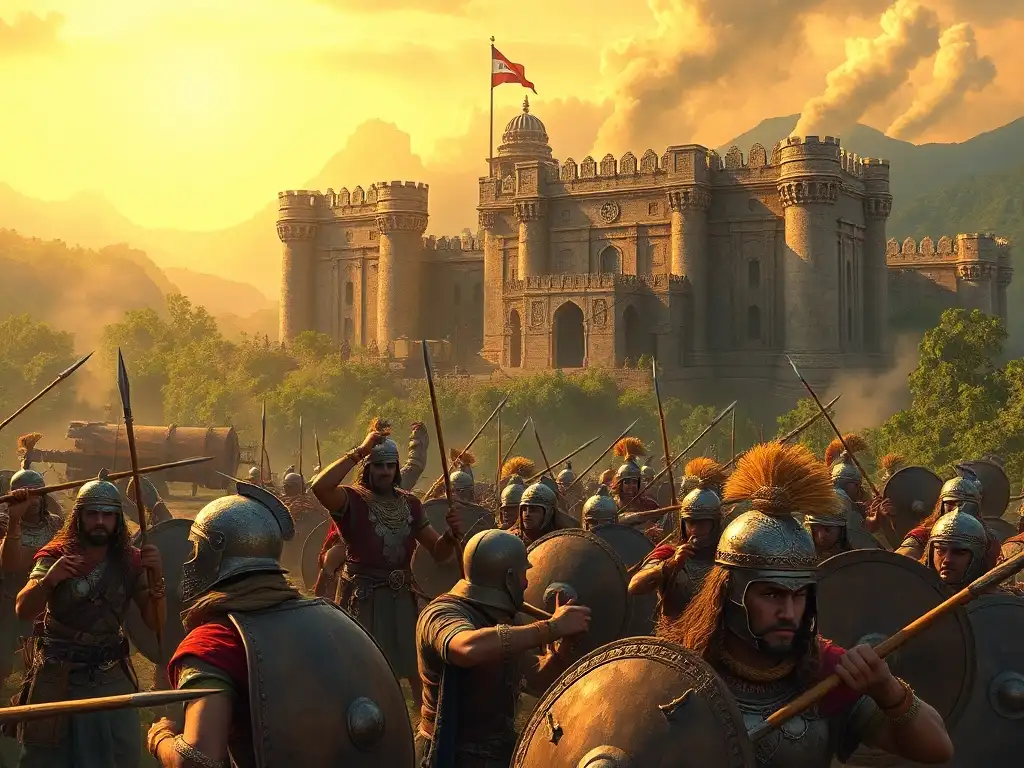
The Siege of Hastinapura: A Historical Analysis
The Siege of Hastinapura is a significant event in ancient Indian history, primarily documented in the Mahabharata. This siege showcases the military tactics employed during the Kuru dynasty and highlights the strategic importance of Hastinapura as a political and military center.
Background and Context
Hastinapura served as the capital of the Kuru Kingdom, and its location was vital due to its proximity to the Ganges River and fertile plains. The conflict arose as a result of dynastic struggles between the Pandavas and Kauravas. The siege was not merely a military endeavor but also a reflection of the socio-political dynamics of the time.
Tactics Employed
- Fortifications and Defensive Structures:
- The city was well-fortified with walls and moats, designed to withstand prolonged sieges.
- Psychological Warfare:
- The Kauravas used psychological tactics to demoralize the Pandavas, spreading misinformation and employing spies.
- Siege Engines:
- Historical texts mention the use of rams and catapults, which were essential in breaching the defenses of Hastinapura.
Outcomes and Implications
The siege ultimately ended without a conclusive victory for either side, leading to the Kurukshetra War. The tactics observed here have been studied extensively, providing insights into the military strategies of ancient Indian warfare. The events surrounding the siege emphasize the role of alliances and the significance of morale in warfare.
The Siege of Kalinga: Tactics and Outcomes
The Siege of Kalinga remains one of the most notable examples of ancient Indian siege warfare, primarily due to its historical context and the subsequent transformation it sparked in Indian society.
Historical Background
The conflict arose during the reign of Ashoka the Great in the 3rd century BCE. Kalinga was a prosperous region with strategic trade routes, making it a target for expansionist policies. The war is famously noted for its brutality and significant loss of life.
Tactical Approaches
- Comprehensive Planning:
- Ashoka meticulously planned the siege, gathering intelligence on Kalinga’s defenses and troop movements.
- Use of Siege Equipment:
- The Mauryan army utilized elephants to charge the walls and battering rams to breach fortifications, demonstrating advanced engineering in warfare.
- Naval Blockade:
- Control of waterways was crucial; the Mauryan navy blockaded Kalinga’s ports, cutting off supplies and reinforcements.
Outcomes and Aftermath
The siege resulted in a decisive Mauryan victory, but the immense casualties led Ashoka to embrace Buddhism and advocate for peace over conquest. The transformation of Ashoka’s policies post-siege is a pivotal moment in ancient Indian history, illustrating the profound impact of warfare on societal values.
The Siege of Pataliputra: Lessons Learned
Pataliputra, the capital of the Mauryan Empire, faced multiple sieges throughout its history, particularly notable during the struggles against Chandragupta Maurya and later invasions.
Strategic Importance
As a political and cultural hub, Pataliputra was fortified with impressive walls made of brick and wood, and its location offered both defensive advantages and access to trade routes.
Key Tactics Utilized
- Layered Defense Systems:
- The city’s defenses included multiple walls, moats, and watchtowers, allowing for layered protection against invading forces.
- Guerrilla Tactics:
- The defenders often employed guerrilla tactics, launching surprise attacks on besieging forces and using the urban landscape to their advantage.
- Diplomatic Maneuvering:
- Alliances were crucial; the Mauryan leaders would often negotiate with neighboring states to secure their support during sieges.
Lessons Learned
The sieges of Pataliputra illustrate the complexity of ancient warfare, combining military tactics with diplomacy and psychological strategies. The ability to adapt and learn from previous encounters shaped the military doctrines of subsequent Indian empires, emphasizing the importance of both fortification and alliances in siege warfare.
These case studies of notable sieges in ancient India reveal the intricate tactics and strategies that defined ancient Indian siege warfare. Understanding these historical events not only offers insights into military history but also reflects the broader socio-political landscape of ancient Indian civilizations.
Comparison of Ancient Indian Siege Warfare Tactics with Other Civilizations
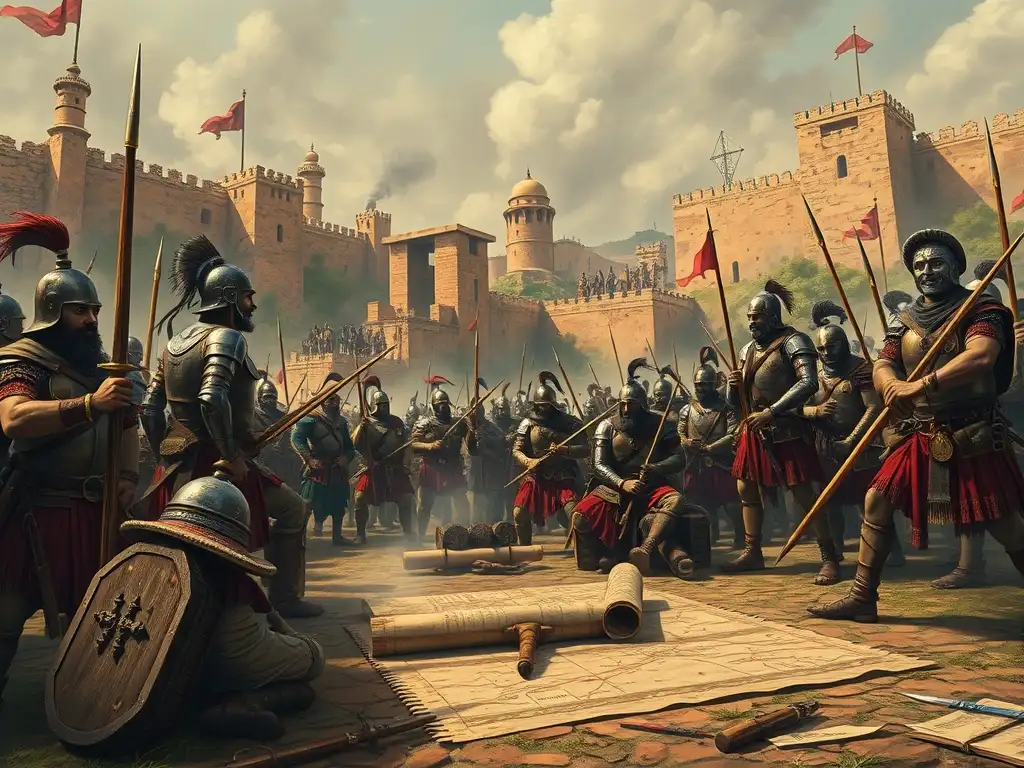
Tactics Used in Ancient Indian Warfare vs. Roman Siege Techniques
Ancient Indian siege warfare tactics exhibited distinct strategies when compared to the well-documented Roman methods. The Romans were known for their advanced engineering capabilities, employing siege engines like ballistae and onagers to hurl projectiles over walls. Their approach often involved surrounding the enemy's fortifications, cutting off supplies, and using battering rams to breach gates.
In contrast, Ancient Indian siege tactics were heavily influenced by the geography and fortification styles of the Indian subcontinent. The following key tactics were prevalent:
- Scaling and Breaching: Indian armies often utilized ladders to scale walls, while also employing mining techniques to undermine fortifications. This method was notable in battles such as the siege of Chittorgarh, where attackers sought to weaken the foundation of the walls.
- Psychological Warfare: Indian commanders frequently leveraged deception and intimidation. For instance, they would create false camps or use loud noises to instill fear in the defenders, as seen in the historical accounts of Raja Raja Chola I.
- Use of Elephants: The deployment of war elephants during sieges was a hallmark of Indian tactics, serving both as a means of direct assault against gates and as a psychological tool to intimidate defenders.
| Aspect | Ancient Indian Tactics | Roman Tactics |
|---|---|---|
| Breach Techniques | Mining, scaling walls, using elephants | Battering rams, siege towers |
| Psychological Warfare | Deception, noise, and intimidation | Propaganda, showcasing strength |
| Engineering | Less focus on machines; use of local terrain | Advanced machines and siege engines |
While both civilizations employed effective siege tactics, the Indian methods were often more reliant on psychological elements and the unique use of local resources, such as elephants, which set them apart from the heavily engineered Roman approaches.
Unique Aspects of Indian Siege Warfare Compared to Chinese Tactics
When examining the unique aspects of Indian siege warfare tactics in relation to Chinese methods, several notable differences emerge. The Chinese military, particularly during the Warring States Period, developed sophisticated siege techniques, including the use of fire arrows and siege towers that could transport troops over walls.
In contrast, ancient Indian siege warfare was characterized by:
- Geographical Adaptation: Indian armies often adapted their tactics to the diverse terrains, such as dense forests or mountainous regions. They utilized natural barriers to their advantage, whereas Chinese tactics were more standardized across similar types of terrains.
- Cultural Integration: The Indian approach to warfare frequently integrated local customs and strategies. For instance, the use of local militia and alliances with neighboring tribes provided an advantage during sieges, a practice less emphasized in traditional Chinese warfare.
- Community Involvement: During sieges, the entire community often played a role in defense. Historical records indicate that citizens participated in the defense of cities like Ajanta and Ellora, providing resources and support to the military, which contrasts with the more centralized military efforts seen in ancient China.
| Aspect | Ancient Indian Tactics | Chinese Tactics |
|---|---|---|
| Terrain Utilization | Adaptation to diverse geographies | Standardized tactics across terrains |
| Community Role | Involvement of local population | Centralized military efforts |
| Techniques | Emphasis on psychological tactics and local alliances | Use of advanced siege machinery |
Overall, while both civilizations developed advanced siege techniques, ancient Indian siege warfare was often more fluid and adaptable to local conditions and community involvement, contrasting with the more uniform and machinery-focused Chinese approach. This diversity in tactics reflects the rich tapestry of military history in ancient India and its ability to respond dynamically to the challenges of siege warfare.
The Impact of Geography on Siege Warfare Tactics
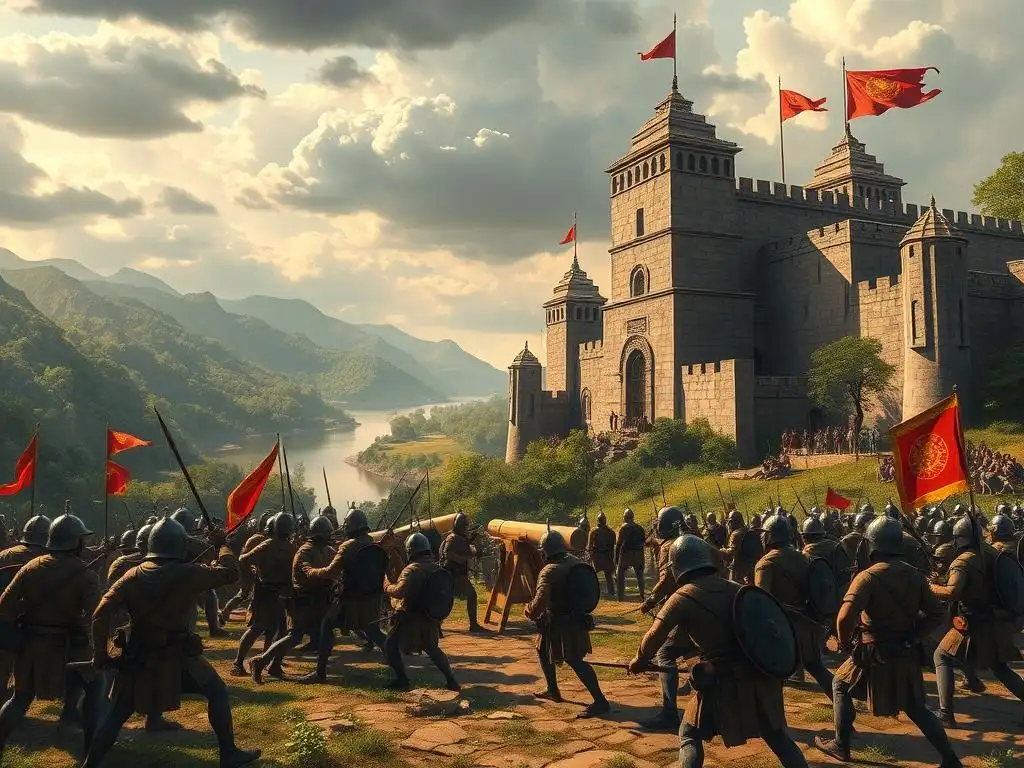
The geographical landscape of ancient India played a crucial role in shaping siege warfare tactics. The diverse terrains, ranging from arid deserts to lush river valleys, demanded distinct strategies that were tailored to the specific environmental conditions. Understanding how geography influenced siege tactics not only provides insight into military strategies but also highlights the adaptability of ancient Indian civilizations.
Terrain and its Role in Defensive and Offensive Strategies
The varied terrain of ancient India significantly affected both defensive and offensive siege strategies. Key aspects include:
- Fortifications on High Ground: Many ancient Indian cities were built on elevated areas or hilltops, such as the forts of Chittorgarh and Gwalior. This natural elevation allowed defenders to gain a tactical advantage over attackers, making it difficult for besieging forces to approach without suffering heavy casualties.
- River Valleys as Natural Barriers: Major river systems, like the Ganges and Indus, provided both a source of sustenance and a natural barrier. These rivers were often strategically used to defend against sieges. For instance, attackers had to contend with the challenges posed by crossing rivers, which were often fortified with watchtowers and defensive structures.
- Urban Layout and Architecture: The design of ancient Indian cities, often characterized by intricate walls and moats, was integral to their defense. The use of thick walls of stone and mud, along with strategically placed gates, created formidable obstacles for besieging armies. A notable example is the city of Mohenjo-Daro, which featured advanced urban planning that enhanced its defensive capabilities.
- Terrain Utilization: Attackers often had to adapt their tactics to exploit the terrain. For example, in densely forested areas, guerrilla tactics were employed to ambush enemy forces and disrupt supply lines. This approach was particularly effective in regions like the Western Ghats, where dense foliage provided cover for smaller, mobile units.
Climate Considerations in Planning Sieges
The climate of ancient India, characterized by distinct seasons and varying weather patterns, significantly influenced the planning and execution of sieges. Key considerations included:
- Monsoon Seasons: The Indian monsoon, bringing heavy rains, posed challenges for both attackers and defenders. Sieges were often planned around the dry season to avoid the difficulties of muddy terrain and disrupted supply lines. For instance, historical records indicate that many sieges were initiated post-monsoon, when resources were more accessible and weather conditions favored military operations.
- Heat and Drought: In arid regions, prolonged sieges could lead to severe water shortages. Armies needed to secure water sources to sustain their troops. Defensive strategies often included the creation of reservoirs and cisterns to withstand prolonged sieges. The ability to control access to water became a critical factor in determining the outcome of many conflicts.
- Seasonal Migration and Supply Routes: The movement of troops and supplies was heavily influenced by the climate. During the harvest season, armies were more likely to gather resources from agricultural lands, while in the dry season, they faced the challenge of limited food supplies. The successful management of supply routes was essential, with commanders needing to account for the seasonal availability of food and water.
- Adaptation to Local Conditions: Commanders often adapted their strategies based on local climate conditions. For example, in the cooler regions of northern India, night assaults became more feasible during the summer months, as the heat of the day could hinder troop movement. This adaptability demonstrated the strategic acumen of ancient Indian military leaders in leveraging climatic factors to their advantage.
The interplay between geography and climate was pivotal in shaping ancient Indian siege warfare tactics. The ability to adapt to diverse terrains and climatic challenges not only illustrated the military ingenuity of ancient civilizations but also emphasized the importance of environmental factors in warfare. Understanding these elements provides a deeper appreciation of the complexities involved in ancient Indian military history.
Conclusion: The Legacy of Ancient Indian Siege Warfare Tactics
The legacy of ancient Indian siege warfare tactics is not only a testament to the military ingenuity of the time but also reflects the socio-political dynamics of ancient Indian civilizations. With a strategic emphasis on fortification, resource management, and psychological warfare, these tactics have left an indelible mark on the evolution of military strategies in subsequent eras. The methodologies employed during sieges reveal a sophisticated understanding of both offensive and defensive operations, demonstrating that ancient Indian military leaders were adept at adapting to the unique challenges presented by their environments and adversaries.
Lasting Influence on Modern Military Strategies
The principles of ancient Indian siege warfare have had a profound influence on modern military strategies, particularly in the areas of urban warfare and fortification techniques. Key lessons drawn from these ancient practices include:
- Fortification Design: The use of strongholds and fortified cities, such as those seen in the Indus Valley civilization or the Gupta Empire, has inspired contemporary military architects to design resilient urban defenses. Modern military installations often incorporate similar principles of elevation, thick walls, and strategic positioning.
- Psychological Warfare: Tactics that involved the demoralization of the enemy, such as the use of deception and misinformation, are still relevant today. The ancient practice of employing spies and intelligence gathering is mirrored in contemporary reconnaissance operations.
- Resource Management: Effective sieges often relied on the control of water sources and food supplies. This aspect of siege warfare is echoed in modern military logistics, where securing supply lines is crucial for sustaining operations.
- Collaborative Warfare: The alliances formed during sieges in ancient India highlight the importance of coalition-building in military campaigns, a strategy that remains vital in contemporary geopolitical contexts.
These insights reflect how ancient Indian siege warfare tactics have transcended time, influencing modern military doctrines across the globe.
Reflections on the Cultural Significance of Siege Warfare in Ancient India
Siege warfare in ancient India was not merely a military endeavor; it also held substantial cultural significance. The narratives surrounding these sieges often found their way into literature, art, and folklore, contributing to the collective identity of various kingdoms. Key reflections include:
- Symbol of Power: Successful sieges were often celebrated as symbols of strength and resilience. Kings and commanders who achieved notable victories were immortalized in texts, further enhancing their legacy and the cultural ethos of their respective regions.
- Impact on Architecture: The construction of citadels and forts, driven by the necessity of defense against sieges, led to significant architectural advancements. Many of these structures, like the forts of Rajasthan, are not only military relics but also UNESCO World Heritage sites, showcasing the artistic and engineering prowess of the time.
- Cultural Exchange: The interactions that occurred during sieges often facilitated the exchange of ideas, art, and culture among diverse groups. This exchange enriched the social fabric of ancient India, resulting in a blend of traditions that can still be observed today.
- Moral Dilemmas: The ethical considerations surrounding siege warfare, including the treatment of civilians and prisoners, influenced philosophical discussions in ancient texts. These discussions continue to resonate in contemporary debates on military ethics and humanitarian law.
Ancient Indian siege warfare tactics exemplify a rich tapestry of military strategy, cultural significance, and architectural innovation that has shaped both historical and modern narratives. The enduring legacy of these tactics is a testament to the ingenuity and resilience of ancient Indian civilizations.
Frequently Asked Questions
What were the primary tactics used in ancient Indian siege warfare?
Ancient Indian siege warfare employed strategic techniques such as surrounding fortified locations, using siege engines, and employing psychological warfare to demoralize the enemy.
How did geography influence siege warfare in ancient India?
The diverse geography of India, including mountains and rivers, shaped tactical approaches. Defenders often utilized natural barriers to strengthen their positions during sieges.
Can you provide an example of a significant siege in ancient Indian history?
One notable example is the Siege of Chandragupta Maurya against the Nandas, showcasing the use of deception and alliances to overcome a powerful enemy.
What role did technology play in siege warfare during ancient Indian times?
Technological advancements such as the use of catapults, battering rams, and towers enhanced the effectiveness of siege tactics, allowing attackers to breach fortified walls.
How did the tactics of ancient Indian siege warfare evolve over time?
Over the centuries, tactics evolved through cultural exchanges with neighboring civilizations, incorporating new strategies and technologies from different regions, which enriched Indian military practices.
Final Reflection: The Enduring Legacy of Ancient Indian Siege Warfare Tactics
The study of ancient Indian siege warfare tactics remains profoundly relevant today, as it reveals the intricate strategies and resilience of civilizations that shaped the subcontinent's history. Understanding these tactics not only enriches our knowledge of military history but also highlights the ingenuity and adaptability of ancient societies in the face of conflict. The lessons learned from these historical engagements resonate with contemporary military strategies and the importance of strategic planning in various fields.
The influence of ancient Indian siege warfare tactics extends beyond the battlefield; it has permeated cultural narratives and shaped societal values around resilience and ingenuity. The stories of legendary sieges and the tactics employed reflect a rich tapestry of human experience that continues to inspire modern thinkers and strategists. History is not just about the past; it is a guide to the future.
This quote encapsulates the idea that the lessons from ancient warfare can inform our understanding of conflict resolution and strategy in today's world.
As we reflect on the intricate strategies of ancient Indian siege warfare, I invite you to consider how these lessons can be applied in your own life. Think about the challenges you face and the strategies you can employ to overcome them. Whether in personal endeavors or professional pursuits, the principles of resilience, adaptability, and strategic thinking found in ancient tactics can empower you to navigate your own sieges. Embrace the wisdom of the past as you forge your path into the future, drawing inspiration from the rich history that surrounds us.
Unveil the Power of Siege Tactics!
Thank you for diving into the fascinating world of ancient Indian siege warfare! We hope you found inspiring insights and a wealth of tactical knowledge throughout this article. Now, it’s time to take action and deepen your understanding.
Here are some engaging steps you can take next:
- Explore historical case studies of sieges beyond what you've read here. Delve into books or documentaries that highlight the most significant ancient sieges in history.
- Share your thoughts by discussing siege tactics in our community forum—what aspects of ancient warfare intrigue you the most?
- Consider writing a brief article on how these tactics can be adapted to modern strategic thinking—you might uncover some surprising parallels!
Which siege tactic from ancient India do you believe could be effectively applied in today's context? Share your insights below!