
The Connection Between Ancient Indian Warfare and Modern Nationalism

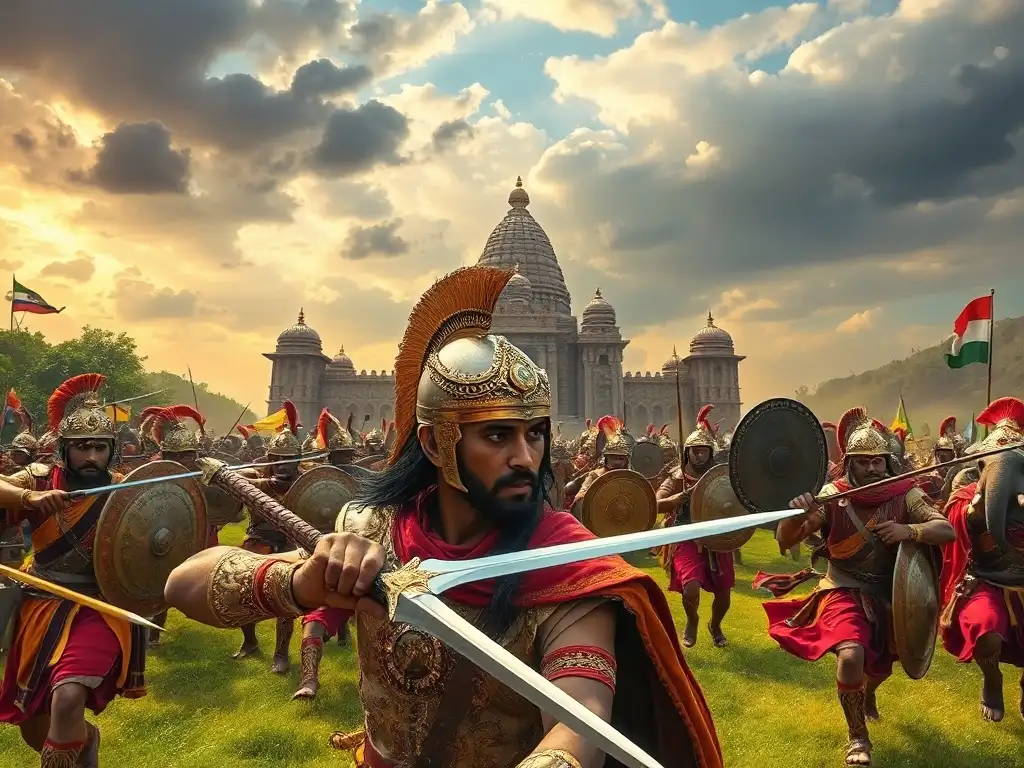
Welcome to Ancient India History, where we invite you to embark on a captivating journey through the rich tapestry of ancient Indian civilizations. As we delve into the intricate world of ancient Indian warfare history, you'll discover how battles, strategies, and valor not only shaped the past but also laid the groundwork for modern nationalism. What connections can we uncover between the fierce warriors of the Gupta Empire and today’s national identity?
Join us as we explore these profound ties and more, igniting your curiosity and expanding your understanding of this remarkable era. Dive in to learn how the echoes of ancient conflicts resonate in our contemporary world!
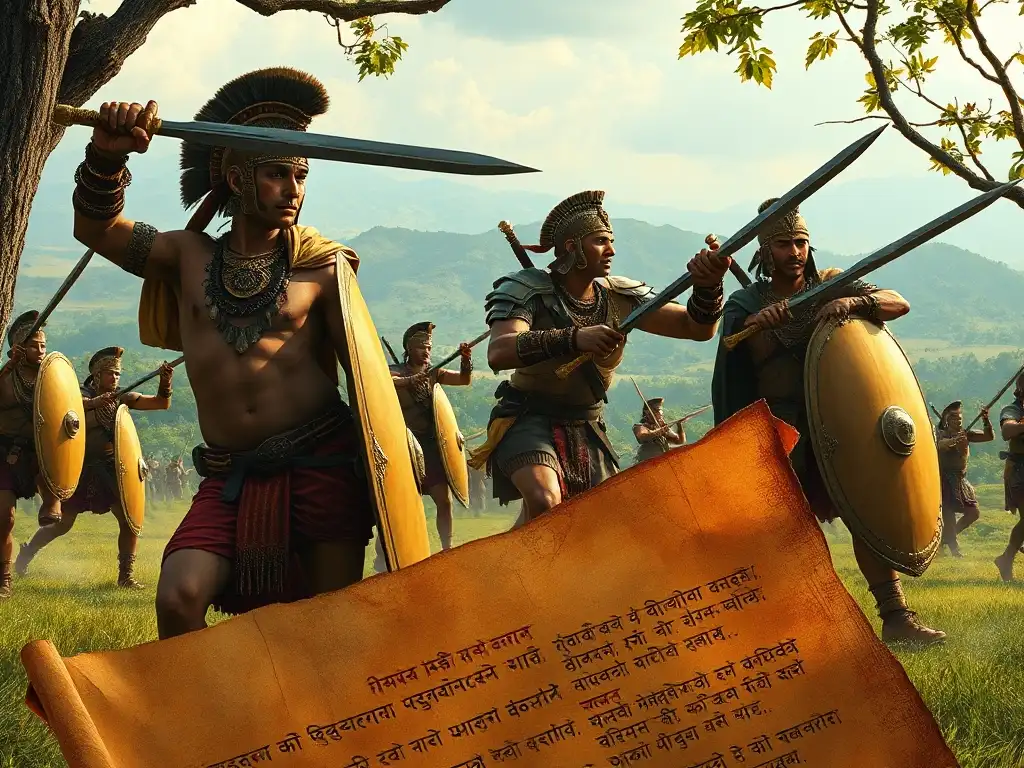
Introduction to Ancient Indian Warfare History
The history of ancient Indian warfare is a fascinating tapestry that weaves together the strategies, technologies, and philosophies of conflict from a time when empires rose and fell, shaping the subcontinent's socio-political landscape. Understanding this history not only sheds light on the military practices of ancient civilizations—such as the Indus Valley, Maurya, and Gupta empires—but also highlights the profound influence these practices have had on the evolution of national identity and modern nationalism in India.
As we explore the intricate connection between ancient Indian warfare and contemporary nationalist sentiments, we can better appreciate how historical narratives of valor and strategy play a pivotal role in shaping collective memory and identity.
Overview of Warfare in Ancient India
Warfare in ancient India was characterized by a distinctive blend of tactics, weapons, and philosophies. The ancient texts like the Arthashastra by Kautilya and the Mahabharata provide invaluable insights into the strategies and ethical considerations surrounding warfare.
- Key Elements of ancient Indian warfare included:
- Chariots and Elephants: Used extensively in battles for mobility and strength.
- Infantry: Formed the backbone of many armies, employing various weapons such as swords, spears, and bows.
- Naval Warfare: Although less documented, ancient texts suggest that certain regions engaged in maritime conflict.
The significance of these elements is not just military; they reflect the broader cultural and technological advancements of the time.
Significance of Ancient Indian Warfare in Historical Context
The significance of ancient Indian warfare transcends mere military success. It played a crucial role in the establishment and consolidation of empires, influencing trade routes, cultural exchanges, and even diplomatic relations between states.
- Cultural Integration: Warfare often led to the integration of diverse cultures and communities. Victorious empires frequently absorbed the customs and practices of conquered territories, fostering a rich cultural amalgamation.
- Philosophical Underpinnings: The ethical considerations of warfare, as articulated in texts such as the Bhagavad Gita, highlight the philosophical dilemmas faced by warriors and rulers, influencing subsequent generations' views on duty and righteousness in conflict.
Evolution of Warfare in Ancient India
The evolution of warfare in ancient India can be traced through various significant periods, each marked by distinctive shifts in military tactics, technology, and societal impact.
Major Periods of Warfare in Ancient Indian History
- Indus Valley Civilization (c. 3300 – 1300 BCE):
- Characterized by fortified cities and evidence of organized governance.
- Vedic Period (c. 1500 – 500 BCE):
- Emergence of the Kshatriya warrior class and the codification of warfare in Vedic texts.
- Maurya Empire (c. 322 – 185 BCE):
- Notable for its centralized military and the use of elephants in warfare.
- Gupta Empire (c. 240 – 550 CE):
- Marked by significant advancements in military strategies and technologies.
Key Battles and Their Impact on Society
Several key battles in ancient Indian history had a profound impact on the societal structure and the political landscape of the time.
- The Battle of Kurukshetra: A legendary conflict from the Mahabharata that symbolizes the moral complexities of war.
- The Battle of Magadha: Essential in the rise of the Mauryan Empire, showcasing strategic brilliance.
These battles not only reflected the martial prowess of the time but also influenced subsequent political ideologies and nationalistic sentiments, which continue to resonate in modern India.
The exploration of ancient Indian warfare history is not merely an academic exercise; it serves as a critical lens through which we can analyze the roots of contemporary nationalism and identity in India. Understanding these connections enriches our appreciation of both the past and the present narratives that shape the nation.
The Cultural Influence of Ancient Indian Warfare
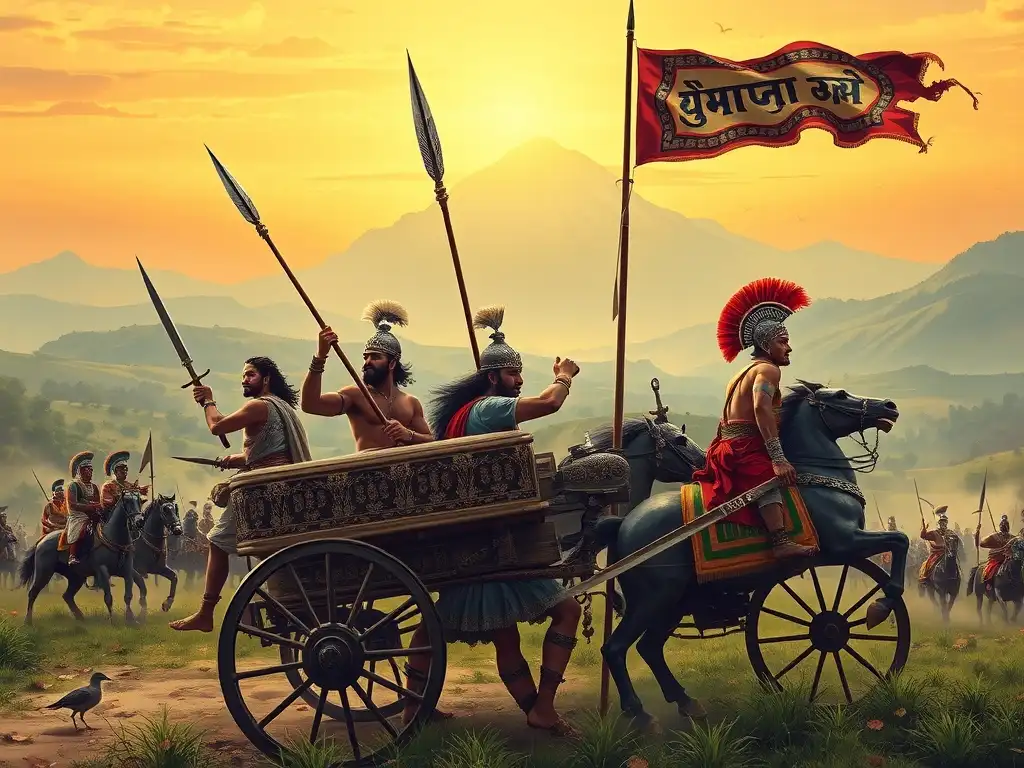
Ancient Indian warfare was not merely a means of conflict; it intertwined deeply with the cultural and spiritual fabric of the civilization. The practices, strategies, and philosophies surrounding warfare significantly influenced various aspects of society, including literature, art, and religious beliefs. The valor of warriors and the principles of honor and duty prominent in ancient texts shaped the collective consciousness of communities. This cultural influence extended beyond the battlefield, embedding itself into the societal values that persist in modern Indian nationalism.
The rituals associated with warfare, such as the invocation of deities for victory and the observance of codes of honor, reflect a broader cultural narrative where military prowess was revered. This reverence played a crucial role in shaping the identity of ancient Indian states and their leaders, often depicted as divine or semi-divine figures in various cultural expressions. As a result, the legacy of ancient warfare continues to resonate in contemporary national identity, where the valor of past warriors is commemorated and celebrated.
Literature and Warfare: Epics and Treatises
The influence of ancient Indian warfare is vividly captured in its literature, particularly in epic texts like the Mahabharata and the Ramayana. These epics not only narrate tales of heroism and valor but also encapsulate the philosophical underpinnings of warfare. The Bhagavad Gita, a key component of the Mahabharata, presents a dialogue on duty (dharma) and righteousness in the context of battle, serving as a foundational text for understanding the moral complexities of conflict.
Additionally, ancient military treatises such as the Arthashastra by Kautilya (Chanakya) provide insights into the strategies, tactics, and political maneuvers involved in warfare. These texts emphasize the importance of strategic planning, intelligence, and diplomacy, highlighting that warfare is as much about psychological acumen as it is about physical combat. The principles outlined in these works have influenced subsequent generations, shaping the strategic outlook of Indian leaders and contributing to the broader discourse on military ethics and governance.
Symbolism of Warfare in Ancient Indian Art and Architecture
The artistic expressions of ancient India often reflect the themes of warfare, showcasing the significance of combat in society. Temples and sculptures frequently depict scenes of battles, warrior figures, and divine beings engaged in combat. These representations serve not only as artistic milestones but also as cultural artifacts that communicate the values of bravery and sacrifice.
The architectural grandeur of forts and military structures, such as those from the Maurya and Gupta periods, further illustrates the importance placed on defense and military strategy. These structures were not merely functional; they embodied the power and prestige of the ruling dynasties, symbolizing their commitment to protect their territories. The reverence for martial prowess is also evident in the numerous inscriptions and memorials dedicated to fallen warriors, reinforcing the cultural narrative that valor in battle is a virtue worthy of remembrance.
Transition from Ancient Warfare to Modern Nationalism
The transition from ancient Indian warfare to modern nationalism is marked by a complex interplay of historical legacies and contemporary identities. The valor and sacrifices of ancient warriors have been reinterpreted within the context of modern nation-building, serving as a source of inspiration for movements seeking independence and self-determination. The narratives constructed around these historical figures have played a pivotal role in shaping national consciousness, fostering a sense of pride and unity among diverse communities.
The Legacy of Ancient Indian Warfare in Contemporary India
The legacy of ancient Indian warfare continues to influence the ethos of contemporary India. National heroes from ancient times are often invoked in political discourses, symbolizing resilience and strength. Events like the Kargil War have drawn parallels to ancient battles, with leaders and citizens alike referencing the valor of historical figures to inspire contemporary military personnel. This connection fosters a sense of continuity between past and present, reinforcing national pride.
Moreover, the celebration of festivals and events that commemorate ancient warriors, such as Dussehra, highlights the ongoing cultural significance of these historical narratives. Through various media, including literature, cinema, and public discourse, the accomplishments of ancient Indian military leaders are recounted, ensuring their relevance in the modern national narrative.
The Influence of Ancient Military Strategies on Modern Indian Defense
The ancient military strategies articulated in texts like the Arthashastra have found their way into modern defense policies and military training in India. Concepts such as strategic warfare, intelligence gathering, and diplomacy, as outlined by Kautilya, resonate with contemporary military practices. The emphasis on psychological warfare, as illustrated in ancient texts, is increasingly acknowledged in modern defense strategies.
Furthermore, the historical context of ancient battles serves as a reference point for contemporary military leaders, encouraging them to analyze past successes and failures. The integration of ancient military wisdom with modern technological advancements creates a unique approach to defense that reflects the rich tapestry of India's military history. This synthesis not only honors the sacrifices of past generations but also prepares the nation to face current and future challenges with a profound understanding of its historical roots.
Case Studies of Ancient Indian Warfare and Nationalism
Throughout history, ancient Indian warfare has played a pivotal role in shaping the socio-political landscape of the region, and this has profound implications for modern nationalism. One notable case study is the Maurya Empire, particularly under Emperor Ashoka. After a series of bloody conquests, Ashoka's transformation into a proponent of non-violence and Buddhism reflects how ancient military success can influence national identity and moral philosophy. His edicts promoting peace and welfare resonate with contemporary discourses on nationalism, emphasizing a collective identity that transcends mere territorial control.
Another significant example is the Kalinga War, where the massive loss of life and subsequent remorse led to a reevaluation of the concept of dharma (righteousness). The Kalinga War not only marked a turning point for Ashoka but also contributed to the emergence of a unified cultural narrative that persists in modern India. The war's legacy is often invoked in discussions about the moral dimensions of warfare and national pride, illustrating how ancient conflicts echo in contemporary debates on national integrity and ethics in governance.
The Use of Ancient Military History in Political Discourse
Political leaders and parties in modern India frequently draw on the narratives of ancient military history to legitimize their ideologies and rally support. The valor of figures like Chandragupta Maurya and his military strategies are often cited to inspire a sense of pride and continuity within the Indian populace. This appropriation of history aims to forge a collective memory that underlines national unity and strength, particularly during times of geopolitical tension.
Moreover, the glorification of ancient warriors and their conquests can be seen in various political campaigns, where historical allegories are used to invoke patriotism. This phenomenon highlights how ancient Indian warfare serves not just as a historical record but as a tool for political mobilization, shaping modern identity and nationalistic sentiments. By referencing past military achievements, politicians seek to create a narrative that emphasizes resilience and capability, thus reinforcing contemporary nationalism.
Comparisons between Ancient Warfare Strategies and Modern Military Tactics
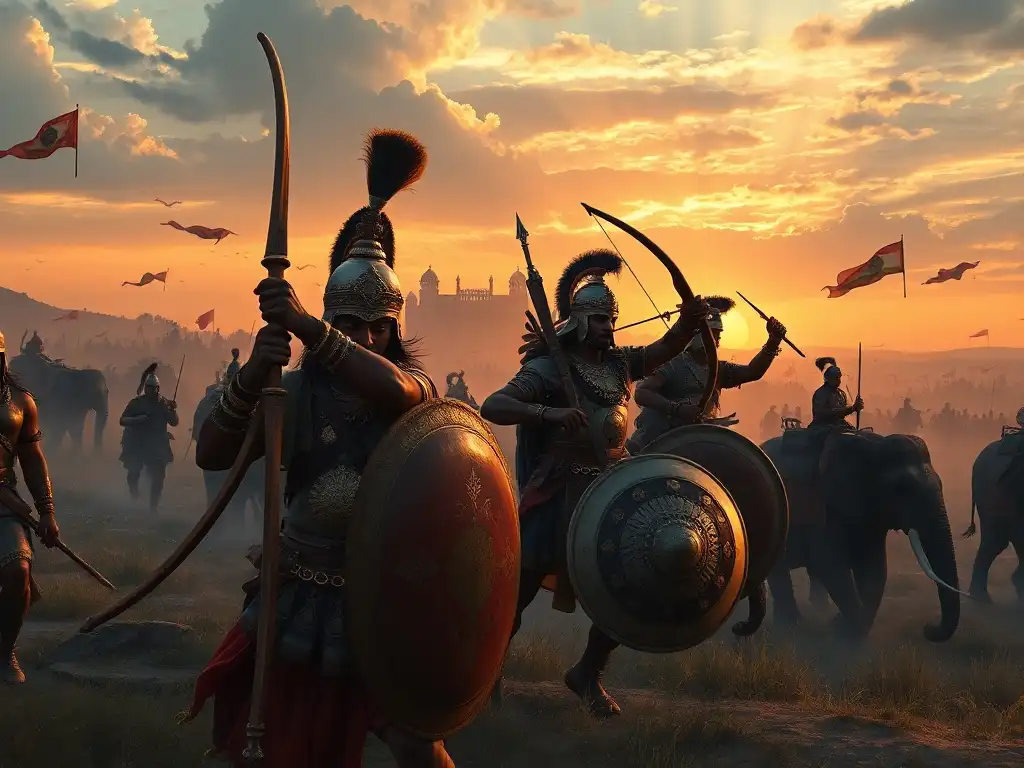
The strategic principles employed in ancient Indian warfare reveal fascinating parallels with modern military tactics. For instance, the use of elephants in battle, particularly during the Maurya period, showcased not only brute strength but also psychological warfare. The coordination and logistics involved in deploying such resources resonate with contemporary military strategies that emphasize versatility and adaptability on the battlefield.
Furthermore, the ancient Indian text, the Arthashastra, attributed to Kautilya, offers insights into espionage, diplomacy, and the strategic use of alliances, which remain relevant in today's military doctrines. Modern armies often rely on intelligence and strategic partnerships, echoing the ancient wisdom of employing both hard and soft power in warfare. These comparisons highlight how foundational concepts of warfare developed in ancient India continue to influence contemporary military thought and practice.
Conclusion: The Lasting Impact of Ancient Indian Warfare on National Identity
The legacy of ancient Indian warfare extends beyond the battlefield, profoundly impacting national identity and the collective consciousness of the Indian populace. The narratives surrounding historical conflicts and military leaders contribute to a sense of pride and belonging, intertwining the past with present-day nationalism. This connection fosters a collective identity that celebrates resilience, valor, and cultural heritage.
Summary of Key Connections
The interplay between ancient Indian warfare and modern nationalism manifests through case studies that illustrate the role of military history in shaping political discourse and national identity. The valorization of ancient military figures, coupled with strategic insights from historical texts, informs contemporary understandings of power, unity, and resilience. These connections not only highlight the significance of ancient Indian warfare history in shaping national identity but also underscore the importance of preserving this legacy for future generations.
Future Directions for Research on Ancient Indian Warfare History and Nationalism
Future research on ancient Indian warfare history and its relation to nationalism should focus on interdisciplinary approaches that incorporate perspectives from history, sociology, and political science. Investigating how ancient military practices and narratives are utilized in modern education and media could provide deeper insights into their role in shaping contemporary national identity.
Additionally, comparative studies with other ancient civilizations may yield valuable lessons about the universal themes of warfare and nationalism. As India continues to navigate its identity in a globalized world, understanding the historical roots of its military legacy will be crucial for fostering a nuanced and inclusive national narrative that honors both ancient traditions and modern aspirations.
References
The study of ancient Indian warfare history reveals intricate connections between historical military practices and the evolution of modern nationalism in India. This section provides a curated list of suggested readings and academic journals to deepen your understanding of these themes.
Suggested Readings on Ancient Indian Warfare History
-
"Warfare in Ancient India" by R. C. Majumdar
A comprehensive overview of military strategies, organization, and the significance of warfare in ancient Indian societies.
-
"The Art of War in Ancient India" by A. J. T. Menon
This book explores various ancient Indian texts that discuss military tactics, philosophy, and ethics in warfare.
-
"The Mahabharata: A Critical Study" by K. M. Shrimali
Analyzes the epic's portrayal of war, examining its impact on cultural identity and the perception of heroism.
-
"Indus Valley Civilization: An Overview" by S. P. Gupta
Provides insights into the military aspects of one of the earliest known civilizations in India, focusing on their defensive strategies and urban planning.
-
"The Kautiliya Arthashastra" by Kautilya (Chanakya)
This ancient text serves as a seminal work on statecraft and military strategy, offering valuable lessons on governance and warfare.
Academic Journals and Articles on Modern Nationalism
-
"Nationalism in India: A Historical Perspective" in the Journal of Historical Sociology
This article delves into the roots of Indian nationalism and its historical context, with references to ancient warfare as a unifying factor.
-
"The Role of Myths and Symbols in Indian Nationalism" in the Journal of Asian Studies
Explores how ancient narratives and symbols related to warfare have been harnessed to foster national identity.
-
"Warfare and National Identity in Modern India" in the Journal of Military History
Analyzes the evolution of military history in India and its influence on contemporary nationalist sentiments.
-
"From Ancient Texts to Modern Ideologies: The Influence of Ancient Indian Warfare on Nationalism" in Modern Asian Studies
Discusses the transition of ancient military concepts into modern ideological frameworks and their impact on national pride.
-
"Cultural Memory and Nationalism" in the International Journal of Heritage Studies
Investigates how collective memories of ancient warfare contribute to the shaping of modern nationalist movements in India.
These readings provide a foundational understanding of how ancient Indian warfare history intertwines with the fabric of modern nationalism, fostering an appreciation for the complex heritage that shapes contemporary India.
- Introduction to Ancient Indian Warfare History
- Overview of Warfare in Ancient India
- Significance of Ancient Indian Warfare in Historical Context
- Evolution of Warfare in Ancient India
- The Cultural Influence of Ancient Indian Warfare
- Transition from Ancient Warfare to Modern Nationalism
- Case Studies of Ancient Indian Warfare and Nationalism
- The Use of Ancient Military History in Political Discourse
- Comparisons between Ancient Warfare Strategies and Modern Military Tactics
- Conclusion: The Lasting Impact of Ancient Indian Warfare on National Identity
- References
Frequently Asked Questions
What role did warfare play in ancient Indian civilizations?
Warfare was a central element in ancient Indian civilizations, influencing political power, territorial expansion, and cultural exchanges among regions.
How did ancient Indian warfare impact modern nationalism?
The strategies, philosophies, and heroes of ancient Indian warfare have been invoked to inspire modern nationalist movements, fostering a sense of identity and unity.
What were some key features of ancient Indian warfare?
Ancient Indian warfare was characterized by chariots, elephants, and infantry, along with sophisticated tactics and the use of fortifications in battles.
How did the Indus Valley Civilization approach warfare?
The Indus Valley Civilization exhibited limited evidence of warfare, focusing more on trade and urban planning, suggesting a society that valued peace and prosperity.
What contributions did the Gupta Empire make to warfare?
The Gupta Empire is known for its advancements in military organization, weaponry, and strategy, which significantly influenced the subsequent military practices in India.
Final Reflection: The Enduring Legacy of Ancient Indian Warfare in Modern Nationalism
The intricate tapestry of ancient Indian warfare history continues to resonate profoundly in today's socio-political landscape. As we explore the strategies, philosophies, and cultural narratives of ancient warriors, we uncover how these historical elements shape modern nationalism and identity. The echoes of past battles and valor inspire contemporary movements, reminding us that history is not merely a record of events but a living force that influences our present and future.
The connection between ancient warfare and modern nationalism is not just a historical curiosity; it is a vital thread that weaves through our collective consciousness. The stories of legendary figures and their struggles for sovereignty have instilled a sense of pride and belonging in many. As noted by historian Romila Thapar, History is not just about the past; it is a tool for understanding the present.
This perspective invites us to reflect on how the narratives we inherit shape our identities and the ideologies we embrace today.
As you ponder the insights gleaned from the exploration of ancient Indian warfare, consider how these lessons can inform your own understanding of nationalism and identity. Reflect on the values of resilience, strategy, and unity that emerged from these historical narratives, and think about how you can embody these principles in your life. Embrace the opportunity to connect with your heritage, and let the stories of the past guide you in fostering a more inclusive and thoughtful future.
Unveil the Power of Ancient Insights for Modern Identity!
Thank you for diving into the fascinating world of ancient Indian warfare and its impact on today's nationalistic sentiments. Your interest in these profound connections not only enriches your understanding but also fosters a deeper appreciation for our cultural heritage. Now, let's take this journey further together!
Here are a few engaging steps you can take next:
- Explore further by reading scholarly articles or books on this topic to deepen your understanding of nationalism and its historical roots.
- Share your thoughts! Join our community on social media and spark a discussion about how these ancient practices resonate in contemporary society.
- Consider a unique action: Visit a local museum or historical site related to ancient Indian warfare and immerse yourself in the history that shaped national identity.
How do you think the lessons from ancient warfare can influence modern nation-building efforts? We’re excited to hear your insights!