
Military Ethics in Ancient India: Codes of Conduct for Warriors

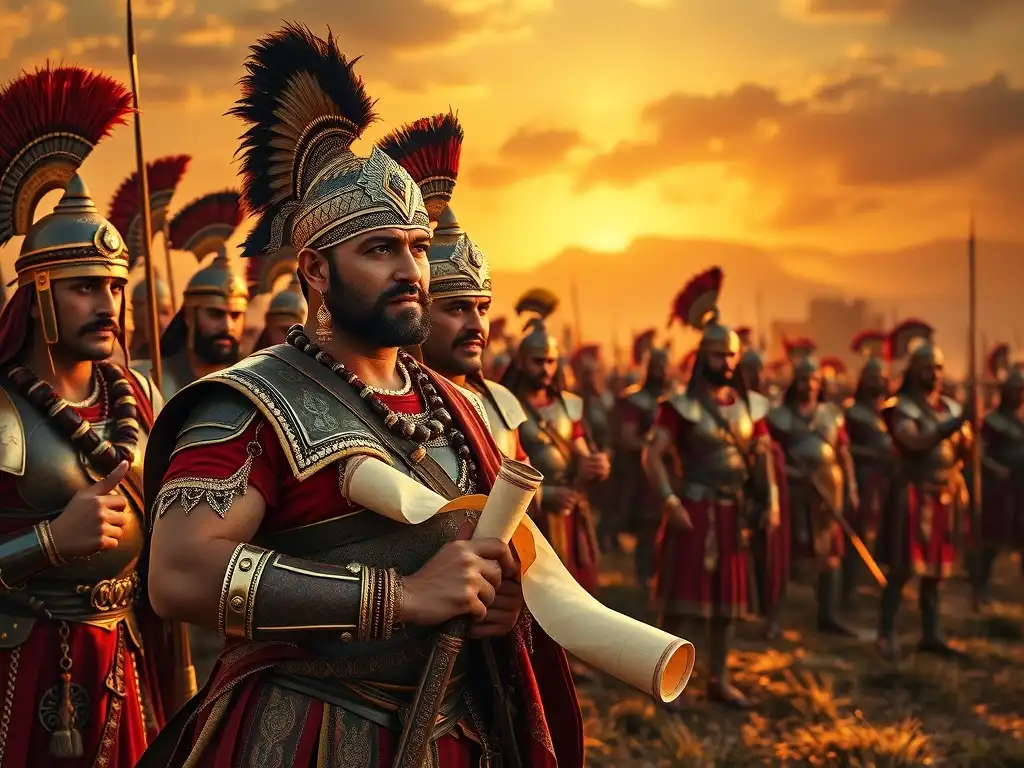
Welcome to Ancient India History, where we embark on a journey through the captivating tapestry of one of the world's oldest civilizations. As we delve into the intriguing topic of Military Ethics in Ancient India, you’ll uncover the profound codes of conduct that shaped the lives of warriors and influenced the very fabric of society. What principles guided these valiant figures on the battlefield?
How did their ethical frameworks reflect the values of their time? Join us as we explore these compelling questions and more, inviting you to immerse yourself in the wisdom and valor of ancient Indian military traditions. Prepare to be enlightened and inspired!
Introduction to Military Ethics in Ancient India
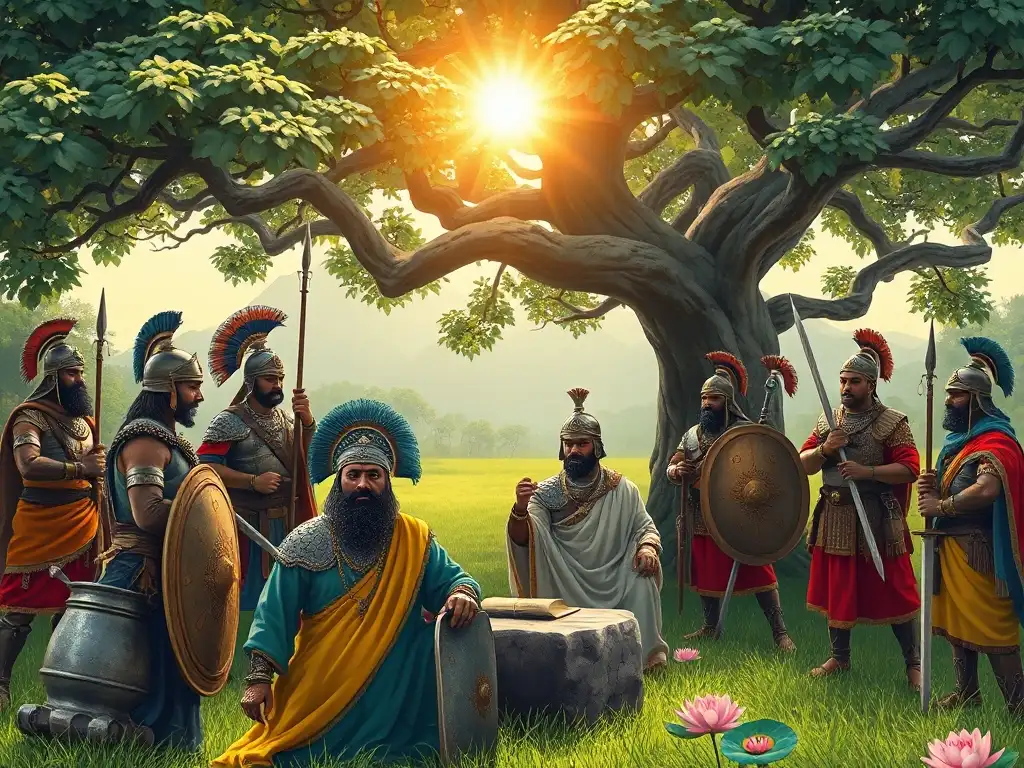
The concept of military ethics in ancient India represents a profound aspect of the broader cultural and philosophical framework that governed the behavior of warriors and military leaders throughout history. Rooted in the rich traditions of Indian civilization, these ethical codes not only dictated the conduct of soldiers on the battlefield but also influenced their actions in times of peace and governance.
From the early days of the Indus Valley Civilization to the grandeur of the Gupta Empire, the principles of military ethics were shaped by a confluence of religious beliefs, philosophical teachings, and practical considerations of warfare. Understanding these codes provides insight into how ancient Indian societies perceived honor, duty, and morality in the context of conflict.
Definition of Military Ethics
Military ethics can be defined as the moral principles and standards that guide the conduct of individuals within military organizations. In ancient India, these ethics were often articulated through texts like the Mahabharata, which presented complex narratives around duty (Dharma), righteousness, and the responsibilities of a warrior. The ethical framework was not merely a set of rules but a way of life that emphasized virtues such as bravery, loyalty, and compassion, reflecting the broader moral values of society.
Importance of Ethics in Warfare
The importance of ethics in warfare cannot be overstated. In ancient India, military ethics served several crucial functions:
- Guidance for Soldiers: Providing a clear framework for the conduct of warriors, ensuring they acted honorably even in the chaos of battle.
- Preservation of Honor: Maintaining the dignity of the warrior class, which was essential for social standing and respect within the community.
- Cultural Identity: Reinforcing societal values and beliefs, thereby shaping the collective identity of ancient Indian civilizations.
- Legitimization of Warfare: Establishing the moral grounds upon which wars could be justly fought, as articulated in texts like the Arthashastra.
Historical Context of Military Ethics in Ancient India
Understanding military ethics in ancient India requires a contextual exploration of its historical backdrop. The evolution of warfare, societal structures, and cultural narratives all played pivotal roles in shaping these ethical codes.
Overview of Ancient Indian Warfare
Ancient Indian warfare was characterized by its unique strategies, weaponry, and philosophical underpinnings. From the Mahajanapadas to the rise of powerful empires, military conflicts were common, with rulers often engaging in battles to expand their territories or defend their kingdoms. Key features of ancient Indian warfare included:
- Chariot Warfare: The use of chariots was prominent, especially in epic battles like those described in the Mahabharata.
- Infantry and Cavalry: Soldiers were typically organized into infantry and cavalry units, each with specific roles on the battlefield.
- Siege Warfare: Techniques for besieging fortified cities were well developed, indicating a sophisticated understanding of military tactics.
Influence of Religion and Philosophy on Military Ethics
Religion and philosophy were integral to the formulation of military ethics in ancient India. The teachings of Hinduism, Buddhism, and Jainism provided moral frameworks that influenced warriors' conduct. The Bhagavad Gita, for instance, explores the concept of righteous warfare, emphasizing the importance of duty over personal desire. Key influences included:
- Dharma: The principle of duty and righteousness that warriors were expected to uphold.
- Ahimsa: The concept of non-violence, which, while challenging in the context of warfare, influenced the moral considerations of many military leaders.
- Karma: The belief that one's actions in warfare would determine their fate in future lives, adding a layer of ethical consideration to military conduct.
Through these lenses, ancient Indian military ethics emerged as a complex interplay of duty, morality, and societal expectations, setting the stage for a deeper exploration of codes of conduct for warriors in this fascinating historical context.
Key Texts on Military Ethics in Ancient India
Ancient India produced several key texts that outlined the ethical frameworks and codes of conduct for warriors. These texts not only provided guidelines for combat but also intertwined moral philosophy with the art of warfare. Among these, the Mahabharata, Arthashastra, and various other scriptures played pivotal roles in shaping military ethics in ancient Indian society.
The Mahabharata and Its Ethical Teachings
The Mahabharata, one of the largest epic poems in the world, is not just a historical narrative but also a profound source of ethical guidance. Central to its teachings are the concepts of dharma (righteousness) and karma (action). The epic presents numerous instances where characters grapple with moral dilemmas, particularly in the context of warfare.
One of the most notable sections is the Bhagavad Gita, which is a dialogue between Prince Arjuna and Lord Krishna. Here, Arjuna is counseled on his duty as a warrior and the importance of adhering to his kshatriya (warrior) responsibilities while upholding righteousness. The Gita emphasizes that a warrior must fight for justice and protect the oppressed, thus intertwining military duty with ethical obligations.
The Arthashastra: Kautilya’s Perspective on Warfare Ethics
Kautilya’s Arthashastra is another seminal text that provides a pragmatic approach to warfare ethics. Written in the 4th century BCE, it serves as a manual for political strategy and military tactics. Kautilya, also known as Chanakya, highlights the necessity of dharma in governance and warfare, but he also emphasizes the importance of realpolitik.
In the Arthashastra, Kautilya discusses the ethical conduct of a ruler and his army, advocating for the use of strategic deception when necessary, yet maintaining that the ultimate goal should be the welfare of the state and its people. He asserts that a king must be skilled in both diplomacy and military tactics, balancing ethical considerations with practical needs. This duality illustrates the complexity of military ethics in ancient India, where moral imperatives often intersected with the harsh realities of governance and warfare.
Other Influential Texts and Their Contributions
In addition to the Mahabharata and Arthashastra, several other texts contributed to the discourse on military ethics in ancient India. The Ramayana, another epic, emphasizes the virtues of bravery, loyalty, and righteousness in warfare, often portraying the ideal warrior as a protector of dharma.
Furthermore, texts such as the Smritis and various Dharma Shastras delved into the ethical duties of warriors, emphasizing the importance of integrity and honor in combat. These texts collectively enriched the understanding of military conduct, perpetuating the idea that ethical behavior was integral to the identity of a true warrior.
Core Principles of Military Ethics in Ancient India
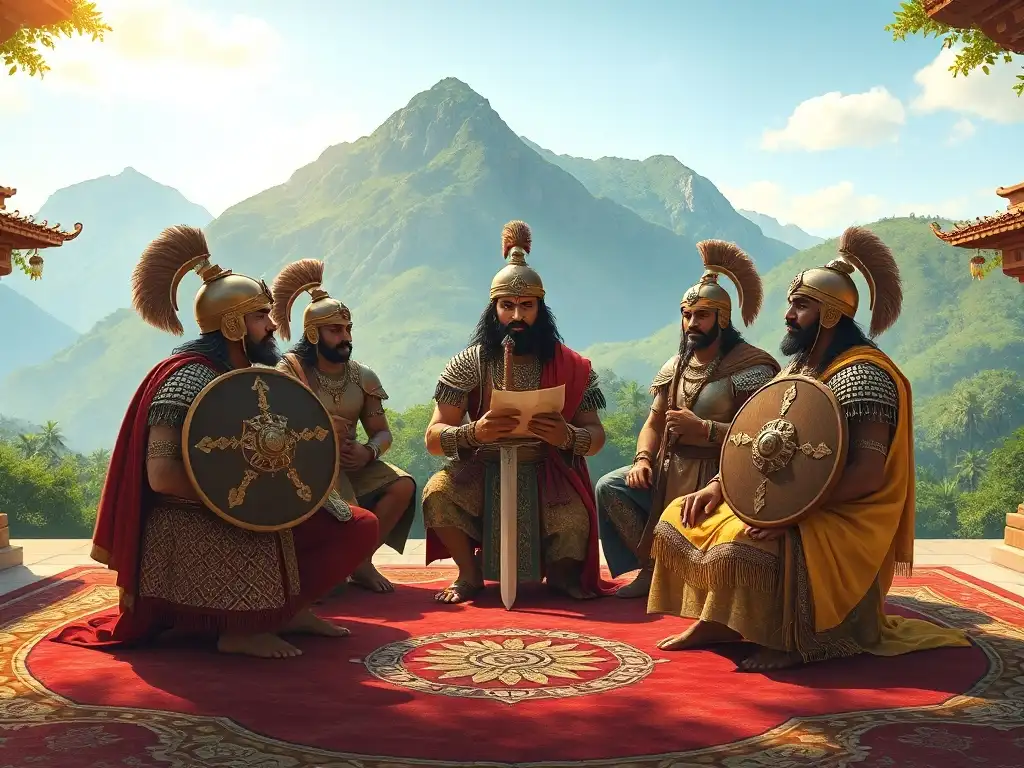
The core principles of military ethics in ancient India revolved around several key concepts that guided the actions and decisions of warriors. These principles served as the foundation for righteous conduct in warfare and the broader societal role of the military.
Dharma: The Concept of Righteous Duty
Dharma is the cornerstone of ancient Indian ethics, especially in the context of warfare. It encompasses the idea of duty, righteousness, and moral obligation. For warriors, adhering to their dharma meant fulfilling their responsibilities to protect their kingdom and uphold justice, even at personal cost.
The emphasis on dharma ensured that warriors acted not merely out of a desire for victory but out of a commitment to ethical principles. This created a framework where the motivations for warfare were tied to broader societal values, such as justice and protection of the innocent, reinforcing the notion that a true warrior must embody righteousness in all actions.
Ahimsa: Non-Violence in Warfare
Another significant principle in military ethics is ahimsa, or non-violence. While it may seem contradictory in the context of warfare, ahimsa played a crucial role in shaping the conduct of battles. Ancient Indian texts often advocated for minimizing harm to non-combatants and ensuring that warfare was conducted with a sense of restraint and moral consideration.
Ahimsa influenced the strategies employed by warriors, who were encouraged to seek peaceful resolutions where possible. This principle underscores the complexity of ancient Indian military ethics, illustrating the delicate balance between the necessity of combat and the overarching commitment to non-violence and compassion.
Respect for Enemies and the Principles of Honor
Respect for one’s enemies is another vital aspect of military ethics in ancient India. The notion of honor dictated that even in combat, warriors should treat their adversaries with respect and dignity. This principle is illustrated through various epic narratives where even the fiercest of foes are acknowledged for their valor and skill.
Honor in battle was paramount; it dictated that warriors engage in combat with fairness and integrity, avoiding treachery or dishonorable tactics. This respect for enemies fostered a code of conduct that transcended mere survival in battle, promoting a deeper understanding of the martial spirit that celebrated bravery, valor, and ethical engagement in warfare.
The military ethics of ancient India were deeply intertwined with cultural, philosophical, and spiritual elements. The exploration of these texts and principles reveals a sophisticated understanding of the moral dimensions of warfare, emphasizing that the role of a warrior extended far beyond the battlefield.
Training and Conduct of Warriors
In ancient India, the training and conduct of warriors were deeply intertwined with the philosophical and ethical frameworks of the time. The warrior class, primarily represented by the Kshatriyas, was not only trained in martial skills but also imbued with a sense of duty and righteousness, known as Dharma. This sense of duty was essential in guiding their behavior on the battlefield and in governance. Warriors underwent rigorous physical training, which included mastering various weapons, horse riding, and hand-to-hand combat. However, beyond physical prowess, they were also educated in the moral codes and ethical standards that governed their actions.
The holistic approach to warrior training emphasized the importance of both mental discipline and spiritual growth. This included the study of ancient texts such as the Vedas, Upanishads, and epic narratives like the Mahabharata and Ramayana, which provided lessons on valor, honor, and the consequences of one's actions. Consequently, the conduct of warriors was expected to reflect their training, embodying virtues such as bravery, loyalty, and justice while adhering to the ethical guidelines laid out by these texts.
Ethical Training in Ancient Indian Martial Arts
The ethical training in ancient Indian martial arts was an integral component of a warrior's education. Schools known as Gurukuls provided not only physical training but also moral instruction. Students learned the significance of Ahimsa (non-violence), respect for life, and the importance of protecting the weak. This ethical framework was essential in shaping the character of warriors, ensuring that they understood the weight of their responsibilities.
Martial arts like Kalaripayattu and Gatka included philosophies that emphasized restraint and the judicious use of force. Warriors were taught to discern between righteous and unrighteous combat, reinforcing the idea that warfare should be waged only for just causes, such as the protection of one’s dharma, family, and country. This ethical training instilled a sense of accountability, as warriors were expected to face the consequences of their actions both in life and the afterlife.
Codes of Conduct for Kings and Military Leaders
The codes of conduct for kings and military leaders in ancient India were formalized into various texts that outlined the principles of governance and warfare. One of the most notable texts is the Arthashastra, attributed to Chanakya, which provides comprehensive guidelines on statecraft, including the ethical obligations of rulers. It emphasized the importance of justice, integrity, and the welfare of the subjects.
Kings were expected to embody the ideal characteristics of a ruler, including righteousness, wisdom, and compassion. Their military leaders were bound by similar codes, which included loyalty to the king and the state, as well as the protection of the populace. Moreover, military leaders were mandated to conduct warfare with honor, avoiding unnecessary cruelty and ensuring that their actions reflected the ethical standards of their society.
These codes were not merely theoretical; they played a significant role in shaping the conduct of military campaigns. Leaders were held accountable for their actions, and deviations from these ethical standards could lead to loss of legitimacy and support among their followers.
Case Studies of Military Ethics in Ancient Indian Battles
Examining specific battles in ancient Indian history reveals the practical application of military ethics and the ethical dilemmas faced by warriors in the heat of conflict. These case studies illustrate how ethical considerations influenced decisions and outcomes during warfare, reflecting the rich tapestry of moral philosophy in ancient Indian culture.
The Kurukshetra War: Ethical Dilemmas and Decisions
The Kurukshetra War, as depicted in the Mahabharata, is perhaps the most profound example of military ethics in ancient India. The conflict between the Pandavas and Kauravas raised significant ethical dilemmas, particularly regarding the concepts of duty and righteousness. The character of Arjuna is emblematic of these struggles, as he grappled with the moral implications of fighting against his own kin and mentors.
Lord Krishna’s counsel to Arjuna emphasized the importance of following one's dharma as a warrior, which involved upholding justice and fighting against adharma (unrighteousness). This conversation, known as the Bhagavad Gita, serves as a philosophical foundation for understanding the ethical complexity of warfare. The decisions made during this war highlight the tension between personal emotions and societal obligations, showcasing how military ethics were central to the conduct of warriors.
Examples of Ethical Conduct in Historical Conflicts
Throughout ancient Indian history, there are numerous instances where ethical conduct was upheld even amidst conflict. One notable example is the Battle of Kalinga, fought by Emperor Ashoka. Following his victory, the massive loss of life led Ashoka to embrace Buddhism and advocate for Ahimsa in governance. This transformation reflects a profound ethical awakening, demonstrating how the consequences of war could lead to a reevaluation of ethical principles.
Another example is the conduct of King Vikramaditya, who was known for his chivalry and fairness in battle. He adhered to established codes of honor, ensuring that even in war, compassion and justice were prioritized. His actions set a precedent for ethical behavior among rulers and military leaders, reinforcing the idea that true strength lies in moral integrity.
These case studies not only illustrate the rich ethical framework surrounding military conduct in ancient India but also highlight the enduring relevance of these principles in contemporary discussions of warfare and ethics.
Comparisons with Military Ethics in Other Cultures
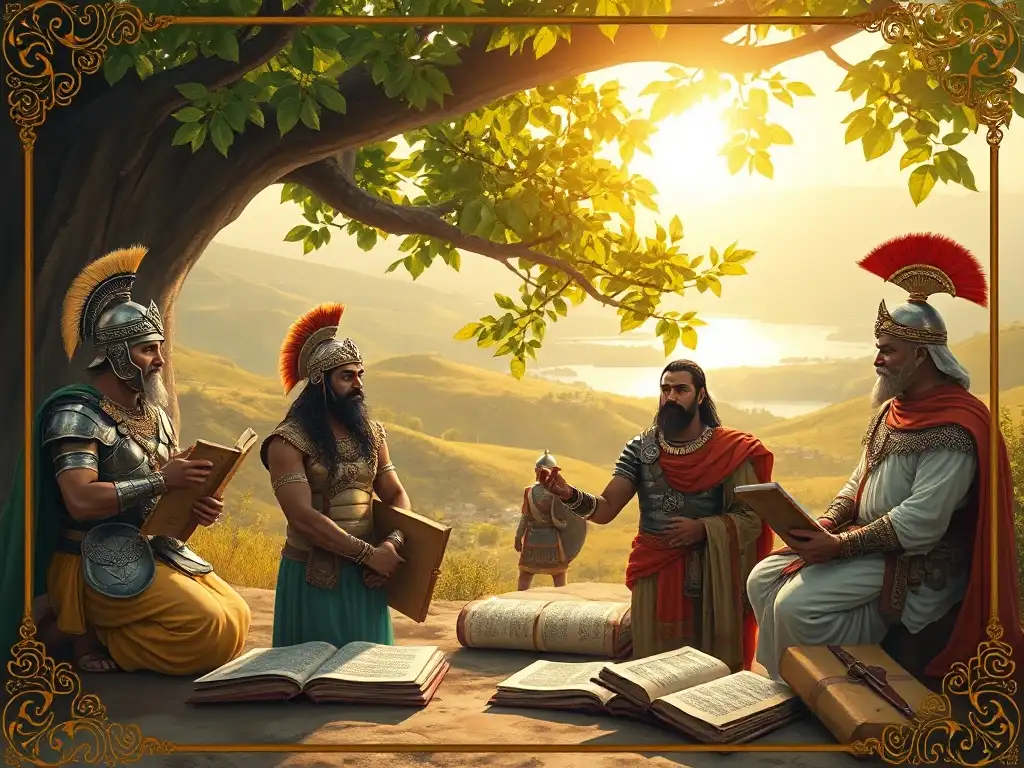
Military ethics in ancient India present a fascinating contrast when compared to the codes of conduct found in other ancient civilizations. While the foundational principles of dharma (duty) and ahimsa (non-violence) played a significant role in shaping the warrior ethos in India, other cultures developed their own unique frameworks, reflecting their societal values and historical contexts.
The ethical codes in various cultures often emphasize loyalty, bravery, and honor but differ in their approach to violence and conflict. Understanding these comparisons can provide insights into how ancient Indian military ethics were influenced by, and in turn, influenced other civilizations.
Military Ethics in Ancient Greece
In ancient Greece, military ethics were heavily influenced by the concept of arete, which emphasized excellence and virtue in battle. Greek warriors, especially those in city-states like Sparta and Athens, adhered to a strict moral code that valorized courage, discipline, and loyalty to one’s polis (city-state). The Spartan code, in particular, was characterized by a rigorous training regimen and a communal approach to warfare, where individual desires were subjugated to the needs of the state.
Contrastingly, ancient Indian military ethics often integrated a spiritual dimension, where warriors were expected to act in accordance with their dharma, which could include avoiding unnecessary violence and treating enemies with respect. For instance, the Mahabharata highlights the moral dilemmas faced by its warriors, suggesting that ethical considerations often weighed heavily on their decisions in battle, unlike the more straightforward valorization of combat seen in Greek traditions.
Similarities and Differences with Roman Military Conduct
Roman military ethics shared some commonalities with those of ancient India, particularly regarding the importance of duty and loyalty. Roman soldiers were bound by the sacra which underscored their allegiance to the state and the virtues of bravery and discipline. However, the Roman approach was often more pragmatic; the emphasis was on victory and the expansion of the empire, sometimes at the cost of ethical considerations.
In contrast, while Indian warriors also valued duty, their ethical framework often incorporated a broader philosophical context. The principles of non-violence and righteousness shaped the Indian warrior's conduct, as seen in the Bhagavad Gita, where Arjuna's moral hesitation before battle illustrates a deep engagement with ethical questions surrounding warfare. While both cultures recognized the importance of military honor, the Indian perspective frequently sought to reconcile the act of war with spiritual and moral imperatives.
The Impact of Military Ethics on Modern Warfare
The military ethics of ancient India have left a lasting legacy, influencing contemporary military practices across the globe. As modern conflicts continue to grapple with issues of morality and ethics in warfare, the teachings and principles derived from ancient Indian texts remain relevant.
Legacy of Ancient Indian Military Ethics in Contemporary Military Practices
The core principles of ancient Indian military ethics, particularly those centered around dharma, have found resonance in modern military doctrines that emphasize ethical engagement in conflict. Concepts such as just war theory, which advocates for proportionality and discrimination in warfare, echo the ancient Indian ethos of fighting for righteousness rather than mere conquest.
Military organizations today increasingly recognize the importance of ethical training and the moral responsibilities of soldiers, reflecting the age-old wisdom that underscores the necessity of a strong ethical foundation in military conduct. The integration of these principles can be seen in the development of codes of conduct for modern armed forces, promoting accountability and ethical decision-making in combat situations.
Relevance of Ancient Ethical Principles in Modern Military Operations
The relevance of ancient Indian ethical principles extends beyond theoretical frameworks; they are actively applied in contemporary military operations. The emphasis on minimizing civilian casualties and the moral implications of using force resonates with the teachings found in texts like the Mahabharata and the Bhagavad Gita.
Modern military leaders often invoke these ancient principles to guide their decision-making processes, advocating for strategies that align with both ethical imperatives and operational effectiveness. As the nature of warfare evolves, the lessons of ancient military ethics serve as a crucial reminder of the enduring importance of ethical considerations in the pursuit of justice and peace.
Conclusion
Military ethics in ancient India played a crucial role in shaping the conduct of warriors and the overall framework of warfare. The codes of conduct emphasized virtues such as bravery, honor, and respect for both allies and enemies, reflecting the deep philosophical and cultural roots of Indian civilization. These principles guided not only the actions of individual warriors but also the strategies and policies of entire armies, fostering a sense of responsibility and moral duty in the pursuit of victory.
Summary of Military Ethics in Ancient India
In ancient India, military ethics were deeply intertwined with the philosophical teachings of texts such as the Bhagavad Gita and the Arthashastra. These texts provided guidelines for ethical behavior in warfare, emphasizing the importance of dharma (righteousness) and the responsibilities of a warrior. Key principles included:
- Dharma Yuddha: The concept of righteous warfare, advocating for battles fought for just causes and with respect for the enemy.
- Respect for Life: The ethical treatment of prisoners and non-combatants, highlighting the need for compassion even in times of conflict.
- Courage and Honor: Valor in battle was considered a virtue, and warriors were expected to demonstrate bravery while adhering to ethical standards.
- Strategic Wisdom: The importance of intelligence and strategy in warfare, ensuring that victories were achieved through skill and cunning rather than sheer brutality.
These ethical frameworks were not merely theoretical; they were reflected in the practices of various Indian kingdoms and shaped the legacy of military conduct in the region.
The Lasting Influence of Ancient Codes of Conduct on Warfare Ethics Today
The military ethics established in ancient India continue to resonate in contemporary discussions about warfare and military conduct. Modern military leaders and strategists often draw from these ancient principles to address ethical dilemmas in modern combat scenarios. Key influences include:
- The Value of Human Life: The emphasis on protecting non-combatants and minimizing collateral damage echoes the ancient respect for life, inspiring contemporary humanitarian laws in warfare.
- Just War Theory: The concept of dharma yuddha aligns with modern just war theory, which seeks to establish criteria for justifiable war and ethical conduct during conflicts.
- Leadership and Responsibility: The ideal of a warrior's moral duty is mirrored in current military codes that stress the importance of ethical leadership and accountability among commanders.
The historical codes of conduct for warriors in ancient India laid a foundation that informs modern military ethics, fostering a dialogue about the moral implications of warfare that remains relevant today. The enduring legacy of these principles underscores their significance in both historical and contemporary contexts, making the study of military ethics in ancient India an essential aspect of understanding the evolution of warfare.
- Introduction to Military Ethics in Ancient India
- Historical Context of Military Ethics in Ancient India
- Key Texts on Military Ethics in Ancient India
- Core Principles of Military Ethics in Ancient India
- Training and Conduct of Warriors
- Case Studies of Military Ethics in Ancient Indian Battles
- Comparisons with Military Ethics in Other Cultures
- The Impact of Military Ethics on Modern Warfare
- Conclusion
- What were the foundational principles of military ethics in ancient India?
- How did ancient Indian texts influence military conduct?
- Were there specific codes of conduct for warriors in ancient India?
- How did the concept of Dharma impact military ethics?
- What role did religion play in shaping military ethics in ancient India?
Frequently Asked Questions
What were the foundational principles of military ethics in ancient India?
The foundational principles of military ethics in ancient India were rooted in Dharmashastra, which emphasized duty, righteousness, and justice in warfare.
How did ancient Indian texts influence military conduct?
Texts like the Mahabharata and Arthashastra provided guidelines for warriors, outlining the moral and ethical conduct expected during conflict, ensuring honor and fairness.
Were there specific codes of conduct for warriors in ancient India?
Yes, ancient Indian warriors adhered to specific codes of conduct that included valor, integrity, and the protection of the innocent, promoting a sense of responsibility in battle.
How did the concept of Dharma impact military ethics?
The concept of Dharma significantly influenced military ethics by mandating that warriors act in accordance with righteousness, ensuring their actions were aligned with moral duties and societal values.
What role did religion play in shaping military ethics in ancient India?
Religion played a crucial role by embedding spiritual values into military ethics, where warriors often sought divine approval and adhered to religious tenets during warfare, reinforcing their moral compass.
Final Reflection: The Enduring Legacy of Military Ethics in Ancient India
The exploration of military ethics in ancient India reveals a profound understanding of duty, honor, and morality that remains strikingly relevant today. As we navigate a world rife with conflict and ethical dilemmas, the principles established by ancient Indian warriors serve as a guiding light, reminding us that the essence of true strength lies not just in prowess but in the adherence to ethical conduct. The codes of conduct that governed these warriors were not merely rules; they were a testament to the values that shaped a civilization.
The influence of these ancient military ethics extends far beyond the battlefield, permeating the cultural and social fabric of contemporary society. In a world where the lines between right and wrong can often blur, the teachings from texts such as the Mahabharata and Arthashastra continue to resonate, urging us to reflect on our own moral compasses. Ethics is knowing the difference between what you have a right to do and what is right to do.
This quote encapsulates the essence of military ethics, reminding us that the choices we make define our character and legacy.
As you reflect on the lessons of military ethics in ancient India, consider how these principles can be applied in your own life. Embrace the challenge of aligning your actions with your values, whether in personal relationships, professional endeavors, or civic responsibilities. Let the wisdom of the past inspire you to cultivate a sense of duty and integrity, ensuring that your legacy, like that of the ancient warriors, is one of honor and ethical fortitude.
Unleash the Warrior Within: Embrace the Codes of Ancient Ethics!
Thank you for immersing yourself in the profound world of military ethics in ancient India! You've uncovered valuable insights into how warriors upheld honor and integrity through their codes of conduct. Now, it’s time to take these lessons and embody them in your own life.
Here are some actionable steps to deepen your understanding and connect with this rich historical legacy:
- Reflect on Your Values: Identify three personal values that resonate with the warrior ethics discussed. Consider how these principles can guide your actions today.
- Engage with Community: Join a local or online discussion group focused on ethics in history. Share your thoughts and learn from others who are equally passionate about these values.
- Explore Further: Read a classic text related to ancient Indian ethics, such as the Bhagavad Gita or Arthashastra, to gain deeper insights into the moral dilemmas faced by warriors of the past.
As you take these steps, ask yourself: What modern ethical challenges can we learn from the warriors of ancient India, and how can we apply their lessons to our everyday lives?