
Naval Power in Ancient India: The Forgotten Maritime Warfare Strategies

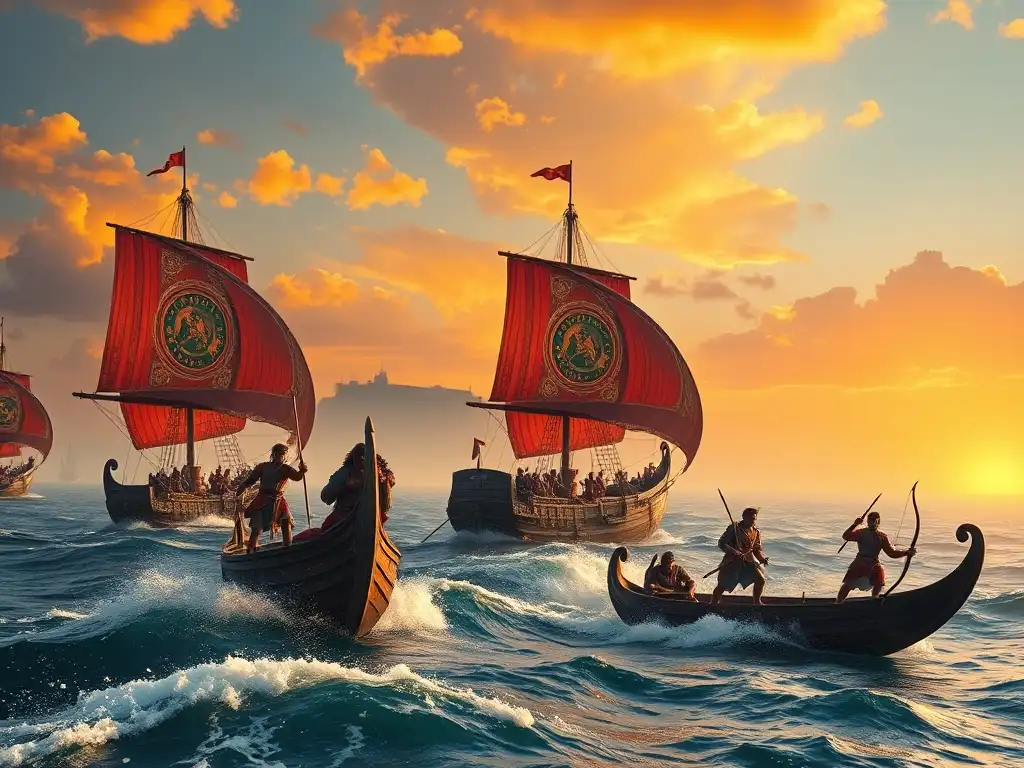
Welcome to Ancient India History, where we embark on a fascinating journey through the rich tapestry of India's past! Here, we delve into the remarkable contributions and diverse cultures that shaped ancient civilizations from the Indus Valley to the Gupta Empire. In our featured article, "Naval Power in Ancient India: The Forgotten Maritime Warfare Strategies," we uncover the intriguing naval warfare strategies that played a crucial role in India's military prowess.
Prepare to navigate through the depths of history as we reveal these often-overlooked tactics that not only fortified empires but also influenced trade and diplomacy across the seas. Join us as we set sail into the captivating world of ancient Indian naval power!
- Ancient Indian Naval Warfare Strategies: An Overview
- Historical Context of Naval Warfare in Ancient India
- Key Ancient Indian Naval Warfare Strategies
- Notable Naval Battles and Campaigns
- Influence of Geography on Naval Warfare Strategies
- Comparison of Ancient Indian Naval Strategies with Other Civilizations
- Decline of Naval Power in Ancient India
- Conclusion
-
Frequently Asked Questions
- What were the primary naval warfare strategies used in ancient India?
- How did the Indus Valley Civilization contribute to naval power?
- What role did the Gupta Empire play in maritime activities?
- Were there any significant battles involving ancient Indian naval forces?
- How did ancient Indian shipbuilding techniques influence naval warfare?
- Final Reflection: Rediscovering the Depths of Ancient Indian Naval Warfare
- Unveil the Secrets of Ancient Maritime Warfare!
The history of ancient India is often celebrated for its remarkable achievements in various fields, from philosophy and science to art and architecture. However, one of the less frequently discussed aspects is the prowess of ancient Indian naval warfare strategies. This maritime strength played a crucial role in shaping trade routes, establishing power dynamics, and facilitating cultural exchanges across the Indian Ocean and beyond.
Ancient Indian civilizations, including the Maurya and Gupta Empires, recognized the importance of a formidable navy, employing innovative tactics and technologies that remain largely unexamined in contemporary discussions. By delving into the intricate naval strategies of ancient India, we can uncover the sophisticated military doctrines that allowed these civilizations to thrive and defend their interests across vast maritime territories.
Importance of Maritime Warfare in Ancient Indian History
Maritime warfare was not merely an auxiliary component of ancient Indian military strategy; it was integral to the economic and political stability of various kingdoms. The following points illustrate the significance of naval power in ancient India:
- Trade and Commerce: Control over sea routes allowed ancient Indian states to dominate trade, facilitating the exchange of goods such as spices, textiles, and precious metals with distant lands, including Rome, Arabia, and Southeast Asia.
- Cultural Exchange: The maritime routes served as conduits for cultural interactions, leading to the spread of religions, languages, and ideas. The influence of Buddhism and Hinduism, for example, can be traced along these seafaring paths.
- Military Strategy: Naval power provided strategic advantages in warfare, enabling ancient Indian rulers to project military strength, protect coastal territories, and launch amphibious assaults against rival states.
- Diplomatic Relations: A strong navy was crucial for establishing alliances and treaties with other maritime powers, ensuring a measure of political leverage in regional dynamics.
Understanding the ancient Indian naval warfare strategies not only enriches our comprehension of military history but also highlights the broader socio-economic and cultural contexts that these strategies influenced. As we explore the intricacies of these maritime tactics, we will uncover a chapter of ancient Indian history that reflects its global significance in the ancient world.
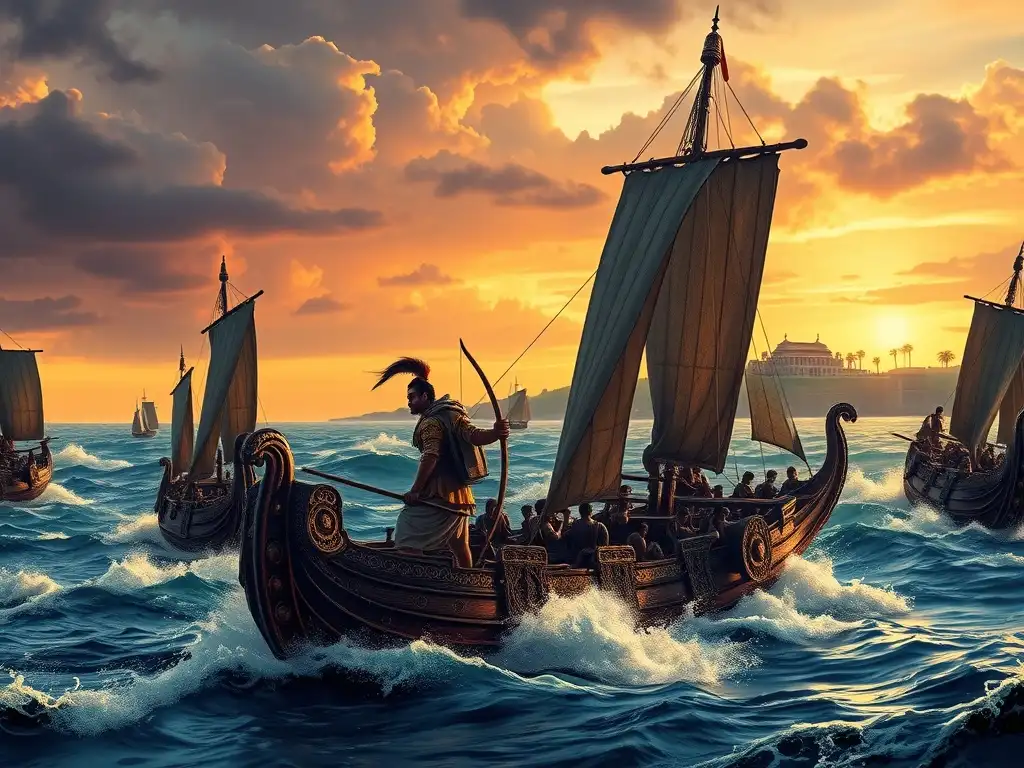
Early Maritime Traditions in the Indus Valley Civilization
The Indus Valley Civilization (c. 3300–1300 BCE) is one of the earliest urban cultures in the world, showcasing significant advancements in various domains, including naval activities. The archaeological findings at sites like Lothal indicate that the people of this civilization had a profound understanding of maritime practices.
- Dockyard in Lothal:
- The dockyard, one of the world's earliest, reveals that Lothal was a major trading port linked to the Arabian Sea. Its construction demonstrates advanced engineering skills, allowing vessels to dock and facilitating trade with distant lands.
- Trade and Commerce:
- The maritime activities were primarily trade-oriented. The Indus Valley merchants traded goods such as cotton, beads, and metals with Mesopotamia, indicating an organized maritime commerce network.
- Shipbuilding Techniques:
- Evidence suggests that the artisans of the Indus Valley constructed wooden boats, which were likely used for both fishing and trade. While specifics on their naval warfare capabilities are scarce, the existence of such vessels implies a foundational understanding of maritime navigation.
These early maritime traditions were crucial in laying the groundwork for subsequent naval strategies in ancient Indian civilizations.
The Mauryan Empire (c. 322–185 BCE) marked a significant turning point in ancient Indian naval warfare. Under the reign of Chandragupta Maurya and later Ashoka, the empire expanded its territories and influence, necessitating the development of naval power.
- Naval Infrastructure:
- The Mauryan period saw the establishment of a more organized naval fleet, which supported both military and trade missions. The empire’s geographical expanse required a robust navy to protect trade routes and coastal settlements.
- Military Campaigns:
- Historical records suggest that the Mauryan navy played a role in military campaigns against the Nanda Dynasty and other regional powers. This naval presence not only facilitated troop movement but also allowed for blockades and maritime control of strategic locations.
- Diplomatic Relations:
- The Mauryan Empire engaged in diplomacy with other coastal states, which often involved naval collaboration. This is particularly evident in their interactions with Southeast Asian kingdoms, where naval power was vital in establishing political alliances and trade agreements.
Through these developments, the Mauryan Empire significantly enhanced the understanding and implementation of ancient Indian naval warfare strategies.
The establishment and control of trade routes were pivotal in shaping ancient Indian naval warfare strategies. The seas surrounding the Indian subcontinent served as vital arteries for commerce, greatly influencing military tactics.
- Maritime Trade Networks:
- Ancient Indian traders navigated the Indian Ocean, establishing trade routes that connected India with Africa, the Middle East, and Southeast Asia. These routes were not only essential for economic prosperity but also for the projection of naval power.
- Protection of Trade Interests:
- The necessity to protect trade routes led to the development of naval convoys and fortified coastal settlements. This strategic focus on safeguarding maritime commerce gave rise to military tactics specifically designed to deter piracy and hostile incursions.
- Cultural Exchanges:
- The interaction between different cultures through maritime trade also influenced naval strategies. For instance, the adoption of new shipbuilding techniques and navigational methods from foreign traders enhanced the effectiveness of Indian naval forces.
This interplay between trade and military strategy highlights the sophistication of ancient Indian naval warfare and its critical role in the broader context of military history.
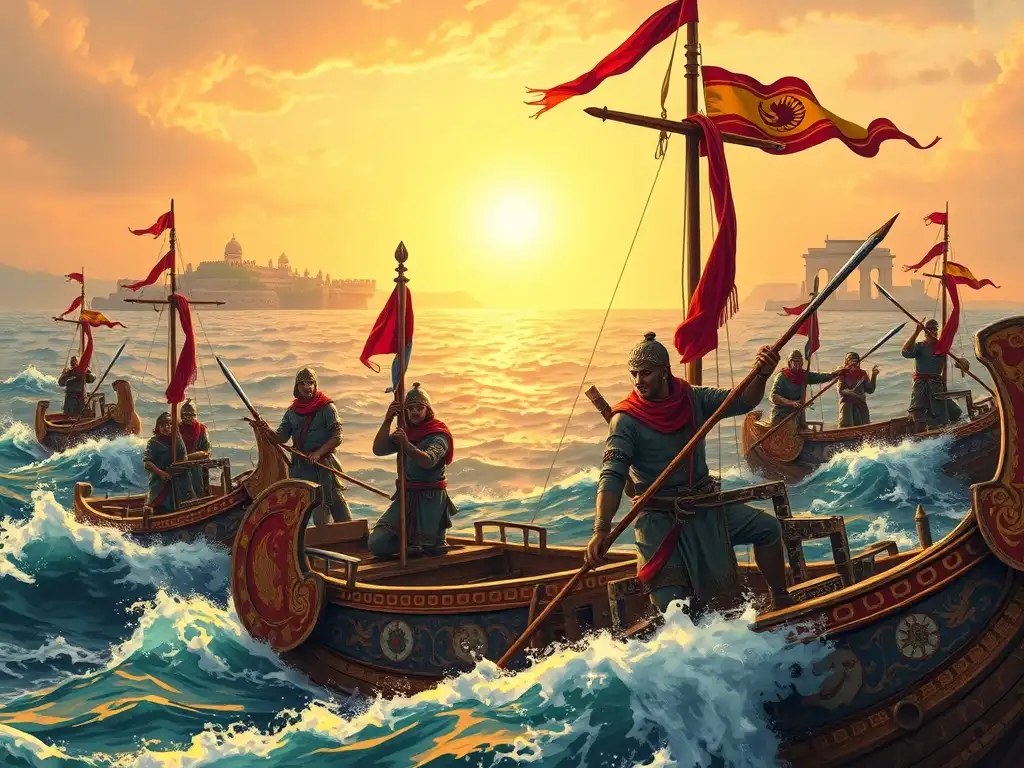
Shipbuilding Techniques in Ancient India
The shipbuilding techniques of ancient India were revolutionary and played a crucial role in the development of naval warfare strategies. Ancient Indian craftsmen employed advanced methods that allowed for the construction of a variety of vessels tailored for specific purposes, from trade to combat.
- Materials Used:
- Wood: Primarily, hardwoods such as teak and sal were favored for their durability and resistance to rot. These materials were essential due to the diverse climatic conditions faced by ships at sea.
- Iron Fastenings: The use of iron nails and brackets significantly enhanced the structural integrity of vessels, allowing for larger ships capable of carrying more cargo or troops.
- Design Innovations:
- Hull Design: Ancient Indian shipbuilders created hulls that were both wide and shallow, enabling greater stability and maneuverability in coastal waters. This design was particularly effective for navigating the monsoon-influenced seas of the Indian Ocean.
- Multi-decked Ships: Some vessels were designed with multiple decks, increasing their capacity for both goods and personnel. This innovation allowed for the efficient transport of troops and resources during campaigns.
- Types of Vessels:
- Merchant Ships: These were primarily used for trade and were designed for speed and cargo capacity.
- Warships: Equipped with features like reinforced hulls and specialized weaponry, these ships were crucial in naval battles, demonstrating the strategic foresight of ancient Indian naval commanders.
Tactical Innovations in Maritime Warfare
Ancient Indian naval warfare strategies were characterized by a series of tactical innovations that set them apart from contemporaneous military practices.
- Use of Naval Formations:
- Flotilla Tactics: Ancient Indian navies often operated in flotillas, deploying multiple ships in coordinated formations. This approach allowed for effective blockades and the ability to outmaneuver larger enemy fleets.
- Surprise Attacks: Ancient Indian commanders skillfully utilized surprise as a tactical element, launching ambushes during unexpected times, often taking advantage of the element of stealth provided by the coastal geography.
- Integration of Land and Sea Forces:
- Coastal Operations: Naval operations were often closely coordinated with land forces, utilizing coastal geography for quick land and sea troop movements. This integration proved vital in campaigns that required rapid redeployment of forces.
- Siege Warfare: Naval fleets supported land sieges by blockading ports and disrupting supply lines, showcasing the strategic importance of controlling maritime routes.
- Weaponry Innovations:
- Catapults and Ballistae: These were mounted on ships to provide a long-range attack capability, allowing naval forces to engage enemies before closing in for combat.
- Fire Ships: The use of fire ships, vessels set ablaze and sent toward enemy fleets, was a dramatic tactic that caused chaos and destruction, demonstrating the ingenuity of ancient Indian naval warfare.
The strategic deployment of naval forces in both defensive and offensive operations was a hallmark of ancient Indian maritime warfare.
- Defensive Operations:
- Coastal Defense: Ancient Indian states established fortified coastal outposts equipped with naval vessels to protect against invasions. These outposts served as bases for launching counterattacks and safeguarding trade routes.
- Naval Patrols: Regular patrols were conducted to deter piracy and protect merchant vessels, ensuring safe passage for commerce, which was vital for the economy.
- Offensive Operations:
- Invasions and Raids: Naval forces played a significant role in launching invasions against rival kingdoms. The ability to transport troops quickly across water bodies allowed for rapid and effective military campaigns.
- Colonization and Trade Expansion: Ancient Indian naval power facilitated the establishment of trade routes and colonies across the Indian Ocean, enhancing economic wealth and cultural exchange with other civilizations.
- Impact on Regional Dominance:
- The effective use of naval forces allowed ancient Indian kingdoms to exert influence over vast areas, including Southeast Asia. The strategic control of maritime routes not only secured trade but also enabled military expeditions that expanded their territorial reach.
By understanding these key elements of ancient Indian naval warfare strategies, we gain insight into a sophisticated military culture that effectively utilized maritime power to shape regional dynamics and secure its place in history.
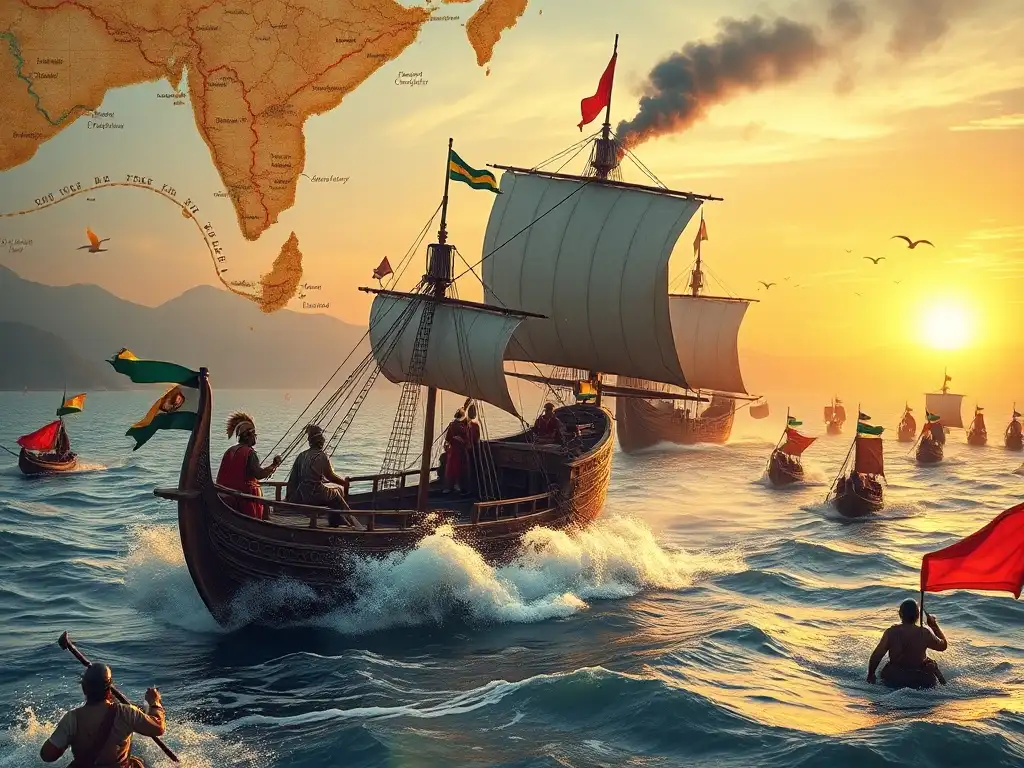
Ancient Indian naval warfare strategies played a crucial role in shaping the maritime history of the Indian subcontinent. Various dynasties, particularly the Cholas, Mauryas, and Guptas, exemplified the strategic use of naval power in their military campaigns. This section explores notable naval battles and campaigns that highlight the tactical brilliance and innovations of these ancient civilizations.
The Chola Dynasty: Pioneers of Maritime Dominance
The Chola Dynasty, ruling from the 9th to the 13th centuries CE, is often regarded as a major force in ancient Indian naval warfare. Their maritime prowess allowed them to establish dominance over the seas and expand their influence across Southeast Asia.
- Key Naval Battles and Campaigns:
- Battle of Kalinga (c. 11th century CE): This confrontation against the Kalinga kingdom showcased the Chola navy's strategic use of ships for both combat and transportation, enabling swift troop movements across coastal areas.
- Conquest of Sri Lanka (c. 1017 CE): Rajendra Chola I launched a successful expedition to Sri Lanka, using a powerful fleet to secure victory against the Sinhalese forces. This campaign not only demonstrated naval strength but also established the Cholas as a dominant maritime power in the Indian Ocean.
- Naval Innovations:
- The Cholas utilized large warships equipped with advanced weaponry, including catapults and ballistae, allowing for effective bombardment of enemy positions from the sea.
- Their ships were also designed for speed and maneuverability, making them formidable in both offensive and defensive naval operations.
The Mauryan Empire, one of the largest empires in ancient India (c. 322–185 BCE), recognized the importance of naval power in securing trade routes and expanding territorial influence.
- Strategic Naval Campaigns:
- Northwest Expeditions: Under Chandragupta Maurya, the empire undertook naval expeditions to control trade routes along the Arabian Sea. These efforts facilitated the establishment of trade links with the Hellenistic world.
- War with Seleucus Nicator (c. 305 BCE): The Mauryan navy played a pivotal role in negotiations and confrontations with the Seleucid Empire, showcasing their capability to engage in diplomatic as well as military naval maneuvers.
- Outcomes of Mauryan Naval Strategies:
- The control of maritime trade routes led to economic prosperity and cultural exchanges between India and other civilizations, particularly in trade of spices, textiles, and precious stones.
- The Mauryan navy laid the groundwork for future naval strategies in subsequent empires, influencing the tactics of later dynasties.
The Gupta Empire (c. 320–550 CE) is often referred to as a golden age of Indian history, marked by advancements in arts, science, and military strategies, including naval warfare.
- Naval Strategies and Tactics:
- The Guptas utilized their navy primarily for coastal defense and to protect trade routes against piracy. They established a network of forts along the coasts to monitor and secure maritime activities.
- Expeditions to Southeast Asia: Gupta naval expeditions aimed at extending influence into regions like Southeast Asia were crucial for establishing trade relationships and cultural exchanges.
- Impacts of Gupta Naval Warfare:
- The Gupta naval strategies contributed to the stability of trade routes, fostering economic growth and expansion of Indian culture beyond the subcontinent.
- Innovations in shipbuilding and navigation were also significant, as the Gupta navy adapted to changing maritime conditions, ensuring their relevance in a dynamic regional landscape.
The exploration of ancient Indian naval warfare strategies reveals a rich tapestry of military ingenuity and adaptability among the Chola, Mauryan, and Gupta empires. Each dynasty's naval campaigns not only safeguarded their territories but also facilitated trade, cultural exchanges, and expansion, cementing their legacies in the annals of military history.
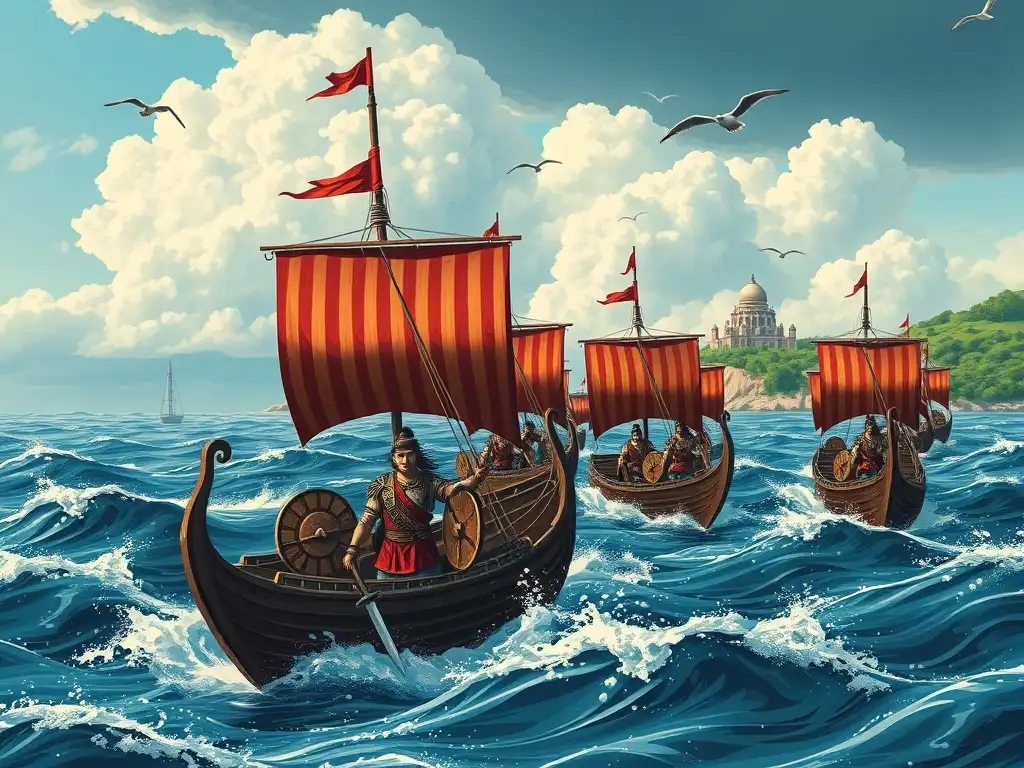
The geographical landscape of ancient India played a pivotal role in shaping its naval warfare strategies. The subcontinent's extensive coastline, characterized by numerous natural harbors, estuaries, and river systems, provided a favorable environment for maritime activities. Understanding these geographical influences is essential for comprehending the development of ancient Indian naval power.
The coastline of India stretches over 7,500 kilometers, encompassing diverse ecosystems from rocky cliffs to sandy beaches. This extensive coastal geography created several opportunities and challenges for naval warfare.
- Natural Harbors:
- Key locations such as Kochi, Kolkata, and Kandla served as strategic naval bases. Their sheltered waters allowed for the safe anchorage of ships, enabling the storage of supplies and the repair of vessels.
- These harbors facilitated the growth of trade routes, which were crucial for sustaining naval power and projecting military strength across the seas.
- Estuary Warfare:
- The numerous rivers flowing into the Arabian Sea and the Bay of Bengal, such as the Ganges and Brahmaputra, provided avenues for naval operations. These rivers not only served as supply lines but also as battlegrounds for coastal skirmishes.
- Engaging in warfare in these estuarine environments often involved using smaller, more maneuverable vessels, enabling naval commanders to leverage the intricate waterways to their advantage.
- Monsoon Winds:
- The seasonal monsoon winds significantly influenced naval tactics and operations. Mariners timed their voyages to take advantage of these winds for efficient travel, impacting the strategic deployment of naval forces during military campaigns.
- Knowledge of monsoon patterns allowed ancient Indian naval forces to conduct surprise attacks or rapid retreats, enhancing their tactical flexibility.
Ultimately, the coastal geography of ancient India was not merely a backdrop but a dynamic element that influenced naval warfare strategies, allowing for innovative tactics and the effective use of resources.
Ancient Indian mariners exhibited remarkable navigational skills that were crucial in their maritime endeavors. These skills were developed through centuries of experience and were essential for executing successful naval warfare strategies.
- Celestial Navigation:
- Ancient Indian sailors adeptly used the stars for navigation, relying on the position of celestial bodies to guide their journeys. Techniques such as observing the North Star and the constellation of the Big Dipper were vital for maintaining course during sea voyages.
- This proficiency in celestial navigation enabled mariners to venture far beyond the sight of land, facilitating long-distance trade and military expeditions.
- Sounding Techniques:
- Mariners employed sounding methods to measure water depth and identify underwater hazards. This knowledge was crucial for avoiding shipwrecks and ensuring safe passage through treacherous waters.
- By using weighted ropes or plumb lines, sailors could determine the nature of the seabed, allowing them to select the best routes for both commerce and combat.
- Knowledge of Currents and Tides:
- A thorough understanding of ocean currents and tidal patterns was integral to ancient Indian naval strategies. Mariners learned to read and predict these natural phenomena, using them to optimize their travel times.
- This expertise allowed naval forces to plan their assaults with precision, utilizing favorable tides to launch surprise attacks against enemy vessels while avoiding unfavorable conditions that could hinder their movements.
- Shipbuilding Techniques:
- The construction of sturdy ships tailored for various maritime conditions was another hallmark of ancient Indian naval prowess. Vessels such as dhow and catamarans were designed for both cargo transport and military engagements.
- Innovations in shipbuilding, including the use of local materials and advanced construction techniques, contributed to the durability and maneuverability of Indian naval fleets.
The navigational skills and techniques of ancient Indian mariners played a crucial role in the development and execution of naval warfare strategies. Their mastery of navigation, understanding of environmental factors, and innovative shipbuilding practices enabled them to thrive in maritime warfare, leaving a lasting legacy in the annals of military history.
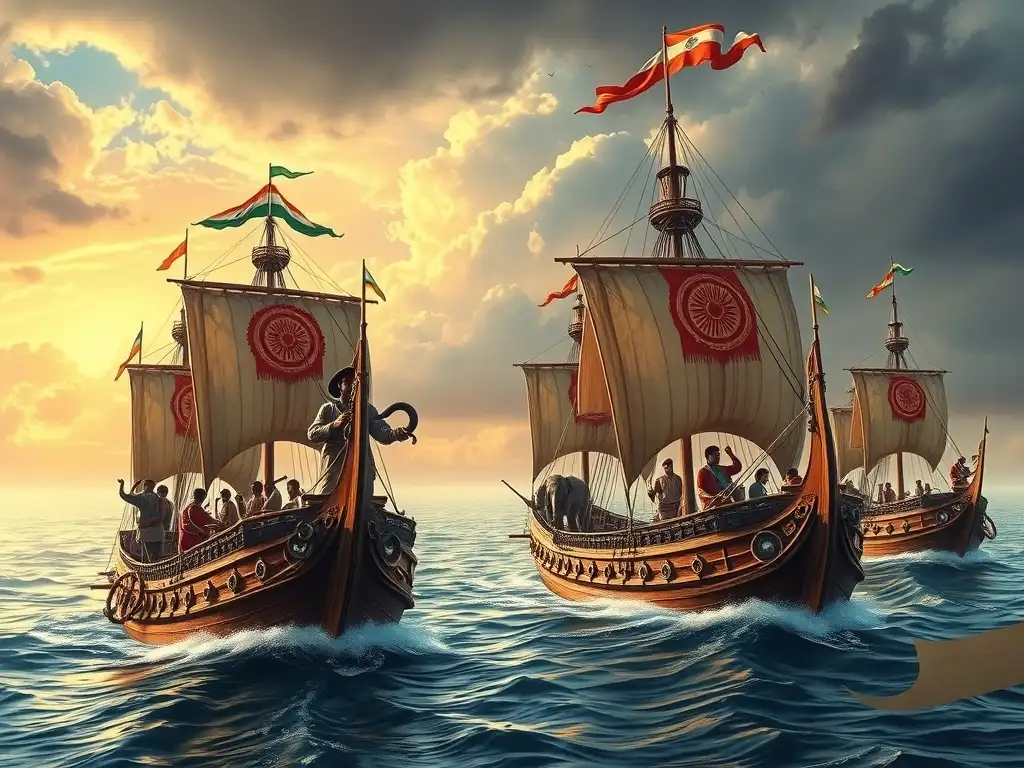
Ancient China, with its extensive river systems and access to the South China Sea, developed a unique approach to naval warfare that differed significantly from Ancient Indian naval strategies. While both civilizations recognized the importance of maritime power, their tactics and technologies reflected their distinct geographical and cultural contexts.
- Ship Designs:
- Chinese Vessels: The Chinese utilized large, flat-bottomed ships, often equipped with sails and oars, providing stability in shallow waters and allowing for rapid maneuvering.
- Indian Crafts: In contrast, Ancient Indian ships, such as the Kauśika, were often more streamlined, designed for ocean voyages. They emphasized long-range travel, enabling trade and military expeditions across the Indian Ocean.
- Tactics:
- Chinese Strategy: The Chinese employed a combination of riverine tactics and coastal defense. Their naval engagements often involved ambushes and the use of fire ships, reflecting their focus on controlling strategic waterways rather than engaging in open sea battles.
- Indian Approach: Ancient Indian naval warfare strategies included both offensive and defensive tactics, with an emphasis on battles at sea. The Indian navy, notably during the Mauryan and Gupta periods, engaged in large-scale maritime warfare, utilizing formations and coordinated attacks.
- Technological Innovations:
- Chinese Developments: The Chinese invented the stern-mounted rudder and watertight compartments, enhancing ship stability and safety during confrontations.
- Indian Innovations: Ancient Indian naval forces utilized advanced navigation techniques, including the use of the stars and ocean currents, allowing for precise long-distance voyages that were critical for trade and military expeditions.
While both Ancient Indian and Chinese naval powers were sophisticated, their strategies and technologies catered to their unique environments and military objectives, showcasing the diversity in ancient maritime practices.
The Mediterranean Maritime Strategies vs. Ancient Indian Tactics
The Mediterranean civilizations, notably the Greeks and Romans, were pioneers in naval warfare, emphasizing a combination of technological advancements and strategic innovations that differed from those seen in Ancient Indian naval warfare strategies.
- Ship Construction:
- Mediterranean Vessels: Ships such as the trireme were designed for speed and agility, featuring multiple rows of oars and a pointed bow for ramming enemy vessels. This design was crucial for the close-quarter naval battles commonly fought in the Mediterranean.
- Indian Maritime Crafts: The Indian ships, such as the Yuktas, were often larger and more robust, built for stability on the open seas. They were equipped for both trade and combat, emphasizing durability over speed.
- Naval Tactics:
- Mediterranean Strategies: The Greeks and Romans favored tactics that involved formation fighting, such as the phalanx at sea, where ships would operate in tight formations to maximize their offensive capabilities.
- Indian Tactics: In contrast, Ancient Indian naval warfare strategies focused on using the vastness of the ocean to their advantage. They employed tactics that allowed them to engage in piracy and trade protection, as well as large-scale naval battles during periods of conflict.
- Cultural Influences:
- Mediterranean Influence: The naval strategies of the Mediterranean were heavily influenced by their political and military needs, with a focus on territorial expansion and control of trade routes.
- Indian Perspective: Ancient Indian naval strategies were shaped by a combination of trade interests and regional security. The Indian Ocean was a vital trade route, and mastery over these waters was essential for economic prosperity.
While both Ancient Indian and Mediterranean naval warfare strategies were advanced for their time, their differing geographical contexts, ship designs, and tactical approaches illustrate the rich diversity of maritime warfare in ancient civilizations. The study of these strategies not only sheds light on the military capabilities of each civilization but also provides insight into their socio-economic structures and cultural priorities.
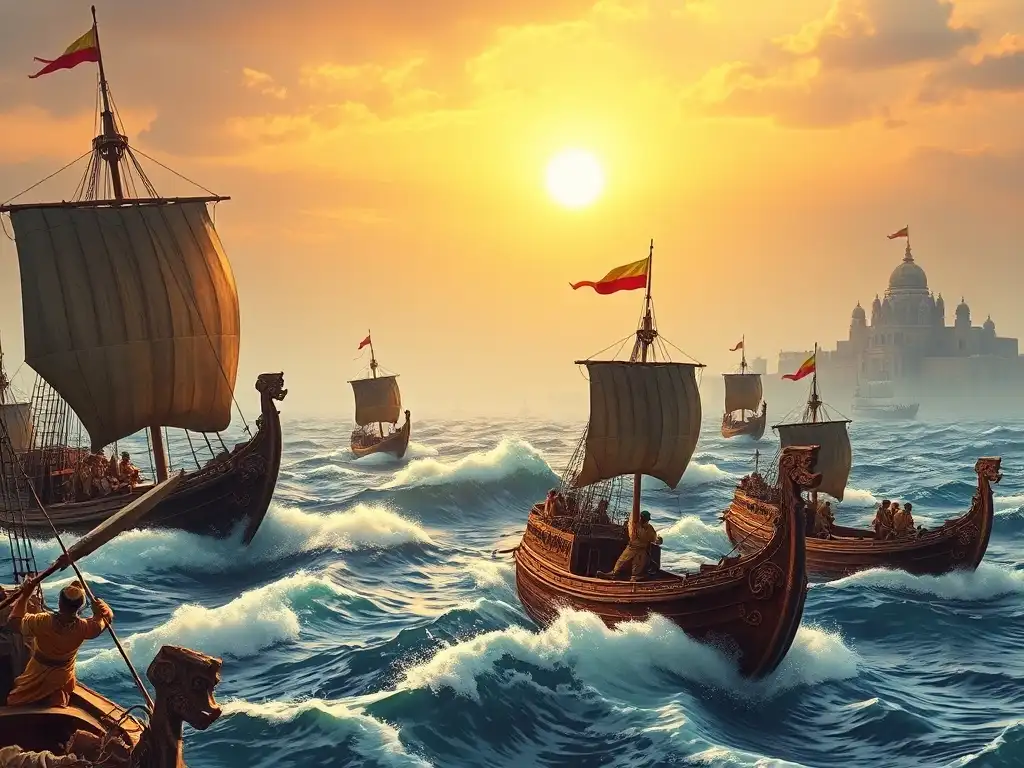
The decline of naval power in ancient India is a multifaceted phenomenon that unfolded over several centuries. While the subcontinent had a rich maritime heritage, including notable naval warfare strategies, various factors contributed to the gradual reduction of this powerful force. Understanding these factors is crucial to appreciating the historical context of ancient Indian naval capabilities.
-
Political Fragmentation
The political landscape of ancient India was marked by fragmentation into numerous regional kingdoms and empires. This disunity often led to rivalries that focused more on land-based warfare rather than maritime endeavors. As kingdoms vied for dominance, resources were redirected towards terrestrial military strategies, diminishing the emphasis on naval power.
-
Economic Constraints
Maintaining a powerful navy requires substantial economic resources. Following the decline of major empires like the Maurya and Gupta, the economic stability of several states faltered. The inability to sustain a robust economy directly impacted their naval capabilities, leading to decreased investment in maritime technology and training.
-
Technological Stagnation
While ancient Indian civilizations were known for their advancements in various fields, there was a noticeable stagnation in naval technology. The lack of innovation in shipbuilding and navigation techniques compared to contemporary maritime powers limited the effectiveness of Indian naval forces. The absence of significant technological upgrades hindered the growth of a formidable navy.
-
Invasions and External Threats
The influx of foreign invasions, particularly from Central Asian tribes and later Islamic conquerors, shifted the focus of military strategy towards land defenses. As these external threats emerged, ancient Indian powers prioritized safeguarding their territories over maritime dominance, further contributing to the decline of naval engagements.
-
Cultural Shift
The cultural perception of naval power also played a role in its decline. As land-based empires gained prominence, the importance of maritime warfare diminished in the eyes of rulers and the populace alike. This shift led to a decrease in naval training and the abandonment of traditional maritime warfare strategies that had once been pivotal in India’s military history.
The legacy of ancient Indian naval warfare strategies continues to resonate in contemporary times, influencing modern naval doctrines and strategies. Key aspects of this legacy include:
-
Naval Trade Routes
Ancient Indian maritime trade routes established a framework for modern shipping lanes. The historical significance of ports like Lothal and Sopara remains evident in current maritime commerce, with their strategic locations still being utilized for trade.
-
Cultural Exchange
The maritime prowess of ancient Indian civilizations facilitated cultural exchanges with other regions, particularly Southeast Asia. This influence is still observable today in the shared cultural practices, art, and architecture of countries in this region, reflecting the enduring impact of ancient Indian naval strategies.
-
Modern Naval Doctrine
Contemporary naval strategies in India draw inspiration from the tactics and formations used in ancient times. The principles of fleet organization and maritime defense established in the past continue to inform the operational strategies of the Indian Navy, emphasizing the importance of maintaining a strong maritime presence.
-
Environmental Awareness
The ancient Indian understanding of maritime ecosystems and sustainable fishing practices can be seen as precursors to modern environmental considerations in naval operations. This legacy highlights the importance of balancing naval power with ecological preservation, a concept increasingly relevant in today’s world.
While the decline of naval power in ancient India was influenced by various political, economic, and cultural factors, the rich legacy of its maritime strategies has left a lasting mark on modern naval practices. Understanding these dynamics not only enriches our knowledge of ancient Indian military history but also underscores the significance of naval power in the contemporary geopolitical landscape.
Conclusion
Ancient Indian naval warfare strategies represent a fascinating yet often overlooked aspect of military history. The maritime prowess demonstrated by various Indian civilizations, particularly during the eras of the Maurya and Gupta Empires, showcases a sophisticated understanding of naval tactics, shipbuilding, and trade dynamics. These strategies were not merely instruments of war but were integral to the expansion of trade routes, cultural exchange, and the assertion of power over neighboring regions.
The significance of ancient Indian naval warfare strategies extends beyond their immediate military applications. The ability to project power across the seas facilitated not only defense against invasions but also enabled trade with distant lands. The Indus Valley Civilization, for instance, utilized its port cities to engage in maritime trade, which laid the groundwork for later naval strategies.
- Technological Innovations: Ships like the Khadga and Vajra were not just vessels; they were symbols of engineering marvels of their time. The construction techniques, materials used, and design elements demonstrated advanced knowledge of hydrodynamics.
- Strategic Alliances: Naval power allowed for the establishment of strategic alliances. The engagement in maritime warfare was often linked to securing trade routes, which was crucial for economic stability and growth.
- Cultural Exchange: The maritime activities led to significant cultural exchanges, enriching Indian civilization with diverse influences from Southeast Asia, the Middle East, and beyond. This cultural intermingling was facilitated by naval expeditions that carried not only goods but also ideas and innovations.
By examining these strategies, modern scholars can gain insights into the socio-political dynamics of ancient India and its interactions with other civilizations.
The Future of Research in Ancient Indian Maritime History
The field of ancient Indian maritime history is ripe for exploration and research. As archaeological methods and technologies advance, the potential for discovering new evidence regarding ancient naval capabilities increases exponentially. Future research should focus on several key areas:
- Archaeological Excavations: There is a need for systematic excavations in coastal regions and near ancient port sites. Discoveries of shipwrecks, cargo, and maritime artifacts could provide invaluable insights into naval technologies and trade practices.
- Interdisciplinary Studies: Collaborations between historians, archaeologists, and marine scientists can lead to a more comprehensive understanding of ancient Indian naval warfare strategies. This multidisciplinary approach will enhance the interpretation of data and broaden perspectives.
- Textual Analysis: Revisiting ancient texts, such as the Arthashastra by Kautilya, could yield references to naval strategies and tactics that have been overlooked. Detailed analysis of these texts may reveal the underlying philosophies that shaped naval warfare.
- Impact of Climate Change: Understanding how ancient civilizations adapted their maritime strategies in response to climate change can offer lessons for contemporary societies. This area of research is increasingly relevant as nations grapple with environmental challenges today.
As we delve deeper into the maritime history of ancient India, we uncover not just the strategies of warfare but the very essence of cultural and economic exchanges that shaped the region’s historical narrative. The exploration of ancient Indian naval warfare strategies promises to enrich our understanding of this vibrant civilization and its contributions to global history.
Frequently Asked Questions
Ancient Indian naval warfare strategies included flanking maneuvers, blockade tactics, and the use of naval formations to outmaneuver opponents. These strategies were critical in securing trade routes and coastal territories.
The Indus Valley Civilization was known for its advanced urban planning and trade networks, which included maritime trade. Their settlements near riverbanks facilitated early developments in shipbuilding and navigation.
What role did the Gupta Empire play in maritime activities?
During the Gupta Empire, naval strength was emphasized to protect trade routes in the Indian Ocean. The Guptas utilized their navy for both defense and to expand their influence over coastal territories.
Yes, significant battles like the Battle of Plassey and various conflicts with Southeast Asian kingdoms showcased the importance of naval power in asserting dominance and protecting commerce, although many details remain undocumented.
Ancient Indian shipbuilding techniques, characterized by the use of wooden hulls and sails, allowed for the construction of sturdy vessels capable of withstanding oceanic challenges. These innovations significantly enhanced the effectiveness of their naval strategies.
The exploration of ancient Indian naval warfare strategies is not merely a historical inquiry; it is a vital reminder of the profound maritime legacy that shaped our civilization. Today, as we navigate the complexities of global trade and geopolitical tensions, understanding these forgotten strategies offers invaluable insights into the significance of naval power in fostering security and prosperity. The lessons learned from the past can illuminate our path forward, emphasizing that the seas have always been a battleground for influence and innovation.
Culture and society are deeply intertwined with our maritime history, and the strategies employed by ancient Indian naval forces continue to resonate in contemporary discussions about national security and trade routes. The intricate naval tactics and the strategic importance of coastal cities remind us that our ancestors were not merely passive observers of the seas; they were active participants in shaping their destinies. As the historian R.C. Majumdar aptly stated, The history of India is incomplete without an understanding of its maritime past.
This acknowledgment of our naval heritage is crucial as we strive to build a future that honors our rich history while addressing modern challenges.
As we conclude this exploration of ancient Indian naval warfare strategies, I invite you to reflect on the lessons of resilience, innovation, and strategic foresight that these historical narratives offer. Consider how the principles of maritime strategy can be applied in your own life, whether in personal endeavors or professional pursuits. Embrace the call to action by engaging with our maritime heritage, fostering a deeper appreciation for the interconnectedness of our world, and recognizing that the tides of history can guide us toward a more informed and empowered future.
Unveil the Secrets of Ancient Maritime Warfare!
Thank you for diving into the fascinating world of naval power in ancient India! You've explored the rich history of maritime strategies and the innovative tactics that shaped naval encounters. Now, it’s time to take your interest to the next level and engage deeper with this intriguing subject.
Here's how you can embark on your journey:
- Explore further: Read additional articles on ancient naval technologies and their vital role in trade and warfare.
- Join the conversation: Share your thoughts and insights in the comments below. We'd love to hear how you believe these strategies are relevant in today's context!
- Connect with fellow enthusiasts: Follow us on social media for regular updates, discussions, and resources related to ancient Indian history.
What aspects of ancient naval strategies do you find most captivating, and how do you think they have influenced modern maritime practices?