
The Archaeological Discoveries of Northern India: Uncovering Forgotten Civilizations

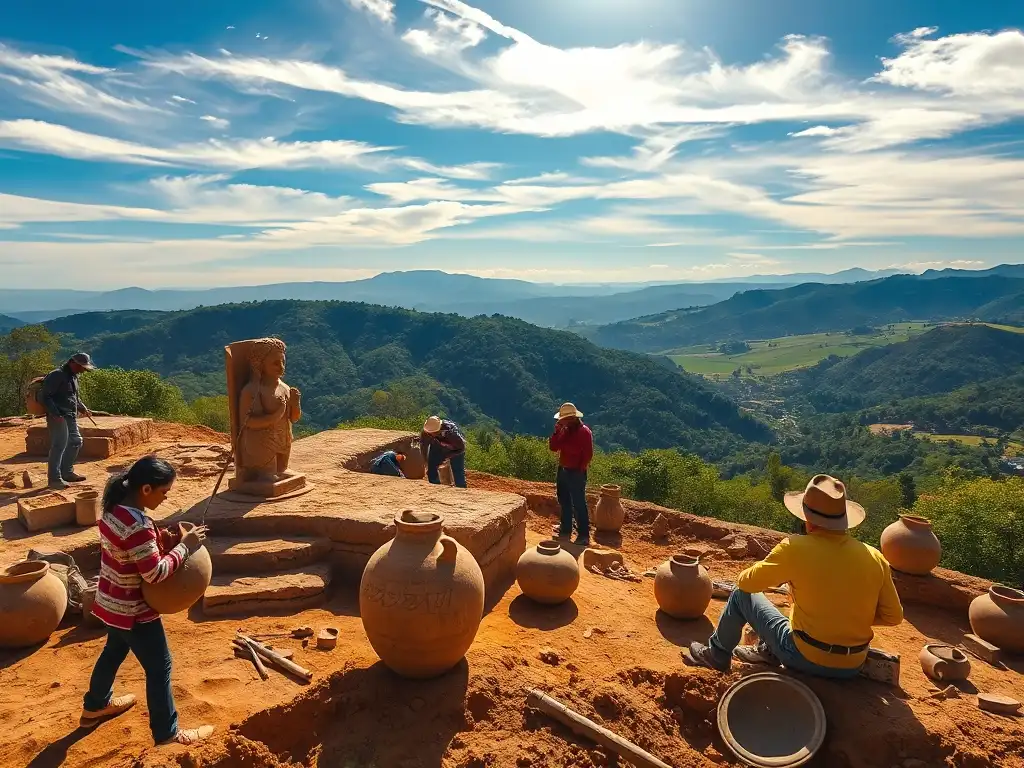
Welcome to Ancient India History, where we embark on a captivating journey through the rich tapestry of India's past. Have you ever wondered what secrets lie beneath the soil of Northern India? In our featured article, “The Archaeological Discoveries of Northern India: Uncovering Forgotten Civilizations,” we delve into the remarkable findings that have reshaped our understanding of ancient cultures and their profound contributions to the world.
Join us as we uncover the mysteries of long-lost civilizations and explore how these archaeological treasures continue to inspire curiosity and awe. Your adventure into the depths of history starts here—read on to discover more!
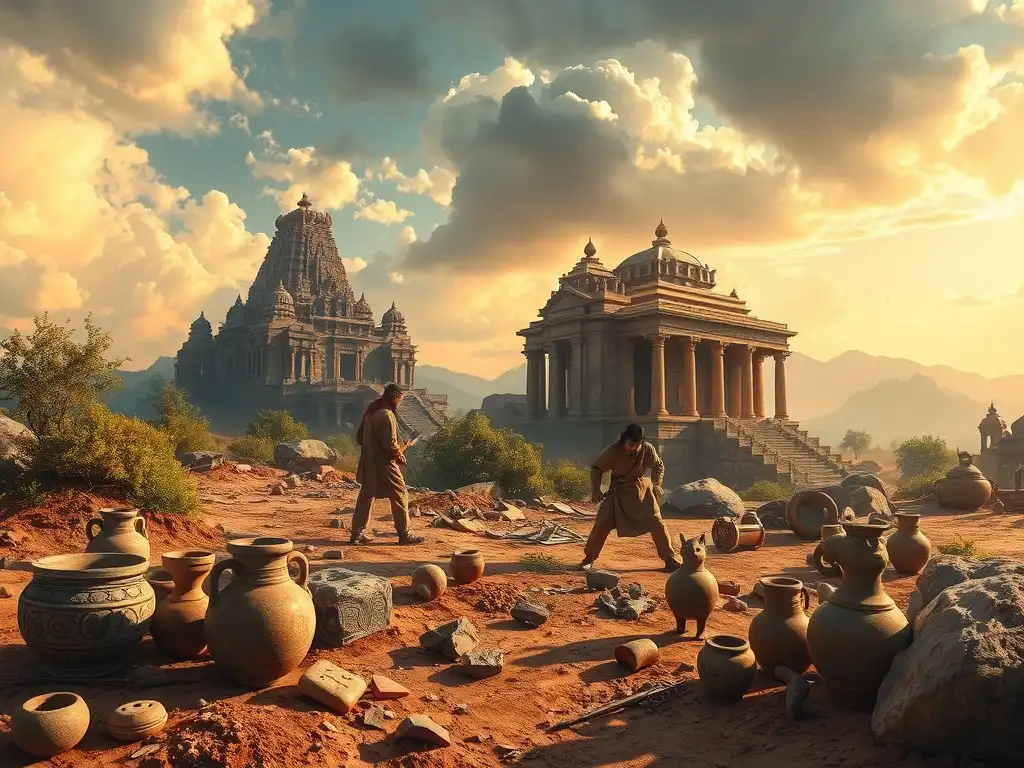
Introduction to Archaeological Discoveries in Northern India
The vast expanse of Northern India is a treasure trove of archaeological wonders, revealing the intricate tapestry of ancient civilizations that flourished in this region. From the sophisticated urban centers of the Indus Valley Civilization to the monumental achievements during the Gupta Empire, the archaeological discoveries in Northern India have played a pivotal role in reshaping our understanding of ancient history.
These findings not only highlight the technological and cultural advancements of the time but also shed light on the social structures and daily lives of the people who inhabited these regions. In this article, we will delve into the significance of these discoveries, explore key archaeological sites, and examine the remarkable contributions of ancient Indian civilizations that continue to influence contemporary society.
Importance of Archaeological Discoveries in Understanding Ancient Civilizations
Archaeological discoveries serve as critical links to our past, providing tangible evidence of the lives, beliefs, and practices of ancient civilizations. These findings are essential for several reasons:
- Cultural Heritage: They help preserve and promote the rich cultural heritage of Northern India, allowing future generations to connect with their history.
- Historical Context: They offer insights into historical timelines, enabling historians to construct a more accurate narrative of human development in the region.
- Technological Advances: They reveal the technological prowess of ancient societies, showcasing innovations in agriculture, architecture, and craftsmanship.
- Societal Structures: They provide evidence of social hierarchies, trade networks, and interactions between different communities.
By piecing together artifacts, structures, and settlement patterns, archaeologists can reconstruct the complexities of ancient life in Northern India, fostering a deeper appreciation for the contributions of these civilizations.
Overview of Key Archaeological Sites in Northern India
Northern India is home to numerous archaeological sites, each offering unique insights into the region's diverse history. Some of the most significant sites include:
- Harappa
- Known for its advanced urban planning and architecture.
- Key discoveries include the Granary and the Great Bath.
- Mohenjo-Daro
- Famous for its well-preserved ruins and sophisticated drainage system.
- Artifacts such as seals and weights have been unearthed.
- Taxila
- An ancient center of learning and culture, significant during the Gandhara period.
- Notable for its stupas and monastic complexes.
- Nalanda
- A renowned ancient university that attracted scholars from across Asia.
- Excavations reveal extensive libraries and residential quarters.
These sites, among others, illustrate the region's historical significance and the remarkable achievements of its inhabitants.
The Indus Valley Civilization: A Foundation of Northern Indian History
The Indus Valley Civilization (IVC) stands as one of the earliest urban cultures in the world, emerging around 3300 BCE and flourishing until approximately 1300 BCE. It laid the groundwork for subsequent developments in Northern India, marked by its innovative approaches to city planning, trade, and governance.
Major Archaeological Sites: Harappa and Mohenjo-Daro
Two of the most prominent sites associated with the Indus Valley Civilization are Harappa and Mohenjo-Daro.
- Harappa
- Located in present-day Pakistan, Harappa was a bustling urban center characterized by its grid layout and advanced drainage systems.
- Key structures include the Great Granary, indicative of organized agriculture and trade.
- Mohenjo-Daro
- Situated near the Indus River, this site is famous for its sophisticated urban infrastructure, including public baths and intricate water management systems.
- The discovery of the "Dancing Girl" bronze statue exemplifies the artistic achievements of the civilization.
Artifacts and Their Significance: Pottery, Seals, and Tools
The artifacts excavated from these sites provide invaluable insights into the daily lives and cultural practices of the people. Key artifacts include:
- Pottery
- Often adorned with intricate designs, pottery indicates advances in craftsmanship and trade.
- Seals
- Used for trade and identification, seals depict various motifs, including animals and script, reflecting the civilization's complexity.
- Tools
- Stone and metal tools reveal technological innovations that supported agriculture and craftsmanship.
These artifacts not only highlight the economic and social organization of the IVC but also offer a glimpse into the artistic and spiritual lives of its people.
Insights into Urban Planning and Societal Structure
The urban planning of the Indus Valley Civilization showcases remarkable foresight and organization. Key features include:
- Grid Layout: Cities like Mohenjo-Daro were designed with a precise grid pattern, facilitating efficient movement and organization.
- Drainage Systems: Advanced drainage systems indicate a high level of public health awareness and engineering skill.
- Public and Private Spaces: The distinction between residential areas and public spaces suggests a complex societal structure with defined roles and functions.
These elements underscore the sophistication of the Indus Valley Civilization, highlighting its influence on subsequent cultures in Northern India. The archaeological discoveries of this era continue to unravel the mysteries of a remarkable civilization that laid the foundations for future advancements in the region.
The Vedic Period: Unearthing the Roots of Indian Culture
The Vedic Period, spanning from approximately 1500 BCE to 500 BCE, marks a significant chapter in the history of Northern India, characterized by the composition of the Vedas, the oldest sacred texts of Hinduism. Archaeological discoveries during this era have provided profound insights into the social, cultural, and religious practices of early Indian civilizations. Excavations at sites such as Hastinapura and Kurukshetra have unearthed artifacts that suggest a complex society with distinct social stratification, agricultural practices, and religious rituals.
The material culture of the Vedic Period reflects a transition from the nomadic lifestyles of the early Indo-Aryans to more settled agricultural communities. Findings such as pottery, tools, and remnants of fire altars indicate the importance of rituals and communal activities in these societies. The presence of specific motifs and symbols in pottery suggests a rich tapestry of beliefs and practices that laid the foundation for Hindu traditions.
Key Findings from Archaeological Excavations
Archaeological excavations across Northern India have revealed a wealth of artifacts that illuminate the Vedic way of life. Significant findings include:
- Pottery and Terracotta Figurines: Distinctive painted grey ware and terracotta figurines have been discovered, showcasing artistic expressions and everyday life, including depictions of animals and human figures.
- Fire Altars (Yajna): Structures used for Vedic rituals have been found, indicating the central role of fire sacrifices in religious practices.
- Settlements: Excavations in areas like Punjab and Haryana have uncovered remnants of settlements that suggest the emergence of agrarian societies, with evidence of rice and barley cultivation.
These discoveries collectively paint a picture of a society deeply intertwined with its environment, where agriculture, ritual, and community life were foundational to its identity.
The Role of Rituals and Religion in Ancient Northern Indian Societies
Rituals and religious practices were central to the social fabric of Vedic societies. The Vedas themselves are a testament to the significance of rituals, providing detailed instructions on sacrifices and ceremonies. Archaeological evidence, such as fire altars and ritual implements, underscores the importance of these practices in maintaining cosmic order (Rta) and ensuring prosperity.
Moreover, the worship of deities such as Indra, Agni, and Varuna reveals the early forms of polytheism that characterized these societies. Temples and altars discovered at various sites indicate that religious life was communal, with large gatherings for rituals that fostered social cohesion. The role of priests (Brahmins) as mediators between the divine and the community further highlights the interconnectedness of religion and governance in early Indian civilization.
Transition from Nomadic to Settled Life
The transition from a nomadic lifestyle to settled agricultural communities during the Vedic Period was a pivotal development in ancient Northern India. This shift is reflected in archaeological findings that reveal the gradual domestication of plants and animals.
Evidence of agricultural practices, such as plowed fields and granaries, suggests that communities began to cultivate crops systematically. The establishment of permanent settlements led to increased population density and the development of social hierarchies. This transformation not only influenced daily life but also facilitated trade and cultural exchanges, laying the groundwork for future civilizations in the region.
Mauryan and Post-Mauryan Discoveries: A Rich Tapestry of History

The Mauryan Empire (circa 322–185 BCE) stands as one of the most remarkable periods in ancient Indian history, known for its vast territorial expanse and significant advancements in governance, culture, and trade. Archaeological discoveries from this era provide critical insights into the political and social dynamics of the time.
Archaeological Evidence of the Mauryan Empire
Significant archaeological evidence has been uncovered that illustrates the grandeur of the Mauryan Empire. Key findings include:
- Palatial Remains: Excavations at Pataliputra, the capital city, have revealed the foundations of palaces and public buildings, showcasing the architectural sophistication of the time.
- Urban Planning: The layout of cities with well-defined streets, drainage systems, and residential areas indicates advanced urban planning practices.
- Trade Routes: Discoveries of trade goods, including coins and pottery, suggest that the Mauryan Empire was a hub for commerce, connecting various regions through extensive trade networks.
These findings demonstrate the Mauryan Empire's role in shaping the political and economic landscape of ancient Northern India.
Notable Discoveries: Ashoka’s Edicts and Stupas
One of the most significant archaeological discoveries from the Mauryan period is the edicts of Emperor Ashoka, inscribed on pillars and rocks across the Indian subcontinent. These edicts provide essential insights into Ashoka's policies, promoting non-violence, morality, and social welfare.
Additionally, the stupas, particularly the Great Stupa at Sanchi, are remarkable architectural feats that served as important religious monuments. They reflect the spread of Buddhism during Ashoka's reign and signify the cultural exchanges that occurred as a result of his efforts to promote the faith.
Cultural Exchanges and Trade Networks in Northern India
The Mauryan Empire was not only a political powerhouse but also a melting pot of cultural exchanges and trade networks. Archaeological evidence suggests that trade routes flourished during this period, connecting Northern India to distant regions such as Central Asia, the Mediterranean, and Southeast Asia.
Artifacts such as Roman coins found in Indian archaeological sites demonstrate the extent of these trade connections. The exchange of goods, ideas, and cultural practices contributed to the rich tapestry of Northern Indian civilization, fostering developments in art, religion, and philosophy that would influence generations to come.
Through these discoveries, the legacy of the Mauryan Empire continues to resonate, highlighting its significance in the broader context of ancient Indian history.
Gupta Empire: The Golden Age of Ancient India
The Gupta Empire, which flourished from approximately 320 to 550 CE, is often hailed as a golden age in the history of ancient India. This period was marked by significant advancements in various fields, including art, science, mathematics, and philosophy. The Gupta rulers, particularly Chandragupta I and his successors, established a strong centralized government that fostered economic prosperity and cultural development. This era also saw the unification of Northern India, which allowed for the exchange of ideas and resources, further enhancing the region's stability and growth.
Archaeological findings from this period reveal a flourishing society characterized by urbanization, trade, and the proliferation of educational institutions. The establishment of universities, such as Nalanda and Vikramshila, attracted scholars from across Asia, facilitating the exchange of knowledge. The Gupta period also witnessed a rise in the use of the Sanskrit language, which became the medium for literary and scholarly pursuits, solidifying its legacy in Indian culture.
Archaeological Discoveries Reflecting Gupta Prosperity
Numerous archaeological discoveries across Northern India illustrate the prosperity of the Gupta Empire. Excavations at sites such as Paharpur, Sarnath, and Ujjain have unearthed impressive remnants of urban planning, including intricate road networks, well-structured drainage systems, and sophisticated residential complexes.
Key findings include:
- Sculptures and Stupas: The discovery of intricately carved sculptures and stupas, particularly in Sarnath, demonstrates the Gupta's exceptional craftsmanship and artistic sensibilities. These artifacts often depict scenes from Buddhist and Hindu mythology, showcasing the religious diversity of the time.
- Coins: The large number of coins minted during the Gupta period reflects the empire's economic stability. The coins often feature portraits of rulers and deities, providing insights into the political hierarchy and religious beliefs prevalent at the time.
- Inscriptions: Epigraphic evidence found on stone tablets and pillars offers a glimpse into the administrative practices and cultural achievements of the Gupta Empire. Notable inscriptions include the Allahabad Pillar Edicts, which celebrate the achievements of Emperor Samudragupta.
These discoveries collectively highlight the Gupta Empire's role as a center of trade, culture, and intellectual progress in ancient India.
Contributions to Art, Science, and Literature in Northern India
The Gupta Empire is renowned for its remarkable contributions to art, science, and literature, which have left an indelible mark on Indian civilization.
- Art: Gupta art is characterized by its elegant sculptures, frescoes, and intricate carvings. The artistic style is noted for its realism and attention to detail, with significant works found in temples and monasteries, such as the Ajanta and Ellora caves, where exquisite murals and sculptures provide insights into religious narratives.
- Science: This era saw groundbreaking advancements in mathematics and astronomy. Prominent scholars like Aryabhata made significant contributions, including the introduction of the concept of zero and the approximation of pi. Their works laid the foundation for further developments in these fields.
- Literature: The Gupta period was also a time of prolific literary activity. Notable poets and playwrights, such as Kalidasa, produced timeless works that explored themes of love, nature, and philosophy. His plays, including "Shakuntala," are celebrated for their poetic elegance and depth.
Overall, the rich tapestry of contributions during the Gupta Empire reflects a vibrant cultural milieu that continues to influence modern Indian society.
The Impact of Religion and Philosophy on Gupta Society
The Gupta Empire was marked by a remarkable synthesis of religious beliefs and philosophical thought, which played a pivotal role in shaping its society. Hinduism, Buddhism, and Jainism coexisted during this period, fostering a climate of tolerance and intellectual discourse.
- Hinduism: The Gupta rulers were staunch patrons of Hinduism, which experienced a renaissance during this time. Temples were constructed, and religious texts were codified, leading to the proliferation of various sects within Hinduism. This era also witnessed the composition of texts like the "Puranas," which contributed to the rich mythological landscape of Hindu culture.
- Buddhism: Despite the rise of Hinduism, Buddhism continued to thrive, particularly in regions like Bihar and Uttar Pradesh. The construction of stupas and monasteries facilitated the spread of Buddhist teachings, attracting scholars and pilgrims from across Asia.
- Philosophy: The Gupta period was a flourishing time for philosophical inquiry. Scholars engaged in discussions on ethics, metaphysics, and epistemology, laying the groundwork for future philosophical traditions. The synthesis of various philosophical schools, particularly the development of Vedanta and Nyaya, highlighted the intellectual vibrancy of the era.
The interplay between religion and philosophy during the Gupta Empire not only shaped societal norms but also influenced the moral and ethical frameworks that guided individuals and communities.
Challenges in Archaeological Discoveries in Northern India
While the archaeological discoveries in Northern India have uncovered significant insights into ancient civilizations, various challenges hinder the exploration and preservation of these sites.
Environmental and Political Factors Affecting Excavations
Environmental conditions pose substantial challenges for archaeologists in Northern India. Natural factors such as monsoons, floods, and erosion can damage excavation sites and artifacts, complicating preservation efforts. Moreover, the region's diverse geography, including deserts, mountains, and rivers, presents logistical hurdles for excavation teams.
Political factors also play a critical role in archaeological research. Issues such as bureaucratic delays, funding constraints, and regional conflicts can impede excavation projects. In some cases, archaeological sites have been neglected due to political instability, limiting the scope of research and preservation efforts.
The interplay of these environmental and political challenges necessitates innovative strategies to ensure the protection and study of Northern India's rich archaeological heritage.
Preservation of Archaeological Sites and Artifacts
The preservation of archaeological sites and artifacts in Northern India is a pressing concern, given the threats posed by urban expansion, tourism, and environmental degradation. Many sites face encroachment from development projects, leading to irreversible damage to the archaeological context.
Efforts to preserve these sites involve:
- Legal Protections: Implementing laws and regulations to safeguard archaeological sites from encroachment and destruction is essential. The Archaeological Survey of India (ASI) plays a crucial role in monitoring and protecting sites of historical significance.
- Conservation Techniques: Advanced conservation techniques, including climate-controlled storage for artifacts and restoration projects for damaged structures, are vital for maintaining the integrity of archaeological finds.
- Public Awareness: Educating local communities and the general public about the importance of preserving cultural heritage fosters a sense of responsibility and encourages active participation in preservation efforts.
Effective preservation strategies are crucial for ensuring that future generations can continue to explore and learn from the rich archaeological legacy of Northern India.
The Role of Local Communities in Archaeological Research
Local communities play an indispensable role in the success of archaeological research in Northern India. Their participation not only enhances the archaeological process but also fosters a deeper connection between the local population and their heritage.
- Collaboration: Engaging local communities in archaeological projects encourages collaboration and ensures that research is culturally sensitive. Local knowledge and traditions can provide invaluable insights into the historical significance of sites, contributing to a more comprehensive understanding of the past.
- Employment Opportunities: Involving local residents in excavation and conservation efforts creates job opportunities and fosters economic development. This participation can lead to a greater appreciation of cultural heritage and promote sustainable tourism.
- Cultural Preservation: Local communities are often the custodians of oral histories and traditional practices that enrich our understanding of archaeological sites. By actively participating in research, they help preserve these narratives, ensuring that cultural heritage is honored and passed down through generations.
The involvement of local communities is essential for the successful exploration and preservation of Northern India's archaeological treasures, bridging the gap between past and present.
Future Prospects for Archaeological Research in Northern India
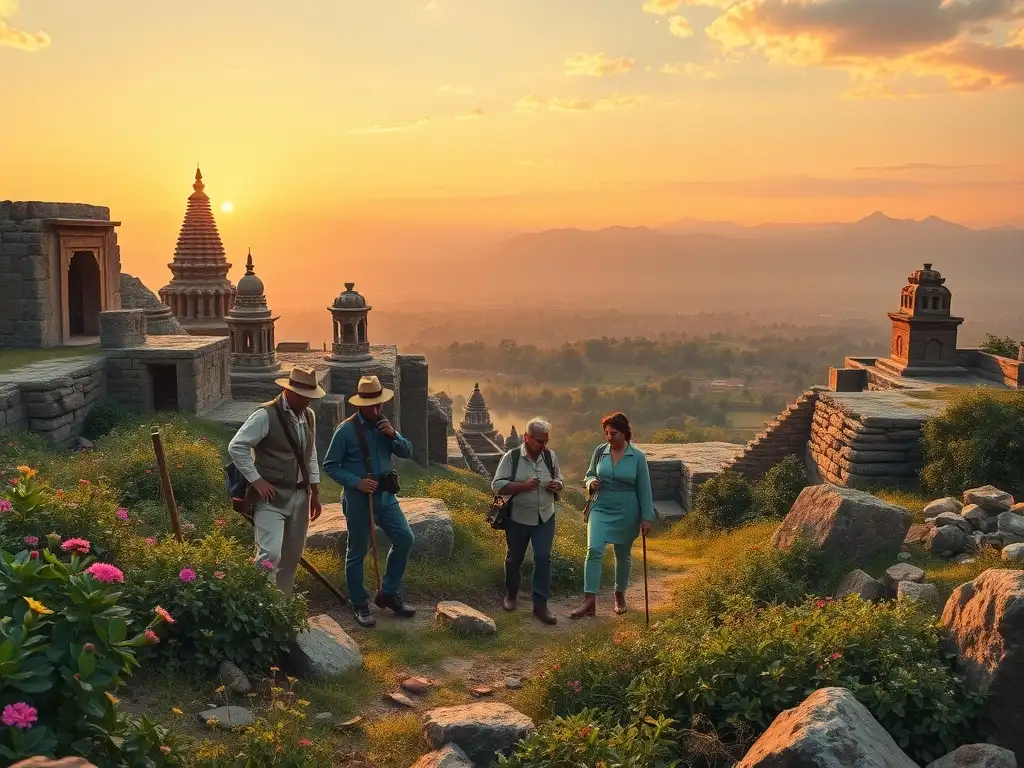
The future of archaeological research in Northern India is poised for significant advancements, driven by emerging technologies, increased funding, and a growing interest in the region's rich historical tapestry. As scholars and institutions continue to recognize the importance of Northern India in the broader narrative of ancient civilizations, we can expect a surge in exploration and discoveries that will further illuminate the past. A collaborative approach among local communities, researchers, and governmental bodies will be crucial in realizing these prospects.
Emerging Technologies in Archaeology
Recent advancements in technology are revolutionizing the field of archaeology, making it easier to uncover and understand ancient sites. Ground-penetrating radar (GPR), drone technology, and LiDAR (Light Detection and Ranging) are some of the tools that are increasingly being deployed in Northern India. These technologies allow for non-invasive surveys of large areas, revealing hidden structures and artifacts without disturbing the ground. For instance, LiDAR has been instrumental in mapping the ancient urban centers that lay buried beneath dense vegetation, while drone imagery enhances the documentation of site conditions and provides comprehensive aerial views.
Moreover, the application of 3D scanning and digital modeling enables archaeologists to create detailed reconstructions of sites and artifacts, facilitating better analysis and public engagement. As these tools become more accessible, we can anticipate a more thorough and nuanced understanding of the archaeological landscape of Northern India.
Potential New Sites for Exploration and Discovery
Northern India is dotted with numerous sites that remain largely unexplored or under-researched. Areas such as the Himalayan foothills, the Ganges Valley, and the Thar Desert are believed to harbor archaeological treasures waiting to be uncovered. Recent studies have suggested the existence of ancient trade routes and settlements that could provide insights into the economic and cultural exchanges of past civilizations.
Notable potential sites include:
- Kausambi: An ancient city with historical significance, which may reveal more about the early urbanization in Northern India.
- Sarnath: While known as a significant Buddhist site, further excavations could uncover layers of history relating to pre-Buddhist societies.
- Madhya Pradesh: Regions within this state are thought to contain remnants of the Maurya and Gupta Empires that remain dormant beneath the surface.
By focusing research efforts on these and other potential sites, archaeologists can expand our understanding of the diverse civilizations that thrived in Northern India.
Collaborative Efforts for Preserving Northern India's Archaeological Heritage
Preservation of archaeological sites is essential for ensuring that future generations can continue to learn from these invaluable resources. Collaborative efforts among the government, local communities, and international organizations are crucial for safeguarding Northern India's archaeological heritage. Initiatives such as the Archaeological Survey of India work towards the conservation and protection of sites, while educational programs aim to engage local populations in these efforts.
Additionally, partnerships with universities and research institutions can enhance preservation strategies. These collaborations can lead to the development of sustainable tourism practices that both promote awareness of archaeological sites and provide economic benefits to local communities. Such efforts not only help preserve the physical remnants of ancient civilizations but also foster a sense of pride and ownership among local populations.
Conclusion: The Legacy of Archaeological Discoveries in Northern India
The archaeological discoveries in Northern India have profoundly impacted our comprehension of ancient civilizations, revealing the complexity and richness of human history in this region. Each new find contributes to a broader understanding of cultural practices, social structures, and technological advancements that characterized life thousands of years ago.
Summarizing the Impact of Discoveries on Understanding Ancient Civilizations
The unearthing of ancient cities, artifacts, and inscriptions has reshaped historical narratives and provided tangible evidence of interactions between various cultures and empires. Discoveries such as the Indus Valley Civilization remnants and the Gupta Empire artifacts have illustrated the advancements in urban planning, trade, and governance. These findings underscore the idea that Northern India was a vibrant hub of cultural and economic activity, influencing and being influenced by neighboring regions.
The Importance of Continued Research and Exploration in Northern India
As we look to the future, it is imperative that research and exploration in Northern India continue to thrive. The region holds many mysteries that, when uncovered, can offer insights into the human experience across time. Continued support for archaeological endeavors, coupled with an openness to integrating modern technologies, will pave the way for new discoveries that can further enrich our understanding of ancient civilizations.
The archaeological discoveries in Northern India not only preserve the past but also inspire future generations to explore, learn, and appreciate the rich tapestry of human history that continues to shape our world today.
References
Citing Important Works and Studies on Archaeological Discoveries in Northern India
The archaeological landscape of Northern India has been shaped by numerous pivotal studies and discoveries that have unveiled the intricacies of its ancient civilizations. Key works include:
-
"The Indus Civilization: A Contemporary Perspective" by Gregory L. Possehl
This comprehensive work delves into the complexities of the Indus Valley Civilization, offering insights into its urban planning, economy, and decline, which are crucial to understanding the broader context of Northern India's history.
-
"Excavations at Harappa" by Richard H. Meadow
Meadow's research provides an in-depth analysis of the Harappa site, one of the most significant urban centers of the Indus Valley Civilization. His findings on the site's layout and artifacts contribute to our understanding of social structures and daily life.
-
"The Archaeology of Ancient Indian Cities" by Michael D. Roaf
This book explores the urbanization patterns that emerged in ancient India, particularly during the Mauryan and Gupta periods. Roaf's examination of archaeological evidence sheds light on the architectural advancements of the time.
-
"Ancient India" by Romila Thapar
Thapar's work is seminal in Indian historiography, providing a critical overview of ancient Indian history, including archaeological findings that have shaped our understanding of cultural and political developments.
These texts serve as foundational resources for scholars and enthusiasts alike, offering a blend of archaeological evidence and historical analysis that is essential for comprehending the rich tapestry of Northern India's past.
Recommended Reading for Further Exploration of Ancient Indian History
For those interested in deepening their knowledge of ancient Indian history and the archaeological discoveries in Northern India, the following titles are recommended:
-
"India: A History" by John Keay
This engaging narrative provides a sweeping overview of Indian history, emphasizing the significance of archaeological findings in shaping our understanding of ancient societies.
-
"The Lost River: On the Trail of the Sarasvati" by Michel Danino
Danino's exploration of the Sarasvati River and its cultural implications offers a fascinating look at how geography influenced ancient Indian civilizations and their archaeological remnants.
-
"The Art of Ancient India: Buddhist, Hindu, Jain" by Susan L. Huntington & John C. Huntington
This book showcases the artistic achievements of ancient Indian civilizations, highlighting the archaeological sites that reveal the cultural richness of the period.
-
"The Archaeology of Early Historic South Asia: Rise, Presence and Transformation" by Robin Coningham and Ruth Young
This work focuses on the transition from prehistoric to historic periods in India, analyzing archaeological evidence that marks significant societal changes.
These readings not only enhance understanding of archaeological discoveries in Northern India but also provide broader insights into the cultural and historical contexts that shaped ancient Indian civilizations.
- Introduction to Archaeological Discoveries in Northern India
- The Indus Valley Civilization: A Foundation of Northern Indian History
- The Vedic Period: Unearthing the Roots of Indian Culture
- Mauryan and Post-Mauryan Discoveries: A Rich Tapestry of History
- Gupta Empire: The Golden Age of Ancient India
- Challenges in Archaeological Discoveries in Northern India
- Future Prospects for Archaeological Research in Northern India
- Conclusion: The Legacy of Archaeological Discoveries in Northern India
- References
- What are some notable archaeological discoveries in Northern India?
- How have these discoveries contributed to our understanding of ancient Indian civilizations?
- What role did the Indus Valley Civilization play in ancient history?
- How did the Gupta Empire influence the archaeological landscape of Northern India?
- Why is Northern India significant in the study of ancient Indian history?
Frequently Asked Questions
What are some notable archaeological discoveries in Northern India?
Notable archaeological discoveries include the ruins of the Indus Valley Civilization, the Buddhist stupas at Sanchi, and the ancient city of Taxila, each revealing important aspects of ancient Indian society.
How have these discoveries contributed to our understanding of ancient Indian civilizations?
These discoveries have provided insights into social structures, trade routes, and cultural practices, enhancing our understanding of the diversity and complexity of ancient Indian civilizations.
What role did the Indus Valley Civilization play in ancient history?
The Indus Valley Civilization is one of the world’s earliest urban cultures, known for its advanced city planning, drainage systems, and trade networks, highlighting the sophistication of ancient Indian society.
How did the Gupta Empire influence the archaeological landscape of Northern India?
The Gupta Empire marked a golden age of art and culture, resulting in numerous temples, sculptures, and inscriptions that reflect the religious and artistic achievements of that era.
Why is Northern India significant in the study of ancient Indian history?
Northern India is significant due to its role as a cultural crossroads, hosting various civilizations and contributing to the rich tapestry of Indian history through its archaeological wealth.
Final Reflection: Unveiling the Past to Illuminate Our Future
The archaeological discoveries in Northern India serve as a profound reminder of our shared human heritage and the intricate tapestry of civilizations that have shaped our world. These findings not only enrich our understanding of history but also challenge us to reconsider our place within it. As we uncover the remnants of forgotten societies, we are reminded that the lessons of the past are not merely relics but vital narratives that resonate with contemporary issues, urging us to learn from the triumphs and failures of those who came before us.
The impact of these archaeological discoveries extends far beyond the academic realm; they influence our cultural identity and social consciousness. As we explore the ancient cities, temples, and artifacts of Northern India, we are not just spectators of history; we are participants in a dialogue that spans millennia. The stories unearthed from the soil serve as a bridge connecting us to our ancestors, fostering a sense of continuity and belonging. History is not a burden on the memory but an illumination of the soul.
This quote encapsulates the essence of how these discoveries can inspire us to reflect on our values and aspirations as a society.
As we conclude this exploration of Northern India's archaeological treasures, I invite you to embark on your own journey of reflection. Consider how the lessons from these ancient civilizations can inform your actions today. Whether it’s embracing diversity, valuing sustainability, or nurturing community, let the echoes of the past guide you in shaping a future that honors our shared legacy. Together, we can ensure that the stories of those who came before us continue to inspire and resonate in our lives.
Unveil the Wonders of Ancient Civilizations!
Thank you for diving into the remarkable archaeological discoveries of Northern India with us! We hope you found this journey through forgotten civilizations inspiring and full of insights. Now, it’s your turn to take action and deepen your connection with this rich history.
Here are some ways you can continue exploring:
- Join a local archaeology group or online forum to engage with fellow history enthusiasts—share your thoughts and discoveries!
- Visit a museum dedicated to ancient Indian history and immerse yourself in the artifacts that tell these stories.
- Consider volunteering for an archaeological dig or project; hands-on experience offers profound insights and memories that books alone can’t capture.
Which ancient civilization captivates you the most, and how do you plan to explore its legacy further?