
The Cultural Exchange Between Northern India and the Persian Empire: A Historical Insight

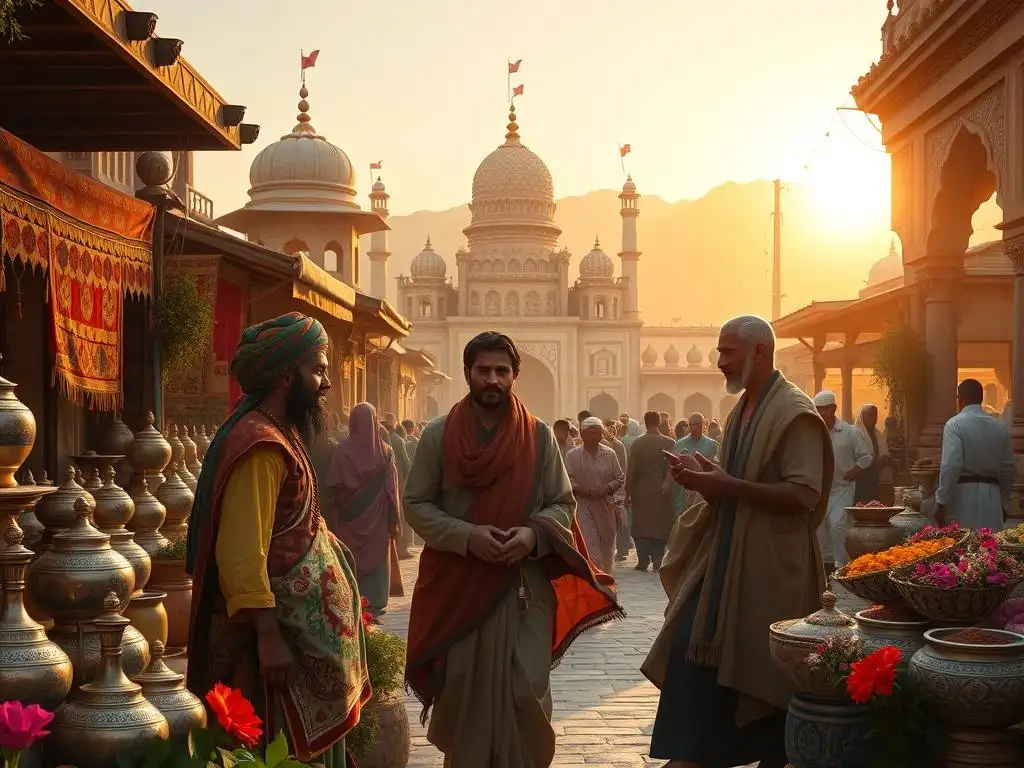
Welcome to Ancient India History, where we embark on a journey through time to uncover the rich tapestry of ancient civilizations that shaped the Indian subcontinent. Our featured article, “The Cultural Exchange Between Northern India and the Persian Empire: A Historical Insight,” invites you to delve into the fascinating interactions that fostered a remarkable blend of traditions, art, and knowledge. Discover how these ancient connections influenced not only the regions involved but also laid the groundwork for future cultural landscapes. Ready to unravel the mysteries of this vibrant history? Let’s explore the profound impact of these exchanges together!
Cultural exchange between Northern India and the Persian Empire represents a fascinating chapter in the annals of ancient history. As two powerful and influential civilizations, their interactions laid the groundwork for a rich tapestry of shared knowledge, artistic expression, and technological advancements. This article delves into the nuances of this exchange, exploring how trade routes, conquests, and diplomatic relationships fostered a unique blend of cultures.
By examining the intricate social, political, and economic ties that developed over centuries, we can gain a deeper understanding of the ways in which these ancient societies influenced one another and shaped the course of history. The significance of these interactions extends beyond mere historical interest; they underscore the importance of cultural diplomacy and the shared human experience that transcends geographical boundaries.
Introduction to Cultural Exchange Between Northern India and Persia
The cultural exchange between Northern India and the Persian Empire dates back to ancient times, characterized by a series of interactions that were facilitated by geography, trade, and political ambitions. The Persian Empire, renowned for its vast territory and diverse population, encompassed regions that were strategically located along the trade routes connecting India to the West. This geographical positioning played a pivotal role in establishing trade networks, allowing for the exchange of goods, ideas, and cultural practices.
One of the most significant periods of cultural exchange occurred during the Achaemenid dynasty (c. 550–330 BCE), when the Persian Empire extended into the northwestern regions of the Indian subcontinent. The incorporation of parts of India into the empire not only enriched Persian culture but also introduced Indian customs and traditions to the Persian elite. This mutual influence can be observed in various aspects, including:
- Art and Architecture: The fusion of Persian and Indian artistic styles led to the creation of unique architectural forms and decorative arts.
- Religion and Philosophy: The interactions between Zoroastrianism and Indian philosophical thoughts contributed to new spiritual ideas and practices.
- Language and Literature: The exchange of languages, particularly the influence of Old Persian on Indo-Aryan languages, enriched the literary traditions of both cultures.
Importance of Understanding Cultural Interactions in Ancient Civilizations
Understanding the cultural interactions between Northern India and the Persian Empire is crucial for several reasons:
- Historical Context: It provides insight into how ancient civilizations interacted, negotiated, and coexisted, shaping their identities over time.
- Cultural Heritage: Recognizing the shared influences helps preserve the rich cultural heritage that emerged from these interactions, highlighting the interconnectedness of human societies.
- Lessons for Modern Society: The historical exchanges between cultures offer valuable lessons on diplomacy, tolerance, and the benefits of collaboration in a globalized world.
By studying these interactions, we can better appreciate the complexity of ancient societies and their lasting legacies in contemporary culture. The cultural exchange between Northern India and the Persian Empire is not just a historical footnote; it is a testament to the enduring impact of cross-cultural relationships that continue to resonate today.
- Introduction to Cultural Exchange Between Northern India and Persia
- Importance of Understanding Cultural Interactions in Ancient Civilizations
- What was the nature of the cultural exchange between Northern India and Persia?
- How did the Persian Empire impact Northern Indian society?
- What were some key contributions of ancient Indian civilizations to Persia?
- How did trade routes facilitate this exchange?
- What are some lasting effects of this cultural exchange today?
Historical Context of Northern India and the Persian Empire
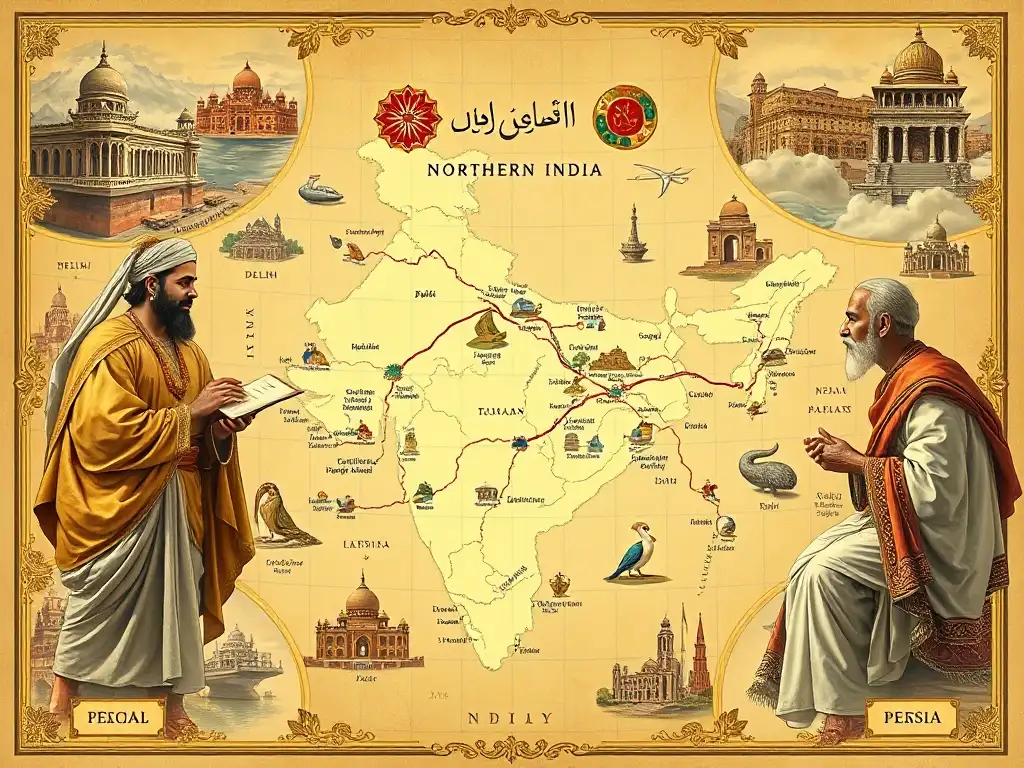
Overview of Northern India in Ancient Times
Northern India has served as a cradle for several significant civilizations, with its rich tapestry of cultures woven over millennia. During ancient times, this region was characterized by diverse societies, languages, and religions. The Indus Valley Civilization, which flourished around 2500 BCE, is one of the earliest urban cultures in the world, showcasing advanced urban planning and trade systems. Following its decline, various kingdoms emerged, including the Mahajanapadas, which were republican states and monarchies that played a crucial role in shaping political and social structures.
The cultural landscape of Northern India was further enriched by the arrival of Aryans, who introduced the Vedic texts, leading to the establishment of Hinduism as a dominant religion. This period saw the codification of social structures and governance, significantly influencing the regional identity. The Maurya Empire (322-185 BCE) later unified much of Northern India under a centralized administration, promoting trade and cultural exchanges, which laid the groundwork for interactions with neighboring empires, including the Persian Empire.
The Rise of the Persian Empire and Its Influence
The Persian Empire, particularly during the Achaemenid dynasty (c. 550-330 BCE), became one of the largest empires in history, stretching from the Balkans to the Indus Valley. The empire was known for its remarkable administrative efficiency and tolerance of diverse cultures, fostering an environment conducive to cultural exchange. Under rulers like Cyrus the Great and Darius I, the Persian Empire established an extensive network of roads and trade routes, notably the Royal Road, which facilitated communication and commerce across vast distances.
The influence of the Persian Empire on Northern India was multifaceted. Persian art, architecture, and administrative practices began to permeate Indian society. The Persian language and script were adopted in some regions, impacting local dialects and literary traditions. Moreover, the Persian practice of governance, such as the establishment of satrapies (provinces), provided a model for administrative organization that resonated with local rulers in Northern India. This cultural amalgamation not only enriched the artistic expressions of the time but also influenced the socio-political landscape of the region.
Key Historical Events Leading to Cultural Exchanges
Several key historical events marked the cultural exchanges between Northern India and the Persian Empire, shaping the interactions between these two regions.
- The Conquest of the Indus Valley:
- In 518 BCE, Darius I extended the Persian Empire's boundaries to include parts of the Indus Valley, incorporating regions like Punjab and Sindh. This expansion established direct contact between Persian and Indian cultures, leading to the exchange of goods, ideas, and practices.
- Trade Relations:
- The establishment of trade routes facilitated economic exchanges. Goods such as textiles, spices, and precious stones flowed from Northern India to Persia, while Persian luxury items, including metalwork and ceramics, were introduced to Indian markets.
- The Spread of Zoroastrianism:
- The influence of Persian religious practices, particularly Zoroastrianism, began to permeate some Indian communities, creating a syncretic blend of beliefs. This interaction fostered philosophical discourse and contributed to the spiritual landscape of the region.
- The Arrival of Alexander the Great:
- Following the decline of the Achaemenid Empire, Alexander the Great's campaigns in 326 BCE brought further interactions. His conquests connected Greek culture with Indian traditions, resulting in an unprecedented exchange of ideas, art, and philosophy that would influence subsequent dynasties.
Through these pivotal events, the cultural exchange between Northern India and Persia not only enriched both civilizations but also laid the foundation for future interactions that would shape the historical trajectory of the region. The legacy of this exchange is evident in the continued blending of cultural, religious, and artistic practices that define Northern India's history.
Mechanisms of Cultural Exchange Between Northern India and Persia
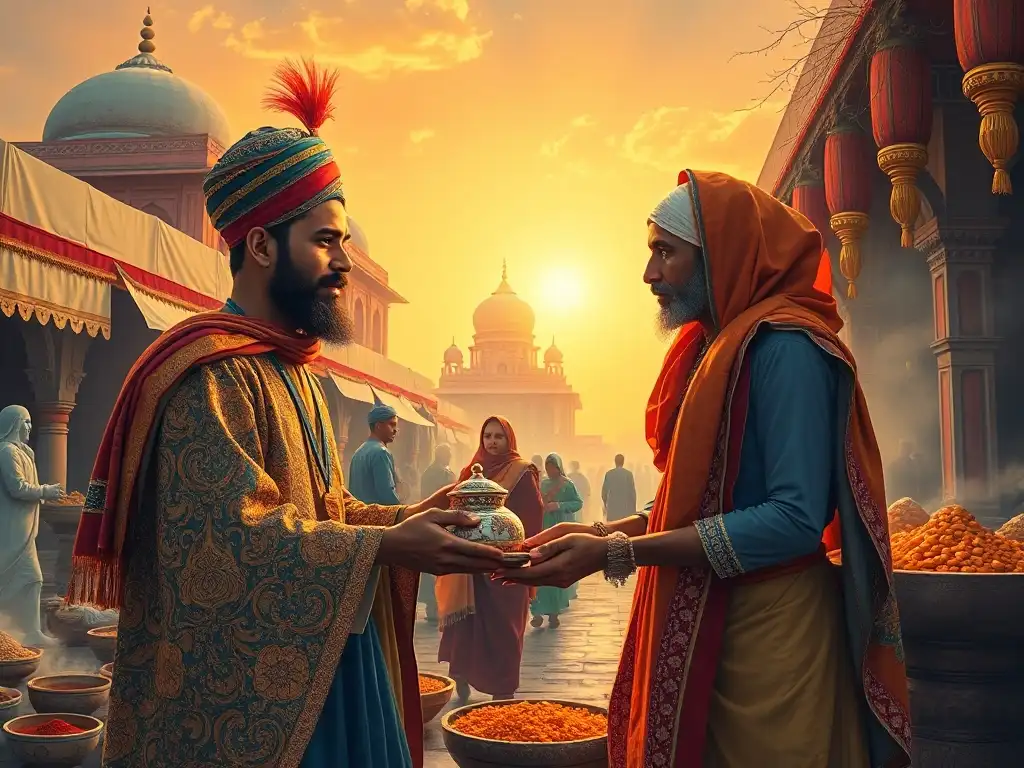
The cultural exchange between Northern India and the Persian Empire was facilitated through various mechanisms that fostered interaction, cooperation, and mutual influence. These mechanisms played a crucial role in shaping the socio-political and cultural landscapes of both regions. Below are the key aspects that defined this intricate relationship.
Trade Routes: Connecting Northern India and Persia
The trade routes between Northern India and Persia served as vital arteries for cultural exchange. These routes not only facilitated the movement of goods but also enabled the flow of ideas, art, and traditions.
- Silk Road: The ancient Silk Road was a significant trade network that connected Northern India to Persia. Merchants traversed this route carrying silk, spices, and precious stones, which were highly sought after in the Persian markets.
- Overland Trade: Overland routes through the Khyber Pass and the Bolan Pass were critical for facilitating trade. These paths allowed traders from both regions to engage in commerce, leading to a blending of cultural practices.
- Maritime Trade: Although primarily overland, maritime routes along the Arabian Sea also contributed to cultural exchange. Ports in Gujarat and the Sindh region became hubs where Indian goods were traded for Persian imports, leading to an exchange of cultural influences.
The economic interaction through these trade routes resulted in the exchange of not just commodities but also ideas and artistic expressions, which enriched both cultures.
Diplomatic Relations: Envoys and Cultural Diplomacy
Diplomatic relations between Northern India and the Persian Empire were characterized by the exchange of envoys and cultural diplomacy, which further solidified their ties.
- Royal Envoys: Kings of Northern India often sent envoys to the Persian court to establish diplomatic relations. These envoys played a crucial role in fostering goodwill and understanding between the two regions.
- Cultural Exchanges: Diplomatic missions included cultural exchanges, such as sharing artistic techniques, literature, and philosophies. For instance, the introduction of Persian art forms and calligraphy influenced Indian art, leading to the creation of hybrid styles.
- Marriages and Alliances: Political marriages between Indian royalty and Persian nobility were common, strengthening alliances and facilitating cultural integration. These unions often resulted in the blending of customs and traditions.
Through these diplomatic engagements, both Northern India and Persia were able to share their cultural heritage, which led to a richer, more diverse cultural tapestry.
The Role of Religion in Cultural Interactions
Religion served as a significant conduit for cultural exchange between Northern India and Persia, influencing social norms, art, and philosophy.
- Zoroastrianism and Hinduism: The interaction between Zoroastrianism and Hinduism led to the exchange of religious ideas and practices. The concept of dualism in Zoroastrianism found resonance in certain Hindu philosophical schools, promoting a dialogue between the two faiths.
- Buddhism: The spread of Buddhism into Persia introduced new religious concepts and art forms. Persian rulers often patronized Buddhist artwork, leading to a unique amalgamation of styles that can be seen in sculptures and architecture.
- Cultural Festivals: Religious festivals from both cultures began to influence each other. For example, the celebration of Navroz (Persian New Year) found its way into some Indian traditions, while Hindu festivals introduced new elements to Persian celebrations.
These religious interactions not only enriched the spiritual life of both societies but also fostered a sense of shared identity and heritage, further solidifying the cultural exchange between Northern India and Persia.
Areas of Cultural Exchange
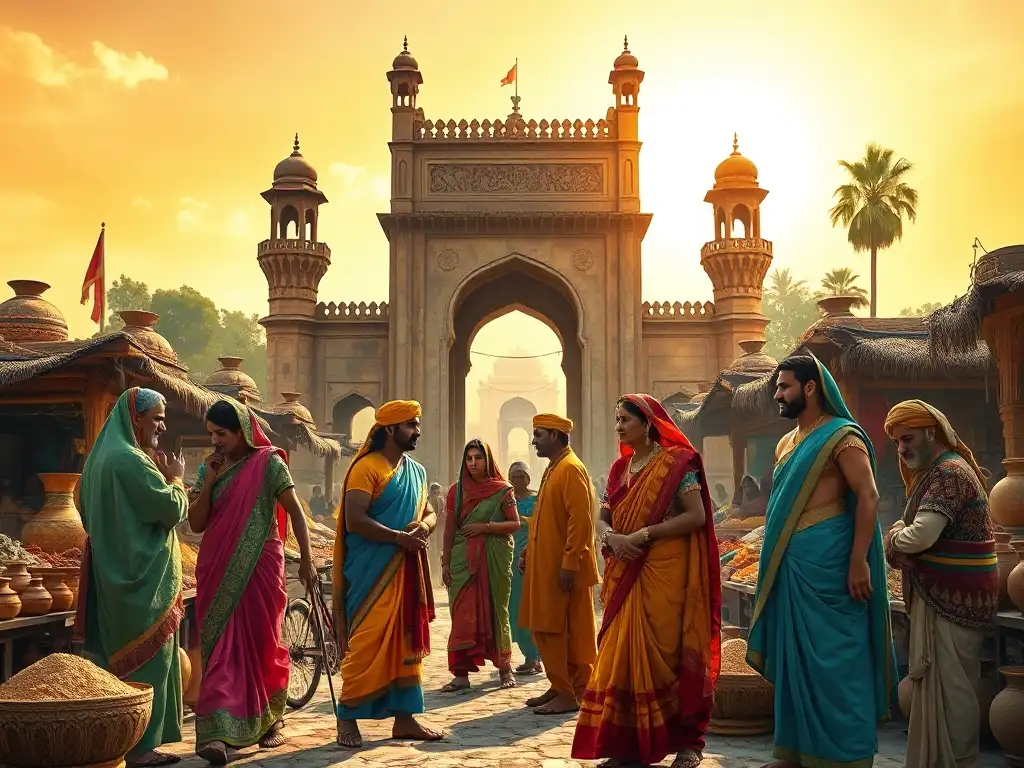
The cultural exchange between Northern India and the Persian Empire was a multifaceted process that significantly influenced various aspects of life in both regions. This interplay facilitated the transfer of ideas, practices, and innovations that enriched the cultural landscape of ancient India. Below, we explore three key areas where this exchange was most evident: art and architecture, literature and language, and science and technology.
Art and Architecture: Influences and Innovations
The artistic and architectural traditions of Northern India were profoundly impacted by Persian influences, particularly during periods of direct contact, such as the Achaemenid Empire's expansion and later under the Mauryan and Gupta dynasties.
- Persian Architectural Elements: Persian architecture introduced several distinctive features to Northern India, including the use of grand columns, vaulted roofs, and intricate tile work. The introduction of the Persian garden concept also transformed Indian landscaping, emphasizing symmetry, water features, and lush greenery.
- Sculptural Techniques: Persian artisans brought innovative sculptural techniques that influenced Indian stone carving. The detailed bas-reliefs found in places like Taxila exhibit a blend of Persian motifs with local styles, showcasing the harmonization of aesthetic sensibilities.
- Mixed Artistic Styles: The interaction between Persian and Indian artists led to the emergence of hybrid styles. For instance, the Gandhara art style, which flourished in the northwestern regions of India, displays a unique fusion of Greek, Persian, and Indian artistic traditions.
Literature and Language: Persian Influence on Indian Texts
The literary exchange between Northern India and Persia was marked by the introduction of Persian language and literature, which had a lasting impact on Indian texts and linguistic development.
- Persian Language Adoption: With the establishment of Persian as a court language during various dynasties, such as the Delhi Sultanate, many Indian scholars began to learn Persian. This led to the emergence of a unique lexicon in Indian languages. For example, Hindavi, an early form of Hindi, incorporated numerous Persian terms, enriching its vocabulary.
- Literary Translations: The translation of Persian literature into Indian languages allowed for a broader audience to appreciate Persian poetry and prose. Works such as Firdawsi's "Shahnameh" were translated, gaining popularity and inspiring local adaptations.
- Poetic Forms: The influence of Persian poetic forms, particularly the ghazal, can be seen in the works of Indian poets like Mirza Ghalib and Allama Iqbal. These forms incorporated themes of love, mysticism, and nature, leading to a vibrant literary culture that blended both Persian and Indian elements.
Science and Technology: Knowledge Transfer Between Cultures
The exchange of knowledge in science and technology between Northern India and Persia was pivotal in advancing various fields, including mathematics, astronomy, and medicine.
- Mathematical Concepts: The introduction of Persian mathematical texts to India facilitated the advancement of arithmetic and algebra. Concepts such as the decimal system were enhanced by Persian scholars, ultimately contributing to the development of more sophisticated mathematical practices in India.
- Astronomical Knowledge: Persian astronomers brought with them advanced knowledge of celestial bodies and their movements. This knowledge was integrated into Indian astronomical texts, leading to improved accuracy in calendar making and navigation. The works of scholars like Brahmagupta were influenced by Persian astronomical methods.
- Medical Practices: The exchange in medical knowledge saw Persian texts on medicine being translated into Sanskrit. This led to a synthesis of Persian herbal medicine and Indian Ayurvedic practices, enriching the medical traditions of Northern India. The availability of Persian medical texts in Indian universities facilitated the training of physicians who could navigate both systems.
The cultural exchange between Northern India and the Persian Empire was profound and transformative, leaving an indelible mark on the art, literature, and sciences of the region. This interchange not only fostered innovation but also laid the groundwork for a rich tapestry of cultural heritage that continues to influence contemporary society.
Impact of Cultural Exchange on Northern Indian Society
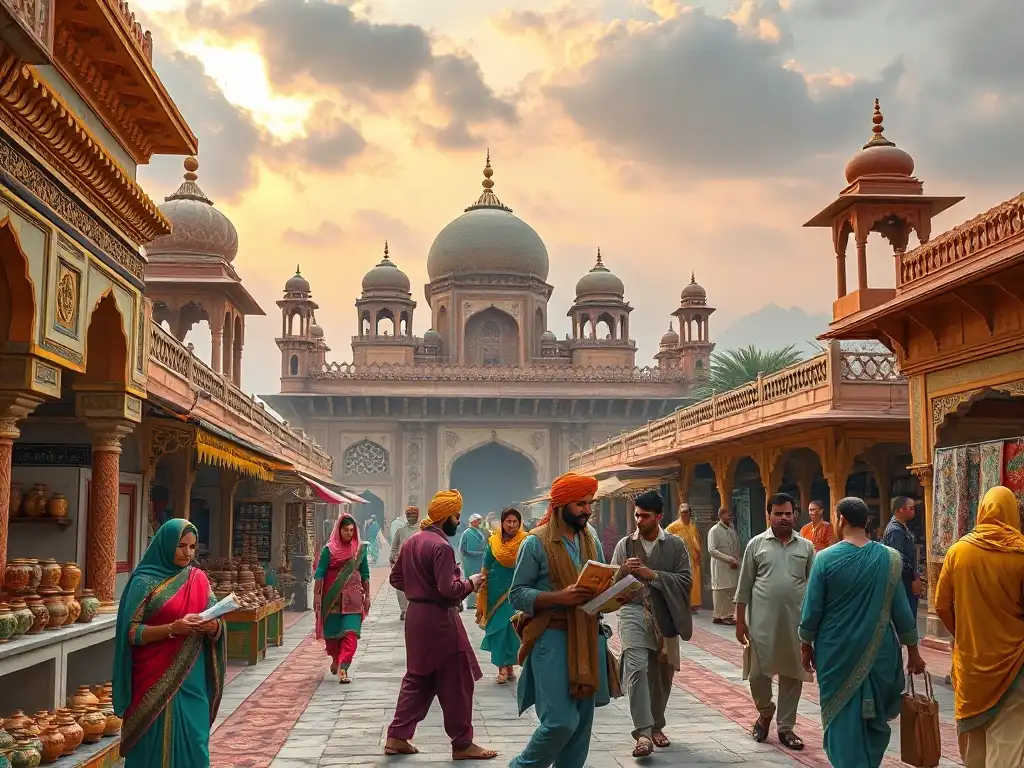
The cultural exchange between Northern India and the Persian Empire significantly influenced social structures and practices within Northern Indian society. One of the most notable changes was the introduction of new administrative systems that were inspired by Persian governance. The Persians employed a bureaucratic model that included various levels of officials, which Northern Indian rulers adopted to enhance their own administrative efficiency. This shift not only streamlined governance but also facilitated the collection of taxes and management of local affairs, leading to a more organized society.
Moreover, the Persian practice of patronage in arts and culture encouraged Northern Indian elites to support local artisans and scholars, fostering a vibrant cultural milieu. This resulted in a blending of Persian and Indian artistic styles, which enriched local traditions. For example, the synthesis of Persian calligraphy with Indian decorative arts gave rise to unique artistic expressions that can still be seen in various forms of Indian art today.
The interactions also altered social practices, particularly in religious contexts. The fusion of Zoroastrian elements with local beliefs led to new religious festivals and rituals. Temples began to incorporate Persian architectural styles, which not only transformed the physical landscape but also influenced the spiritual lives of the people.
The Evolution of Culinary Traditions
Culinary traditions in Northern India underwent a remarkable evolution due to the cultural exchange with the Persian Empire. The introduction of Persian ingredients such as saffron, dried fruits, and nuts enriched the local cuisine, making it more diverse and flavorful. Persian cooking techniques, particularly the use of slow-cooking methods and the preparation of dishes like biryani, had a lasting impact on Indian culinary practices.
The Persian influence also paved the way for the development of the Mughlai cuisine, which emerged as a synthesis of Indian and Persian culinary traditions. Dishes such as kebabs, pilafs, and curries reflect this rich culinary heritage. The emphasis on presentation and the use of aromatic spices transformed the dining experience, making it more elaborate and sophisticated.
Furthermore, the social practice of sharing meals became more pronounced, influenced by Persian customs of hospitality. This shift fostered community bonding and social gatherings, leading to a more inclusive culinary culture that celebrated diversity and collaboration.
Influence on Clothing and Textile Patterns
The cultural exchange between Northern India and Persia profoundly influenced clothing and textile patterns, marking a significant transformation in fashion. Persian garments, characterized by their elaborate designs and luxurious fabrics, found their way into Northern Indian wardrobes. The adoption of garments such as the chador and kurta showcased this trend, as these styles blended seamlessly into the local attire.
Indian textile craftsmanship also benefited from Persian techniques, enhancing the quality and artistry of fabrics produced in Northern India. The introduction of intricate embroidery styles, including zardozi (gold and silver thread embroidery), added a layer of opulence to traditional clothing. These influences can be seen in the elaborate costumes worn by the ruling elite and during festivals, symbolizing wealth and status.
Furthermore, the exchange of textiles also spurred trade relations, leading to the establishment of vibrant markets where Persian silks and brocades were exchanged for Indian cottons and spices. This not only diversified the local economy but also positioned Northern India as a significant player in the global textile trade.
The cultural exchange between Northern India and the Persian Empire had a profound and lasting impact on social structures, culinary traditions, and clothing patterns. These influences created a rich tapestry of cultural interactions that shaped the identity of Northern Indian society for generations.
Case Studies of Notable Cultural Interactions
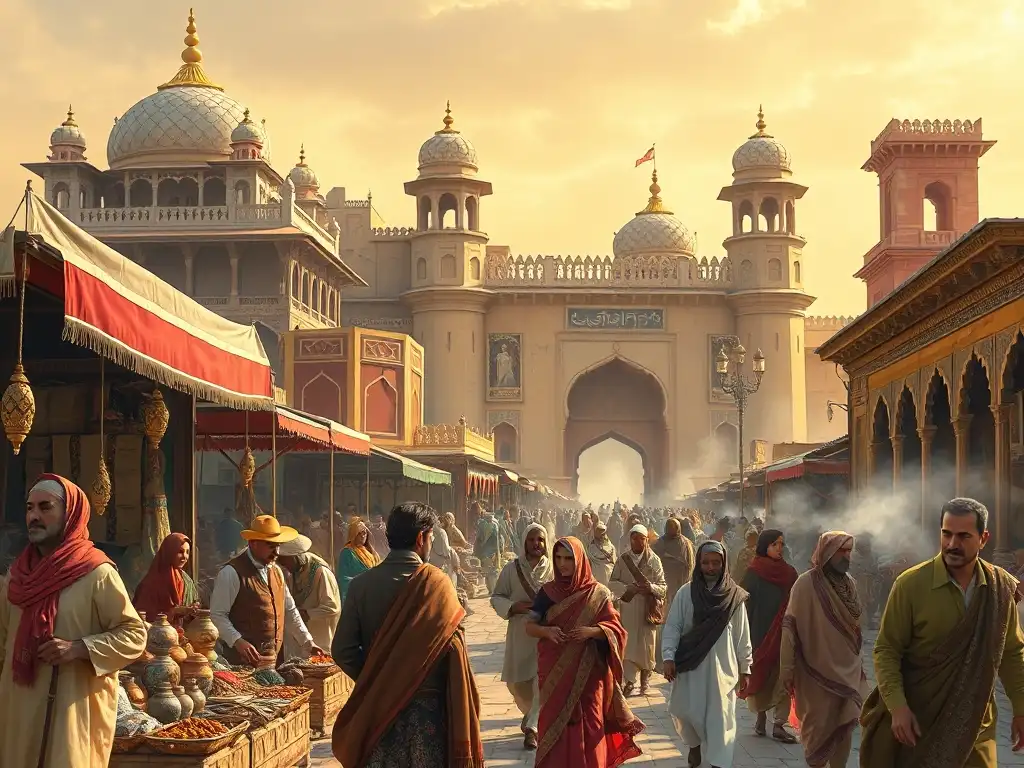
The cultural exchange between Northern India and the Persian Empire led to significant interactions that shaped the literary, architectural, and philosophical landscapes of both regions. This section delves into key examples of these interactions, highlighting their lasting impact.
The Influence of Persian Poets on Indian Literature
The influence of Persian poets on Indian literature is profound and can be traced back to as early as the 7th century, particularly during the reign of the Ghaznavid Empire. Persian literature flourished, and Indian writers began to adopt Persian forms and themes, leading to a rich tapestry of literary fusion.
- Key Figures: Notable poets like Amir Khusrau, often referred to as the "father of Urdu literature," played a pivotal role in this cultural exchange. His works, such as Khaza’in-ul-Futuh, blend Persian aesthetic sensibilities with Indian themes and styles.
- Literary Forms: The introduction of Persian poetic forms, such as the ghazal and rubaiyat, influenced Indian poets to experiment with these structures, creating a unique genre that resonated with both Persian and Indian audiences.
The embrace of Persian poetic forms allowed for a new linguistic and cultural fusion that enriched the literary heritage of Northern India.
The impact of this cultural exchange can also be seen in the emergence of Urdu, which incorporates a significant number of Persian vocabulary and stylistic elements, highlighting the intertwined destinies of these literary traditions.
Architectural Examples of Indo-Persian Styles
The architectural landscape of Northern India offers vivid examples of Indo-Persian styles that emerged from the cultural exchange between the two civilizations. This unique architectural synthesis is characterized by the combination of Persian design elements with traditional Indian motifs.
- Notable Structures: The Taj Mahal, built during the Mughal Empire, is an iconic representation of this style. Its use of white marble, intricate inlay work, and Persian garden layouts showcases how Persian influence helped redefine Indian architecture.
| Architectural Feature | Persian Influence | Indian Element |
|---|---|---|
| Arches | Pointed arches seen in Persian mosques | Rounded arches typical in Indian temples |
| Gardens | Charbagh layout representing paradise | Traditional Indian gardens with water features |
- Mausoleums and Forts: Structures such as the Humayun's Tomb and Red Fort also exemplify this architectural blend. The use of symmetry, intricate tile work, and ornamental gardens reflect a deep-seated Persian aesthetic that was adapted to Indian cultural contexts.
Indo-Persian architecture not only symbolizes the artistic collaboration but also serves as a testament to the shared history and cultural values of the two regions.
The Exchange of Philosophical Ideas and Religious Beliefs
The philosophical and religious exchanges between Northern India and the Persian Empire were equally profound, leading to a cross-fertilization of ideas and beliefs. This interaction enriched both cultures, fostering a climate of intellectual dialogue.
- Sufism and Bhakti Movement: The arrival of Sufism in India introduced new spiritual ideas that resonated with the existing Bhakti movement, promoting concepts of love and devotion across religious boundaries. Figures like Nizamuddin Auliya exemplified this blend, emphasizing universal love and harmony.
- Translation of Texts: Scholars in both regions engaged in the translation of texts, allowing for the dissemination of philosophical ideas. Persian thinkers like Avicenna influenced Indian philosophers, while Indian texts were translated into Persian, facilitating a two-way exchange of knowledge.
This exchange laid the groundwork for a syncretic culture where philosophical ideas transcended boundaries, leading to a richer spiritual discourse.
The enduring legacy of these interactions is evident in the continued appreciation of both cultures, illustrating how the cultural exchange between Northern India and Persia has shaped their historical trajectories and enriched their respective heritages.
Conclusion: The Lasting Legacy of Cultural Exchange Between Northern India and Persia
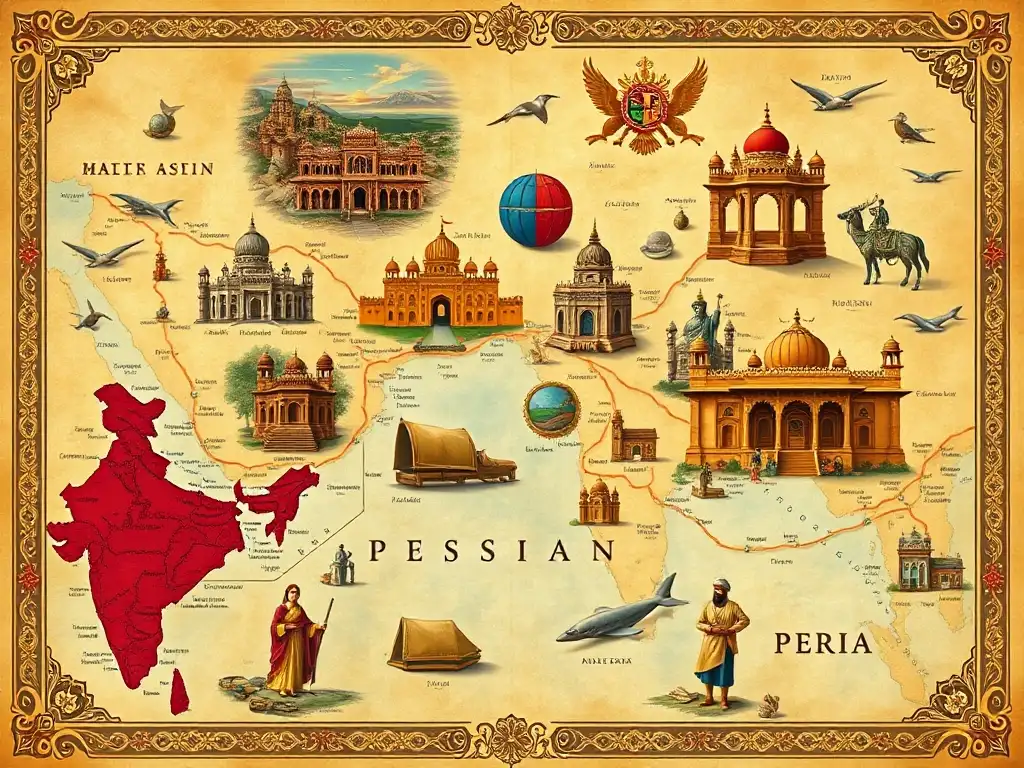
The cultural exchange between Northern India and the Persian Empire has left an indelible mark on the historical, social, and artistic landscapes of both regions. The interactions facilitated by trade, conquest, and diplomacy not only enriched the cultural tapestry of Northern India but also influenced Persian society. This exchange can be seen in various domains, including art, architecture, language, and religious practices, which have evolved as a result of these interactions.
Reflection on the Importance of Cultural Exchange in Shaping Histories
The significance of cultural exchange can be observed in several key areas:
- Art and Architecture: The fusion of Persian and Indian artistic styles led to a unique architectural language, evident in the use of intricate floral patterns and motifs that blended Persian aesthetics with local traditions. Notable examples include the Indo-Persian architecture of the Mughal era, which showcases the synthesis of these two cultures.
- Language and Literature: Persian became a prominent language in Northern India, especially during the Mughal period. The adoption of Persian vocabulary in local dialects and the emergence of literary works that drew inspiration from Persian themes demonstrate the profound impact of this cultural exchange. The works of poets such as Amir Khusrau, who blended Persian and Indian traditions, are testaments to this legacy.
- Religion and Philosophy: The exchange also influenced religious thought, with the introduction of Persian philosophical ideas into Indian contexts. This can be seen in the syncretic movements that emerged, fostering dialogues between Hindu and Islamic philosophies.
- Trade and Economy: The trade routes established between Northern India and Persia facilitated not only the exchange of goods but also the transfer of ideas and innovations. The economic interdependence fostered by these routes played a crucial role in shaping the histories of both regions.
In essence, the cultural exchange between Northern India and Persia has significantly contributed to the development of a shared heritage that continues to resonate in contemporary society. This historical interplay serves as a reminder of the interconnectedness of civilizations and the enduring impact of cultural interactions.
Future Research Directions in the Study of Northern India and Persia
As scholars continue to explore the rich tapestry of Northern India's history, several avenues for future research can be identified:
- Interdisciplinary Approaches: Combining archaeological findings with textual analysis from both Persian and Indian sources can yield new insights into the nature of cultural exchanges. This can help reconstruct the dynamics of interactions more comprehensively.
- Regional Studies: Focusing on specific regions within Northern India and their unique interactions with Persia can uncover localized practices and adaptations. This would include examining how different communities responded to Persian influences.
- Economic Impact Studies: Investigating the economic exchanges between Northern India and the Persian Empire could provide a clearer understanding of how trade influenced societal changes and cultural developments.
- Comparative Analyses: Conducting comparative studies between Northern India and other regions influenced by Persia, such as Central Asia, could illuminate broader patterns of cultural exchange across different civilizations.
- Modern Implications: Exploring the legacy of these historical exchanges in today’s cultural and social contexts can offer valuable perspectives on contemporary Indo-Persian relations and the ongoing relevance of cultural heritage.
The study of cultural exchange between Northern India and Persia is a dynamic field ripe for exploration. Continued research in these areas will not only enhance our understanding of historical relationships but also contribute to the appreciation of the complexities of cultural interconnections that have shaped our world.
References
Academic Sources on Cultural Exchange in Ancient India and Persia
The cultural exchange between Northern India and the Persian Empire is a rich field of study, revealing the complexities of interactions that shaped both regions. Here are some key academic sources that provide in-depth analyses and insights:
- "The Ancient Indian Culture: A Historical Perspective" by Dr. Aditi Mukherjee
- This work explores the formative years of Indian civilization and its interactions with neighboring cultures, including Persia. The book delves into the transfer of ideas, art, and trade practices.
- "Persian Influence on Indian Art and Architecture" by Prof. Ramesh Chandra
- Prof. Chandra discusses the architectural styles that emerged from the interactions between Indian and Persian artisans, highlighting notable structures and their characteristics.
- "Trade and Cultural Exchange in the Ancient World" by Dr. Sanjeev Kumar
- This comprehensive study covers trade routes connecting Northern India with Persia, focusing on how trade facilitated not only economic exchanges but also cultural and intellectual interactions.
- "Cultural Syncretism in the Indian Subcontinent" by Dr. Neelam Singh
- The author analyzes the blending of cultural elements between the two regions, providing examples of language, religion, and customs that emerged from their exchanges.
- "The Achaemenid Empire and its Impact on India" by Dr. Farah Anwar
- This book examines the political and cultural implications of Persian rule in parts of Northern India, discussing how it influenced local governance and societal structures.
Suggested Reading for Further Exploration of Northern India’s History
For those interested in delving deeper into the rich tapestry of Northern India's history, particularly regarding its interactions with Persia, the following recommended readings offer valuable perspectives:
- "The Indus Valley to the Gupta Empire: A Comprehensive History" by Raghavendra Sharma
- This book provides a chronological overview of ancient Indian history, emphasizing cultural exchanges and influences.
- "Trade Routes of Ancient India" by Dr. Meera Patel
- Dr. Patel's work outlines the significant trade routes that connected Northern India to Persia and beyond, documenting the flow of goods and ideas.
- "Religions of Ancient India" by Prof. Anjali Joshi
- This text explores the evolution of religious practices in Northern India, including the impact of Persian beliefs and philosophies.
- "Art and Culture of the Gupta Period" by Dr. Kunal Verma
- Focusing on a later period, this book discusses the artistic advancements influenced by earlier Persian styles and the cultural synthesis that resulted.
- "Historical Geography of Ancient India" by Dr. Suresh Bansal
- This scholarly work examines the geographical context of Northern India and its impact on cultural exchanges with neighboring regions, including Persia.
These resources not only enhance understanding of the cultural exchange between Northern India and Persia but also provide a broader context for the historical developments in the region.
Frequently Asked Questions
What was the nature of the cultural exchange between Northern India and Persia?
The cultural exchange involved the sharing of art, architecture, language, and religion, which significantly influenced both civilizations and enriched their respective cultures.
How did the Persian Empire impact Northern Indian society?
The Persian Empire introduced new administrative systems, trade practices, and artistic styles, which helped to shape the socio-political landscape of Northern India.
What were some key contributions of ancient Indian civilizations to Persia?
Ancient Indian civilizations contributed mathematics, astronomy, and philosophy, which were integrated into Persian scholarship, fostering advancements in multiple fields.
How did trade routes facilitate this exchange?
Trade routes, such as the Silk Road, allowed for the movement of not just goods but also ideas and cultural practices, enhancing interactions between Northern India and Persia.
What are some lasting effects of this cultural exchange today?
The cultural exchange led to a blend of artistic expressions, cuisine, and religious practices that can still be seen in modern Indian and Persian cultures, highlighting their historical connections.
Final Reflection: The Enduring Legacy of Cultural Exchange Between Northern India and Persia
In exploring the cultural exchange between Northern India and the Persian Empire, we uncover a rich tapestry of interactions that have shaped societies and fostered mutual understanding. This historical insight is not merely an academic exercise; it resonates profoundly in today's globalized world, where the blending of cultures continues to influence art, language, and social practices. The past serves as a reminder that cultural exchange is a powerful catalyst for growth and innovation, transcending borders and enriching lives.
The impact of this cultural interplay can still be felt in contemporary society, where the legacies of these ancient interactions manifest in various forms, from cuisine to literature. As we navigate an increasingly interconnected world, the lessons learned from the past become ever more relevant. The exchange of ideas, beliefs, and traditions between Northern India and Persia exemplifies how collaboration can lead to profound advancements and understanding. Culture is the widening of the mind and of the spirit.
– Jawaharlal Nehru. This quote encapsulates the essence of cultural exchange, emphasizing its role in expanding our horizons and fostering empathy.
As we reflect on the significance of this historical relationship, I invite you, dear reader, to consider how you can contribute to the ongoing dialogue between cultures in your own life. Embrace the diversity around you, seek to understand different perspectives, and engage in meaningful exchanges. By doing so, you not only honor the rich heritage of cultural interactions between Northern India and Persia but also help to cultivate a more inclusive and harmonious future for all. Let us carry forward the spirit of collaboration and curiosity, ensuring that the lessons of history continue to inspire our actions today.
Unveil the Rich Tapestry of Cultural Exchange!
Thank you for diving into the fascinating world of cultural exchange between Northern India and the Persian Empire! We hope you’ve gained valuable insights into how these two great civilizations influenced each other, shaping the course of history. Now, it’s time to put that knowledge into action!
Here are some ways you can further explore this incredible topic:
- Join a local history group or online forum to discuss the impact of these cultures on one another and discover new perspectives.
- Visit a museum featuring exhibits on Indo-Persian art and artifacts to experience this rich heritage firsthand.
- Share this article with friends and family to spark a conversation about the enduring legacy of cultural exchanges in our world today.
As you reflect on these connections, we’d love to hear your thoughts: What aspect of the cultural exchange between Northern India and the Persian Empire surprised you the most? Share your insights below!