
The Decline of Ancient Kingdoms in Western India: Causes and Consequences


Welcome to Ancient India History, where we journey through the remarkable tapestry of India's past! Dive into the intriguing tale of the decline of Western Indian kingdoms, a pivotal chapter that unveils the intricate web of causes and consequences that shaped this vibrant region. What led to the fall of these once-mighty civilizations, and how did their legacy influence the course of history? Join us as we explore the rich narratives that have defined ancient Indian culture and contributions, inviting you to uncover the secrets that lie within. Buckle up for an enlightening experience!
- The Decline of Western Indian Kingdoms: An Overview
- Historical Context of Western Indian Kingdoms
- Causes of the Decline of Western Indian Kingdoms
- Consequences of the Decline of Western Indian Kingdoms
- Conclusion: Understanding the Decline of Western Indian Kingdoms
- Further Reading and Resources on Western Indian Kingdoms
-
Frequently Asked Questions
- What were the primary causes of the decline of Western Indian kingdoms?
- How did the decline of these kingdoms impact local culture?
- What were some of the notable kingdoms in Western India before their decline?
- How did trade routes influence the decline of Western Indian kingdoms?
- What were the long-term consequences of the decline of Western Indian kingdoms?
- Final Reflection: Understanding the Decline of Western Indian Kingdoms
- Unveil the Mysteries of Ancient Kingdoms!
The Decline of Western Indian Kingdoms: An Overview
The decline of Western Indian kingdoms marks a significant chapter in the historical narrative of ancient India, reflecting the complex interplay of various socio-political, economic, and environmental factors. From the flourishing of the Maurya and Gupta empires to the eventual fragmentation of power, the processes of decline reveal much about the resilience and vulnerabilities of these civilizations.
Understanding this decline not only sheds light on the historical trajectory of Western India but also illustrates the broader themes of change and continuity that characterize ancient societies. This article delves into the causes and consequences of the decline of Western Indian kingdoms, exploring how these shifts shaped the region's cultural and historical landscape.
Introduction to the Decline of Western Indian Kingdoms
The decline of the Western Indian kingdoms can be traced back to several interrelated causes. Scholars generally attribute the deterioration of these great powers to a combination of internal strife and external pressures.
- Political Fragmentation:
- The rise of regional powers often led to fragmentation, weakening centralized authority.
- Local chieftains and feudal lords gained prominence, undermining the larger kingdoms.
- Economic Decline:
- Trade routes that once thrived were disrupted, particularly due to invasions and changing trade dynamics.
- Agricultural failures and famine also contributed to economic instability.
- Military Challenges:
- Invasions from foreign entities, including the Huns and other nomadic tribes, posed significant threats.
- The inability to maintain strong military defenses further exacerbated the decline.
- Cultural and Religious Shifts:
- The rise of new religious movements and philosophies sometimes clashed with the established order, leading to social unrest.
- The integration of different cultures brought about changes that some traditionalists resisted, causing internal conflict.
The decline of these kingdoms was not instantaneous but rather a gradual process marked by a series of events that led to their eventual downfall.
Significance of Studying Ancient Kingdoms in Western India
Studying the decline of ancient kingdoms in Western India is crucial for several reasons:
- Cultural Heritage: Understanding this decline provides insights into the rich cultural tapestry of ancient India, revealing how civilizations adapted, transformed, and sometimes vanished.
- Lessons in Resilience: The rise and fall of these kingdoms serve as case studies in resilience and adaptability, offering valuable lessons for contemporary societies in managing change.
- Historical Continuity: Analyzing the factors that led to the decline helps historians trace the continuity of cultural and social practices in the region that persist to this day.
By examining the decline of Western Indian kingdoms, we can appreciate the intricate historical dynamics that shaped not just Western India, but the entire subcontinent. This understanding enriches our comprehension of India's vast and diverse history, making it a vital area of study for scholars and enthusiasts alike.
Historical Context of Western Indian Kingdoms
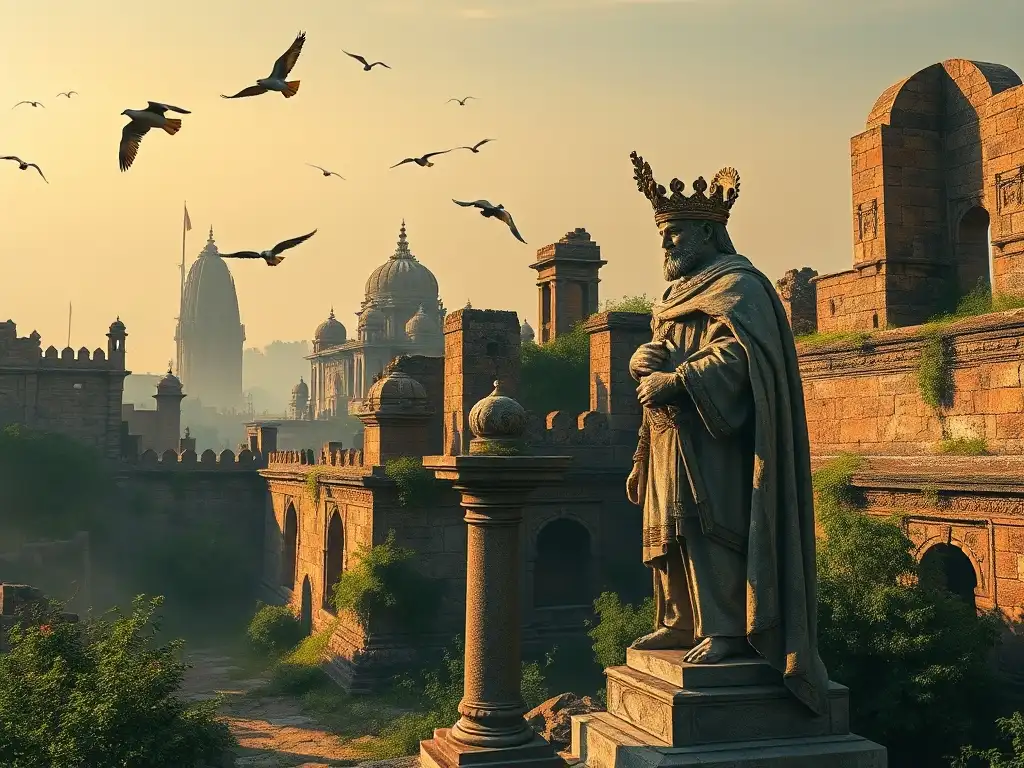
The decline of Western Indian kingdoms is a multifaceted phenomenon that unfolded over several centuries, influenced by a myriad of internal and external factors. To understand this decline, it is crucial to explore the historical context that shaped these kingdoms.
Overview of Major Kingdoms in Western India
Western India has been home to several prominent kingdoms that contributed significantly to the region's cultural and political landscape. Among these, the Maurya Empire, the Western Kshatrapas, the Gupta Empire, and the Rashtrakuta Dynasty stand out.
- Maurya Empire (c. 322–185 BCE): Founded by Chandragupta Maurya, it marked the first time most of the Indian subcontinent was unified under a single rule. The Mauryan Empire facilitated trade and cultural exchanges across the region.
- Western Kshatrapas (c. 1st century BCE – 4th century CE): This dynasty controlled parts of western India and is known for its patronage of Buddhism and the flourishing of trade routes, particularly along the trade corridor to the West.
- Gupta Empire (c. 240–550 CE): Often referred to as the Golden Age of India, the Gupta period saw advancements in science, literature, and the arts. The empire's stability allowed trade to thrive, particularly in coastal regions.
- Rashtrakuta Dynasty (c. 6th–10th century CE): Known for their impressive architecture, including the rock-cut temples of Ellora, the Rashtrakutas contributed significantly to both the political and cultural landscape of Western India.
The interplay of these kingdoms laid the groundwork for the vibrant tapestry of cultures and economies in the region. However, as time progressed, various factors led to their decline.
Cultural and Economic Contributions of Western Indian Civilizations
The civilizations of Western India made significant cultural and economic contributions that played a key role in shaping regional and even global dynamics.
- Cultural Contributions:
- Religion: Western India was a melting pot of religions, including Hinduism, Buddhism, and Jainism. The region produced significant religious texts, temples, and art forms that still influence Indian culture today.
- Art and Architecture: The intricate carvings of the Ajanta and Ellora caves stand testament to the artistic prowess of the time. These sites not only served as places of worship but also as centers for learning and cultural exchange.
- Literature: The era saw the production of classical Sanskrit literature, including plays and poetry, which laid the foundation for later literary traditions in India.
- Economic Contributions:
- Trade Networks: Western India was integral to coastal trade routes connecting the Indian subcontinent with the Middle East and Africa. Ports like Surat and Broach facilitated the exchange of goods such as textiles, spices, and precious stones.
- Agriculture: The fertile lands of the region supported diverse agricultural practices, contributing to food security and economic stability. The introduction of irrigation techniques enhanced agricultural productivity.
- Craftsmanship: The skilled artisans of Western India produced textiles, metalwork, and pottery that were highly sought after both locally and internationally.
As these kingdoms faced challenges, including invasions, internal strife, and shifting trade routes, their cultural and economic contributions began to wane, setting the stage for their eventual decline. Understanding these aspects is vital in analyzing the broader implications of the decline of Western Indian kingdoms and their lasting legacy in Indian history.
Causes of the Decline of Western Indian Kingdoms
Internal Factors Leading to Decline
Political Instability and Power Struggles
The decline of Western Indian kingdoms was significantly influenced by internal political dynamics. Political instability arose from frequent succession crises, where rival factions within royal families vied for power. For instance, the fall of the Maitraka dynasty in Gujarat can be attributed to internal disputes, which weakened the central authority and disrupted governance. Power struggles among nobles often resulted in civil strife, leading to a fragmented political landscape that was unable to resist external threats.
Economic Challenges and Resource Depletion
Economic challenges played a crucial role in the decline of these kingdoms. Agricultural productivity began to dwindle due to over-exploitation of land and poor irrigation techniques. Additionally, heavy taxation imposed to fund wars and lavish lifestyles drained local economies. As resources became scarce, kingdoms like the Gurjara-Pratihara experienced difficulties in maintaining their military strength, which was essential for both defense and expansion.
Social Changes and Decline of Authority
Social changes also contributed to the decline. The rise of regional powers and local chieftains diminished the influence of central authorities. The stratification of society, with a burgeoning merchant class gaining wealth and influence, led to tensions with traditional ruling elites. This shift undermined the authority of kings, as loyalty from subjects became transactional rather than feudal. The decline of Brahminical orthodoxy in certain areas also reflected changing social dynamics, which further weakened the ideological foundation of these kingdoms.
External Factors Contributing to the Decline
Invasions and Foreign Conquests
The invasions by foreign powers were one of the most direct threats to Western Indian kingdoms. The Arab incursions in the early medieval period, particularly the conquest of Sindh, showcased the vulnerability of these kingdoms. The impact of these invasions extended beyond military defeat; they led to significant socio-political changes, including the introduction of new administrative practices and cultural influences that diluted traditional Indian governance.
Trade Disruptions and Economic Isolation
Western India thrived on trade, both overland and maritime. However, the decline in trade routes due to external conflicts and changing trade dynamics significantly impacted the economies of these kingdoms. The rise of competing powers in the east, particularly in Southeast Asia, redirected trade flows away from Western India. This economic isolation not only reduced the wealth of kingdoms like the Rashtrakutas but also diminished their capacity to maintain large armies or invest in public infrastructure.
Environmental Changes and Natural Disasters
Environmental factors also played a role in the decline of Western Indian kingdoms. Historical evidence suggests that several regions experienced droughts and famines during critical periods of decline. For instance, the decline of the Western Chalukyas in the 12th century correlates with climatic shifts that led to agricultural failures. Such natural disasters not only reduced food supply but also triggered social unrest as populations struggled to survive, further destabilizing the kingdoms.
The decline of Western Indian kingdoms was a multifaceted process driven by internal instability and external pressures. Understanding these causes provides valuable insights into the historical trajectory of Western India and its eventual transformation in the face of adversity.
Consequences of the Decline of Western Indian Kingdoms
Impact on Local Populations and Society
The decline of Western Indian kingdoms, notably the Satavahanas, Mauryas, and later the Rashtrakutas, brought significant transformations in the socio-cultural landscape of the region. As political instability increased due to invasions and internal strife, local populations experienced profound changes in their daily lives.
Changes in Social Structure and Class Dynamics
With the fall of established monarchies, the traditional social hierarchy began to erode. The power vacuum often led to the emergence of new local chieftains and landlords who filled the void, significantly altering class dynamics.
- Rise of Local Powers: As central authority weakened, local rulers gained prominence, leading to a decentralized political structure.
- Shifts in Class Status: Traditional elites, including priests and warrior classes, found their influence diminished, while merchants and landowners gained new prominence due to the changing economic conditions.
These shifts contributed to a more fluid social structure, where mobility was possible based on wealth rather than birthright, enabling a reconfiguration of society in response to the new political realities.
Migration and Displacement of Communities
The decline of these kingdoms resulted in significant migration and displacement of communities.
- Displacement due to Invasions: Continuous invasions by external forces, such as the Huns, forced many local populations to flee, leading to a scattering of communities across neighboring regions.
- Economic Migration: As trade routes became less secure, many artisans and traders migrated toward more stable regions, impacting local economies and cultural exchanges.
This pattern of migration not only altered demographic compositions but also facilitated the blending of cultures as displaced communities brought their traditions and practices into new territories.
Effects on Regional Trade and Economy
The economic repercussions of the decline of Western Indian kingdoms were profound, affecting trade networks and local economies that had flourished under stable governance.
Decline of Trade Routes and Economic Networks
The once-thriving trade routes became increasingly perilous.
- Insecurity and Banditry: The political turmoil led to lawlessness, making trade routes unsafe for merchants. This resulted in a significant decline in long-distance trade, particularly those routes that connected Western India to the broader Indian subcontinent and beyond.
- Collapse of Economic Networks: Established economic networks that facilitated the exchange of goods, such as textiles, spices, and precious stones, broke down as traders became hesitant to engage in commerce.
Consequently, local economies that depended on trade suffered, leading to shortages and increased poverty among the affected populations.
Shift in Economic Power to Other Regions
As the Western Indian kingdoms declined, economic power began to shift towards other regions.
- Emergence of New Trade Hubs: Areas like South India and the eastern regions began to flourish as trade centers, drawing merchants and craftsmen away from Western India.
- Integration into New Economic Systems: The decline of local kingdoms meant that Western Indian economies were increasingly integrated into the economies of emerging powers, such as the Cholas and later the Delhi Sultanate, leading to a realignment of economic influence across the subcontinent.
This shift not only altered the economic landscape but also marked the beginning of new cultural interactions and exchanges, paving the way for the future development of the region.
Cultural and Historical Legacy of Declined Kingdoms
The decline of ancient kingdoms in Western India, such as the Maurya, Satavahana, and Rashtrakuta dynasties, left a profound cultural and historical legacy that shaped the region's identity. These kingdoms contributed significantly to the arts, architecture, and literature, which continued to influence later civilizations even after their decline.
The art and architecture of these kingdoms are especially noteworthy. The rock-cut caves at Ajanta and Ellora, for instance, are remnants of the rich artistic traditions that flourished under these dynasties. They house intricate sculptures and murals that reflect the religious and cultural milieu of the time. Moreover, the evolution of temple architecture during these periods laid the groundwork for future styles, showcasing innovations in design and construction that would be emulated for centuries.
Additionally, the literary contributions from these kingdoms, including texts in Sanskrit and Prakrit, provided a foundation for subsequent Indian literature. The epics and Puranas that emerged during these times not only preserved historical narratives but also enriched the spiritual and philosophical discourse in India.
Preservation of Heritage and Historical Sites
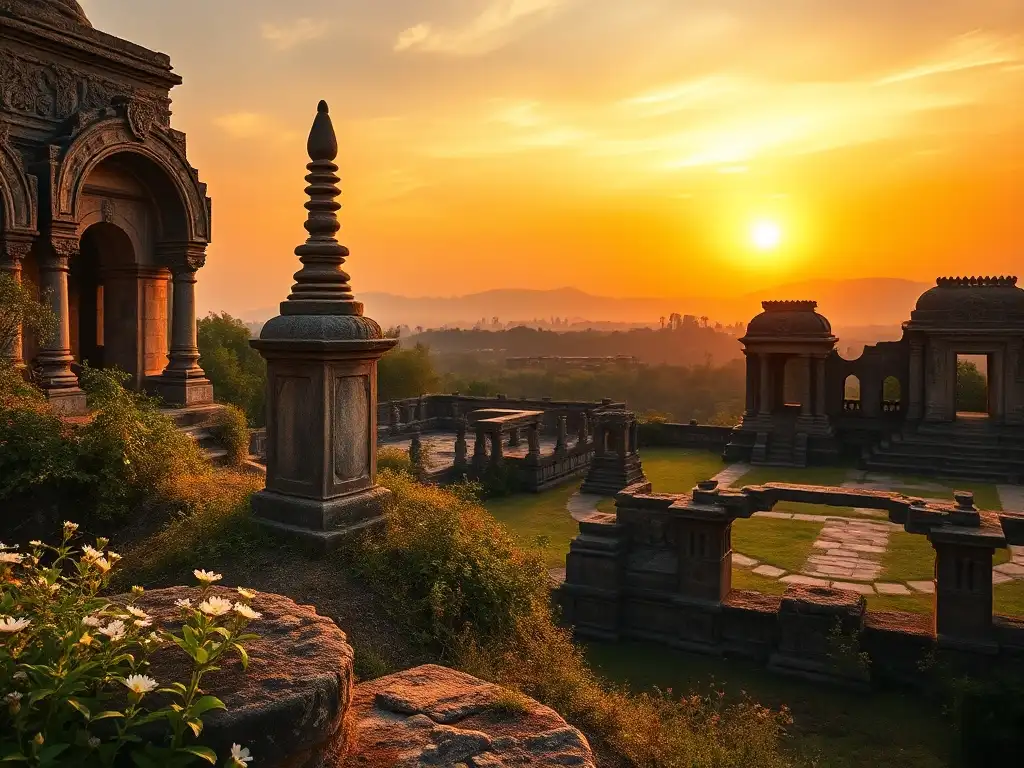
As the kingdoms of Western India declined, their legacies were preserved through various means. Many of the historical sites, temples, and monuments built during these periods became focal points for local culture and religion. The preservation of these sites has been crucial in maintaining the historical narrative of the region.
Efforts by subsequent rulers and local communities to protect and maintain these sites have ensured that important cultural heritage is not lost. For instance, the forts and palaces constructed by the Rajputs in later centuries often incorporated architectural elements from earlier kingdoms, effectively bridging historical gaps. Furthermore, many local festivals and rituals continue to draw inspiration from the practices established during the reign of these ancient kingdoms, helping to keep their cultural significance alive.
Archaeological excavations and conservation projects have significantly contributed to our understanding of these sites. Institutions and scholars have worked diligently to document and study the remnants of Western Indian civilizations, leading to greater appreciation and awareness of their historical significance.
Influence on Subsequent Indian Empires and Civilizations
The decline of the Western Indian kingdoms profoundly impacted the emergence and development of subsequent Indian empires and civilizations. The power vacuums created by the fall of these dynasties allowed for new political entities to rise, such as the Chalukyas and the later Maratha Empire. These new powers often drew inspiration from the administrative and military systems established by their predecessors, adapting them to their own needs.
Moreover, the cultural and intellectual currents that thrived during the time of these kingdoms continued to permeate the socio-political landscape of India. For example, the trade networks established by the Satavahanas provided a template for the economic policies of later empires, facilitating commerce that connected various regions of India and beyond.
The philosophical and religious ideas propagated during the reign of these ancient kingdoms also influenced subsequent movements. The synthesis of ideas from Buddhism, Jainism, and Hinduism that developed during the decline period contributed to a rich tapestry of beliefs that shaped the spiritual landscape of India in the following centuries.
The decline of Western Indian kingdoms marked a significant turning point that not only shaped the immediate historical context but also laid the groundwork for the future development of Indian civilization. Their cultural and historical legacies continue to resonate in modern India, serving as a testament to the enduring impact of these ancient societies.
Conclusion: Understanding the Decline of Western Indian Kingdoms
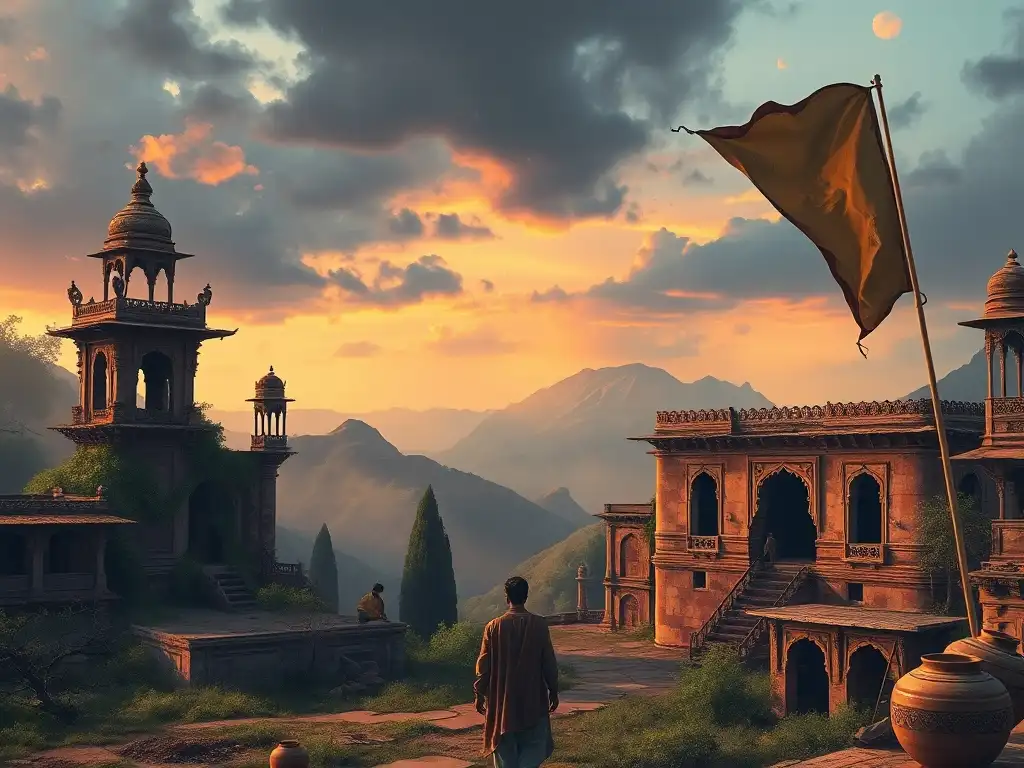
The decline of Western Indian kingdoms, particularly during the late medieval period, provides a profound insight into the complex interplay of factors that led to the disintegration of these once-flourishing states. The factors contributing to this decline can be broadly categorized into internal and external dynamics.
Internal Factors
- Political Fragmentation: The once-unified political structures began to fracture due to succession disputes, tribal rivalries, and the emergence of regional powers. As central authority weakened, local chieftains gained more autonomy, leading to a fragmented political landscape.
- Economic Decline: Many kingdoms faced economic hardships due to over-reliance on agriculture, compounded by changing trade routes and climatic challenges. The inability to adapt to these economic shifts fostered instability and unrest.
- Cultural and Religious Strife: The rich tapestry of cultural diversity in Western India sometimes led to tensions between various ethnic and religious groups. These internal conflicts weakened social cohesion, making kingdoms vulnerable to external threats.
External Factors
- Invasions and Conquests: The arrival of external forces, such as the Mughals and later the British, disrupted the regional power dynamics. These invasions not only led to military defeats but also resulted in the loss of territory and resources.
- Changing Trade Dynamics: The decline of traditional trade routes, particularly due to European maritime explorations, diminished the economic power of Western Indian kingdoms. As trade dwindled, so did the wealth and influence of these states.
- Colonial Expansion: The British colonial ambitions in the 18th century further exacerbated the decline. The establishment of British control over trade and military dominance systematically dismantled the autonomy of local kingdoms.
The consequences of this decline were far-reaching, leading to significant cultural, economic, and social transformations in Western India. The loss of sovereignty paved the way for colonial rule, which altered the region's historical trajectory.
Reflection on Lessons from Ancient History
The decline of Western Indian kingdoms offers critical lessons relevant even today. One key takeaway is the importance of political unity. Fragmentation often leads to vulnerability, a lesson echoed throughout history. Additionally, the economic adaptability of a society is crucial; those kingdoms that could not evolve with changing trade patterns or agricultural practices faced dire consequences.
Moreover, the cultural and social dynamics within kingdoms illustrate the need for inclusivity and unity among diverse groups. Internal strife can lead to downfall, emphasizing the importance of fostering harmonious relations.
The decline of these kingdoms serves as a reminder that understanding historical patterns can guide contemporary governance, economic strategies, and social cohesion.
The Importance of Preserving Historical Narratives
Preserving the narratives of the decline of Western Indian kingdoms is essential for multiple reasons. First, these histories contribute to a deeper understanding of cultural identity and heritage. Recognizing the complexities of ancient kingdoms allows contemporary societies to appreciate their roots and the evolution of their cultural landscapes.
Furthermore, historical narratives provide valuable insights into the impact of governance and the consequences of political decisions. By studying these declines, current leaders can learn from past mistakes, thereby fostering more resilient political structures.
Additionally, preserving these histories promotes academic research and tourism, which can contribute to economic growth and cultural exchange. Heritage sites and historical texts serve as vital resources for scholars and enthusiasts alike, driving interest in the rich history of the region.
The preservation of historical narratives surrounding the decline of Western Indian kingdoms is not just an academic endeavor; it is vital for cultural continuity, learning from the past, and shaping a more informed future.
Further Reading and Resources on Western Indian Kingdoms
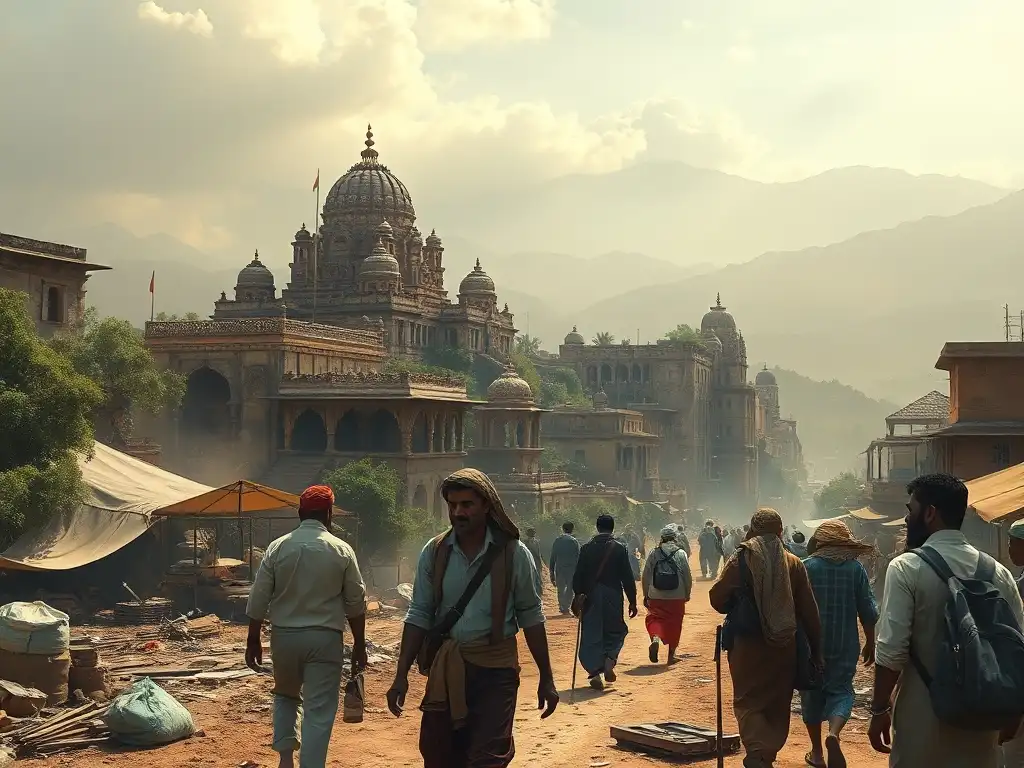
Recommended Books and Articles
For those interested in delving deeper into the Decline of Western Indian kingdoms, several books and scholarly articles offer invaluable insights and analyses. Here is a list of noteworthy recommendations:
- "The History of Ancient India: From the Earliest Times to the Present" by Radha Kumud Mookherjee
- This comprehensive book discusses the major events and transformations in ancient Indian history, including the decline of significant kingdoms in Western India.
- "The Gupta Empire" by Romila Thapar
- Thapar's work provides an in-depth look at the Gupta period, exploring the socio-political dynamics that characterized the decline of various regional powers, including those in Western India.
- "Western India in the Nineteenth Century" by N. M. Tripathi
- Although focused on a later period, this book offers context by tracing the historical trajectory of Western Indian kingdoms and their legacies.
- "Political History of Ancient India" by Ramesh Chandra Dutta
- This text outlines the political evolution of ancient Indian kingdoms, giving special attention to the factors leading to their decline.
- Journal Article: "The Role of Trade in the Decline of Western Indian Kingdoms" by Anjali Sharma
- This article examines the economic factors that contributed to the decline of these kingdoms, particularly the impact of trade routes and economic shifts.
Online Resources for Ancient Indian History
The internet provides a wealth of resources for further exploration of the Decline of Western Indian kingdoms. Below are some valuable online platforms:
- Digital South Asia Library
- A treasure trove of texts and maps related to ancient India, this resource allows users to explore primary sources that shed light on the history of Western Indian kingdoms.
- Ancient India: The Online Project
- This project features articles, timelines, and discussions focusing on various aspects of ancient Indian history, including the dynamics of Western Indian kingdoms.
- The India History Congress
- A platform that publishes research papers and proceedings from various historical conferences, providing insights into the latest scholarship on ancient India.
- YouTube Channels on Indian History
- Channels like "Epic History TV" and "History Marquee" offer engaging documentaries and discussions that can help visualize the cultural and historical context of the western kingdoms.
- National Museum, New Delhi
- The museum's website offers virtual tours and detailed information about artifacts from ancient Indian civilizations, including those from Western India, which can provide a deeper understanding of their culture and contributions.
Exploring these resources will significantly enhance your comprehension of the historical narrative surrounding the Decline of Western Indian kingdoms and provide a broader context to the rich tapestry of ancient Indian history.
Frequently Asked Questions
What were the primary causes of the decline of Western Indian kingdoms?
The decline of Western Indian kingdoms was primarily due to external invasions, internal strife, and economic instability. Factors like the rise of new powers also played a significant role.
How did the decline of these kingdoms impact local culture?
The decline led to a cultural shift, as new rulers brought different traditions and practices. This resulted in a blend of cultures that enriched the region's heritage.
What were some of the notable kingdoms in Western India before their decline?
Notable kingdoms included the Maurya Empire, the Satavahanas, and later, the Rashtrakutas. Each made significant contributions to art, architecture, and trade.
How did trade routes influence the decline of Western Indian kingdoms?
The decline of trade routes due to invasions and instability weakened the economies of these kingdoms, leading to their eventual downfall. This impacted their ability to maintain power and influence.
What were the long-term consequences of the decline of Western Indian kingdoms?
The decline resulted in a power vacuum, paving the way for new empires like the Chalukyas and Mughals to emerge. This changed the political landscape and influenced the region's history for centuries.
Final Reflection: Understanding the Decline of Western Indian Kingdoms
The decline of Western Indian kingdoms serves as a poignant reminder of the intricate tapestry of history that shapes our present. As we explore the multifaceted causes and consequences of this decline, we uncover the timeless lessons about resilience, adaptation, and the cyclical nature of power. In today’s rapidly changing world, where empires rise and fall at an unprecedented pace, understanding these historical narratives becomes crucial. The echoes of the past resonate in our contemporary society, urging us to reflect on the fragility of power and the importance of cultural heritage.
The impact of the decline of these ancient kingdoms continues to reverberate through our cultural and social landscapes. The stories of these once-mighty realms remind us of the rich diversity and complexity of our shared history. As we navigate modern challenges, we can draw parallels to the lessons learned from these historical shifts. History is not a burden on the memory but an illumination of the soul.
This quote encapsulates the essence of our exploration, highlighting how the past can guide us in understanding our identity and the dynamics of power today.
As we conclude this reflection, I invite you to contemplate the lessons from the decline of Western Indian kingdoms in your own life. Consider how the rise and fall of these empires can inspire you to embrace change, learn from setbacks, and appreciate the cultural narratives that shape our identities. Let us carry forward the wisdom of history, fostering a deeper understanding of our world and empowering ourselves to create a more resilient future.
Unveil the Mysteries of Ancient Kingdoms!
Thank you for taking the time to explore the fascinating decline of ancient kingdoms in Western India. Your interest in this crucial part of history not only enriches your understanding but also helps keep these stories alive. Now, let's turn that knowledge into action!
- Dive deeper into this captivating era by reading further on related topics at ancientindiahistory.com.
- Share your insights with friends and family – start a conversation that spreads appreciation for our rich heritage!
- Join our community by subscribing to our newsletter for more articles that unravel the intricate tapestry of ancient India.
What aspect of the decline of these kingdoms resonated with you the most, and how do you think it has shaped modern India? Let’s discuss!