
The Archaeological Wonders of Western India: Discoveries and Insights

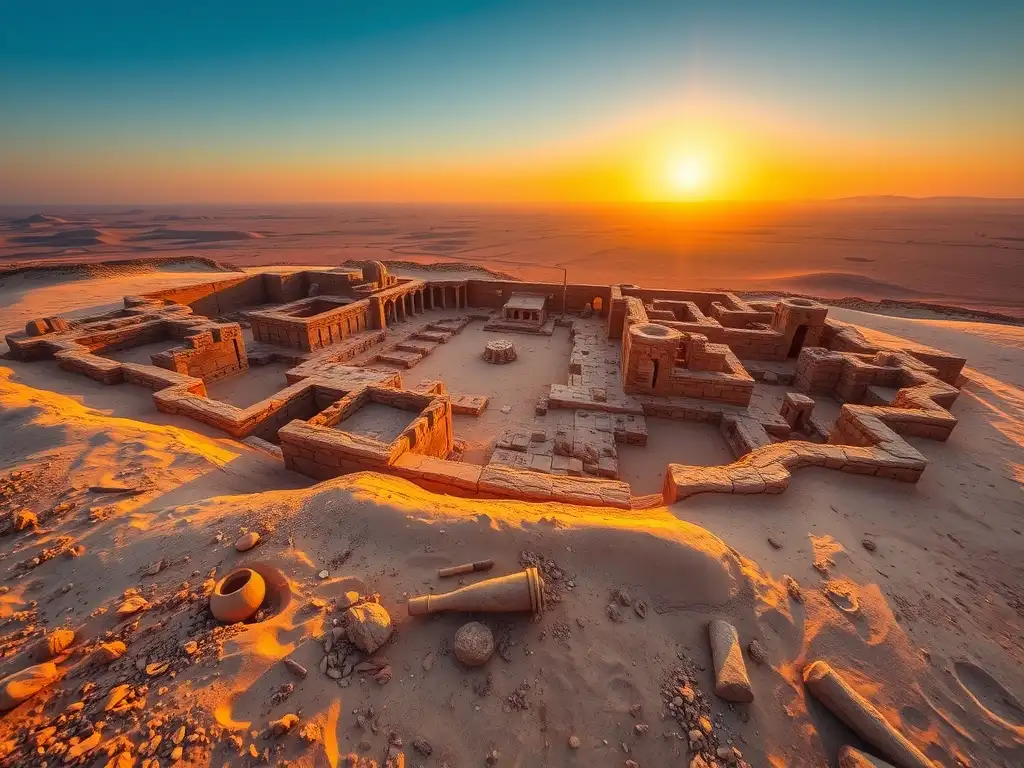
Welcome to Ancient India History, where we embark on an exhilarating journey through time, unraveling the rich tapestry of ancient Indian civilizations. In our featured article, "The Archaeological Wonders of Western India: Discoveries and Insights," we delve into the remarkable archaeological discoveries in Western India that have reshaped our understanding of this vibrant region.
Prepare to be captivated by the stories of ancient cultures, innovative contributions, and the secrets unearthed beneath the sands of time. Join us as we explore the echoes of the past that continue to resonate in our present, inviting you to uncover the fascinating legacy of ancient India.
Introduction to Archaeological Discoveries in Western India
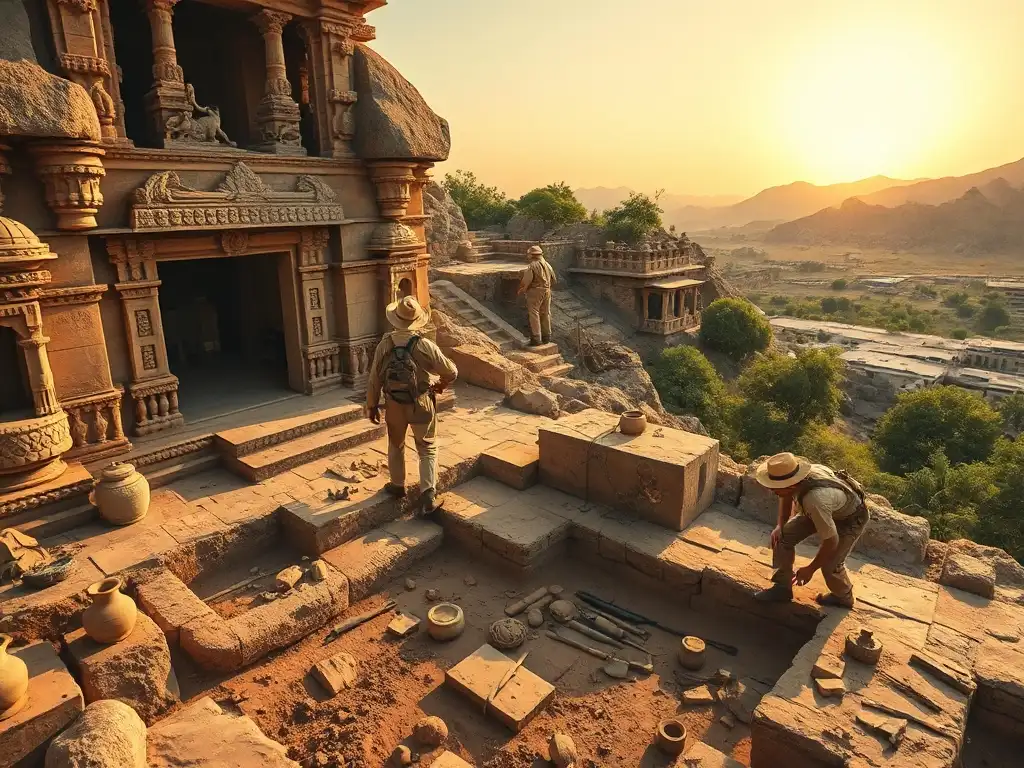
Western India is a treasure trove of archaeological wonders that illuminate the rich tapestry of its ancient civilizations. From the bustling urban centers of the Indus Valley to the intricate rock-cut caves of Ajanta and Ellora, this region offers profound insights into the cultural, social, and technological advancements of its time.
The archaeological discoveries in Western India not only showcase the artistic prowess and architectural ingenuity of its inhabitants but also reflect the complex societal structures that thrived here. This article aims to delve into the significant archaeological finds in Western India, highlighting their importance in understanding the historical narratives of this remarkable region.
Overview of Western India's Historical Significance
Western India has been a cradle of civilization for millennia, serving as a significant crossroads for trade, culture, and innovation. The region is home to several key historical landmarks:
- Indus Valley Civilization: One of the world's earliest urban cultures, known for its advanced city planning and drainage systems.
- Maurya and Gupta Empires: Periods marked by political stability, economic prosperity, and remarkable cultural achievements.
- Medieval Era: This era saw the rise of powerful dynasties, such as the Chalukyas and the Rashtrakutas, who contributed to the region's architectural landscape.
These historical phases have left an indelible mark on the cultural heritage of Western India, making it a focal point for archaeological exploration.
Importance of Archaeological Research in Understanding Ancient Civilizations
Archaeological research plays a crucial role in unearthing the past, providing tangible evidence that complements historical texts and oral traditions. The significance of these discoveries includes:
- Reconstructing Historical Narratives: Artifacts and ruins help historians piece together the lifestyles, customs, and beliefs of ancient peoples.
- Understanding Technological Advancements: Excavations reveal innovations in agriculture, architecture, and craftsmanship that were pivotal for societal development.
- Cultural Exchange and Interaction: Findings often illustrate the interactions between different cultures, showcasing the region's role in trade networks and cultural diffusion.
Through ongoing archaeological endeavors, researchers continue to uncover the complexities of ancient Indian civilizations, enriching our comprehension of their contributions to human history.
Major Archaeological Sites in Western India
The Indus Valley Civilization: A Glimpse into Early Urbanization
The Indus Valley Civilization, one of the earliest urban societies, thrived around 2500 BCE in what is now Western India and Pakistan. Key features include:
- Urban Planning: Cities like Harappa and Mohenjo-Daro boasted sophisticated layouts with grid patterns, advanced drainage systems, and public baths.
- Trade Networks: Evidence of trade with distant regions indicates a flourishing economy, with goods like cotton textiles and terracotta figurines.
- Script and Symbolism: The undeciphered Indus script suggests a complex system of writing, hinting at a rich cultural and administrative life.
These discoveries reveal the remarkable achievements of the Indus Valley people, laying the groundwork for future civilizations.
The Rock-Cut Caves of Ajanta and Ellora: Artistry and Architecture
The Ajanta and Ellora caves are monumental examples of ancient Indian rock-cut architecture, dating from the 2nd century BCE to the 6th century CE. Highlights include:
- Artistic Masterpieces: Intricate frescoes and sculptures depict Buddhist, Hindu, and Jain themes, showcasing the artistic excellence of the period.
- Architectural Ingenuity: The caves were carved from solid rock, demonstrating advanced engineering techniques and a profound understanding of natural materials.
- Cultural Significance: These sites served as monastic retreats and centers of learning, reflecting the spiritual and cultural dynamics of ancient India.
Today, the Ajanta and Ellora caves are recognized as UNESCO World Heritage Sites, attracting scholars and tourists alike.
The Ancient City of Dholavira: Water Management Innovations
Dholavira, located in the arid landscape of Gujarat, is a remarkable archaeological site that reflects advanced water management techniques employed by the Indus Valley Civilization. Key features include:
- Sophisticated Water Conservation Systems: The city had reservoirs, step wells, and a series of channels for rainwater harvesting, showcasing ingenuity in arid conditions.
- Urban Layout: Dholavira’s layout, with its fortified walls and organized streets, provides insights into urban planning and social organization.
- Inscriptions and Artifacts: Unique inscriptions and artifacts discovered at the site contribute to our understanding of the region's historical context and cultural practices.
Dholavira stands as a testament to the innovative spirit of its inhabitants, demonstrating how ancient societies adapted to their environments.
Key Archaeological Discoveries and Their Implications
Western India has been a treasure trove of archaeological discoveries that have significantly contributed to our understanding of ancient civilizations. Among the most notable finds are the remnants of urban planning, trade networks, and cultural exchanges that highlight the sophistication of societies that thrived in this region. The sites, ranging from the Indus Valley Civilization to the remnants of the Maurya and Gupta empires, showcase advanced architectural techniques, urban layouts, and intricate artefacts that speak volumes about the socio-economic and cultural dynamics of ancient India.
The implications of these discoveries extend beyond mere historical interest; they challenge existing narratives about the development of civilization in India. For instance, the findings in Gujarat reveal connections with distant cultures, suggesting that trade routes not only facilitated commerce but also cultural exchange. The evidence of standardized weights and measures indicates a level of economic organization that was previously underestimated. Such insights help historians and archaeologists re-evaluate the importance of Western India in the broader context of ancient Indian history.
Recent Findings in Gujarat: New Insights into Trade and Culture
Recent excavations in Gujarat, particularly at sites like Lothal and Dholavira, have unveiled a wealth of information regarding ancient trade practices and urban life. Lothal, known for its dockyard, illustrates the importance of maritime trade in the Harappan period. Artefacts such as beads, pottery, and seals found in Lothal indicate extensive trade networks that connected India with civilizations in Mesopotamia and beyond.
Moreover, new findings at Dholavira, which is recognized for its sophisticated water conservation systems and architectural marvels, have provided insights into the social organization and cultural practices of its inhabitants. The layout of the city demonstrates an advanced understanding of urban planning, while inscriptions found on the site offer glimpses into the administrative and linguistic aspects of the society. These discoveries underscore the role of Gujarat as a pivotal region in ancient trade and culture, reshaping our understanding of its historical significance.
Inscriptions and Artefacts: Understanding Language and Communication
Inscriptions and artefacts unearthed in Western India serve as crucial keys to understanding the languages and communication methods of ancient societies. Sites like Junagadh and the caves of Ajanta and Ellora have yielded inscriptions in various scripts, including Brahmi and Kharosthi, which provide invaluable data on the linguistic evolution in the region.
The artefacts—ranging from pottery with inscriptions to stone carvings—reflect the socio-political and religious contexts of their time. For example, the inscriptions found at Junagadh detail the achievements of rulers and their patronage of Buddhism and Hinduism, indicating the interplay between governance and religion. Furthermore, these findings help linguists trace the development of regional dialects and scripts, contributing to a richer understanding of India's linguistic heritage.
The Role of Excavations in Revealing Daily Life in Ancient Societies
Excavations in Western India have played a pivotal role in revealing the everyday lives of ancient societies. Through the careful analysis of domestic structures, tools, and remnants of food, archaeologists have painted a vivid picture of daily routines, social interactions, and economic activities. Sites such as the Indus Valley cities provide insights into urban living, with evidence of drainage systems, granaries, and workshop areas indicating a high degree of social organization.
Moreover, the discovery of household items, like pottery and ornaments, allows researchers to infer social status and cultural practices. For instance, the variety of pottery styles and cooking implements found across different strata of ancient settlements suggests not only technological advancements but also cultural exchanges and variations in dietary habits. These excavations help us understand the complexities of ancient life, emphasizing that daily existence was deeply intertwined with larger societal structures.
Archaeological Techniques Used in Western India
The study of archaeological discoveries in Western India relies on an array of techniques that enhance the understanding of the region's history. These methods not only improve the accuracy of findings but also provide deeper insights into the context of discoveries, allowing archaeologists to reconstruct ancient societies more effectively.
Remote Sensing and Geographic Information Systems (GIS) in Archaeology
Remote sensing and GIS technologies have revolutionized archaeological research in Western India. These tools allow archaeologists to survey large areas quickly and efficiently, identifying potential sites without extensive ground excavation. For instance, satellite imagery has revealed patterns of ancient settlements and topographical features that would be difficult to discern through traditional methods.
GIS, in particular, aids in analyzing spatial relationships between various archaeological sites, helping researchers understand trade routes, settlement patterns, and environmental factors that influenced human activity. By integrating these technologies, archaeologists can create comprehensive models of ancient landscapes, leading to more informed hypotheses about the interactions between communities and their environments.
Carbon Dating and Its Importance in Dating Discoveries
Carbon dating is a crucial technique employed in Western India to establish the chronological framework of archaeological finds. By measuring the decay of carbon-14 in organic materials, researchers can ascertain the age of artefacts, structures, and even human remains. This method has been particularly valuable in sites associated with the Indus Valley Civilization and later periods, providing a timeline that helps contextualize discoveries within broader historical narratives.
The precision of carbon dating allows for a more nuanced understanding of the timeline of cultural and technological developments in Western India. For example, dating pottery and organic remains from various layers of excavation helps establish sequences of habitation and cultural practices, informing researchers about periods of stability and change within ancient societies.
Collaborative Efforts: Archaeologists and Local Communities
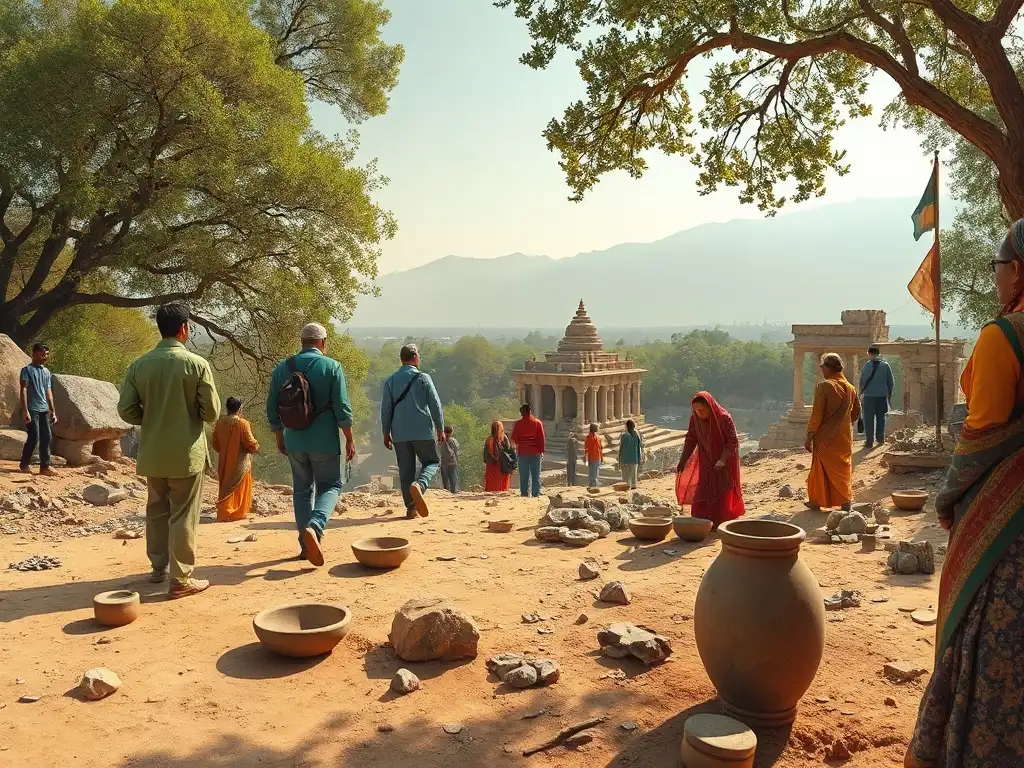
The role of local communities in archaeological research in Western India cannot be overstated. Collaborative efforts between archaeologists and local populations have led to significant discoveries and a greater appreciation of cultural heritage. Local knowledge often guides archaeologists to important sites, while community involvement ensures that excavations are conducted ethically and respectfully.
Moreover, engaging local communities in the preservation of archaeological sites fosters a sense of ownership and pride in cultural heritage. Educational programs and public outreach initiatives have emerged from these collaborations, promoting awareness of the region's rich history. This synergy not only enhances archaeological efforts but also contributes to the sustainable management of cultural resources, ensuring that the insights gained from the past are preserved for future generations.
Insights Gained from Archaeological Research
Archaeological research in Western India has unveiled a treasure trove of insights into the lives, cultures, and technologies of ancient civilizations. Through meticulous excavation and analysis, researchers have pieced together narratives that highlight the complexity and richness of these societies. Key findings have illuminated aspects such as social organization, trade networks, and religious practices, showcasing the region's pivotal role in the broader tapestry of Indian history.
One significant insight is the evidence of urban planning found in sites like Dholavira, which reflects advanced engineering skills and a sophisticated understanding of water management. The intricate drainage systems and reservoir structures indicate a high level of civic infrastructure, suggesting that the inhabitants prioritized hygiene and sustainability. Such discoveries contribute to our understanding of how ancient societies adapted to their environments and managed resources.
Moreover, the study of artifacts, such as pottery, seals, and tools, has revealed connections between Western India and other regions, emphasizing the importance of trade and cultural exchange. These artifacts serve as tangible links to the past, allowing historians to trace the movement of goods and ideas across vast distances, which played a crucial role in shaping the cultural landscape of ancient India.
Cultural Exchange in Ancient Western India
Western India has long been a crossroads of cultures, where diverse populations interacted and exchanged ideas. The archaeological findings indicate that this region was not only a hub for local developments but also a significant player in international trade. Sites like Lothal, known for its dockyard, highlight the maritime trade connections with distant lands, including Mesopotamia and Persia.
The exchange of goods was accompanied by the sharing of artistic styles, religious beliefs, and technological innovations. For instance, the presence of terracotta figurines and seals with scripts that show influences from both the Indus Valley civilization and subsequent cultures underscores the syncretism that characterized the region. This cultural blending is evident in the architectural styles and urban layouts that emerged, reflecting a fusion of indigenous and foreign elements.
Additionally, the influx of different religious practices, particularly during the Mauryan and Gupta periods, illustrates how Western India became a melting pot of spiritual ideologies. The influence of Buddhism, Jainism, and Hinduism can be traced through various archaeological sites, where stupas, temples, and monastic complexes reveal the profound impact of these faiths on the region's cultural fabric.
The Influence of Geography on Settlement Patterns
The geography of Western India, characterized by its diverse landscapes, has significantly influenced settlement patterns throughout history. The coastal areas, with their access to the Arabian Sea, facilitated trade and maritime activities, leading to the establishment of thriving ports like Dholavira and Sopara. These locations became bustling centers of commerce, attracting traders and settlers from various regions.
Inland, the Western Ghats provided a different set of opportunities and challenges. The fertile plains and river valleys supported agriculture, enabling communities to establish permanent settlements. Archaeological evidence from sites near the Narmada and Tapti rivers reveals that these areas were conducive to farming and thus attracted larger populations.
Moreover, the harsh conditions of the arid regions of Rajasthan presented unique challenges that shaped the lifestyles of the inhabitants. The archaeological findings in places like Kalibangan illustrate how communities adapted to these environments through innovations in irrigation and water conservation. This adaptability highlights the resilience of ancient civilizations in the face of geographical constraints.
Challenges and Future Directions in Archaeological Studies
Archaeological studies in Western India face several challenges that hinder the preservation and exploration of ancient sites. One of the primary concerns is the encroachment of urban development, which threatens to obliterate significant archaeological remains. As cities expand, many sites are at risk of being destroyed or damaged, leading to a loss of invaluable historical data.
Additionally, the lack of funding and resources for excavation and research can limit the scope of archaeological projects. Many important sites remain underexplored due to insufficient investment in infrastructure and expert personnel. This highlights the urgent need for increased financial support and collaboration between government bodies, academic institutions, and private organizations.
Future archaeological studies must also focus on integrating multidisciplinary approaches, combining traditional excavation techniques with modern scientific methods. This can enhance the understanding of ancient cultures and provide deeper insights into their technological advancements and cultural practices.
Preservation of Archaeological Sites: Threats and Solutions
The preservation of archaeological sites in Western India is critical for safeguarding the region's rich heritage. However, multiple threats, including urbanization, climate change, and looting, pose significant risks to these sites. Urban expansion often leads to the destruction of historical layers that cannot be recovered once lost.
To mitigate these threats, a collaborative approach involving local communities, government agencies, and non-governmental organizations is essential. Implementing protective legislation and creating awareness programs can help foster a sense of ownership among local populations. Engaging communities in the preservation process not only empowers them but also ensures that the cultural significance of these sites is recognized and respected.
Additionally, employing sustainable tourism practices can generate revenue for the maintenance of archaeological sites while promoting their historical importance. By attracting responsible tourists, Western India can benefit economically without compromising the integrity of its archaeological heritage.
The Role of Modern Technology in Future Discoveries
Modern technology has revolutionized archaeological research, offering innovative tools and techniques that enhance our understanding of ancient civilizations. Remote sensing, Geographic Information Systems (GIS), and 3D scanning are just a few examples of how technology is transforming the field. These tools allow archaeologists to survey large areas efficiently, identify potential sites, and visualize historical landscapes in ways that were previously unimaginable.
For instance, LiDAR (Light Detection and Ranging) technology has been instrumental in uncovering hidden structures beneath dense vegetation, revealing sites that may have gone unnoticed for centuries. This capability is particularly valuable in Western India, where jungle-covered ruins may hold significant archaeological information.
Moreover, advancements in dating techniques, such as radiocarbon dating and DNA analysis, provide more accurate timelines for human activity and population movements. These methods can clarify the chronology of ancient settlements and help establish connections between different cultures, leading to more nuanced interpretations of historical events.
Encouraging Public Engagement and Education in Archaeology
Public engagement and education are vital for fostering a greater appreciation of archaeology and its contributions to understanding history. Encouraging local communities to participate in archaeological projects can enhance their awareness of the cultural heritage surrounding them. Workshops, exhibitions, and educational programs can help demystify archaeology and promote its importance.
Schools and universities play a crucial role in this educational outreach. Integrating archaeology into the curriculum can spark interest among students and inspire the next generation of archaeologists and historians. Field trips to archaeological sites, combined with hands-on experiences, can provide students with a tangible connection to their heritage.
Moreover, leveraging social media and digital platforms can broaden the reach of archaeological findings, making them accessible to a wider audience. Online resources, virtual tours, and interactive exhibits can engage people from different backgrounds and encourage lifelong learning about the rich history of Western India. By promoting public involvement, we can cultivate a collective responsibility to preserve and celebrate our shared heritage.
Conclusion: The Ongoing Legacy of Archaeological Discoveries in Western India
Western India is a treasure trove of archaeological discoveries that continue to shape our understanding of ancient civilizations. The region's historical significance is underscored by its rich cultural landscape, which includes impressive sites like the Indus Valley Civilization, the rock-cut caves of Ajanta and Ellora, and the architectural marvels of the Gupta Empire. These discoveries not only reveal the technological and artistic advancements of ancient India but also highlight the interconnectedness of cultures through trade, migration, and influence.
As researchers delve deeper into Western India's archaeological sites, new findings are continuously emerging, providing fresh insights into the region's past. The preservation of these sites and the knowledge gained from them ensures that the legacy of ancient Indian civilizations endures. Furthermore, the stories told through these archaeological wonders contribute to a broader understanding of human history, where ancient practices, beliefs, and innovations resonate with contemporary society.
The Importance of Continued Research and Exploration
The importance of ongoing research and exploration in Western India cannot be overstated. As modern techniques such as remote sensing, ground-penetrating radar, and advanced excavation methods become increasingly accessible, archaeologists are uncovering layers of history that were previously hidden. These advancements allow for a more comprehensive understanding of past societies, including their social structures, economic systems, and cultural practices.
In addition to technological innovations, collaborative efforts among international teams and local scholars foster a more holistic approach to archaeology. Engaging local communities in the research process not only aids in the preservation of sites but also enriches the narratives surrounding these archaeological discoveries. Continued exploration is vital for uncovering lesser-known sites that may hold significant historical value, thereby contributing to the ever-evolving tapestry of Western India's heritage.
Inviting Future Generations to Explore Western India's Rich Heritage
Inviting future generations to explore Western India's rich heritage is crucial for the preservation and appreciation of its archaeological wonders. Educational initiatives, such as school programs, workshops, and field trips, can inspire young minds to develop an interest in archaeology and history. By fostering curiosity and promoting hands-on experiences, we can cultivate a new generation of historians, archaeologists, and cultural enthusiasts.
Moreover, enhancing accessibility to archaeological sites through well-maintained visitor centers, informative signage, and guided tours can significantly enrich the public's understanding of these cultural treasures. Social media and digital platforms can also play a pivotal role in promoting awareness of Western India's archaeological discoveries, encouraging global engagement and support for preservation efforts.
The archaeological discoveries in Western India serve as a bridge connecting the past to the present, inviting everyone to appreciate the richness of ancient civilizations. By continuing research and exploration while engaging future generations, we ensure that the legacy of Western India's heritage remains vibrant and influential for years to come.
- Introduction to Archaeological Discoveries in Western India
- Major Archaeological Sites in Western India
- Key Archaeological Discoveries and Their Implications
- Archaeological Techniques Used in Western India
- Insights Gained from Archaeological Research
- Challenges and Future Directions in Archaeological Studies
- Conclusion: The Ongoing Legacy of Archaeological Discoveries in Western India
- What are the most significant archaeological discoveries in Western India?
- How do these discoveries enhance our understanding of ancient Indian civilizations?
- What role did Western India play in the trade networks of ancient times?
- How have modern technologies impacted the study of archaeological sites in Western India?
- Why is it essential to preserve the archaeological sites in Western India?
Frequently Asked Questions
What are the most significant archaeological discoveries in Western India?
Some of the most significant archaeological discoveries include the Indus Valley Civilization sites, ancient Buddhist stupas, and remnants of the Mauryan and Gupta empires, showcasing the region's rich history.
How do these discoveries enhance our understanding of ancient Indian civilizations?
These discoveries provide insights into the social structure, trade practices, and cultural exchanges of ancient Indian civilizations, highlighting their advanced urban planning and artistic achievements.
What role did Western India play in the trade networks of ancient times?
Western India was a crucial hub in ancient trade networks, facilitating commerce between the Indus Valley, Persia, and beyond, supported by its strategic location along the coastal routes.
How have modern technologies impacted the study of archaeological sites in Western India?
Modern technologies like ground-penetrating radar and 3D mapping have revolutionized the study of archaeological sites, allowing researchers to uncover and analyze hidden artifacts without extensive excavation.
Why is it essential to preserve the archaeological sites in Western India?
Preserving these archaeological sites is vital for protecting our cultural heritage, enabling future research, and fostering a deeper understanding of the historical significance of ancient Indian civilizations.
Final Reflection: Unveiling the Past, Shaping the Future
The archaeological discoveries in Western India not only illuminate the rich tapestry of our history but also resonate profoundly with our contemporary world. As we delve into the remnants of ancient civilizations, we uncover stories that transcend time, reminding us of our shared humanity and the intricate connections that bind us across generations. The significance of these discoveries is not merely academic; they challenge us to reflect on our identity and heritage in an ever-evolving landscape.
The impact of these archaeological wonders extends beyond mere artifacts; they serve as a lens through which we can understand the cultural and social dynamics of our present. The narratives unearthed from the sands of time inspire a deeper appreciation for our diverse backgrounds and foster a sense of unity amidst our differences. As historian R. S. Sharma eloquently stated, History is not just a record of the past; it is a guide to the future.
This perspective encourages us to engage with our history actively, recognizing that the lessons learned from our ancestors can inform our choices today.
As we conclude this exploration, I invite you to reflect on the importance of preserving and celebrating our archaeological heritage. Consider how the insights gained from these discoveries can influence your understanding of identity, culture, and community. Let the stories of Western India's past inspire you to seek out your own roots and contribute to the ongoing narrative of humanity. Together, we can honor the past while forging a path toward a more connected and enlightened future.
Unleash Your Curiosity: Dive Deeper into Western India's Archaeology!
Thank you for taking the time to explore the fascinating archaeological wonders of Western India! We hope you found inspiration in the incredible discoveries and insights that paint a vivid picture of our ancient heritage. Now it’s time to take that inspiration and turn it into action!
Here are some ways you can deepen your connection with this rich history:
- Explore local museums: Visit a nearby museum to see artifacts from Western India and enhance your understanding of their significance.
- Join a community group: Engage with fellow history enthusiasts by participating in discussions, attending lectures, or volunteering for archaeological projects.
- Share your newfound knowledge: Start conversations with friends or online communities about what you’ve learned. Consider writing a blog post or sharing updates on social media to spark interest!
What aspect of Western Indian archaeology excites you the most, and how will you pursue it further?